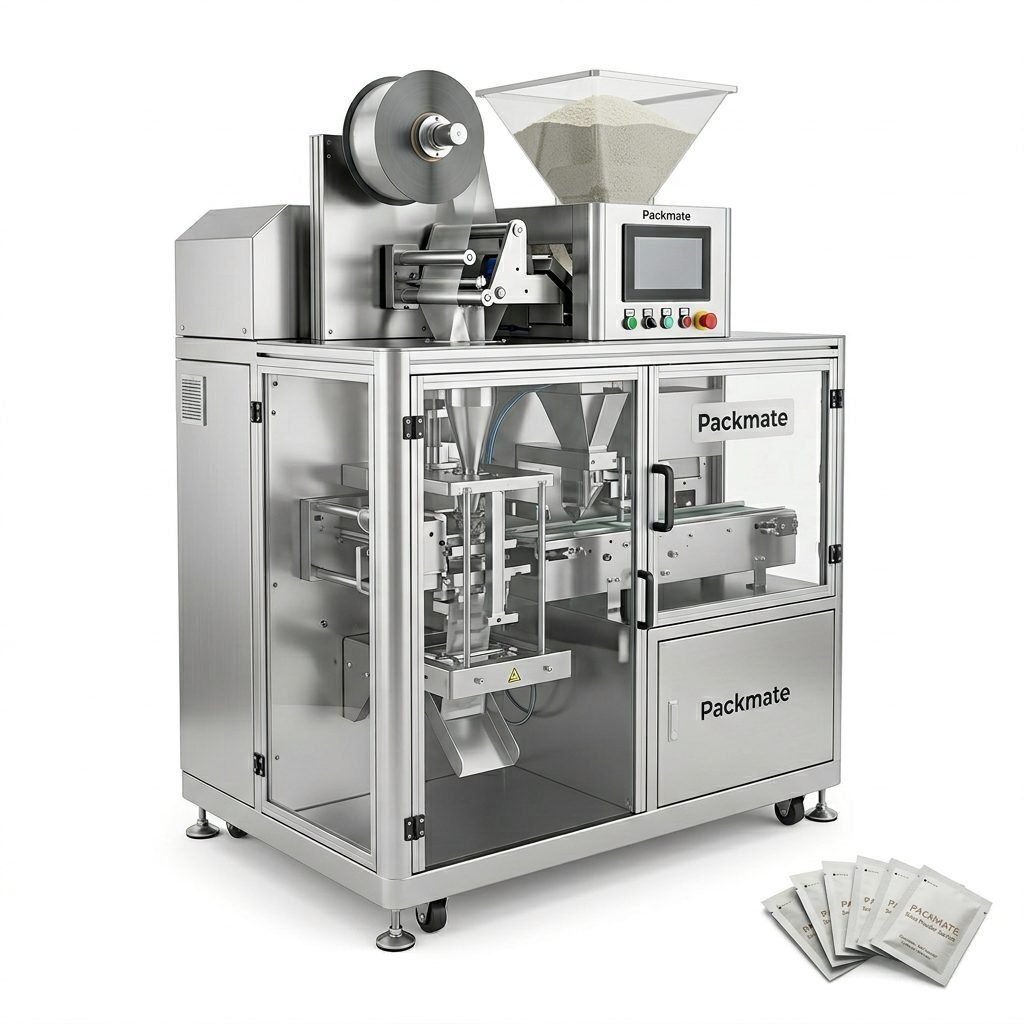
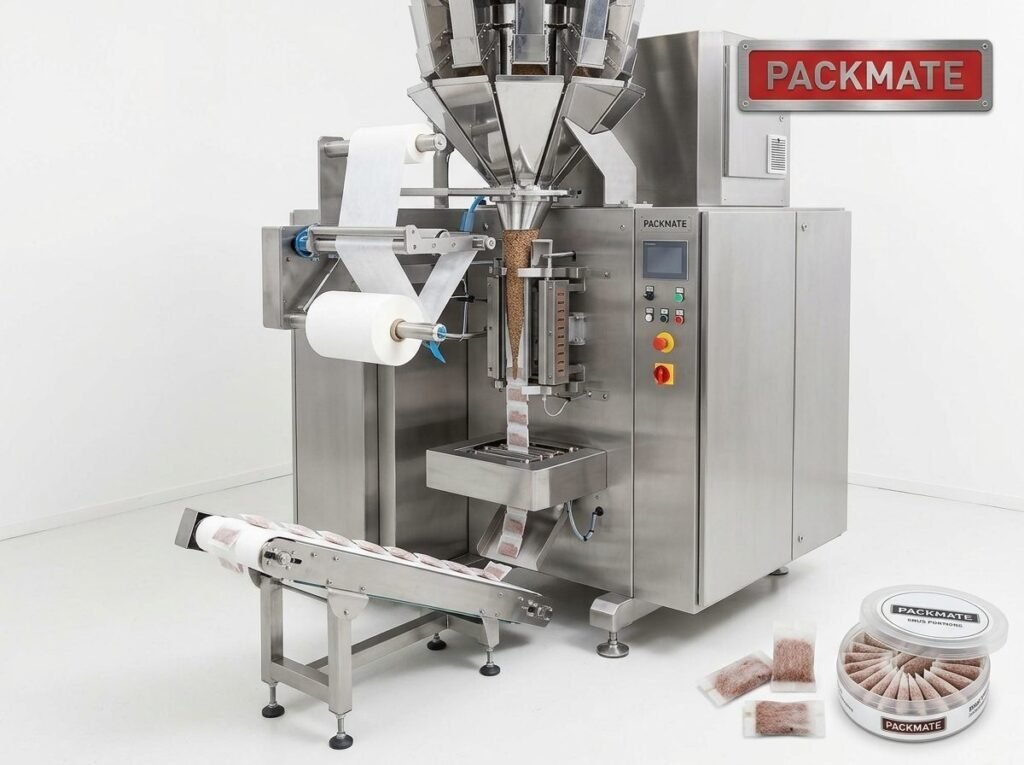
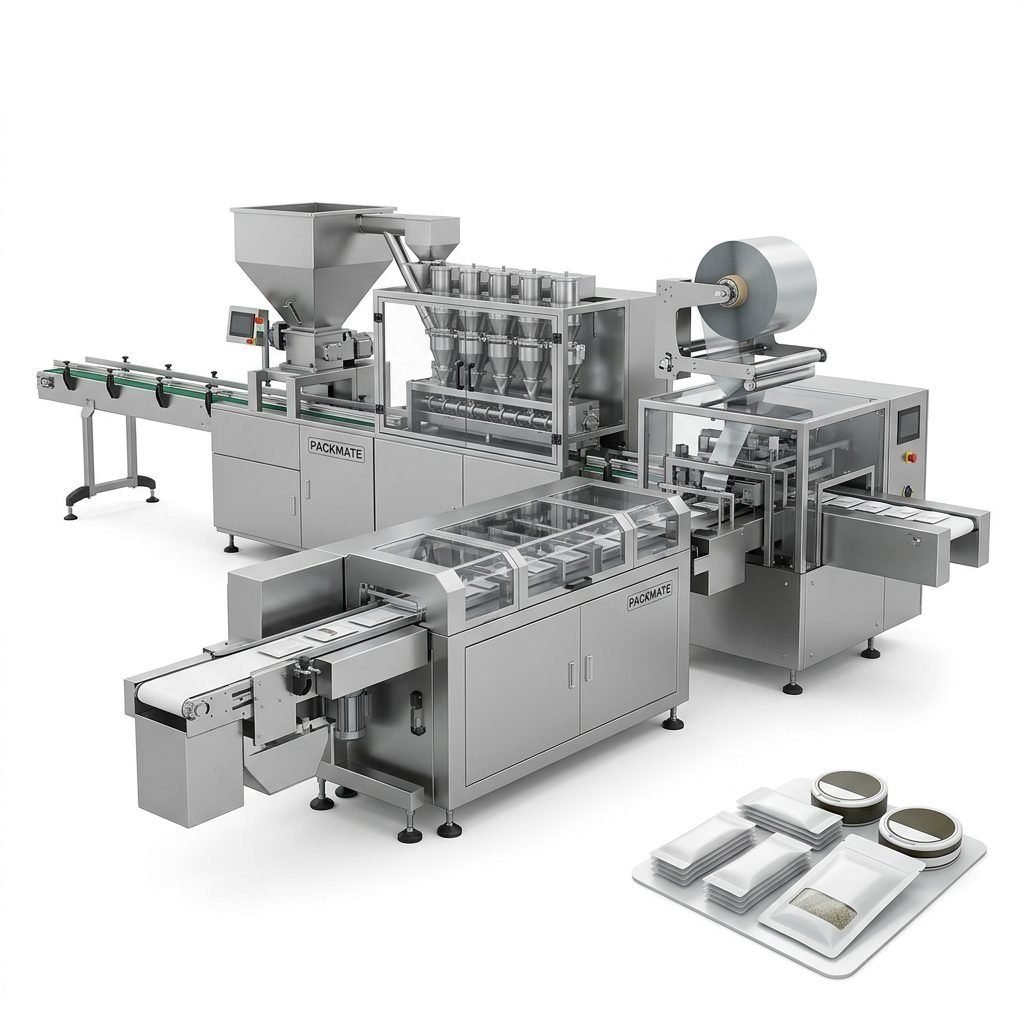
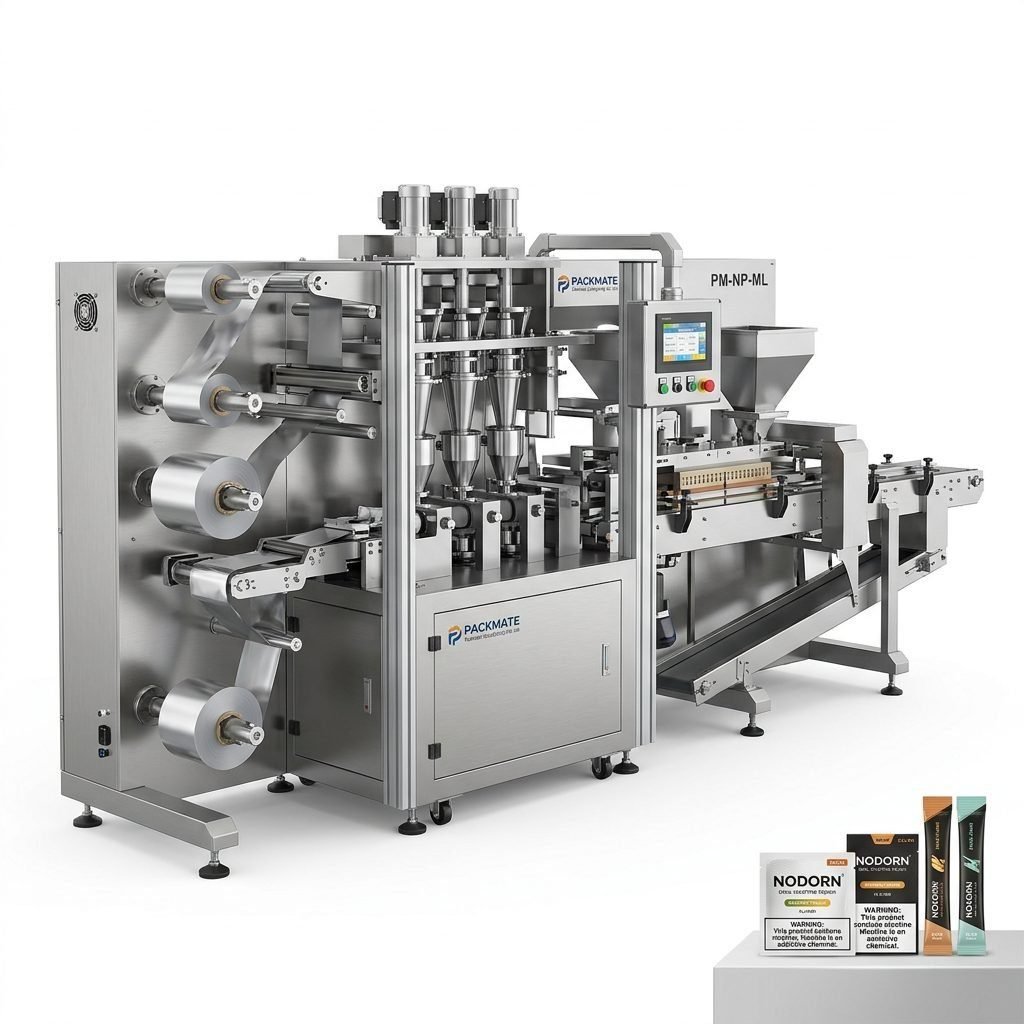
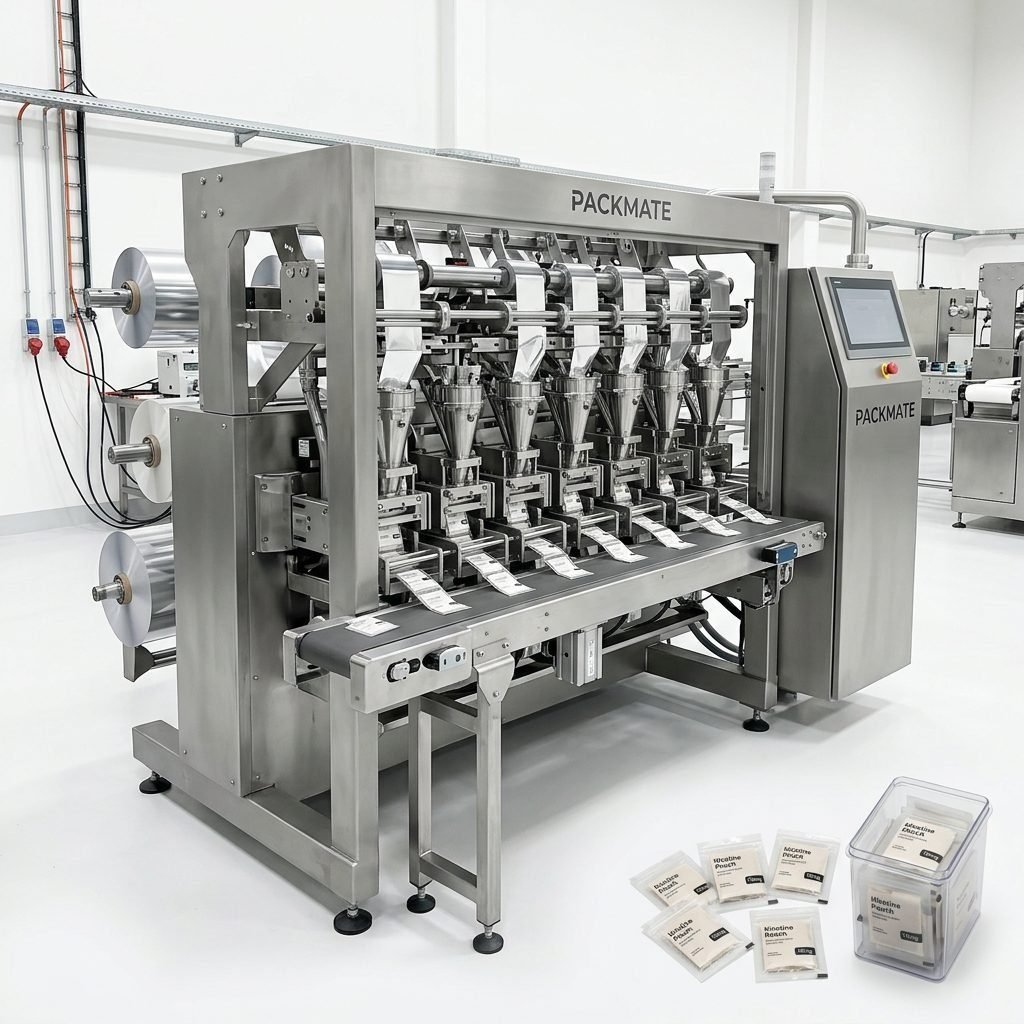
Choosing the right nicotine packaging machine manufacturer for your business in Andorra requires a clear understanding of the technology, production needs, and long-term service expectations. Whether you’re producing nicotine pouches, snus, sachets or stick packs, the right partner will deliver machines that meet regulatory standards, scale with your volumes, and provide reliable after-sales support. This guide walks you through practical steps and critical criteria to help you select the best manufacturer for your operation.
Understand the Local and Export Market Needs
The nicotine pouch and snus market in Andorra and nearby European regions is evolving fast. You must define your target products clearly — single-dose nicotine pouches, multi-pouch sachets, or stick packs — because each requires different packaging formats and machinery configurations. Evaluate expected daily output, shelf-life and packaging materials early on to match machine capabilities to your business strategy.
Key product questions to answer
• What pouch format will you run (round, oval, rectangular)?
• What are your target cycles per minute and daily throughput?
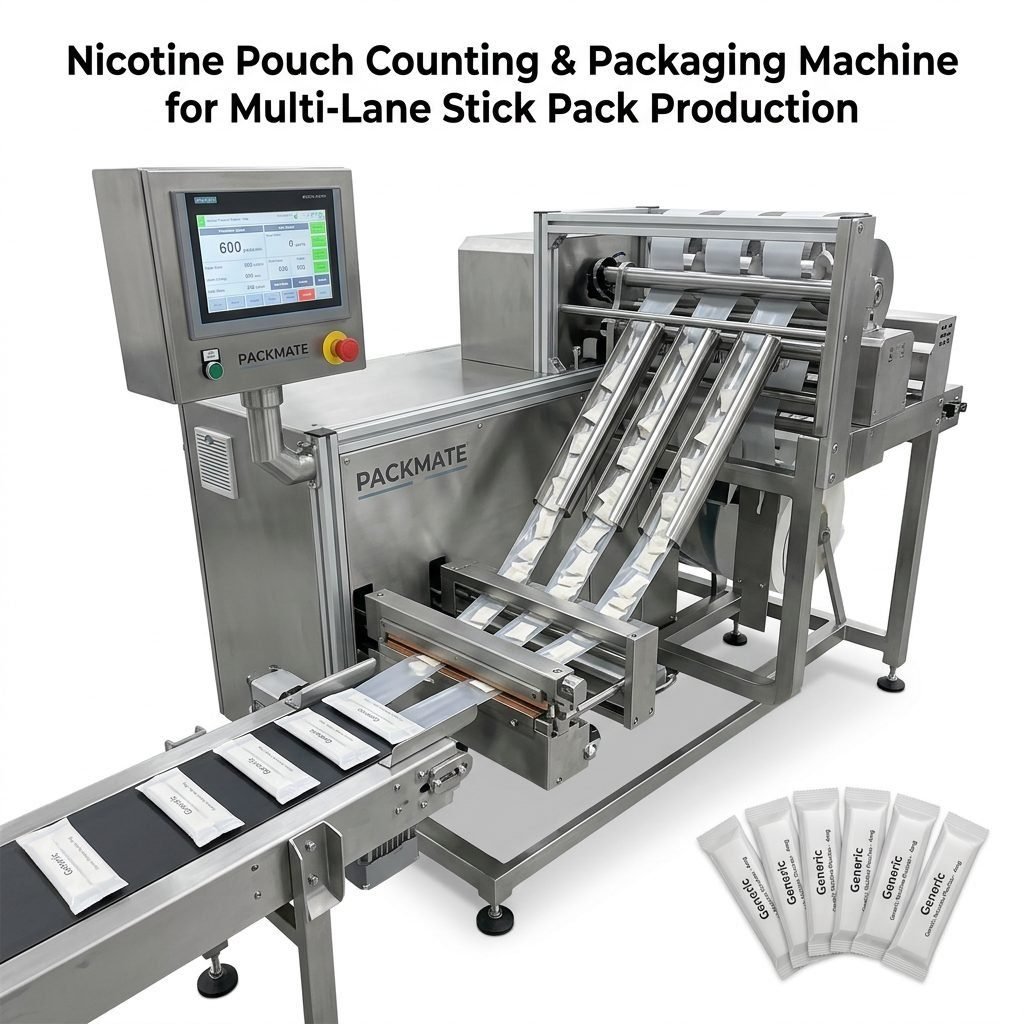
• Do you require multi-lane production for small-dose pouches?
• Will you handle powder, granule, or paste fillings?
🔧 Tip: When you can describe your product format, target speed and packaging material precisely, manufacturers can recommend a tailored solution instead of a one-size-fits-all machine.
Why Manufacturer Credentials Matter
A reputable manufacturer brings engineering experience, consistent quality control, and the ability to provide spare parts and service over the machine lifetime. Look for companies with a proven track record in snus and nicotine pouch equipment. For example, established suppliers often present case studies, certifications, and exhibition participation that demonstrate their global footprint and technical capabilities.
For specialized snus and nicotine packaging machines, explore dedicated product pages such as Snus & Nicotine Packaging Machines and related lines for broader packaging needs like Bag & Pouch Packaging Machines.
Evaluate Technical Capabilities and Machine Range
A comprehensive product lineup signals engineering depth. Check if the manufacturer offers:
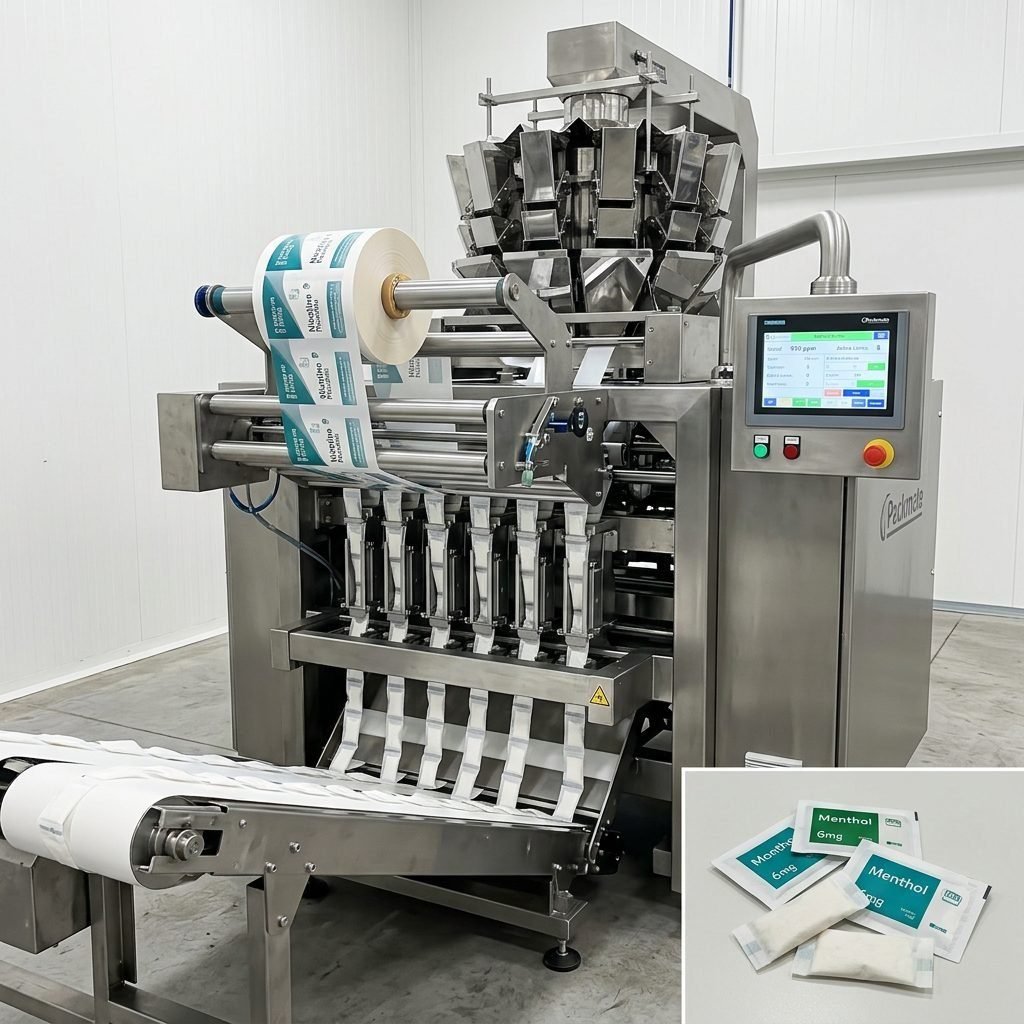
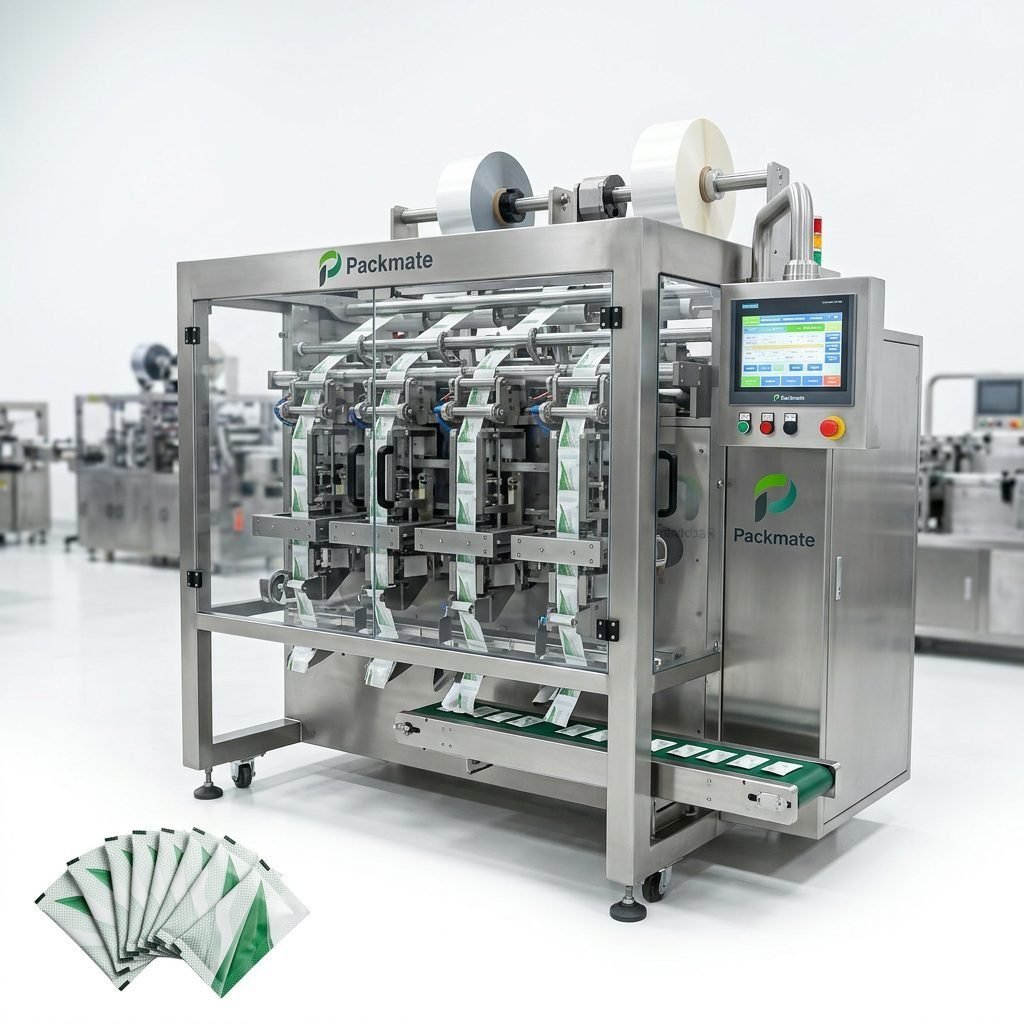
- Multi-lane systems for high-efficiency small-dose pouch production
- Stick pack and sachet machines for flexible SKUs
- Integrated weighing, filling and dosing systems for powders and granules
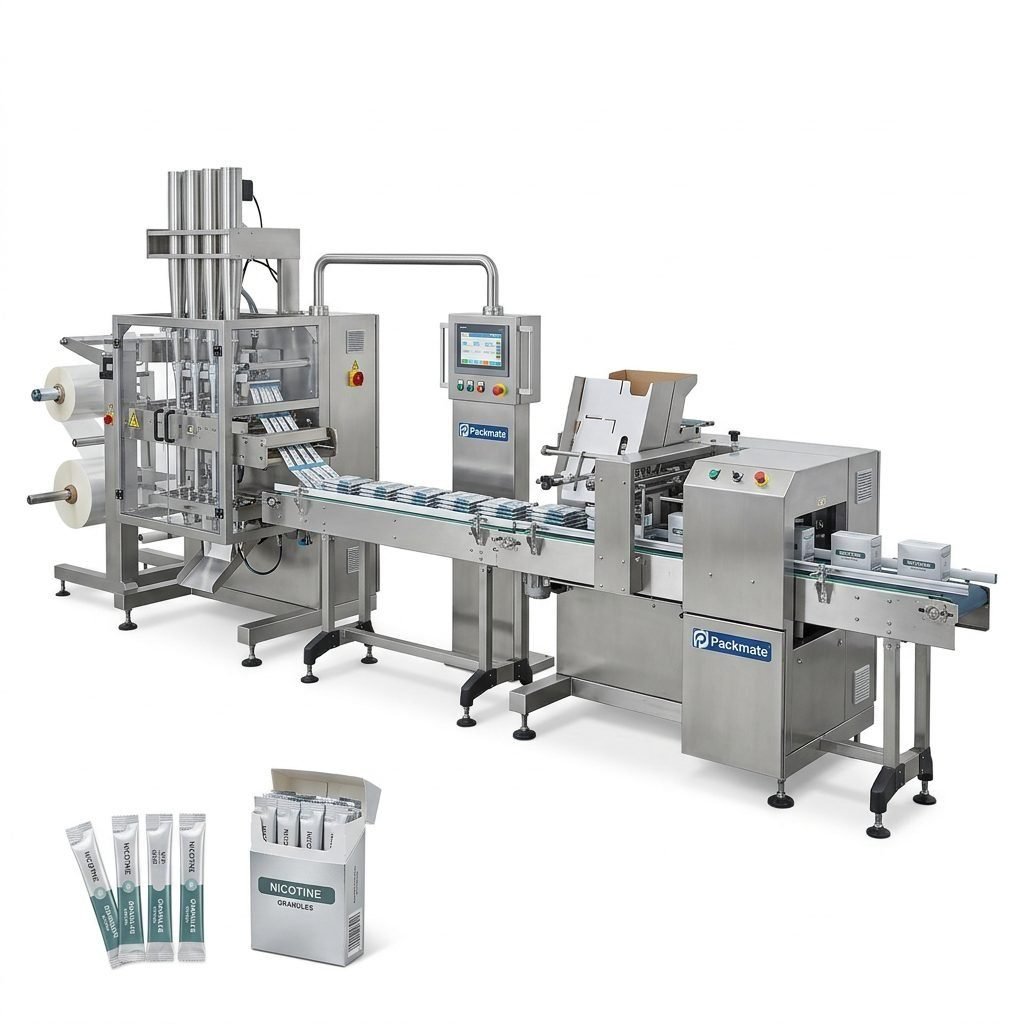
- Turnkey packaging lines that include auxiliary equipment and automation
✅ Performance check: Ask for model-specific throughput data, accepted pouch sizes, lane counts, and changeover times. Compare these numbers against your planned production schedule.
Manufacturing Strength and Quality Assurance
Manufacturing capability matters: a factory with advanced CNC machining centers, precision assembly lines, and strict testing will produce more reliable machines. Verify workshop area, machine models offered, and production processes. A manufacturer with a large dedicated facility and 20,000㎡ plant, for example, often demonstrates capacity to supply customized solutions and quick spare parts.
Browse company credentials like certifications and factory details to confirm compliance and reliability. Many suppliers publish certificates and factory tours — review these resources to get a better sense of their capabilities.
Certifications, Compliance and Export Readiness
Ensure machines meet international standards (CE, ISO) and can be maintained with appropriate documentation. Compliance affects not only safety and reliability but also customs and import requirements when shipping to Andorra or neighboring countries.
Ask for documentation
Request certifications, commissioning reports, and FAT (Factory Acceptance Test) records. This reduces risk and accelerates regulatory approval on arrival.
Service, Spare Parts and Local Support
After-sales service is a critical differentiator. Machines for nicotine pouch production are precision equipment that require timely calibration, spare parts and technical support. Evaluate:
- Availability of spare parts and consumables
- Remote support capability (video guidance, PLC access)
- Local technical partners or service centers in Europe
- Training programs for operators and maintenance staff
⚠️ Remember: A lower purchase price can be offset by long lead times for spare parts. Prioritize suppliers who demonstrate fast spare-part logistics and local technical partnerships.
Turnkey Solutions and Customization
If you need a complete production line, seek manufacturers who offer turnkey solutions — from filling and dosing to final packaging and labeling. Customization options (special tooling for unique pouch shapes, customized infeed conveyors, or bespoke user interfaces) help optimize line efficiency for your specific product.
Review turnkey case studies or request examples of similar implementations. You can explore real-world deployments in the supplier’s case section, which often showcases performance metrics and client testimonials. See manufacturer cases here: Case.
Total Cost of Ownership and ROI
Compare machines not only by purchase price but by total cost of ownership (TCO). Consider energy consumption, expected uptime, maintenance intervals, and expected production yields. A more robust machine with a higher initial cost may deliver a faster ROI via reduced downtime and higher-quality output.
Financial checklist
• Estimated yearly operating cost
• Mean time between failures (MTBF) and expected maintenance labor hours
• Warranty coverage and service level agreements (SLAs)
• Depreciation timeline and spare parts pricing
Factory Visits, FAT and Acceptance Tests
Schedule a factory visit whenever possible. Witnessing machine demonstrations, inspecting assembly lines and meeting the engineering team reduces procurement risk. During Factory Acceptance Tests (FAT), request the manufacturer run your actual product or a close sample to validate performance. A transparent FAT process often indicates reliable post-sale behavior.
Logistics, Installation and Commissioning
Clarify shipping terms, packaging protection, and on-site installation responsibilities. Determine whether the supplier includes field technicians for commissioning and initial training. Confirm compliance documentation needed for customs clearance in Andorra and estimate delivery timelines to avoid production delays.
How to Shortlist Suppliers — Practical Checklist
Use a weighted checklist to compare suppliers objectively. Consider scoring each candidate on:
- Technical fit to product and capacity needs
- Factory capability and quality control systems
- Certifications and compliance documents
- After-sales service network and spare-part availability
- Customer references and case studies
- Total cost of ownership and delivery timeline
🔍 Shortlist tip: Prioritize suppliers that demonstrate clear evidence of fabricating similar lines and provide verifiable references.
Negotiation and Contract Essentials
When negotiating terms, ensure contract clarity on delivery dates, acceptance criteria, warranty scope, spare parts lead times, and penalties for non-compliance. Include provisions for training, onsite commissioning, and performance guarantees for throughput and packaging integrity.
Why Consider a Specialized Manufacturer Like Packmate
Specialized suppliers that focus on snus and nicotine pouch equipment bring considerable advantages: domain-specific engineering, tested multi-lane solutions, and a library of machine formats that reduce development time. If you want to deep-dive into one supplier’s offering, review their product lines and company profile to assess suitability. For instance, Packmate’s product pages and company background provide detailed insights: About Packmate, Snus & Nicotine Packaging Machines, and support materials like Service.
Exhibitions and Live Demos
Attending trade shows or manufacturer exhibitions allows you to see machines running and evaluate ergonomics and build quality in person. Check exhibition schedules and demonstration videos to validate claims before committing.
Final Steps Before Purchase
1. Finalize specifications and get a detailed quotation with lead times.
2. Request a FAT and witness tests with your product or equivalent.
3. Confirm warranty, spare-part kits and training packages.
4. Prepare site logistics and safety measures for installation.
5. Schedule a phased acceptance process tied to performance metrics.
📦 Pro tip: Ask the manufacturer for a spare-parts starter kit and recommended preventive maintenance schedule to minimize initial downtime after installation.
Next Actions and Contact
Start by compiling a clear product brief and sharing it with 2–3 qualified manufacturers. Schedule technical calls and request sample runs or videos of the machines processing similar products. When ready, visit the factory for FAT or invite the supplier to perform a remote demonstration. For more information or direct inquiries, consider visiting supplier contact pages such as Contact Us.
Closing summary
Selecting the best nicotine packaging machine manufacturer for your Andorra-based business hinges on matching technical capabilities to product needs, verifying manufacturing and quality credentials, ensuring robust after-sales support, and assessing the total cost of ownership. By using a structured checklist, requesting FATs, and focusing on suppliers with proven snus and nicotine pouch experience, you minimize risk and accelerate time-to-market.
Common Questions
Q1: How long does it take to receive and commission a snus packaging line? — Delivery and commissioning typically range from 12 to 28 weeks depending on customization, FAT scheduling, and shipping logistics. Manufacturers with stock models may shorten lead time.
Q2: What certifications should I require for machines shipped to Andorra? — Request CE and ISO documentation at minimum, plus electrical and safety compliance certificates. Ensure the supplier provides FAT reports and detailed manuals to speed customs clearance.
Q3: Can machines be upgraded from single-lane to multi-lane later? — Some designs allow modular upgrades, but the feasibility depends on the original machine architecture. Discuss upgrade paths during the procurement phase to avoid costly replacements.
Q4: How is after-sales support usually provided? — Support may include remote diagnostics, spare-part shipments, on-site technicians for commissioning, and scheduled maintenance training. Confirm SLA terms before signing a contract.
Q5: Where can I see real examples and case studies? — Review manufacturer case studies and exhibition demos to see live performance; many suppliers publish client cases and exhibition summaries online for reference.