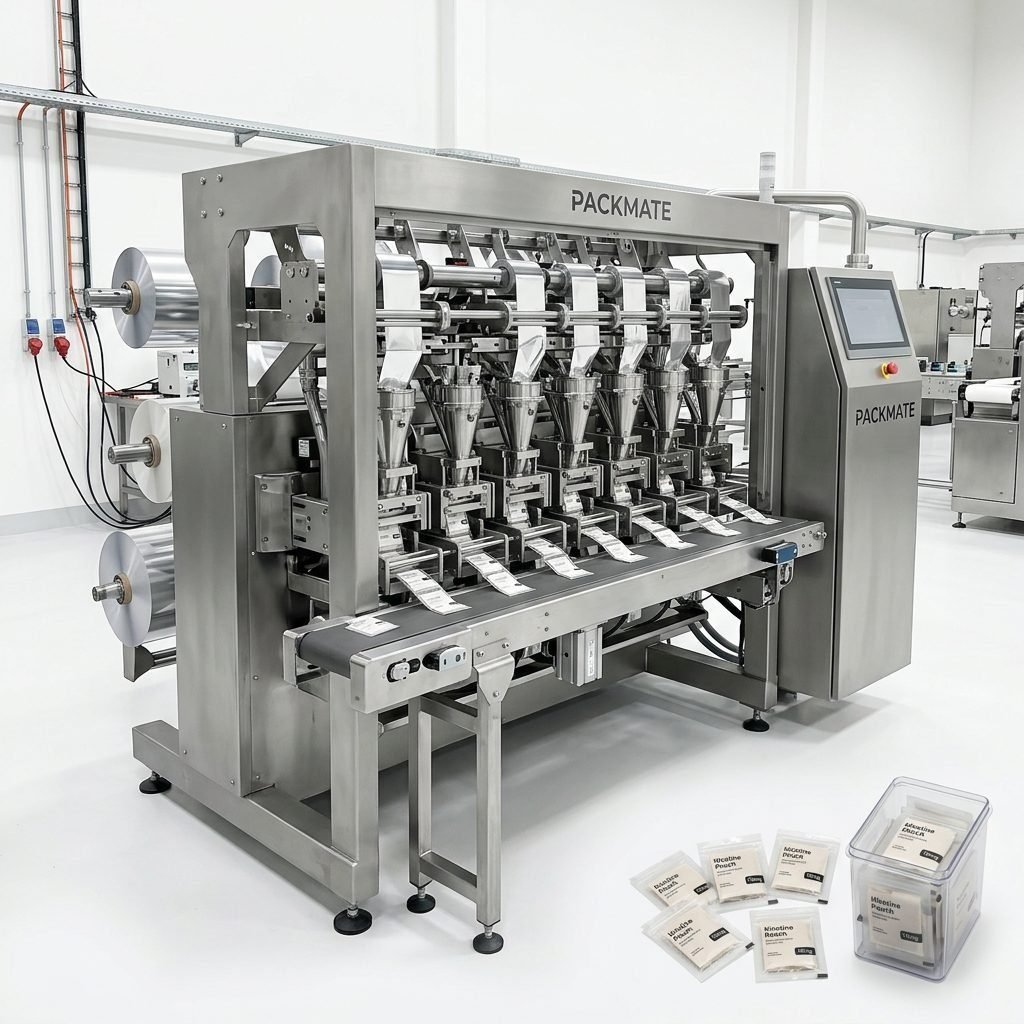
Entering the snus and nicotine pouch market in Panama requires more than a strong product idea — it needs the right packaging equipment that matches local habits, regulatory constraints, and distribution channels. This guide walks you through practical, buyer-focused criteria to select a snus packaging machine that fits your business scale in Panama. Expect clear comparisons, prioritized checklists, and action points to help you make a confident investment decision.
Understanding Panama’s Market and Consumer Habits
Panama’s urban population, with high smartphone and convenience-store penetration, often prefers discreet, small-format nicotine products that are easy to carry and consume. As a buyer, consider machines that can consistently produce compact pouch sizes and elegant outer sachet or can packaging. Additionally, local distribution relies heavily on wholesalers and convenience chains, so packaging speed and consistent labeling are essential to meet retail demand.
- Compact pouch formats sell well in urban convenience stores.
- Discrete, odor-minimizing packaging is valued by consumers.
- Strict labeling in Spanish and compliance with Panamanian import rules are required.
Regulatory & cultural considerations
Panama’s regulatory approach to nicotine and tobacco products can evolve; you should verify current import, labeling, and advertising rules before committing to production volumes. Machine features that support variable label printing, batch coding, and tamper-evident seals can save time and reduce compliance risk.
Machine Types: Match Form to Function
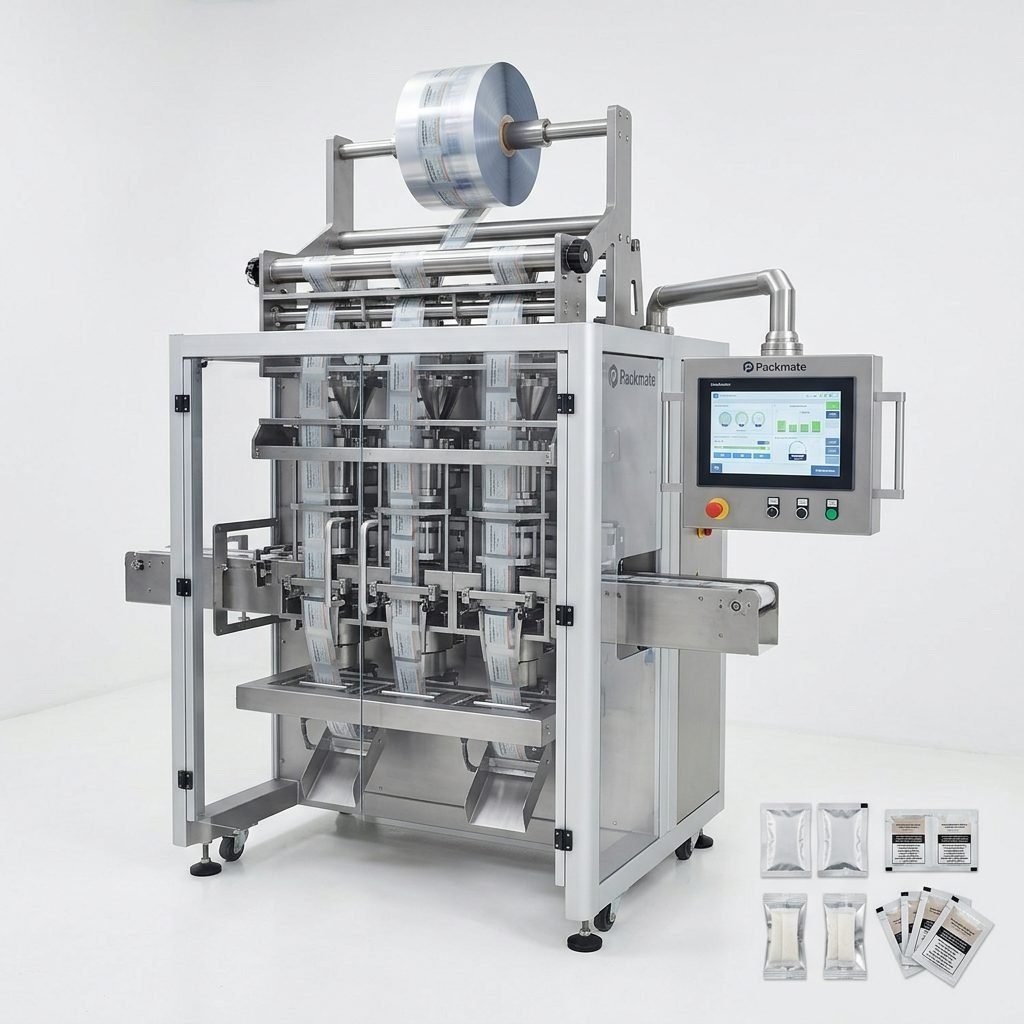
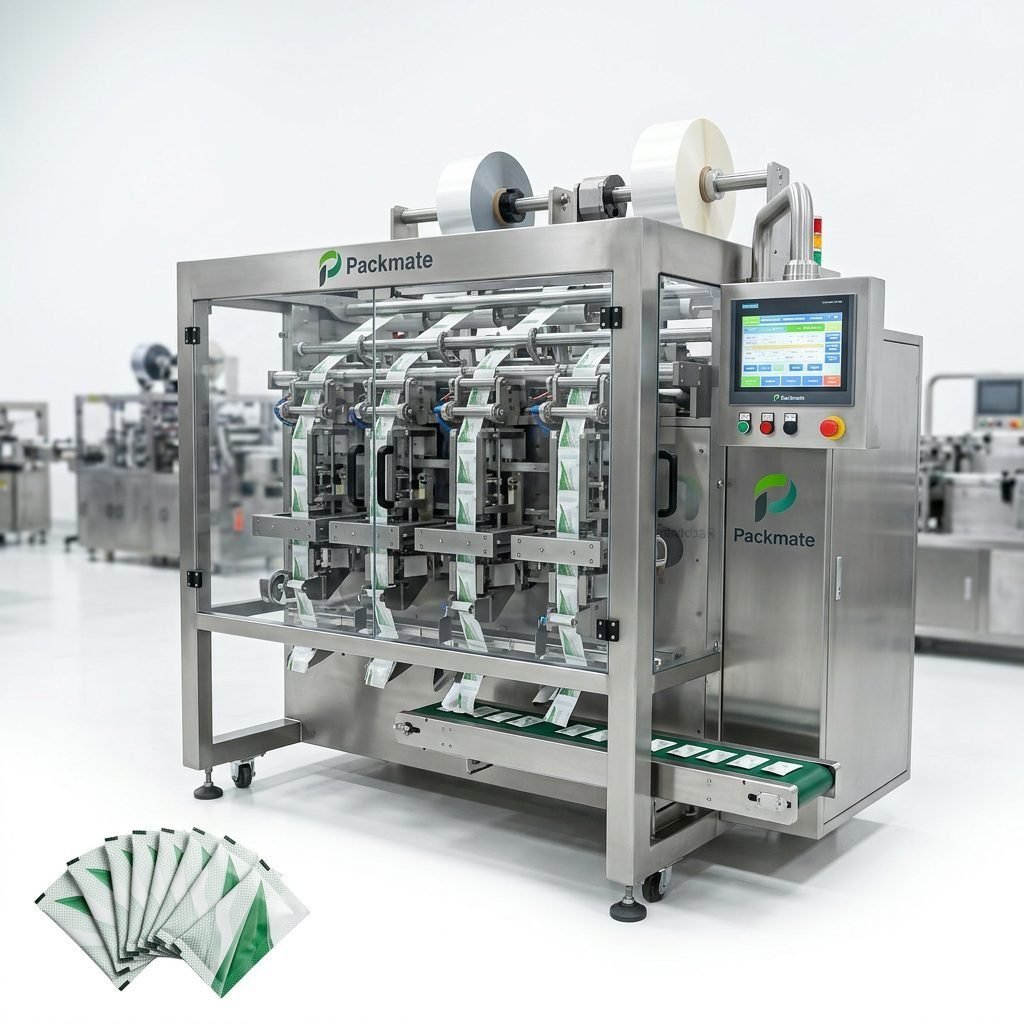
Choosing the right machine family is the first step: sachet/stick pack machines, dedicated snus pouch packers, and multi-lane high-speed systems each serve different business models.
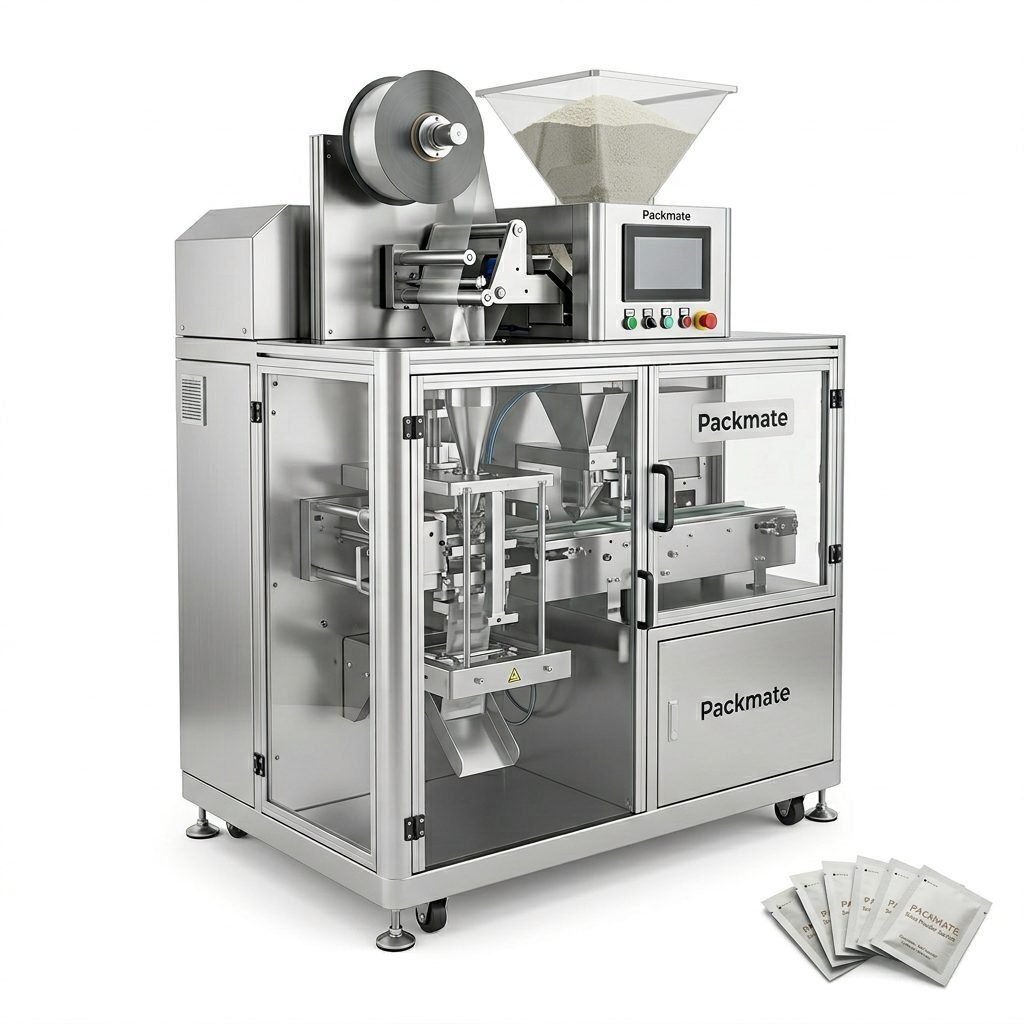
Sachet & Stick Pack Machines
Ideal for single-portion sachets or elongated stick packs that contain a single-use pouch. These machines are typically cost-effective for new brands or seasonal products. They offer flexibility in sachet size and are suited to smaller production runs.
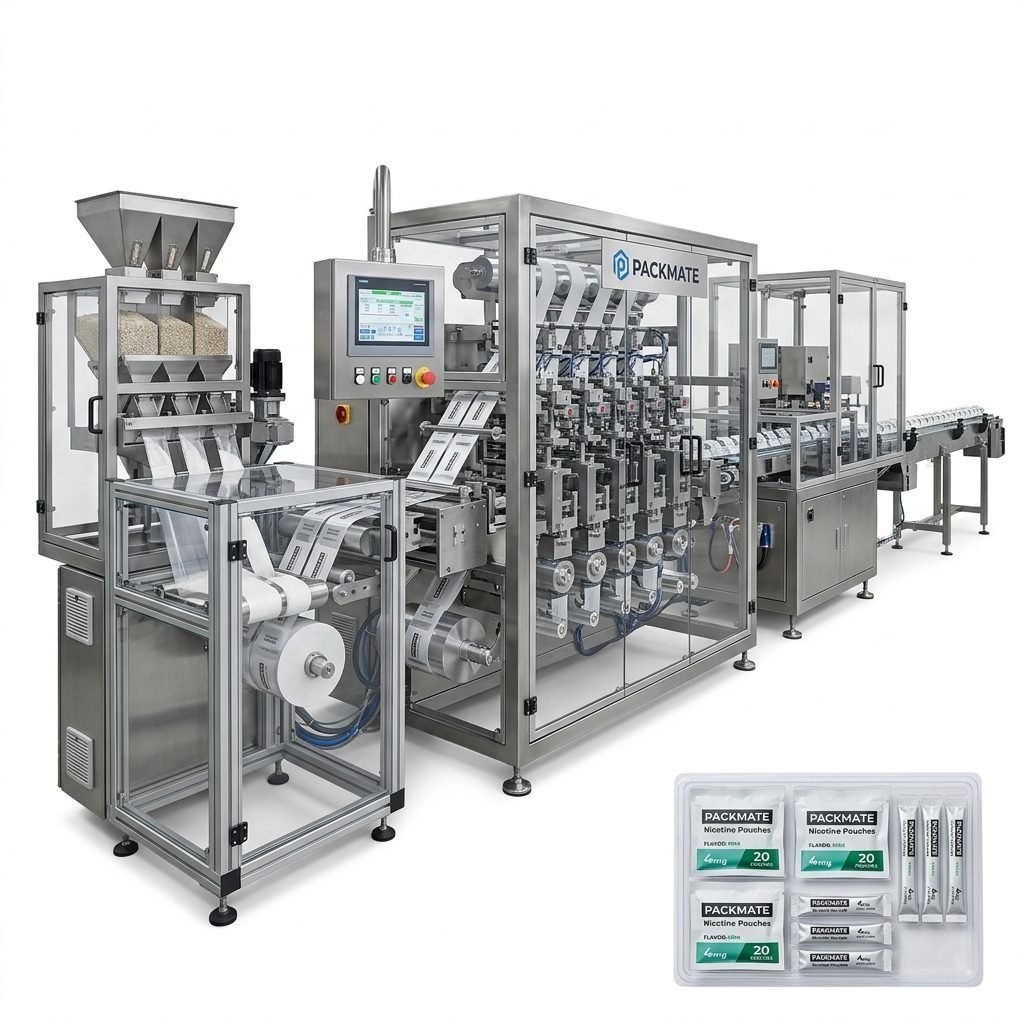
Dedicated Snus / Nicotine Pouch Machines
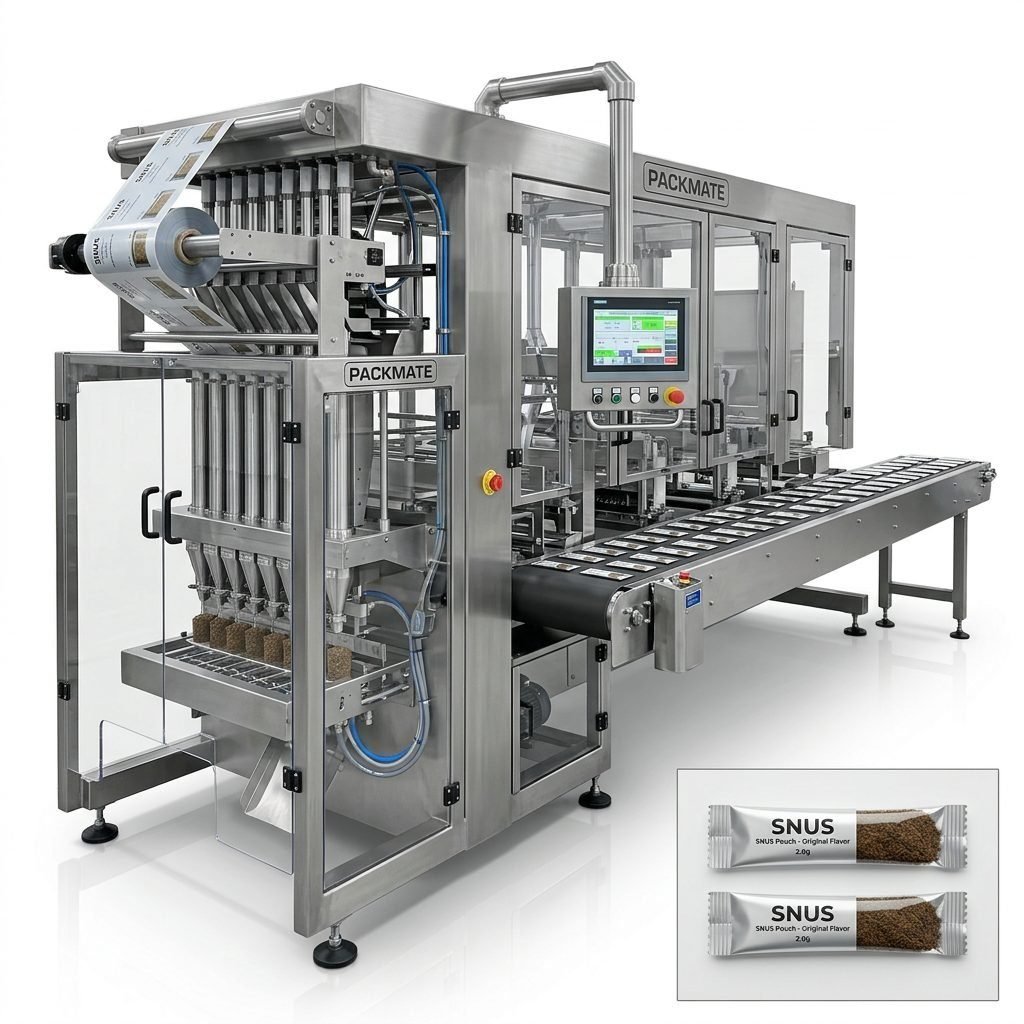
Designed for high-precision pouch forming and dosing, these machines handle fine powders and wet-fill processes required by many nicotine pouch recipes. Look for specialized feed and sealing systems that maintain pouch integrity and consistent weight.
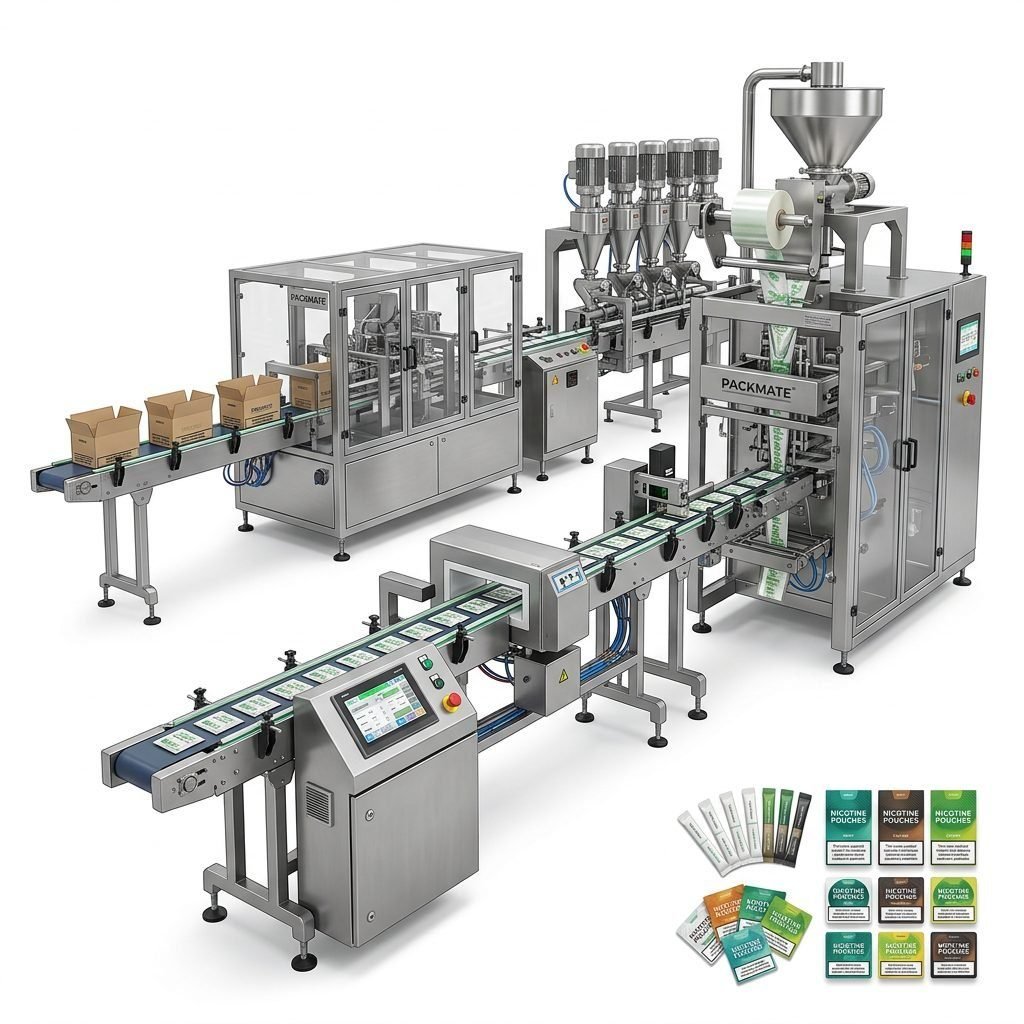
Multi-lane High-speed Systems
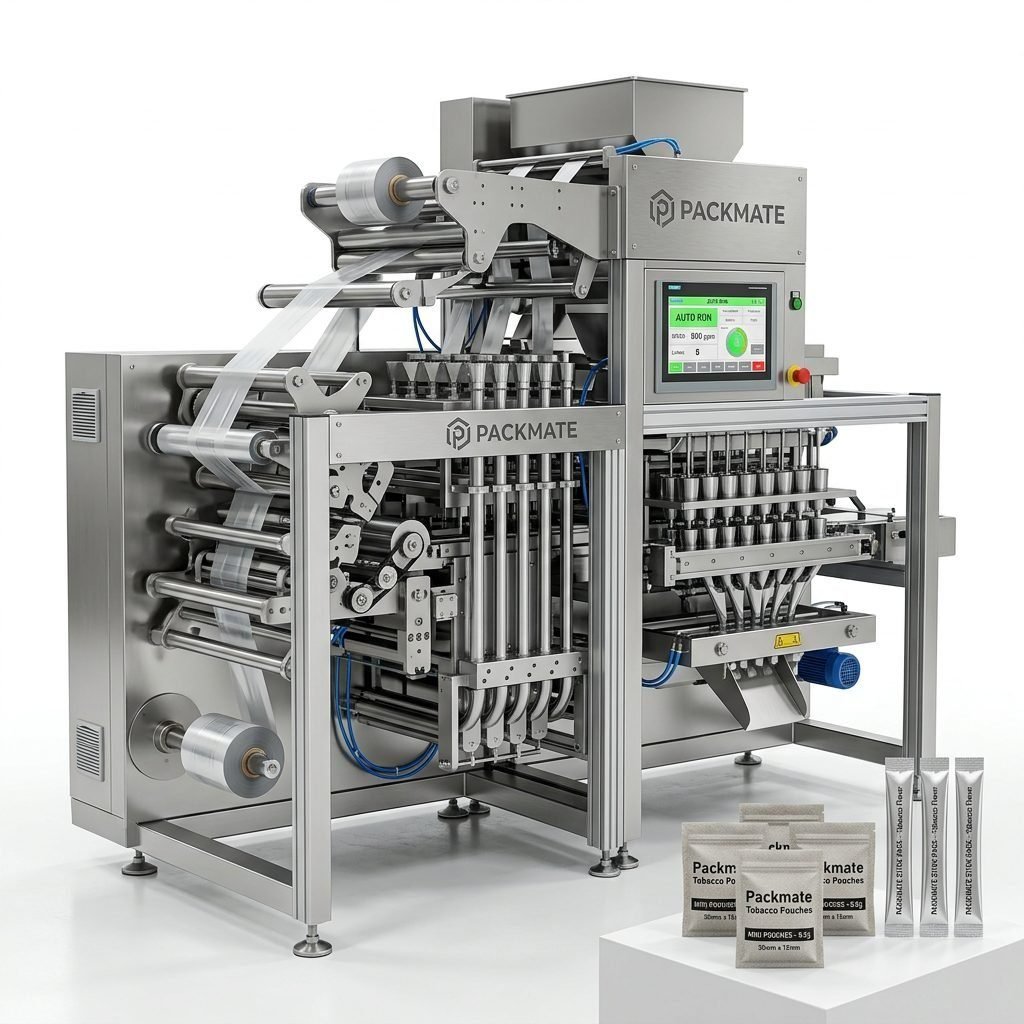
When growth is anticipated or contract manufacturing is part of your business model, multi-lane systems dramatically increase throughput. They are more capital intensive but reduce per-unit cost at scale and are favored by established brands and industrial manufacturers.
Production Capacity & Speed: Calculate Real Needs
Estimate realistic daily and monthly targets before evaluating machine speed metrics. A machine’s theoretical cycles per minute are useful, but real-world capacity depends on operator skill, downtime, changeovers, and quality checks.
Multiply machine rpm by lanes and shift hours, then subtract an allowance for planned downtime (typically 10–20%). This gives a more reliable estimate of achievable output.
Dosing Accuracy & Product Compatibility
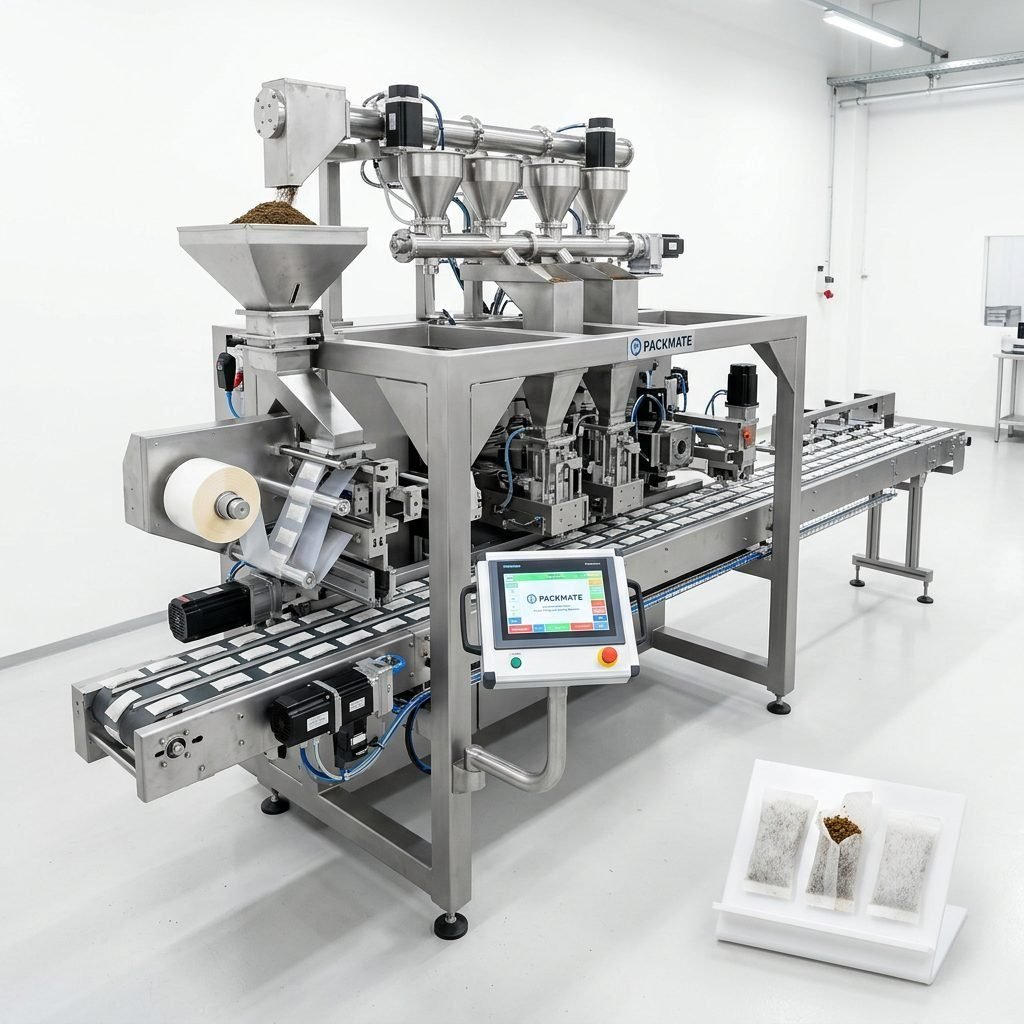
For nicotine pouches, dosing precision is critical — both for consumer safety and regulatory labeling. Choose machines with proven metering solutions (volumetric cups, auger fillers, or multi-head weighers) depending on your product form: powder, blend, or moist pulp.
Machines compatible with hygienic materials (stainless steel contact parts), adjustable hopper designs, and sealed dosing zones will reduce contamination risk and product variability. If you use multiple blends or flavors, look for systems that support quick changeovers and recipe memory.
Materials, Films & Barrier Requirements
Packaging film selection affects machine compatibility and shelf life. High-barrier films, foil laminates, and moisture barriers are common for nicotine pouches. Confirm roll width limits, sealing temperature range, and cooling systems when assessing machines to ensure reliable adhesion without damaging the pouch contents.
Compatibility checklist
- Sealing temperature range suited to your film laminate.
- Film roll diameter and core support for your material sizes.
- Web guiding and tension control for thin or laminated films.
Automation, Controls & Integration
A modern HMI, recipe management, and PLC controls improve uptime and reduce human error. If your facility already uses ERP or MES tools, consider machines that support data export (batch reports, downtime logs) and remote diagnostics to speed troubleshooting.
- Recipe storage for quick product changeover
- Remote monitoring / service port
- Automatic rejection systems for weight or seal faults
Hygiene, Cleanability & Maintenance
Because snus and nicotine pouches often contain hygroscopic or moist components, machines must be designed for easy cleaning and drying. Quick-release guards, stainless steel contact surfaces, and accessible motors simplify daily sanitation. Consider models with modular feed systems that can be inspected without complete disassembly.
Certifications & Safety Standards
Look for CE and ISO certifications to ensure basic safety and quality standards. Certification simplifies export logistics and may be a requirement for some Panamanian importers and retailers. If you plan to export to other regions, verify machine adherence to international standards.
Service, Spare Parts & Local Support
A reliable after-sales network reduces downtime. Evaluate supplier lead times for spare parts, availability of remote support, and training programs for operators and technicians. Suppliers offering start-up assistance, commissioning, and operator training will accelerate your time-to-market.
Questions to ask suppliers
- What is the guaranteed lead time for critical spare parts?
- Do you provide on-site commissioning and operator training?
- Can remote diagnostics be enabled for quicker troubleshooting?
Total Cost of Ownership & ROI
Purchase price is only part of the cost equation. Factor in installation, commissioning, spare parts inventory, consumables, energy usage, operator labor, and expected downtime. Machines with higher efficiency and lower scrap rates often deliver a superior ROI despite higher initial capital costs.
Calculate payback using realistic utilization rates (not theoretical maximums). Include savings from reduced labor, fewer rejects, and faster changeovers.
Why Supplier Track Record Matters — Packmate Example
When you choose a supplier with long-term engineering depth and proven installations, you reduce operational risk. Packmate Snus Machine, with over 30 years of experience and a 20,000㎡ factory equipped with advanced CNC centers, offers a broad range of models and turnkey lines that ease procurement and scaling challenges.
Explore machine families and product lines to match your needs: Snus & Nicotine Packaging Machines, Sachet & Stick Pack Machines, and Filling & Packaging Lines are examples of offerings that cover most snus production scenarios. Learn more about production capabilities and certifications directly on Packmate’s pages: Snus & Nicotine Packaging Machines, Sachet & Stick Pack Machines, and Filling & Packaging Lines.
Installation, Training & Ramp-up Strategy
Plan a phased ramp-up: start with acceptance testing, next-run pilot batches, operator training, and finally scaling to full production. Insist on supplier-provided commissioning and on-site troubleshooting during the first production runs. This reduces early scrapped batches and clarifies SOPs for your team.
Common Pitfalls and How to Avoid Them
Many buyers underestimate the importance of spare part stock, film compatibility, and humidity control. Address these by ensuring supplier transparency on consumable wear parts, pre-approving film samples in acceptance tests, and installing climate control where hygroscopic blends are used.
- Buying strictly on price without validating uptime and accuracy
- Neglecting local service arrangements and spare-part logistics
- Failing to pilot your exact pouch formula on the target machine
Selecting Between Local and Imported Machines
Importing a proven machine may offer advanced features and better total cost of ownership, but consider shipping, customs, and local installation support. If local service partners exist for the chosen brand, they can significantly speed installation and reduce downtime. Confirm warranty terms and international service coverage ahead of purchase.
Useful Resources & Next Steps
Review supplier catalogs, request machine demonstrations, and send technical specifications of your product for trial packaging. Case studies and exhibition appearances provide real-world performance insight — for more examples, refer to Packmate’s case section and exhibition updates: Case and Our Exhibition.
Action checklist before ordering
- Confirm daily production targets and calculate realistic capacity needs.
- Submit product samples for machine testing and acceptance runs.
- Verify film compatibility, sealing parameters, and label printing needs.
- Review spare-part lead times and local service support.
- Budget for installation, training, and initial consumable stock.
Final Recommendations
If you are launching in Panama with limited volumes, start with flexible sachet/stick pack machines that allow format testing and market feedback. For brands targeting national distribution and export, invest in dedicated snus pouch machines or multi-lane systems for consistent dosing and lower unit costs. Prioritize suppliers with strong engineering backgrounds, clear certification records, and accessible after-sales support to protect your investment.
Frequently Asked Questions
Q1: What machine type is best for a startup in Panama?
A1: For startups, sachet or stick pack machines give flexibility and lower initial cost. They allow you to test formats and market reactions before investing in high-speed multi-lane equipment.
Q2: How important is CE/ISO certification?
A2: Certifications demonstrate compliance with recognized safety and quality standards and can simplify export and importer approvals. Look for CE and ISO certified equipment to reduce regulatory friction.
Q3: Will my pouch recipe need machine adjustments?
A3: Yes. Different blends, humidity levels, and particle sizes affect dosing and sealing. Always run pilot tests with your final recipe and the exact film to be used to ensure machine settings are optimized.
Q4: How do I handle spare parts and maintenance?
A4: Keep a critical spare-parts list (sealers, sensors, belts) on hand and secure a supplier agreement for fast delivery. Consider training an in-house technician and arranging periodic preventive maintenance contracts.
Q5: Where can I see real machine demos and supplier credentials?
A5: Attend exhibitions or request live demos from suppliers. Packmate provides exhibition information and company background that can help verify credentials: About Packmate, Certificate.
Need assistance sourcing machines or arranging a trial? Contact the supplier directly to discuss product samples, machine trials, and quotations: Contact Us.