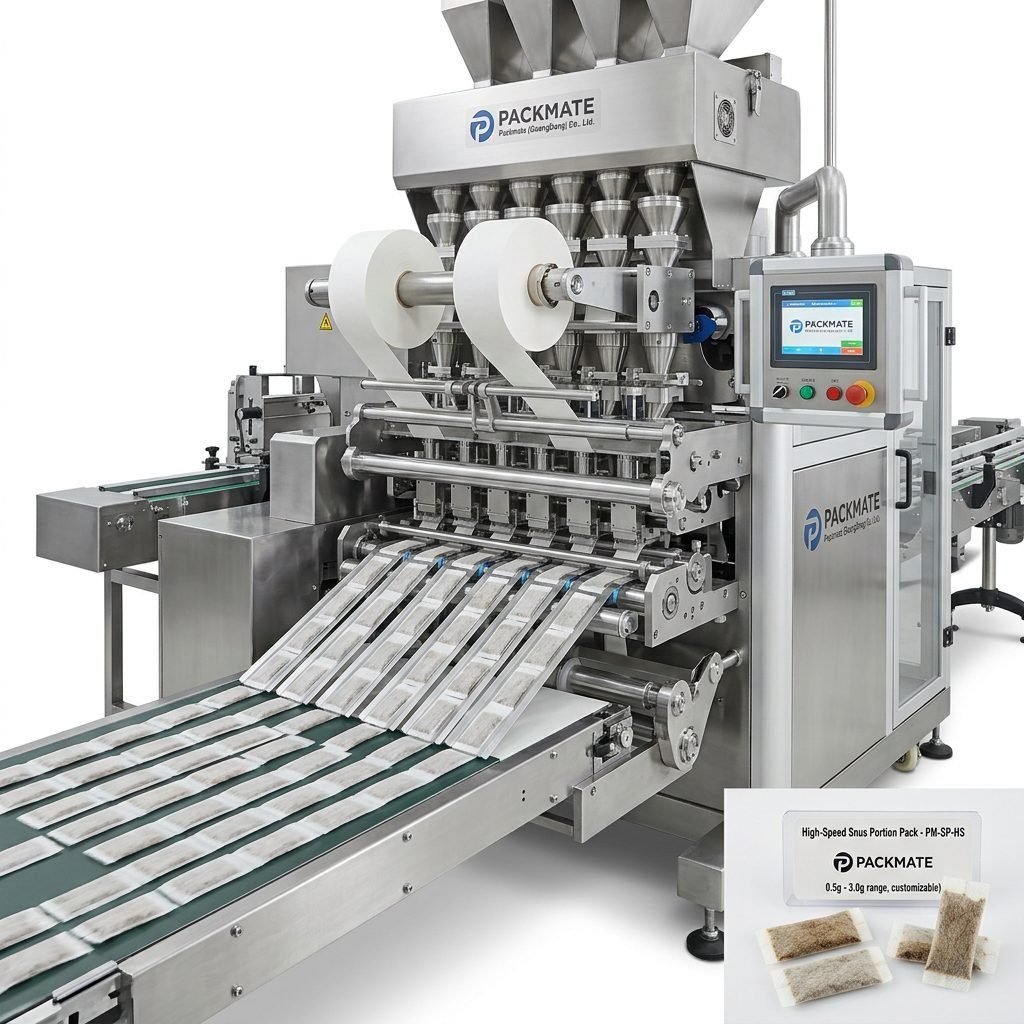
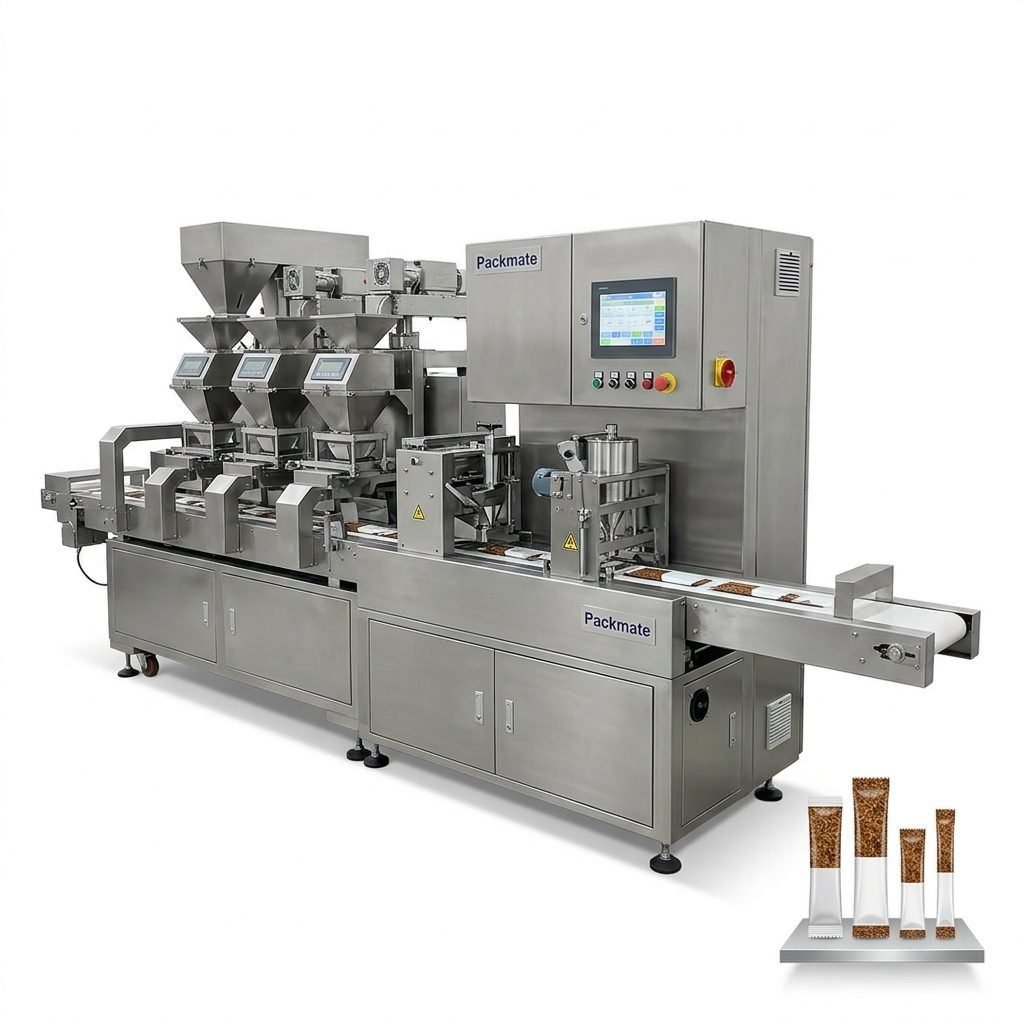
Choosing the right snus packaging machinery manufacturer for your factory in Serbia requires a practical blend of technical know-how, regulatory awareness, and an understanding of local market habits. This guide walks you through the critical considerations — from machine performance and after-sales support to cultural and logistical factors unique to Serbia — so you can make an informed decision and keep your production running smoothly.
Understand Serbia’s Market & Cultural Context
Serbia sits at a crossroads between Western Europe and the Balkans. Tobacco usage historically remains high across the region, and while traditional cigarettes and roll-your-own products dominate, the nicotine pouch and snus segments are emerging fast. Local consumption patterns are influenced by family and social gatherings (such as the Serbian “slava”), and consumers often prefer discreet, portable formats. For manufacturers, this translates into demand for compact, high-speed packaging that supports small-dose pouches and tidy retail-ready packs.
Why local habits matter
Product format and portion size should reflect local preferences: many Serbian consumers favor single-dose or small multipacks that fit pockets and wallets. Packaging styles that are discreet and easy to open during social gatherings will likely perform better in the market.
Key Technical Criteria When Comparing Manufacturers
Selecting the machine is more than buying equipment — it is selecting a production partner. Evaluate each supplier across these technical dimensions:
Performance & Speed
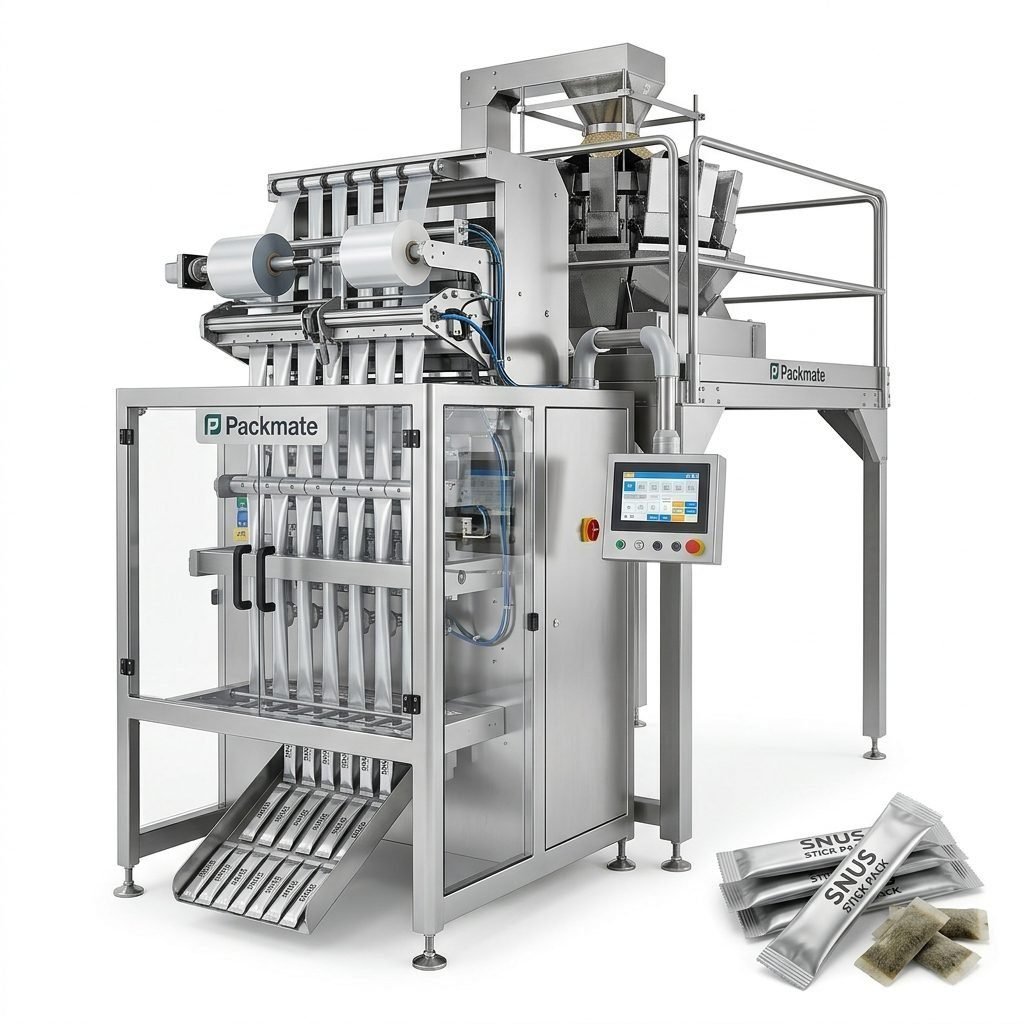
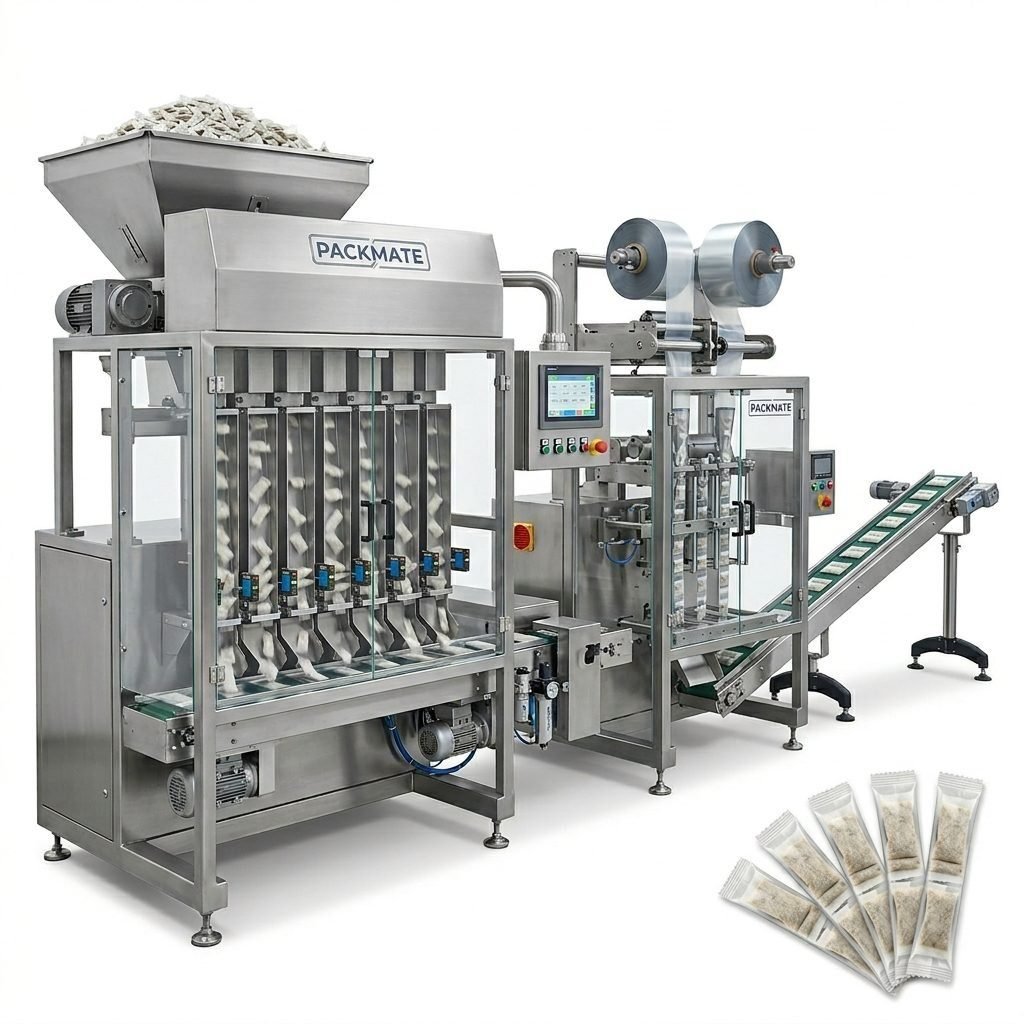
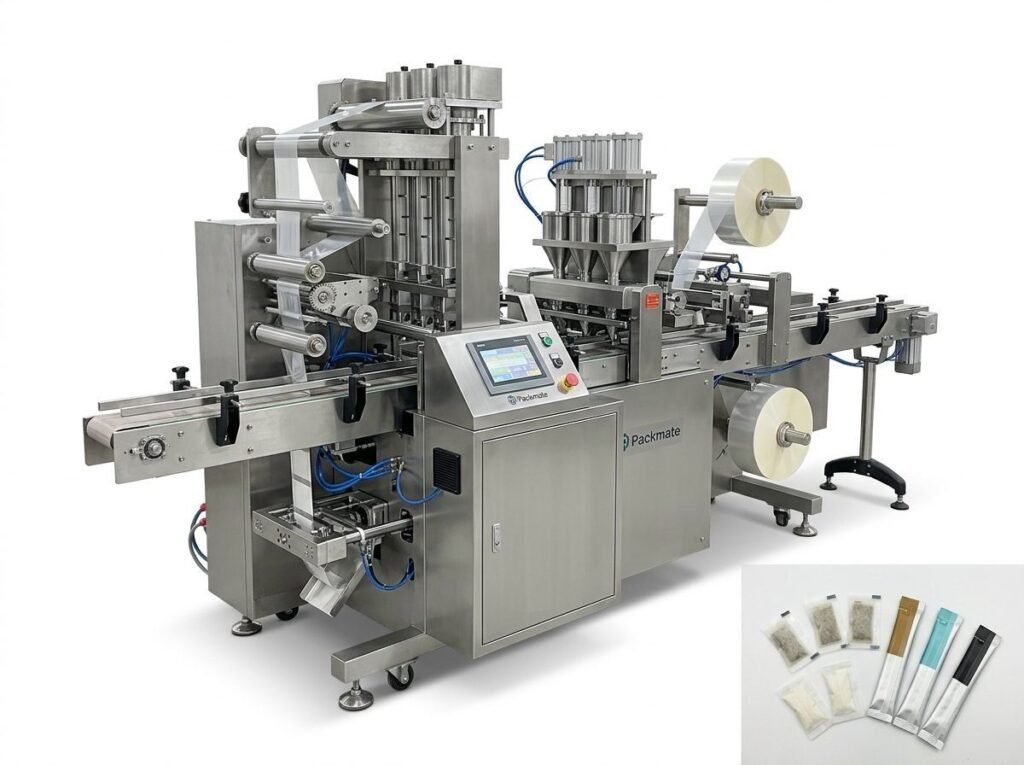
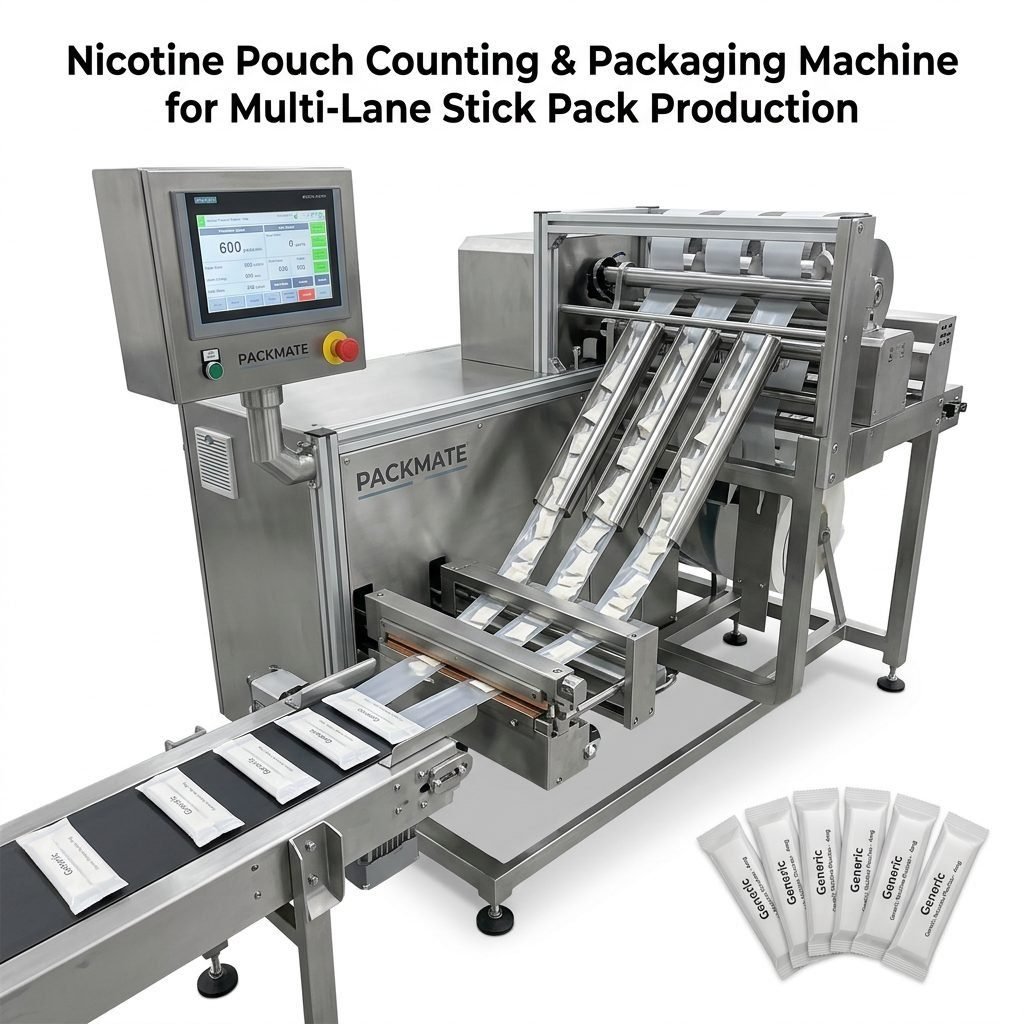
Choose equipment that matches your target output without sacrificing reliability. For snus and nicotine pouches, multi-lane systems and stick pack machines can significantly increase throughput. Look for vendors offering scalable solutions so you can add lanes or modules as demand grows.
Precision & Dose Control
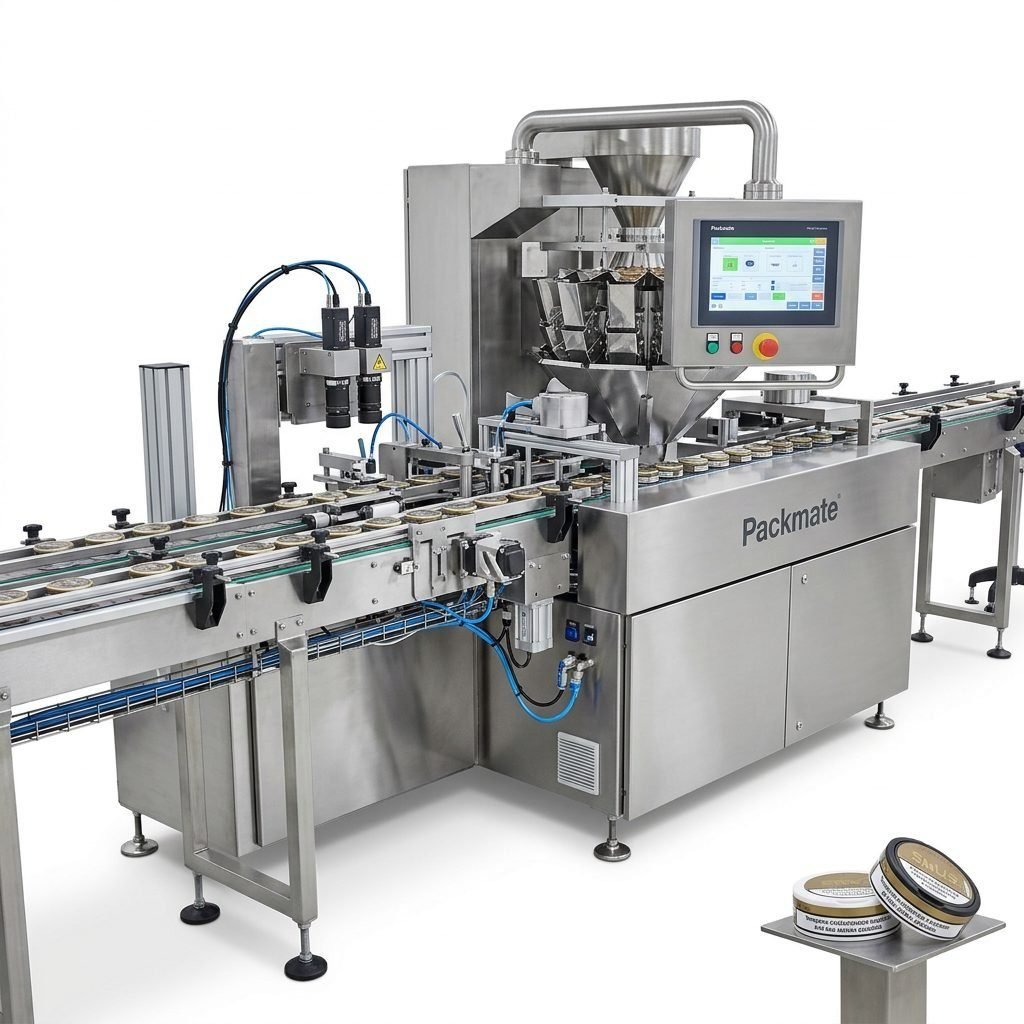
Accurate dosing is critical for nicotine products. Machines with advanced weighing and filling systems reduce waste and ensure product consistency. Check if the manufacturer provides integrated weighing and packaging lines or compatible auxiliary equipment.
Hygiene & Cleanability
Materials should meet food/pharmaceutical standards, and design should allow easy cleaning. Stainless-steel contact parts, minimal crevices, and easy access for maintenance are essential for compliance and low downtime.
Certifications, Standards & Compliance
Regulatory compliance matters for exporting and local sales. Prioritize manufacturers whose equipment meets CE and ISO requirements and who can support documentation for customs and regulatory inspections. Ask for certificates and test reports before purchase.
🔧 Tip: If you plan to export to EU markets later, choose machines that already comply with EU directives. CE-marked equipment simplifies cross-border trade and helps avoid rework for compliance.
After-Sales Support & Spare Parts Availability
Downtime is costly. Evaluate the manufacturer’s service network, spare parts delivery times, and technical support responsiveness. Local language support (Serbian) or reliable English-language support with remote troubleshooting can be decisive. Manufacturers with demonstrable global service footprints usually provide faster spare part logistics.
On-site training & commissioning
Ensure the vendor includes commissioning and operator training in shipment terms. Proper handover reduces initial errors and optimizes machine uptime. Ask for training materials and video guides for future staff turnover.
Total Cost of Ownership (TCO) — Not Just Purchase Price
Compare TCO across potential suppliers. Consider energy consumption, maintenance cycles, mean time between failures (MTBF), spare part costs, and consumables (seals, films). Machines that appear cheaper upfront can be more expensive in the long run due to frequent service needs or high-power usage.
✅ Smart evaluation checklist: production speed, MTBF, spare parts lead time, energy draw, warranty length, and available upgrade paths.
Customization & Flexibility for Serbian Producers
Serbian factories often serve both domestic and regional markets. Choose manufacturers willing to provide customization for pouch sizes, multi-lane configurations, and labeling in Serbian/Cyrillic where needed. Flexibility to add modules like inspection, labeling, or secondary packaging allows you to adapt quickly to shifting customer preferences.
Logistics, Lead Time & Local Import Considerations
Delivery lead times, shipping costs, and customs procedures vary depending on origin and Incoterms. If you import machinery from Asia, choose a manufacturer with experience exporting to the Balkans. They should provide clear documentation (packing lists, certificates) and assistance with customs clearance to avoid delays at Serbian ports or border crossings.
Evaluate Manufacturer Reputation & Track Record
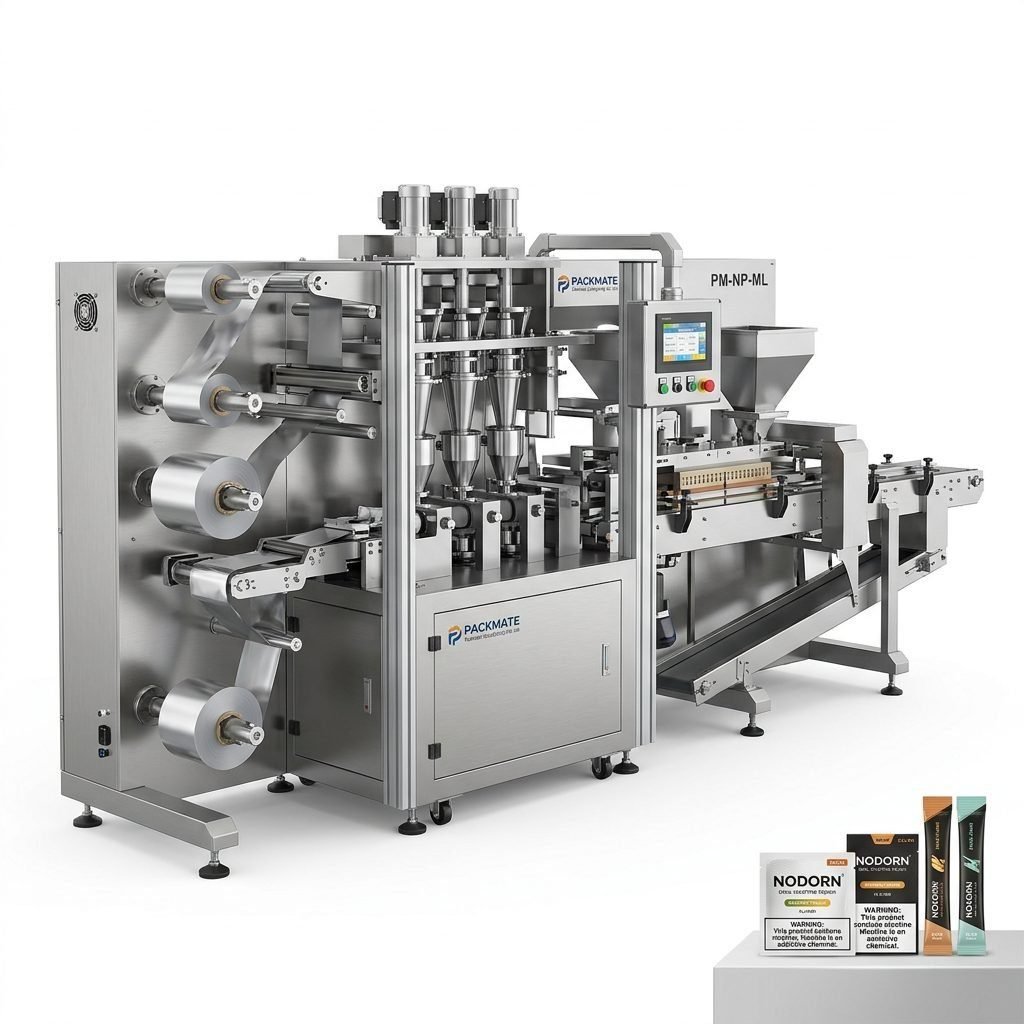
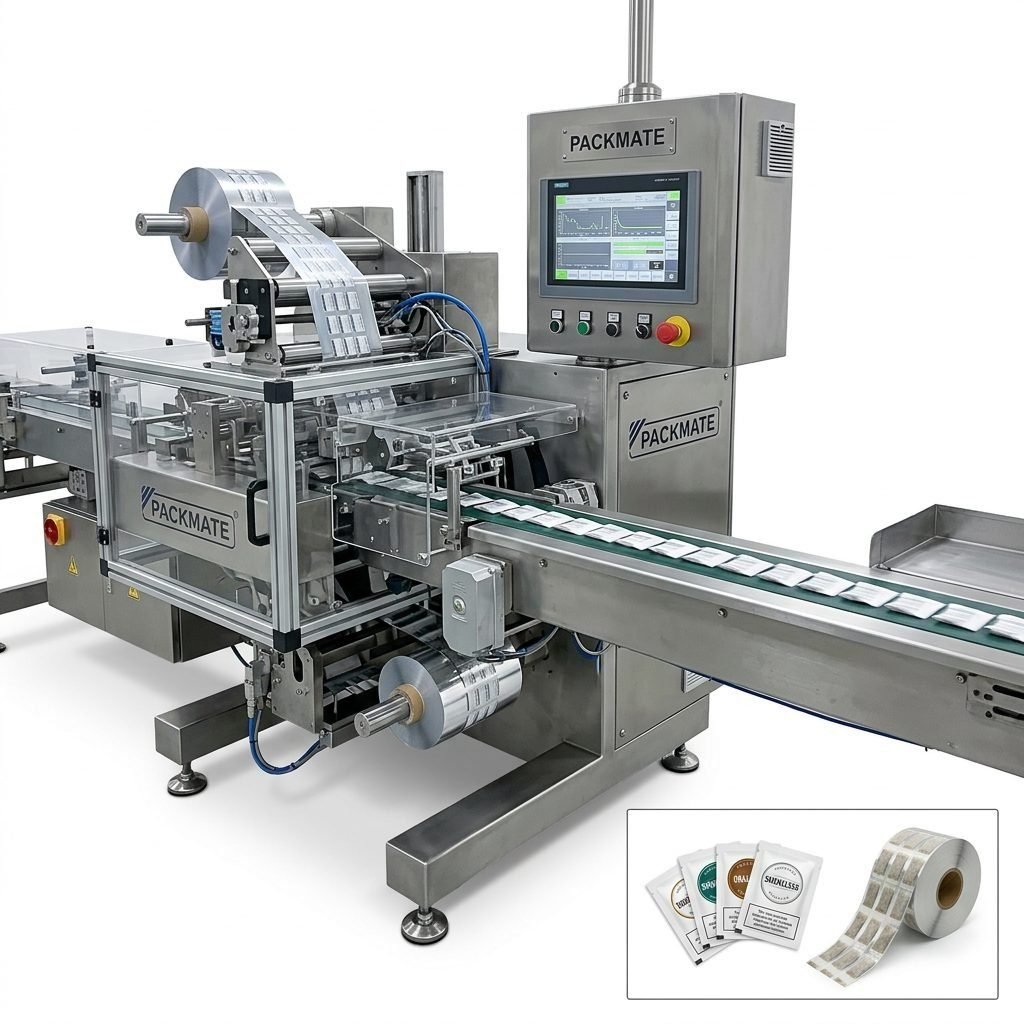
Investigate case studies, client testimonials, and exhibit records. A manufacturer with a long history and visible global case references indicates reliability. For example, Packmate Snus Machine has decades of experience and a catalogue of snus-specific solutions which can be explored for design reference and proof of capability.
Useful links for deeper technical review and product ranges:
- Snus & Nicotine Packaging Machines
- Bag & Pouch Packaging Machines
- Case Studies & Global Projects
- About Packmate
On-Site Visits, Factory Audit & Testing
Whenever possible, visit the manufacturer’s factory or request a live demo at an exhibition. Inspect manufacturing processes, CNC practices, assembly lines, and quality control. Packmate’s 20,000㎡ facility and advanced CNC centers are examples of what to look for when assessing build capability and QA rigor.
Factory audit checklist
Look for documented quality processes, ISO/CE compliance evidence, spare parts warehousing, and final FAT (Factory Acceptance Test) procedures. Confirm that the manufacturer performs full-line integration testing and provides video evidence or live demos for your product format.
Pricing Strategy & Negotiation Tips
Request detailed quotations that separate machine cost, installation, training, spare parts kits, and optional features. Negotiate packages that include an initial spare parts bundle and at least one year of remote technical support. Volume discounts and bundled purchases of auxiliary equipment can reduce TCO.
⚙️ Negotiation tip: Ask for an SLA response time for critical spare parts and include penalty clauses for excessive delays when possible.
Integration with Your Production Workflow
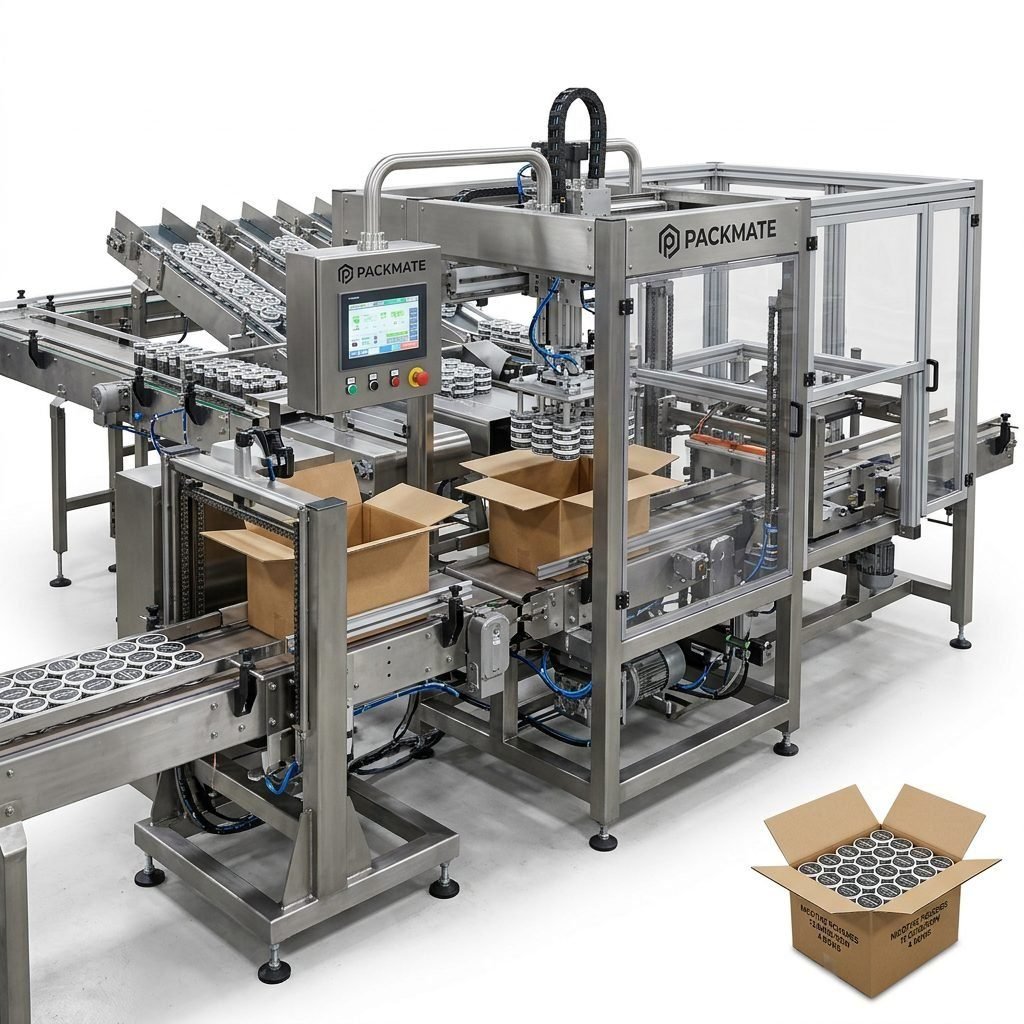
Consider the full line: feeding systems, dosing/weighing, pouch film unwind, forming, sealing, coding/printing, and secondary packaging. Choose manufacturers that offer turnkey lines or have proven integration experience. This reduces friction between equipment from different vendors and speeds up ramp-up time.
Local Partnerships & Community Relations in Serbia
Working with local service partners for installation and maintenance has practical advantages: faster response, language alignment, and cultural fit. Additionally, participating in local trade shows and industry networks helps you understand market shifts and build retail relationships, especially ahead of seasonal demand spikes tied to local festivities.
Community-focused approach
Respect local business customs such as relationship-building meetings and clear contractual terms. When suppliers are sensitive to these practices, cooperation becomes smoother and more reliable.
Final Selection Checklist
Before signing a contract, ensure you have answered these questions:
- Does the equipment meet CE/ISO and local labeling rules?
- Are spare parts and service available within acceptable lead times?
- Is total cost of ownership competitive when factoring in energy, maintenance, and downtime?
- Does the manufacturer offer demonstrable references and factory acceptance testing?
- Is the machine adaptable for future product or market changes in Serbia and the region?
📦 Recommended action: Request a pilot run or FAT for your exact snus/nicotine pouch format. Real-world proof reduces risk and speeds market entry.
Where to Learn More & Next Steps
Research product lines and schedule demos with reputable manufacturers. For detailed machine families and turnkey lines, explore resources like Snus & Nicotine Packaging Machines and related product categories. If you want to review completed projects or company credentials, check case studies and company profiles to validate performance claims.
Selecting the best snus packaging machinery manufacturer for a Serbian factory is a strategic decision involving technical, regulatory, and cultural factors. Prioritize partners who combine proven engineering, global compliance, reliable after-sales service, and a willingness to customize — this ensures a smooth production ramp-up and long-term operational stability.
Frequently Asked Questions
1. What certifications should I insist on?
Ask for CE and ISO certificates at minimum. For nicotine and product-contact parts, request material declarations and hygiene-related test reports. If you plan to export to EU countries, confirm machines are CE-compliant and that the manufacturer provides necessary conformity documentation.
2. How important is spare parts stock in Europe?
Very important — reduced spare-part lead times minimize downtime. Ideally, the manufacturer or a local distributor can provide critical spare parts quickly or help you maintain an initial spare-kit on-site.
3. Should I buy a turnkey line or assemble modules from different vendors?
Turnkey lines simplify integration and provide single-source responsibility for performance. If you choose modules from different vendors, ensure compatibility and clear responsibilities for integration and troubleshooting.
4. How can I ensure machines meet local language and labeling needs?
Confirm the manufacturer can adapt printers and labeling modules to print Serbian/Cyrillic text and that PLC/HMI interfaces offer language options or are customizable. Include this requirement in your purchase agreement.
5. Where can I see real examples and machine demos?
Visit manufacturer exhibitions, factory demos, or request video FATs. Explore product pages and case studies to verify real-world installations and customer experiences.