Choosing the right snus packaging machinery manufacturer in Nigeria is a strategic decision that affects your production efficiency, product quality, regulatory compliance, and long-term profitability. This guide walks you through the practical factors to evaluate, the technologies available, and the vetting steps you should take before committing to a supplier. Whether you are launching a new nicotine pouch brand or scaling an existing operation, understanding the technical, commercial, and service dimensions is essential.
Understand Local Market Needs and Regulatory Context
Nigeria’s market for snus and nicotine pouches is shaped by consumer preferences, import rules, and public health regulations. Before selecting a manufacturer, you must map out your target product formats (loose snus, nicotine pouches, stick packs, or sachets), anticipated volumes, and compliance requirements such as labeling, batch traceability, and material safety. A good manufacturer provides guidance on packaging materials and machine setups that help you meet local and international standards.
Key local considerations
– Distribution infrastructure and storage conditions in Nigeria can influence your choice of packaging (moisture-barrier pouches, resealable formats).
– Regulatory checkpoints for nicotine products vary by market and may require documentary support from your equipment supplier.
– Availability of spare parts and on-site service in West Africa reduces downtime and protects your production schedule.
Types of Machines to Evaluate
Different production goals require different machine architectures. Evaluate which machine family aligns with your product specification and future growth plans.
Stick pack & Sachet Machines
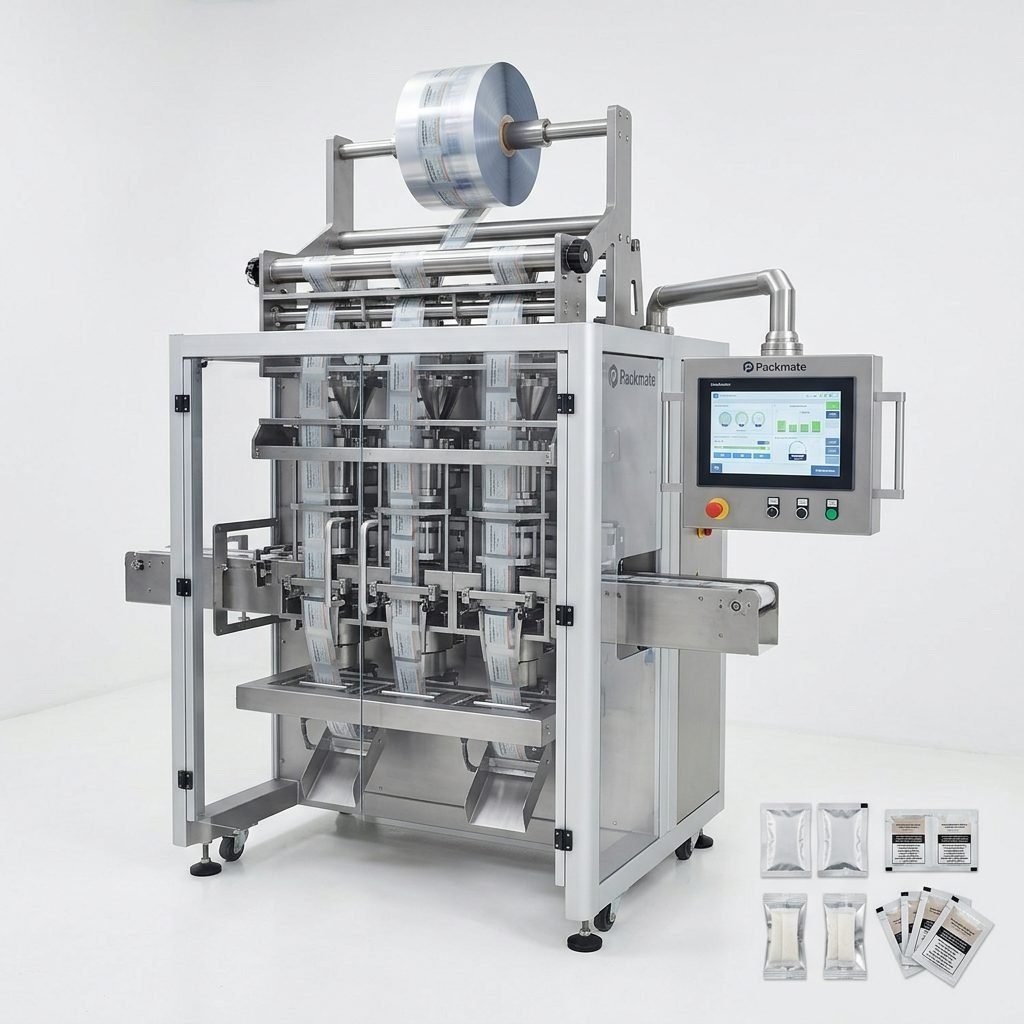
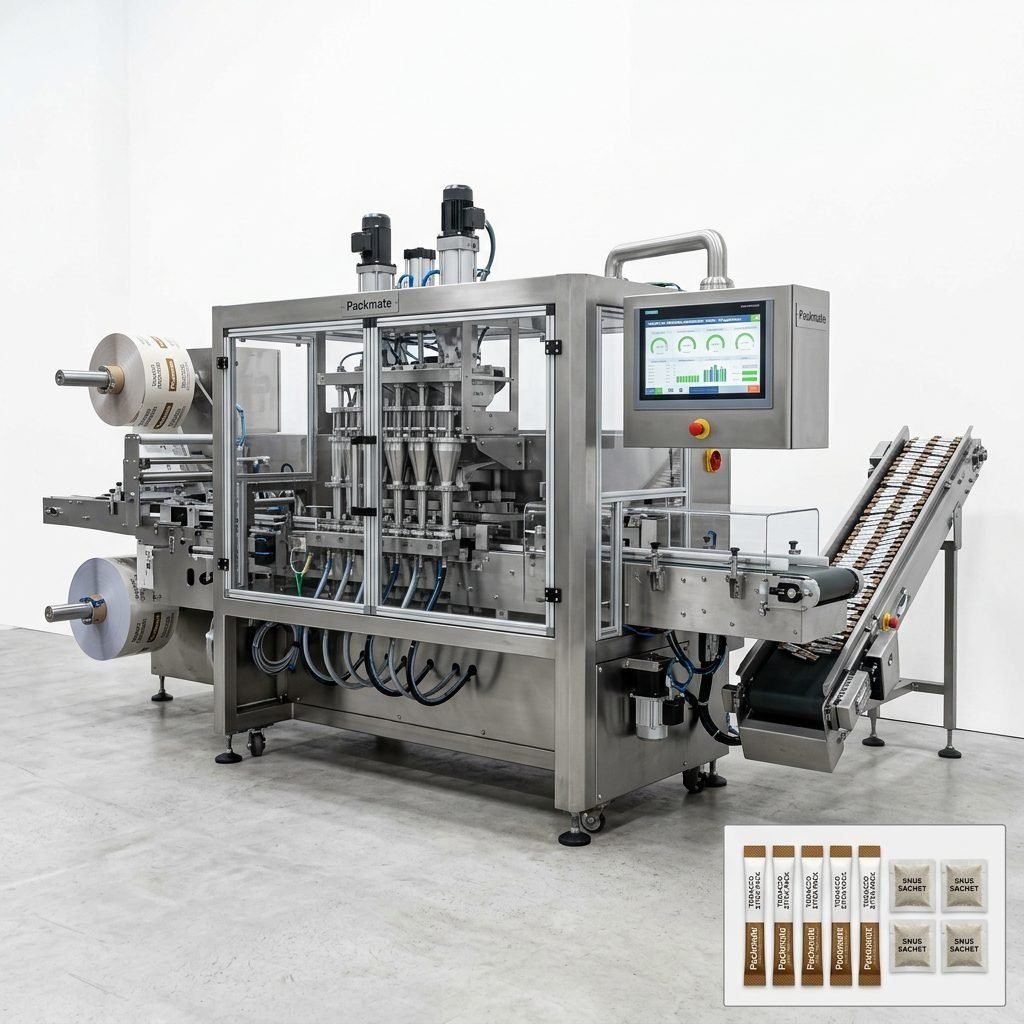
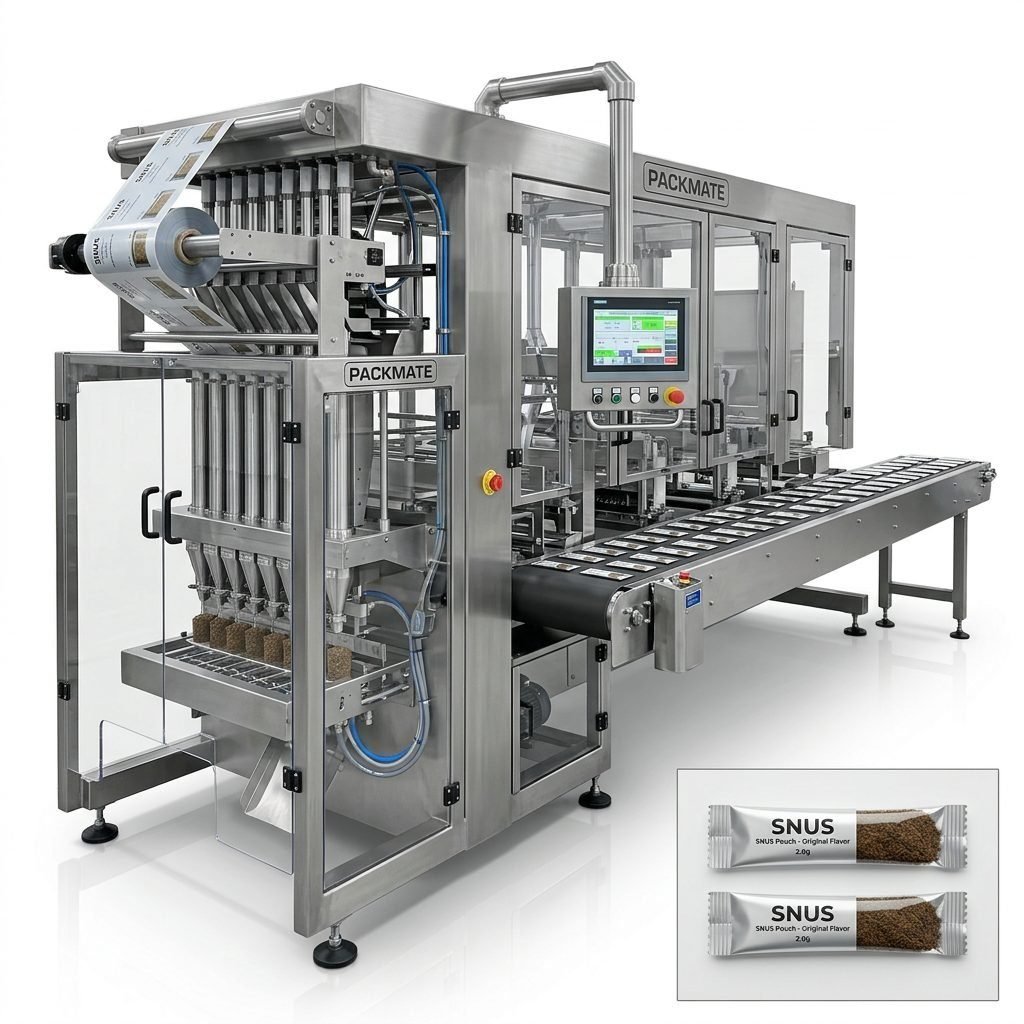
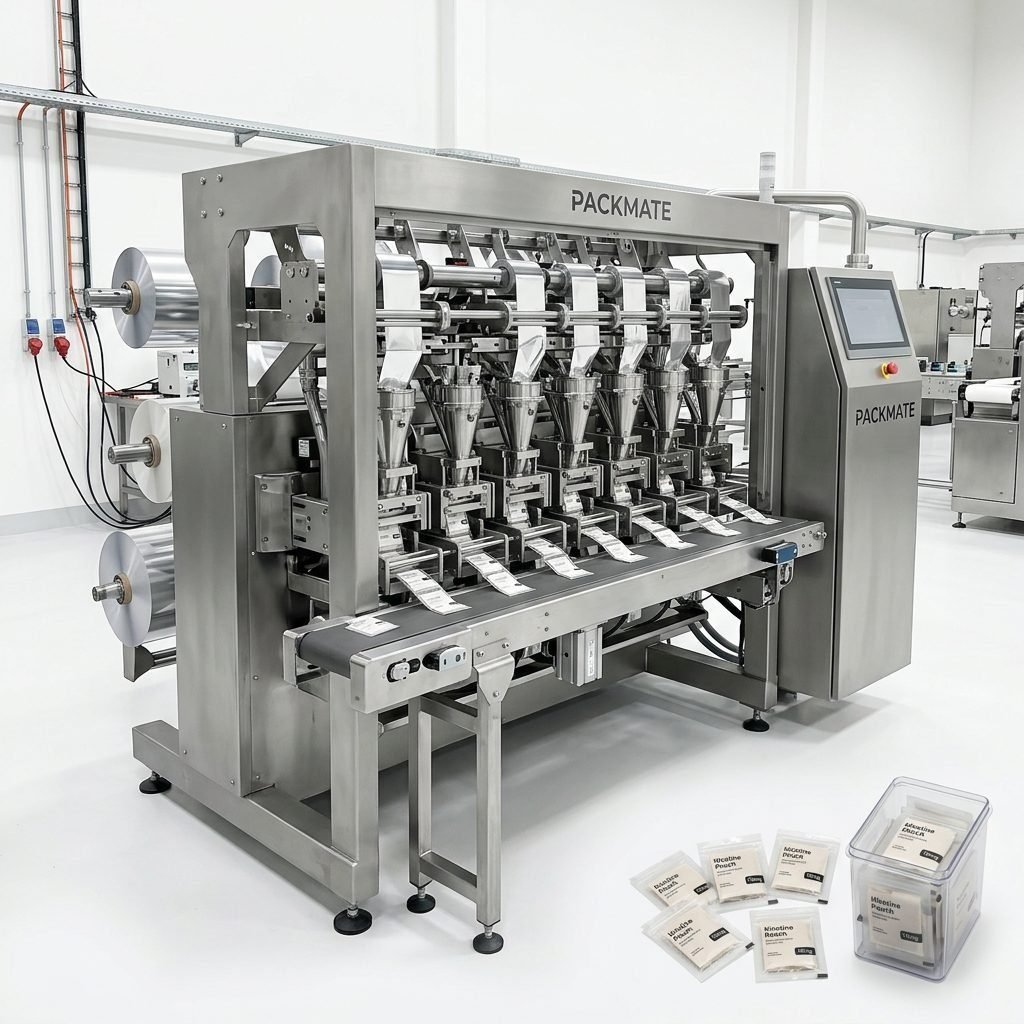
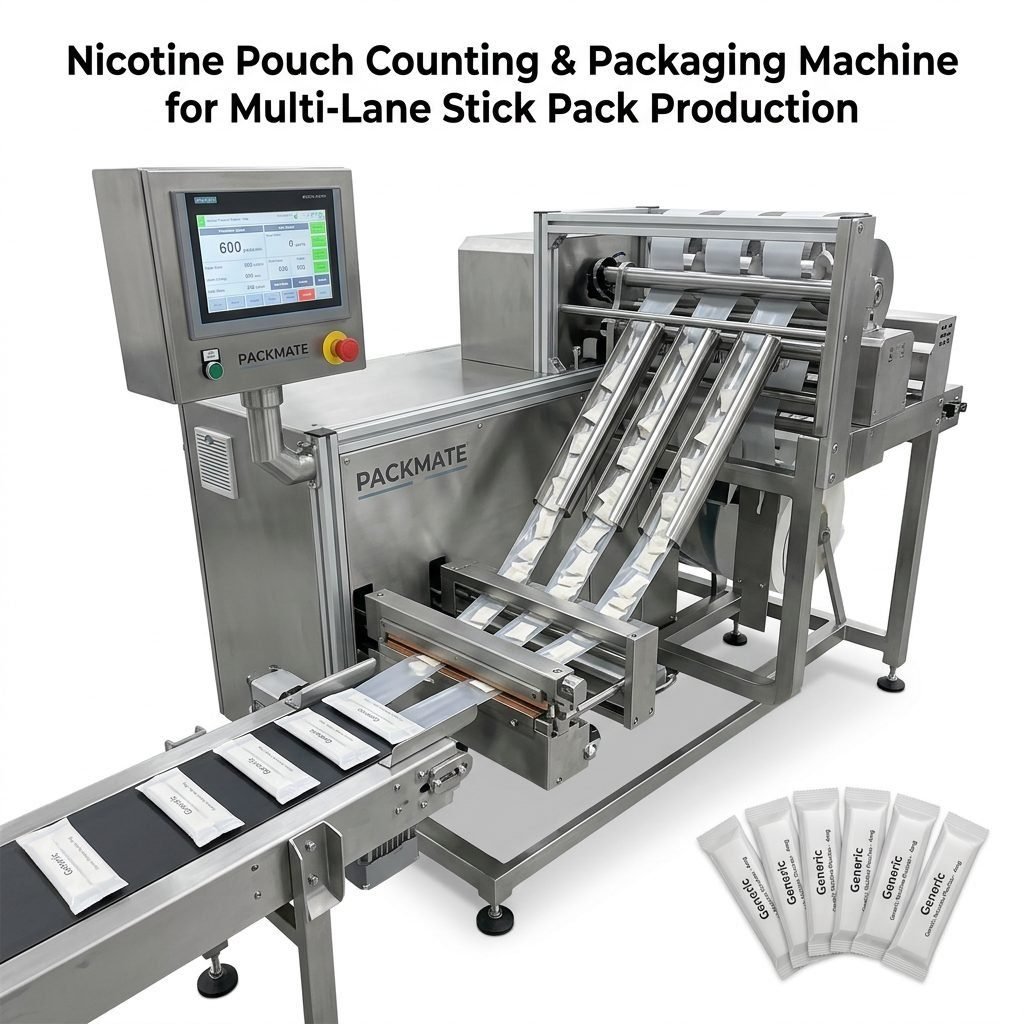
Stick pack and sachet machines are ideal for single-dose deliveries and are flexible for a variety of powders, granules, and small pouches. If you plan to produce convenient consumer single-serve snus sticks, prioritize machines with accurate forming and high sealing integrity.
Multi-lane Snus / Nicotine Pouch Lines
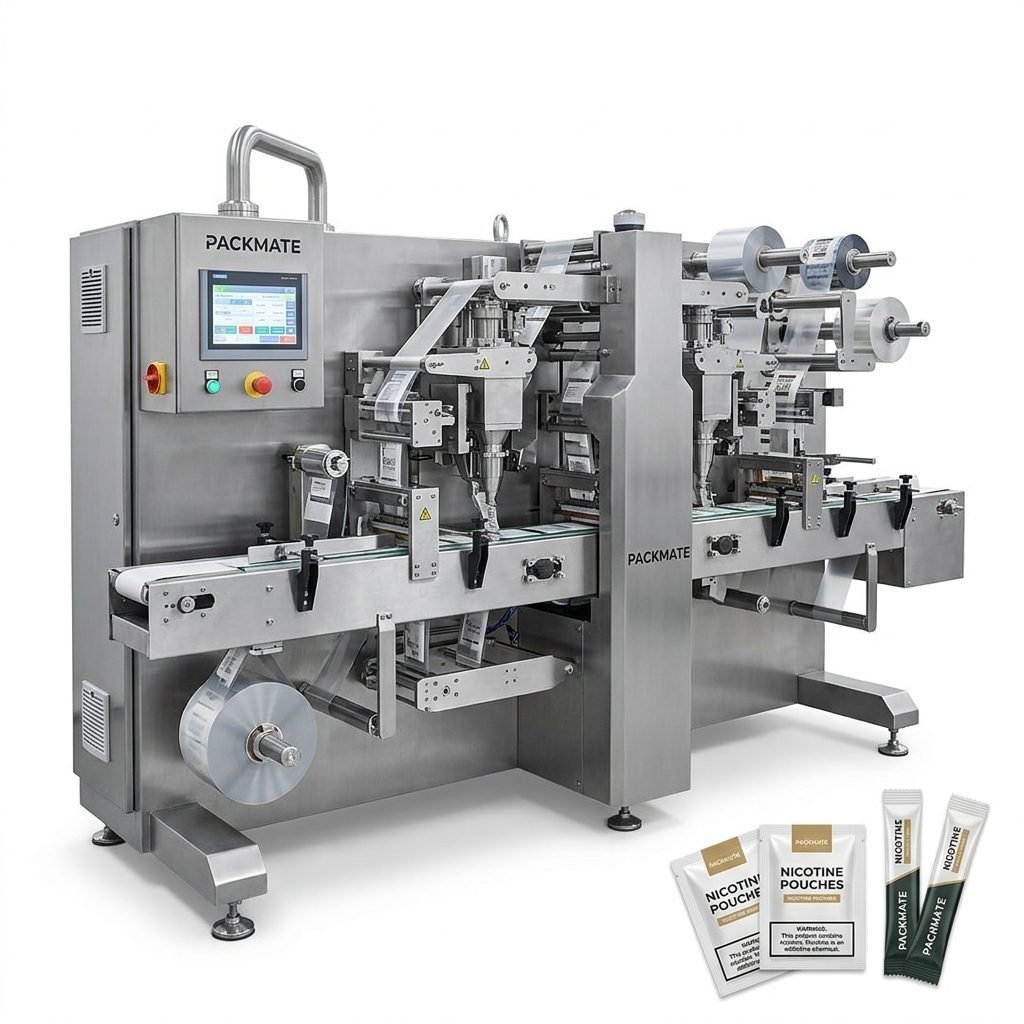
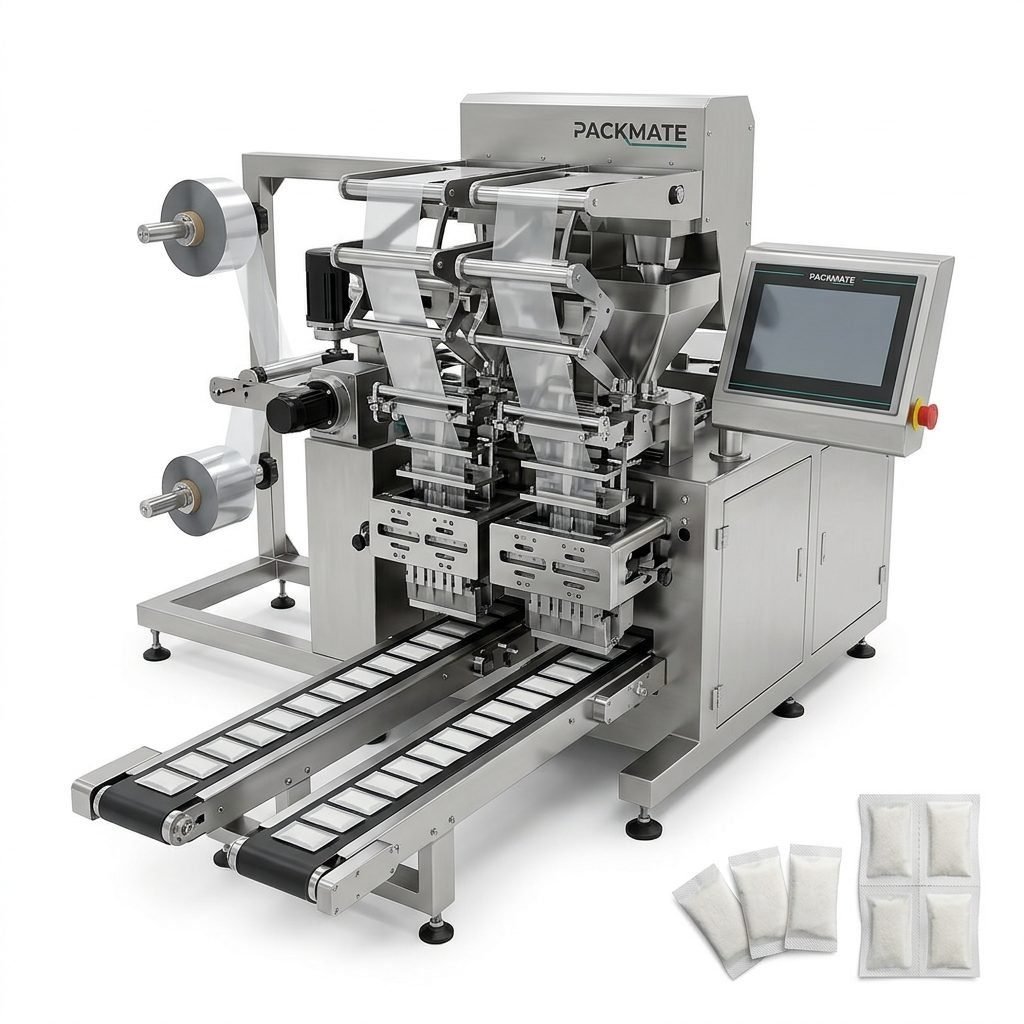
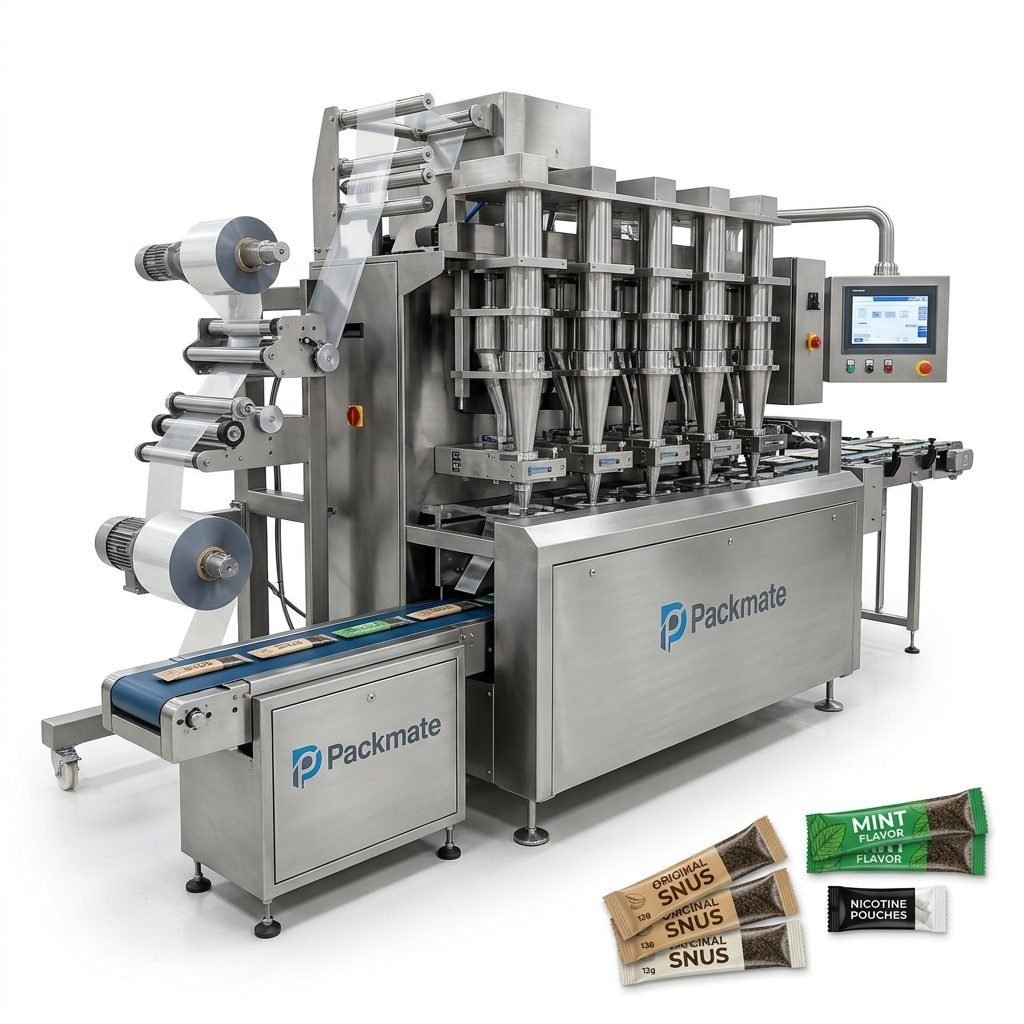
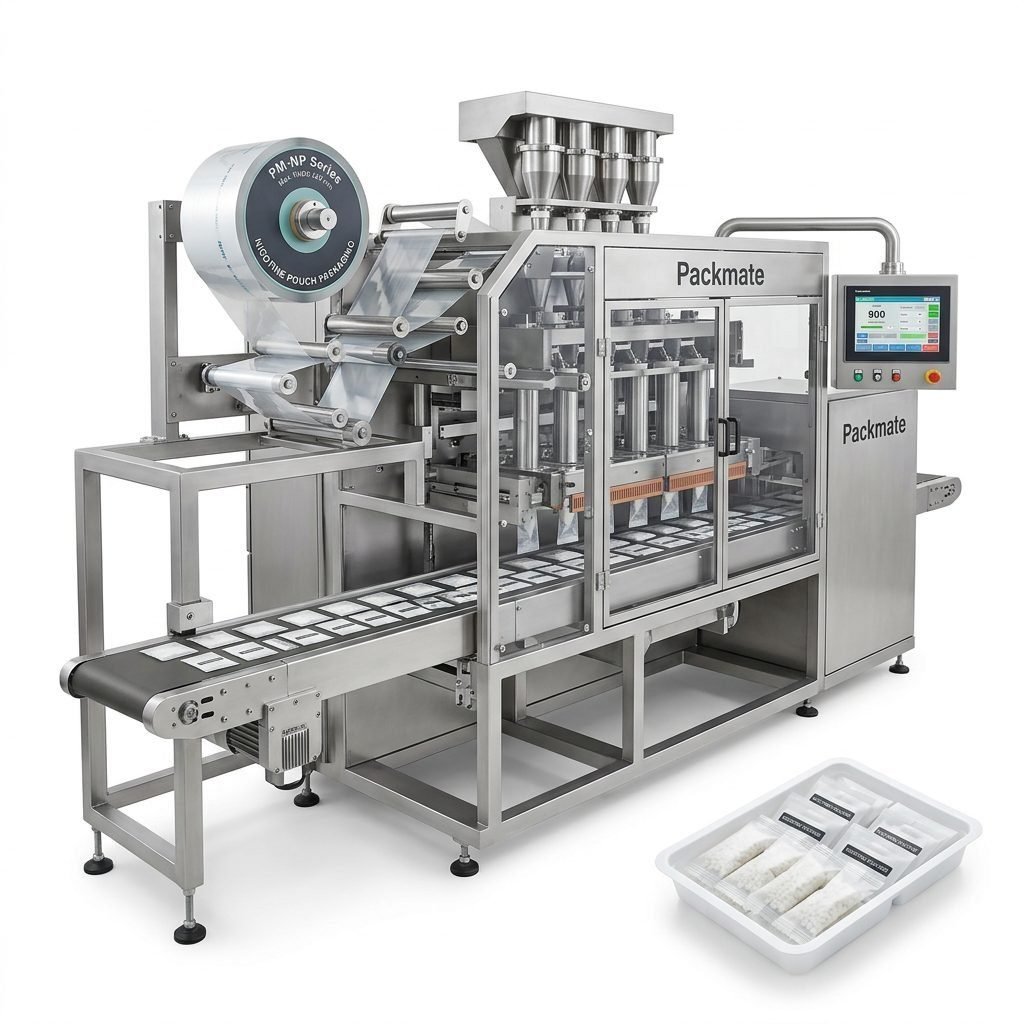
Multi-lane systems enable high throughput of small-dose nicotine pouches and snus. Look for synchronized dosing systems, reliable pouch transfer mechanisms, and easy lane changeovers. Multi-lane capability reduces footprint and cost per pouch at scale.
Filling, Weighing & Packaging Integrated Systems
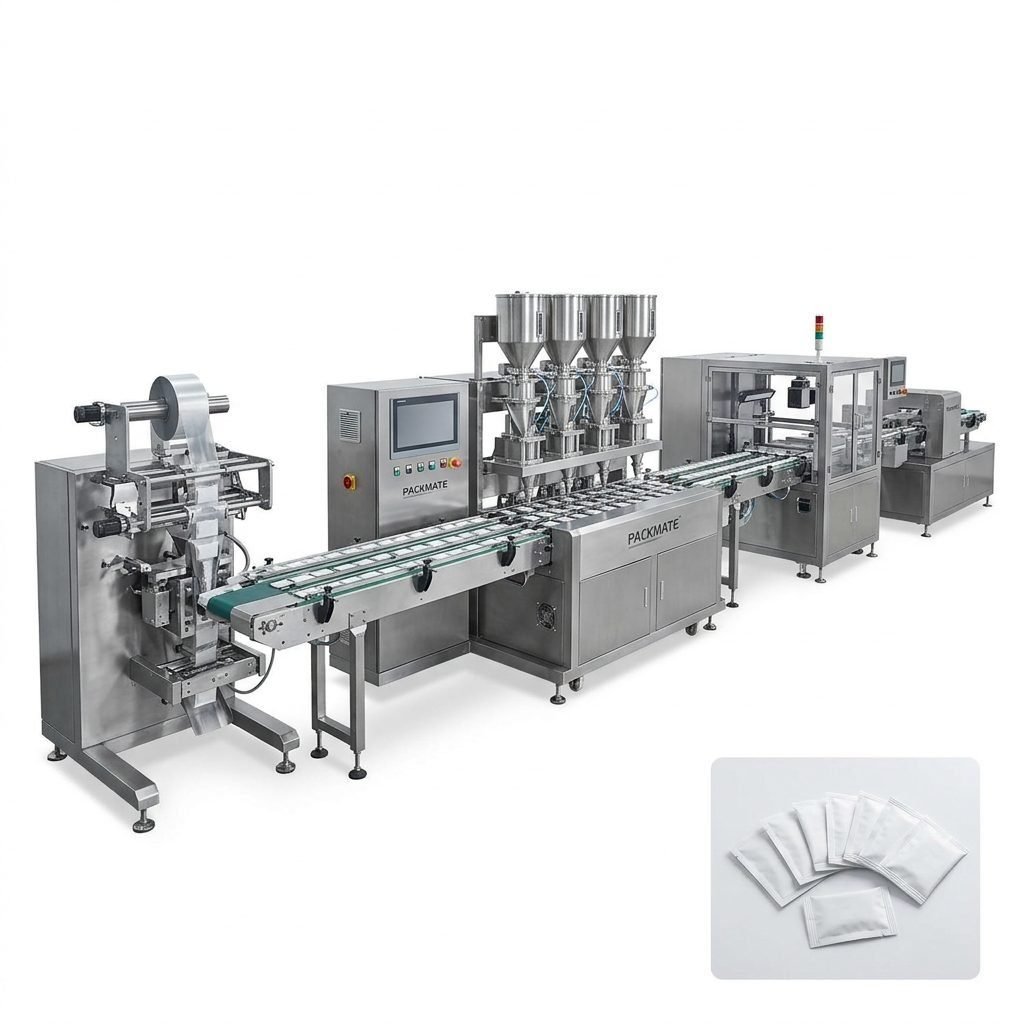
Integrated lines that combine weighing, filling, and sealing minimize manual handling and improve traceability. If precision dosing and consistency are critical, consider automated weighing systems paired with your pouch machine. See examples of full lines in suppliers’ catalogs for reference.
Tip: Visit product pages such as Snus & Nicotine Packaging Machines and Sachet & Stick Pack Machines to compare specifications, layouts, and output rates when shortlisting vendors.
Performance Metrics and Technical Specifications
When reviewing proposals, use a consistent set of performance metrics to compare suppliers. These metrics reveal true production capability beyond marketing claims.
– Output rate (pouches/min or packs/min) under realistic product conditions.
– Accuracy and consistency of dosing (mg tolerance for nicotine pouches).
– Changeover time between sizes or formats and ease of lane reconfiguration.
– Material compatibility (film types, laminates, barrier requirements).
– Energy consumption and utility requirements (air, electricity, footprint).
Factory Acceptance Testing and Validation
A reputable manufacturer offers strong FAT (Factory Acceptance Test) documentation and will run your actual product during testing. Request recorded runs, performance data, and a clear acceptance checklist. Insist on measurable KPIs that the supplier will guarantee at the time of contract.
Quality, Certifications, and Compliance
Quality systems and international certifications indicate a supplier’s ability to deliver safe, reliable equipment. Look for CE and ISO certifications and ask how the manufacturer manages quality across design, machining, assembly, and testing phases.
Packmate Snus Machine operates with CE and ISO-compliant processes and a 20,000㎡ manufacturing facility, which underscores both capacity and quality control. When evaluating vendors, verify certificates and request recent audit reports or references.
Customization, Turnkey Solutions, and Engineering Support
Your production needs may require machine customization—special dosing systems, specific pouch shapes, or continuous in-line labeling. A vendor should be able to provide a turnkey solution, including conveyors, checkweighers, metal detectors, and final packaging lines.
Important: Confirm the manufacturer’s R&D and customization lead times. Packmate’s long history and wide model range can shorten development cycles for bespoke snus pouch solutions. Visit About Packmate for company background and engineering experience.
After-Sales Service, Spare Parts, and Local Presence
Prompt technical support and spare part availability will determine your line uptime. For operations in Nigeria, prioritize suppliers that offer:
– Regional service partners or technicians able to travel to Nigeria.
– Fast spare-part shipment options and local stocking programs.
– Remote troubleshooting capabilities (video support, PLC remote access).
– Trainings for your operators and maintenance teams, including documentation and spares planning.
Checklist for service readiness
✅ Clear warranty terms and response times.
✅ On-site installation and commissioning support.
✅ Training materials and operational SOPs for daily maintenance.
✅ A spare parts pricing and availability list.
Total Cost of Ownership (TCO) vs. Initial Price
The lowest purchase price may result in higher operational costs over the machine lifecycle. Evaluate equipment on TCO, which includes energy use, spare parts, consumables, downtime risk, and potential upgradeability. A slightly higher initial investment might deliver better reliability and lower running costs.
Cost factors to include in TCO: installation, FAT costs, spare parts inventory, operator training, consumable films and labels, annual service contracts, and projected downtime costs for critical failures.
Factory Tour, Client References and Case Studies
Arrange a factory visit or request virtual tours and case studies that show real-world installations. Observing an installed line or talking to existing clients reveals operational realities such as maintenance frequency, spare-part life, and actual output.
Packmate highlights global case studies and exhibition demos—reviewing these helps you assess practical performance and global footprint. For real examples, consider looking at the supplier’s case page and exhibition history.
Useful references: Case and Our Exhibition.
Logistics: Lead Time, Shipping and Installation in Nigeria
Lead times for customized snus packaging machines may range from weeks to several months. Confirm machine delivery schedules, preferred shipping methods, and installation support. For Nigerian operations, ensure the supplier assists with customs documentation and offers guidance for local import procedures.
Practical steps to manage delivery risk
– Build realistic timelines that include FAT, shipping, customs clearance, and on-site commissioning.
– Request a packing and shipping plan that details crate dimensions and handling requirements.
– Confirm electrical and utility requirements ahead of arrival to avoid installation delays.
Negotiation Tips and Contract Clauses
When negotiating, secure clear terms on performance guarantees, acceptance criteria after FAT, warranty period and scope, spare parts lead times, and training obligations. Include SLA clauses for response times on critical faults and remote support availability.
Red flags: vague uptime guarantees, no FAT documentation, unwillingness to provide references, or hidden charges for essential commissioning services.
Selecting a Long-Term Partner, Not Just a Supplier
Packaging production is a long-term operation. Choose a manufacturer that demonstrates continuous improvement, strong technical support, and a clear commitment to service. Suppliers with established facilities, diverse machine models, and global installations are better positioned to support your expansion and technology upgrades.
If you are evaluating suppliers like Packmate, consider their 30+ years of engineering experience, 20,000㎡ manufacturing facility, and comprehensive product range—including bag & pouch equipment and auxiliary systems. Explore product family details at Bag & Pouch Packaging Machines and full line solutions at Filling & Packaging Lines.
Decision-making checklist
– Does the manufacturer provide FAT with your actual product?
– Are certifications (CE, ISO) and quality controls verifiable?
– Can the supplier deliver spare parts and service to Nigeria quickly?
– Are TCO considerations clearly documented and comparable?
– Does the supplier offer turnkey installation, staff training, and documentation?
Final selection process and next steps
Shortlist two to three manufacturers and request detailed proposals including technical datasheets, FAT records, client references, warranty terms, and a complete cost breakdown. Plan a factory visit or virtual inspection and obtain a formal quotation with lead times and acceptance criteria.
When you are ready to explore machine options, packages, and services, use the supplier contact channels to request detailed information: Contact Us for bespoke quotations and service discussions.
Common Questions — FAQs
Q1: How long does it take from order to commissioning for a snus pouch line in Nigeria?
A1: Typical lead times vary by model and customization level. Standard machines may ship in 8–12 weeks; customized multi-lane lines often require 12–20 weeks including FAT. Add shipping, customs, and local installation timelines to the total schedule.
Q2: What warranty and support should I expect from a reputable manufacturer?
A2: Expect at least a 12-month warranty on major components, remote technical support, supervised commissioning, and clear spare parts pricing. Longer service agreements are often available for priority support.
Q3: Can machines be configured for multiple pouch formats and nicotine dosages?
A3: Yes. Many modern lines offer modular fixtures and dosing systems to handle multiple formats and dose ranges. Discuss future product plans with your supplier to ensure changeovers and upgrades are straightforward.
Q4: How can I verify a manufacturer’s credibility when evaluating remotely?
A4: Request FAT videos, machine run data, customer references, certificate scans (CE/ISO), and, where possible, virtual factory tours. Ask for contactable client references and recent installation photos or case studies.
Q5: What are essential spare parts to stock for snus packaging machines?
A5: Start with critical wear parts: sealing jaws, belts, sensors, cutter blades, bearings, and a basic electrical spare kit. Your supplier can provide a recommended spare parts list tailored to your model and production volume.