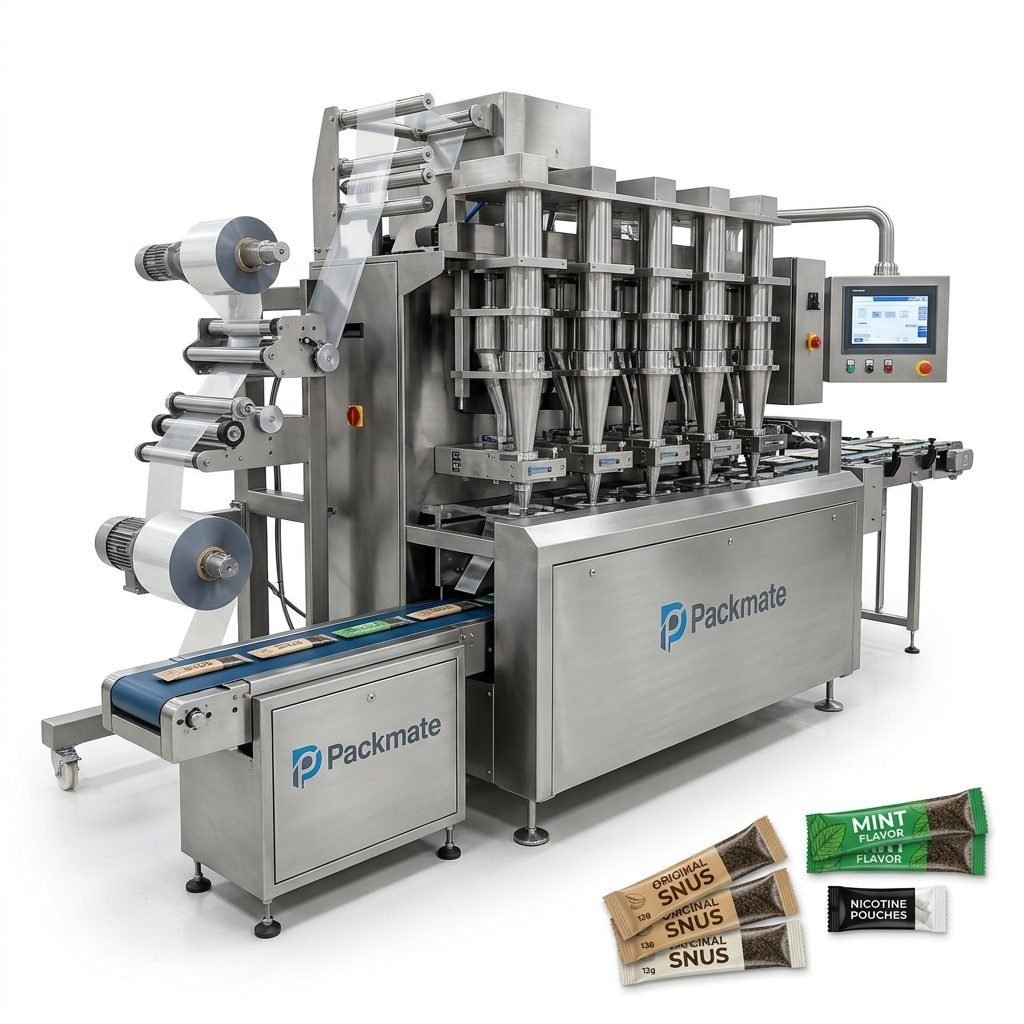
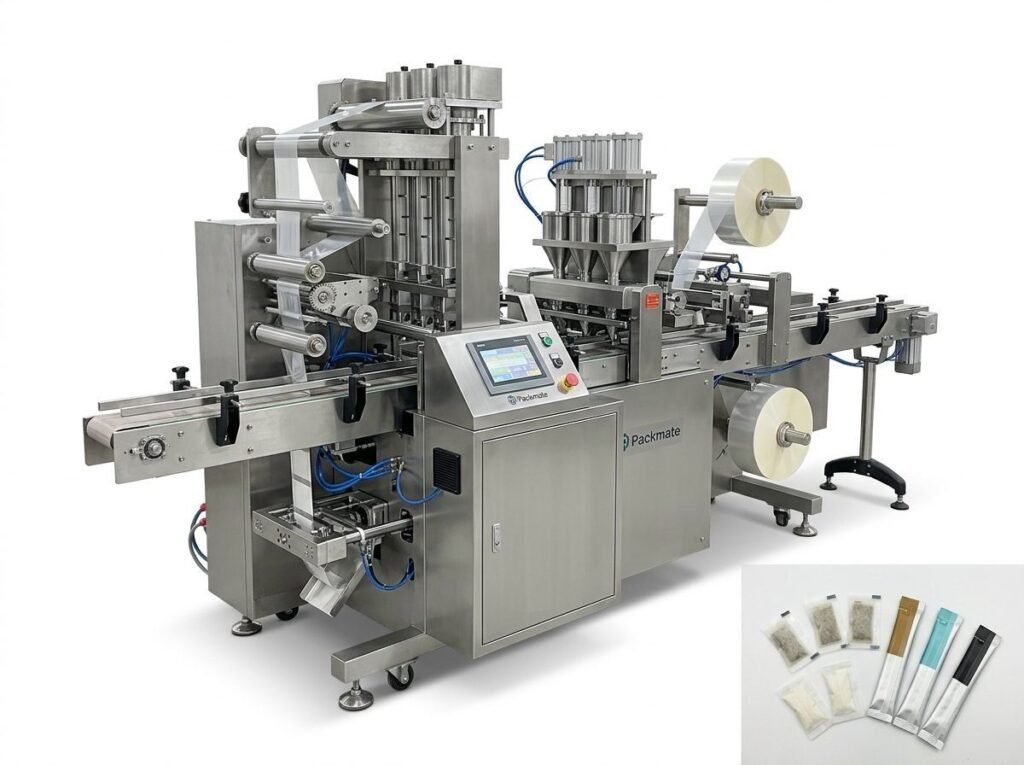
Introduction: Assessing Snus Production Needs in Ethiopia
Ethiopia’s manufacturing landscape is evolving rapidly, with increasing interest from entrepreneurs who want to serve local demand and regional markets. When considering a snus or nicotine pouch packaging line for Ethiopia, choosing the right machine is critical to ensure product quality, regulatory compliance, and long-term profitability. This guide explains the technical and practical factors to weigh when selecting a snus packaging machine tailored to Ethiopian conditions, local customs, and business realities.
1. Know the Product: Types of Snus & Pouches
Before machine selection, define your product precisely: traditional moist snus, dry snus, nicotine pouches, or sachet-style single-portion formats. Each format demands different filling, sealing and humidity control features. For example, low-moisture nicotine pouches require precise powder/particle dosing and hermetic sealing, while paste-like snus needs robust filling heads and conveyors able to handle higher viscosity.
2. Production Scale & Speed Requirements
Decide whether you are starting pilot-scale, small commercial, or medium/large production. Typical options:
📌 Pilot / Small (up to a few thousand pouches/day): Single-lane or low-speed multi-lane stick/sachet machines with simple dosing systems. Ideal for local trials and low-capital startups.
📌 Commercial (tens of thousands/day): Multi-lane sachet or stick pack systems with precision weighing and automatic bagging for higher throughput.
📌 High Capacity / Export (100k+/day): High-speed multi-lane systems with continuous feeders, integrated weighing, and fully automated packaging lines.
3. Machine Types & Configurations
There are several configurations to consider depending on format and budget:
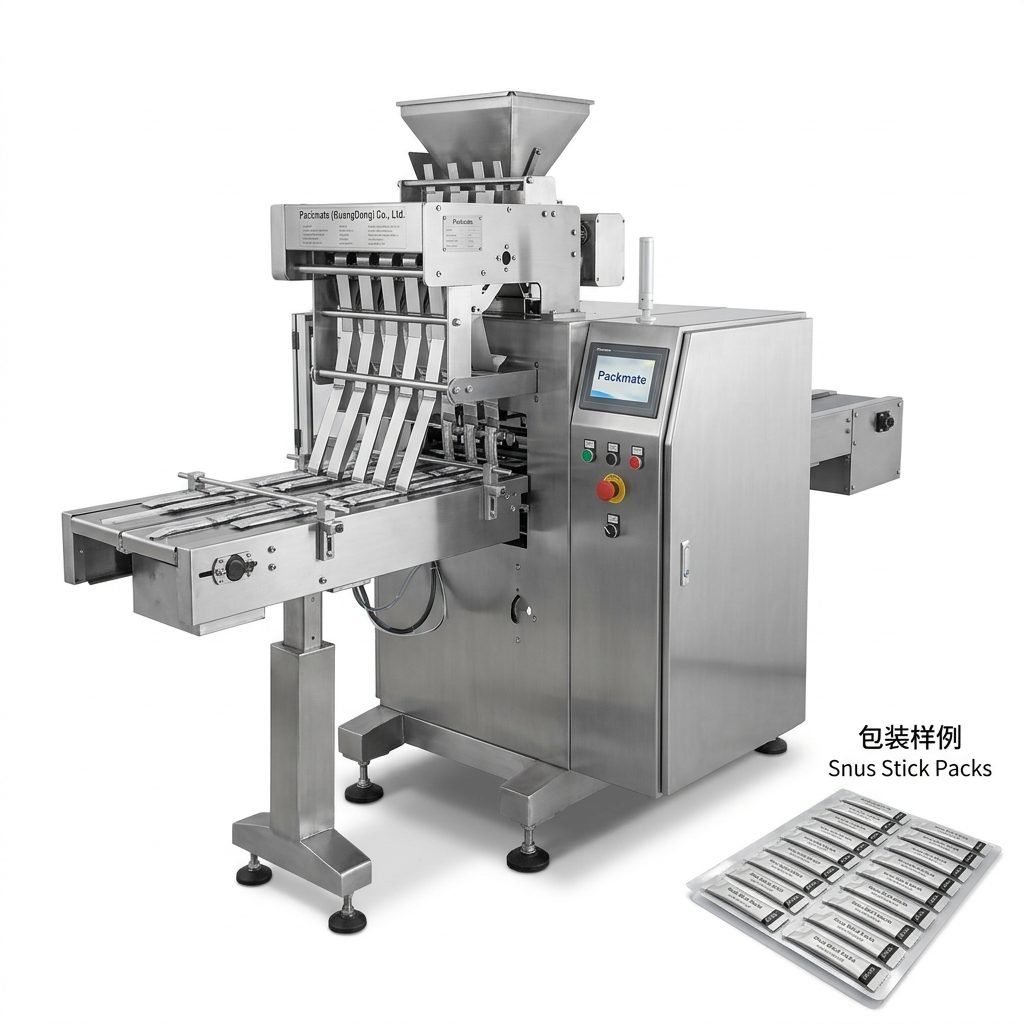
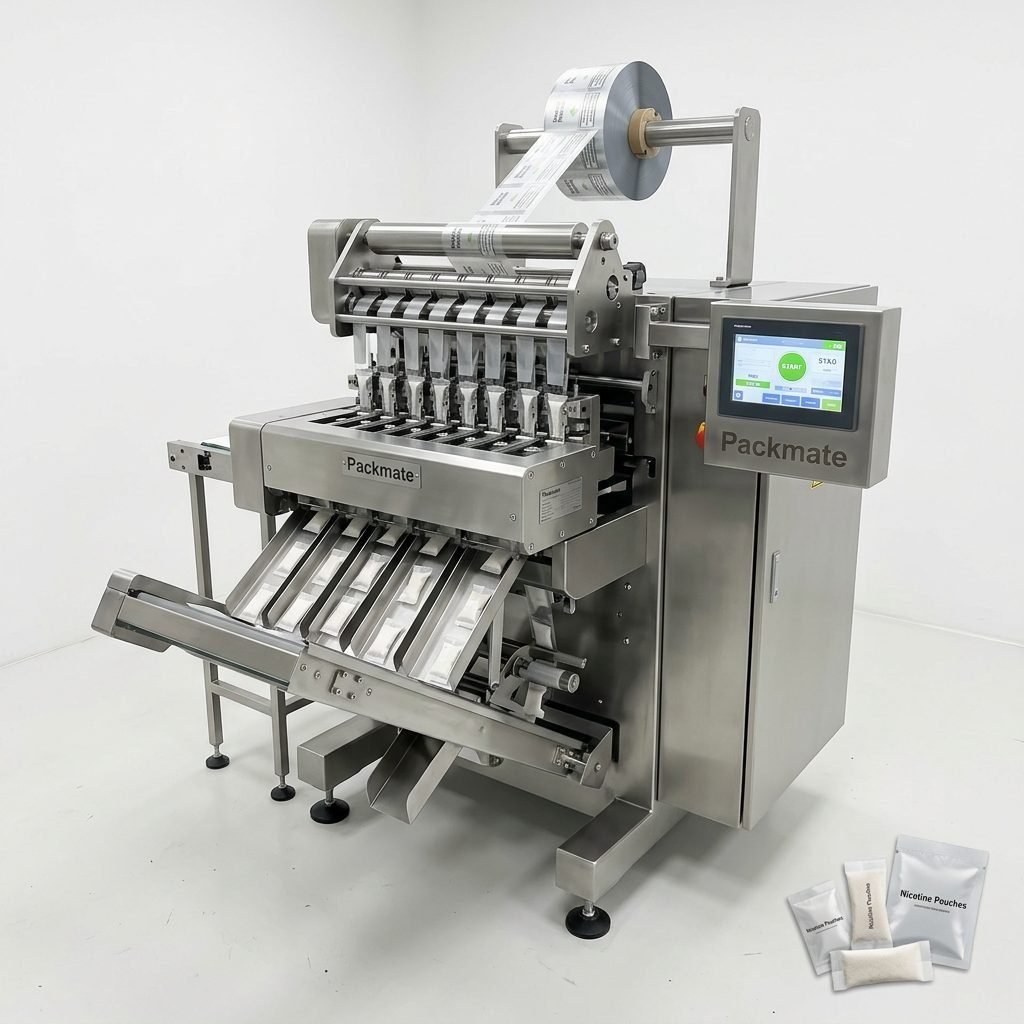
🔧 Sachet & Stick Pack Machines: Great for single-dose pouches, adjustable pouch lengths, and relatively simple maintenance.
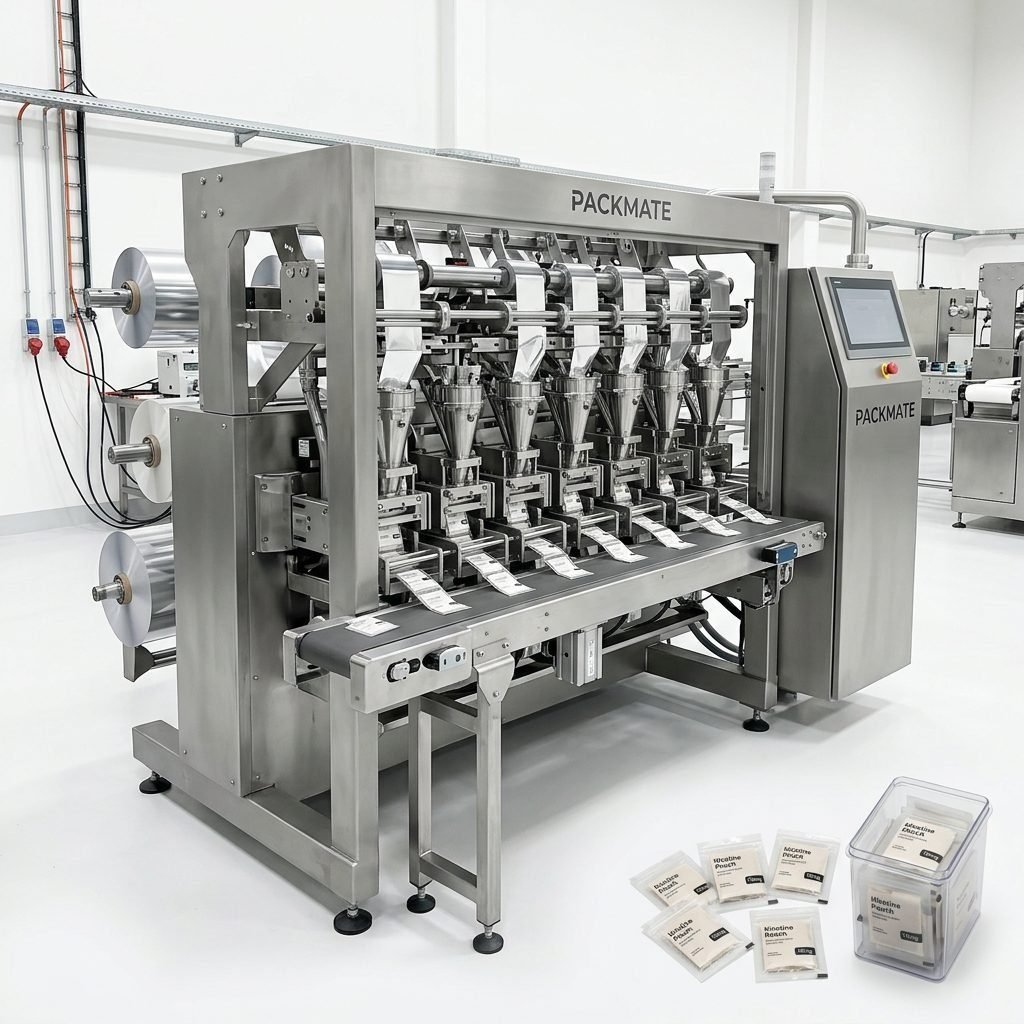
🔧 Multi-lane Pouch Machines: Higher throughput by running 2–8 lanes in parallel; essential for scaling production while controlling footprint.
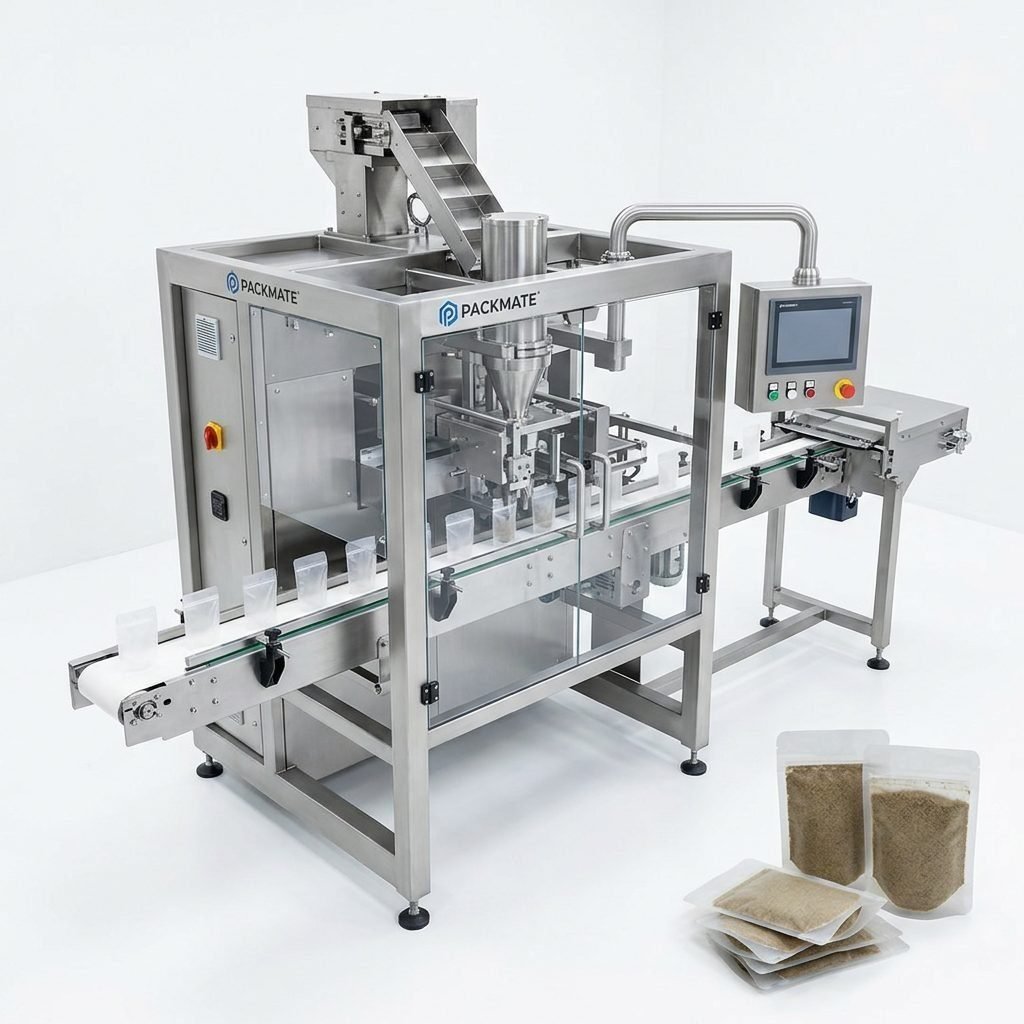
🔧 Vertical Form Fill Seal (VFFS) with all-in-one dosing: Best for powder/particle blends, integrates weighing or auger filling.
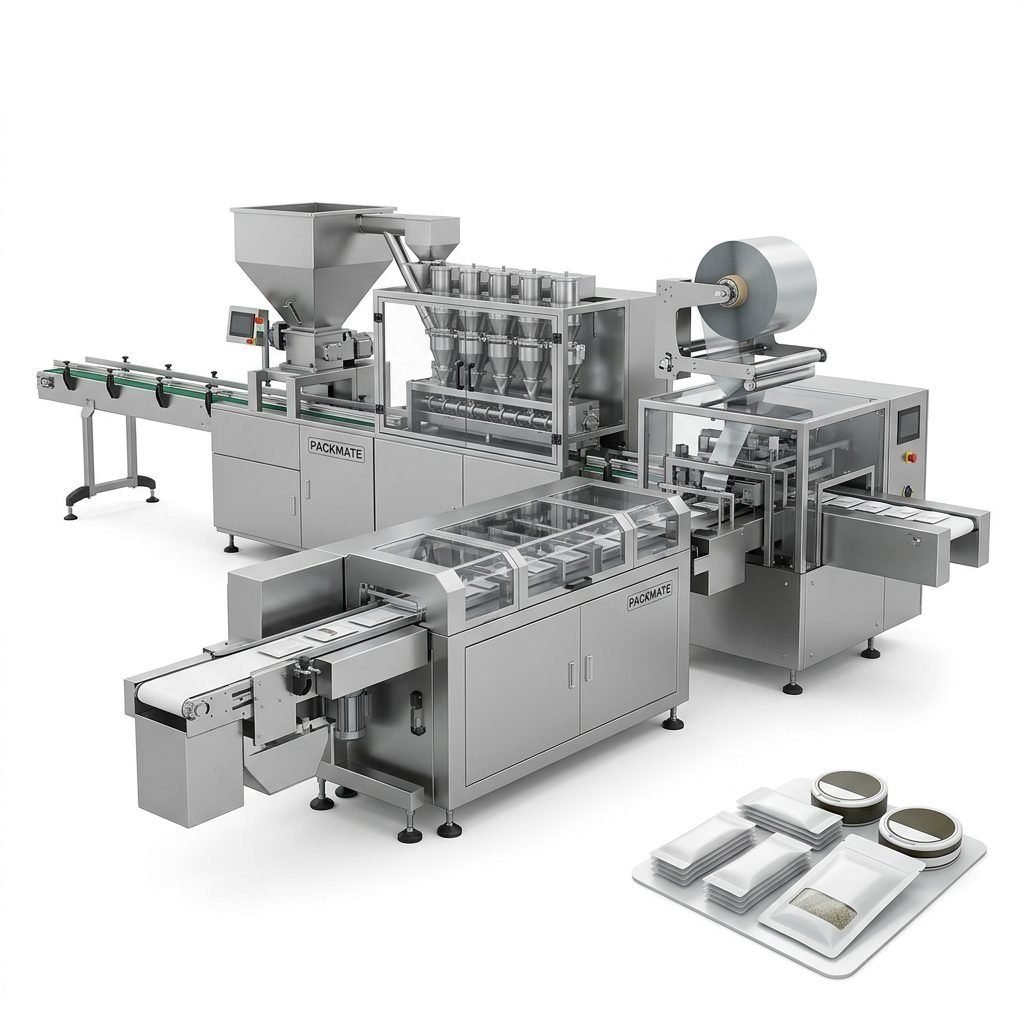
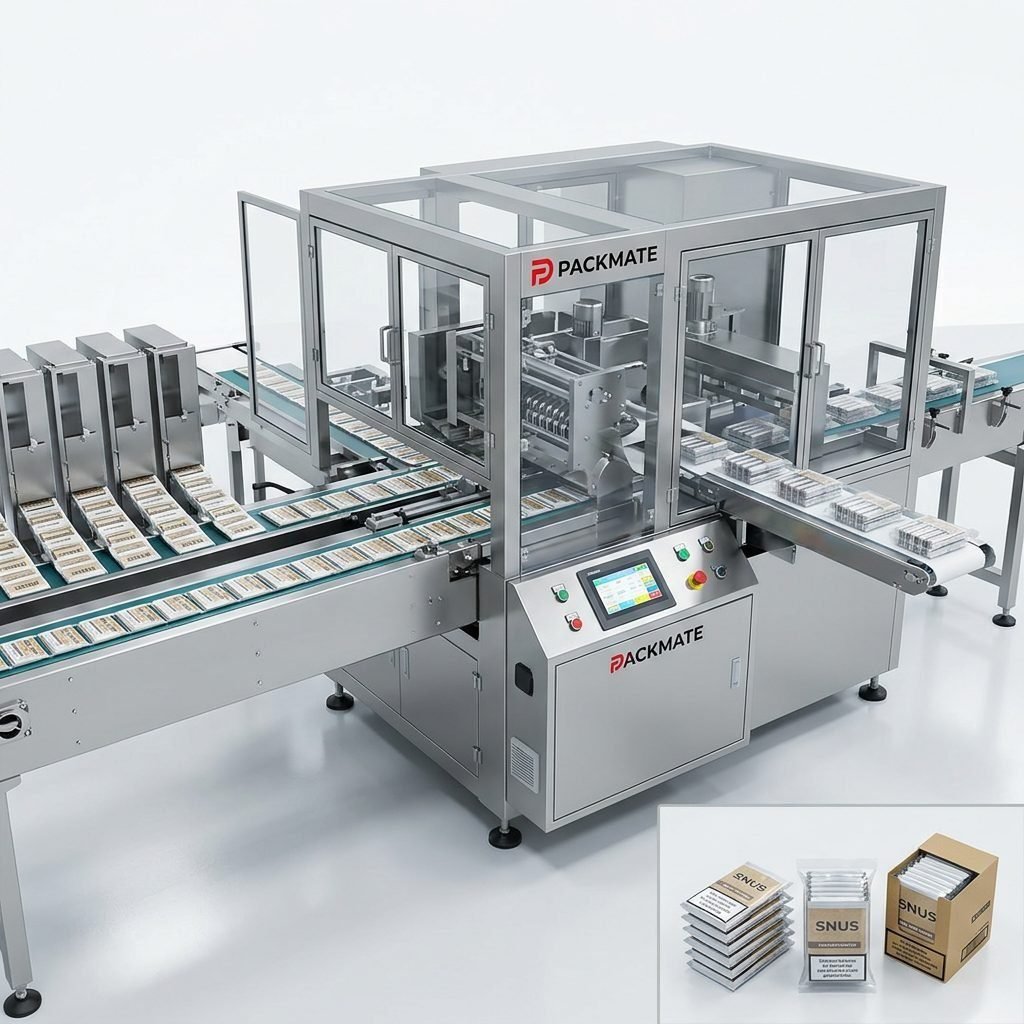
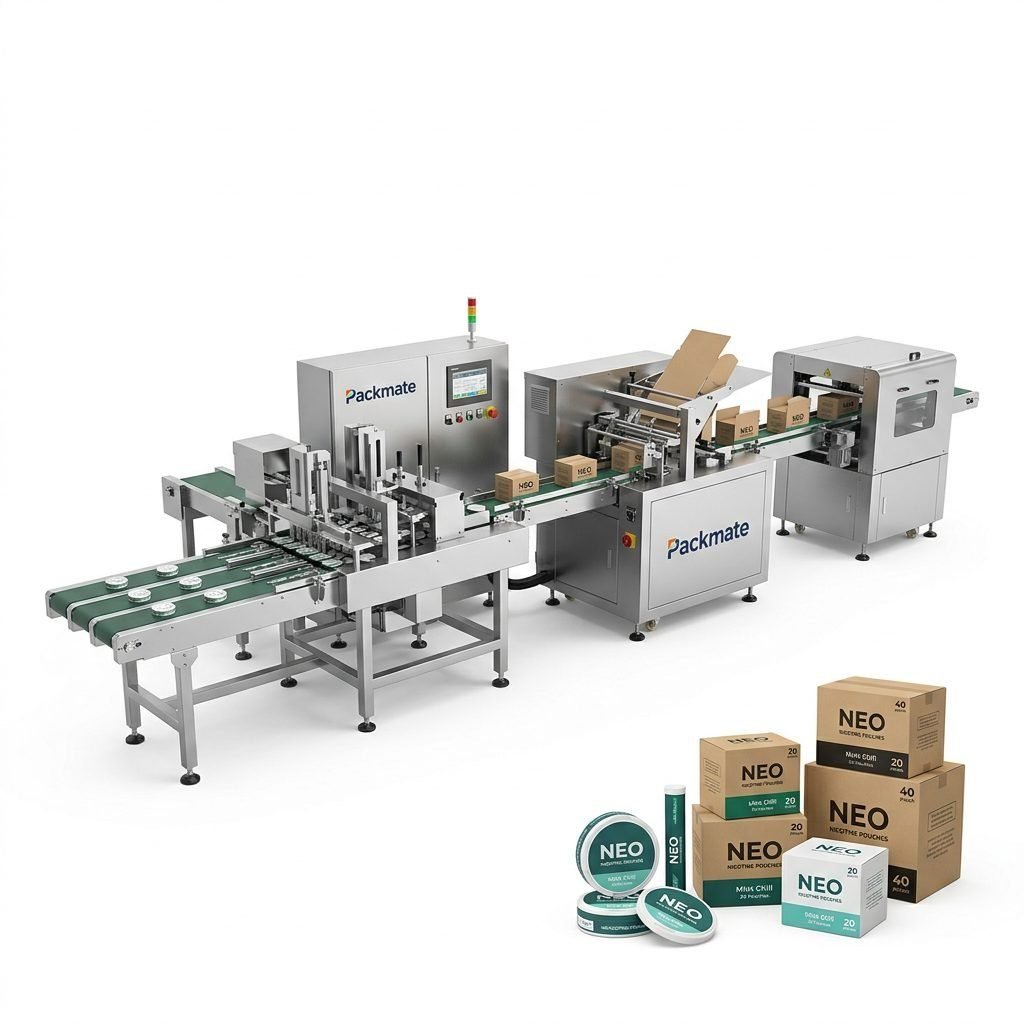
🔧 Complete Turnkey Lines: Conveyors, check weighers, metal detectors, cartoning and case packing for export-ready product.
4. Production Environment & Utilities in Ethiopia
Ethiopia has regions with variable power stability, high altitude in places, and sometimes fluctuating humidity. These factors affect machine selection and on-site setup:
⚠ Power & Electronics: Choose machines with robust electrical protections, voltage stabilizers and the option to handle generator power. Inquire about power consumption and standby modes to reduce costs.
⚠ Humidity & Climate Control: Nicotine pouches are sensitive to moisture. Plan for dehumidifiers, controlled storage and sealed packing zones in regions with high humidity.
⚠ Altitude Considerations: At high elevations, vacuum and pneumatic systems may behave differently—confirm machine tuning and supplier support for local calibration.
5. Regulatory and Cultural Considerations in Ethiopia
Ethiopia has a mix of cultural attitudes toward tobacco and nicotine products. Many communities prioritize health-conscious choices, and there are strict regulations around tobacco advertising and sales. When launching snus or nicotine pouches in Ethiopia:
📌 Labeling & Compliance: Ensure packaging includes the required health notices and any language requirements. Work with legal advisors familiar with Ethiopian Food and Drug Authority (or relevant bodies).
📌 Cultural Sensitivity: Ethiopia has a significant religious population—consider packaging messaging and marketing that respects local norms and avoids public backlash.
📌 Distribution Channels: Urban centers like Addis Ababa will be primary markets; consider smaller-scale packaging sizes or sample packs for conservative markets.
6. Automation vs. Manual Operations
Balance automation with local workforce skills and operational budgets. Full automation reduces labor costs and increases consistency, but requires trained technicians and reliable power. Semi-automatic machines are cost-effective for smaller operations and easier to maintain locally.
✅ When to choose full automation: High-volume production, export plans, and when consistent product quality is a priority.
✅ When to choose semi-automatic: Early-stage companies, lower capital budgets, or when local maintenance resources are limited.
7. Material Compatibility & Packaging Films
Packaging film selection (barrier films, heat-sealable laminates, recyclable films) affects machine sealing parameters and product shelf life. Ensure the machine can handle the film width, thickness, and sealing temperatures you plan to use. Discuss with your supplier about recommended film types for nicotine pouches to avoid leaks or seal failures.
8. Quality Control & Traceability
For market acceptance and export compliance, integrate QA systems: check weigher, metal detector, batch coding, and vision inspection. Traceability modules help manage recalls and meet international buyer standards.
Key Technical Features to Insist On
When evaluating machine offers, look for these essential technical features to ensure durability and performance:
🔧 Servo-driven dosing and film handling for precision and repeatability.
🔧 Stainless steel contact parts (food-grade) and easy-to-disassemble units for cleaning.
🔧 PLC control with user-friendly HMI and multilingual support for operator training.
🔧 Modular design for upgrades (e.g., adding lanes, integrating weighing systems).
🔧 CE and ISO compliance for international acceptance and safety.
After-sales Support, Spare Parts & Local Service
Robust after-sales service is often the deciding factor. Choose a manufacturer that provides:
📌 Fast spare parts delivery and local stocking options.
📌 Remote diagnostics and training packages for Ethiopian operators.
📌 Installation support and commissioning at your factory site.
📌 Clear documentation and parts lists for preventive maintenance.
Why Packmate Might Be a Strong Partner
Packmate Snus Machine offers decades of experience in snus and nicotine pouch machinery. With a 20,000㎡ facility, CE and ISO-certified lines, and a range of specialized machines, Packmate can provide Snus & Nicotine Packaging Machines and complete turnkey solutions that match the needs of Ethiopian manufacturers. Their product range also includes Sachet & Stick Pack Machines and Weighing & Packaging Systems to form integrated lines.
Practical Steps to Select & Commission a Machine in Ethiopia
Follow a structured procurement process to reduce risk:
1. Define product specs (size, weight, moisture).
2. Estimate throughput and future scaling plans.
3. Request machine demos or video trials; ask for sample packs from the machine.
4. Verify certifications, warranty and spare parts availability.
5. Plan logistics: shipping, customs, local taxes, and installation timeline. Consider contacting local agents for smoother import.
6. Arrange operator training and a maintenance schedule before commissioning.
Logistics & Customs Tips for Ethiopia
Plan for customs clearance time, inland transportation in Ethiopia and potential inspection by regulatory authorities. Work with experienced freight forwarders and consider packaging machines with clear documentation to speed up clearance.
Cost Considerations & Return on Investment (ROI)
Total cost includes equipment price, shipping, installation, training, spare parts, and consumables (films, lids, adhesives). Estimate ROI by modeling production volume, yield, and market price. High-precision machines reduce waste and variability, often paying back the investment through higher margins and fewer reworks.
Sustainability & Waste Reduction
Consider machines that minimize material waste, support recyclable film options, and offer energy-efficient drives. Sustainable choices resonate well with urban Ethiopian consumers and can help access export markets with strict environmental standards.
Choosing the Right Supplier
A reliable supplier offers product references, case studies, and clear after-sales support. Packmate provides international turnkey experience and product examples in their Case pages, while company background and certifications can be reviewed on their About Packmate and Certificate pages.
Checklist Before You Buy
Use this quick checklist to validate offers:
✔ Production capacity and scalability verified.
✔ Spare parts availability confirmed and lead times acceptable.
✔ On-site training and commissioning included.
✔ Power and utility requirements suitable for Ethiopian plant.
✔ Warranty, service SLA and remote support options available.
Case Scenario: Small Ethiopian Startup
Imagine a startup in Addis Ababa producing flavored nicotine pouches for urban adults. The recommended approach would be a 2–4 lane sachet machine with servo filling and an integrated check weigher, combined with a small cartoning station. This balances affordability, local labor use, and future scaling potential.
Final Recommendations
Selecting the right snus packaging machine in Ethiopia is a blend of technical fit, local context and supplier reliability. Prioritize machines that provide:
• Precise dosing and good sealing performance
• Clear after-sales support and spare parts supply
• Flexibility to adapt to local environmental conditions
• Compliance with international certifications for export opportunities
Where to Learn More & Next Steps
For detailed product specifications and to view machine families, review the Packmate product lines such as Bag & Pouch Packaging Machines and speak with the supplier to arrange demos or reference visits. If you are ready to move forward, contact the manufacturer’s sales and service team via their Contact Us page to discuss Ethiopian logistics, installation and training.
Common Questions (FAQs)
Q1: How do I choose between single-lane and multi-lane machines for Ethiopia?
A1: Start with your projected daily output and growth plans. Single-lane suits low volumes and simpler maintenance; multi-lane is better for scaling and export ambitions.
Q2: What power and climate preparations should I make for a packaging line in Addis Ababa?
A2: Ensure voltage stabilization, consider generator backup, and add humidity control in storage and packing zones to protect product consistency.
Q3: Are there local spare parts or will I need to import regularly?
A3: Critical wear parts are often shipped from manufacturers; verify lead times and consider stocking essential spares locally to reduce downtime.
Q4: Can Packmate provide turnkey solutions and training for Ethiopian teams?
A4: Yes. Packmate offers turnkey packaging lines, commissioning and operator training—confirm specific packages and remote support options when discussing your order.
Q5: What certifications should I request before purchase?
A5: Ask for CE and ISO certificates, plus documentation on hygienic design and materials contact safety. These certifications facilitate export and regulatory approval.