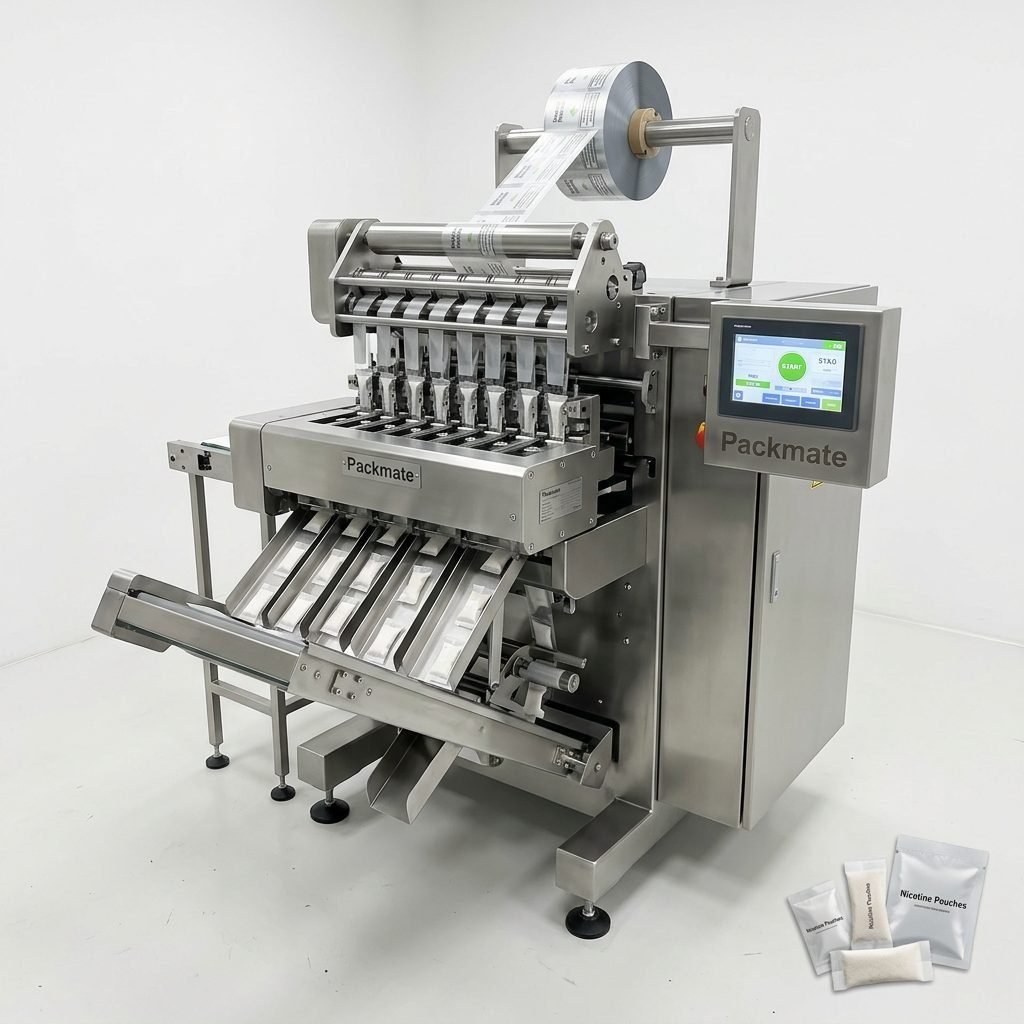
Choosing the right nicotine packaging machinery for an Austrian production line requires a mix of technical understanding, compliance awareness, and cultural fit. Austria values precision engineering, energy efficiency, and environmental responsibility—traits that should guide any purchasing decision. This guide walks you through practical steps to select the best snus and nicotine pouch packaging equipment for your factory, covering machine types, regulatory considerations in Austria, integration with existing lines, and how to evaluate suppliers with a focus on reliability and service.
Understand the Austrian Market and Regulatory Environment
Austria follows strict EU regulations on nicotine products, packaging, and labeling. Packaging machinery must support compliant printing, tamper-evident features, and traceability. In practice, this means choosing machines that can integrate serialization, batch coding, and high-resolution date/lot printers. Additionally, Austrian customers and regulators expect machines that minimize dust and contamination risks and that are easy to clean and validate.
Local expectations in Austria also emphasize energy efficiency and low-emission operation. When evaluating machinery, consider energy consumption figures and whether the equipment supports eco-friendly operational modes or intelligent standby functions.
Key regulatory and cultural points to keep in mind:
- EU and Austrian labeling and packaging laws – ensure machines can accommodate required labels and warnings.
- High hygiene and GMP-like expectations for nicotine handling lines.
- Preference for precision, durability, and long-term service relationships.
- Value placed on local technical support and fast spare parts delivery.
Select the Right Machine Type for Your Product
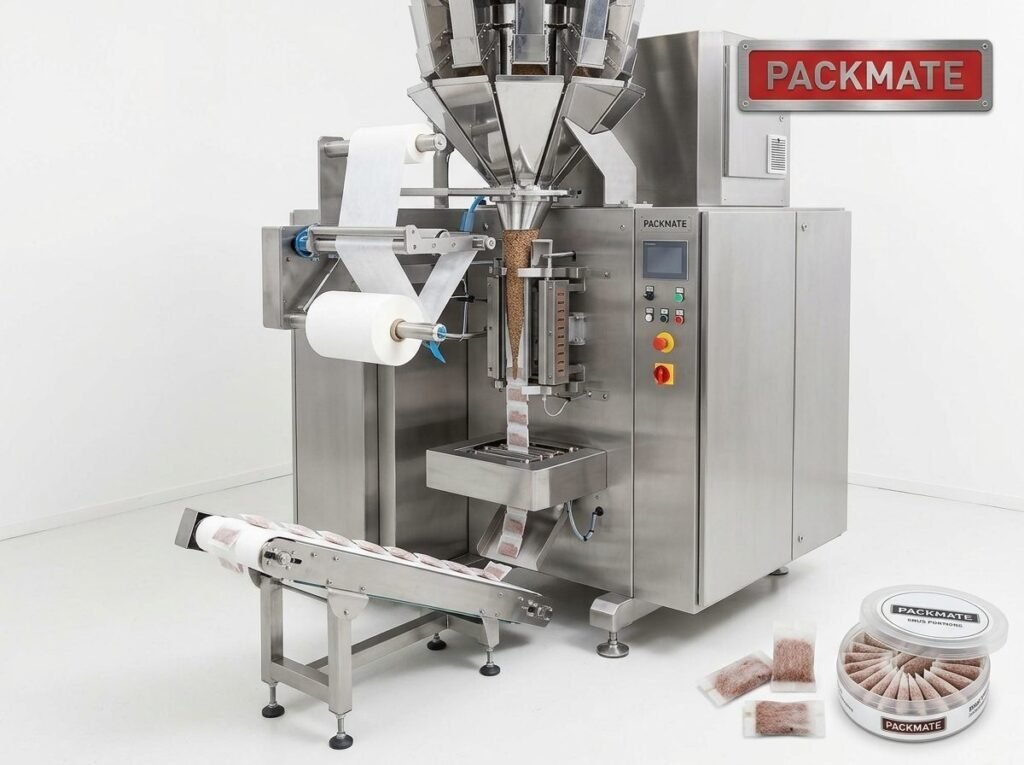
Nicotine pouches and snus require different packaging formats depending on portion size, pouch material, and presentation. Common machine formats include stick pack, sachet, multi-lane pouch, and tray or can filling systems. Consider production volumes, flexibility, and future product lines when selecting a machine family.
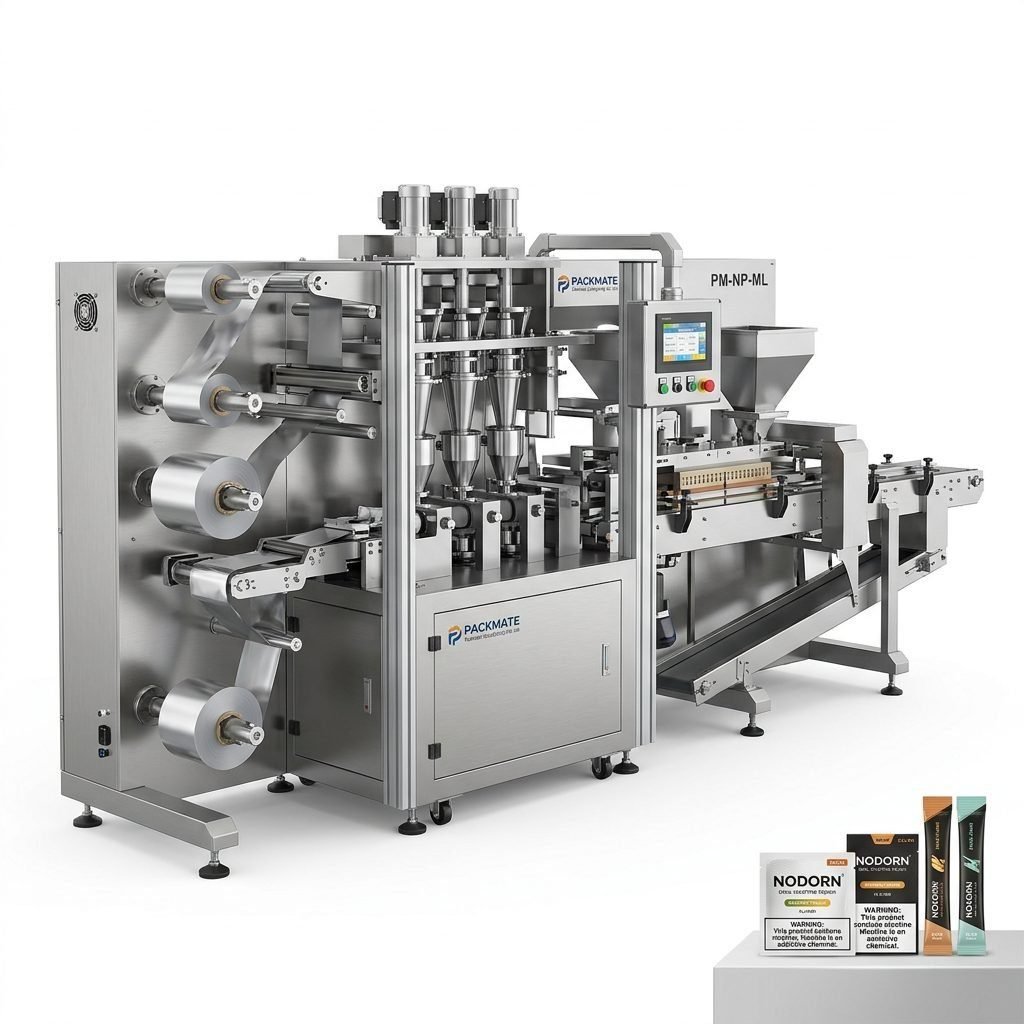
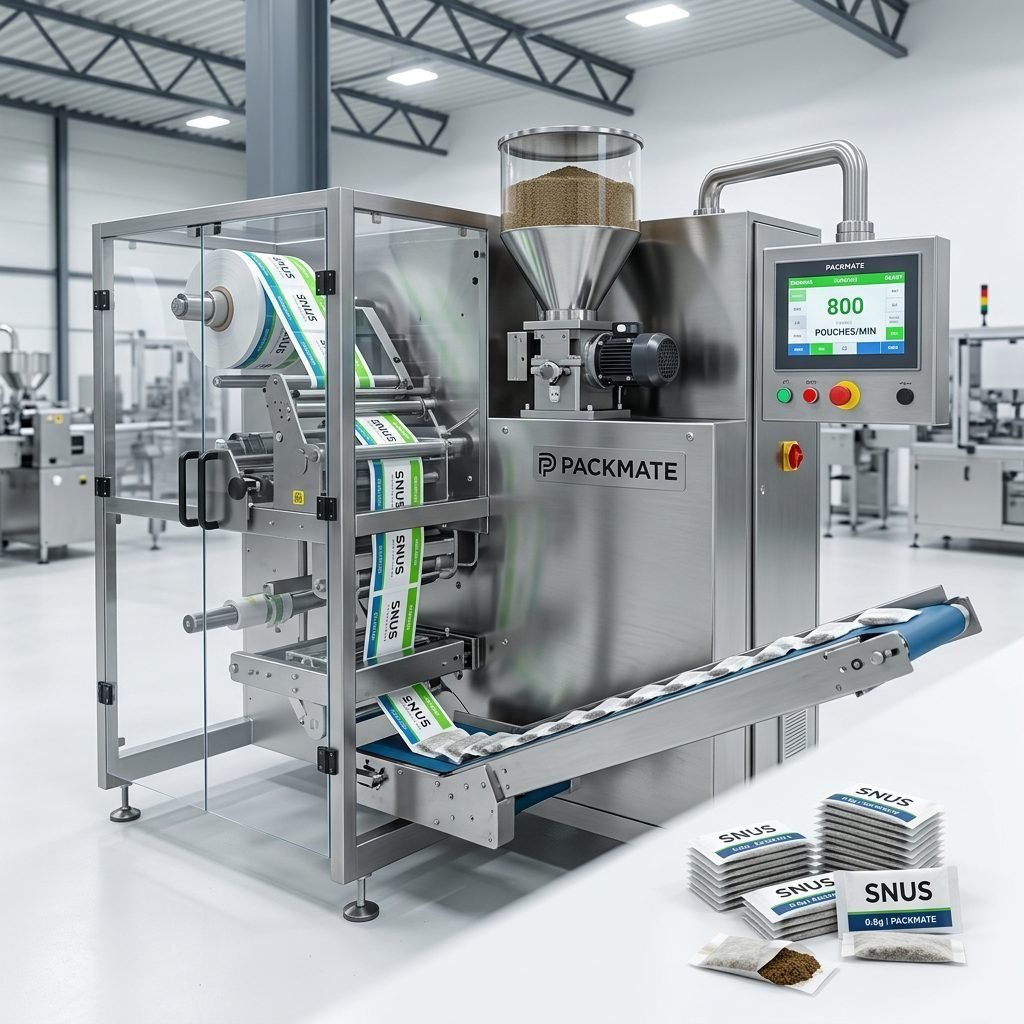
For high-speed, small-dose nicotine pouches, multi-lane snus pouch machines offer the best throughput per footprint. For flexible packaging and smaller batches, sachet and stick pack machines are ideal.
Machine types at a glance
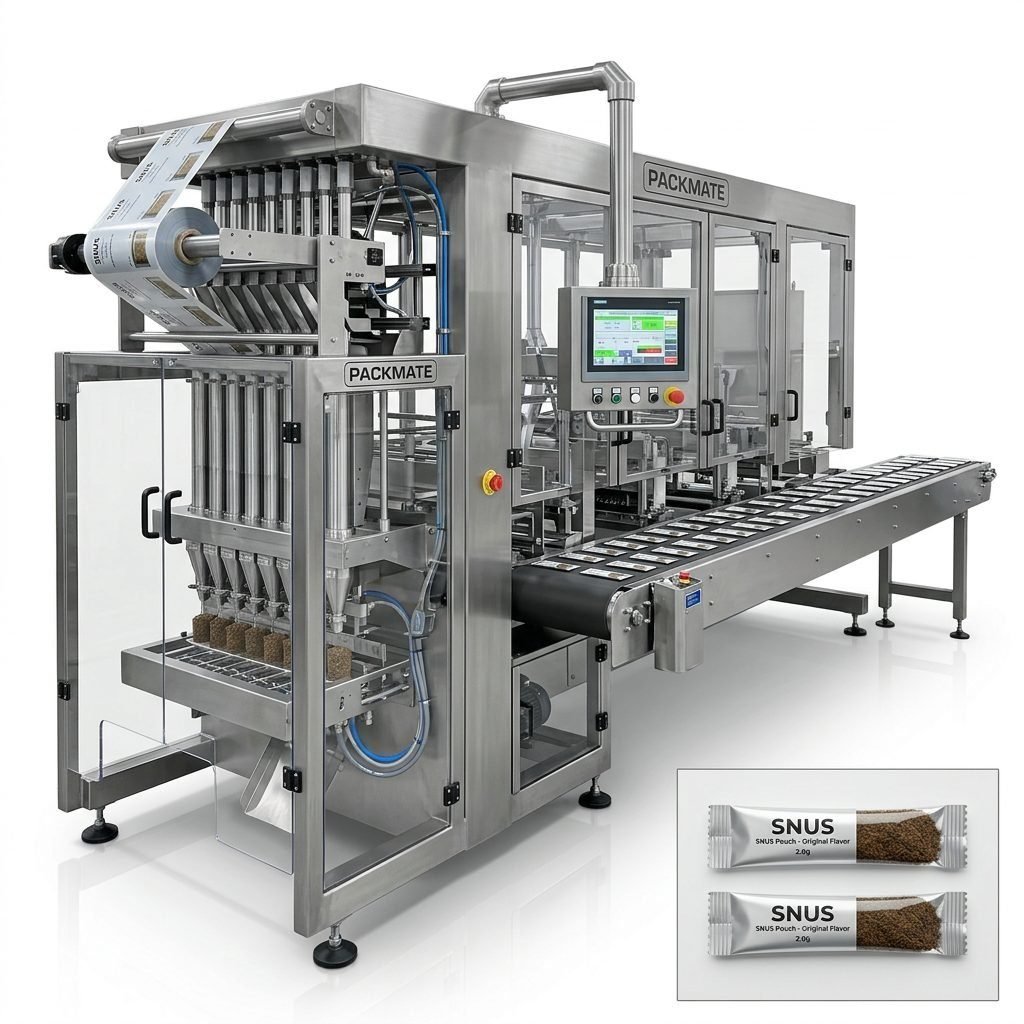
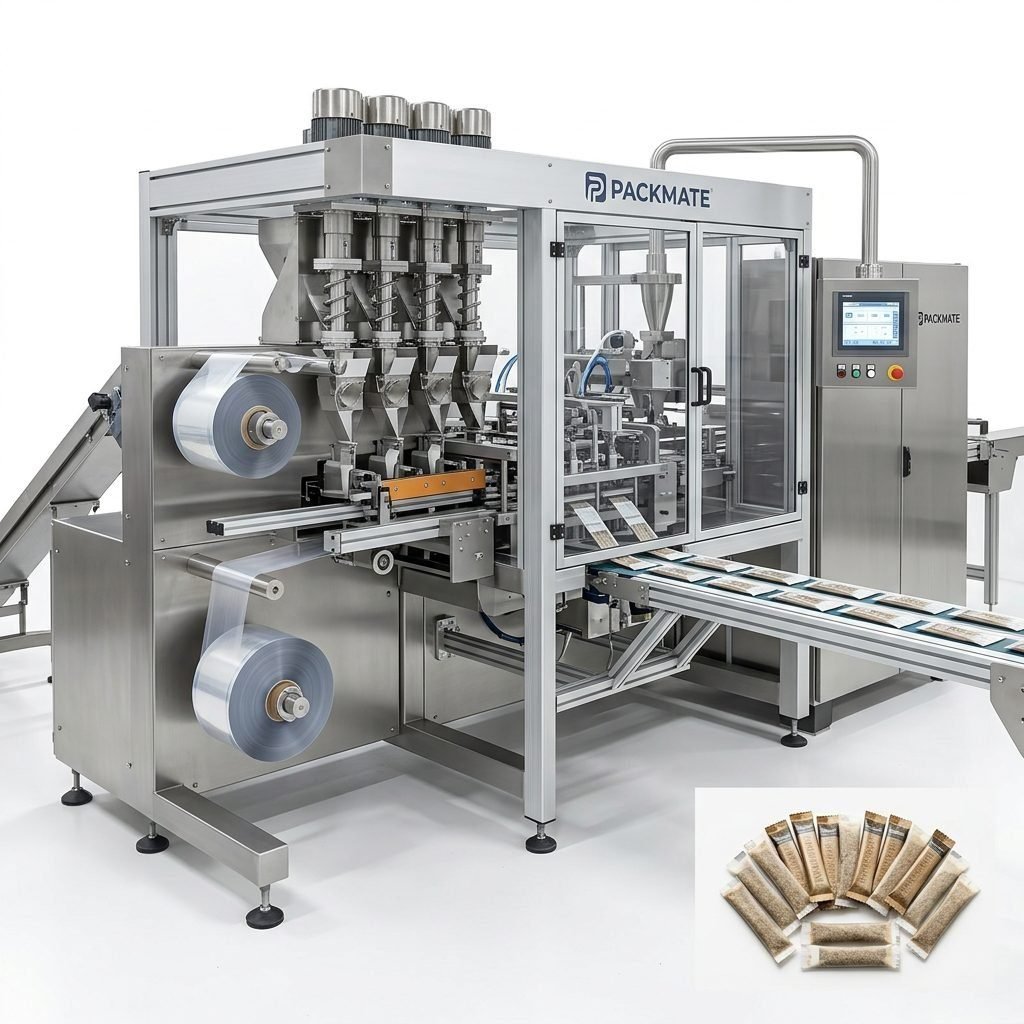
– Multi-lane snus pouch machines: High throughput for uniform small-dose pouches and nicotine sachets.
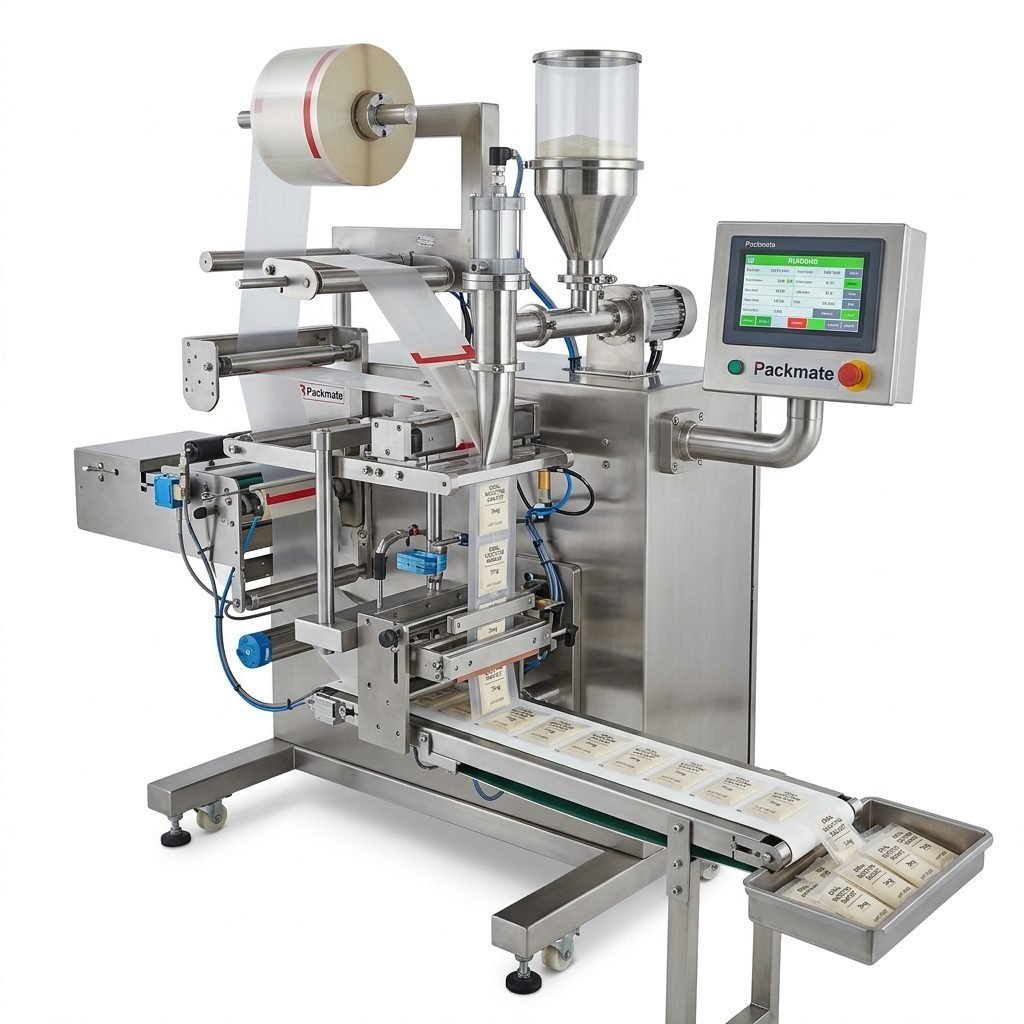
– Stick pack/sachet machines: Good for variable products, promotional sizes, or single-serve formats.
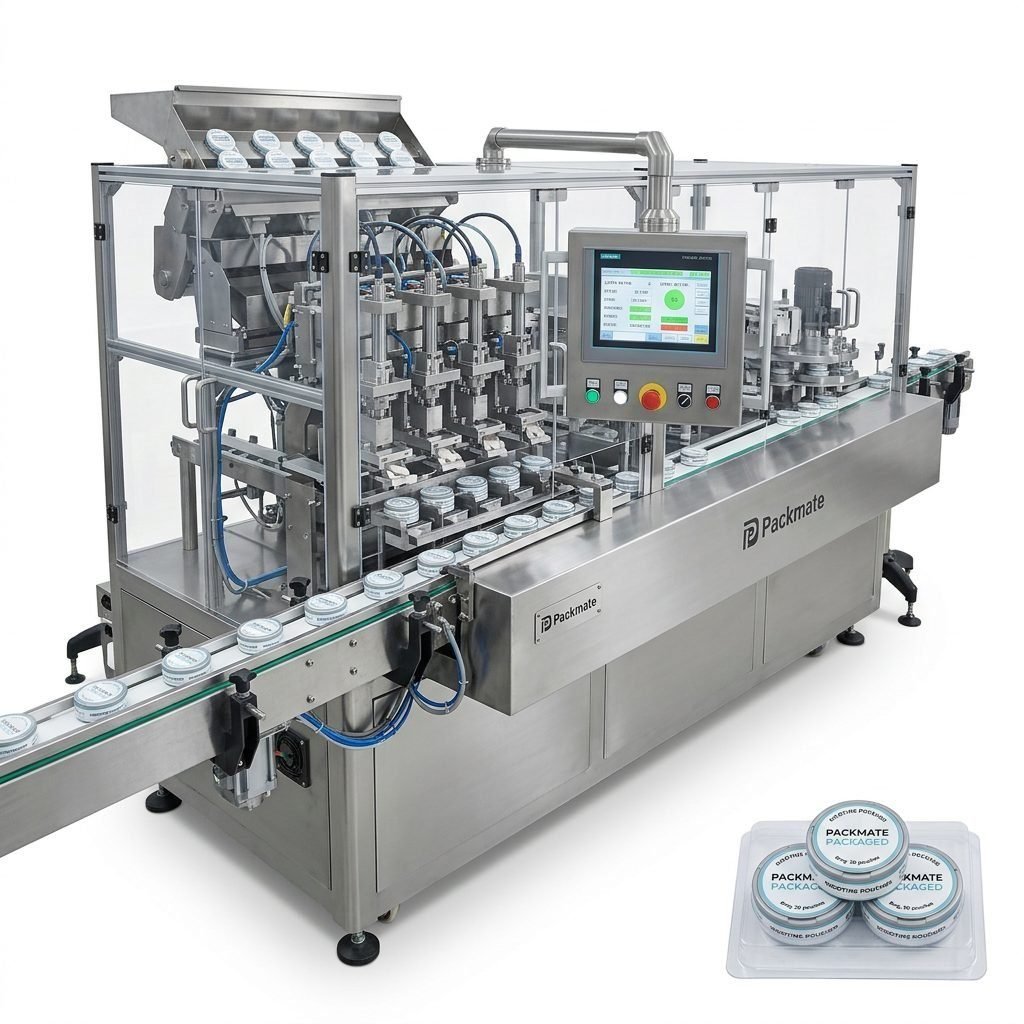
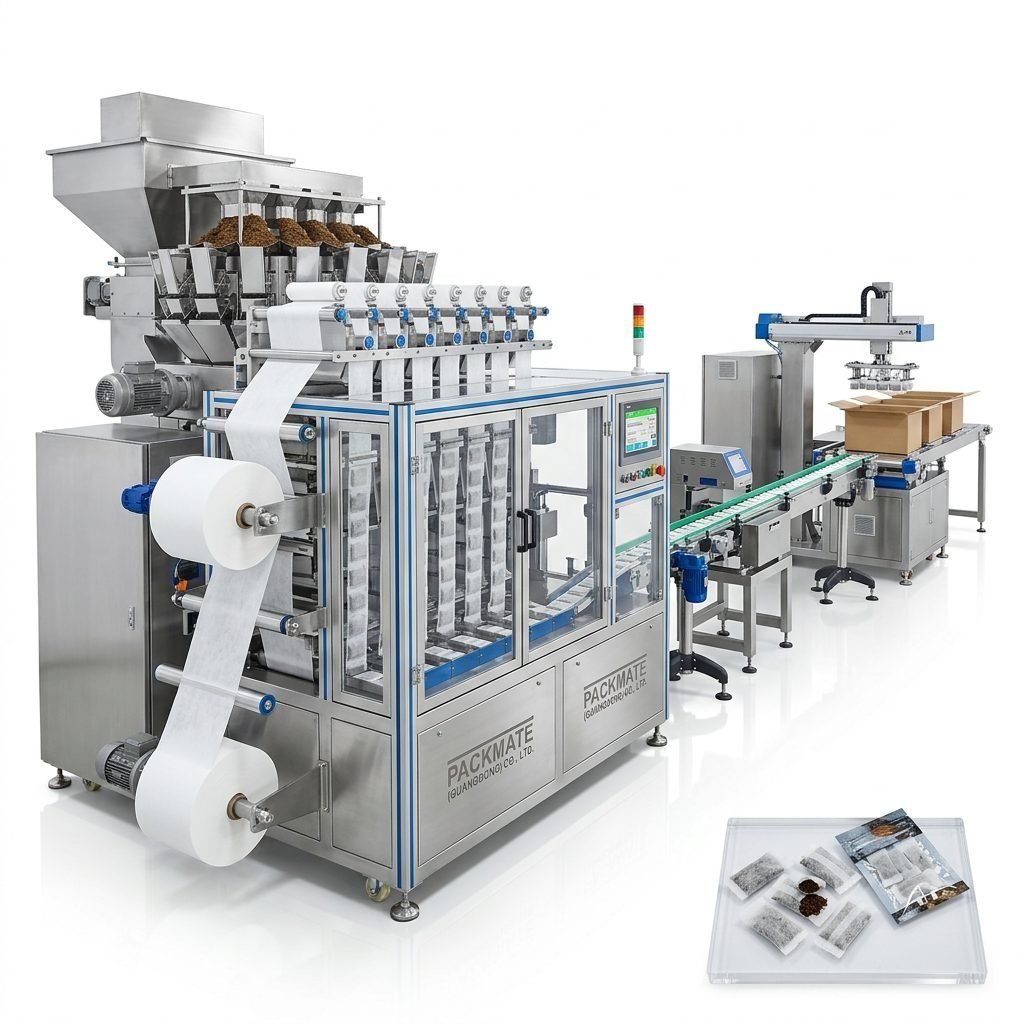
– Filling & Packaging Lines: For integrated processes that include weighing, dosing, and final packaging, choose lines that combine upstream and downstream equipment for efficiency.
Technical Specifications to Prioritize
When comparing models, verify the following specifications and features to ensure long-term suitability:
Throughput & Scalability
Match machine speeds to your planned output. If you expect growth in the Austrian or wider EU market, select equipment that can scale—either by adding lanes or by integrating parallel modules—without full replacement.
Accuracy & Portion Control
Nicotine products require precise dosing. Look for systems with proven weighing/dosing accuracy and low variance per pouch. High precision reduces waste and regulatory risk.
Material Compatibility
Confirm the machine supports the pouch materials you plan to use—paper, laminated films, compostable films, or aluminum foils. Austrian customers increasingly prefer sustainable materials, so compatibility with recyclable or compostable films is a plus.
Hygiene, Cleaning & Maintenance
Choose machines designed for easy cleaning, with hygienic surfaces, quick-release parts, and minimal crevices. This reduces downtime during batch changes and supports product safety standards.
Integration: Build a Turnkey Production Line
In Austria, manufacturers value turnkey solutions that combine dosing, filling, packaging, and secondary packing. A single-source supplier can significantly reduce integration risk, shorten commissioning time, and provide a single technical contact for support.
If you need integrated solutions, explore full-line options such as Filling & Packaging Lines and coordinated auxiliary systems for feeding, counting, and case packing. These systems improve reliability and can be validated more easily for regulatory inspections.
Ensure PLC and HMI standards align with your factory systems, and confirm support for Industry 4.0 protocols if you plan remote monitoring or OEE tracking.
Evaluating Suppliers — What Matters Most
Supplier selection is as important as the machine specs. In Austria, long-term service, spare parts availability, and machine pedigree carry great weight. Look for suppliers with global experience in snus and nicotine packaging and a track record of European installations.
Key supplier qualifications
- Proven references and case studies in nicotine pouch packaging.
- CE and ISO certifications that match EU compliance requirements.
- Local or regional support partners for fast on-site service in Austria.
- Strong spare parts policy and clear warranty terms.
For established machine makers with a deep focus on nicotine pouch solutions, consider exploring specialized pages such as Snus & Nicotine Packaging Machines and their integrated options for weighing and feeding like Weighing & Packaging Systems.
Service, Training and After-Sales Support
Austrian factories often prefer long-term service agreements and local training programs. Opt for suppliers who provide on-site commissioning, operator training, and documented maintenance schedules. Remote diagnostics and spare part kits tailored for your line are especially valuable when minimizing downtime.
Check if the vendor offers regional spare parts hubs, multilingual manuals, and training in German to support your Austrian team more effectively.
Cost, ROI and Total Cost of Ownership (TCO)
Beyond the purchase price, calculate TCO including energy use, consumables, spare parts, labor, downtime risk, and upgrade potential. Austrian operations often model ROI with a conservative outlook—prioritize machines that reduce labor costs, improve yield, and extend maintenance intervals.
Use a comparison table (internal to your team) with columns for initial cost, expected energy consumption, spare parts cost, warranty terms, and estimated production yield. Machines that are modular and scalable often deliver better long-term ROI in markets with evolving product lines.
Why Choose a Specialized Supplier Like Packmate
Companies focused specifically on snus and nicotine pouch packaging bring deep expertise. For example, Packmate Snus Machine offers a portfolio of high-performance machines, backed by decades of engineering experience and CE/ISO certifications—attributes that align well with Austrian expectations for quality and compliance.
If you want to review product families or company credentials directly, you can visit About Packmate, or explore specific machine categories like Bag & Pouch Packaging Machines. These resources provide technical data and real-world cases that help validate fit for Austrian operations.
Practical Steps to Finalize Your Purchase
1. Define product formats, yearly volumes, and target packaging materials.
2. Shortlist machine families and request live demos or video trials of similar lines.
3. Validate regulatory features: labeling, serialization, and cleanability.
4. Request references from European installations—ideally Austrian or neighboring countries.
5. Compare TCO, support packages, and spare part logistics before signing.
prioritize suppliers that provide turnkey solutions, strong European references, and local service options to align with Austrian expectations for reliability and sustainability.
Next Steps: Demo, Validation and Commissioning
Arrange on-site or virtual demonstrations and insist on acceptance tests using your materials and nicotine formulations. During FAT (Factory Acceptance Test) and SAT (Site Acceptance Test), verify cycle speeds, sealing integrity, dose accuracy, and integration with your upstream/downstream equipment.
If you require full-line offerings, review the Sachet & Stick Pack Machines and consider integrating them with weighing systems and auxiliary equipment to achieve a seamless production flow.
Conclusion
Choosing the best nicotine packaging machinery for an Austrian production line means balancing technical performance, regulatory readiness, energy efficiency, and strong supplier support. Focus on machines that ensure dosing accuracy, hygienic operation, and modular scalability. Prioritize vendors with proven European case studies, CE/ISO compliance, and the ability to deliver turnkey solutions that meet Austria’s high standards for engineering and sustainability.
Frequently Asked Questions
Q1: What certifications should I insist on for nicotine packaging machinery in Austria?
A1: Require CE marking and ISO-compliant manufacturing; also verify supplier documentation for electrical safety, machine guarding, and material compatibility. For nicotine handling, documented cleaning and contamination control procedures are critical.
Q2: How important is local service presence in Austria?
A2: Very important. Local or regional service partners reduce downtime and can offer faster spare parts delivery and on-site assistance. If direct local presence is not available, ensure rapid remote diagnostics and clear spare-parts lead times.
Q3: Can I start with a smaller machine and scale up later?
A3: Yes—choose modular systems or machines with options for additional lanes or parallel modules. This allows incremental investment while supporting growing production needs.
Q4: How do sustainability and material choices affect machine selection?
A4: Machines must be compatible with recyclable and compostable films if you aim to meet Austrian sustainability expectations. Also evaluate energy consumption and the ability to reduce material waste through precise dosing and optimized pouch design.
Q5: Where can I see examples of validated nicotine packaging lines?
A5: Review supplier case studies and exhibition demonstrations—many manufacturers share project case pages and exhibition schedules to showcase live machines and customer installations.