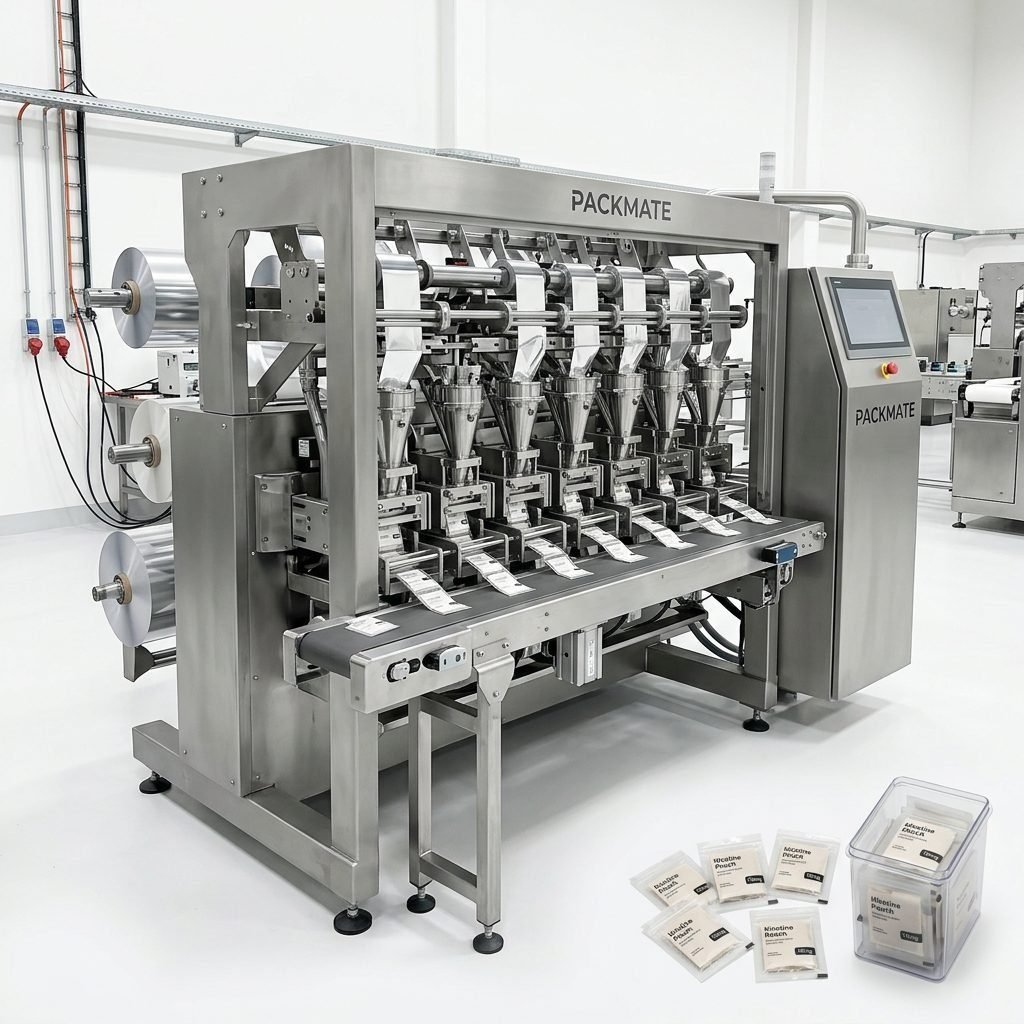
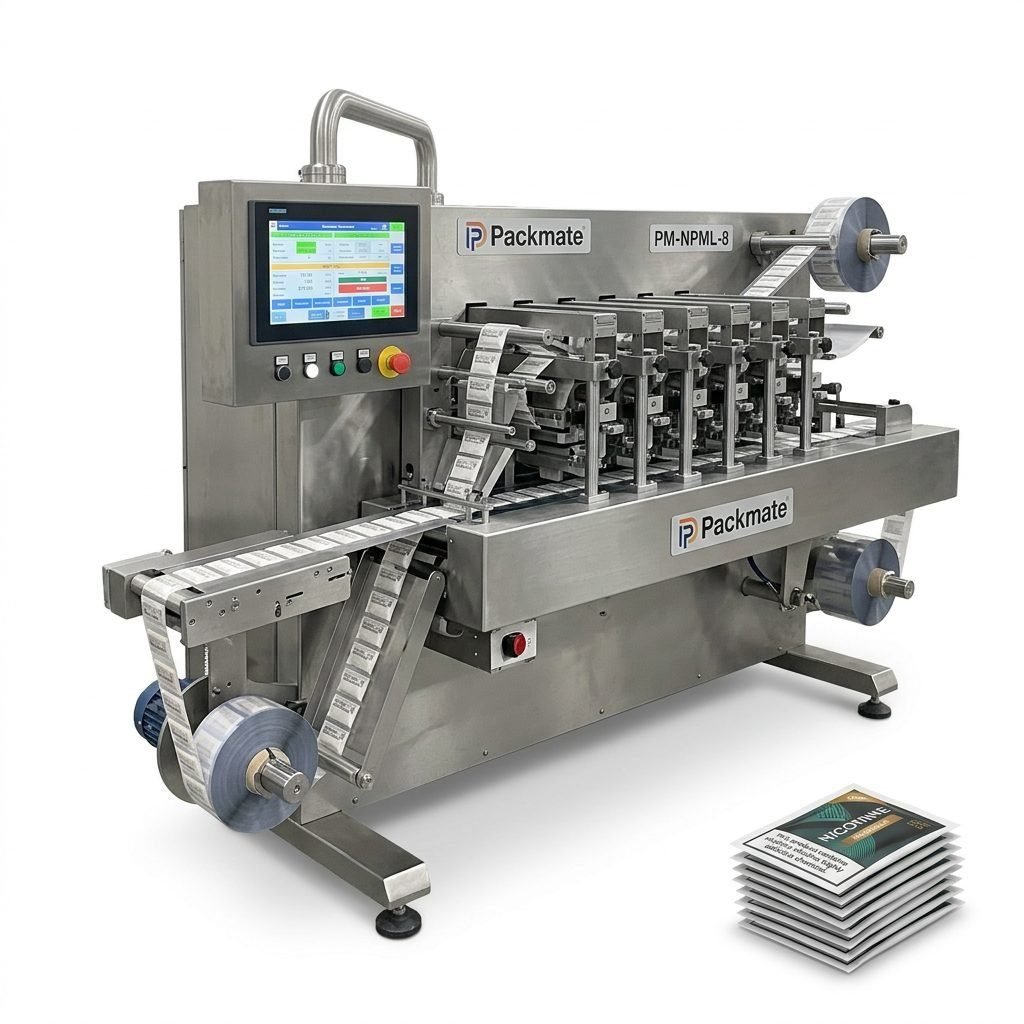
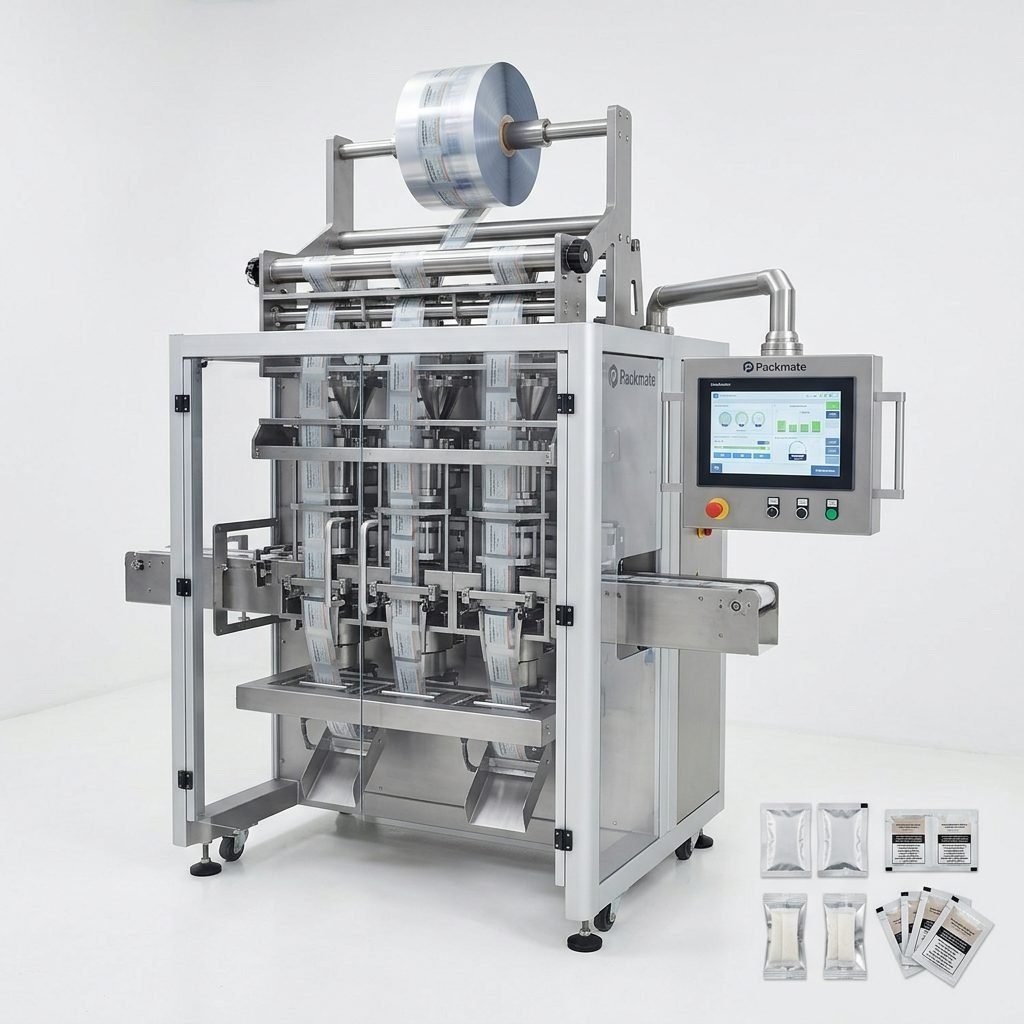
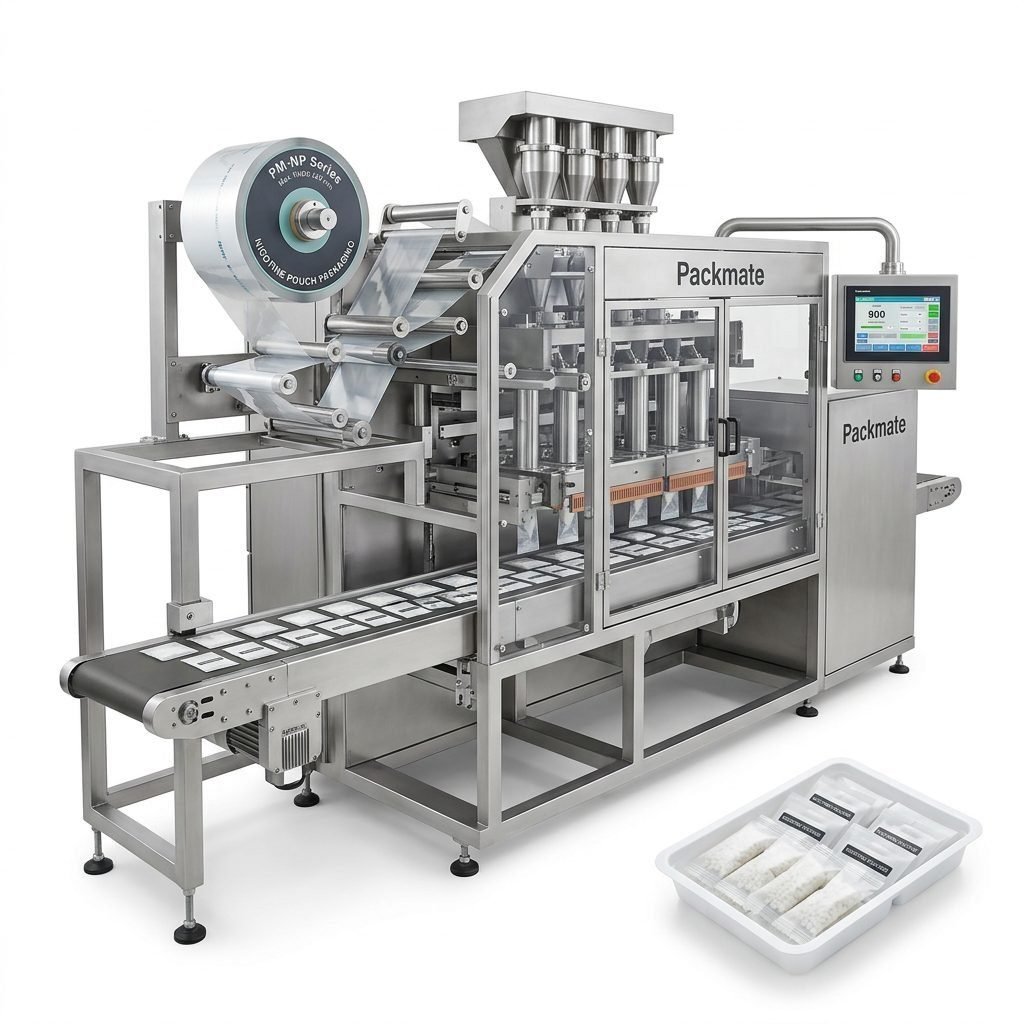
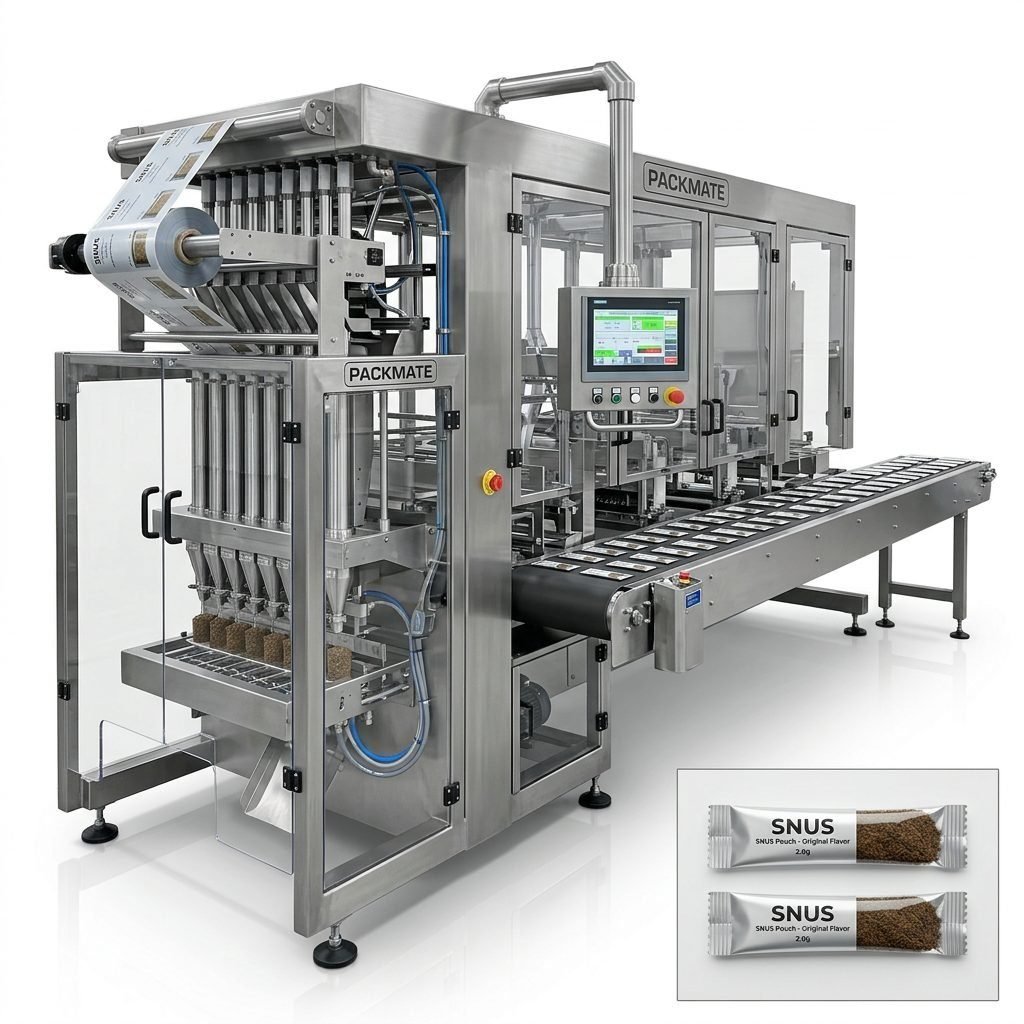
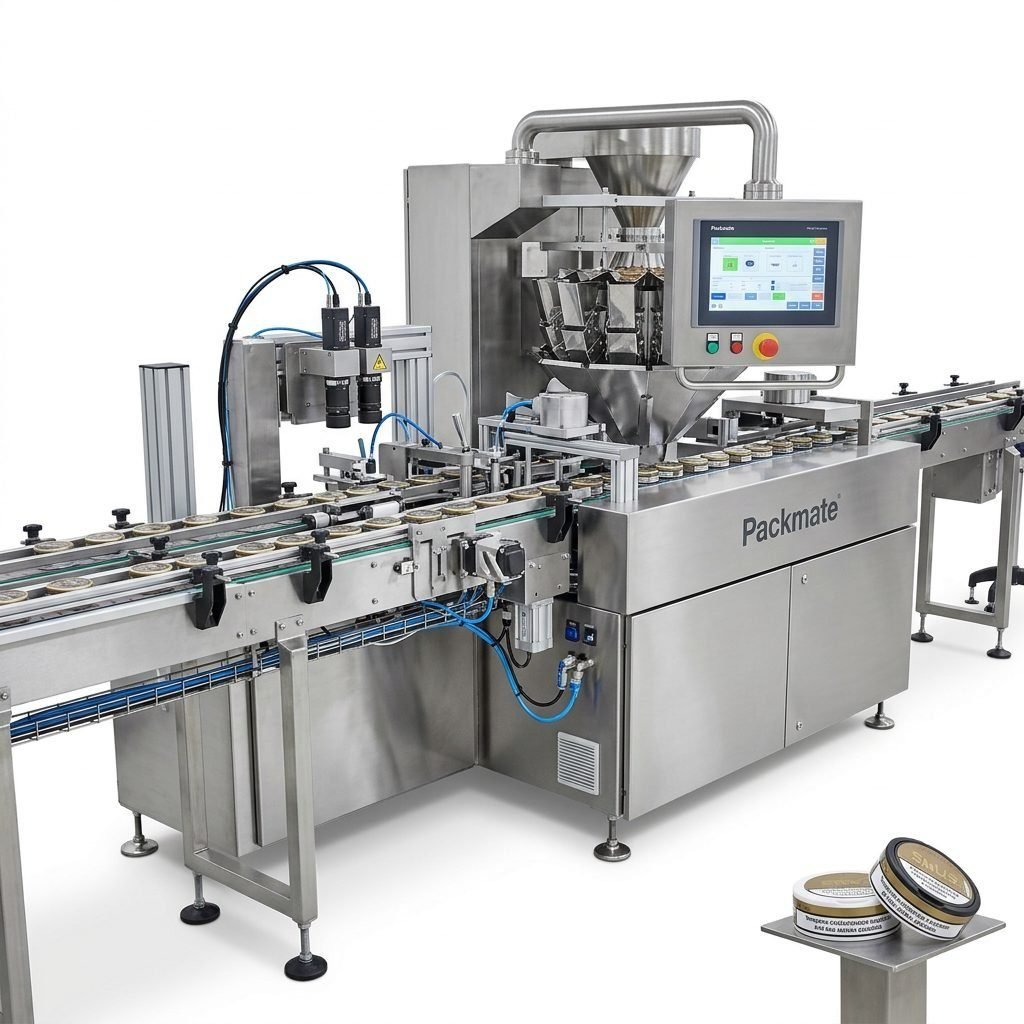
The nicotine pouch market is growing rapidly across Europe, and many businesses in Portugal are evaluating packaging partners to help them scale. Choosing the right packaging machine manufacturer is one of the most critical decisions for product consistency, compliance, and long-term profitability. This guide walks you through practical steps, evaluation criteria, and supplier questions so you can confidently select the best nicotine packaging machine manufacturer for your Portuguese operation.
Understand Your Production Needs First
Before contacting vendors, perform a realistic assessment of your production requirements. Ask yourself:
🔎 Throughput: expected pouches per minute, daily and monthly capacity targets.
⚖️ Formats & Materials: pouch sizes, multi-lane vs single-lane, laminated films, paper, or compostable films.
🧪 Product Types: dry nicotine pouches, flavored snus, powders, or mixtures that may require special handling or dosing.
Why this matters
Matching machine capabilities to your product avoids costly retrofits and ensures the packaging line runs stably. If you anticipate product line expansion, prioritize flexible, modular systems that support multiple formats.
Key Manufacturer Evaluation Criteria
When evaluating manufacturers—whether they are located in Portugal, elsewhere in Europe, or global suppliers—use a structured checklist to compare capabilities, service, and total cost of ownership.
✅ Technical Expertise: decades of R&D experience, specialization in snus or nicotine pouch equipment, and knowledge of multi-lane systems.
✅ Range of Models: availability of stick pack, sachet, pouch, and multi-lane machines to meet current and future needs.
✅ Manufacturing Strength: factory scale, CNC machining capability, and rigorous quality control systems to ensure consistency.
✅ Certifications & Compliance: CE, ISO, and documentation to meet European regulatory expectations.
✅ Service & Spare Parts: response time for technical support, local service partners, and availability of spare parts.
Checklist tip
Record answers in a vendor scorecard. Weight items according to your priorities (for example, uptime > cost if you run 24/7).
Assessing Engineering & Manufacturing Capabilities
Engineering competence is especially important for nicotine pouch equipment due to small doses, precision filling, and clean packaging requirements.
🔧 Facility & Equipment: Look for advanced CNC machining centers and precision assembly lines—this reduces tolerance issues and improves machine longevity.
📄 Documentation & Drawings: Detailed machine drawings, PLC programs, and electrical schematics should be provided for maintenance and integration.
🧭 Customization Experience: Has the manufacturer delivered turnkey lines or tailored solutions for nicotine pouches? Evidence of multi-lane systems is a major plus.
Verify Quality, Certifications & Compliance
European businesses must ensure packaging equipment meets regulatory standards and safety requirements. Request proof and confirm global certifications.
📜 Certifications: CE and ISO certificates are essential. Ask for copies and verification details.
🔍 Factory Acceptance Test (FAT): require comprehensive FAT procedures, performance data, and video demonstrations prior to shipment.
🧾 Traceability & Materials: ensure component traceability and compliance with food-contact regulations if applicable.
Operational Support & After-Sales Service
Machines are capital investments; after-sales support determines long-term ROI. Evaluate service offerings and local presence carefully.
🕒 Response Time: Define guaranteed response times for remote troubleshooting and on-site visits.
📦 Spare Parts Logistics: confirm parts availability and shipping options to Portugal; consider stocking critical spares locally.
📚 Training & Documentation: operator and maintenance training—onsite or remote—plus clear manuals in English (and Portuguese if possible).
Total Cost of Ownership vs. Initial Price
Evaluate beyond the machine price. Consider installation, commissioning, spare parts, training, downtime risk, and energy consumption.
💡 Energy & Consumables: cheaper machines may use more energy or consumables, increasing operating costs.
🔁 Upgrades & Scalability: factor in modular upgrades—this reduces CAPEX over time if your production increases.
📈 Warranty Terms: longer and more comprehensive warranties often reflect greater confidence in machine reliability.
Questions to Ask Potential Suppliers
A structured interview helps expose strengths and weaknesses. Here are priority questions to guide vendor meetings and factory visits.
1. Can you provide references and case studies of nicotine pouch lines? (Ask for names and performance data.)
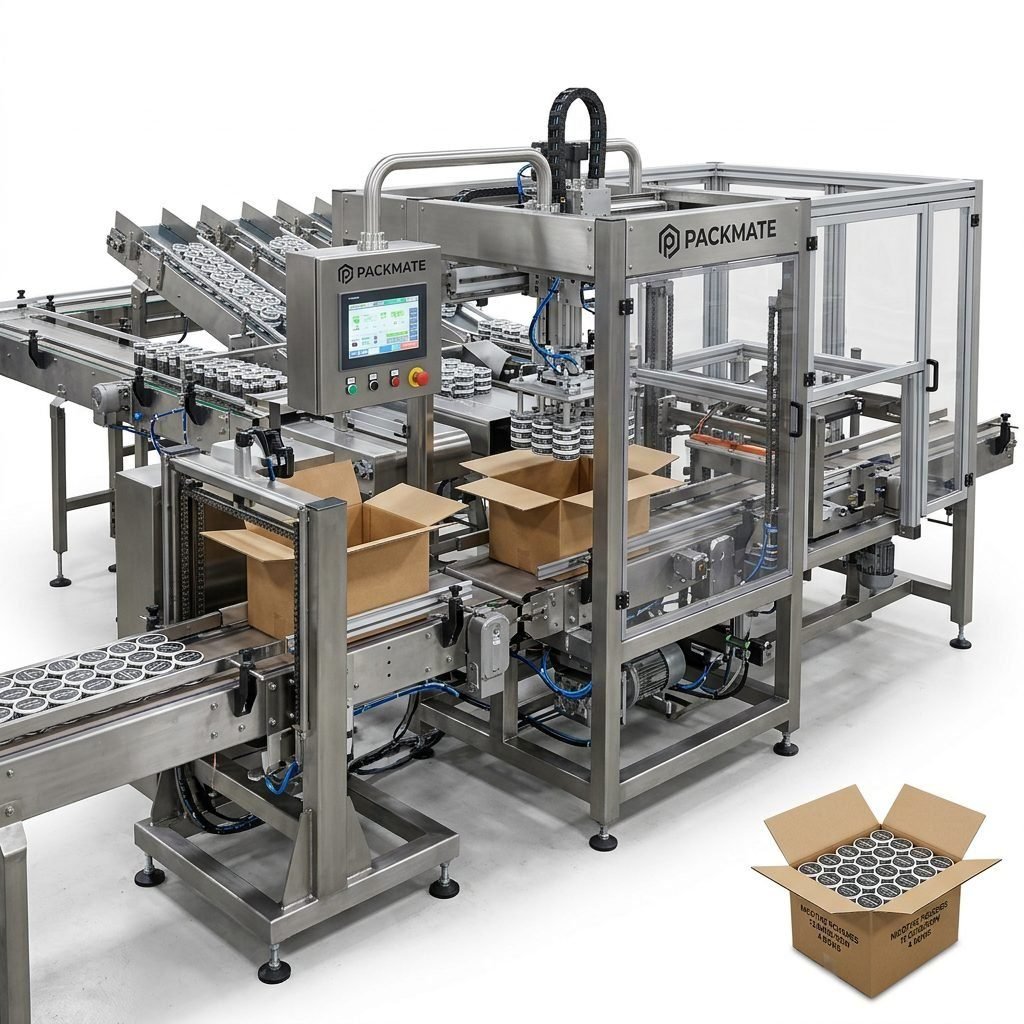
2. Do you offer turnkey solutions including feeders, dosing, packaging, and secondary packaging?
3. What is your installation and commissioning process for European customers?
4. How do you handle spare parts and remote diagnostics for customers in Portugal?
5. Can you demonstrate repeatable accuracy for small-dose filling and multi-lane synchronization?
Demonstration & Acceptance
Insist on a factory Acceptance Test (FAT) that covers performance metrics: speed, pouch weight accuracy, sealing integrity, and film handling. If possible, request live samples produced under factory conditions and a video walkthrough.
Why Consider an Experienced Global Supplier?
While local Portuguese suppliers offer proximity advantages, experienced global manufacturers with a proven snus portfolio bring engineering maturity, broad spare parts networks, and a range of tested models that accelerate time-to-market.
🌍 Global Case Studies: companies with experience across Europe, Asia and the Americas provide helpful insights for regulatory compliance and line optimization.
📞 Established Support Network: global brands often maintain regional service partners and stock critical components closer to your site.
Supplier Shortlist — What to Compare Side-by-Side
Prepare a comparison table (internally) that includes metrics like uptime, OEE impact, spare part lead time, warranty scope, and total installed cost. Prioritize what matters most to your business model.
📌 Performance Guarantees: require measurable acceptance criteria—e.g., pouch fill tolerance, speed at full automation, and scrap rate.
📌 Service SLA: response and resolution times must be clearly defined in the contract.
📌 Training Package: confirm operator certification, maintenance training, and handover documentation.
Real-World Examples & Resources
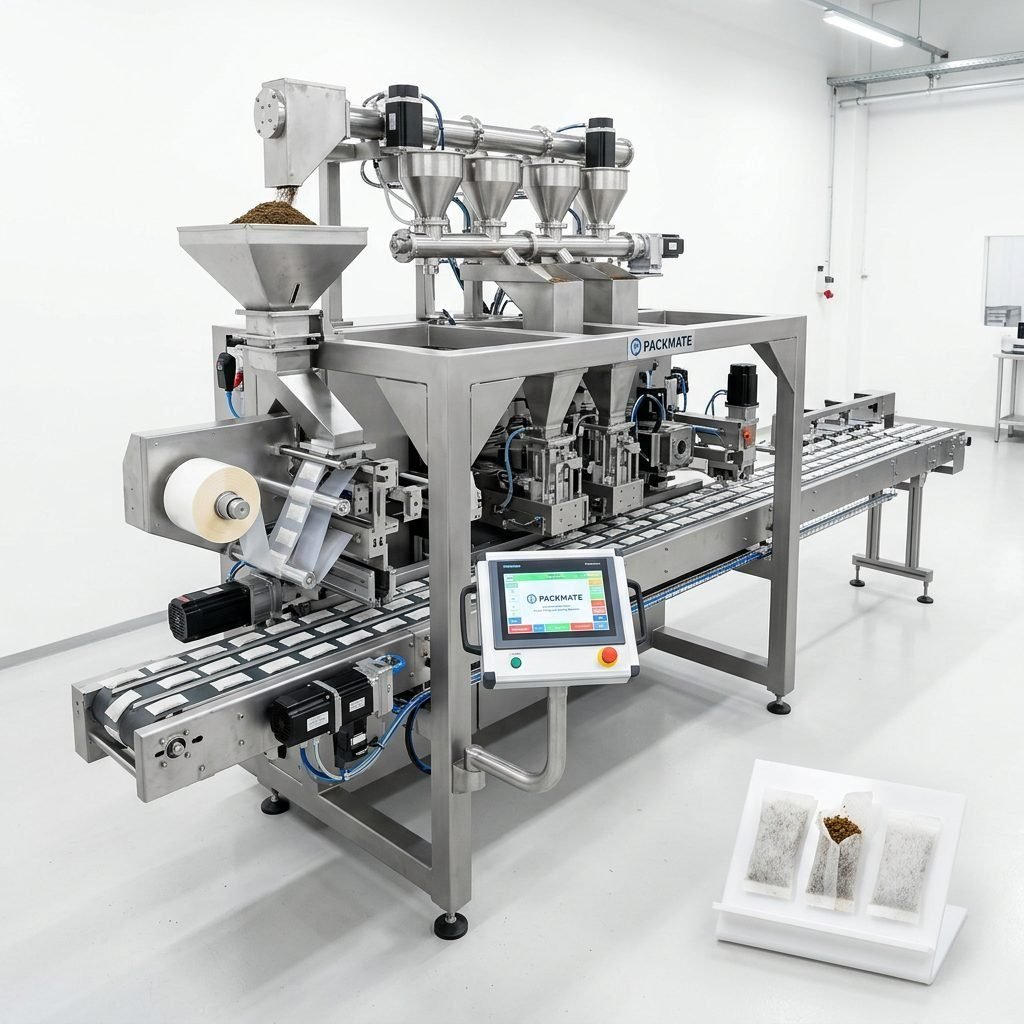
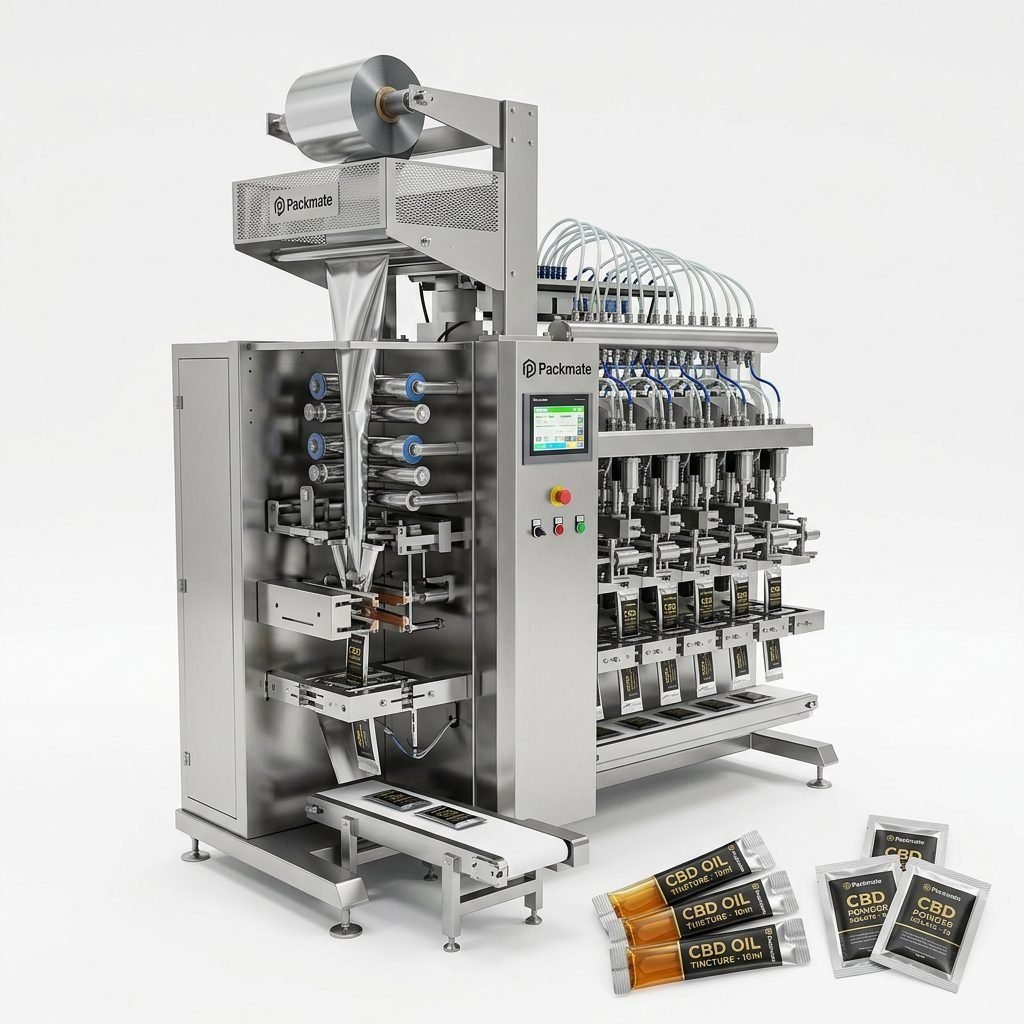
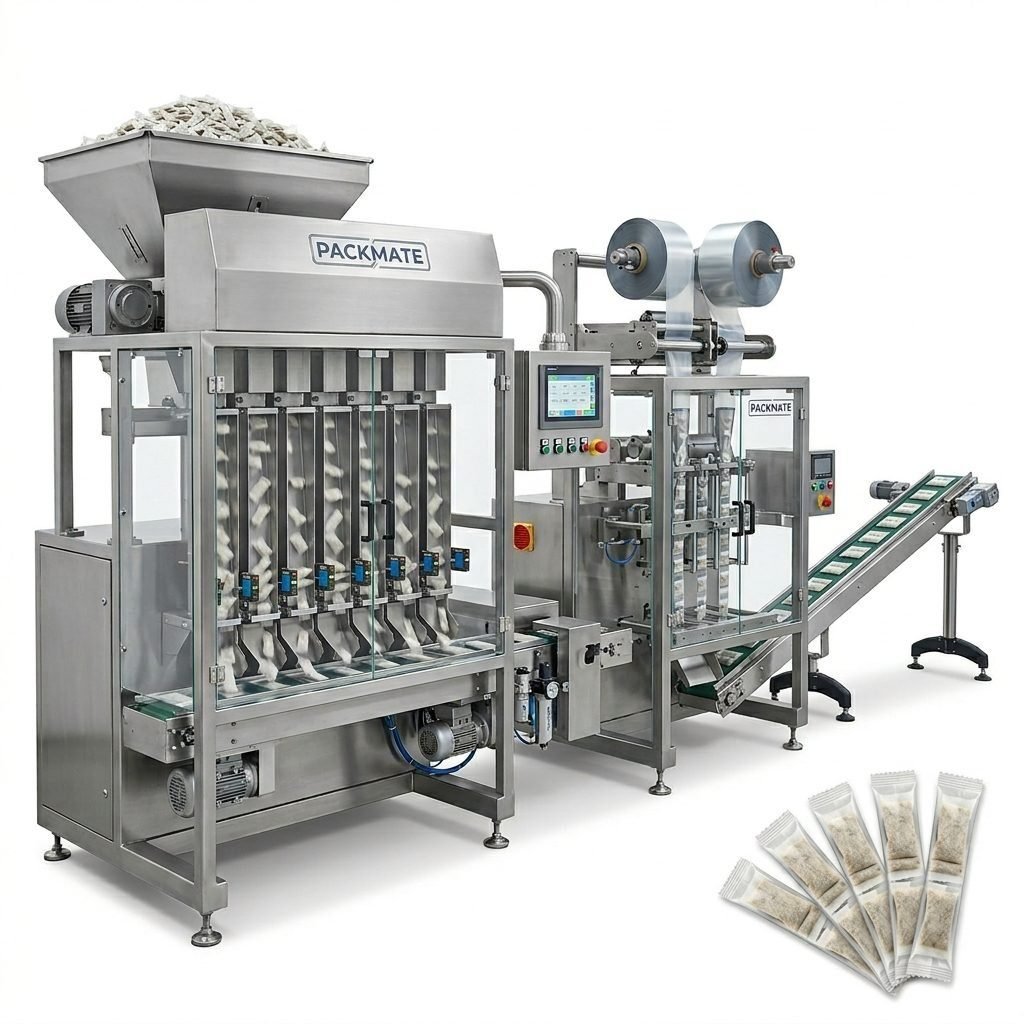
Explore manufacturers with a dedicated snus and nicotine packaging portfolio. For instance, manufacturers that publish product lines such as Snus & Nicotine Packaging Machines, Sachet & Stick Pack Machines, and complete Filling & Packaging Lines can demonstrate targeted experience. Review case studies and exhibition records to validate their claims (Case).
Negotiation & Contract Essentials
When drafting purchase agreements, clearly specify:
📄 Acceptance criteria for FAT and site acceptance tests (SAT).
💼 Detailed warranty terms covering parts and labor, with defined exclusions.
🧾 Spare parts list with pricing and lead times; recommended spares to keep in stock.
🔁 Upgrade pathways and retrofit costs if you plan to expand capacity.
Making the Final Decision
Synthesize your scorecards, supplier demonstrations, and contractual protections. Choose a partner who balances engineering excellence, proven nicotine pouch experience, clear service commitments, and total cost of ownership that fits your business objectives.
If you want to learn more about advanced equipment and turnkey solutions from an experienced supplier, check their About Packmate page or get direct assistance via Contact Us.
Final Recommendations
– Prioritize suppliers with proven snus/nicotine pouch experience and multi-lane system expertise.
– Insist on comprehensive FAT/SAT procedures and measurable performance guarantees.
– Secure clear service level agreements and spare parts commitments for Portugal operations.
– Evaluate total cost of ownership, not just initial price—factoring energy, consumables, downtime, and upgradeability.
Further reading
Explore equipment categories like Bag & Pouch Packaging Machines and support systems such as Weighing & Packaging Systems to understand how a complete solution can streamline your nicotine pouch production.
Common Questions
Q1: What is the typical lead time for a nicotine pouch packaging line?
Lead times vary by complexity and customization, but expect 12–26 weeks for production and FAT before shipment. Fast-track options may be available for standard configurations.
Q2: Should I buy single-lane or multi-lane equipment?
Choose single-lane for low-volume or niche products. Multi-lane systems are recommended for high throughput and smaller pouch formats—though they require more precise synchronization and maintenance.
Q3: How important are certifications like CE and ISO?
Certifications are essential for safety, regulatory compliance, and insurance. Verify certificates and ensure the manufacturer can supply documentation needed for European market entry.
Q4: Can I get references or visit existing installations?
Yes—request references and, where possible, visit live installations or view recorded demonstrations. Reliable suppliers will provide case studies and customer contacts.
Q5: What ongoing costs should I plan for?
Budget for spare parts, regular maintenance, consumables (films, adhesives), energy consumption, and periodic recalibration. Also account for potential upgrades as your product mix evolves.