Choosing the right snus packaging machine supplier in Burkina Faso requires more than a simple price comparison. You need a partner who understands nicotine pouch technologies, offers long-term support, and can navigate regional logistics and regulations. This guide walks you through the key factors, practical buying tips, and Burkina Faso-specific considerations to help you make an informed decision.
Why the supplier matters for snus & nicotine pouch production
A reliable supplier delivers machines that run stably, minimize downtime, and ensure consistent pouch quality. Look for proven engineering experience and a track record with snus or nicotine pouch lines — these products require precise dosing, gentle handling, and robust sealing to protect shelf life in warm, humid climates like Burkina Faso’s.
Key supplier credentials to verify
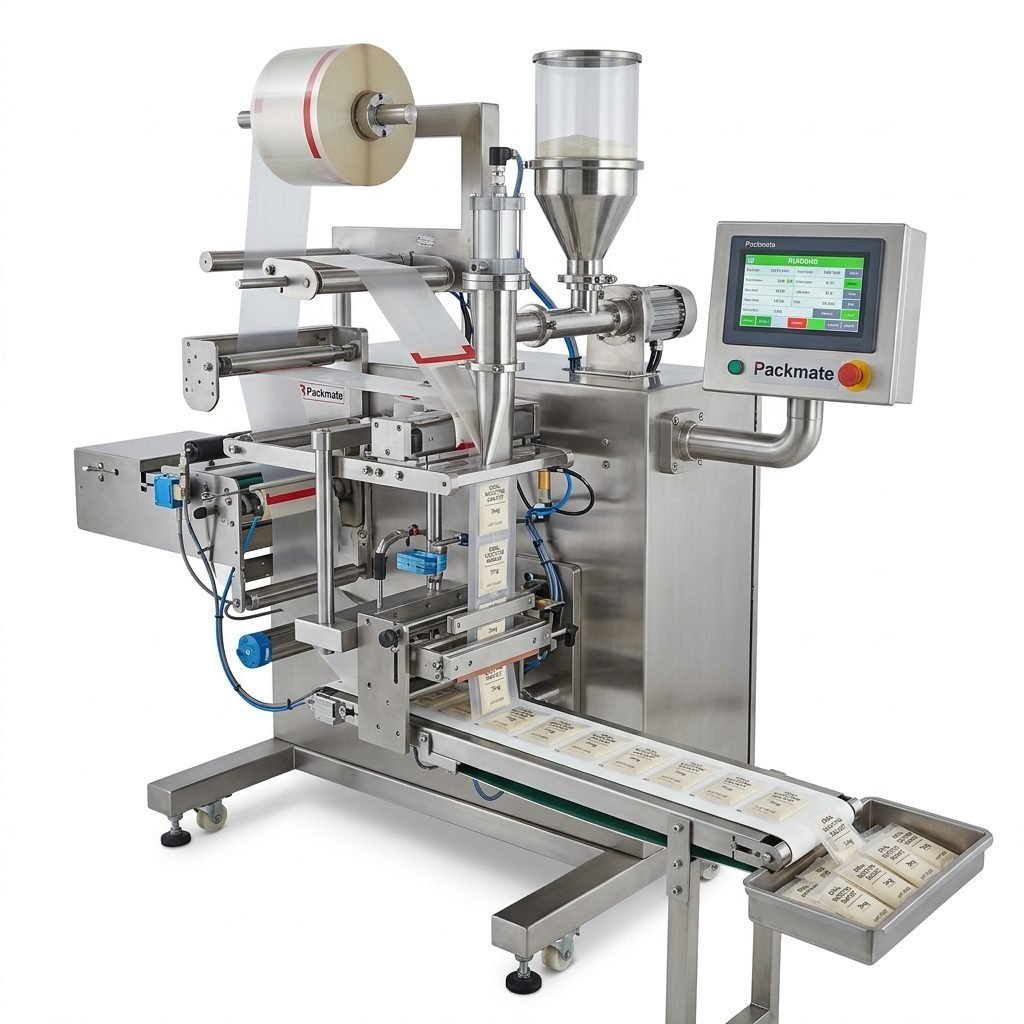
Experience: Suppliers with decades of engineering know-how tend to solve production problems faster. For example, Packmate Snus Machine brings 30+ years of experience and over 50 machine models for nicotine pouch packaging.
Certifications: Check CE, ISO, or other international certificates. These signal adherence to safety and manufacturing standards and can simplify import inspections. Packmate lists CE and ISO compliance which is helpful for global markets.
Machine types and production flexibility
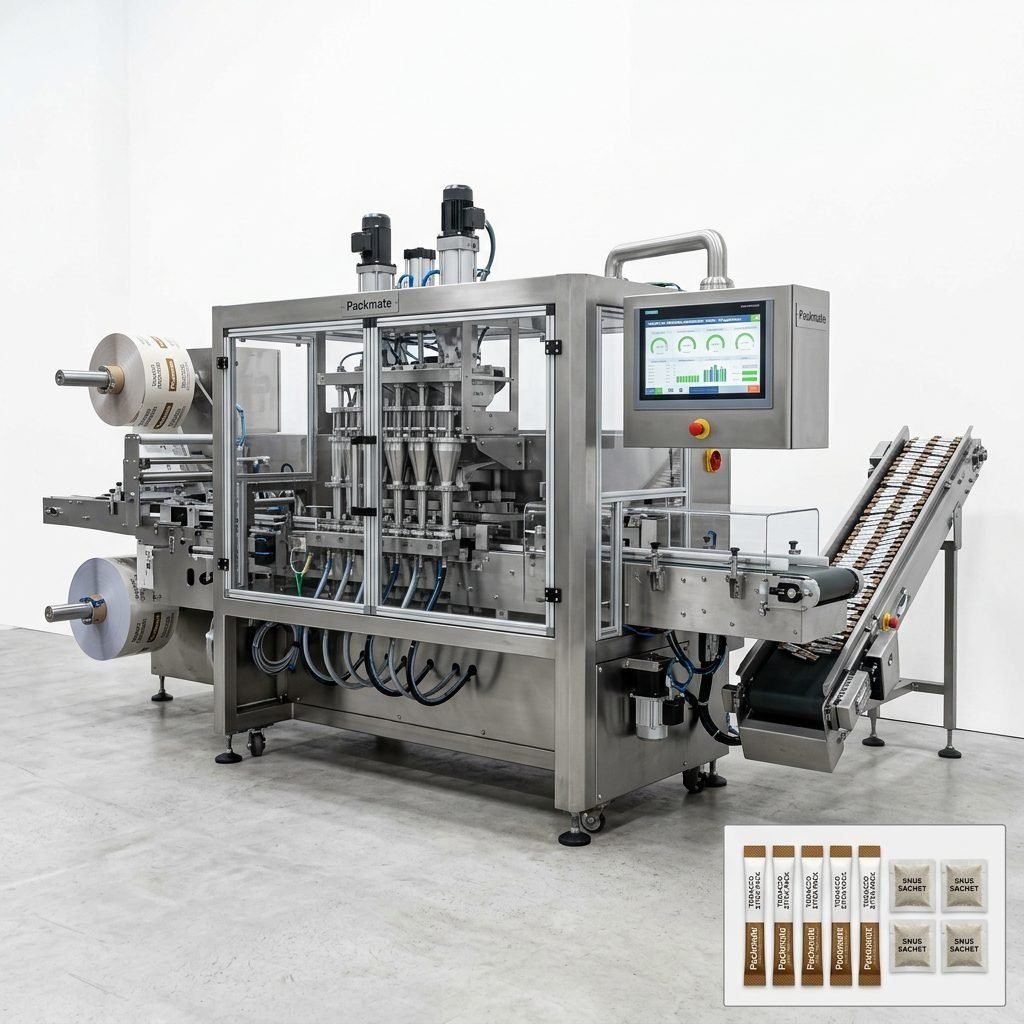
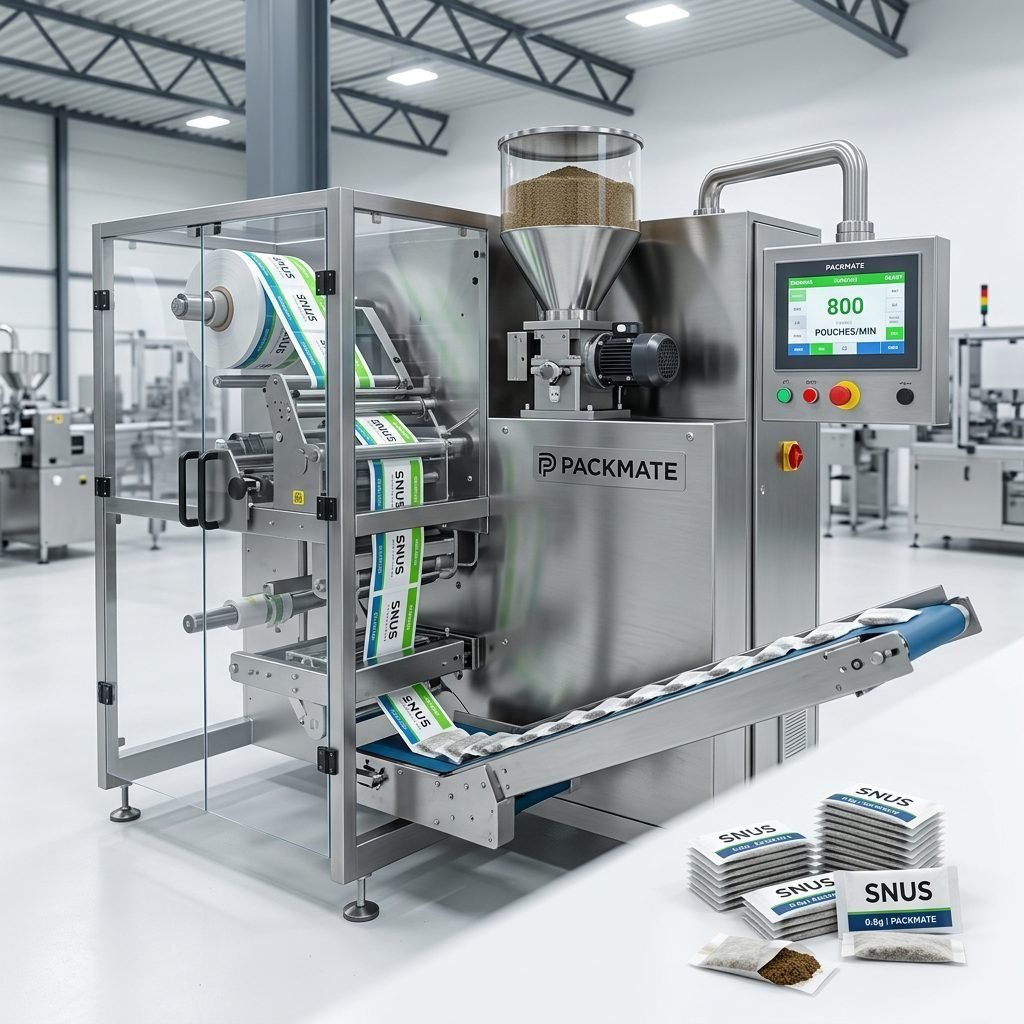
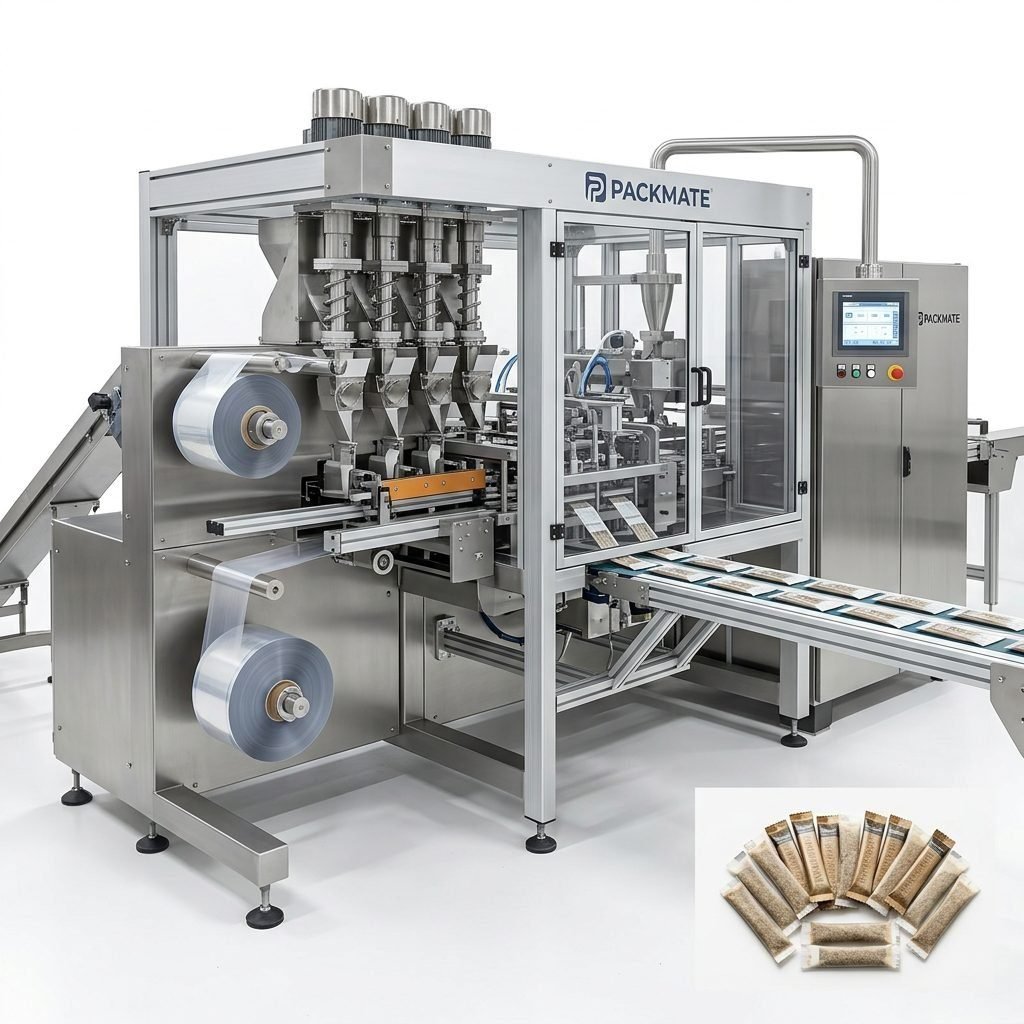
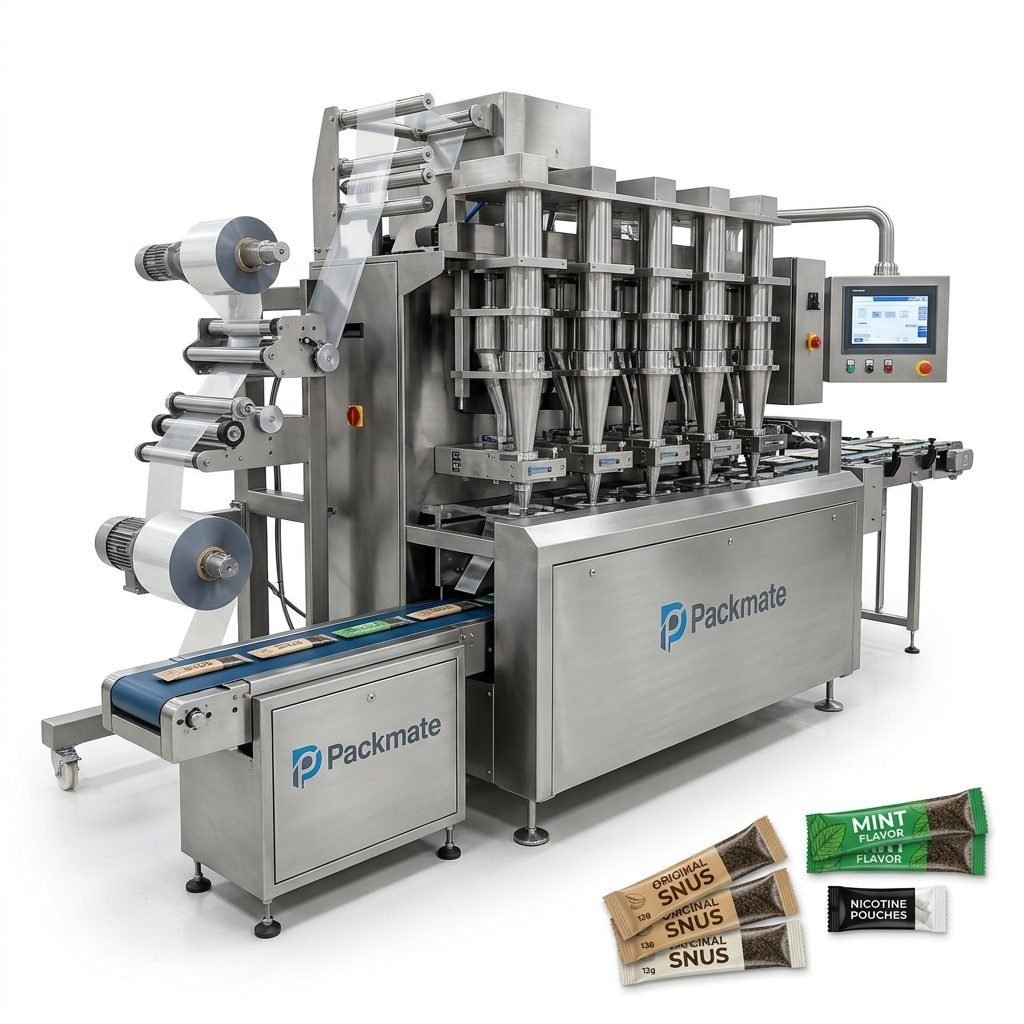
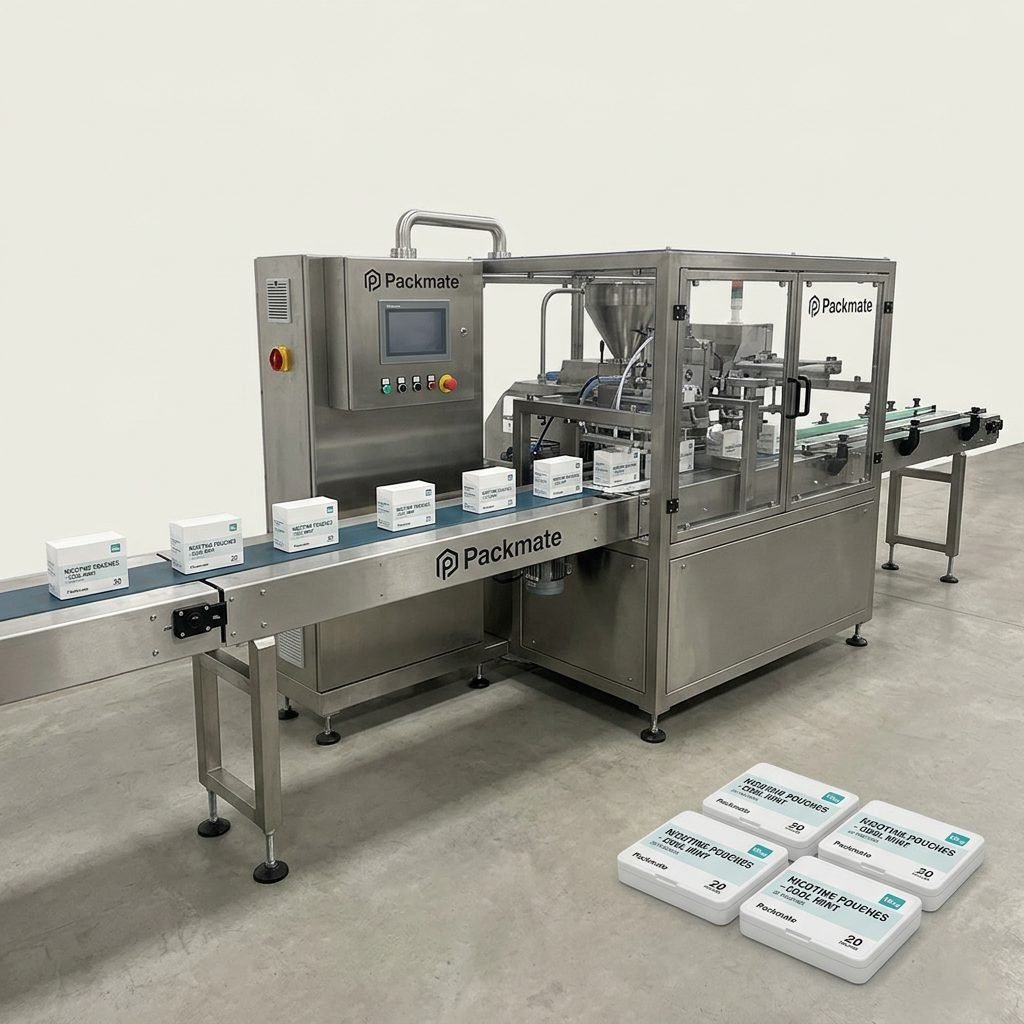
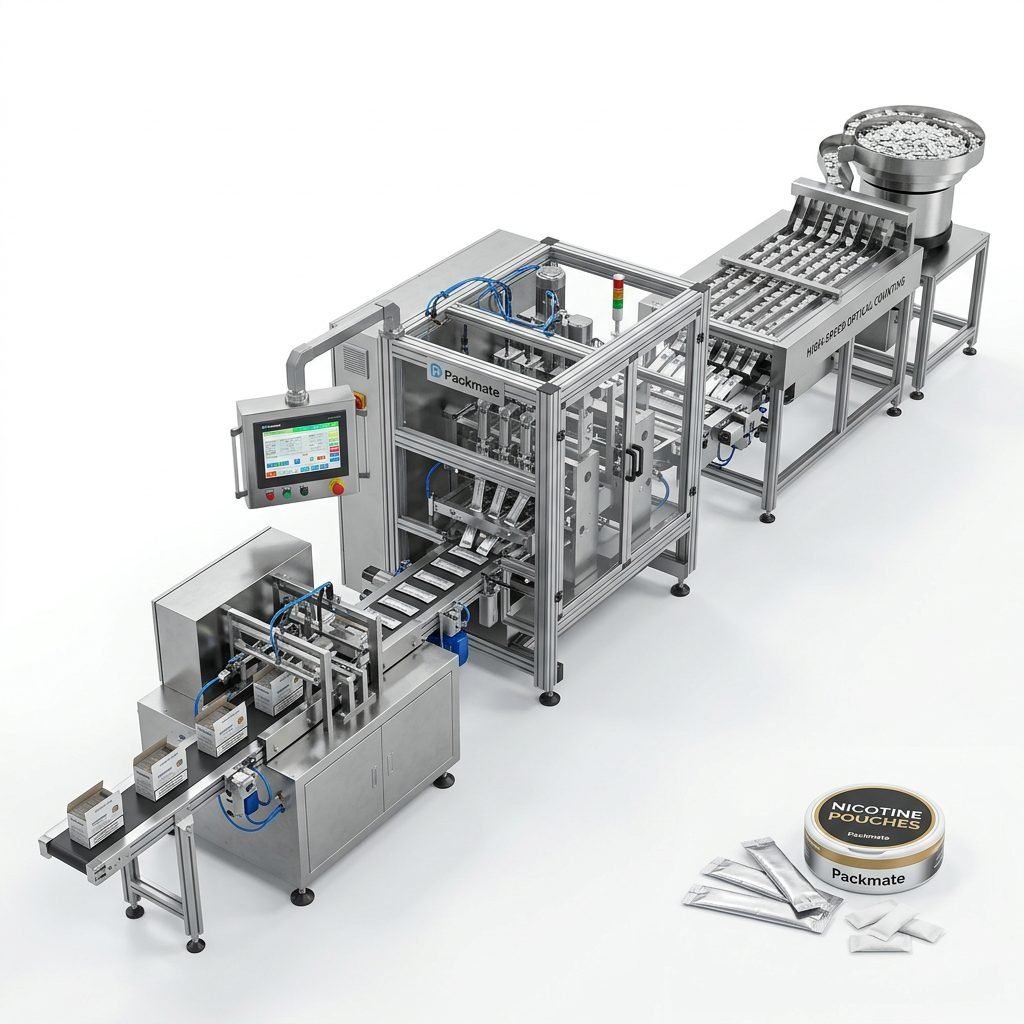
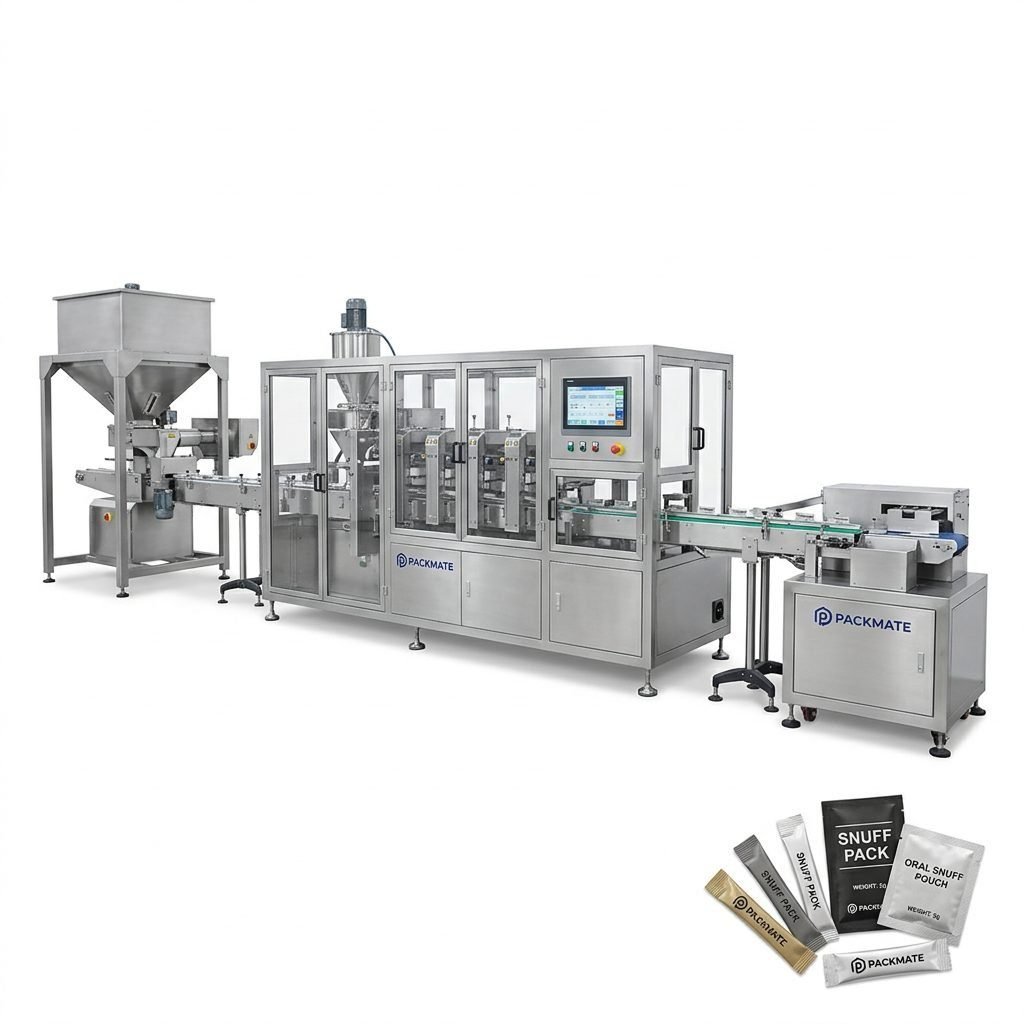
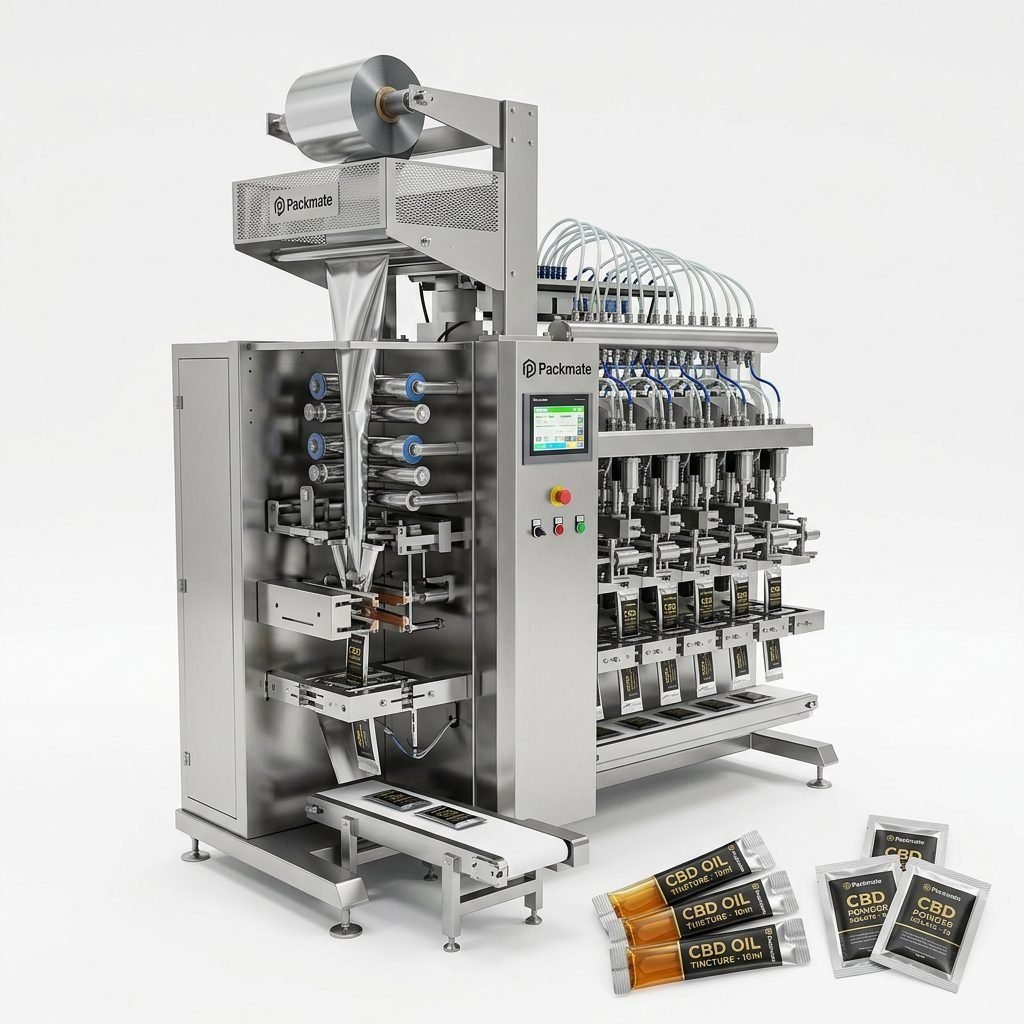
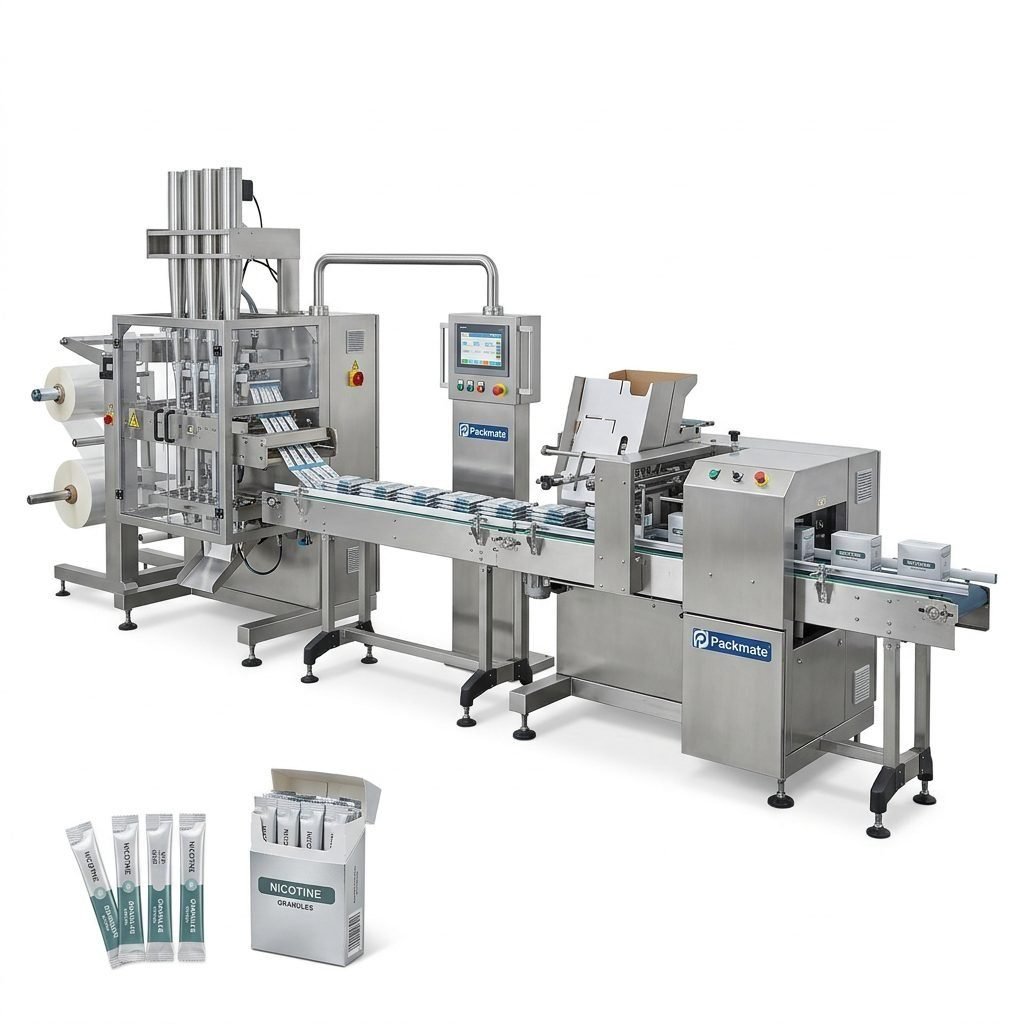
Evaluate whether the supplier offers multiple machine formats: stick pack, sachet, multi-lane, and dedicated snus pouch systems. Your product mix, daily capacity goals, and future SKUs determine the best platform.
Tip: If you plan to produce small-dose nicotine pouches across several flavors, prefer multi-lane systems that increase throughput without proportionally increasing footprint or labor.
Performance, quality control and testing
Consistent dosing, accurate sealing, and gentle pouch handling are critical. Ask suppliers about their factory acceptance tests (FAT), sample production runs, and whether they provide documentation of performance metrics such as filling accuracy, sealing strength, and line uptime.
Suppliers that offer on-site or virtual machine demonstrations help you validate performance before shipment. Packmate’s manufacturing facility emphasizes strict quality testing and precision assembly — factors that reduce commissioning surprises.
After-sales support, spare parts and training
A strong after-sales program is indispensable. Confirm the supplier’s spare parts availability, training services, remote troubleshooting capabilities, and local technical partnerships in West Africa.
Important: Ask how quickly critical spare parts can reach Burkina Faso. Landlocked logistics often make lead times longer — build parts stock or confirm a regional distributor.
Total cost of ownership (TCO) and pricing transparency
Price is only one part of the cost equation. Include installation, training, spare parts, consumables, commissioning, warranty coverage, and expected energy consumption in your TCO calculation. Reliable machines often cost more initially but save money through lower downtime and maintenance.
Negotiate clear payment milestones and include performance acceptance criteria in the contract to protect both parties.
Logistics and customs considerations for Burkina Faso
Burkina Faso is landlocked. Most heavy machinery imports arrive at coastal ports such as Abidjan (Côte d’Ivoire) or Tema (Ghana) and are then transported by road. Discuss the supplier’s experience with:
- Packaging for long transits (rust-proofing, desiccants for humid seasons).
- Documentation needed for customs clearance and import duties.
- Trusted freight forwarders and inland transport options to Ouagadougou or Bobo-Dioulasso.
Local regulatory & cultural notes
Burkina Faso has a predominantly Muslim population and conservative social norms. When marketing nicotine pouches locally, consider culturally sensitive packaging and messaging. Also verify local tobacco and nicotine regulations — compliance requirements can vary significantly and may impact labeling, warnings, and permitted product forms.
Language matters: French is the official language, so technical documentation, user manuals, and training materials should either be in French or accompanied by French translations for smoother handover and operator training.
Factory visits, references and live demos
Whenever feasible, visit the supplier’s factory or request live video demos. Inspections let you confirm build quality, CNC machining accuracy, assembly standards, and test runs. If a visit isn’t possible, ask for customer references in similar climates or regions.
Packmate highlights factory capabilities (20,000㎡, advanced CNC centers) and global installations — useful proof points when verifying capability.
Service contract and warranty
Get warranty terms in writing and define response times for critical breakdowns. Consider extended service agreements that include scheduled maintenance, spare parts discounts, and remote monitoring.
Ensure the contract includes clear acceptance tests after installation and training for operator competence.
Evaluating supplier communication & responsiveness
Good suppliers communicate clearly about lead times, shipping plans, and machine documentation. Evaluate responsiveness during the inquiry phase — slow replies may indicate longer support times after purchase.
Ask for detailed proposals that include machine specs, electrical requirements, footprint drawings, and layout suggestions for your production floor.
Quick Purchase Checklist
✔ Proven snus/nicotine pouch experience
✔ CE / ISO certificates and FAT records
✔ Spare parts availability and training in French
✔ Logistics plan for landlocked delivery
✔ Clear warranty and SLA terms
Practical buying tips and negotiation points
– Request machine references in similar product categories and climates.
– Ask for spare parts lists with lead times and recommended stock levels.
– Negotiate partial payment on order, balance after factory acceptance testing or successful on-site commissioning.
– Include penalty clauses for missed delivery milestones and clearly defined acceptance criteria.
Consider financing options or phased equipment purchases if you plan to scale production gradually.
Red flags to watch for
⚠️ No documented factory tests or refusal to provide machine videos.
⚠️ Vague warranty terms or no clear spare parts plan.
⚠️ Excessively long lead times without mitigation strategies for customs and inland transport to Burkina Faso.
Supplier examples and resources
Explore supplier product pages and documentation. Recommended links to research and request quotations:
Snus & Nicotine Packaging Machines
Bag & Pouch Packaging Machines
About Packmate
Contact Us
Why Packmate might be a good fit
Packmate Snus Machine emphasizes specialized snus and nicotine pouch lines, multiple machine formats, and a sizable manufacturing facility with advanced CNC capabilities. Their global turnkey experience can help Burkina Faso buyers manage technical, logistical, and regulatory complexity.
If you need integrated weighing, filling, and pouch-labelling lines, explore the supplier’s additional systems to ensure end-to-end compatibility.
Final checklist before signing a purchase order
– Confirm machine specs, electrical needs, and site requirements.
– Verify FAT, sample batch production, and acceptance criteria.
– Align logistics plan for port of entry, inland transport, and customs clearance in Burkina Faso.
– Secure training resources in French and local languages if needed.
– Set spare parts list and initial consumables shipment with the first order.
Bottom line: Choose a supplier who pairs technical expertise in snus/nicotine packaging with clear logistics experience for landlocked markets, robust after-sales support, and transparent commercial terms. This combination reduces risk and accelerates your path to reliable production in Burkina Faso.
Frequently Asked Questions
Q1: What certifications should I insist on for snus packaging machines?
A1: Ask for CE and ISO certificates, FAT reports, and any electrical safety approvals relevant to your region. Documentation eases customs clearance and provides assurance about build standards.
Q2: How do logistics work for heavy machinery into Burkina Faso?
A2: Common routes use ports like Abidjan (CI) or Tema (GH), followed by secured road transport to Ouagadougou or other inland hubs. Plan for longer lead times and secure a reputable freight forwarder experienced with West African corridors.
Q3: Should machine manuals and training be in French?
A3: Yes. Providing manuals and operator training in French (and local languages where necessary) ensures safer operation and faster ramp-up for local teams.
Q4: How much spare parts stock should I keep locally?
A4: Keep critical parts (seals, sensors, belts, heating elements) for at least 3–6 months of expected consumption, or confirm guaranteed rapid shipment from the supplier.
Q5: Where can I view example machine lines and case studies?
A5: Review supplier case pages and exhibition records to see installations and demos. For more detailed references, request customer names and contact permission to validate performance in similar environments.