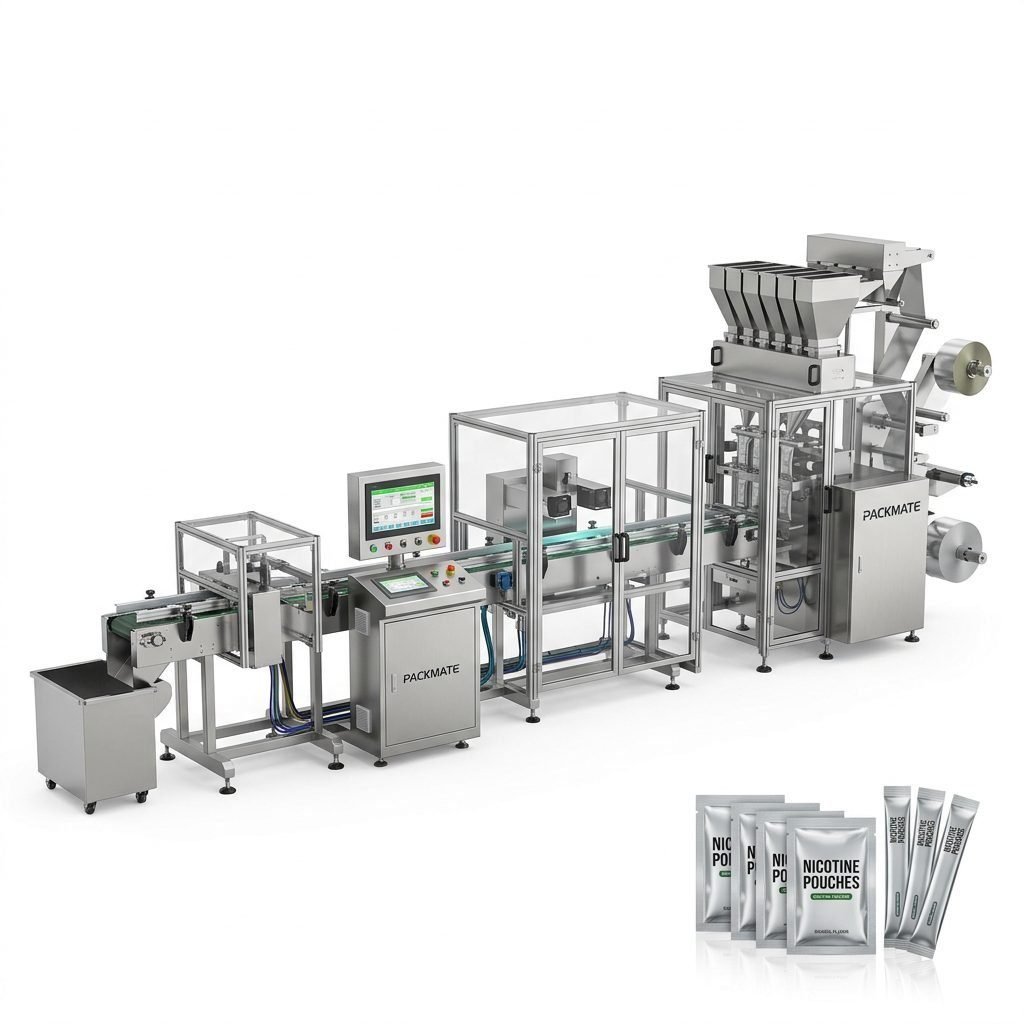
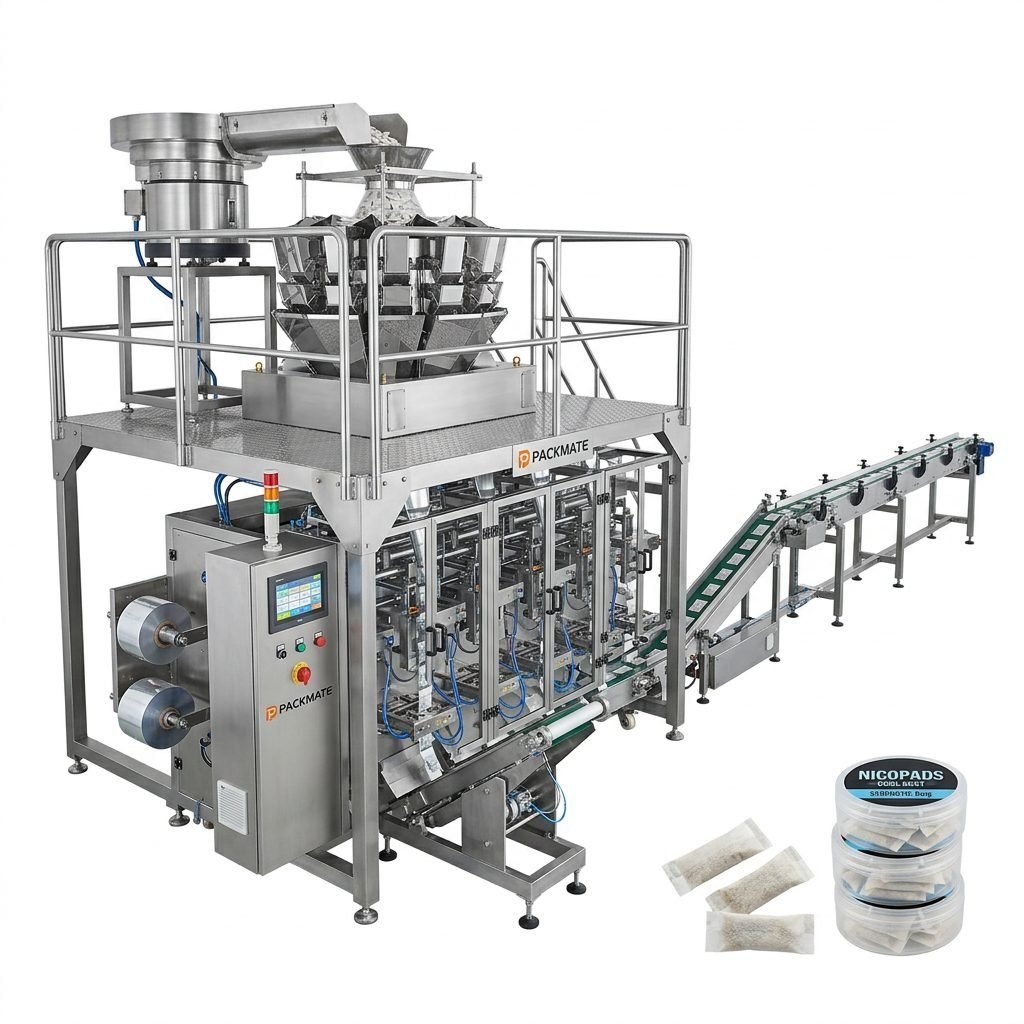
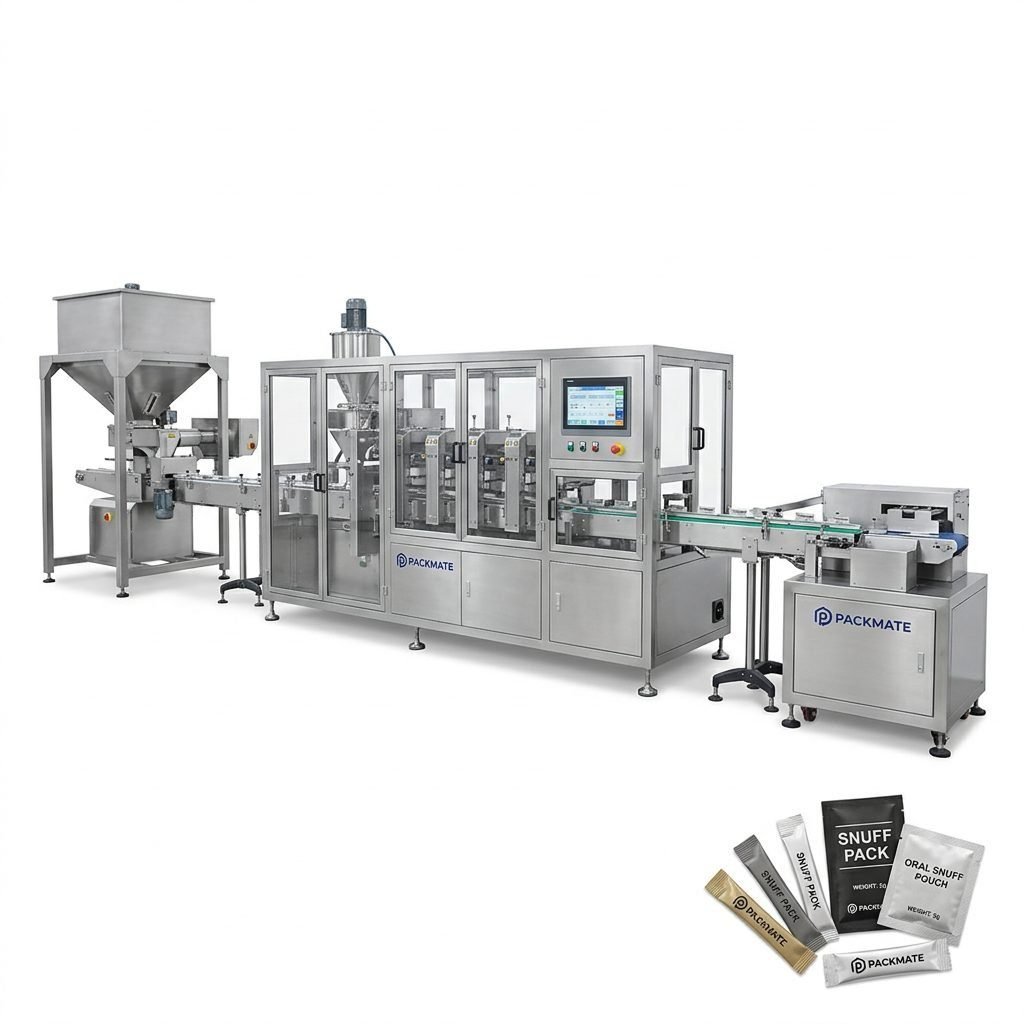
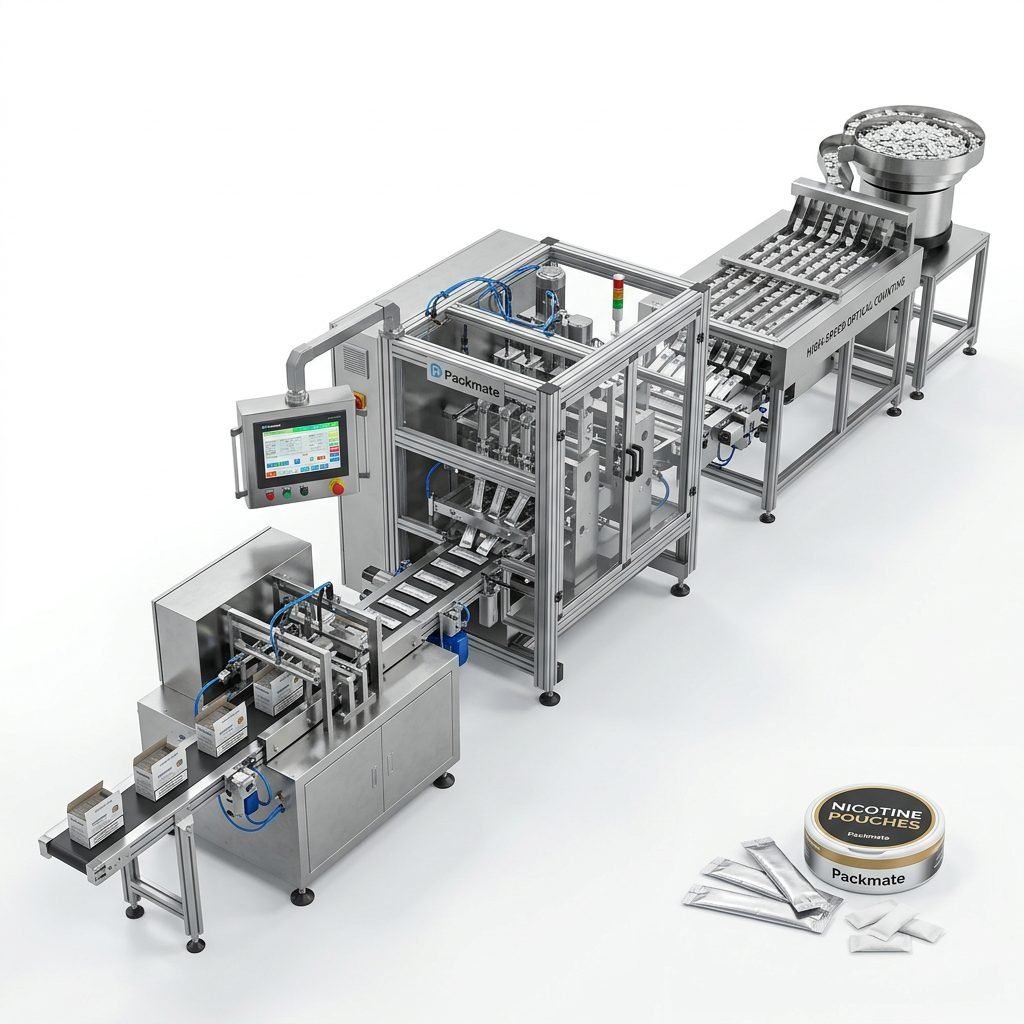
Liberia is emerging as a strategic market for nicotine pouch and snus product manufacturers who want to serve West African consumers and transit goods to neighboring countries. Choosing the right nicotine packaging machinery in Liberia is not just a technical decision — it is a business strategy that must reflect local logistics, cultural selling seasons, workforce skills, and regulatory realities. This guide explains what to evaluate, how to plan capacity, and how to select a reliable supplier so your production line delivers consistent output and compliance from day one.
Understand Liberia’s Market Context and Cultural Considerations
Liberia’s market differs from Europe or North America in terms of distribution networks, consumer habits, and purchase cycles. Local preferences may favor small, affordable single-dose pouches and sachets sold through kiosks and small retailers. Additionally, trust and direct relationships are essential when negotiating supply and service agreements in Liberia — face-to-face meetings and clear timelines build credibility. Seasonally, certain holidays and agricultural cycles influence retail footfall, so plan production ramp-ups ahead of major local events.
Quick tip: In Liberia, simple, reliable packaging formats (stick packs, single-dose sachets, small pouches) often outperform highly elaborate packaging. Prioritize machines that support these formats and allow fast changeovers.
Types of Nicotine Packaging Machines to Consider
Selecting the right machine family hinges on product format, production speed, and budget. Typical options include:
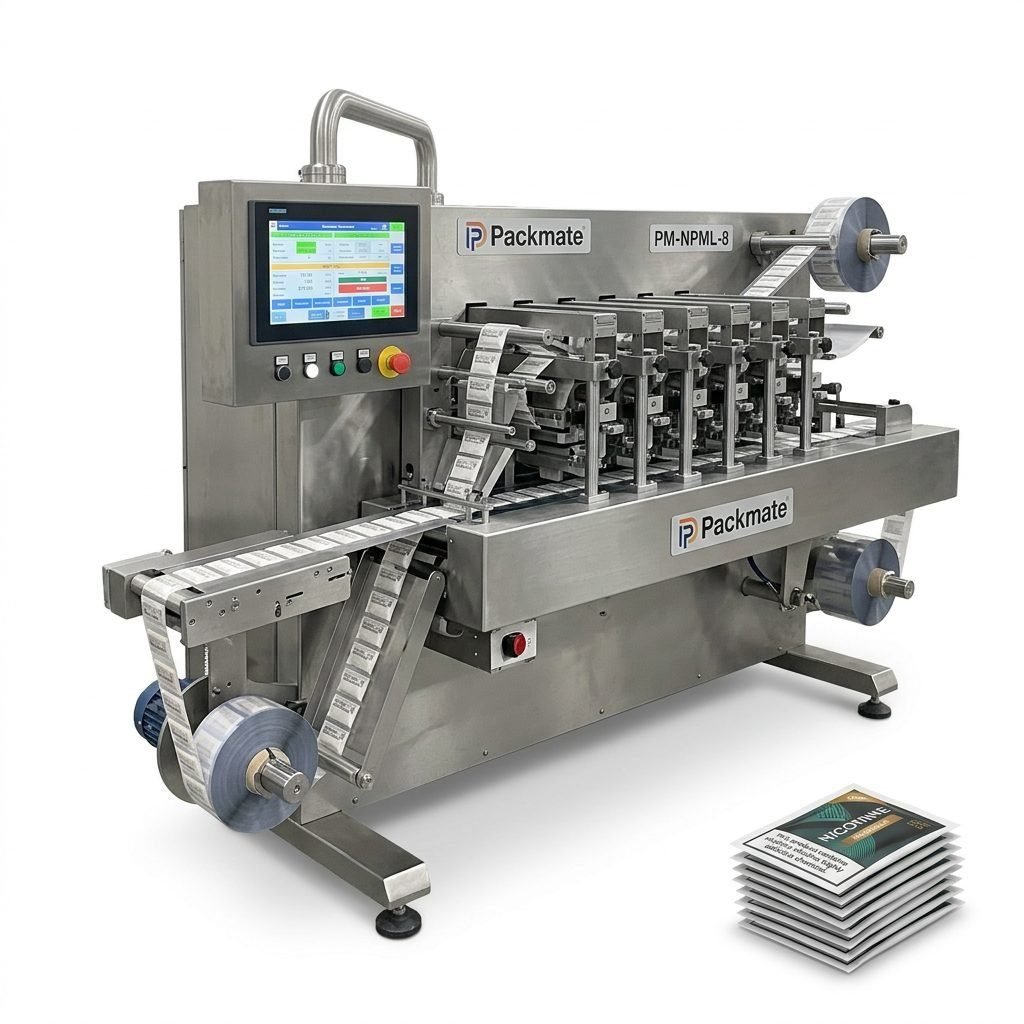
- ⚙️ Snus & Nicotine Pouch Packaging Machines — high precision for small-dose pouches (see Snus & Nicotine Packaging Machines).
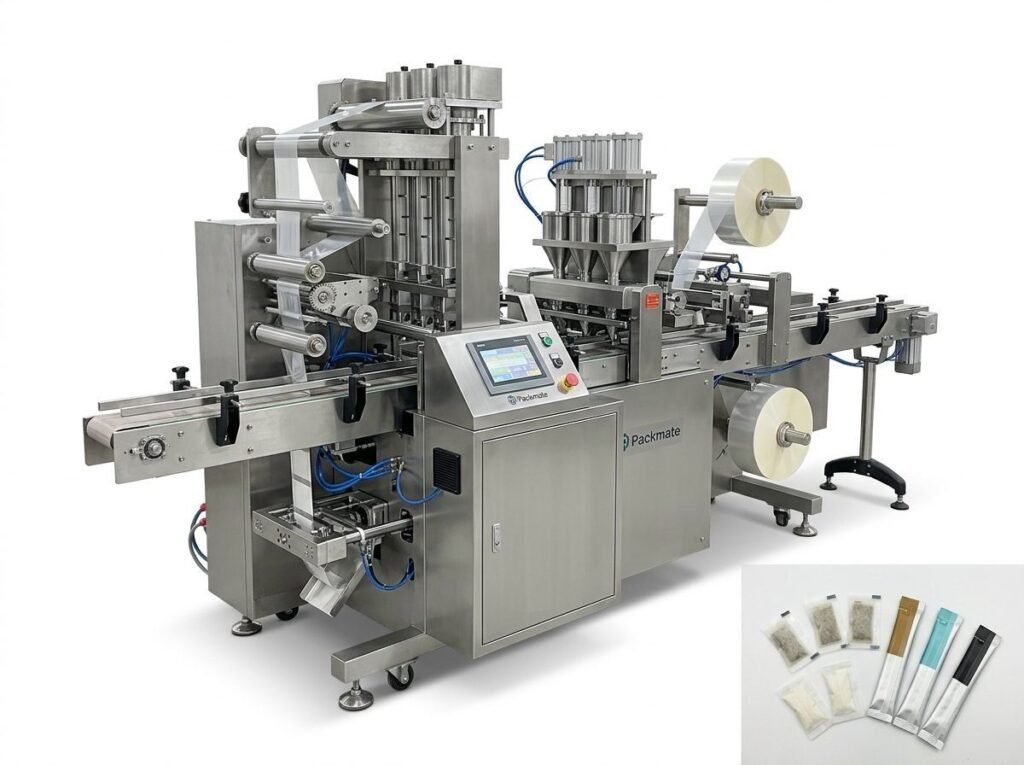
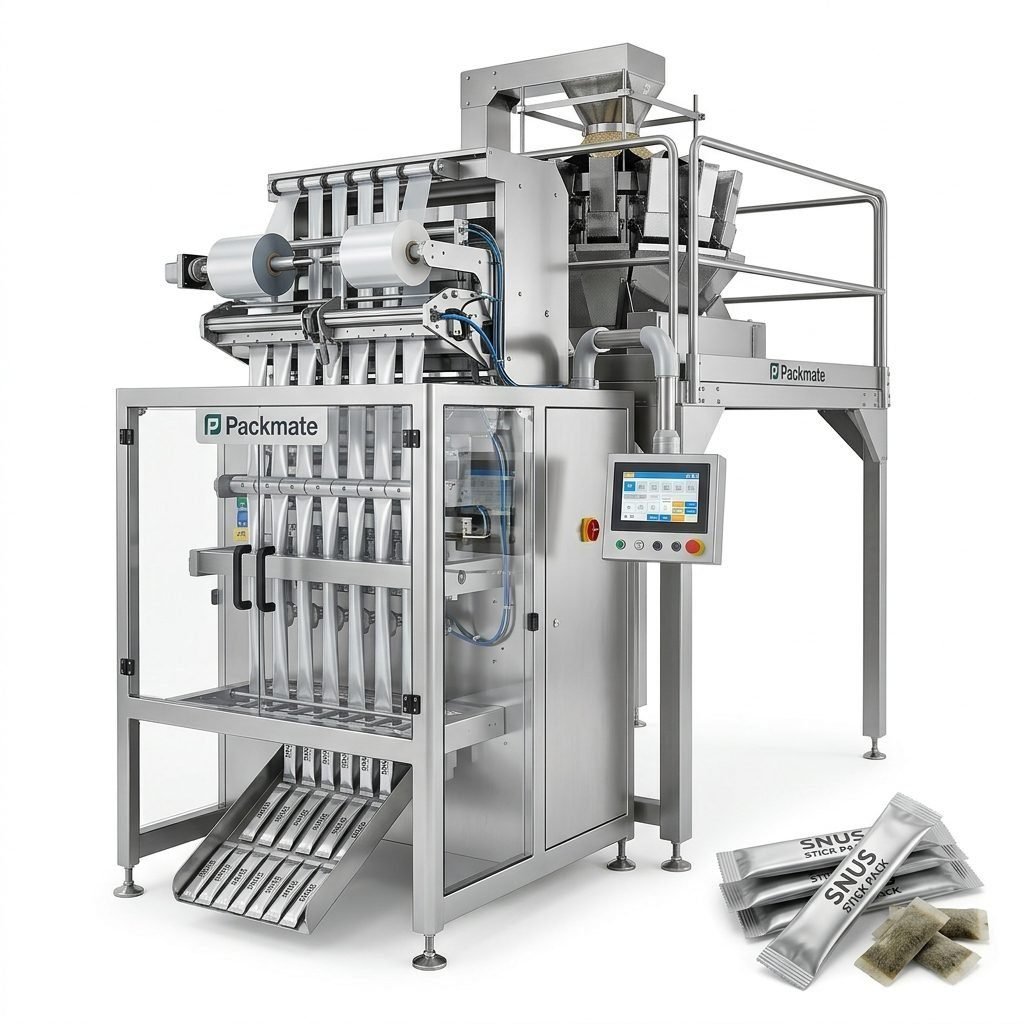
- 📦 Stick Pack & Sachet Machines — ideal for single-dose deliveries and snack-like formats (see Sachet & Stick Pack Machines).
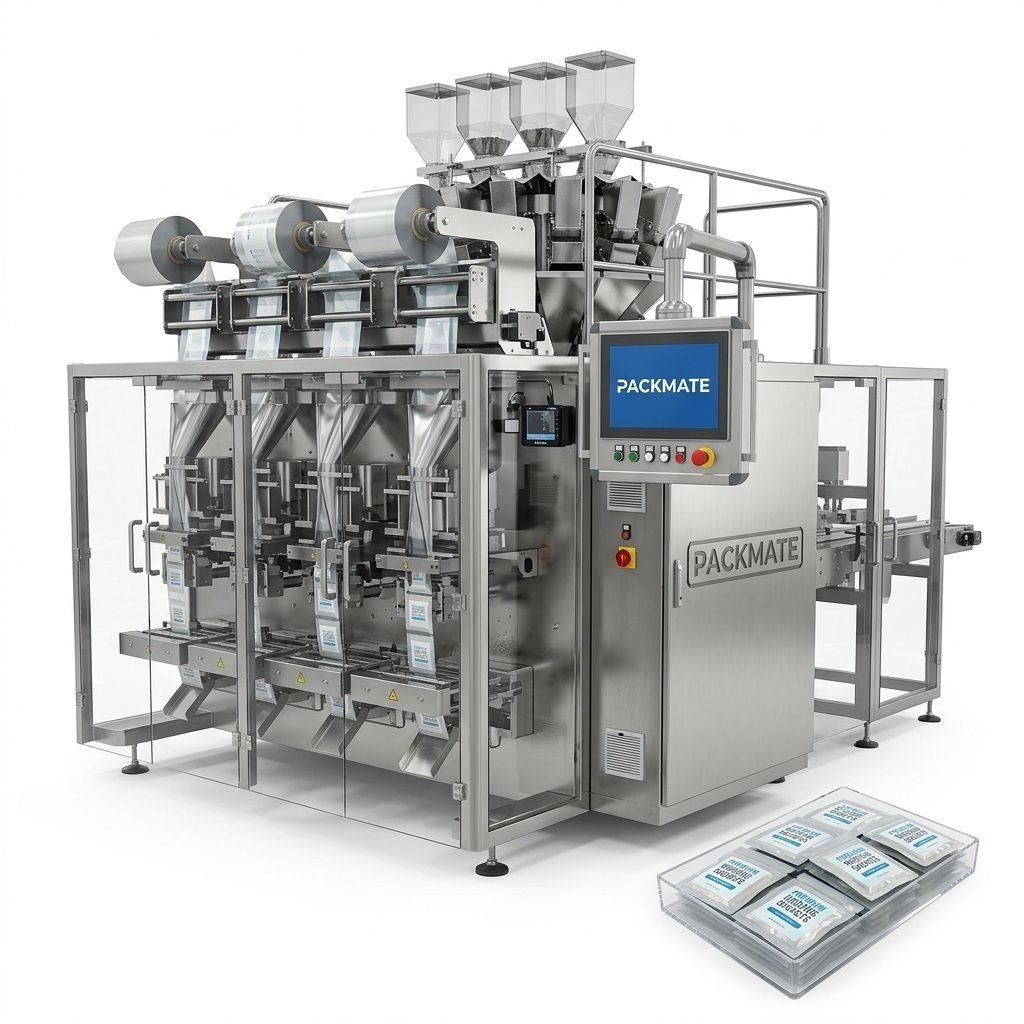
- 🔧 Multi-lane Systems — increase throughput on limited floor area by running multiple lanes in parallel.
- ⚖️ Weighing & Packaging Systems — integrated dosing for consistent weight and fill control (see Weighing & Packaging Systems).
If you are building a flexible line that can handle powder, granule, or paste nicotine formulations, evaluate modular systems that combine filling, sealing, and secondary packaging. For turnkey solutions, suppliers that provide complete Filling & Packaging Lines reduce integration risk.
Linking Product Needs to Machine Features
When matching equipment to your product, focus on:
- Capacity (units/hour) relative to your forecasted demand.
- Tolerance and dosing accuracy for nicotine content.
- Material compatibility (foil, paper, compostable films).
- Speed of changeover between SKUs — essential for smaller production runs popular in local markets.
Supplier highlight: Choose suppliers with a proven track record in snus and nicotine pouch packaging to benefit from specialized tooling and experience. For example, Packmate offers a range of Snus & Nicotine Packaging Machines and full-line solutions.
Capacity Planning and Line Layout for Liberian Operations
Effective capacity planning starts with realistic production targets. Consider local sales channels and export opportunities. If you plan to serve regional markets, incorporate buffer capacity to handle large orders. Multi-lane systems are popular where floor space is constrained and labor costs favor higher automation.
Equipment footprint, power availability, and compressed-air requirements should be verified during supplier discussions. In Liberia, power stability can vary — invest in voltage protection, UPS systems, and consider machines with lower startup surges.
Practical layout considerations
- Allocate space for raw materials, machine operation, QA sampling, and finished-goods storage.
- Plan for easy access to critical components for maintenance.
- Ensure adequate lighting and ventilation for safe handling of nicotine materials.
Compliance, Quality Control and Certifications
Nicotine products often face regulatory scrutiny. Machines should be cleanable, constructed from food-grade materials where necessary, and support traceability systems. Verify that suppliers provide CE, ISO, and other relevant certificates. Packmate machines comply with international standards and often include documentation to support regulatory compliance.
Key quality features to require: accurate dosing systems, in-line metal detection options, IPC/PLC controls with recipe storage, and clear documentation for validation and audits.
After-Sales Support, Spare Parts & Local Service
In Liberia, local technical support may be limited. Prioritize suppliers who provide:
- Fast spare parts supply with clear part numbers.
- Remote troubleshooting and training options.
- On-site commissioning and operator training programs.
Suppliers with global service networks shorten downtime. Explore service plans and consider stocking critical spare parts locally. See supplier Service options for more details.
For a reliable partner with manufacturing strength and international reach, review the company profile and factory capabilities to ensure they match your expectations. Learn more About Packmate.
Packaging Materials and Sustainability
Material selection affects machine design and product shelf life. Common choices include heat-sealable films, laminated foils, and biodegradable options. In Liberia, consider supply chain reliability for film stocks and the ability to source local or regional materials to reduce lead times and costs.
Sustainability is increasingly important: select machines capable of running recyclable or mono-material films, and request guidance from suppliers on eco-friendly packaging choices.
Material compatibility checklist
- Sealing temperature ranges for films.
- Film thickness and tensile strength.
- Barrier requirements for moisture and oxygen.
- Print registration and die-cut accuracy for pouches and lids.
Budgeting, ROI and Total Cost of Ownership
Beyond purchase price, evaluate energy consumption, maintenance intervals, spare parts pricing, and expected lifespan. In markets like Liberia where margins can be tight, robust and low-maintenance machines often yield better long-term ROI.
Financial planning tip: Build a 3–5 year service and spare parts budget into your CAPEX forecast. This avoids unexpected downtime costs and maintains production continuity.
Choosing a Trusted Supplier: What to Ask
Ask potential suppliers for:
- Proof of similar installations in comparable markets or climates.
- References and case studies (request a Case portfolio).
- Detailed electrical, pneumatic and footprint requirements.
- Training, spare parts lead times, and warranty terms.
- Factory acceptance testing (FAT) and on-site commissioning plans.
Suppliers with a broad machine portfolio (stick pack, pouch, multi-lane) and proven factory capabilities are preferable. Check manufacturer facts such as factory area, models, and CNC capabilities to ensure long-term reliability.
You can also review specific product lines to match your needs: Bag & Pouch Packaging Machines, Sachet & Stick Pack Machines, and Filling & Packaging Lines.
Import, Shipping and Local Regulations in Liberia
Plan your logistics: heavy machinery shipping to Liberia requires clear coordination of sea freight, customs clearance, and inland transport. Work with a customs broker familiar with industrial equipment and confirm duties, import permits, and any environmental or health documentation required for nicotine production.
Additionally, ensure compliance with national health regulations for nicotine products. Early engagement with local authorities will reduce delays and help you understand labeling and distribution restrictions.
Logistics checklist
- Secure freight quotes including port handling and inland delivery.
- Confirm skidding/crating requirements to prevent corrosion or damage.
- Plan customs documentation and local agent contact details (see Contact Us).
Factory Acceptance Testing and Commissioning
FAT is essential. Require the supplier to run your product samples under real production conditions in the factory, document performance metrics, and allow you to witness or review video evidence. On-site commissioning in Liberia should include operator training and a handover package with SOPs and spare parts lists.
Must-have for FAT: production speed verification, dosing accuracy reports, sealing quality checks, and operator training sign-off.
Final Selection and Long-Term Partnership
Choosing equipment is choosing a long-term partner. Look for suppliers that offer transparent documentation, global references, robust after-sales networks, and the ability to scale your line. Companies with decades of engineering experience and a wide model range provide flexibility as your product line evolves.
To explore proven solutions and request consultations, review supplier catalogs and service pages. For example, Packmate provides detailed product lines and global cooperation cases that can inform your decision.
Useful resources
- Company profile and capabilities: About Packmate
- Project references and case studies: Case
- Contact for quotations and service inquiries: Contact Us
Summary: Practical Steps to Buying Nicotine Packaging Machinery in Liberia
1) Define your product formats, target capacity, and seasonal demand. 2) Shortlist machine types (single-lane, multi-lane, sachet/stick, pouch) and request FAT with product samples. 3) Verify supplier certifications, spare parts lead times, and after-sales support. 4) Plan logistics, customs, and on-site commissioning with local partners. 5) Include service and spare parts budgets in your TCO to protect uptime and ROI.
Actionable next step: Prepare a short requirements brief (formats, capacity, power specs, desired automation) and request a tailored proposal and FAT plan from a reputable supplier.
Common Questions
Q1: How do I pick between a single-lane and multi-lane machine for Liberia?
A1: Choose multi-lane if you need higher throughput but have limited floor space; single-lane can be more cost-effective for smaller runs and easier for local maintenance. Consider expected SKU mix and growth plans.
Q2: What certifications are most important for nicotine packaging equipment?
A2: CE and ISO certifications are commonly required for safety and quality. Also verify documentation that supports cleanability, material contact standards, and any local regulatory needs for nicotine handling.
Q3: How can I ensure fast spare parts access in Liberia?
A3: Negotiate spare parts lists and minimum stock levels upfront, and choose suppliers with regional warehouses or partners. Keep critical wear parts on-site to minimize production pauses.
Q4: Are supplier factory acceptance tests (FAT) necessary?
A4: Yes — FAT verifies machine performance with your product and provides documented baseline metrics for installation and commissioning. It reduces integration risk and clarifies acceptance criteria.
Q5: Where can I find reliable packaging machine suppliers with nicotine experience?
A5: Look for manufacturers with decades of experience in snus and nicotine pouch machinery, published case studies, and comprehensive service offerings. Reviewing supplier pages such as product lines and service information helps identify good matches.