Introduction: Why Choosing the Right Nicotine Packaging Machine in Qatar Matters
Qatar’s packaging and manufacturing sector is growing alongside demand for modern, high-quality consumer products. For manufacturers and distributors of snus and nicotine pouches, selecting the right packaging machine is a strategic decision that affects product consistency, compliance, and long-term operating costs. This guide walks you through the practical steps to choose a nicotine packaging machine tailored to Qatar’s market conditions, from climate considerations to regulatory compliance and after-sales support.
Understand the Local Context: Qatar Market & Cultural Considerations
Qatar is a high-income market with a strong emphasis on quality, reliability, and strong supplier relationships. Business decision-makers often prioritize durability, clear service agreements, and prompt technical support. Because of the climate (hot, dry, occasional high humidity near coasts), machines should be robust, corrosion-resistant and designed for stable performance in variable temperatures. In addition, consider language and documentation: Arabic and English manuals, clear electrical specs (220–240V, 50Hz typical), and local electrical compatibility make installation smoother.
Key local points at a glance
🔹 Reliability and service – Buyers expect dependable machines and rapid spare parts delivery.
🔹 Climate resistance – Salt and dust near coastal warehouses can accelerate wear if not addressed.
🔹 Regulatory awareness – Ensure machines and materials comply with import rules and product regulations in Qatar and GCC.
Step 1 — Define Your Production Requirements
Before evaluating models, compile a precise specification of what you need. Key questions to answer:
-
What is the required daily or monthly output (units per minute/hour)?
-
What pouch formats will you produce — round pouch, stick, sachet, multi-lane strips?
-
What are the filling materials — powder, granular, wet paste? Does the product require nitrogen flushing or moisture control?
-
What are downstream requirements — boxing, case packing, or secondary labeling?
Tip: Accurately forecasting output prevents costly overinvestment — choose a machine that can scale (modular multi-lane options are often ideal).
Step 2 — Choose the Right Machine Type
Different packaging machines suit different product forms and production scales. Below are the common types relevant to nicotine pouches and snus:
Sachet & Stick Pack Machines
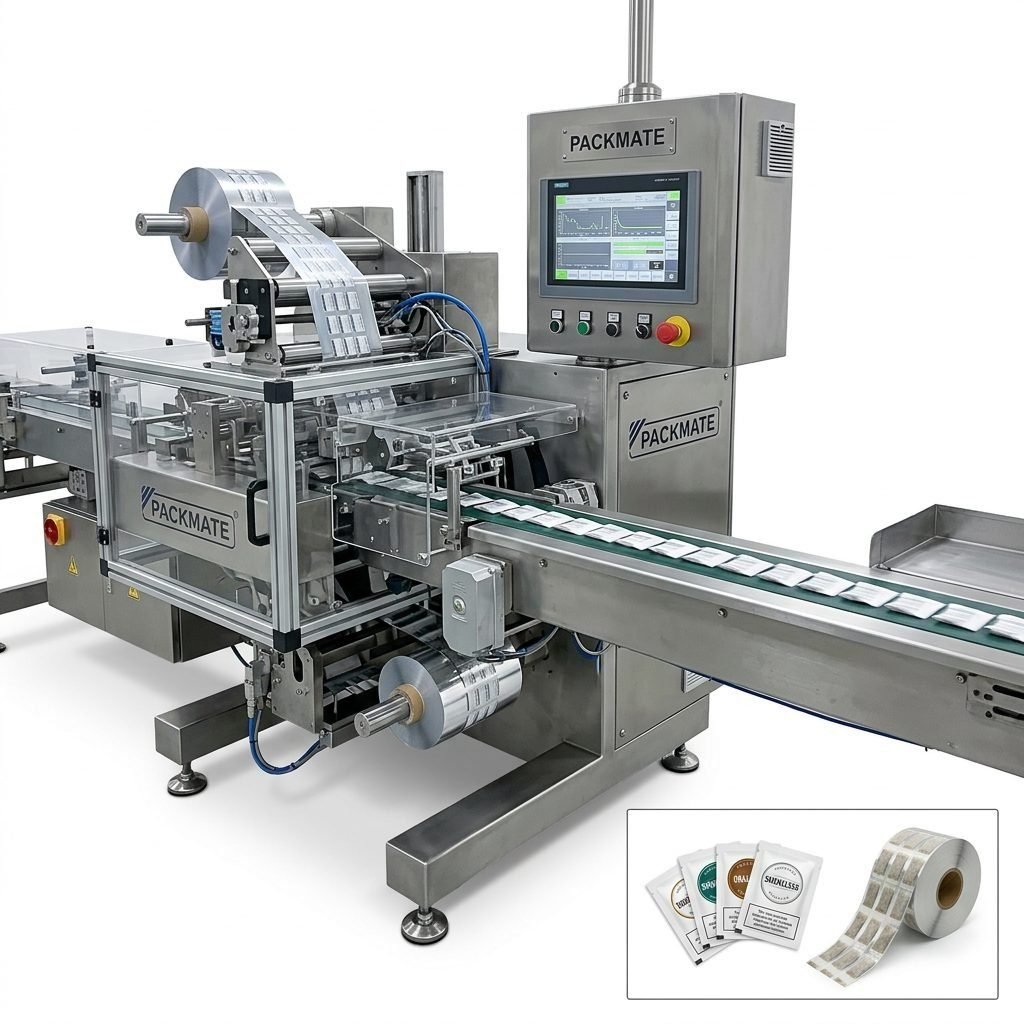
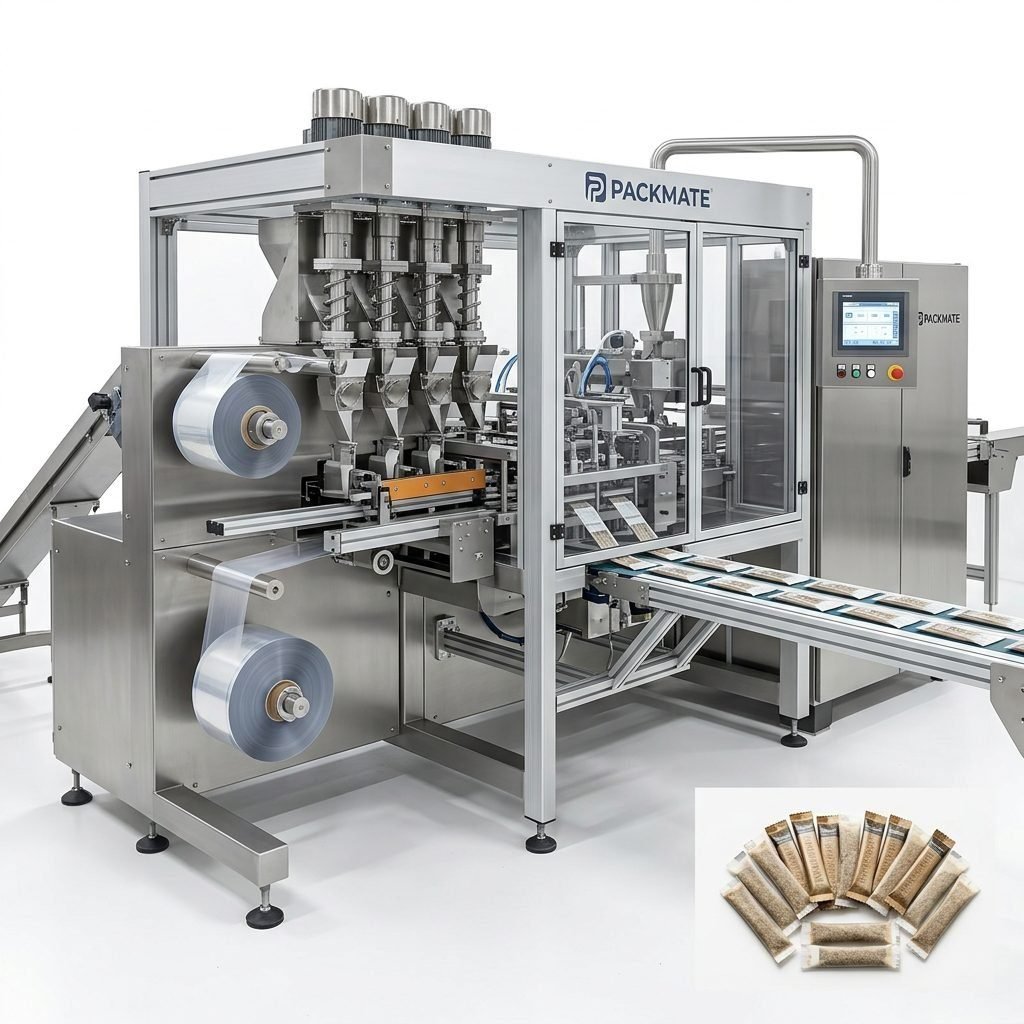
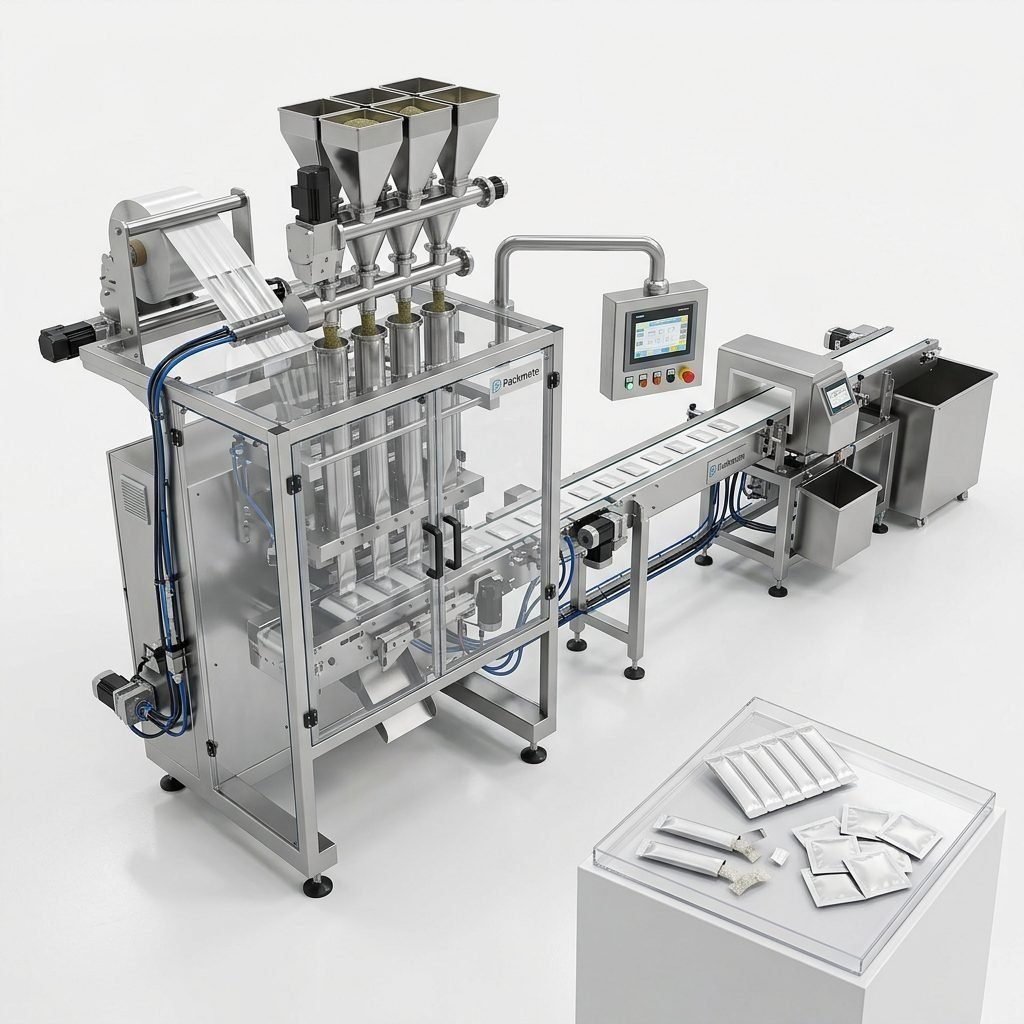
Ideal for single-dose formats and flexible pouch shapes. They offer high-speed options for small pouches and stick packs with good sealing reliability.
Pouch & Multi-Lane Machines
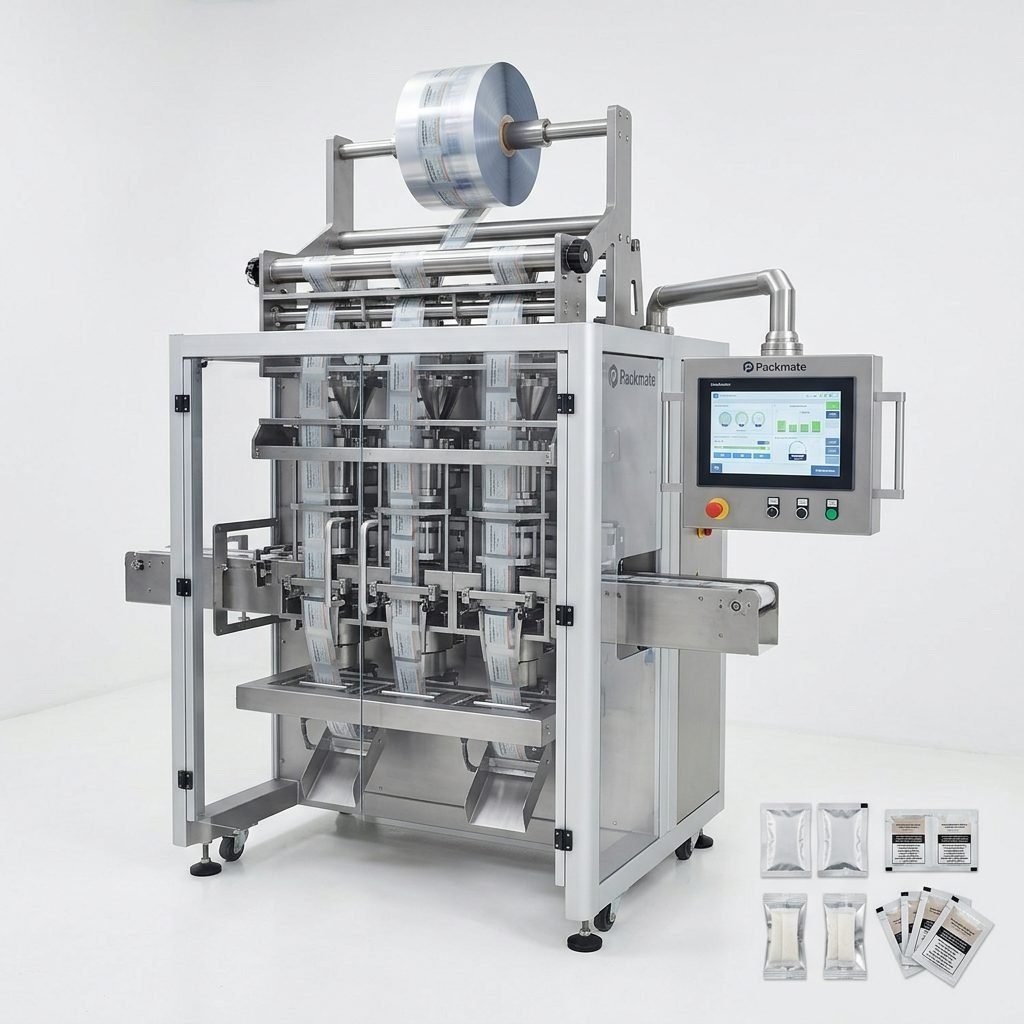
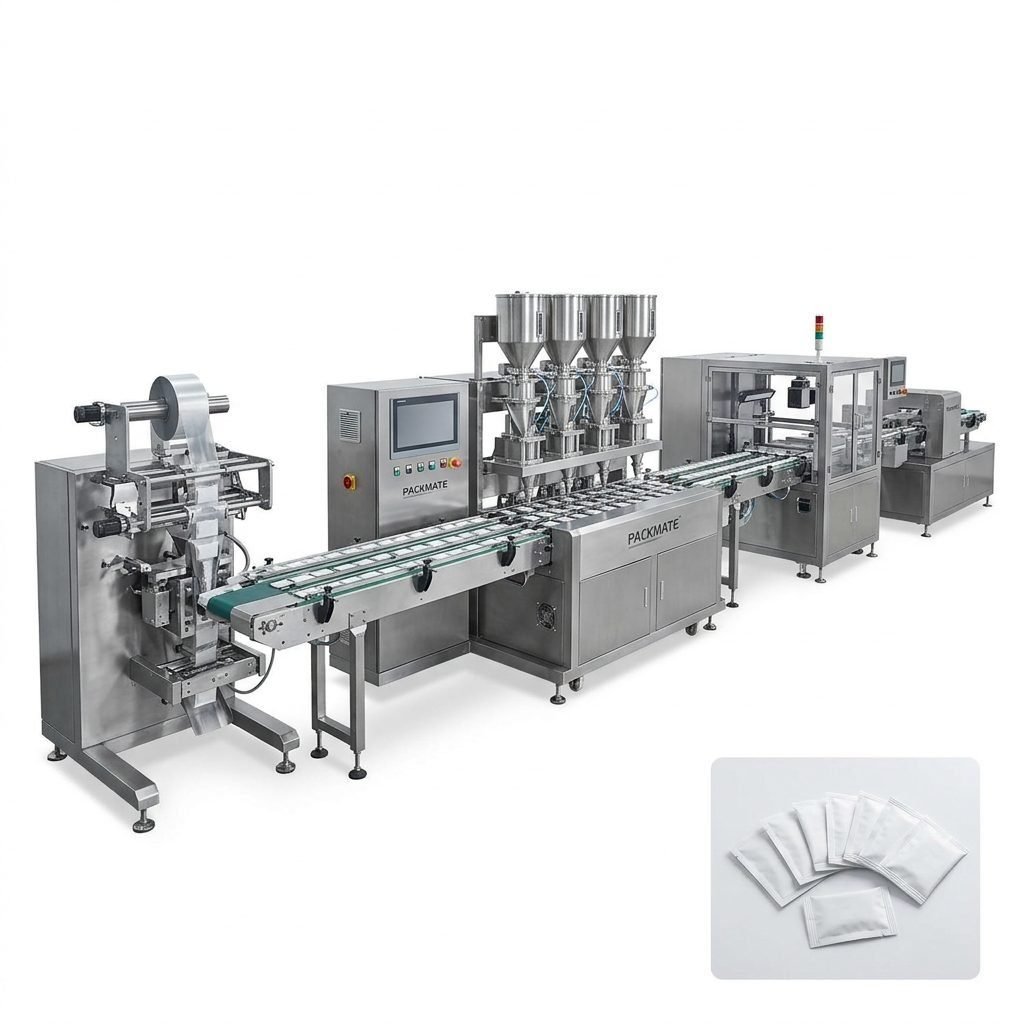
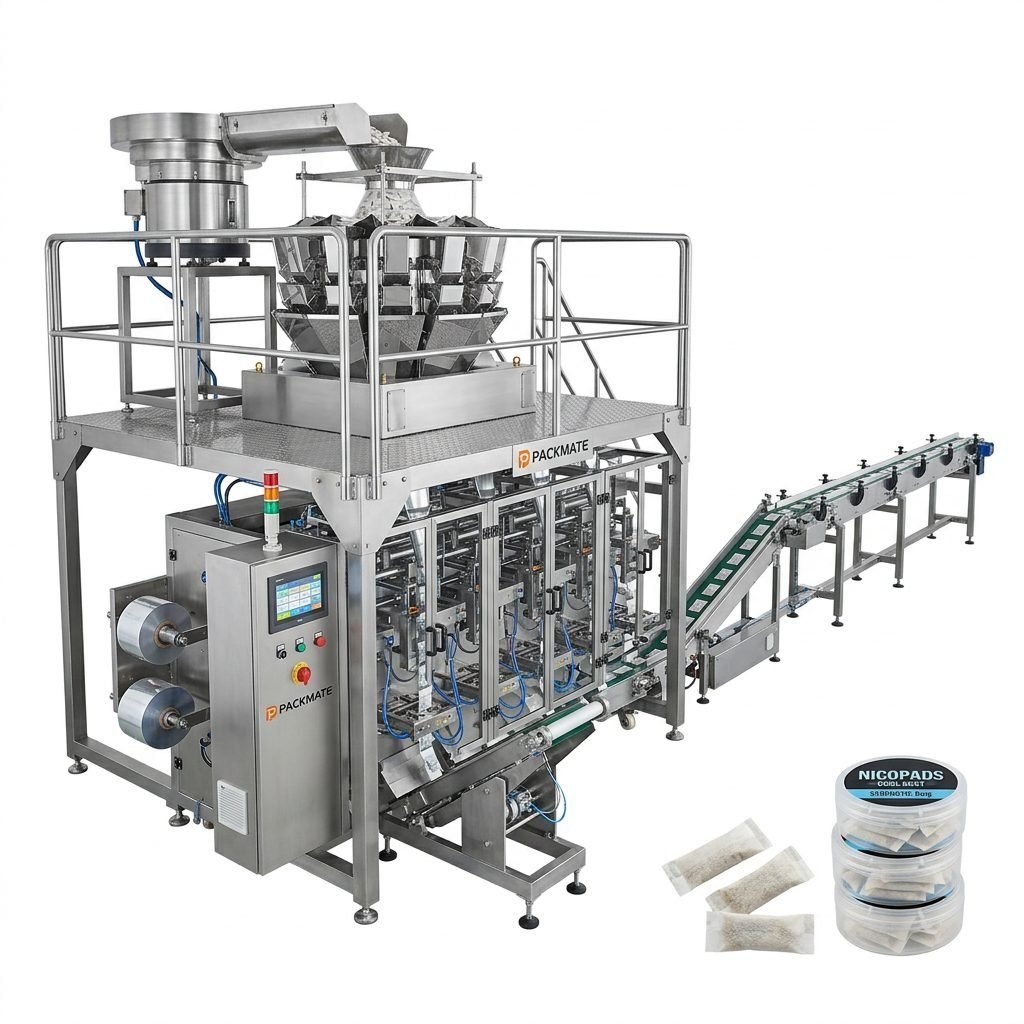
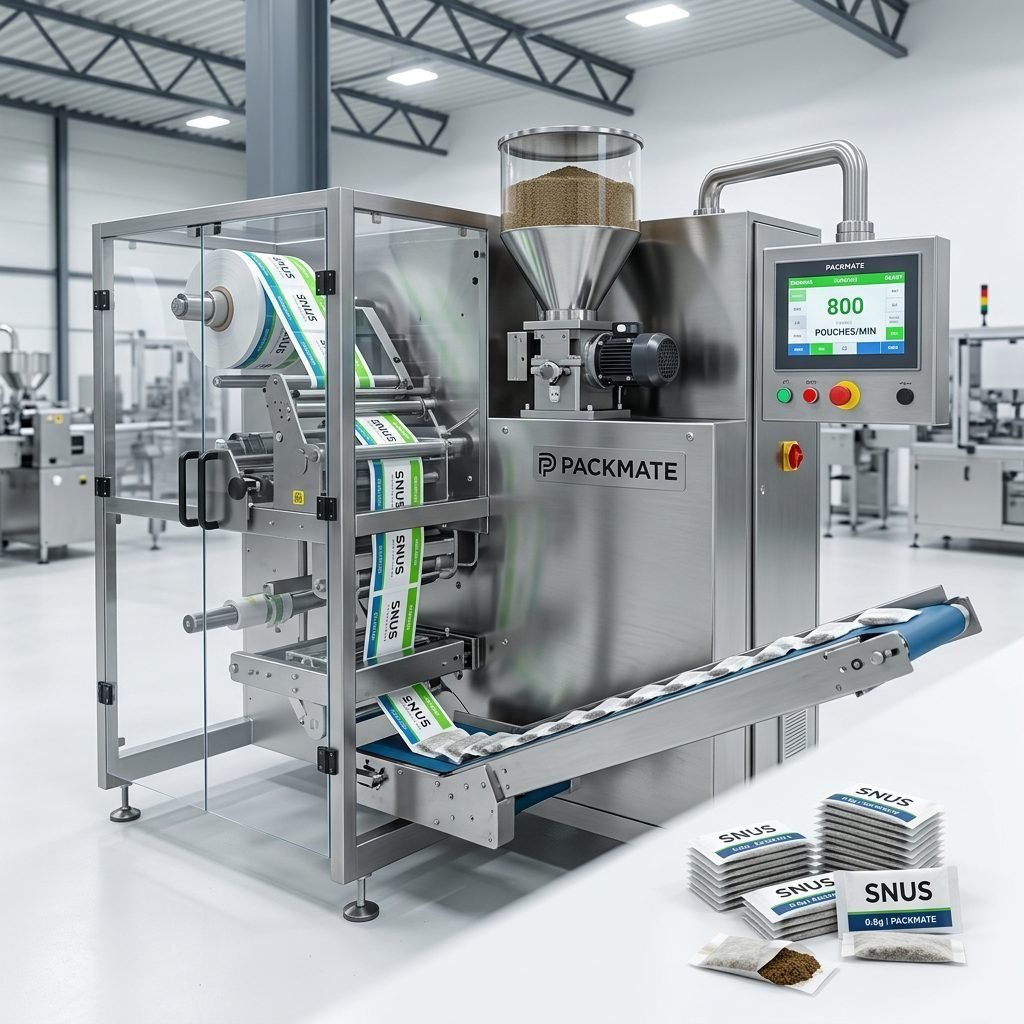
Multi-lane snus packaging systems are designed for small-dose nicotine pouches, enabling high throughput with compact footprints. These systems are commonly used by producers scaling up production.
Form-Fill-Seal and Filling Lines
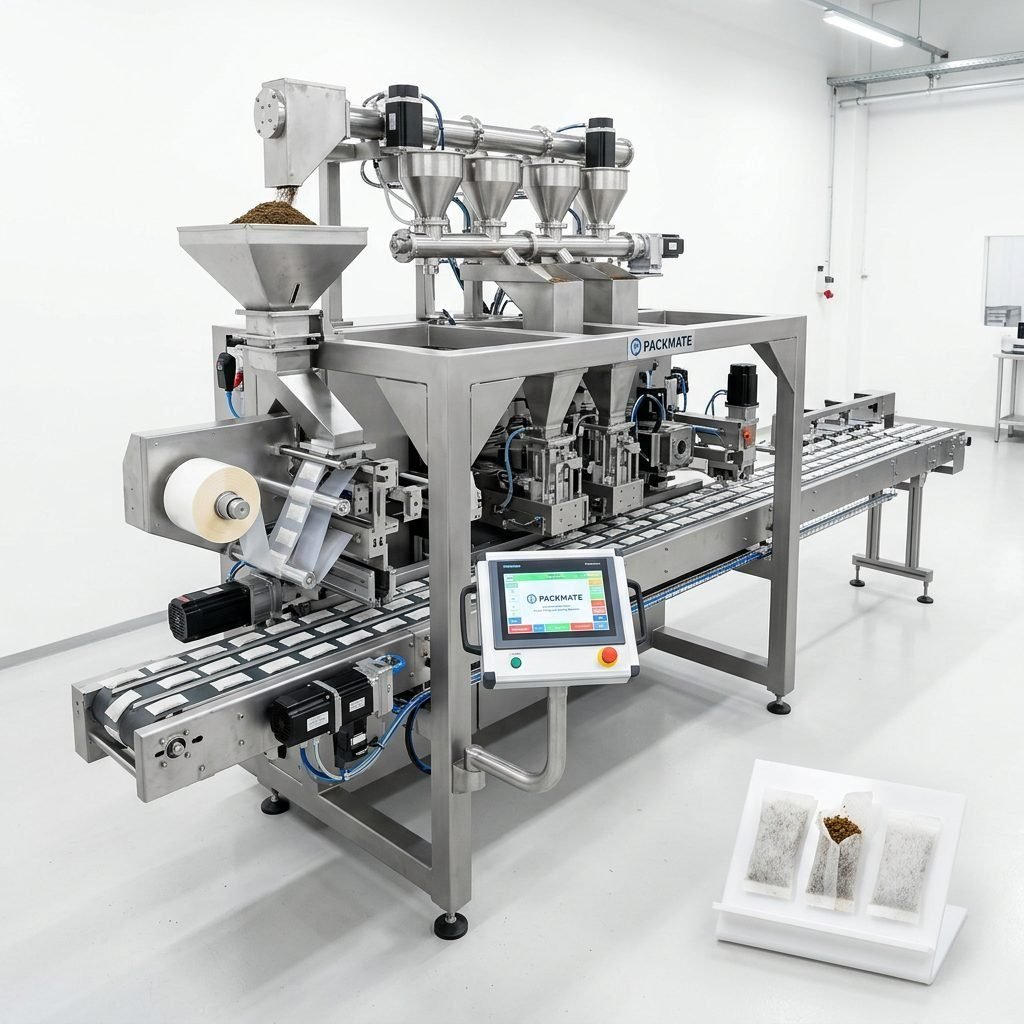
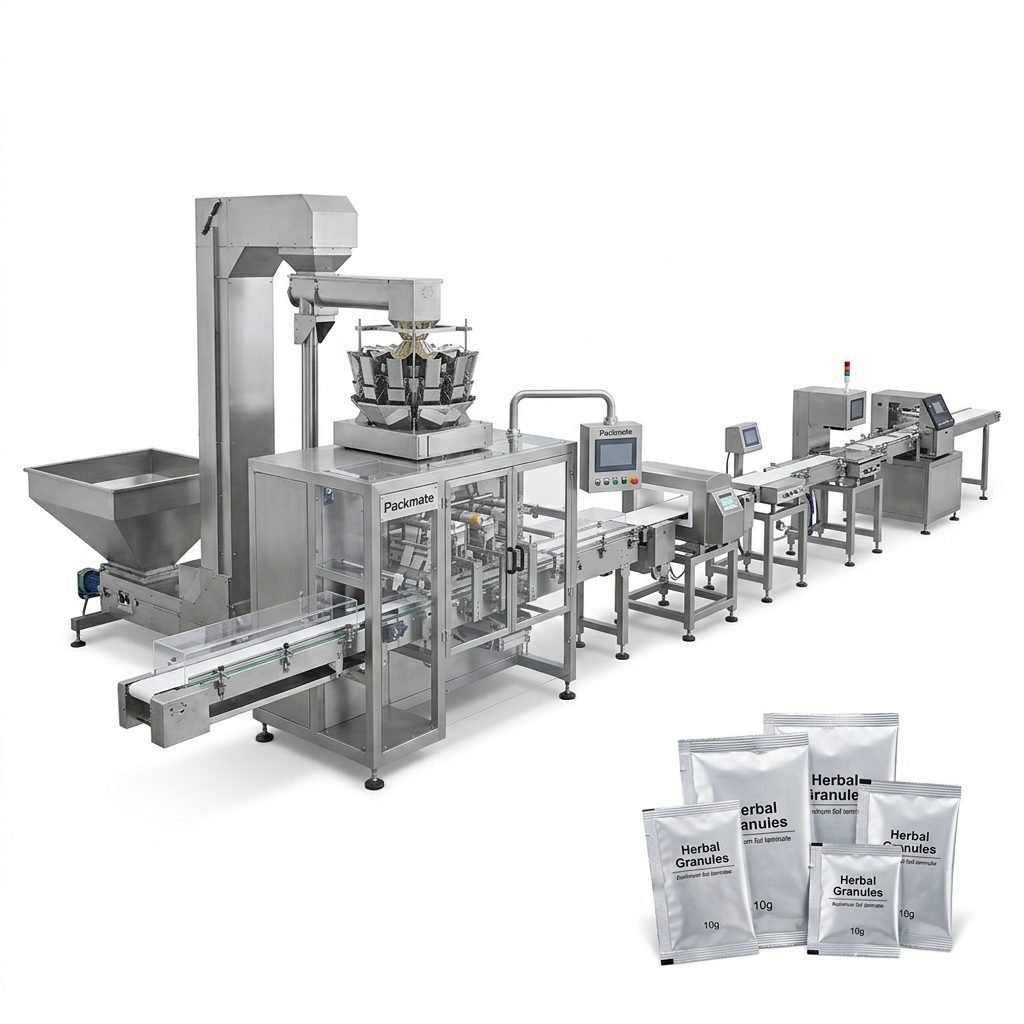
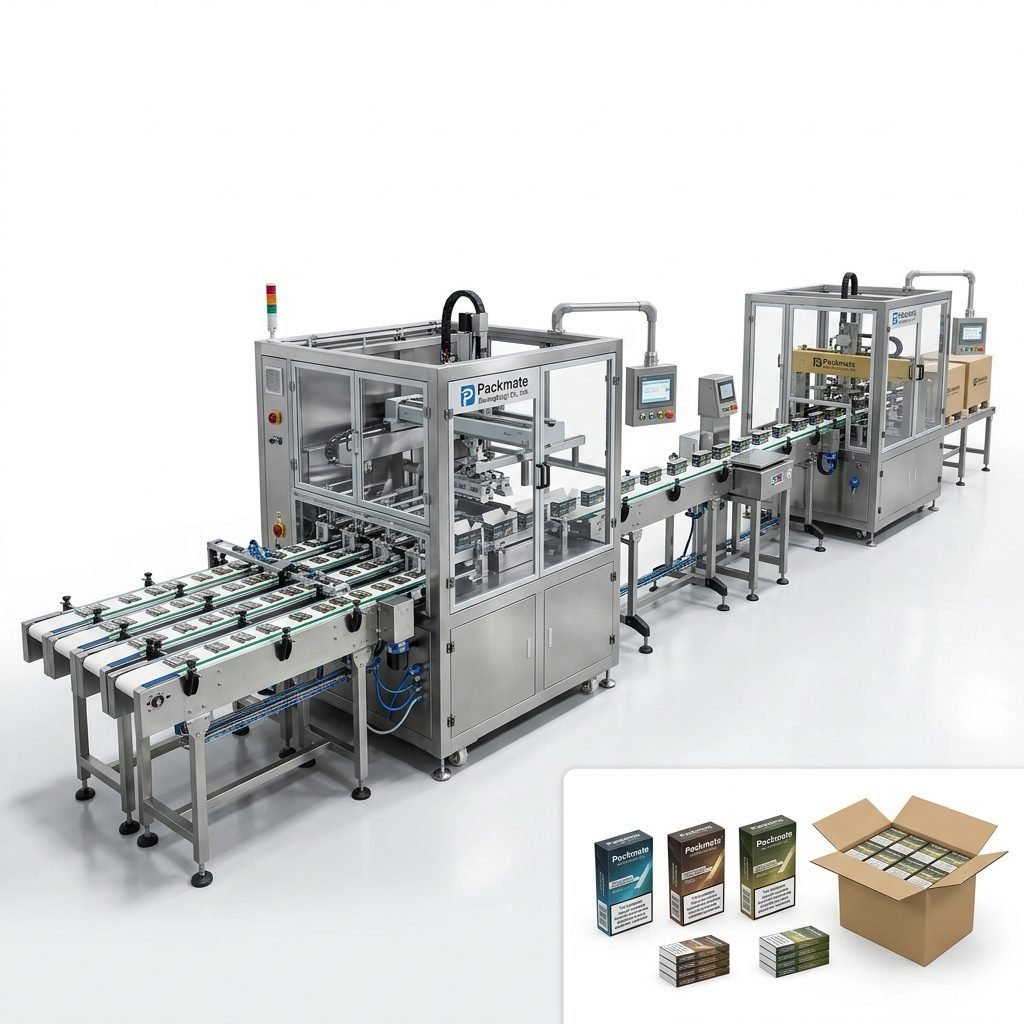
For customers requiring integrated upstream dosing (weighing, filling) and downstream packing, turnkey filling and packaging lines unify processes and reduce manual handling.
Explore suitable options and technical specifications at trusted suppliers such as Snus & Nicotine Packaging Machines and Sachet & Stick Pack Machines.
Step 3 — Evaluate Key Technical Specifications
Focus on measurable performance indicators and components that affect uptime and product quality:
-
Throughput: units per minute and theoretical vs. practical speeds.
-
Filling accuracy: ± tolerance per pouch, especially critical for nicotine dosing.
-
Sealing integrity: heat/ultrasonic seal quality for shelf-life and leak prevention.
-
Changeover time: how fast the machine adapts between formats and sizes.
-
Material compatibility: compatibility with laminates, biodegradable films, or foil-laminates used in your market.
-
Automation level: PLC control, HMI languages (Arabic/English), recipe management, and remote diagnostics.
Must-have: CE and ISO certification, and clear spare parts lists with lead time estimates for Qatar imports.
Step 4 — Inspect Build Quality & Materials
When visiting factories or evaluating supplier documentation, look for:
-
Frame material: stainless steel (304/316) for hygiene and corrosion resistance.
-
Precision parts: quality CNC-machined components, hardened bearings, and robust gearboxes.
-
Safety features: guards, emergency stops, and compliance with CE safety standards.
-
Electrical components: reputable PLCs, servo motors, and international control brands that simplify maintenance.
Step 5 — Service, Spare Parts & Training
Long-term costs are driven more by downtime and parts availability than by the initial purchase price. Ensure your supplier provides:
-
Clear spare parts catalog and spares kits for first 12 months.
-
Local or regional service partners for quicker response times in Qatar.
-
On-site commissioning and operator training in Arabic/English.
-
Remote support and predictive maintenance options (telemetry/HMI remote access).
Manufacturers such as Packmate emphasize turnkey solutions and global technical support — see their full production line capabilities at Filling & Packaging Lines.
Step 6 — Verify Compliance & Documentation
Import and local regulations can affect machine selection. Confirm required documentation: CE/ISO certificates, electrical conformity declarations, packing lists for customs, and material contact approvals if required. Also ensure the supplier provides comprehensive manuals and calibration certificates for dosing systems.
Step 7 — Consider Total Cost of Ownership (TCO)
Evaluate beyond purchase price. TCO includes energy consumption, maintenance labor, spare parts costs, yield (waste when sealing/filling), and expected life-cycle. Higher upfront cost on a reliable machine often saves money over time through reduced downtime and better yield control.
Checklist — TCO quick items: energy use per hour, mean time between failures (MTBF), spare parts lead time, warranty length, and training hours included.
Step 8 — Installation, Testing & Acceptance
Agree on Factory Acceptance Tests (FAT) and Site Acceptance Tests (SAT). FAT demonstrates the machine working with your materials before shipment; SAT ensures correct installation and performance in Qatar. Include acceptance criteria in your contract: throughput verification, fill accuracy, sealing checks, and safety audits.
Sourcing Options & Trusted Suppliers
When selecting suppliers, prioritize companies with long-term experience and a proven track record in snus and nicotine packaging. Packmate Snus Machine, for example, provides specialized snus packing solutions with decades of experience in high-precision multi-lane systems. Learn more about their specialization at About Packmate and view real-world cases at Case.
Practical Tips for Buyers in Qatar
✅ Plan for seasonal variations: stock critical spares to avoid delays during peak import periods.
✅ Local partnerships: establish a service contract with either the manufacturer or a regional agent to secure fast response times.
✅ Language-ready HMIs: ensure operator interfaces support Arabic for faster operator training and compliance.
Logistics & Shipping Notes
Qatar’s ports and customs are efficient but require precise documentation. Confirm packing lists, weight and dimension declarations, and coordinate with freight forwarders familiar with machinery imports. Consider arranging insurance and forklift/crane requirements for installation at your facility.
Case Study Snapshot (Typical Implementation)
A mid-size nicotine pouch producer in the region replaced three single-lane machines with a compact 4-lane snus packaging line. Results: 2.5x throughput increase, 18% reduction in material waste due to improved dosing accuracy, and lower labor costs through automation. Key success factors were robust commissioning, operator training in Arabic and English, and an agreed spare parts kit delivered with the machine.
Where to Get More Information & Next Steps
If you’re ready to evaluate specific machines and request quotes, review product lines and technical catalogs from experienced suppliers to compare models and request FAT demonstrations. Packmate provides a wide range of packaging options including snus machines, bag & pouch systems and auxiliary equipment — see Bag & Pouch Packaging Machines and Auxiliary Packaging Equipment for compatible components.
Action Plan: prepare production specs → shortlist 2–3 suppliers → request FAT → negotiate spare parts & service terms → schedule SAT in Qatar.
Final Considerations Before Purchasing
Think long term: modular expandability, clear warranty terms, availability of certified technicians, and remote support capabilities. Prioritize hygienic design and easy cleaning for product safety. Confirm that the machine supports the specific nicotine pouch format you intend to market in Qatar and neighboring GCC countries.
Need help or quotations?
To request tailored machine options, contact manufacturers directly and ask for references of installations in similar climates. You may begin your search with supplier resources like Contact Us for detailed consultations and quotes.
Frequently Asked Questions (3–5)
Q1: What machine type is best for small-dose nicotine pouches?
A1: Multi-lane snus packaging machines are typically optimal for small-dose nicotine pouches because they deliver high throughput with accurate dosing and compact space requirements.
Q2: How important is local service presence in Qatar?
A2: Very important. Local or regional service partners reduce downtime and shipping delays for spare parts — essential for continuous production.
Q3: Are there specific climate-related features to request?
A3: Yes. Ask for corrosion-resistant finishes, sealed electrical cabinets, and cooling/ventilation options for electronics to handle heat and occasional humidity.
Q4: What certifications should I verify before purchase?
A4: Verify CE and ISO certifications, material contact compliance, and any export/import documentation required for machinery shipped to Qatar.
Q5: Where can I view real machine cases and full product lines?
A5: Visit supplier case studies and product catalogs such as those found on Packmate’s site: Catalog and Case.