Understanding Nicotine Pouch Production: Equipment and Cost Overview
The nicotine pouch market is expanding rapidly, and choosing the right production equipment is a critical step for any manufacturer or brand owner. This guide walks you through the most common machine types, their advantages, estimated costs, and practical selection tips so you can match production needs with budget and quality expectations.
Why machine choice matters
Production equipment determines product consistency, throughput, labor needs, compliance with safety standards, and overall cost of goods. Investing in the right line can reduce downtime and defects, improve yield, and support faster time-to-market. Whether you plan for small-batch artisan runs or high-volume multi-lane production, the equipment must match your business model.
Key performance indicators to consider
Focus on capacity (pouches per minute), lane count (single vs multi-lane), filling accuracy, material compatibility (tea, powder, granules, nicotine matrices), changeover speed, and regulatory compliance (CE, ISO). Serviceability and spare parts availability are also essential for long-term uptime.
Tip: Prioritize machines with precise weighing and multi-lane capability if you aim for high throughput without compromising pouch weight consistency.
Main Types of Nicotine Pouch Packaging Equipment
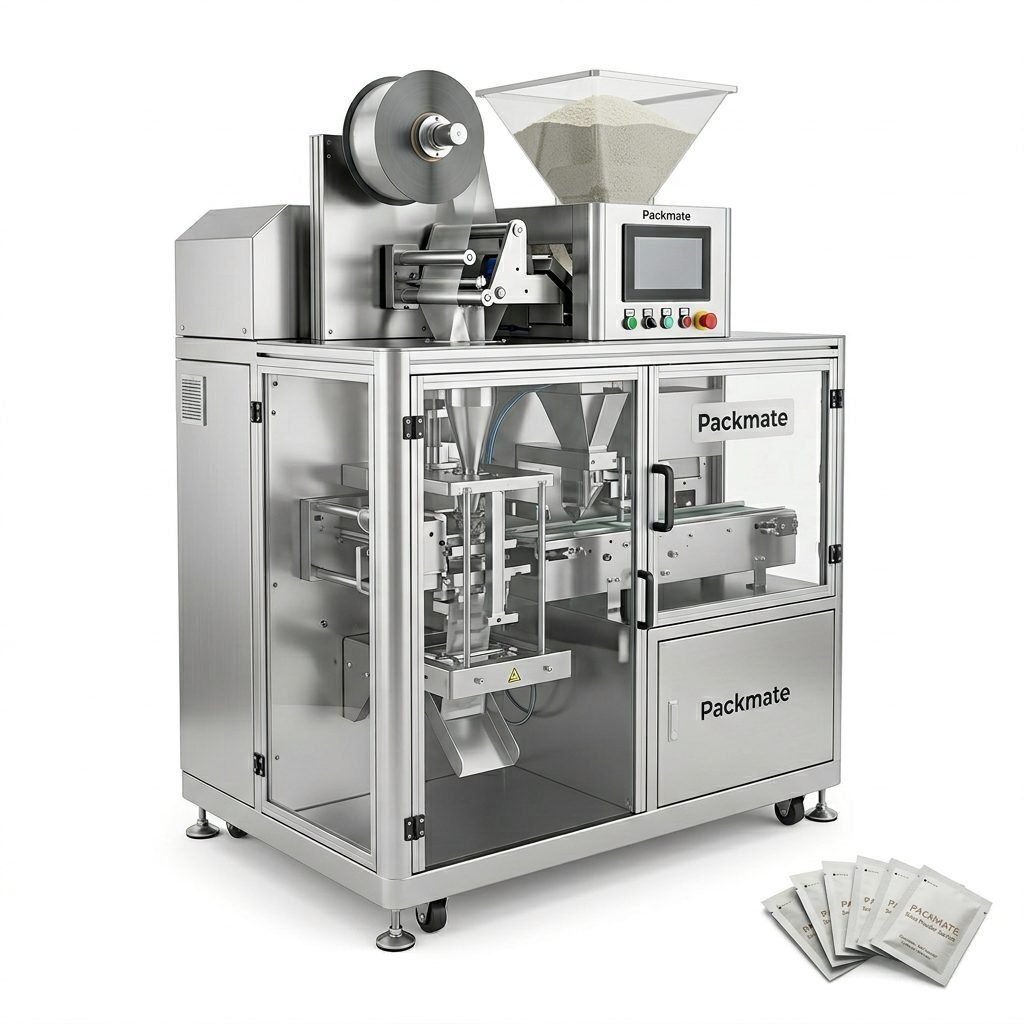
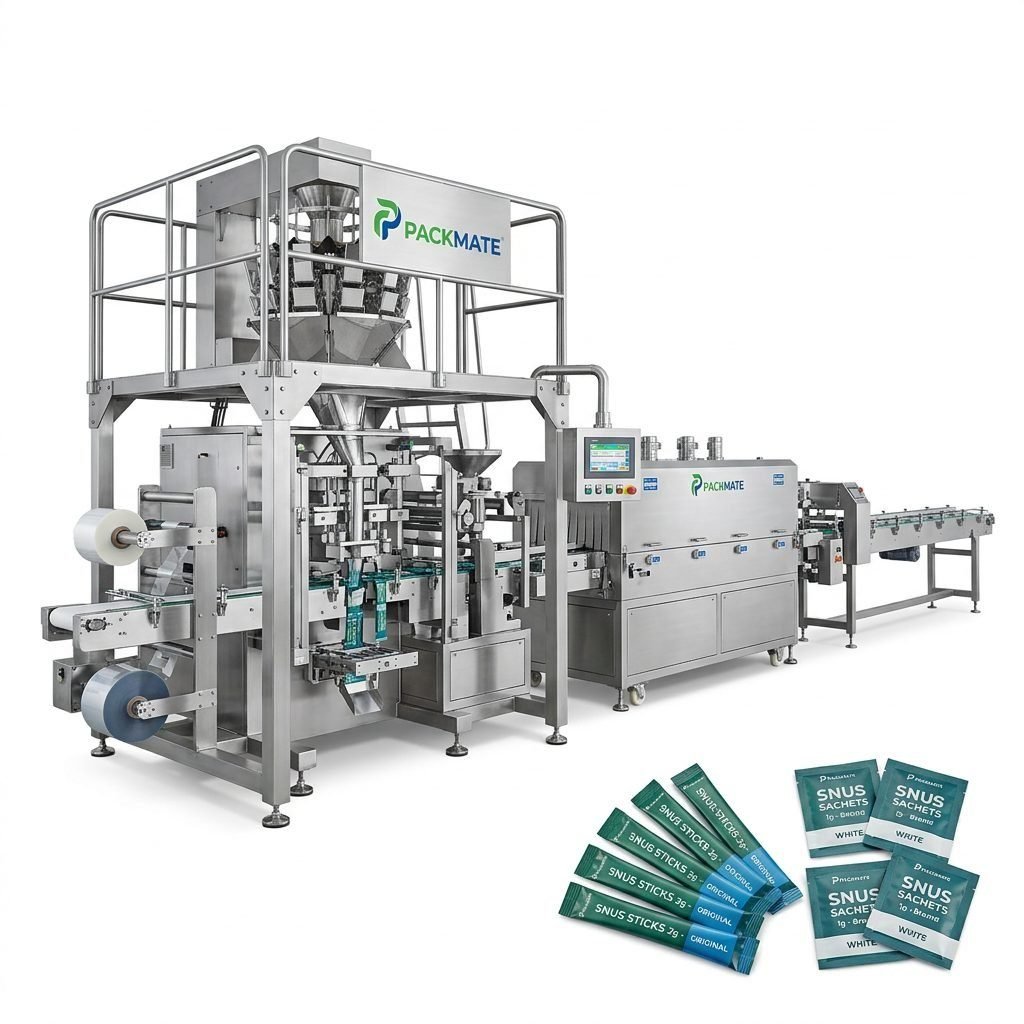
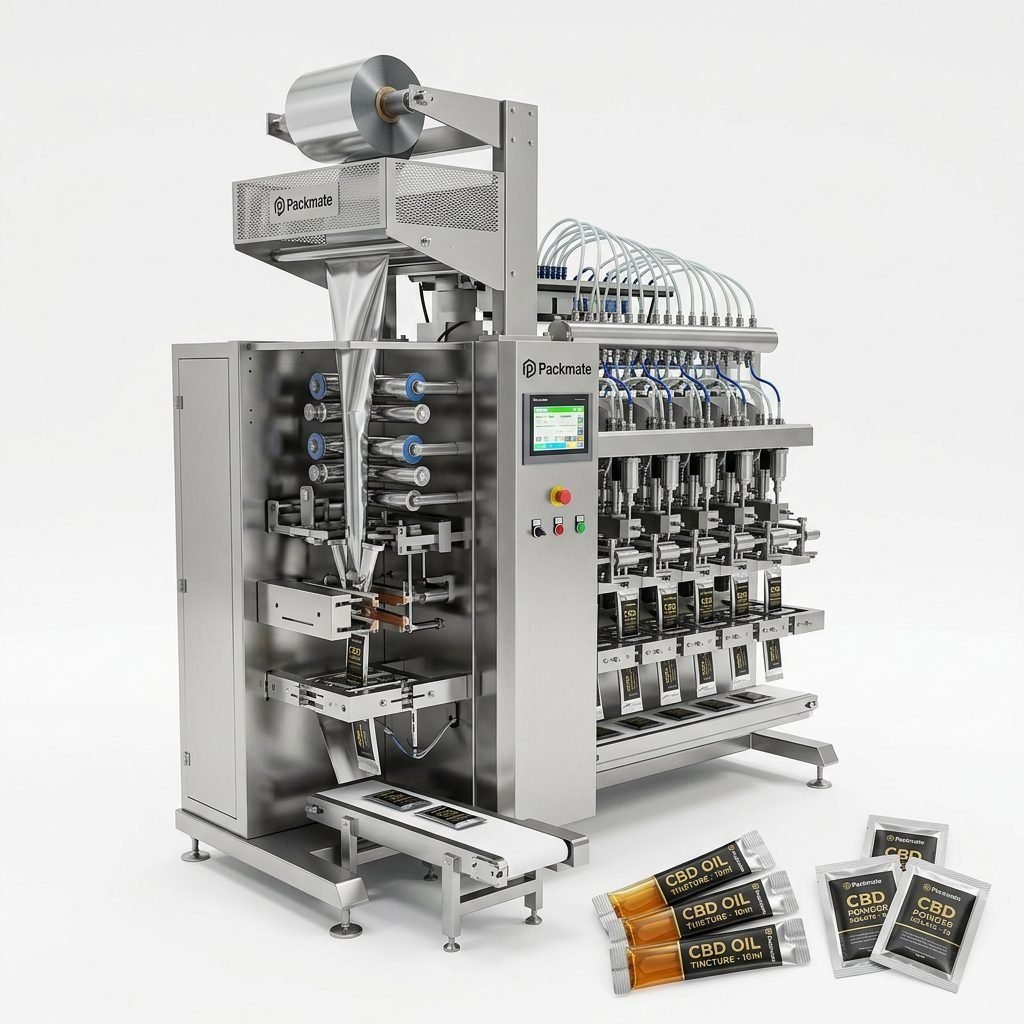
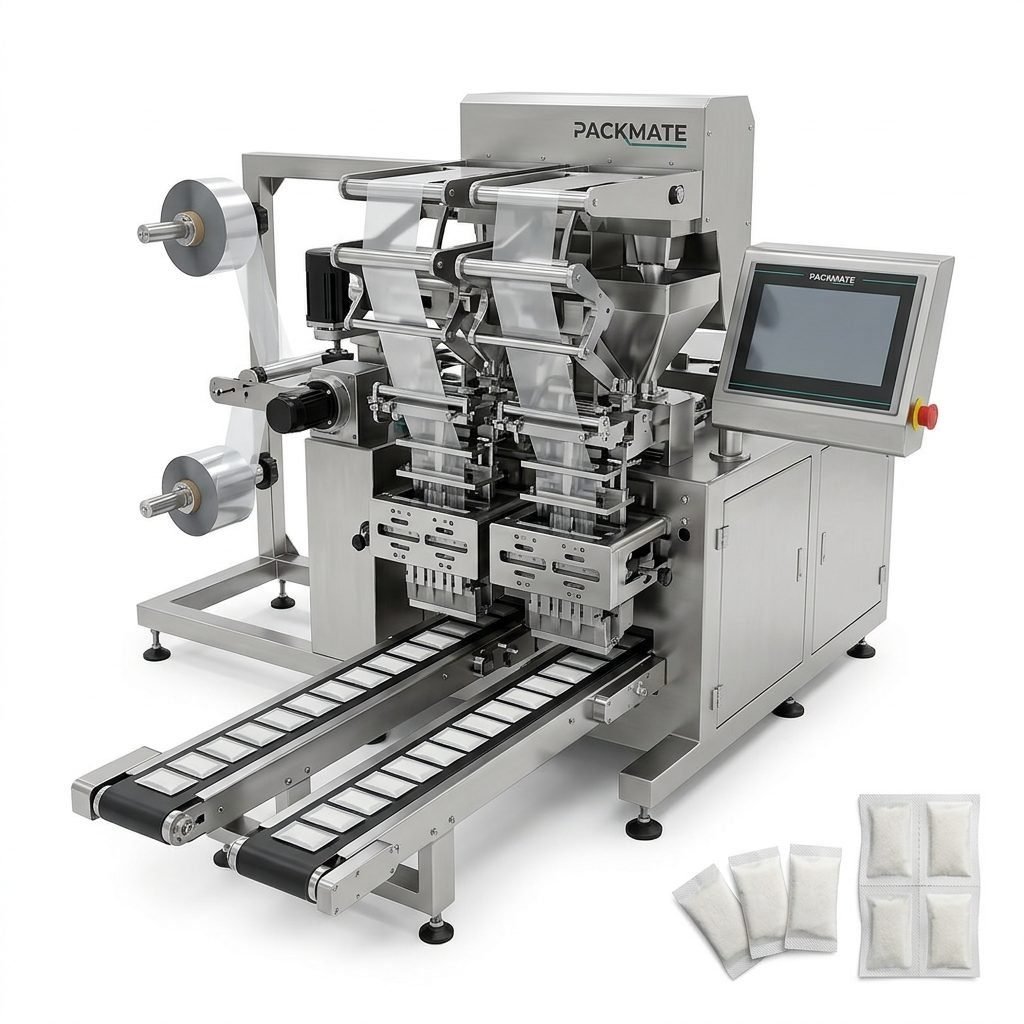
1. Sachet & Stick Pack Machines
Stick pack and sachet machines are commonly used for single-dose nicotine products. They are cost-effective for small to medium formats and provide excellent hermetic seals and controlled dosing for powder or paste formulations. These machines are often modular and can be integrated with filling and labeling subsystems.
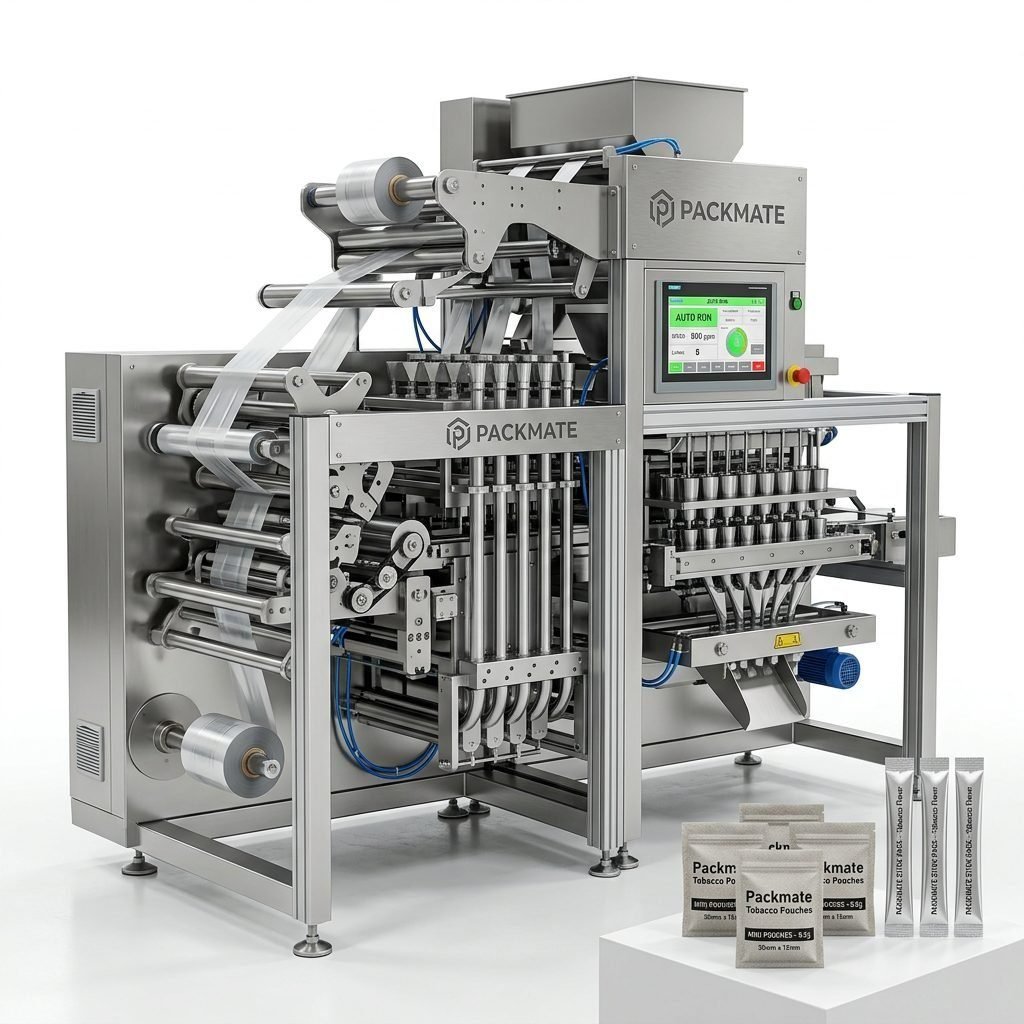
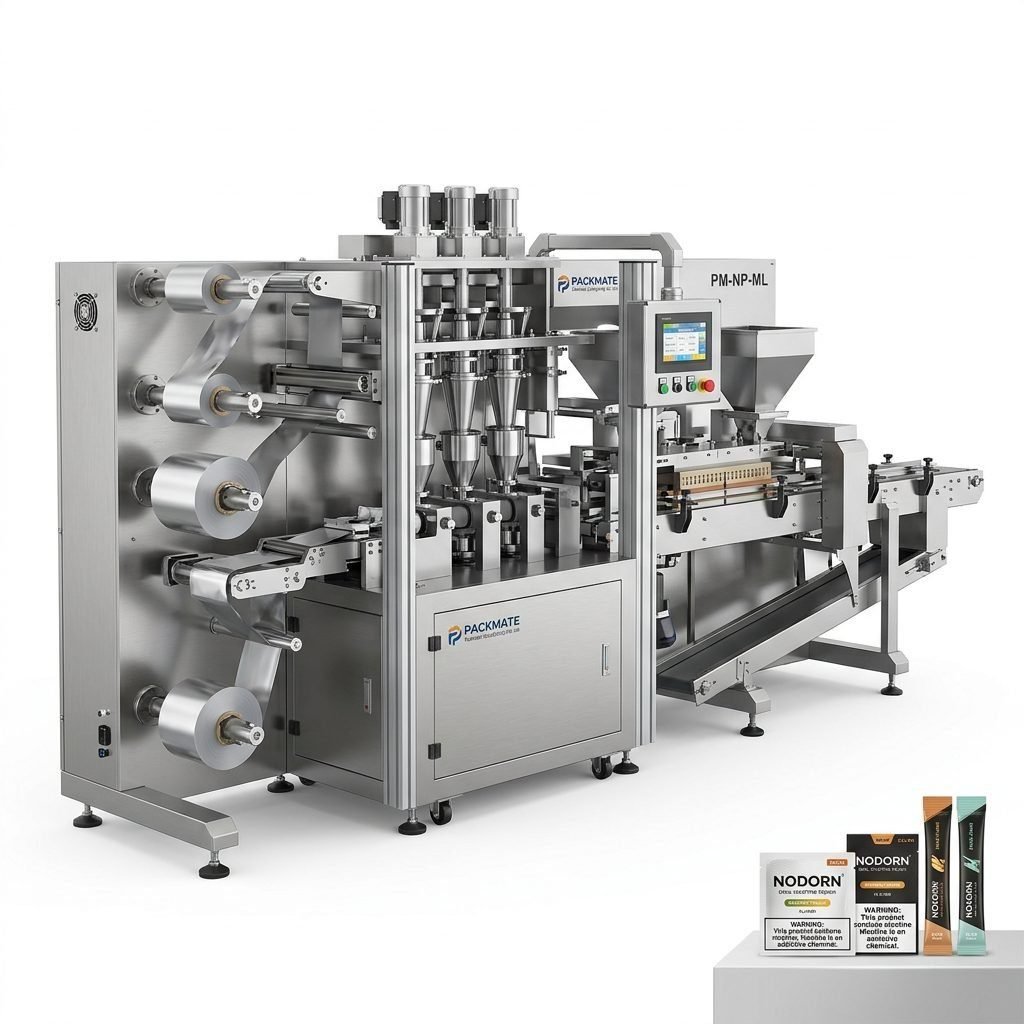
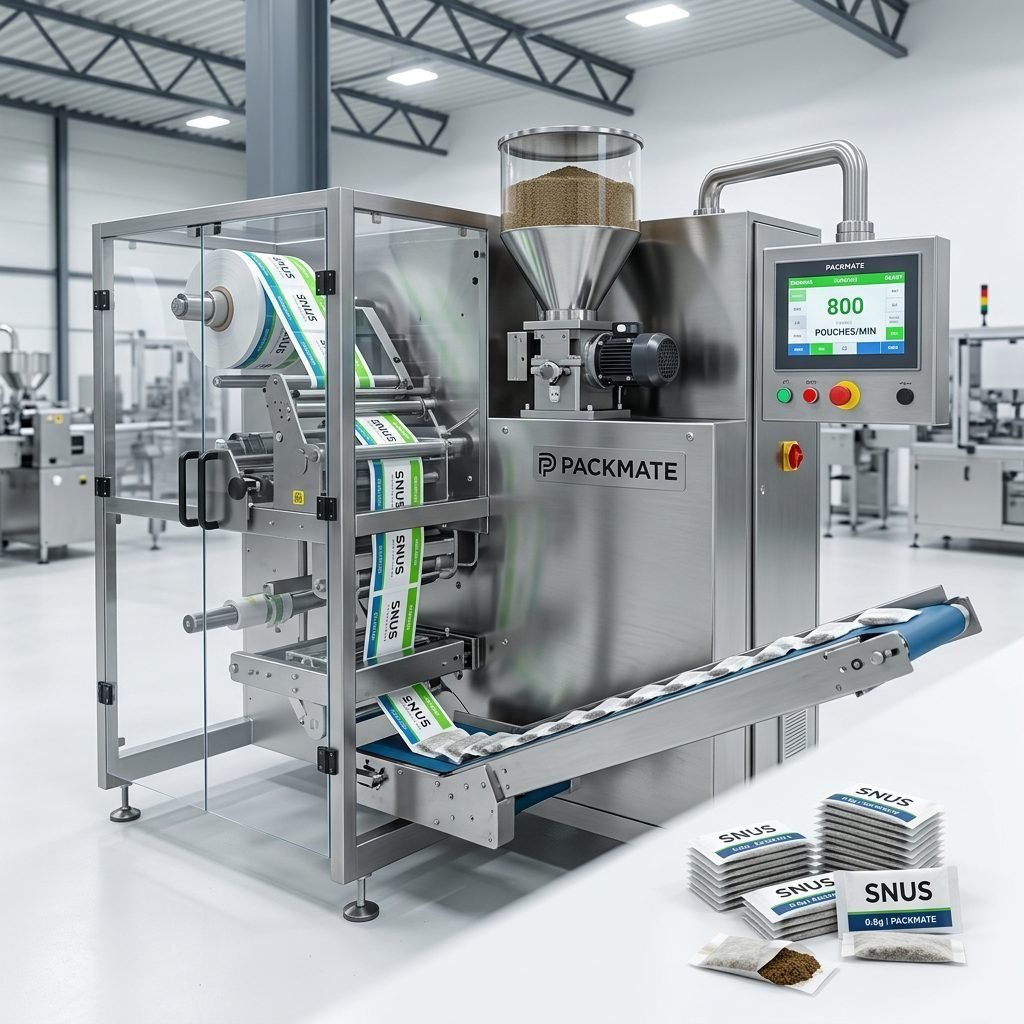
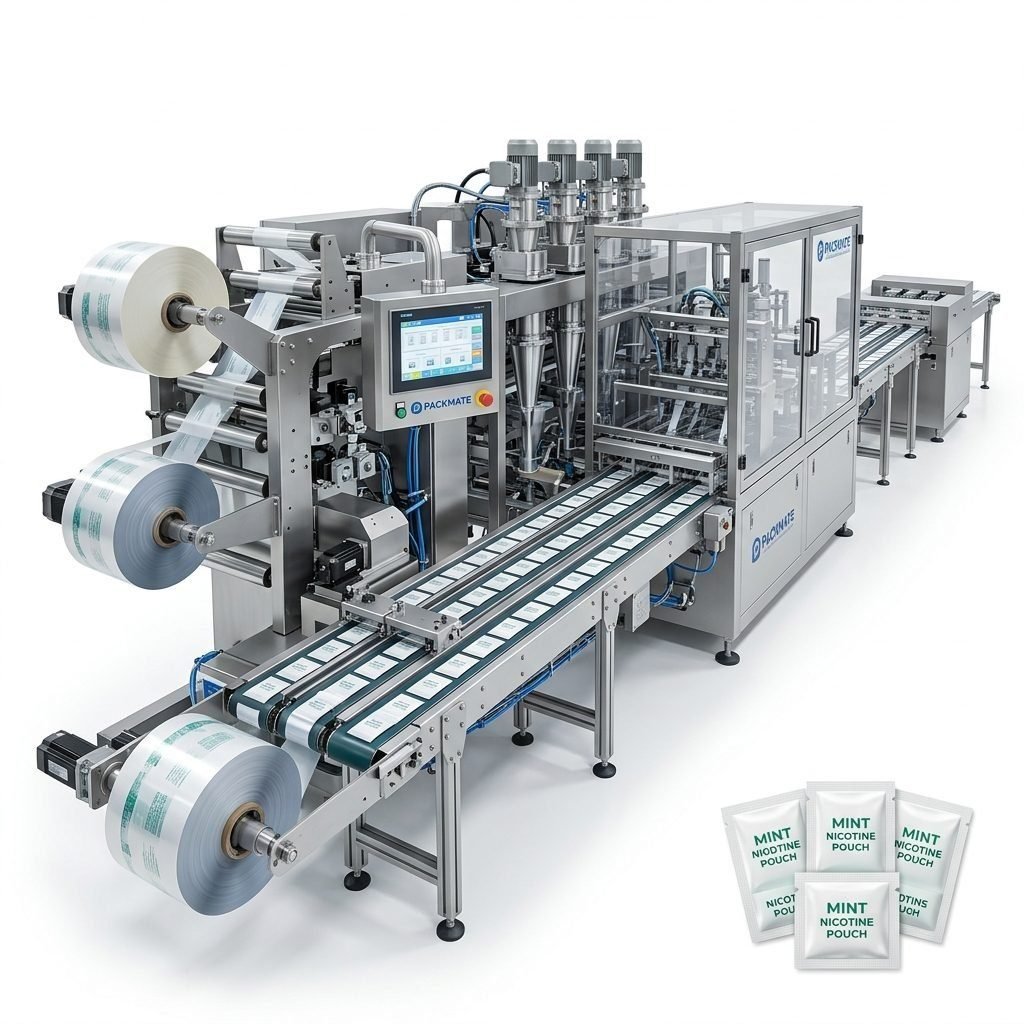
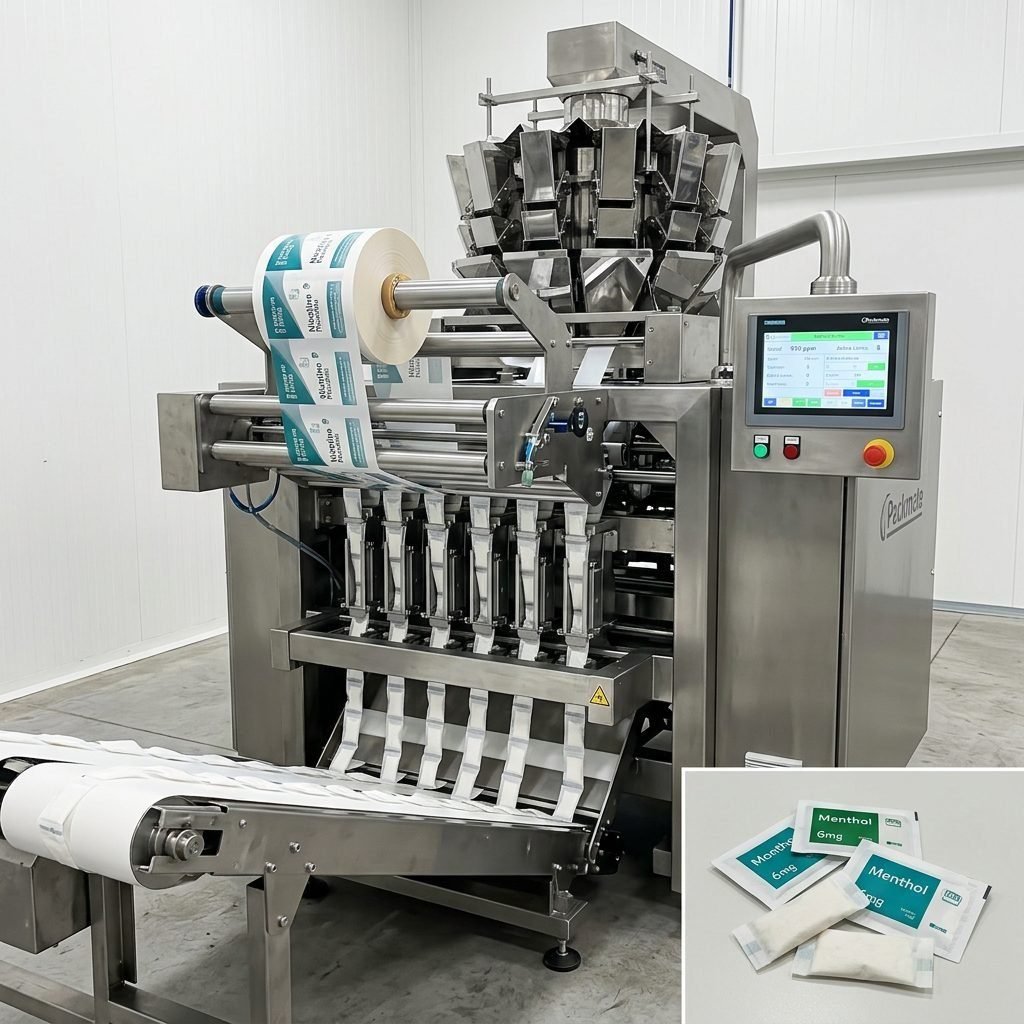
2. Multi-Lane Snus / Nicotine Pouch Machines
Multi-lane systems support several production lanes running in parallel, multiplying output without linearly increasing floor space. They are ideal for producers scaling volume. These lines typically include pouch forming, precision filling, pressing or molding (if needed), and high-speed sealing and cutting.
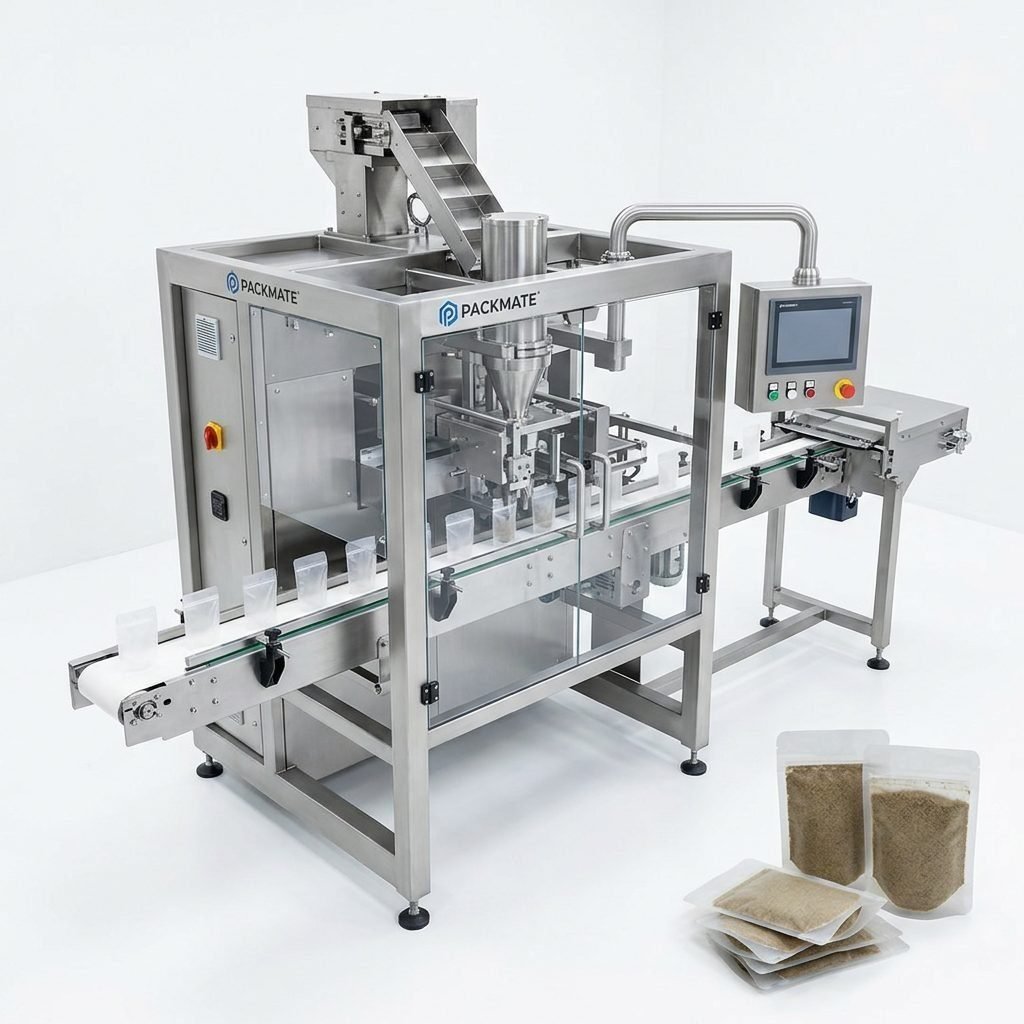
3. Bag & Pouch Packaging Machines
If your product moves from single sachets into secondary packaging (retail pouches, jars, or boxes), integrated bag & pouch machines provide automated grouping, counting, and overwrapping. These machines help prepare sale-ready retail packs with consistent presentation and tamper evidence.
For product catalogs and model options, explore specialized equipment pages such as
Snus & Nicotine Packaging Machines and
Bag & Pouch Packaging Machines.
Cost Components: What You Need to Budget For
Machine purchase price is one part of the equation. Consider these additional cost elements when planning your investment:
- Base machine price (single-lane to multi-lane differential)
- Auxiliary equipment: feeders, conveyor systems, labeling, and packing
- Weighing and dosing systems for accurate nicotine and filler ratios
- Installation, commissioning, and operator training
- Spare parts and preventive maintenance contracts
- Quality control equipment: metal detectors, vision inspection, weight checks
- Packaging materials and tooling for formats and closures
Example: A single-lane stick pack machine may cost significantly less upfront than a 6-lane snus pouch system, but the multi-lane system can deliver 4-6x throughput on the same footprint — a crucial ROI factor for high-volume brands.
Estimated Price Ranges (High-Level)
Price varies by configuration, country of manufacture, and included automation. Below are typical ranges to help you plan:
- Entry-level stick/sachet machines: Suitable for small batches and testing. Lower capital outlay, easy to operate.
- Mid-range single-lane pouch machines: Better accuracy, faster cycles, and more robust build for growing brands.
- High-end multi-lane snus machines: For industrial-scale production with sophisticated controls, multi-lane tech, and full automation.
For concrete model comparisons and product specifications, check resources like
Sachet & Stick Pack Machines and
Weighing & Packaging Systems.
How to Choose the Right Machine for Your Business
Assess Your Market and Volumes
Start with projected monthly volumes and product formats. If you anticipate rapid scale-up, consider multi-lane lines or modular systems that can be upgraded. For niche or seasonal products, a flexible single-lane or sachet solution may suffice.
Material Compatibility and Product Formulation
Machines must handle the specific texture and particle size of your nicotine matrix, fillers, and any moisture content. Request trials and sample runs to validate filling and sealing performance before purchase.
Automation, Controls and Integration
Modern lines feature PLC controls, HMI touchscreens, and recipe storage that simplify changeovers. Verify integration options for upstream dosing and downstream secondary packaging systems to build a cohesive line.
Checklist: capacity targets, lane scalability, dosing accuracy, spare parts lead time, and local service support.
Operational Considerations and Compliance
Compliance with international standards such as CE and ISO matters for export and safety. Choose suppliers that provide certification, test reports, and assistance with validation. Also account for GMP-style facility requirements if you serve regulated markets.
Refer to manufacturer credentials and factory capabilities — Packmate Snus Machine highlights advanced CNC machining, a 20,000㎡ factory, and 30+ years of experience in snus packaging, which can be helpful indicators of reliability. For more company information see
About Packmate.
Installation, Training, and After-Sales Support
Well-supported installations reduce startup time. Ask about onsite commissioning, operator and maintenance training, and recommended spares lists. A service contract with remote support and timely parts supply will increase overall line availability.
Global presence and exhibitions
Suppliers that participate in global exhibitions and provide on-site demos often have robust R&D and customer feedback loops. Visiting live demonstrations helps verify claims about speed, sealing integrity, and changeover times. See exhibition info for scheduling and demos:
Our Exhibition.
Financing and ROI Considerations
Calculate ROI based on throughput increases, labor savings, yield improvement, and reduced material waste. Explore financing, leasing, or phased purchases — starting with core filling and sealing equipment and adding automation later can manage cash flow while expanding capacity.
Quick ROI example: Upgrading to a multi-lane system that multiplies output 4x can cut per-unit overhead dramatically if demand sustains higher volumes.
Working with Packmate and Other Suppliers
When evaluating vendors, consider technical heritage, factory capabilities, customization options, and real-world case studies. Packmate (GuangDong) Co., Ltd. emphasizes over 30 years of engineering experience, 50+ machine models, and turnkey solutions — useful for brands seeking a single-source supplier for snus and nicotine pouch production.
Explore product families like
Filling & Packaging Lines and
Auxiliary Packaging Equipment to design a complete line that fits your workflow.
Practical Steps to Finalize Your Purchase
Follow these steps to reduce risk and ensure the equipment meets expectations:
- Define product specs, packaging formats, and target volumes.
- Request machine quotes with clear inclusions (training, spares, tools).
- Ask for sample runs with your materials — material trials reveal real performance.
- Confirm lead times, installation scope, and warranty terms.
- Plan for future upgrades — modular systems save costs long-term.
Pro tip: Insist on a FAT (Factory Acceptance Test) and SAT (Site Acceptance Test) with your product samples before final acceptance.
Conclusion
Choosing the right nicotine pouch production equipment requires balancing current needs with future scale. Evaluate machine types, automation level, vendor support, and total cost of ownership carefully. With strong supplier partnerships and clear production targets, you can establish a reliable, efficient production line that delivers consistent product quality and supports business growth.
Frequently Asked Questions
Q1: How do I choose between single-lane and multi-lane machines?
A1: Start with your confirmed production volumes and expected growth. Single-lane machines are flexible and lower cost for smaller runs; multi-lane systems offer dramatically higher throughput and better footprint efficiency for established or scaling brands.
Q2: What certifications should I look for in a supplier?
A2: Look for CE and ISO compliance as baseline indicators. Also request documentation for electrical safety, materials contact surfaces (food-grade stainless steel), and any additional country-specific regulatory requirements.
Q3: Can suppliers run trials with my formula before purchase?
A3: Reputable manufacturers offer sample trials or FAT demonstrations using your materials. This step is essential to validate filling accuracy, sealing quality, and cycle speeds with your specific product.
Q4: What after-sales services are most important?
A4: Timely spare parts supply, remote troubleshooting support, preventive maintenance programs, and onsite technical assistance for commissioning and major repairs are crucial to maintain uptime and protect your investment.
Q5: How do I get a quote or request more info?
A5: Contact the supplier directly for tailored machine options, quotations, and factory tours. For Packmate-related inquiries, see the contact page: Contact Us.