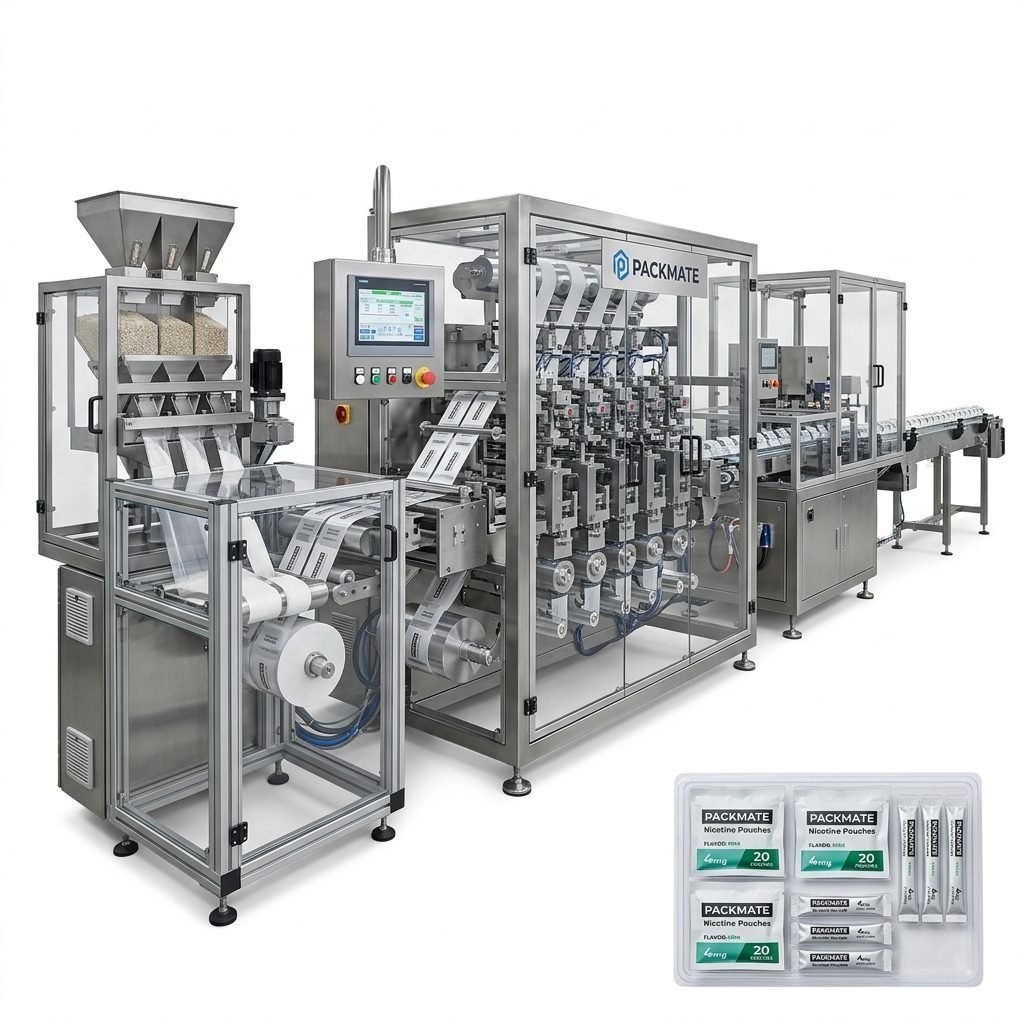
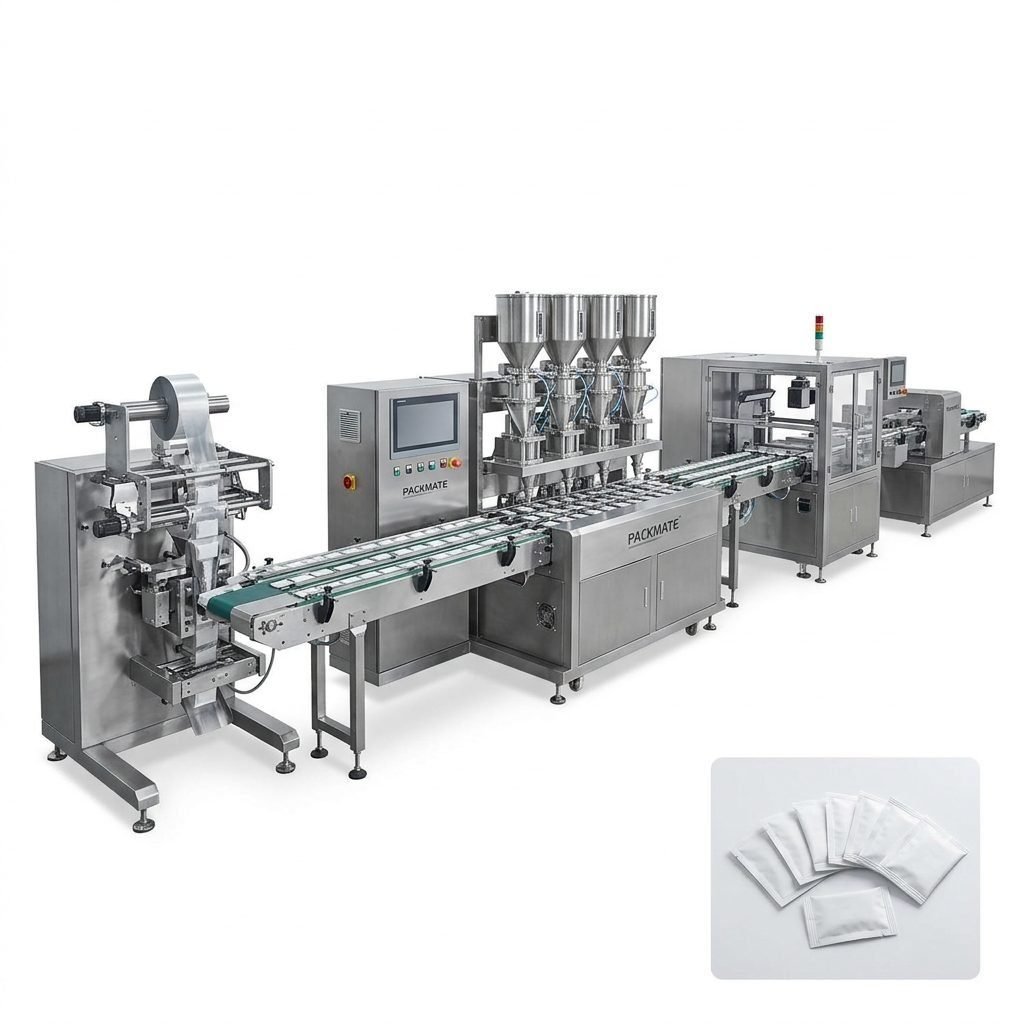
Choosing the right snus packaging machinery supplier for your Belize production needs is a strategic decision that affects product quality, regulatory compliance, and long-term profitability. This guide walks you through practical, locally relevant steps to evaluate vendors, compare technical options, and secure a supplier who can deliver reliable, cost-effective packaging lines tailored to Belize’s market and operational realities.
🔍 Understand Belize’s Market, Culture, and Regulatory Context
Belize is unique in Central America: English is the official language, while Spanish and Creole are widely spoken. That cultural mix affects labeling, user instructions, and marketing materials. When selecting a supplier, ensure they can provide bilingual documentation (English and Spanish) and flexible label printing capabilities. Also recognize Belize’s tropical climate — high humidity and seasonal rains mean packaging equipment and film choices must protect pouches from moisture and degradation.
Regulatory frameworks for nicotine products vary and can change quickly. Rather than relying on assumptions, partner with suppliers who emphasize compliance support and can adapt machines and documentation to meet local requirements. Confirm the supplier’s experience with export paperwork and their familiarity with Belizean import procedures (Belize City port, customs clearance, duties, and VAT handling).
✅ Core Technical Criteria for Snus Packaging Machines
When comparing machines, focus on these technical features — they determine whether a line will meet your output goals and product quality expectations:
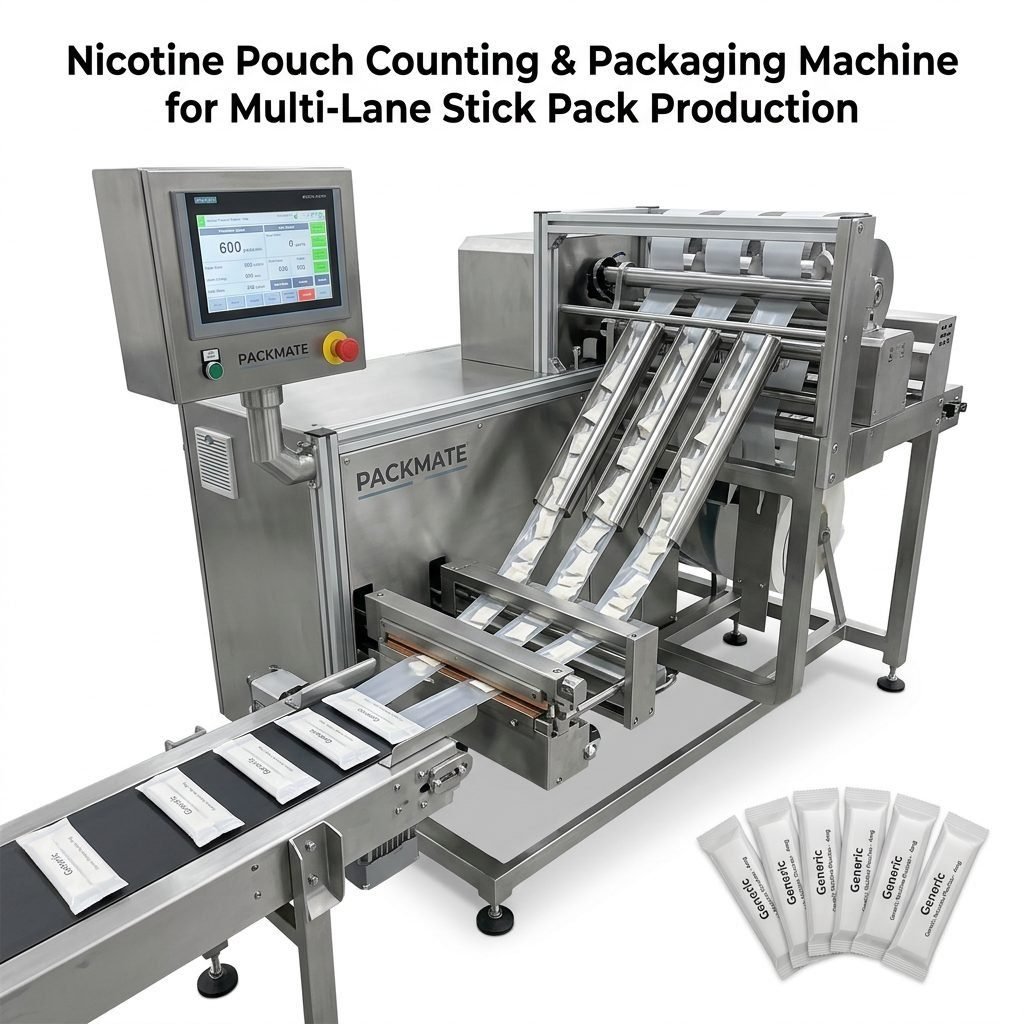
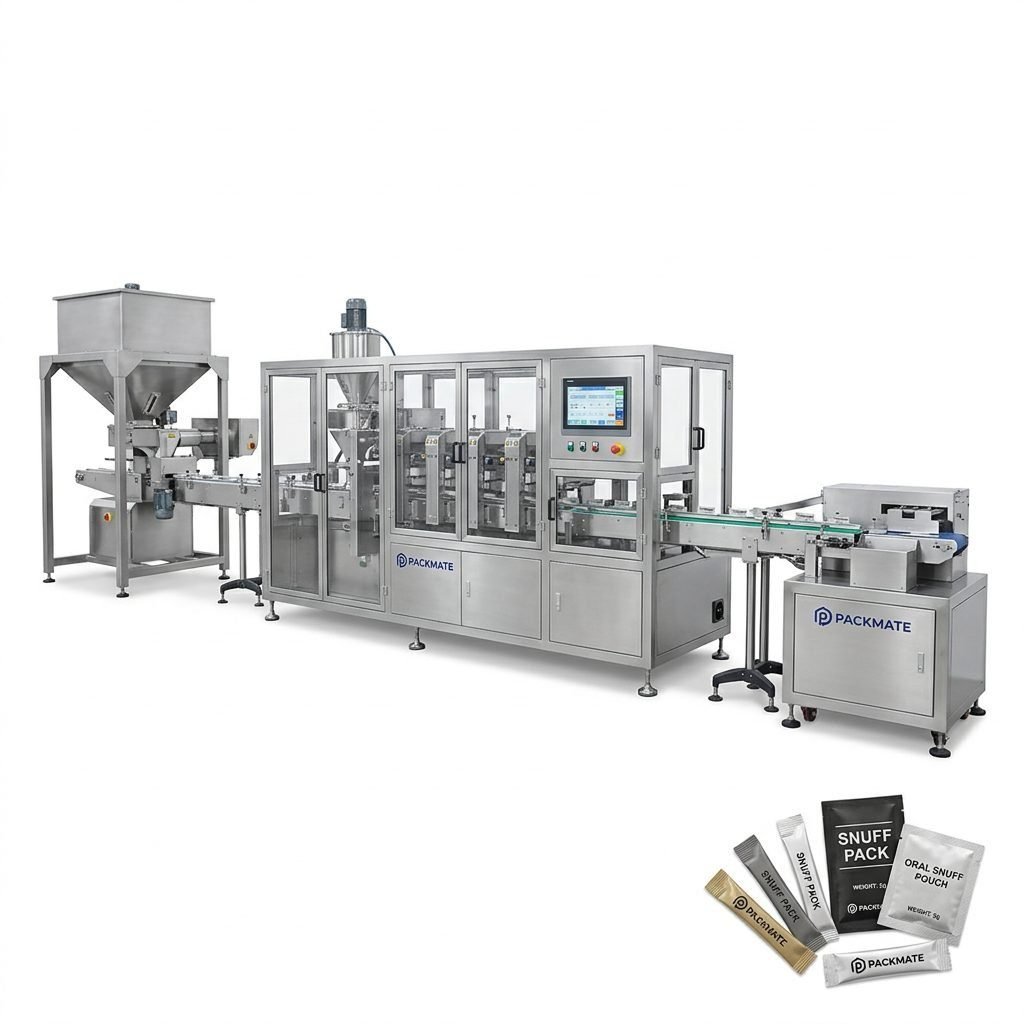
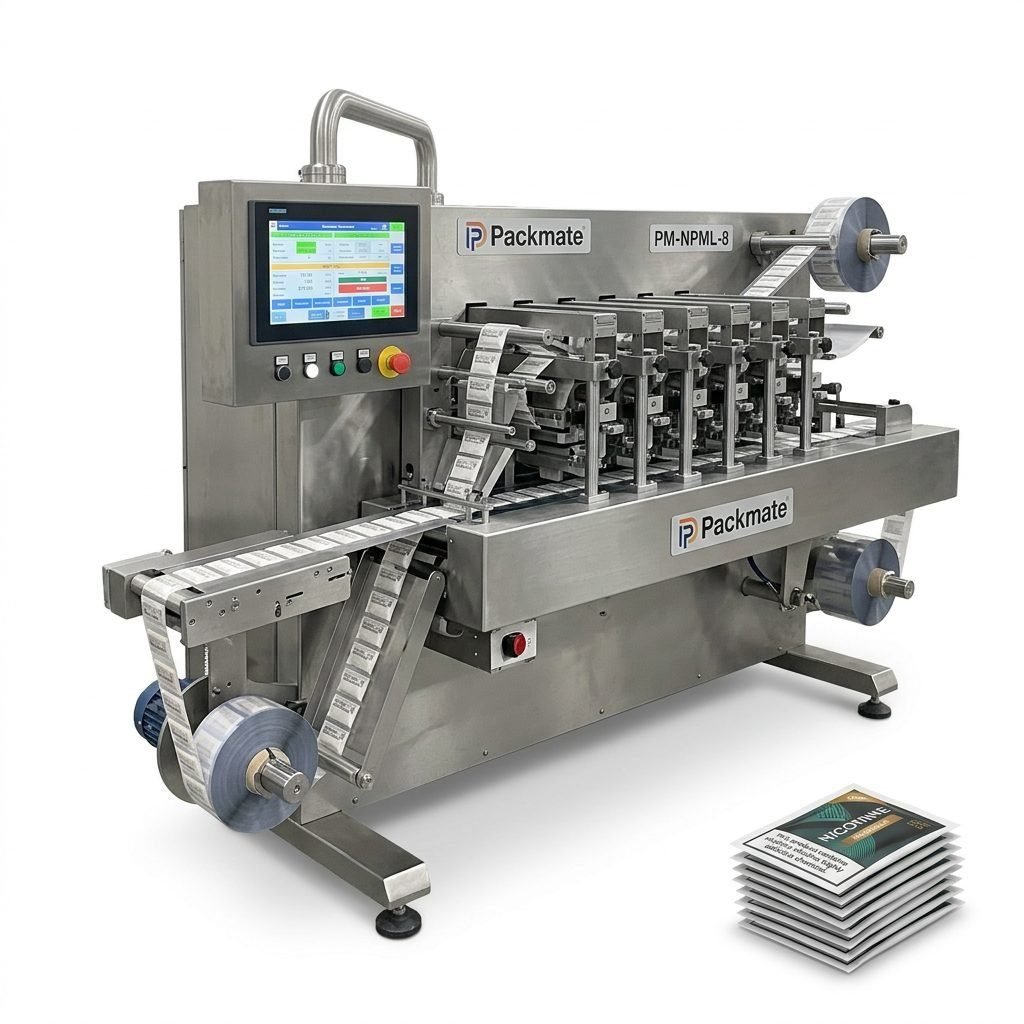
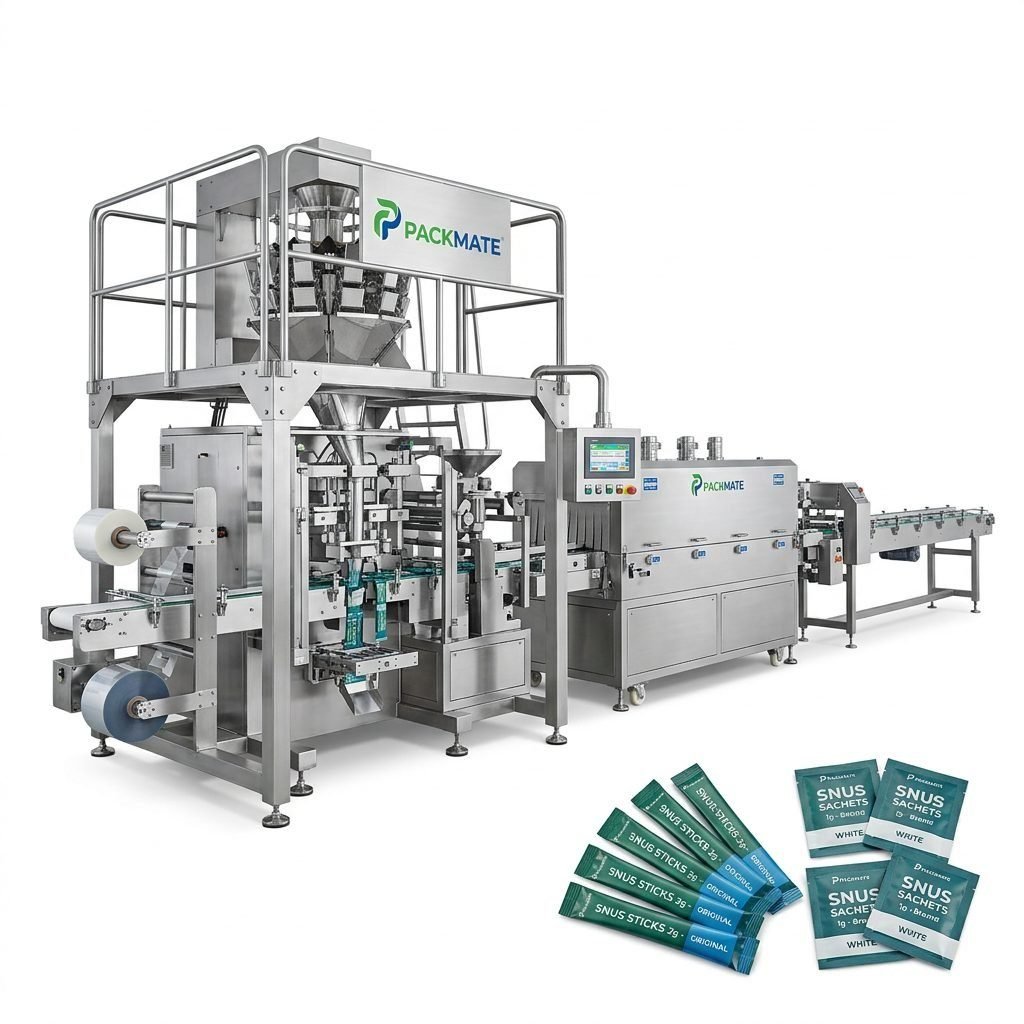
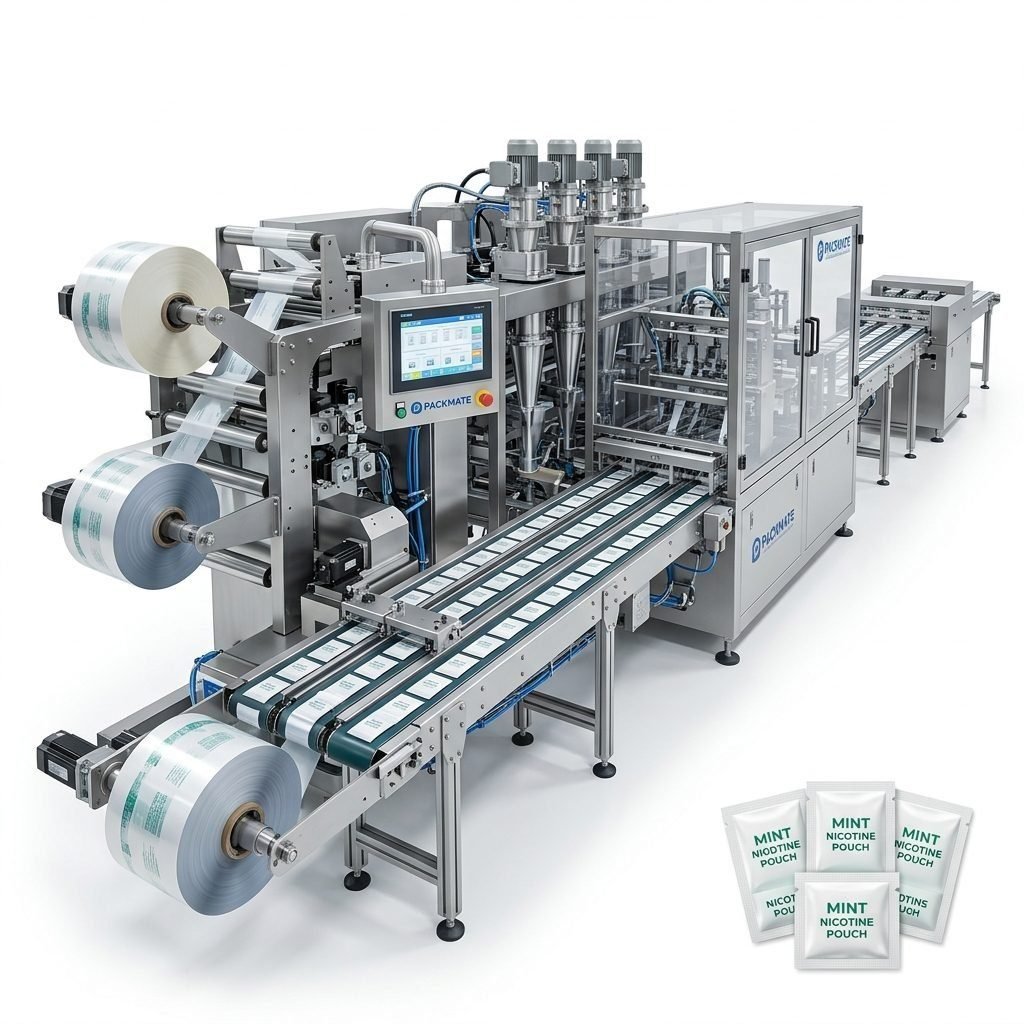
- Packaging format flexibility: Can the machine run nicotine pouches, snus sachets, stick packs, and different pouch sizes? Multi-format capability reduces the need for multiple pieces of equipment.
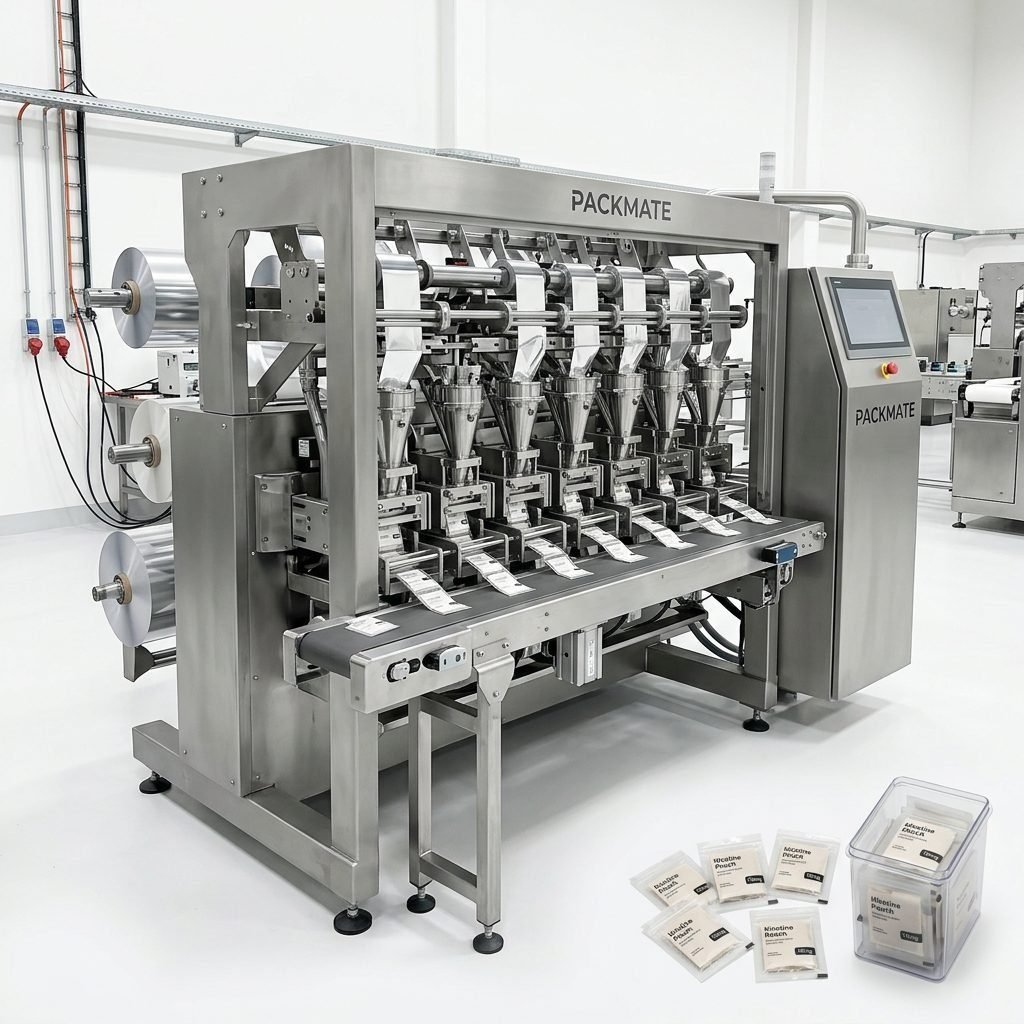
- Speed & throughput: Measured in pouches per minute or lanes × speed. Choose a machine matching your forecasted daily output while leaving room for growth.
- Accuracy & filler compatibility: High-precision dosing is crucial for consistent nicotine pouch weights. Confirm integration with your preferred filling system and weighers.
- Humidity control & sealing: Sealing quality and material compatibility are essential in Belize’s humid climate. Machines with robust sealing systems and film pre-heating perform better.
- Maintenance accessibility: Easy access to wear parts, standardized components, and clear maintenance instructions reduce downtime and service costs.
- Automation & HMI: Intuitive touchscreen controls, recipe management for multiple SKUs, and remote diagnostic capability speed line changeovers and troubleshoot remotely.
Recommended product references
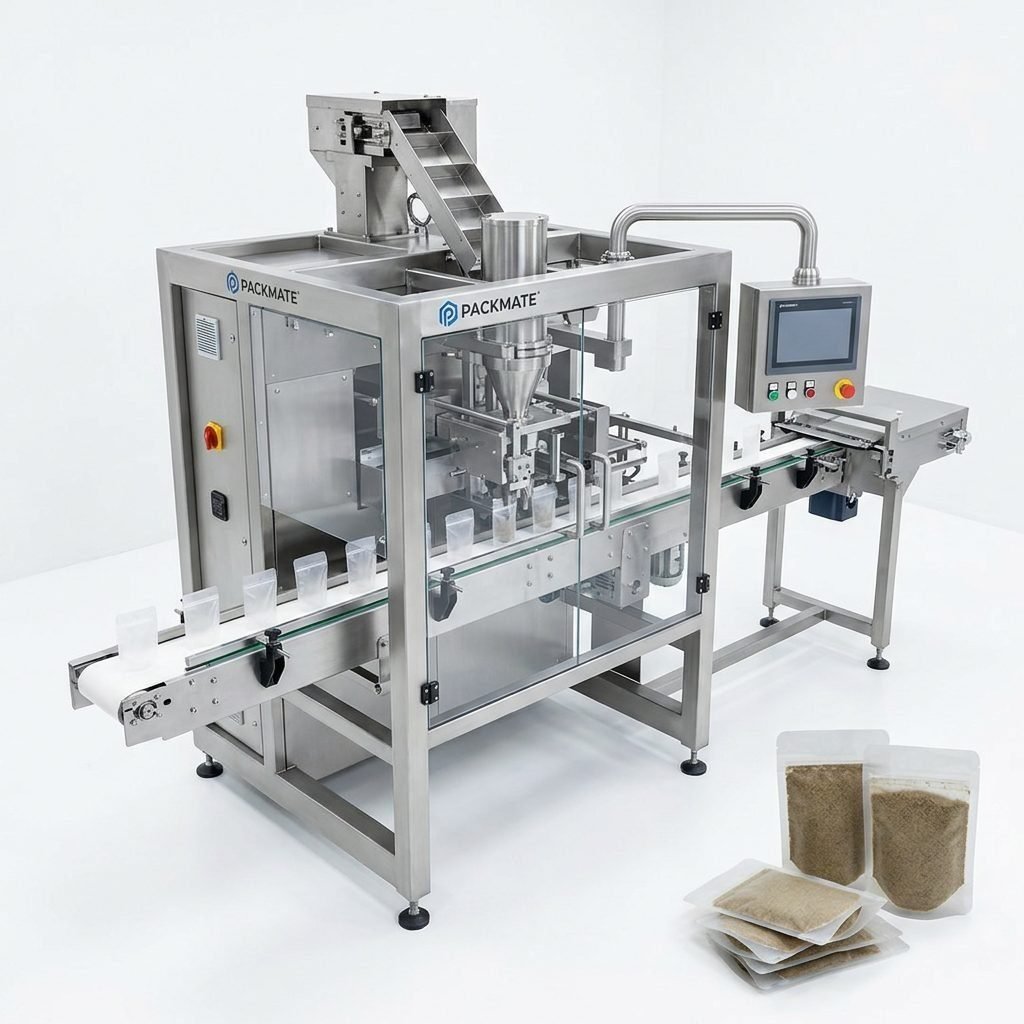
To evaluate specific machine families and technical details, review manufacturers’ product pages. For snus-specific options and multi-lane lines, see the supplier’s Snus & Nicotine Packaging Machines page. If you also plan to package in pouches or bags, check Bag & Pouch Packaging Machines for compatible formats.
– Snus & Nicotine Packaging Machines: product details
– Bag & Pouch Packaging Machines: product details
🏭 Supplier Capabilities, Factory Strength and Certifications
A reliable supplier delivers more than hardware. Look for manufacturing scale, precision engineering, and documented quality systems. Key indicators include factory area, CNC machining centers, strict quality control, and a track record of turnkey solutions. Suppliers with CE and ISO certifications show commitment to international standards and safer export compliance.
If vendor transparency matters, request factory photos, machine build logs, and certification copies. Learn about their company history and development timeline to assess stability and R&D capability. For details about one established manufacturer, see About Packmate and their Certificate section for factory and quality information.
– About Packmate: company profile
– Certificates & standards: certificates
After-sales, spare parts & training
After-sales care is often the most critical factor for operations in Belize, where local technical resources may be limited. Ask suppliers about:
- On-site installation and commissioning services
- Operator and maintenance training sessions, including bilingual manuals
- Spare parts lead times and local stock options
- Remote diagnostics and timely technical support
Contact and service pages will show how organized a supplier’s global support network is — check their Service and Contact Us pages for response processes and local partner listings.
– Service: support offerings
– Contact Us: get in touch
⚙️ Integration: Weighers, Fillers, and Auxiliary Equipment
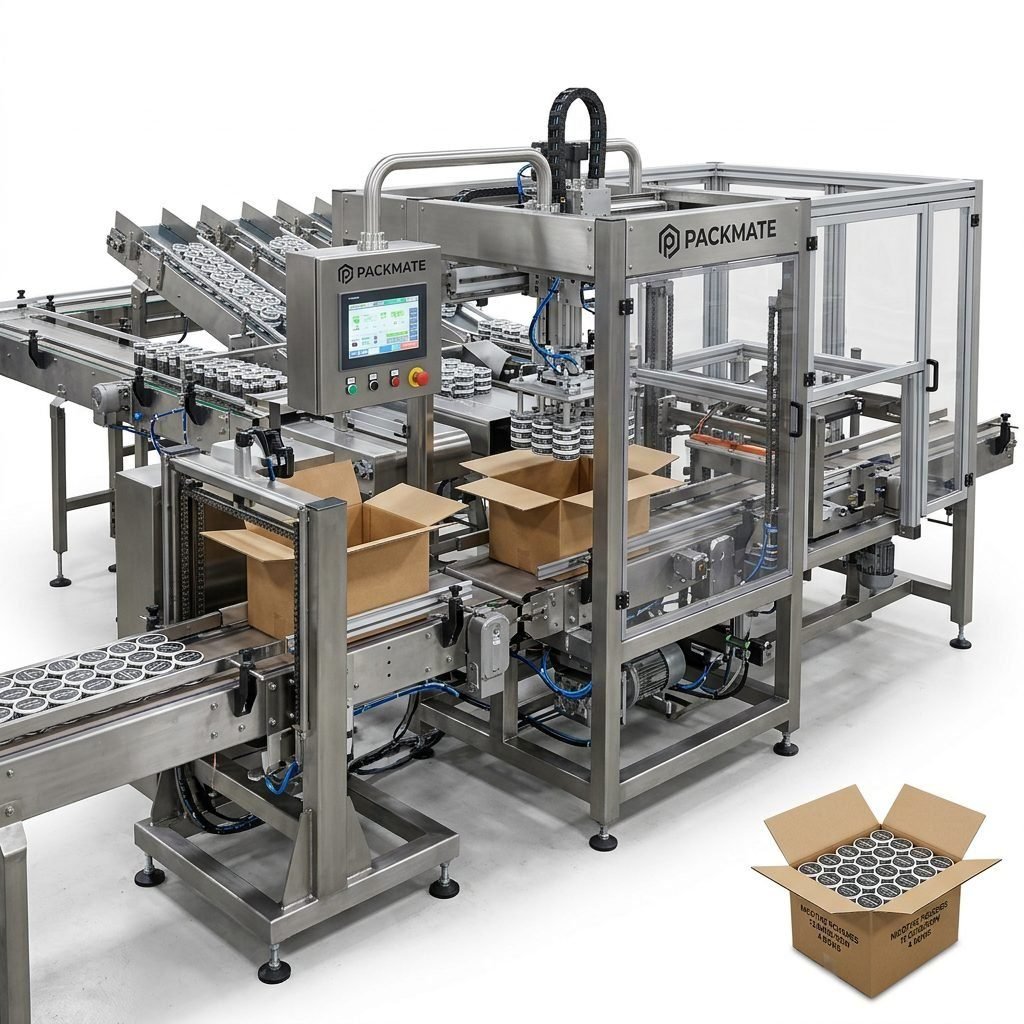
Modern snus production lines rarely run standalone machines. Confirm the supplier’s ability to integrate weighing systems, fillers, conveyors, and end-of-line solutions. Seamless integration reduces changeover times and improves overall equipment effectiveness (OEE).
Review the supplier’s auxiliary and weighing product pages to see compatibility examples and pre-configured turnkey options:
– Weighing & Packaging Systems: weighing systems
– Filling & Packaging Lines: filling and lines
– Auxiliary Packaging Equipment: auxiliary
Quick checklist: Choose machines with proven filler compatibility, recipe-based HMI, and inline quality inspection (weight/visual/seal checks).
📋 How to Evaluate and Shortlist Suppliers
A structured evaluation process helps you compare apples to apples. Follow these steps to create a shortlist:
- Issue a clear RFP including expected formats, throughput, environmental constraints, and documentation language requirements.
- Request machine datasheets, typical layouts, and electrical/pneumatic utilities lists.
- Ask for client references and case studies in similar markets. Review performance data (uptime, mean time between failures).
- Arrange virtual or onsite demonstrations. If possible, request sample runs with your actual materials.
- Get a total cost of ownership (TCO) estimate covering installation, training, spare parts, and energy usage.
Look for suppliers who can provide real-world case studies — these often show how a manufacturer adapts machines for different climates and regulatory environments. See their Case section for examples of deployed systems and customer experiences.
– Case studies: customer cases
Red flags to watch for
Beware of suppliers who cannot provide verifiable references, have vague warranty terms, or offer no clear spare parts plan. Also exercise caution if control systems are proprietary without options for third-party service or if documentation is only in a foreign language.
💰 Pricing, Financing and Total Cost Considerations
Price is only one element; a low purchase price can become expensive through downtime, frequent part replacements, or poor energy efficiency. Request detailed breakdowns for:
- Base machine price plus optional extras
- Shipping, insurance, and import duties to Belize
- Installation, commissioning, and training costs
- Warranty scope and duration, plus extended coverage options
- Annual maintenance contracts and spare parts kits
Consider negotiating phased payments tied to milestone delivery and performance acceptance tests (FAT & SAT). Some manufacturers provide financing or leasing options; ask your supplier about flexible terms suitable for Belizean importers.
🚚 Logistics, Installation and Local Partnering in Belize
Belize’s main port and logistics nodes should influence delivery planning. Confirm whether the supplier will manage door-to-door shipping or simply FOB. For smaller operations, a turnkey approach that includes crating, shipping, customs clearance, on-site assembly and operator training simplifies setup and shortens the time to market.
Ask about local representation or technical partners in Central America who can provide faster response times. If the supplier has shipped to nearby countries, request the contact details of the importer to verify service quality after delivery.
Installation & commissioning tips
Plan site preparation early: electrical supply specifications, compressed air quality, and floor load capacities. Ensure there is climate control where machines will run, especially to maintain consistent humidity and temperature for sealing and product stability.
Pro tip: Schedule FAT (Factory Acceptance Test) before shipment and demand video evidence of test runs with your materials where possible.
📝 Contract, Warranty and Acceptance Criteria
Before finalizing the purchase, ensure the contract clearly defines delivery terms, acceptance tests, performance guarantees, spare parts kit, training scope, and warranty. Include KPIs for production throughput and acceptable failure rates. Specify penalties or remedies for missed milestones.
👣 Onboarding: From Installation to First Production Run
A smooth start-up includes proper operator training, preventive maintenance schedules, and first-production audits. Validate product quality through sample runs and measure performance against the agreed acceptance criteria. Keep clear documentation of any deviations during the acceptance period to trigger supplier support if needed.
Local workforce & training considerations in Belize
Because English is commonly used in Belize, training delivered in English will be effective, but Spanish or Creole-speaking support can be helpful for broader operator groups. Ask the supplier for bilingual training materials and consider a train-the-trainer plan to build internal expertise quickly.
Conclusion
Selecting the best snus packaging machinery supplier for Belize requires balancing technical performance, regulatory readiness, local climate adaptation, and strong after-sales support. Prioritize suppliers with proven snus experience, transparent TCO calculations, and flexible turnkey services that simplify import, installation, and training. A well-chosen supplier helps you deliver high-quality nicotine pouches reliably and cost-effectively into Belize’s market.
Frequently Asked Questions
Q1: What certifications should I demand from a snus packaging machine supplier?
A1: Look for CE and ISO certifications as baseline evidence of manufacturing quality and safety. Also review any export documentation and compliance support the supplier provides for nicotine product markets.
Q2: How important is humidity control for snus packaging in Belize?
A2: Very important. Belize’s tropical climate can affect sealing and shelf life. Choose machines with strong sealing systems and test films under local humidity. Consider climate-controlled production zones and desiccant or barrier films.
Q3: Should I buy a single-format machine or invest in flexible, multi-format lines?
A3: If you plan multiple SKUs or expect product evolution, multi-format machines and modular lines offer better long-term value despite higher initial costs. They reduce the need for multiple machines and increase flexibility for market changes.
Q4: How can I test a supplier’s machine before purchase?
A4: Request a Factory Acceptance Test (FAT) with your materials, or an on-site demonstration if feasible. Video demonstrations are a good alternative — ensure the supplier records the entire test run and provides detailed output data.
Q5: Where can I find reliable supplier information and product catalogs?
A5: Start with the manufacturer’s official product and catalog pages to compare machine specs and factory capabilities. For more details on solutions and exhibitions, explore the manufacturer’s Catalog and Our Exhibition pages to verify presence and industry engagement.