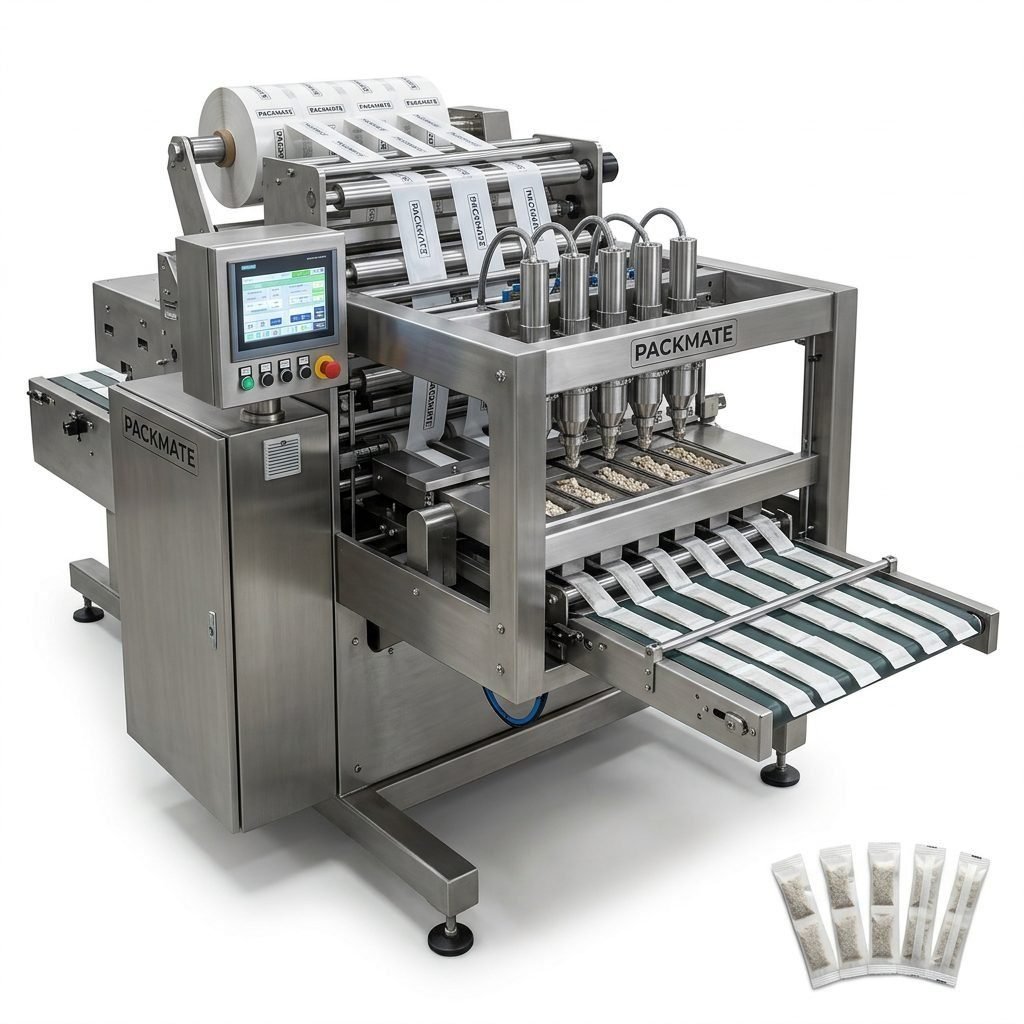
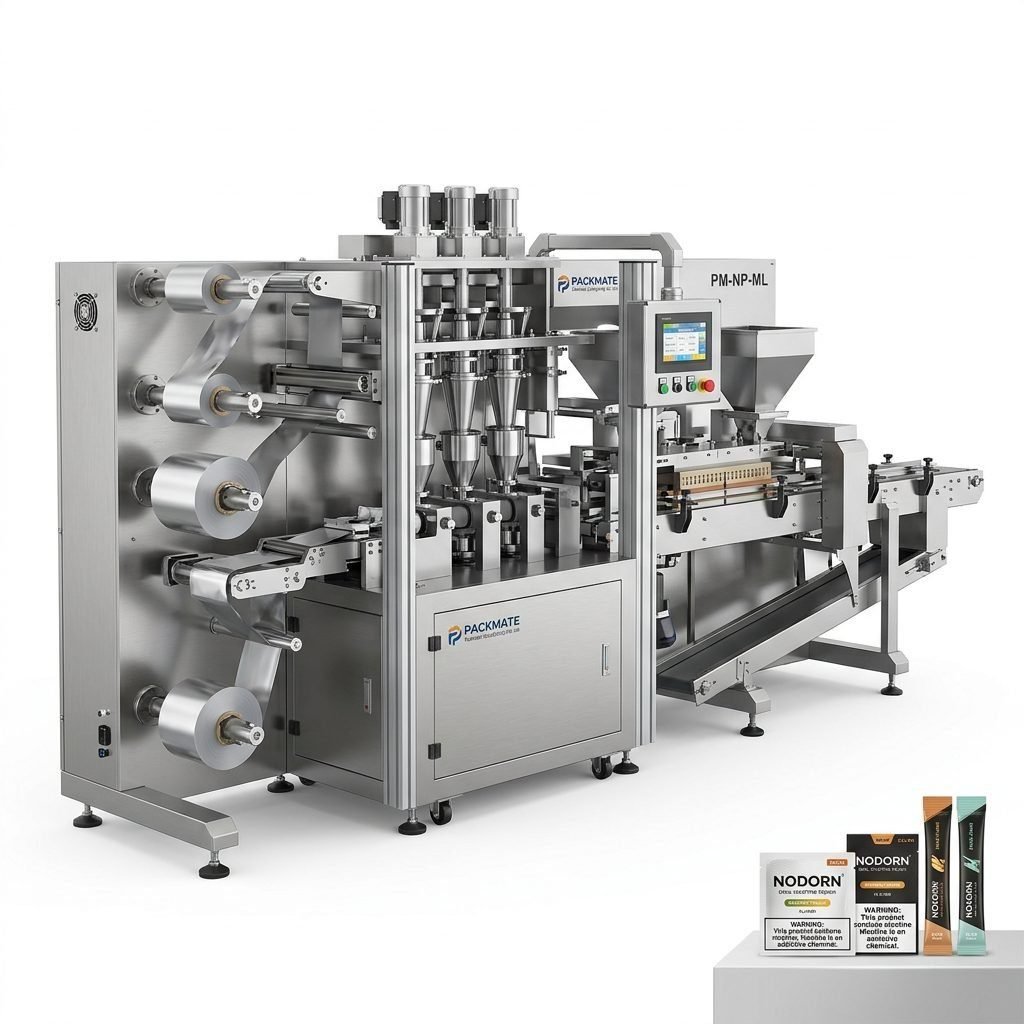
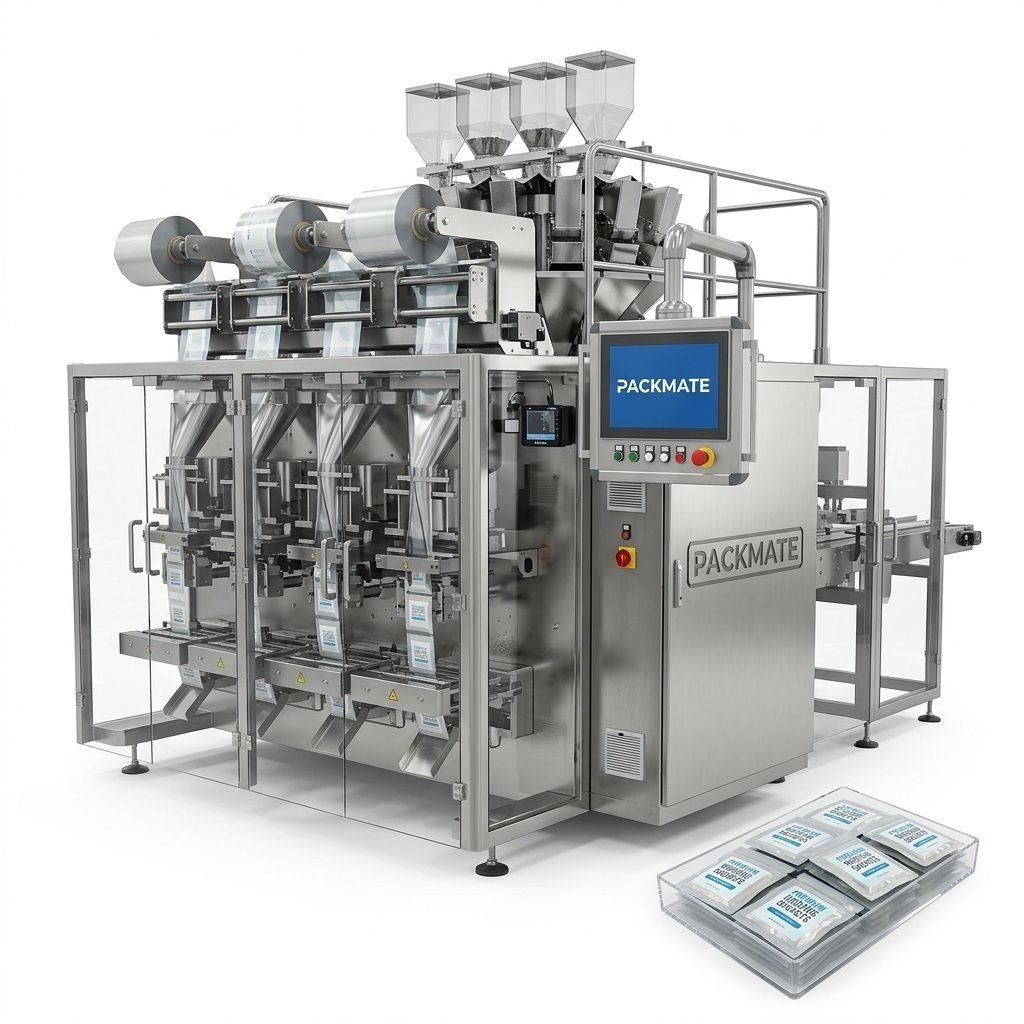
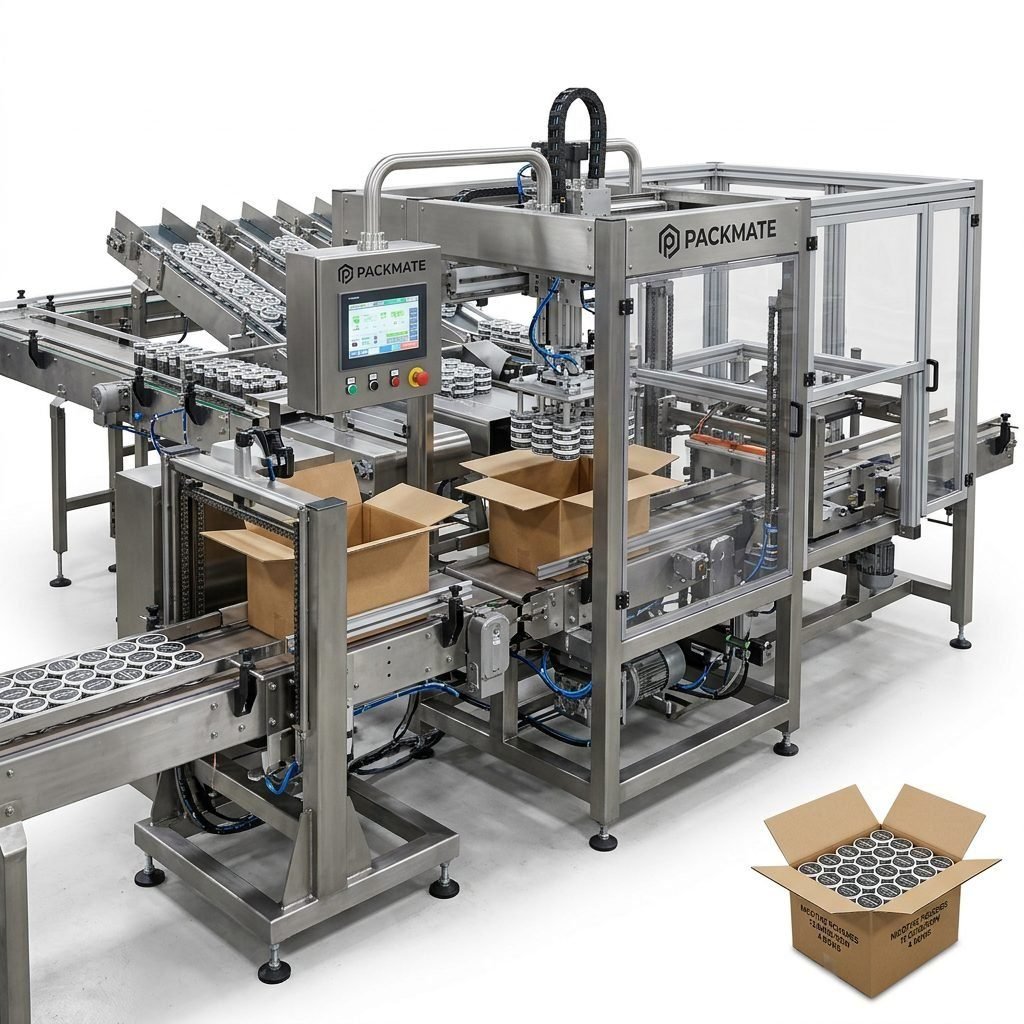
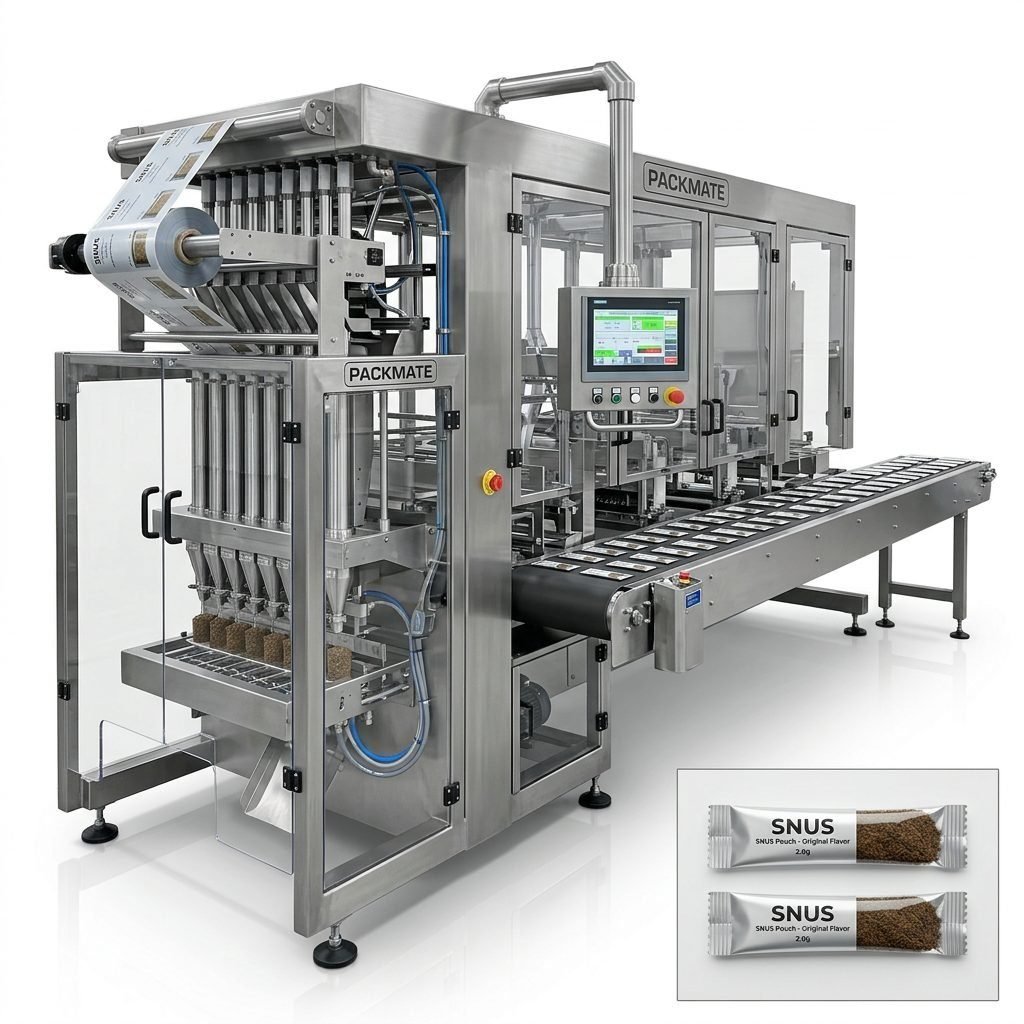
Choosing the best snus packaging machine manufacturer in Libya can define the success of your production line, affect product quality, and determine long-term operational costs. Whether you are launching a new nicotine pouch brand or scaling an existing operation, selecting the right partner — one with robust engineering, reliable after-sales service, and proven global experience — is essential. This guide walks you through the most important considerations to help you make an informed decision for your business.
Understand the core capabilities you need
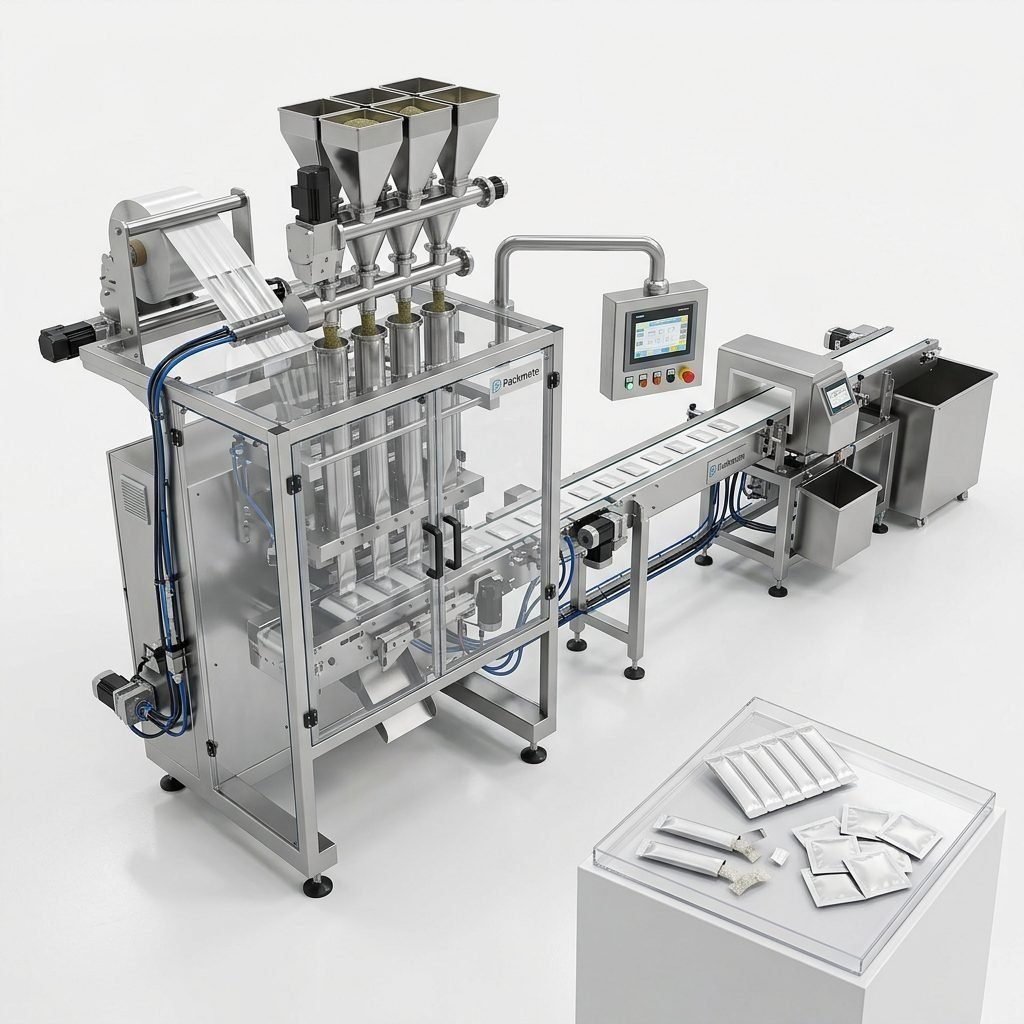
Before contacting suppliers, clarify your production goals: expected daily output, pouch formats (stick pack, sachet, multi-lane snus pouches), dosing precision, and whether you require integrated weighing, labeling, or secondary packaging. Aligning these requirements upfront saves time and ensures you request accurate proposals.
Key production considerations:
⚙️ Output rate — Machines must meet your planned throughput (pouches/min or lanes x pouches).
🧩 Format flexibility — Look for machines that handle multiple pouch sizes or that can be retooled easily.
🎯 Dosing accuracy — Critical for nicotine pouches and regulatory compliance.
Why manufacturer experience and factory strength matter
Manufacturer experience directly impacts machine reliability and maintenance cycles. A supplier with decades of engineering experience and a sizable factory demonstrates stable production capabilities and mature quality control processes. For example, a manufacturer operating a 20,000㎡ facility with advanced CNC centers and precision assembly lines is more likely to deliver consistent, durable equipment than a small workshop without such investments.
What to look for in manufacturer credentials
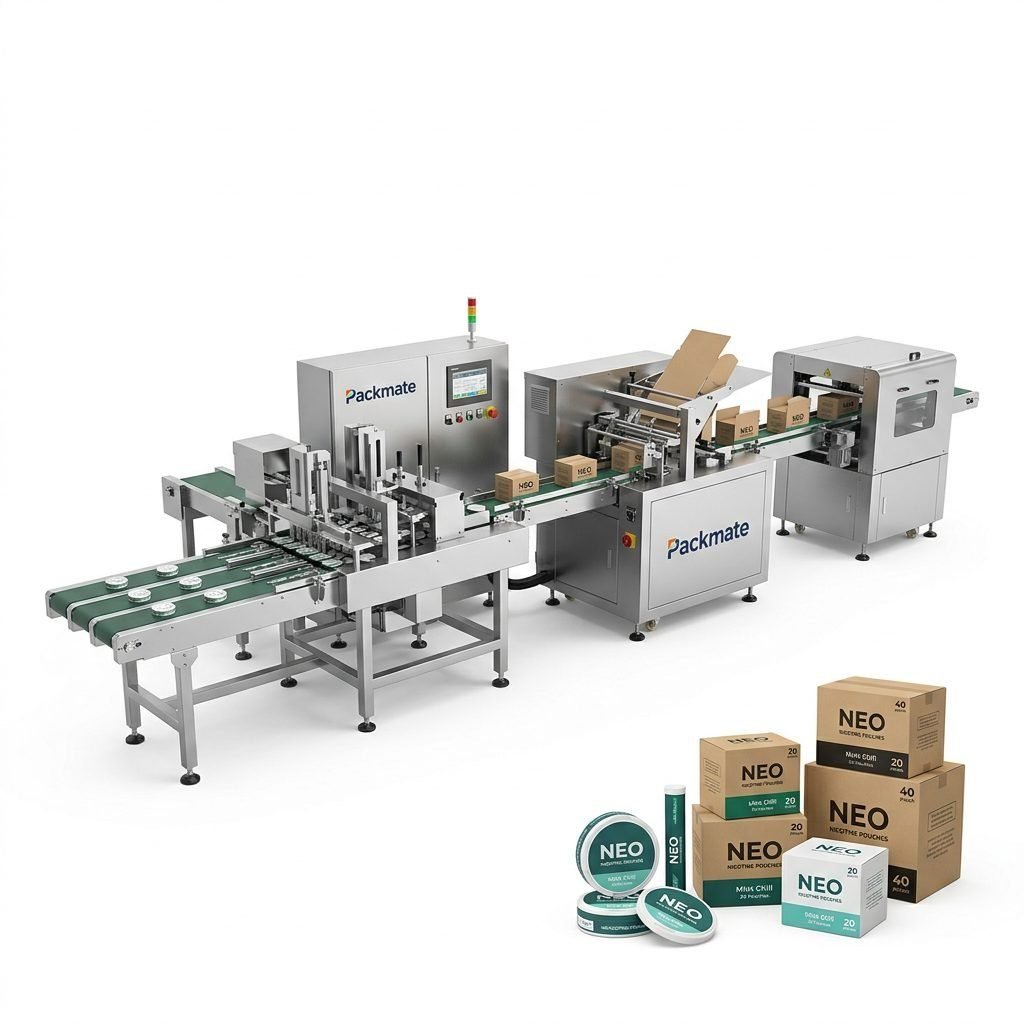
Seek companies with international certifications (CE, ISO) and a track record of global projects. Verify case studies or references showing similar snus or nicotine pouch installations. You can review product categories and case examples to confirm relevance to your needs:
Snus & Nicotine Packaging Machines,
Case, and
About Packmate.
Assessing technical features and customization options
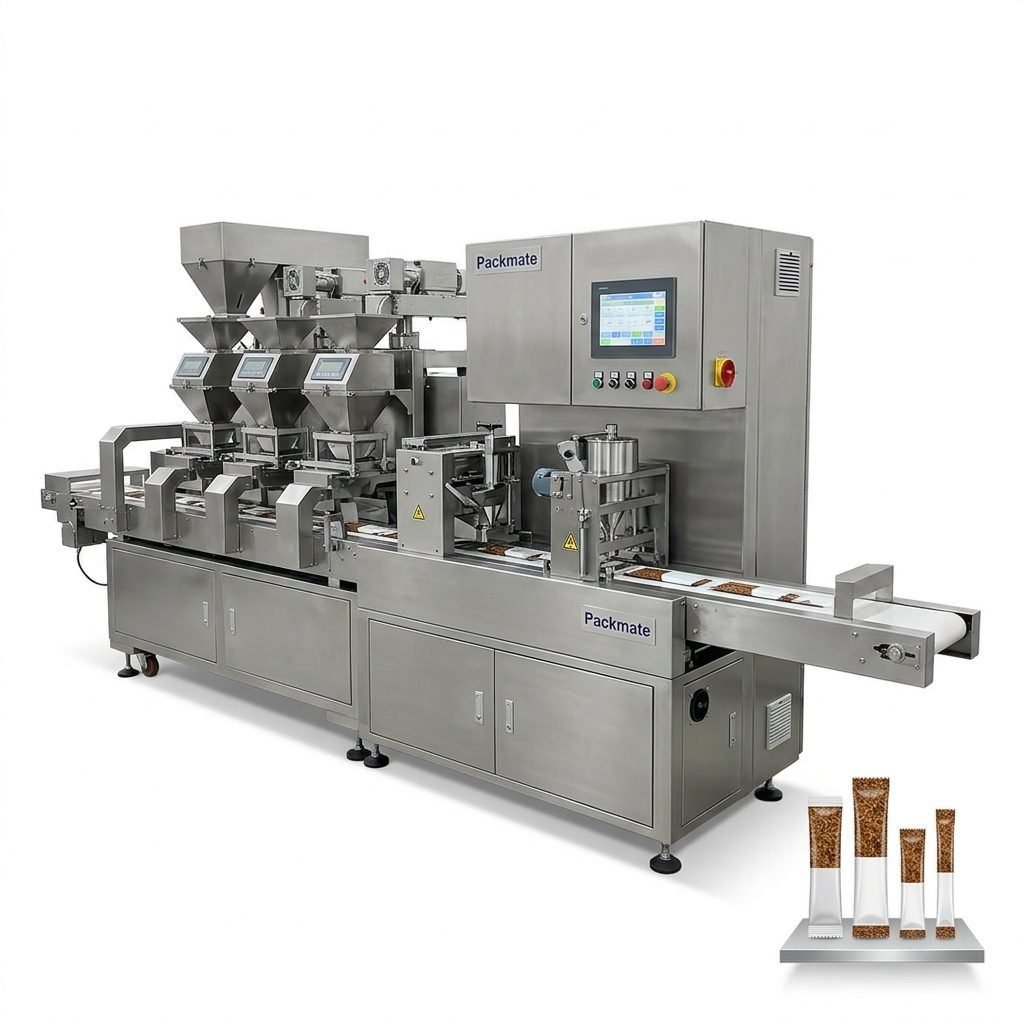
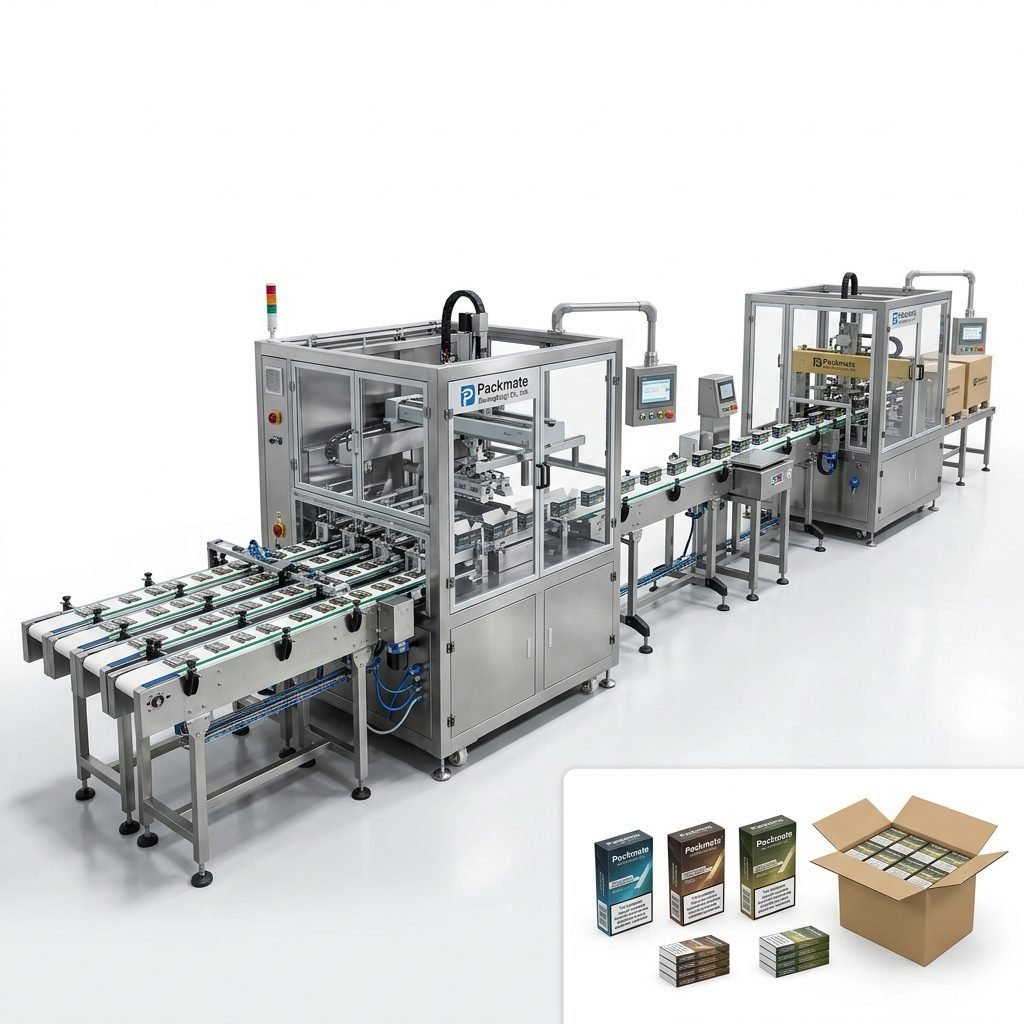
A top manufacturer will offer a range of machine models (stick pack, sachet, multi-lane systems) and be able to customize machines for unique pouch shapes, dosing systems, or integrated in-line weighing. Review the available models and check whether the supplier provides turnkey solutions that include auxiliary equipment like filling systems and weighing platforms.
Technical checklist for customization:
✔️ Servo-driven controls for precise pouch placement and dosing.
✔️ Modular designs for easy lane changes and upgrades.
✔️ Compatibility with upstream or downstream equipment (filling, labeling, boxing).
Quality assurance, testing, and certifications
Verify that the manufacturer performs rigorous quality inspections and provides factory acceptance tests (FAT) before shipment. Certifications such as CE and ISO are essential indicators of compliance with international safety and quality standards. Confirm documentation for each machine and request a demonstration or video showing machines running your product or a similar material.
Ask for
– FAT reports and QA checklists.
– Maintenance manuals and spare parts lists.
– Test runs using your material or close substitutes.
After-sales service, spare parts and training
After-sales support is a major differentiator. A reliable manufacturer provides installation guidance, operator training, preventive maintenance programs, and spare parts availability. For operations in Libya, confirm whether the supplier offers remote support, local partners, or on-site service options and typical response times.
Service commitments to confirm:
📞 Response SLA for technical support.
🧰 Spare parts lead times and recommended spares list.
🎓 Operator and maintenance training packages.
Logistics, local installation and regulatory compliance in Libya
Import processes, customs clearance, and local installation constraints vary by country. Confirm whether the manufacturer has experience shipping to North Africa and can provide necessary export documentation. If local installation partners are unavailable, evaluate the supplier’s ability to send qualified engineers for on-site commissioning.
For regulatory compliance specific to nicotine products, consult local legal advisors and request machine hygiene designs and traceability features that help meet labelling and safety requirements.
Cost, ROI and total cost of ownership
Purchase price is only part of the expense equation. Calculate total cost of ownership: energy consumption, spare parts, downtime risk, and operator training. Higher upfront investment in robust, high-precision equipment often reduces long-term costs through fewer stoppages and higher yields.
Evaluate ROI by:
– Estimating annual production capacity vs. market demand.
– Calculating savings from reduced wastage and improved dosing accuracy.
– Considering financing options or phased line expansion.
How to vet suppliers: step-by-step
Begin with an RFI outlining your product specs, required formats, and expected throughput. Shortlist suppliers based on technical fit, certifications, and references. Request proposals with detailed technical specs, layout drawings, lead times, and service terms. Schedule factory visits or remote machine demonstrations where possible.
Supplier vetting checklist:
1. Technical compliance with your product specs.
2. Factory capability and QC systems.
3. After-sales and spare parts strategy for Libya.
4. Documented case studies or references.
Why Packmate-style manufacturers are a strong choice
Manufacturers with deep experience in snus and nicotine pouch equipment, wide product portfolios, and large manufacturing facilities offer advantages: they have established CNC machining, precision assembly, and quality control processes that ensure machine stability and long service life. Reviewing portfolios such as Bag & Pouch Packaging Machines or Weighing & Packaging Systems can help you understand their end-to-end capabilities.
Red flags to avoid
– Vague technical data or refusal to provide FAT reports.
– No clear spare parts policy or long lead times.
– Limited or no references for similar product installations.
Negotiation tips and contractual safeguards
When negotiating, define acceptance criteria (performance tests, acceptance period), warranty terms, spare parts supply agreement, and penalties for late delivery if needed. A clear maintenance schedule and training plan should be included. Ask for initial spare parts kits and options for extended warranties or service contracts.
Next steps for Libyan buyers
1) Prepare a concise RFI with key technical and logistical requirements.
2) Shortlist manufacturers based on experience, certifications, and portfolio.
3) Request detailed proposals and FAT documentation.
4) Arrange demonstrations and clarify after-sales arrangements, including potential local partners or on-site commissioning.
For more detailed equipment categories and to compare technical specs, explore product pages such as Sachet & Stick Pack Machines and Filling & Packaging Lines. When you’re ready to discuss specific needs, check the manufacturer’s contact details at Contact Us.
Conclusion
Selecting the right snus packaging machine manufacturer is a strategic decision. Prioritize suppliers with proven experience in nicotine pouch equipment, robust manufacturing capabilities, comprehensive after-sales service, and a clear commitment to quality and regulatory compliance. Doing so will ensure reliable production, better ROI, and smoother operations in Libya.
Frequently Asked Questions
Q1: What machine types are best for small-batch snus production?
A1: Multi-lane sachet or stick pack machines with flexible tooling are ideal for small-batch and high-mix production because they allow lane adjustments and smaller changeover times.
Q2: How important is FAT before shipment?
A2: FAT (Factory Acceptance Test) is crucial — it verifies that the machine meets agreed specifications and reduces the risk of installation issues at your site.
Q3: How long is a typical lead time for snus packaging machines?
A3: Lead times vary by model complexity and customization; typical ranges are from a few weeks for standard machines to several months for highly customized turnkey lines. Confirm in proposals.
Q4: Can suppliers support installation and training in Libya?
A4: Many international manufacturers provide remote support, local partners, or send engineers for on-site commissioning. Confirm service options and associated costs during negotiations.
Q5: Where can I see real-world examples of snus packaging lines?
A5: Review case studies and product galleries on manufacturer websites — for example, explore the Case and Product sections to see installed lines and technical details.