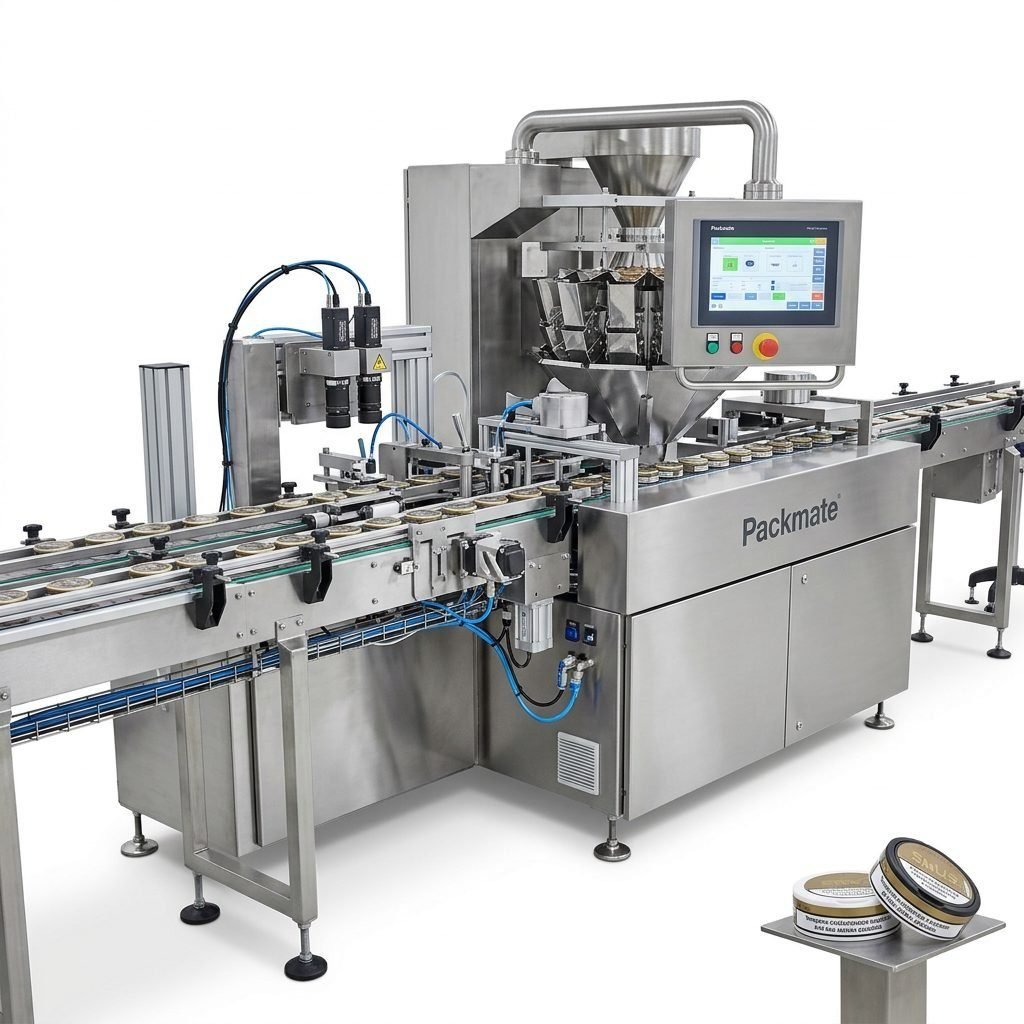
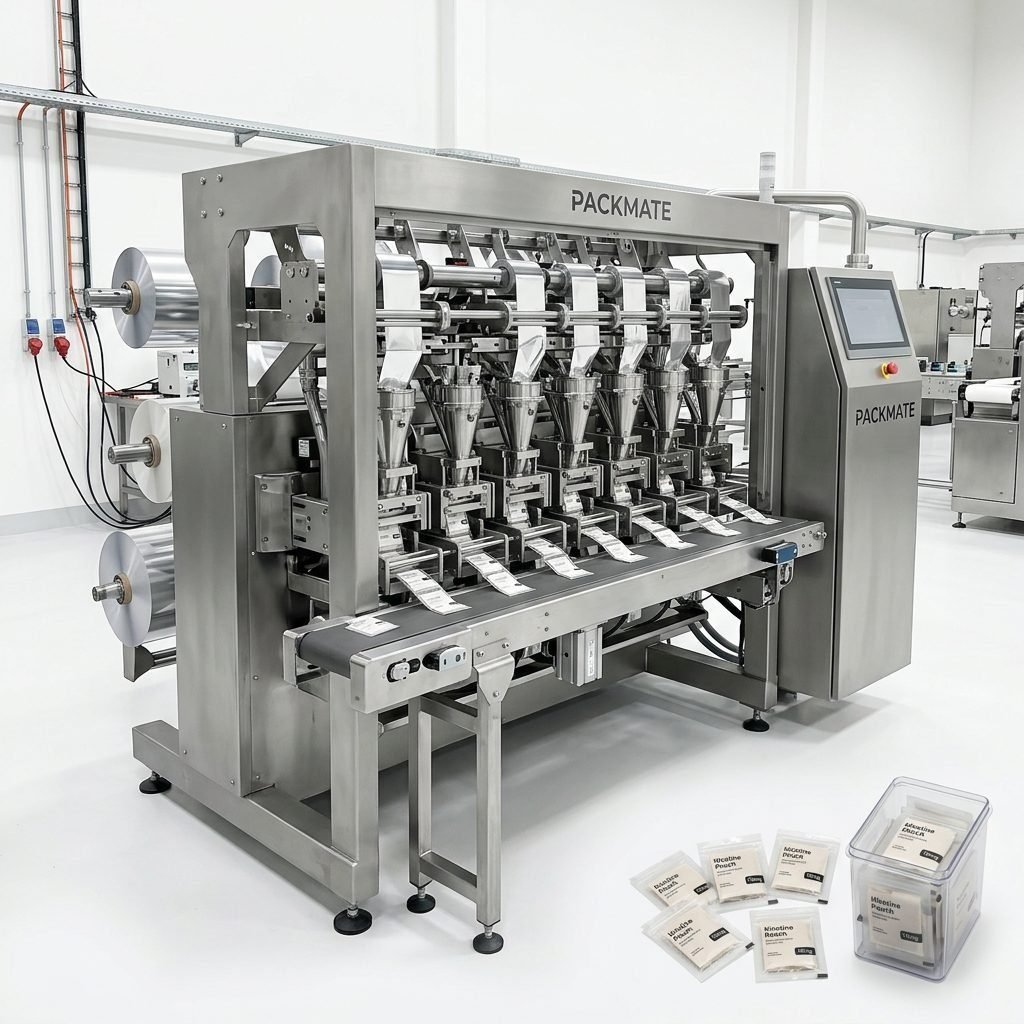
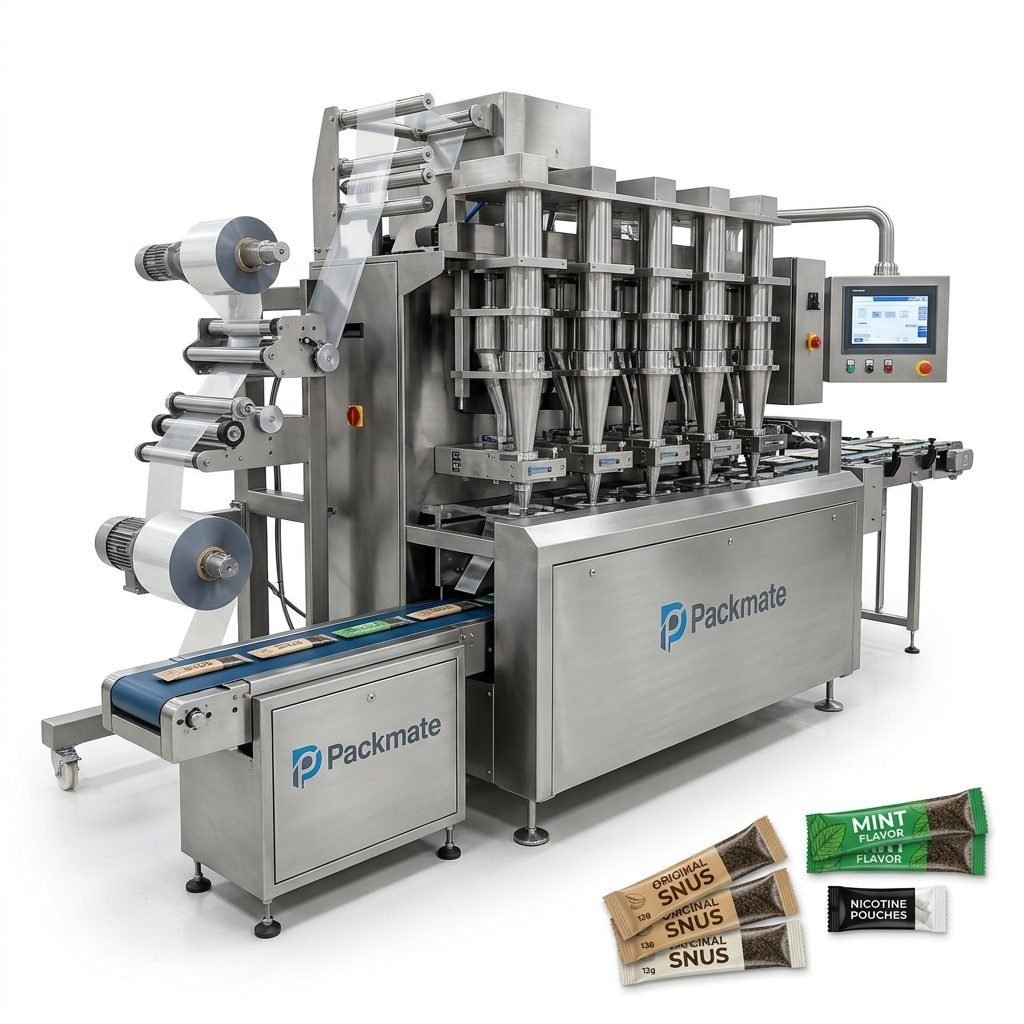
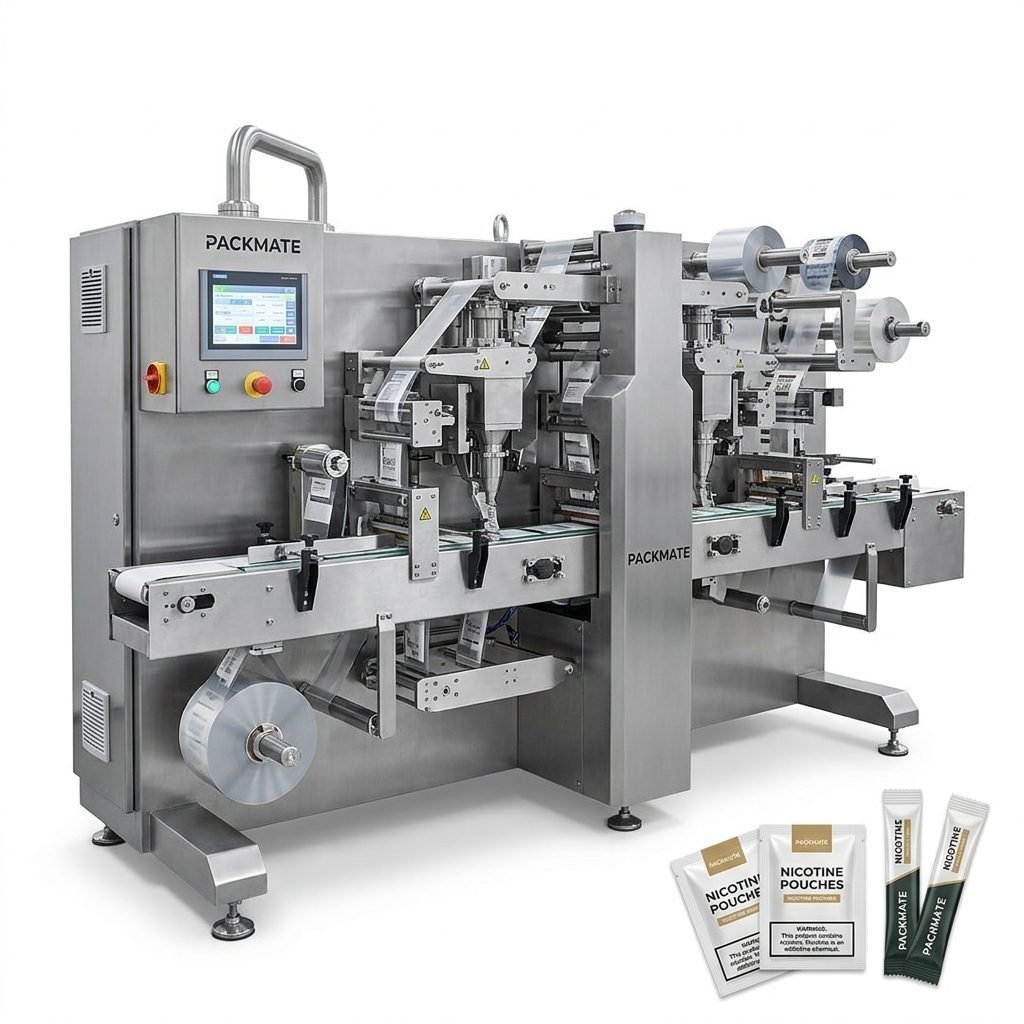
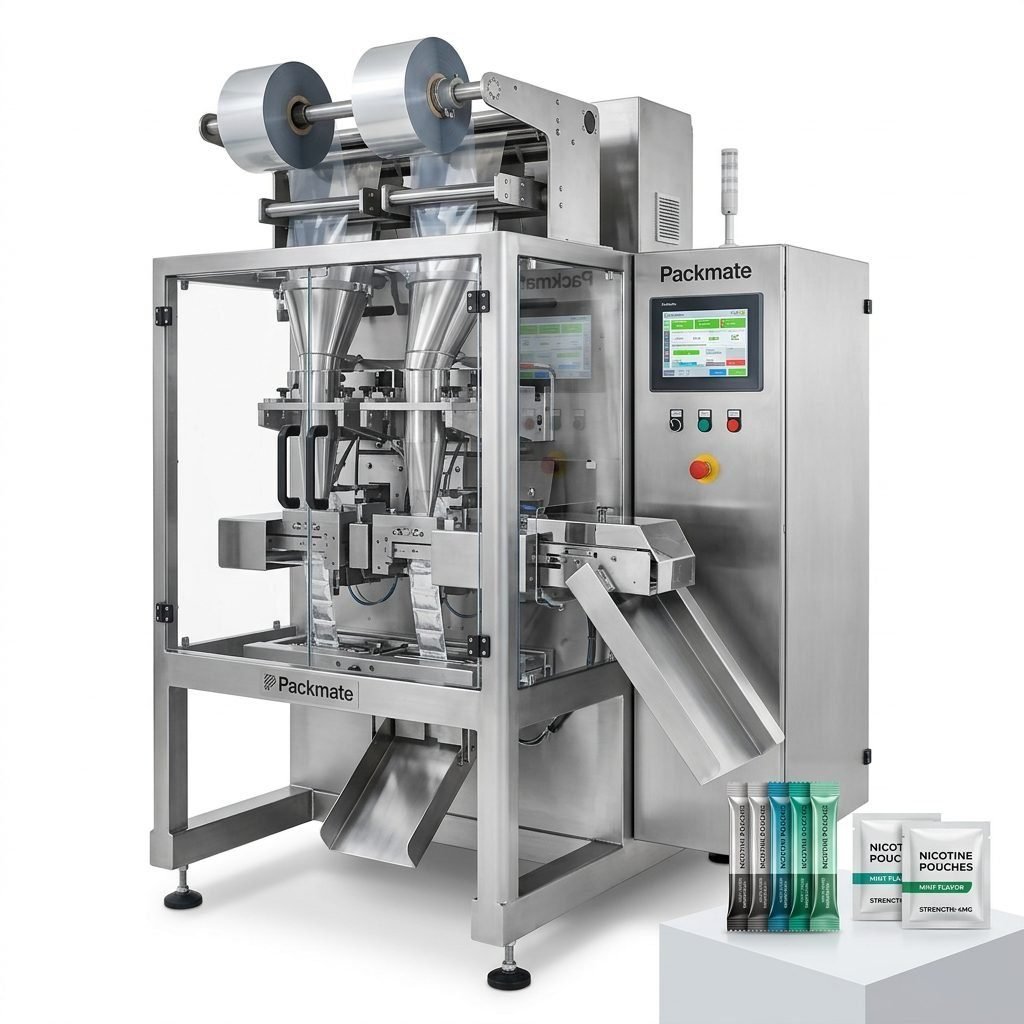
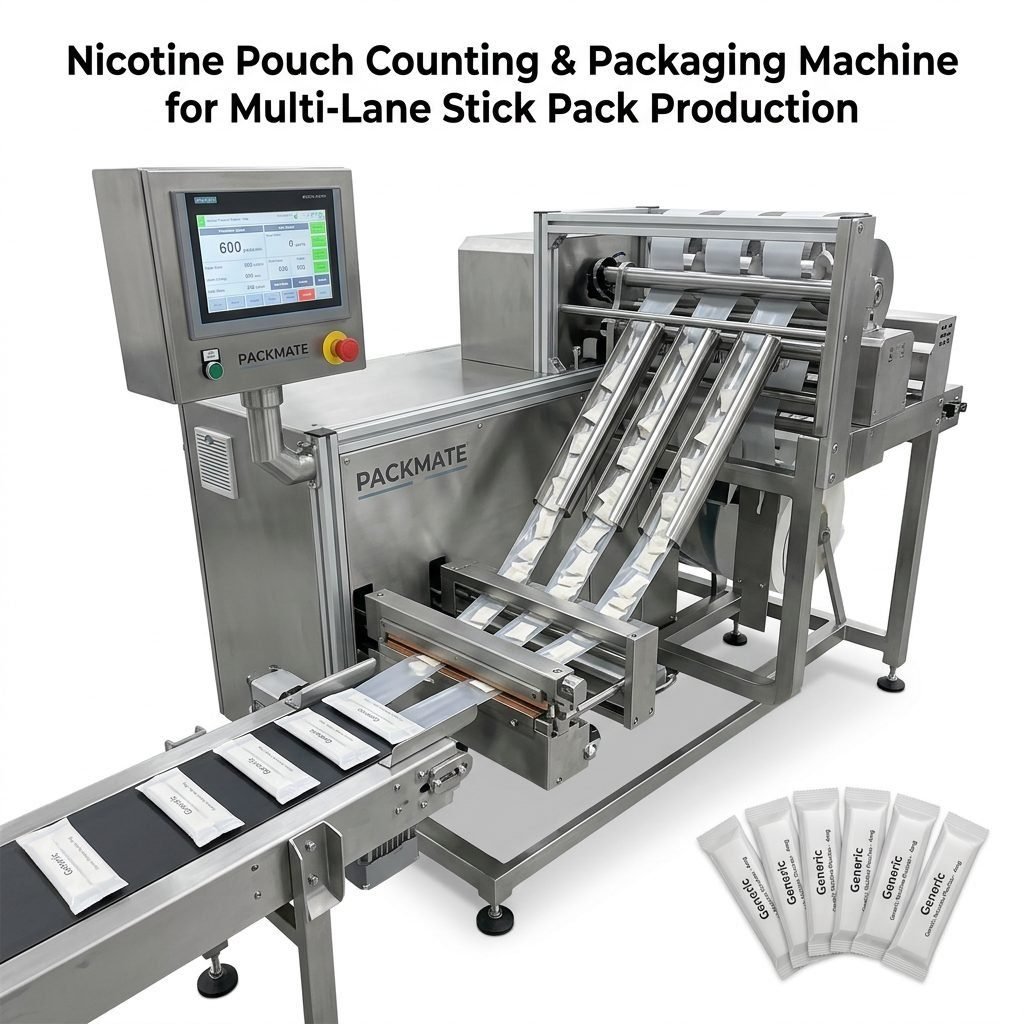
Choosing the right snus packaging machinery manufacturer for your production needs in Croatia requires more than a quick price comparison. You need a partner who understands nicotine pouch workflows, regulatory compliance, and long-term operational support. This guide walks you through practical, production-focused criteria and decision points so you can select a manufacturer that reduces risk, improves throughput, and secures consistent product quality for your snus or nicotine pouch line.
Why the Manufacturer Matters — The Big Picture
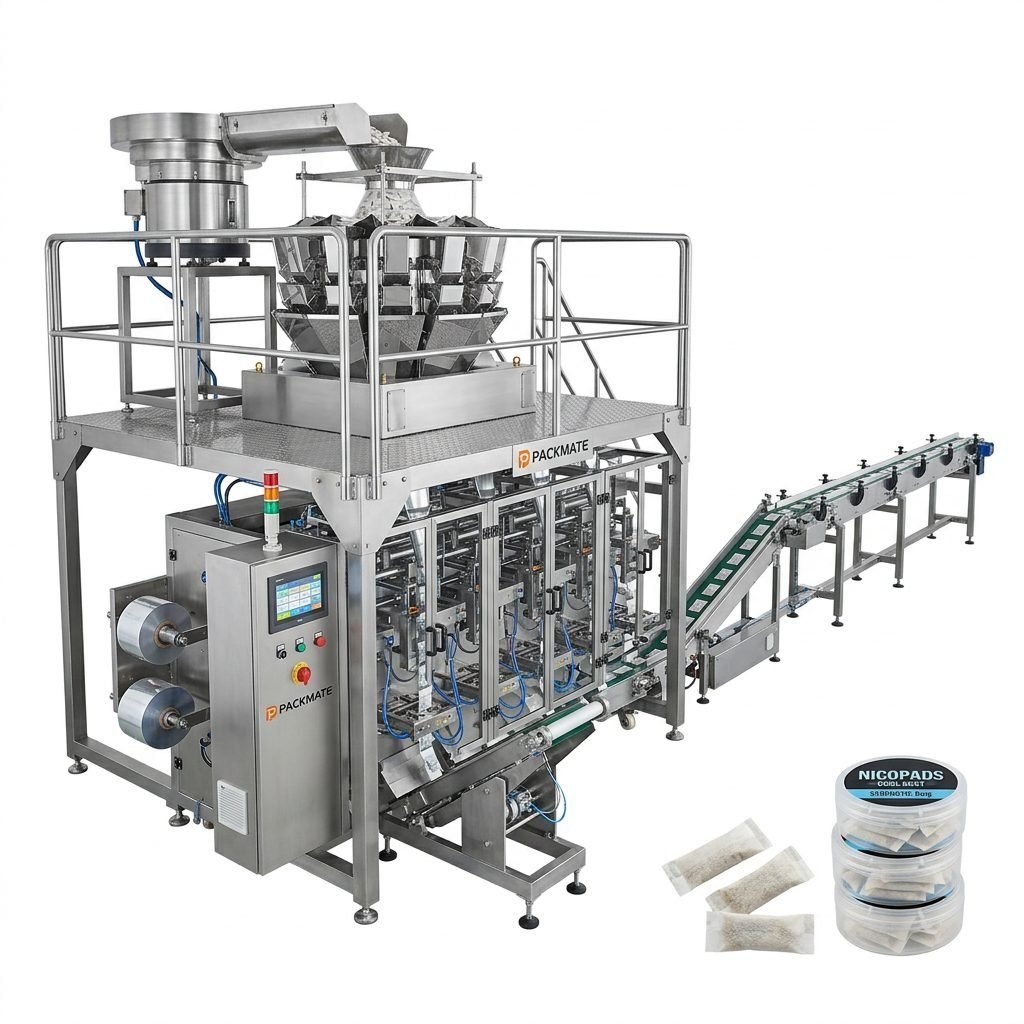
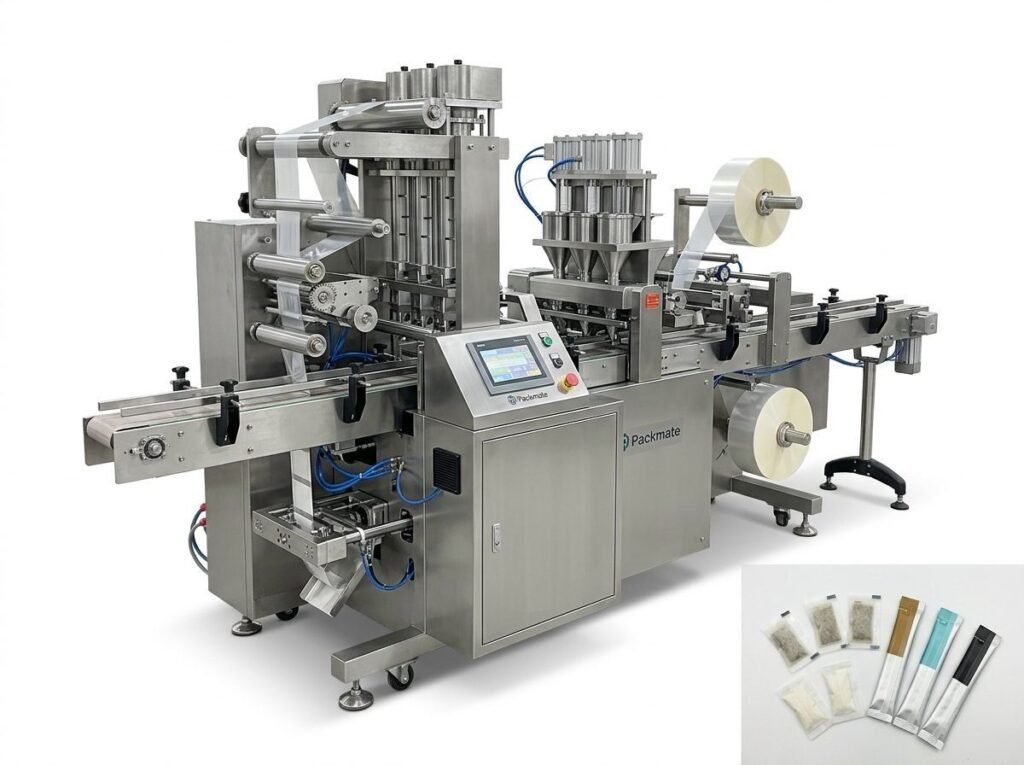
Investing in packaging equipment for snus and nicotine pouches is a strategic decision: machines define your capacity, yield, and ability to adapt to market changes. A reliable manufacturer not only supplies equipment but also delivers engineering expertise, quality control systems, and spare parts supply chains. Look for manufacturers with a proven track record in multi-lane systems, stick packs, sachets and small-dose pouch applications to ensure your line performs as expected under real-world conditions.
Key Selection Criteria at a Glance
🔧 Experience & specialty — Years in snus/nicotine pouch packaging and depth of engineering know-how.
📦 Product range — Multi-lane systems, stick packs, sachets, filling lines and auxiliaries.
✅ Certifications — CE, ISO and other compliance relevant to your market.
🔁 Customization & flexibility — Tailored solutions and turnkey production lines.
🛠️ After-sales support — Spare parts, remote diagnosis, field service and training.
💡 References & case studies — Real-world installations and performance data.
1. Technical Expertise and Industry Experience
Manufacturers with decades of focused development in snus packaging typically produce machines with higher uptime, smoother integration and fewer rework cycles. Look for evidence of continuous R&D and improvements — companies that began as small R&D workshops and evolved into specialized suppliers often combine pragmatic engineering with industrial-scale production processes. Ask about engineering staff, CNC capabilities and the size of their manufacturing floor to validate their capacity to deliver consistent quality.
Practical questions to ask
• How many years has the manufacturer been building snus or nicotine pouch machines?
• Do they offer multi-lane solutions for high throughput and small-dose control?
• Can they show detailed factory photos, manufacturing capabilities, and assembly lines?
2. Machine Types, Modularity and Compatibility
A manufacturer should offer a portfolio covering the common formats used for snus and nicotine pouches: stick packs, sachets, multi-lane pouch machines, and complete filling & packaging lines. Modularity matters — being able to scale from single-lane to multi-lane systems or add upstream weighing and downstream case packing helps you protect your investment. Verify that the control systems, HMI interfaces, and mechanical modules are compatible across their product range so upgrades and part replacements are simple.
For detailed technical offerings, check product categories such as Snus & Nicotine Packaging Machines, Sachet & Stick Pack Machines and Weighing & Packaging Systems.
3. Factory Strength and Manufacturing Quality
Factory scale, CNC machining capabilities, precision assembly lines and quality control labs indicate the manufacturer’s ability to produce machines that meet tolerances and long-term wear characteristics. A large, organized production base demonstrates consistent output and the ability to scale. When possible, request photos of the manufacturing floor, quality control reports and details of testing procedures for vibration, sealing integrity, and packaging hermeticity.
What to verify
📍 Factory area and machine assembly workflow (are parts traceable?)
🛠️ Use of advanced CNC and automated assembly equipment
🔬 Documented quality testing and acceptance procedures before shipping
4. Certifications, Standards and Compliance
Compliance with international standards such as CE and ISO is essential for safe operation, regulatory acceptance and insurance coverage in many markets. Confirm the manufacturer’s certificates and ask whether the machines can be supplied with documentation tailored for Croatian/EU regulatory oversight. Documentation should include electrical schematics, materials certificates, safety assessments and FAT (Factory Acceptance Test) records.
5. Customization, Turnkey Capabilities and Integrations
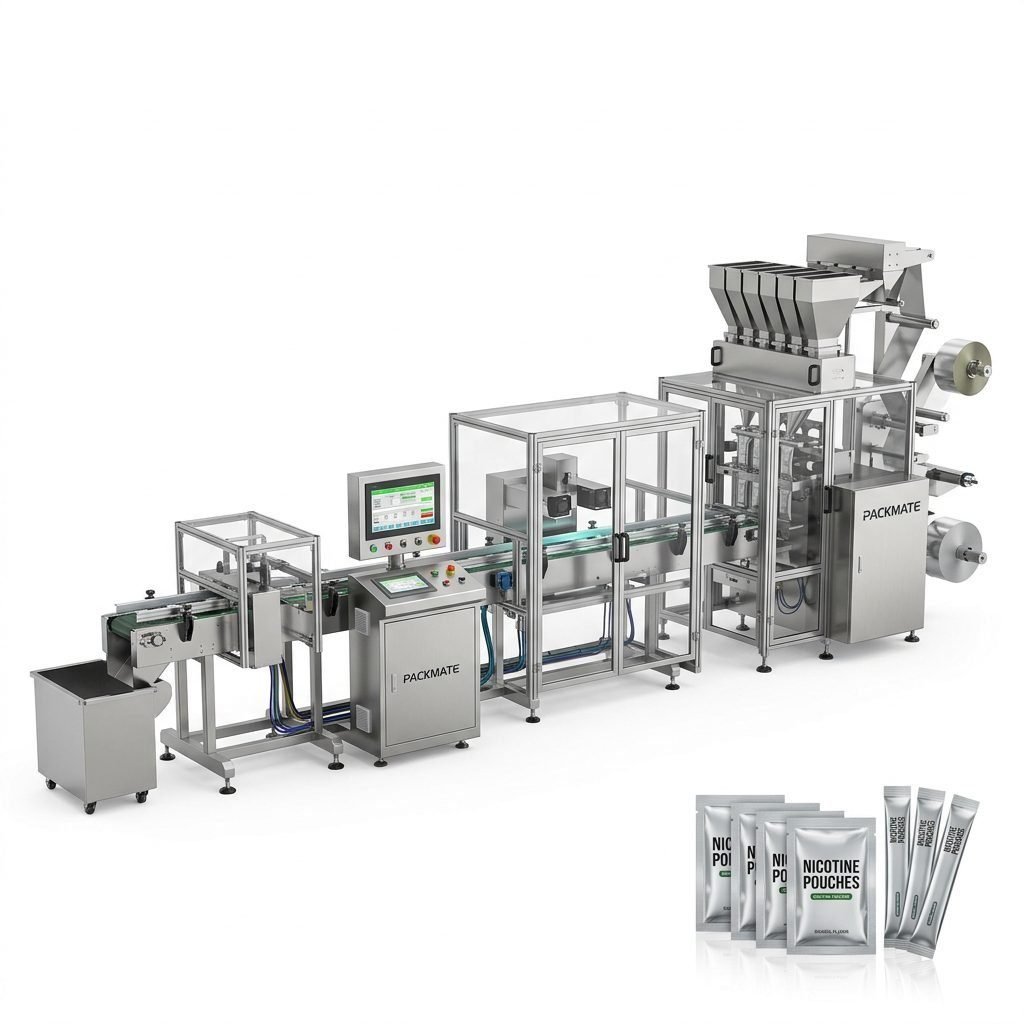
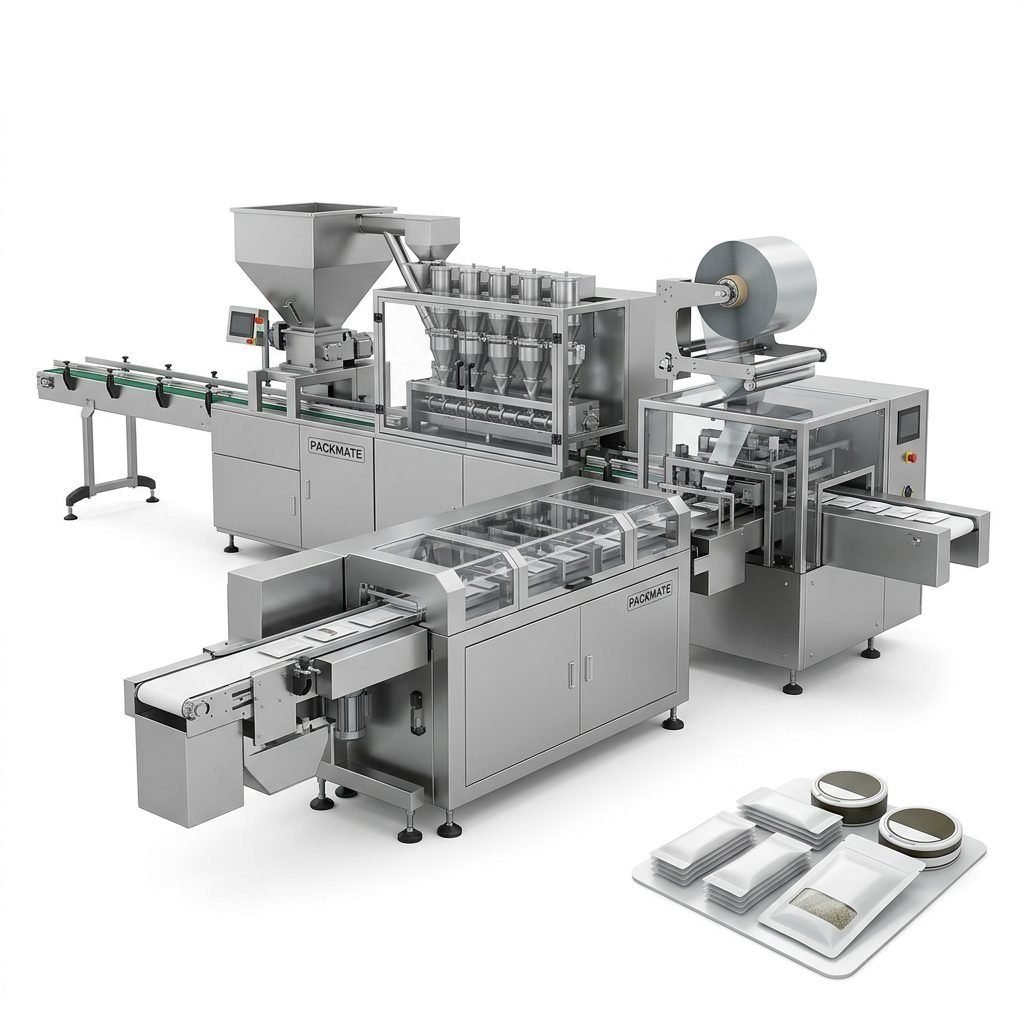
Your production needs may require custom lane counts, unique pouch sizes, or integration with upstream filling and downstream case packing equipment. Select a manufacturer that offers turnkey solutions and system engineering — they should be able to integrate weighing feeders, filling systems, metal detectors and inspection stations into one seamless production line. This reduces vendor management complexity and ensures compatibility across control systems.
Useful links for larger line configurations include: Filling & Packaging Lines and Auxiliary Packaging Equipment.
6. After-Sales Support, Spares and Training
Preventive maintenance, quick spare part delivery, remote support capabilities and operator training directly affect machine uptime. Assess the manufacturer’s spare parts inventory, lead times for common wear parts, and availability of field engineers or certified service partners in Europe. A manufacturer offering remote diagnostic tools, PLC program backups, and structured training programs will drastically reduce downtime from unforeseen faults.
⚙️ Ask about response SLA (e.g., 24–48 hour remote support), spare part kits, and recommended maintenance intervals.
🧰 Request documentation for recommended spare lists and routine maintenance guides.
7. Total Cost of Ownership and ROI
Price is important but should be balanced with the total cost of ownership (TCO). Consider energy consumption, maintenance labor, spare part pricing, expected uptime percentage, and the machine’s flexibility to handle SKUs. Calculate the payback period not just on throughput but on reduced scrap, faster changeovers, and improved packaging integrity. Request a realistic production model from the manufacturer showing expected throughput, yield and consumable costs.
8. Testing, Factory Acceptance Tests and Pilot Runs
A trustworthy manufacturer will conduct FATs and allow pilot runs with your material or close equivalents before final acceptance. Verify what tests are performed — sealing strength, pouch weight accuracy, cut integrity, lane synchronization and stress testing at maximum speeds are essential. If possible, run a pilot batch or request video documentation of a FAT that shows the machine handling similar raw materials and pouches.
9. Logistics, Installation and Commissioning in Croatia
Shipping large equipment internationally requires careful planning: crating, customs documentation, local transport and on-site assembly. Ensure the manufacturer has experience exporting to the EU and can provide installation supervision or certified local partners to commission the line. Confirm responsibilities in the contract for import documentation, insurance, and any required on-site modifications.
10. References, Case Studies and Local Presence
References and detailed case studies help validate manufacturer claims. Ask for installations in similar industries or regions, and request contactable references that can speak to machine longevity and service responsiveness. Visiting a live installation, attending an exhibition demonstration, or reviewing recorded demos can give you a better sense of real-world performance than brochures alone.
For manufacturer background and case references, see their company profile and global projects at About Packmate and Case.
11. Contract Terms, Warranties and Intellectual Property
Carefully review the warranty terms, scope of supplied documentation, and any software or control system licensing. Clarify who owns the PLC code, recipe configurations and whether spare parts are proprietary. Negotiating clear acceptance criteria, performance guarantees and penalties for missed milestones protects both parties and aligns expectations.
12. Final Checklist Before Purchase
✔️ Verify certifications (CE/ISO) and request copies.
✔️ Confirm FAT scope and pilot run availability.
✔️ Obtain spare parts list and lead times.
✔️ Agree on installation & commissioning plan with SLAs.
✔️ Check references and case studies relevant to your product.
✔️ Lock down warranty terms and performance KPIs.
How Packmate Snus Machine Aligns with These Needs
When evaluating prospective manufacturers, companies with long-standing R&D histories and large production facilities stand out. A supplier with 30+ years of engineering experience, a 20,000㎡ manufacturing base, advanced CNC machining centers and a wide model range can typically deliver reliable multi-lane snus pouch lines, stick pack machines, sachet systems and turnkey lines — backed by documented quality systems and global cases.
To explore specific machine models and turnkey packaging lines, the manufacturer’s product pages are a useful next step: Snus & Nicotine Packaging Machines, Filling & Packaging Lines and Our Exhibition provide demonstrations and technical details.
Making the Final Decision
Combine technical evaluation with commercial and service factors. Schedule a discovery call, request FAT plans, and negotiate comprehensive support and warranty packages. Prioritize manufacturers willing to show live demonstrations, provide real customer referrals and support pilot runs. A well-documented procurement process reduces risk and helps ensure your snus production starts reliably and scales efficiently.
📞 Ready to inquire further? Use the manufacturer’s contact page to request machine demos, tech specs and quotations: Contact Us.
Common Questions (FAQs)
Q1: How do I verify machine performance before purchase?
Ask for a detailed FAT (Factory Acceptance Test) plan, videos of machines running similar materials, and if possible, a pilot run with your pouch materials. Ensure FAT includes throughput at target speeds, sealing tests, weight accuracy and lane synchronization tests.
Q2: What certifications should I insist on?
At minimum, request CE certification for EU markets and ISO management system documentation. Also request electrical schematics, material certificates, and machine safety assessments tailored to your country’s regulatory framework.
Q3: How much lead time should I plan for delivery and installation?
Lead times vary by customizations and production queues but typically range from several weeks to a few months. Allow additional time for shipping, customs clearance and on-site commissioning — and negotiate clear delivery and installation milestones in the contract.
Q4: Can a manufacturer support remote troubleshooting?
Many modern manufacturers provide remote diagnostics, PLC backups and online support. Confirm their remote support SLA and whether they can dispatch field engineers within your region if required.
Q5: What documents should be included with the machine?
Ensure the machine is shipped with user manuals, electrical and mechanical schematics, spare parts lists, FAT reports, warranty certificates, and any required export/import documents. These documents are essential for maintenance and regulatory compliance.