In the fast-evolving snus and nicotine pouch market, choosing the right pouch packaging system is critical to meet production targets, ensure product integrity, and comply with global regulations. This guide walks you through high-speed, fully automatic snus pouch packaging solutions, explaining core technologies, configuration options, and practical considerations to help packaging managers and engineers select the best line for their needs.
Why High-Speed Fully Automatic Snus Pouch Systems Matter
Modern snus and nicotine pouch operations demand both volume and consistency. Manual or semi-automatic lines quickly become bottlenecks when market demand rises. Investing in a high-speed, fully automatic system brings predictable throughput, reduced labor costs, and improved hygiene — all essential for maintaining brand reputation and regulatory compliance.
Key benefit: ⚙️ High throughput with consistent pouch formation, weight accuracy, and sealing quality — all automated along the production line.
Typical Line Components and Their Roles
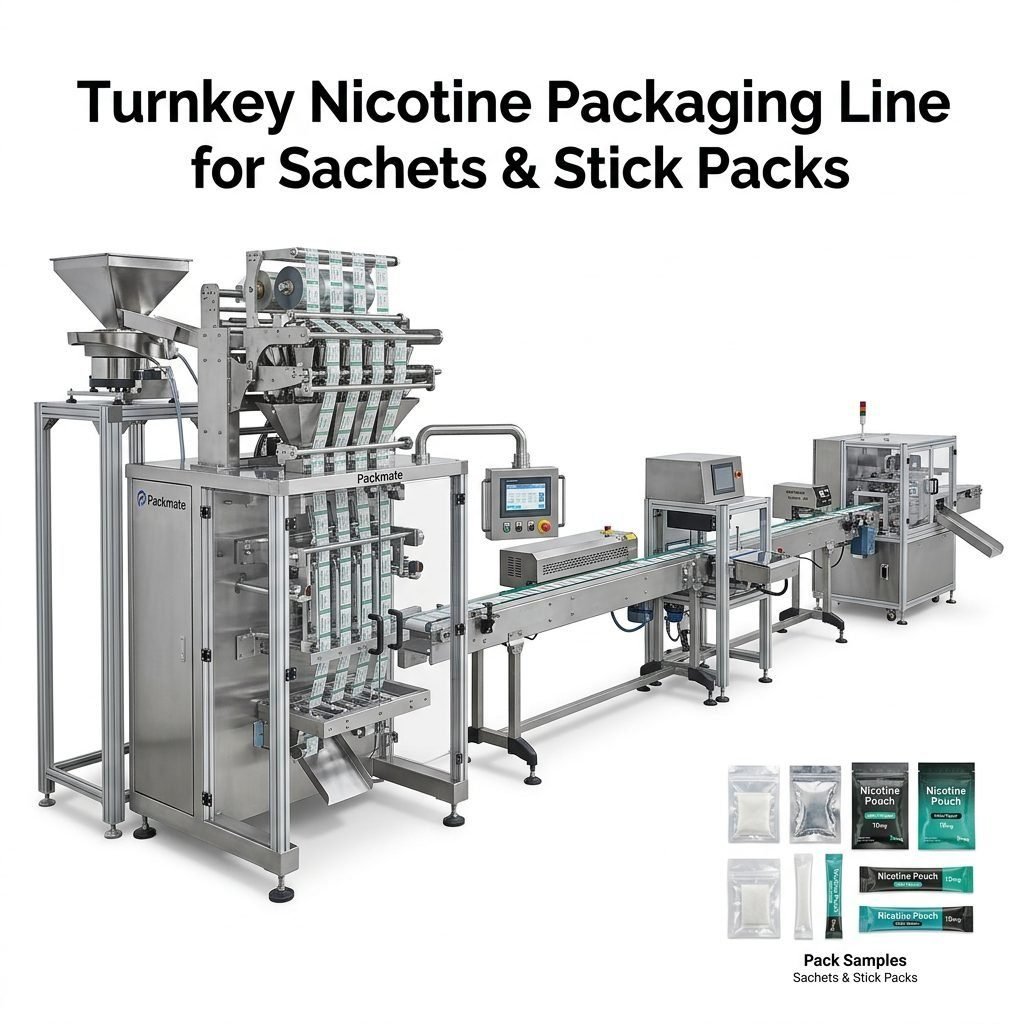
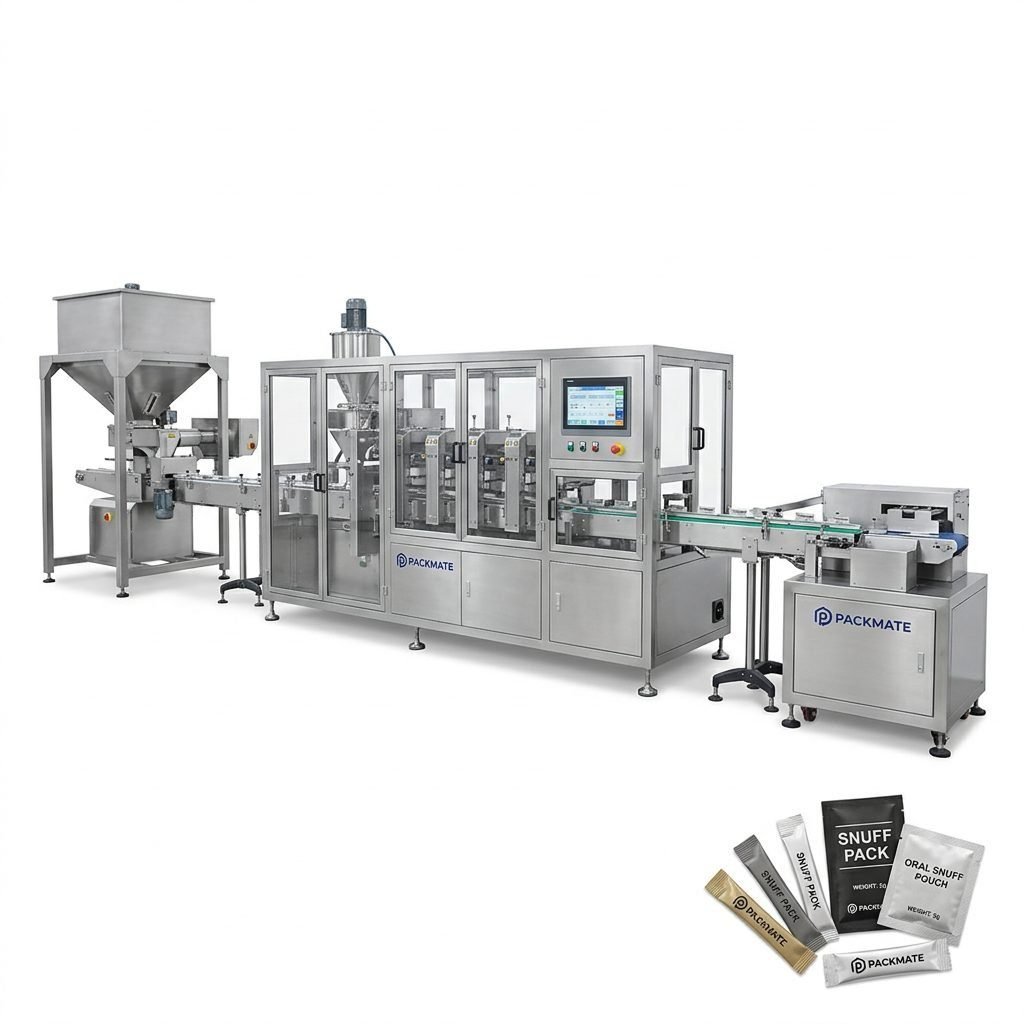
A modern snus pouch packaging line is modular. Each module optimizes a specific process, and together they form a turnkey solution capable of producing millions of pouches per month with minimal downtime.
Typical modules include:
• Raw material handling and dosing — feeders, hoppers, and precise weighers ensure consistent portioning.
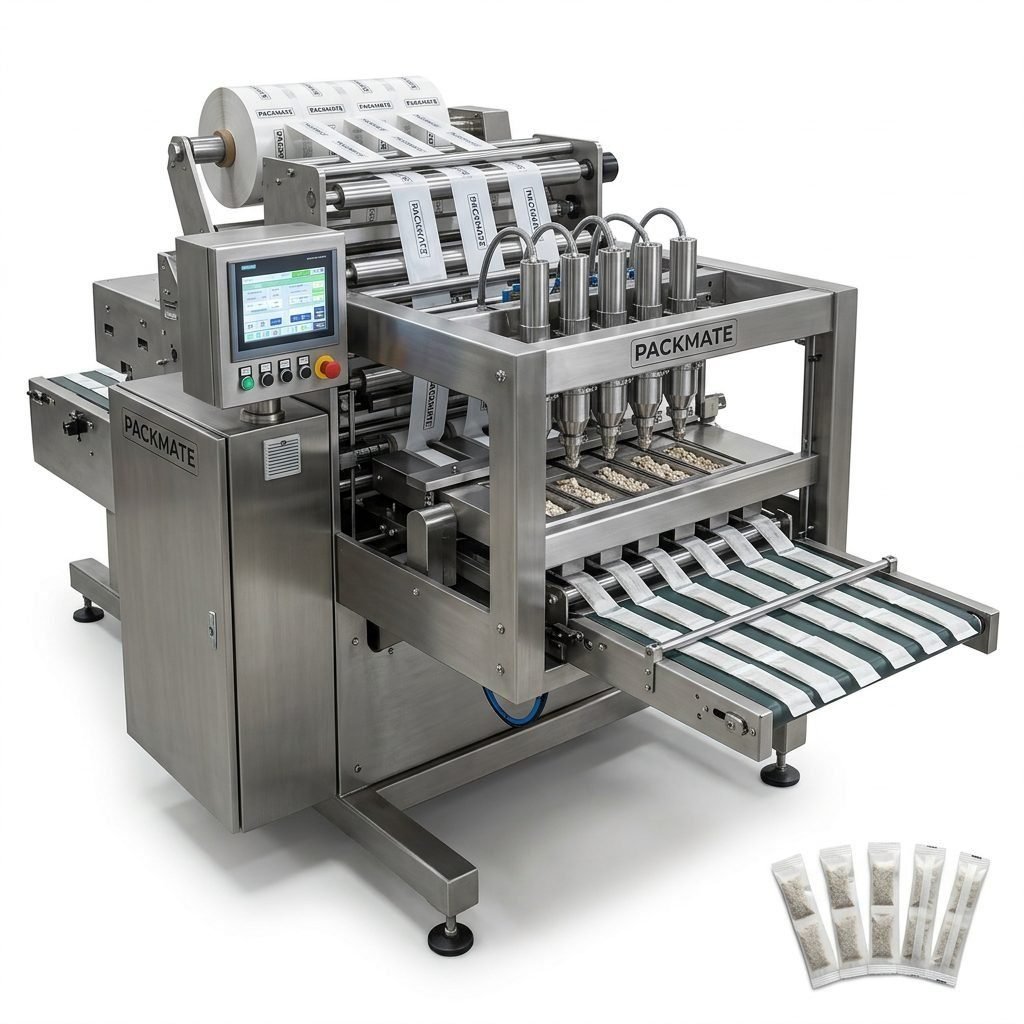
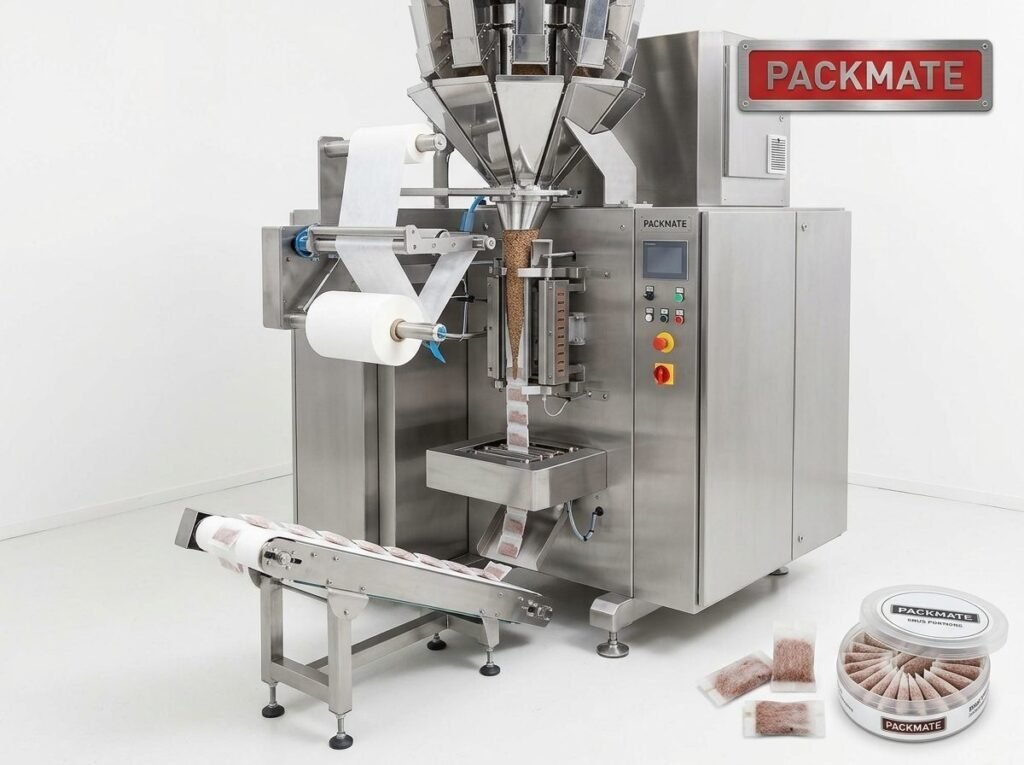
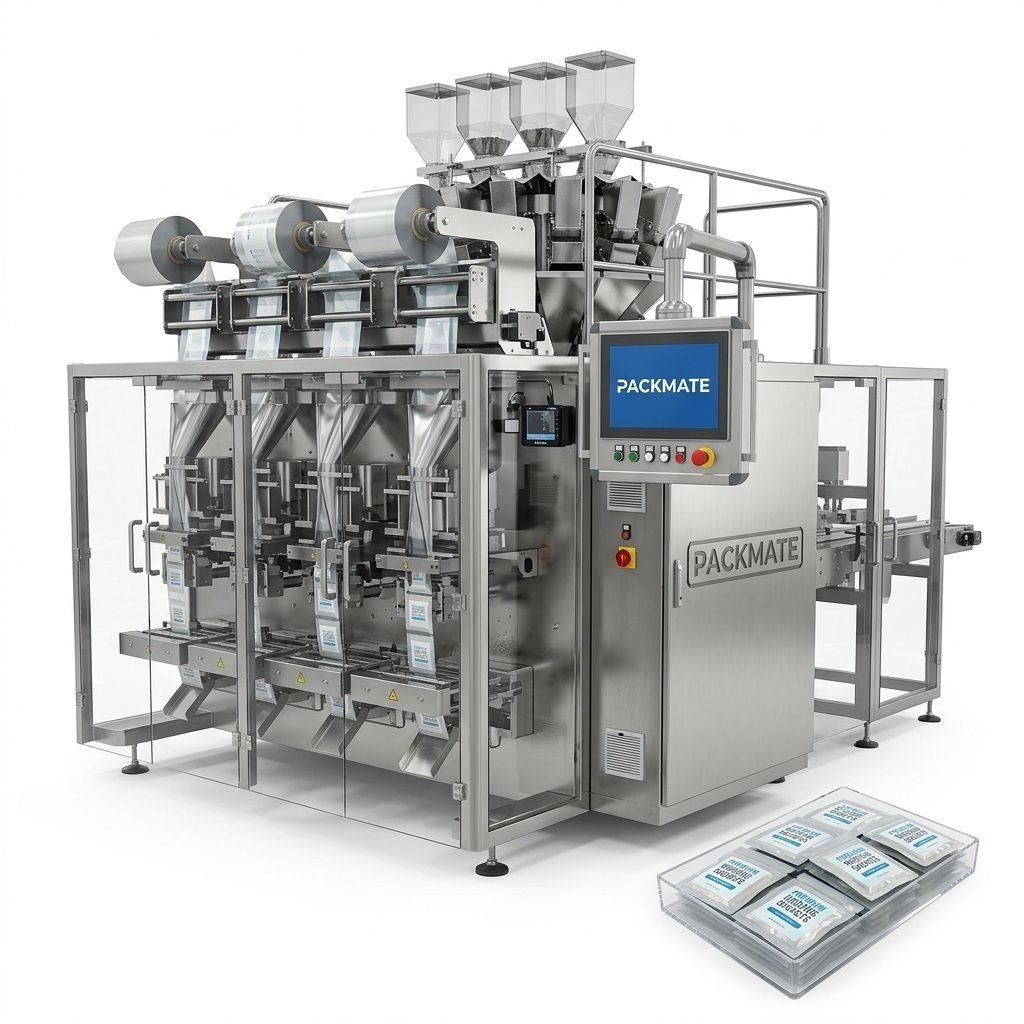
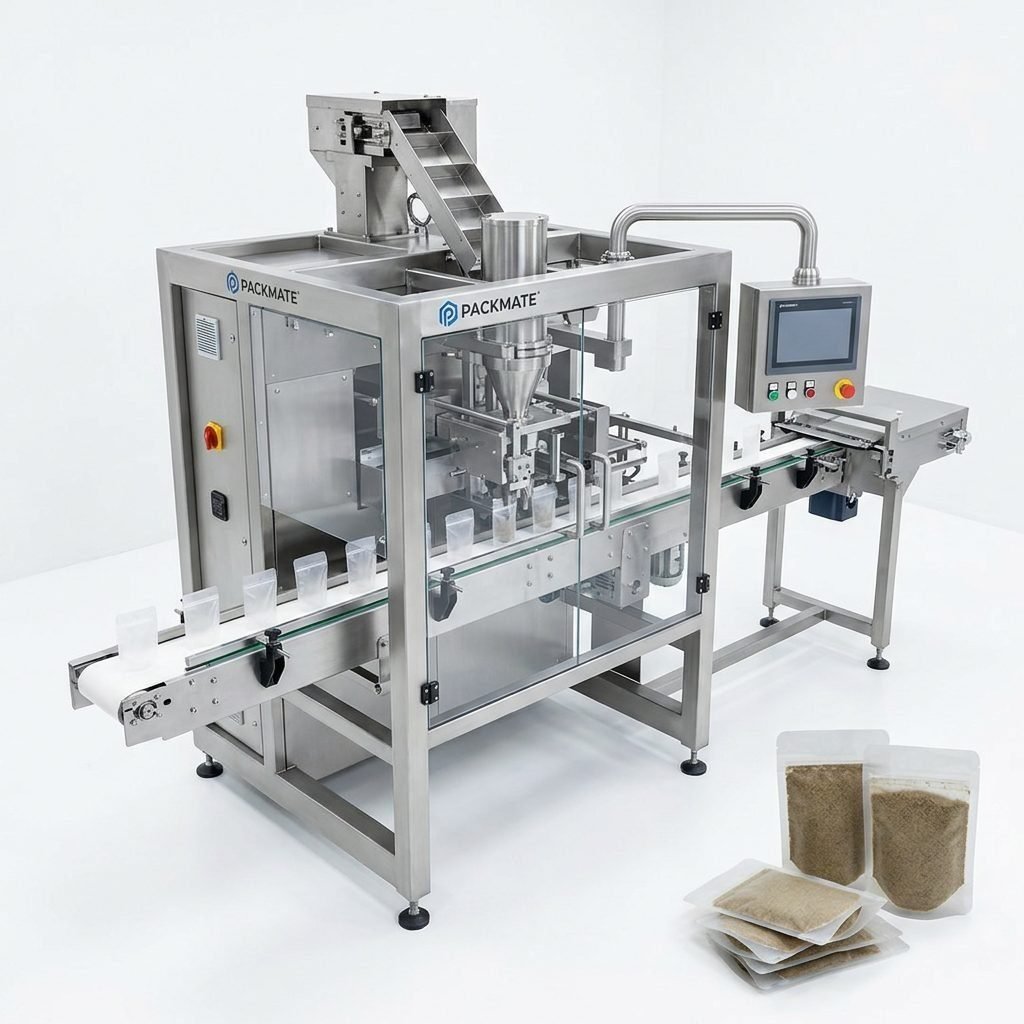
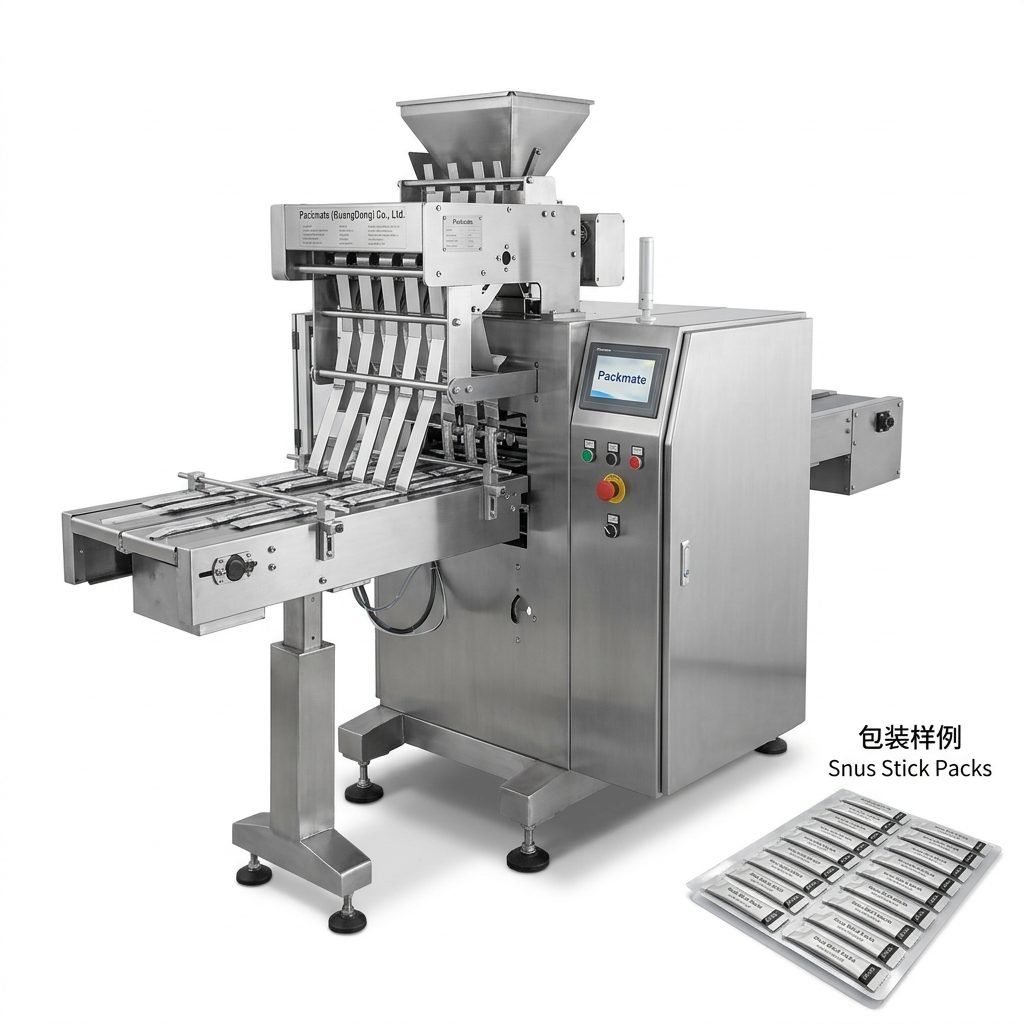
• Multi-lane pouch forming and filling — rotary or vertical pouch-forming units that support multiple lanes for high-speed output.
• Sealing, cutting and finishing — high-speed sealing jaws with accurate temperature control and servo-driven cutting systems.
• In-line quality inspection — vision systems, metal detectors, and weight checks to reject non-conforming units.
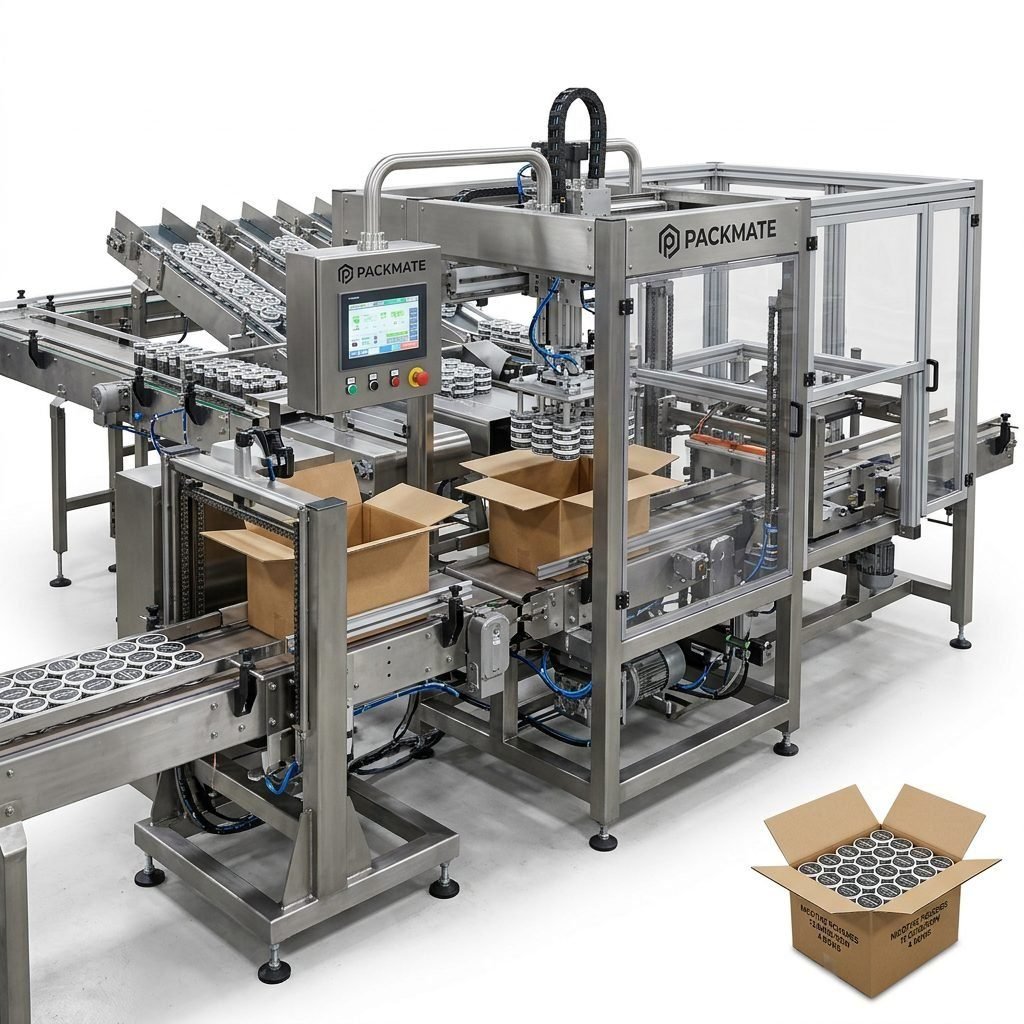
• End-of-line packaging — secondary packing, cartoning, and case packing for shipment readiness.
Equipment Features to Prioritize
When evaluating suppliers, focus on reliability and serviceability. Look for equipment with modular design, easy access for maintenance, and internationally certified electrical and mechanical components.
Highlights to check: 🔧 servo-driven motion control, stainless-steel contact surfaces, CE/ISO certification, quick-change tooling, and PLC/HMI integration for recipe management.
Process Control and Automation Strategies
Advanced automation enables recipe-driven production, remote diagnostics, and predictive maintenance. For maximum uptime choose systems that feature:
• Centralized HMI with intuitive recipe selection and live KPIs.
• Ethernet/IP or Profinet communication for fast, reliable integration with plant MES systems.
• IoT-enabled sensors for condition monitoring and remote support.
Multi-Lane vs. Single-Lane Systems: Choosing Capacity
Capacity planning depends on current and projected volumes. Single-lane machines are cost-efficient for small runs and R&D, while multi-lane systems (4, 6, 8 lanes or more) dramatically increase throughput without a proportional increase in footprint.
Tip: ⚡ For rapidly growing brands, a modular multi-lane approach allows you to add lanes or parallel fillers later as demand scales.
Material Compatibility and Pouch Formats
Snus and nicotine pouches require packaging materials that preserve moisture, flavor, and shelf life. Common film structures include laminated barrier films and heat-sealable nonwovens for pouch formation. Machines should support diverse pouch shapes: round, tear-tab, sachet, and stick formats.
If you aim to switch between formats, prioritize equipment with quick tooling changes and flexible film unwinding stations.
Quality Assurance: Inline Inspection and Traceability
Quality is non-negotiable when dealing with consumable products. Integrating advanced inspection modules reduces recall risk and ensures regulatory traceability.
Essential QA components:
• Weight checkers and checkweighers to reject under/over weight pouches.
• Vision systems for seal integrity, print verification and foreign object detection.
• Metal detectors and X-ray systems where required by customer or regulation.
• Batch and lot coding with centralized traceability logs for finished packs.
Sanitation and Maintenance Considerations
Hygienic design reduces contamination risk and shortens cleaning cycles. Look for smooth, sloped stainless-steel surfaces, IP-rated electrical cabinets, and quick-release components for washdown. Preventive maintenance schedules and accessible spare parts minimize unplanned downtime.
Energy Efficiency and Sustainability
Sustainability is increasingly important to brands and consumers. High-efficiency drives, optimized heater zones, and film-saving sealing techniques reduce energy and material waste. Choosing a partner that supports recyclable or mono-material films provides a futureproof advantage.
Sustainability checklist:
• Energy recovery in heater systems.
• Reduced film overlapped margins and optimized pouch size.
• Support for recyclable film structures where possible.
Service, Spare Parts and Global Support
A high-performance line is only as good as the service behind it. Choose manufacturers with a strong global footprint, documented spare parts availability, and digital remote-support capabilities to reduce mean time to repair.
Packmate Snus Machine, for instance, offers turnkey solutions and after-sales support from a 20,000㎡ manufacturing base with advanced CNC and assembly systems, backed by CE and ISO certifications. For product lines and solutions, explore their Snus & Nicotine Packaging Machines and related systems.
Visit: Snus & Nicotine Packaging Machines • Bag & Pouch Packaging Machines • Filling & Packaging Lines
Selecting the Right Supplier: Questions to Ask
When engaging vendors, evaluate: delivery lead times, experience with nicotine pouch lines, uptime guarantees, spare parts lead time, and compliance with your local regulatory needs. Also verify if they offer line validation support and training for operators and maintenance staff.
Questions checklist:
• Lead time and installation schedule?
• On-site commissioning and training included?
• Spare parts warehousing or consignment options?
• Warranty terms and remote diagnostic capabilities?
Cost Considerations and ROI
Initial capital investment varies by capacity, automation level, and optional modules. However, total cost of ownership is lowered through reduced labor, less material waste, and improved yield. A properly specified multi-lane line can achieve payback within a short number of production cycles for high-demand SKUs.
ROI drivers: increased throughput, fewer rejects, lower labor costs, and lower material usage per pouch.
Case Examples and Global Deployments
Global suppliers have successfully deployed lines across Europe, Asia and the Americas. Typical cases include retrofitting single-lane lines to multi-lane modules, integrating in-line weighers and vision systems, and delivering complete packaging lines including auxiliary equipment.
See real-world installations and case studies at: Case and review company credentials at About Packmate.
Implementation Roadmap: From Evaluation to Production
A structured implementation minimizes surprises. Follow a clear roadmap:
1. Requirements gathering — SKUs, speeds, formats, regulatory needs.
2. Factory acceptance testing (FAT) and performance validation reports.
3. Site preparation — utilities, foundation, and safety planning.
4. Installation, commissioning, and operator training.
5. Ongoing support and optimization to improve yield over time.
Where to Start: Resources and Next Steps
Begin by collecting production targets, current pain points, and example SKUs. Reach out to experienced manufacturers who provide end-to-end solutions and documented case studies. For catalogs, service details and exhibition schedules, consult the supplier resources below.
Helpful links: Catalog • Service • Contact Us
Final thought: Investing in the right automated snus pouch packaging line is an investment in product quality, operational efficiency, and future growth. ✅
Frequently Asked Questions
Q1: How do I choose between a vertical and rotary multi-lane pouch former?
A1: Choose based on speed requirements and product characteristics. Rotary multi-lane machines excel at very high throughput and compact layouts, while vertical formers offer flexibility for varied pouch sizes and simpler maintenance routines.
Q2: What certifications should I expect for snus packaging equipment?
A2: Essential certifications include CE and ISO compliance for safety and quality. Additional local regulatory approvals may be required depending on your market. Confirm electrical and machine safety standards during vendor evaluation.
Q3: How quickly can a production line be commissioned and reach stable output?
A3: Typical commissioning takes several days to a few weeks depending on complexity. Achieving stable output depends on operator training, material consistency, and integration of QA systems — expect incremental optimization over the first production runs.
Q4: What support is available for remote troubleshooting and spare parts?
A4: Look for suppliers offering IoT-enabled remote diagnostics, documented spare parts lists, and global distribution networks. Many providers offer spare parts consignment and service contracts to minimize downtime.