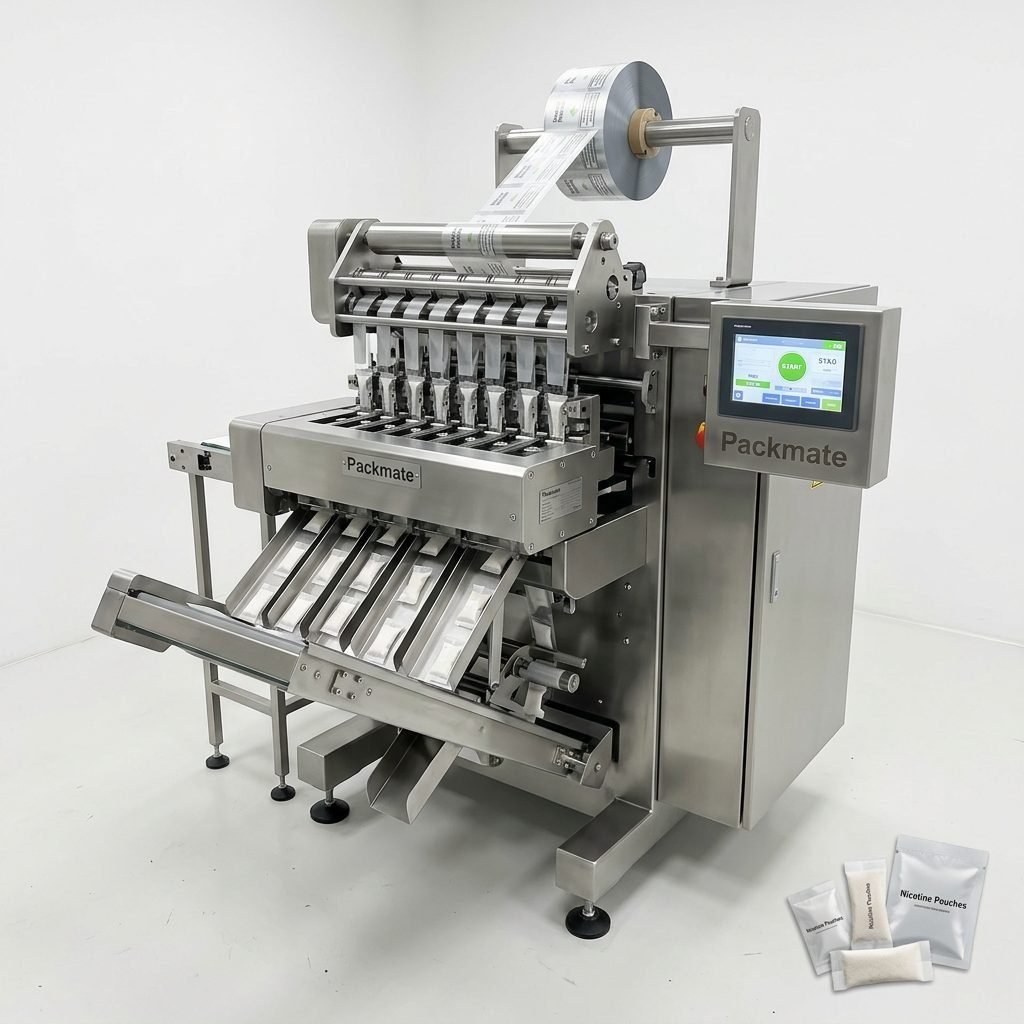
Selecting the right snus packaging machinery for a production line in Bulgaria demands a careful balance of technical performance, local compliance, and long-term serviceability. This guide walks manufacturing managers, procurement teams, and production engineers through the practical steps to evaluate machines for snus and nicotine pouch production, helping you minimize downtime, optimize output, and meet regulatory expectations.
🔍 Understand Your Production Needs
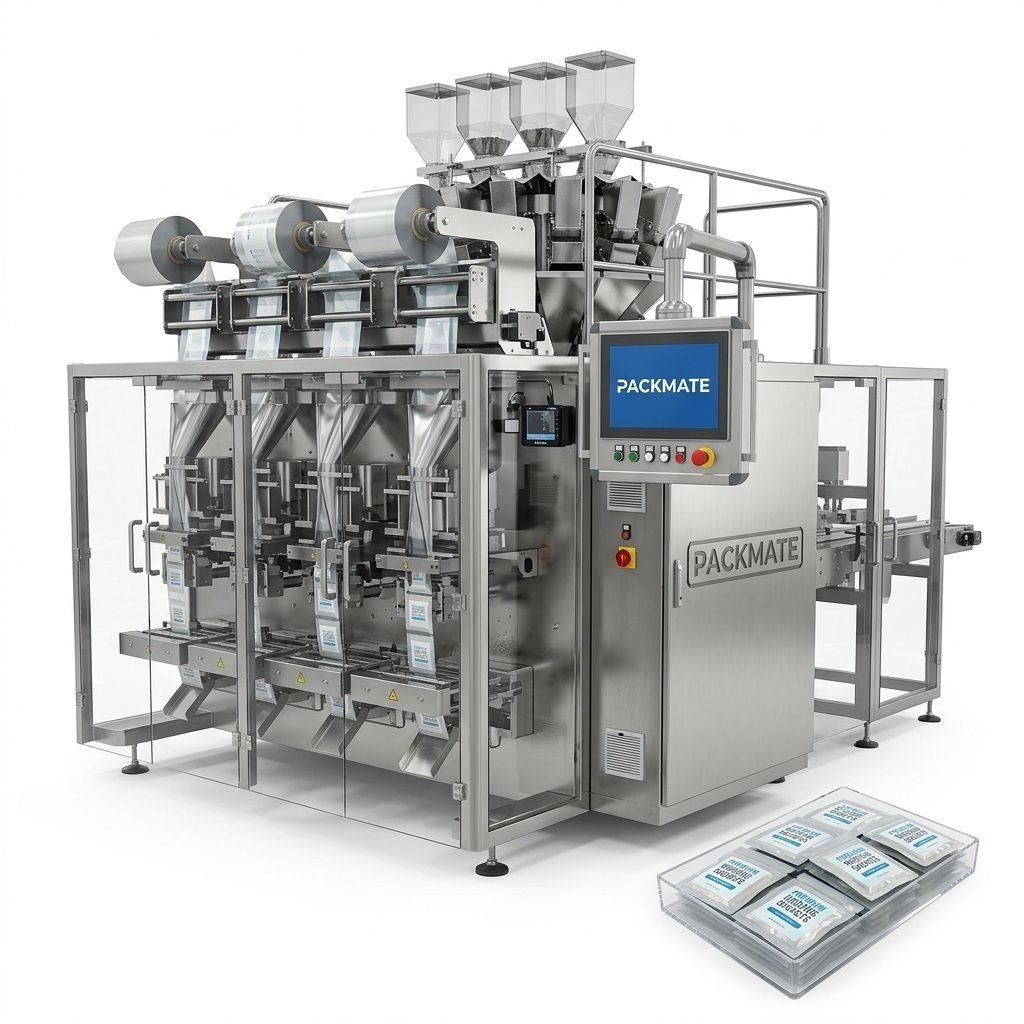
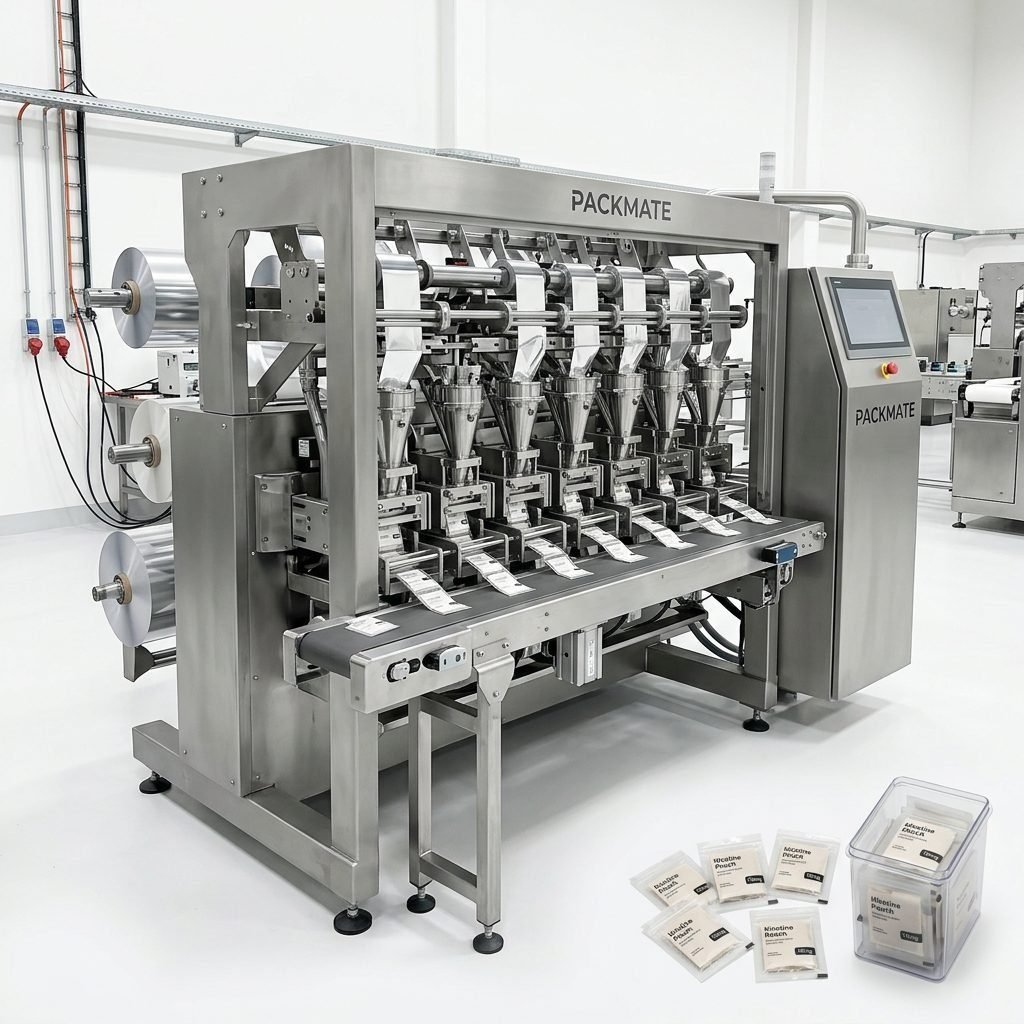
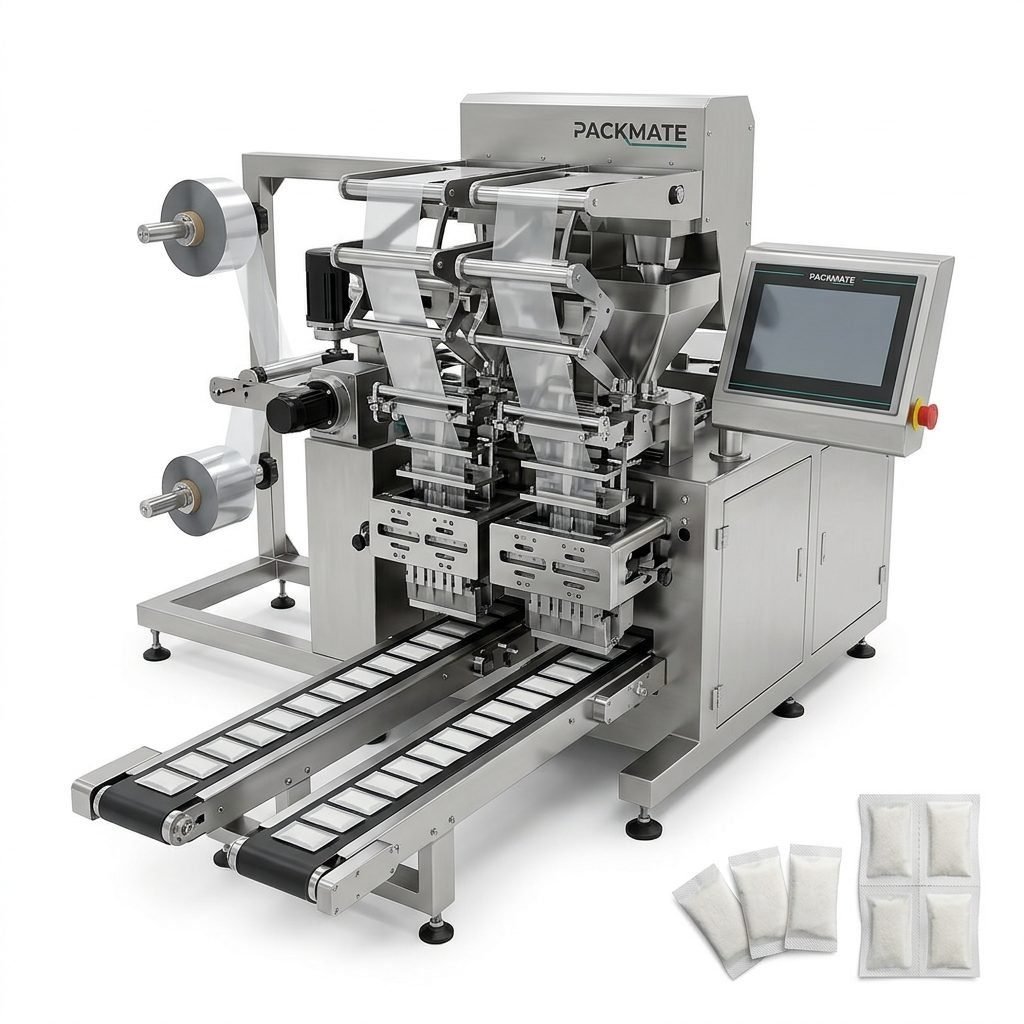
The first step is to define clear production targets: hourly throughput, pouch formats (stick, sachet, multi-lane pouches), desired automation level, and allowable footprint on the shop floor. For example, high-volume nicotine pouch lines often require multi-lane systems to achieve consistent small-dose portioning, while niche or premium snus products may prioritize flexible sachet or stick pack machines.
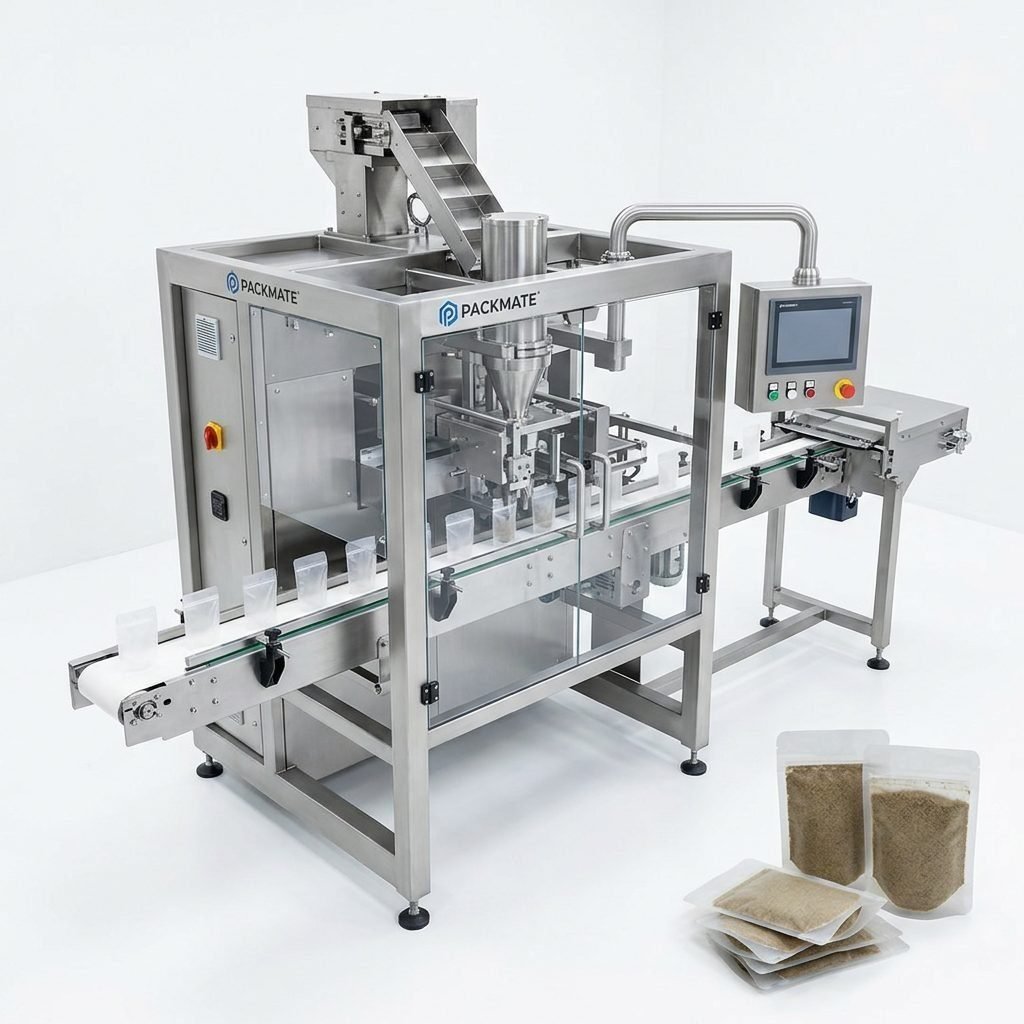
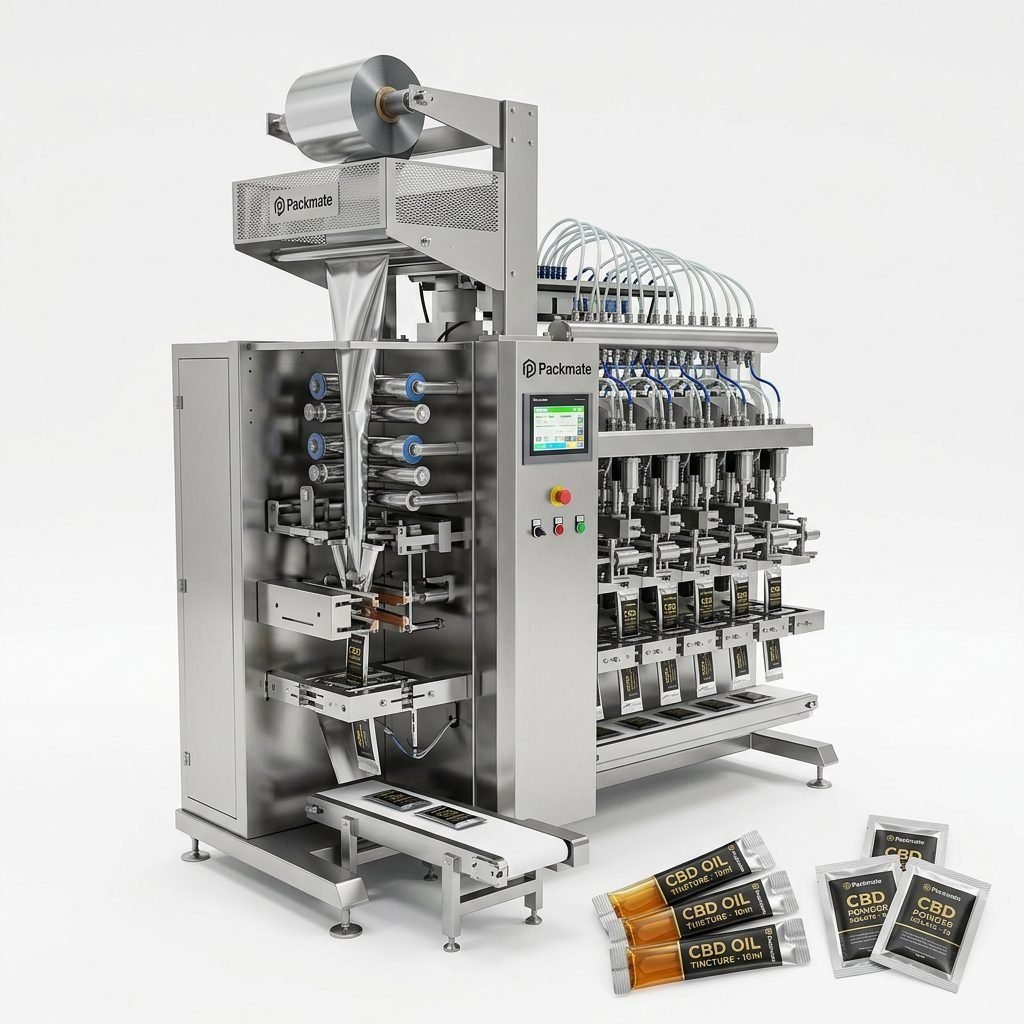
Consider product characteristics such as moisture, powder vs. granule, and additives. Machines designed for powders and granules differ in feed systems and dust management compared to liquid-compatible filling units. If you need an industry reference for varied machine types, check Packmate’s product range like Snus & Nicotine Packaging Machines and Sachet & Stick Pack Machines.
⚙️ Technical Specifications to Prioritize
Key technical features you should evaluate:
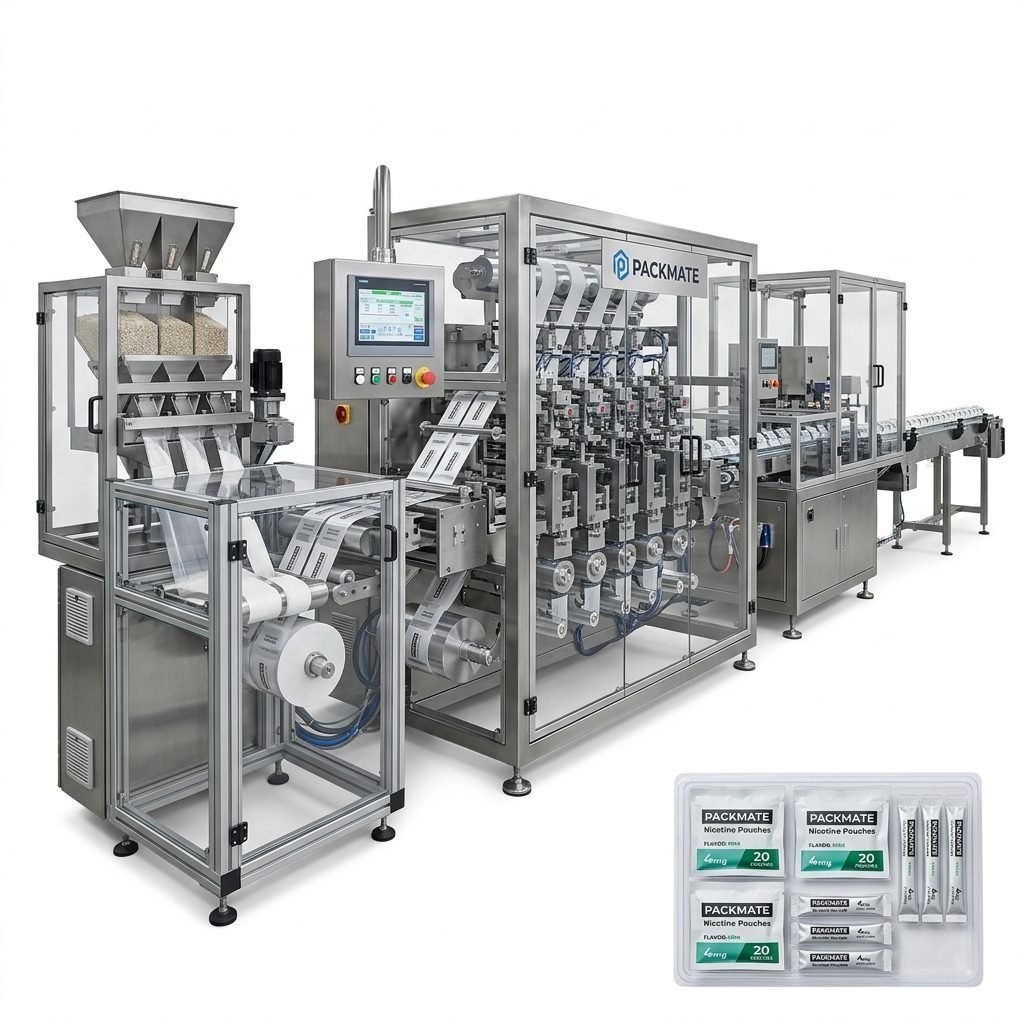
● Throughput & Lane Configuration: Does the machine support the lanes and speed you need without sacrificing sealing and portioning accuracy?
● Filling Accuracy: For nicotine pouches precision is critical — look for systems with verified weighing or volumetric dosing and low variation.
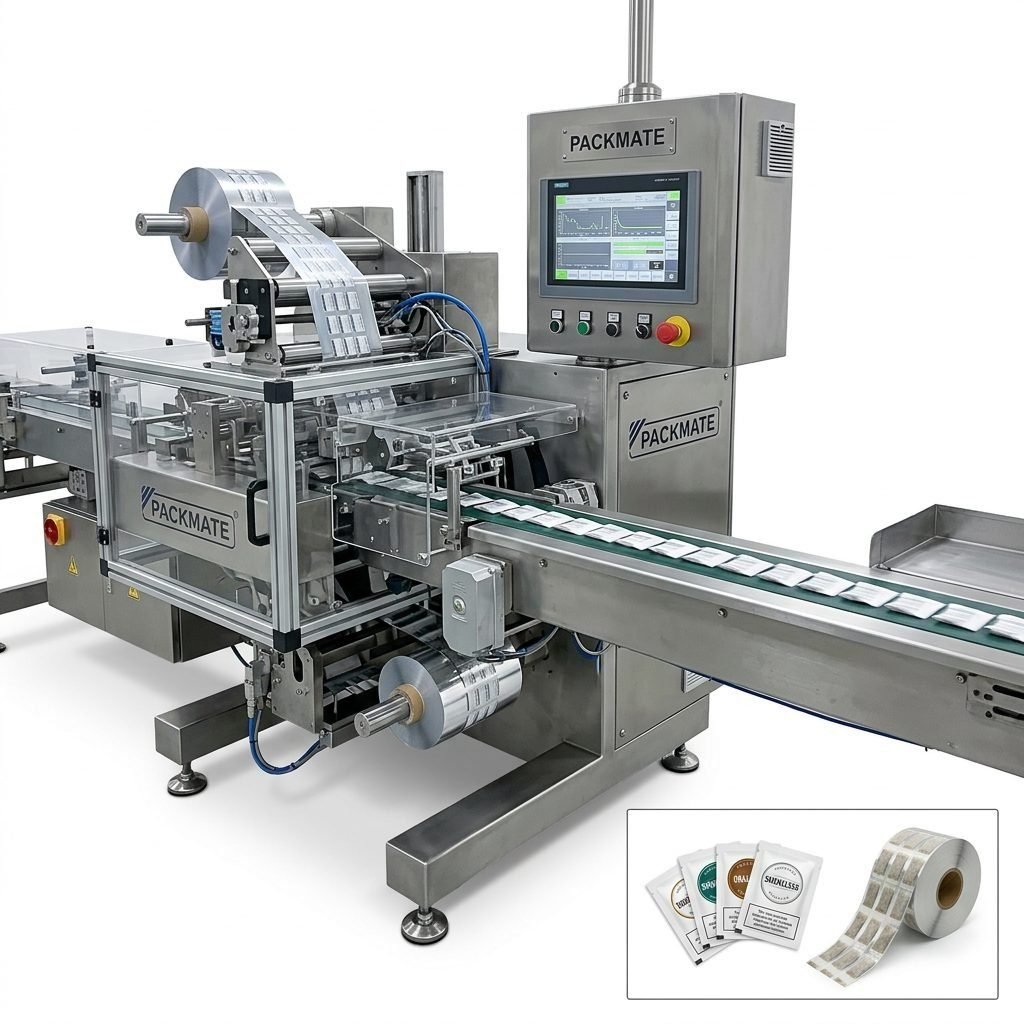
● Material Compatibility: Check compatibility with your chosen pouch materials, barrier films, and lid types.
● Cleanability & Hygiene: GMP-friendly designs, easy-to-clean surfaces, and material choices matter for product safety.
● Control & Integration: Modern HMI, PLC control, and ability to link with upstream weighing and downstream secondary packaging systems.
🧩 Integration with Existing Lines
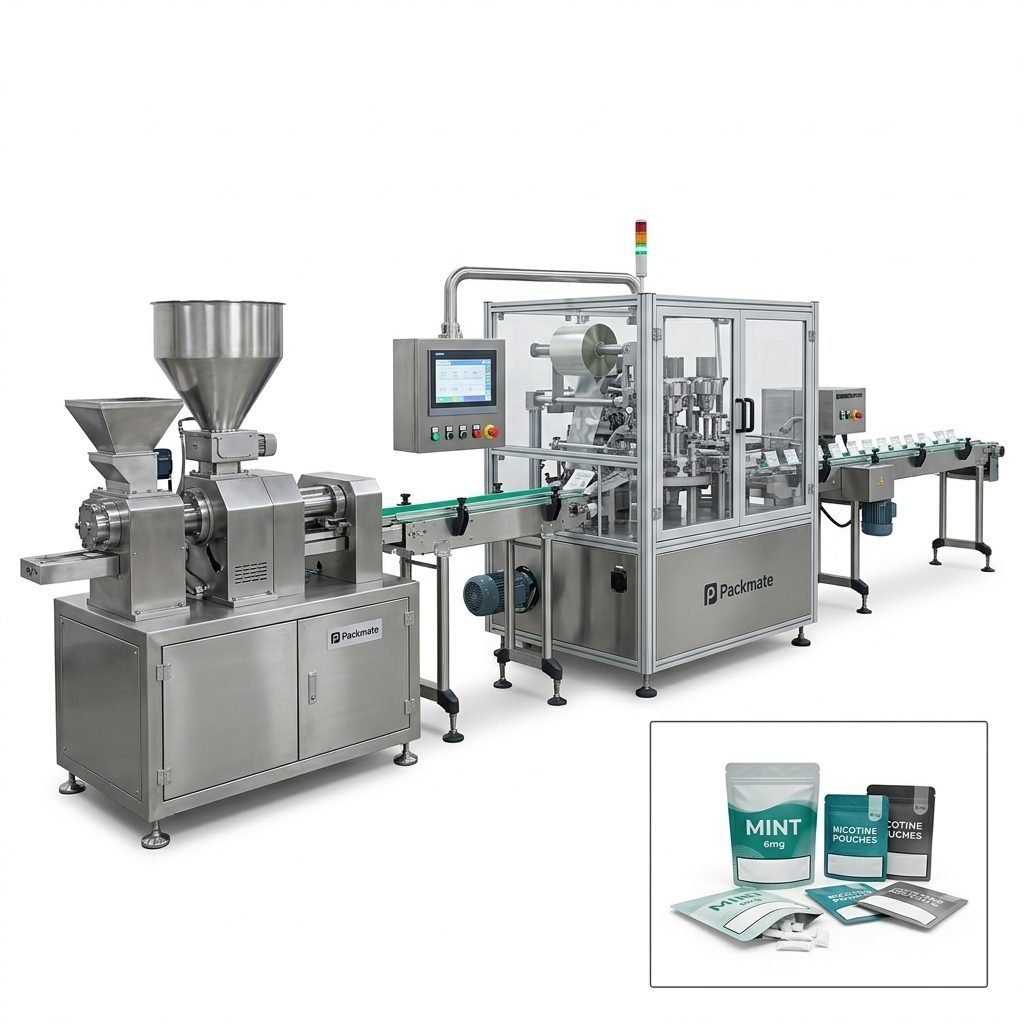
Think holistically: your snus packer will rarely operate as a standalone piece. Integration with scales, conveyors, cartoners, and labeling systems is essential. If you plan for a turnkey solution or modular upgrades, vendors that offer broad systems — for instance, Weighing & Packaging Systems and Filling & Packaging Lines — can reduce compatibility risk and accelerate commissioning.
💡 Compliance, Safety & Certification
In Bulgaria and the EU, machines must comply with CE directives and meet local safety and electrical standards. Ask suppliers for documentation such as CE declarations, ISO quality certifications, and conformity test reports. Choose equipment with clear guarding, emergency stops, and safety interlocks. Suppliers with a strong quality management system are more likely to deliver machines that pass audits and regulatory checks.
🔧 Reliability, Spare Parts & Maintenance
Evaluate mean time between failures (MTBF), recommended maintenance intervals, and the availability of replacement parts in Europe. Ask for a spare parts list and lead times. A supplier with local or regional support can reduce downtime — look for service options in their catalog or service pages such as Service.
📦 Customization & Flexibility
The snus market often demands rapid SKU changes and small-batch flexibility. Choose machines that allow quick format changes, easy tool-free adjustments, and programmable recipe storage. If you anticipate future product extensions (different pouch sizes or materials), select a platform that can be upgraded rather than replaced.
Tip: Invest in models with modular lanes and optional automation modules — they protect your capital investment as production needs evolve.
💬 Vendor Selection: What to Ask
When contacting suppliers, prepare a checklist to compare offers objectively:
• Delivery lead time, installation, and commissioning schedule.
• Warranty terms, service-level agreements, and local support options.
• Demonstrable references and live case studies (ask for machines running similar products). Packmate’s global case portfolio is a useful benchmark: Case.
• Training programs for operators and maintenance staff.
• Total cost of ownership estimates including energy use, spare parts, and consumables.
🧾 Factory Acceptance Tests (FAT) & Site Acceptance
Require a Factory Acceptance Test (FAT) before shipment and insist on performance validation with your product or a close simulant. A robust FAT reduces the risk of surprises during site acceptance testing (SAT) and accelerates commissioning. Ensure tests cover speed, sealing integrity, weight accuracy, and changeover times.
💶 Budgeting & Total Cost of Ownership
Price is only one part of the decision. Total cost of ownership includes installation, commissioning, operator training, spare parts, consumables, energy consumption, and anticipated downtime. High-quality machines from experienced suppliers like Packmate often deliver lower lifecycle costs through durability and easier maintenance.
Budget checklist: initial price, installation, FAT/SAT, spare parts package, training hours, warranty length, and an estimate of annual maintenance costs.
🌍 Local Considerations in Bulgaria
Bulgaria’s strategic location in Europe provides advantages in logistics and regional service. Consider:
– Customs and import duties for non-EU manufactured components.
– Availability of trained technicians for specialized equipment.
– Local language support for technical documentation and operator manuals.
– Proximity to ports and freight options for both inbound delivery and outbound shipments.
🔗 Useful Resources & Next Steps
Start by shortlisting vendors with proven snus packaging experience and then request quotes for machines that match your lane count and throughput. Explore vendor product pages for detailed specifications: Bag & Pouch Packaging Machines, Auxiliary Packaging Equipment, and check company background via About Packmate.
✅ Final Evaluation Checklist
Before making a purchase decision, confirm the following items are documented and agreed:
1. Performance Metrics: Guaranteed speeds, accuracy, and acceptance criteria.
2. Service & Support: Response times, spare parts lists, regional representation.
3. Compliance: CE/ISO certificates and safety compliance documents.
4. FAT/SAT Terms: Detailed test plans and acceptance thresholds.
5. Warranty & Training: Clear warranty coverage and onsite training commitments.
📞 After-Sales & Long-Term Partnership
A reliable after-sales relationship reduces risk and cost over the life of your equipment. Seek partners who offer remote diagnostics, scheduled preventive maintenance, and spare parts kits. For more company-level assurances, review the manufacturer’s certifications and exhibition presence via pages like Certificate and Our Exhibition.
Choosing snus packaging machinery in Bulgaria is a strategic decision that affects product quality, regulatory compliance, and profitability. By prioritizing technical fit, vendor competence, and lifecycle support, you can select a solution that scales with your business while minimizing production interruptions.
Frequently Asked Questions
Q1: How do I ensure a machine meets EU safety standards?
A1: Request CE declarations, conformity documentation, and third-party safety reports from the supplier. Confirm compliance during FAT and ask for safety-related certificates.
Q2: What support should I expect after installation?
A2: Expect a comprehensive handover including operator training, preventive maintenance schedules, access to spare parts, and hotline/remote support options.
Q3: Is it better to buy modular machines or fully integrated lines?
A3: Modular machines offer flexibility and lower upfront cost; integrated turnkey lines reduce integration risk and usually come with single-vendor accountability. Choose based on your growth plan and technical capability to manage integration.
Q4: How important is on-site FAT before shipment?
A4: Extremely important. FAT validates performance with real product or close simulants and reduces commissioning time on site.
Q5: Where can I view proven installations and references?
A5: Request case studies and visit vendor reference sites. Manufacturers often publish customer cases and machine videos — review the supplier’s case page and exhibition records for credibility.