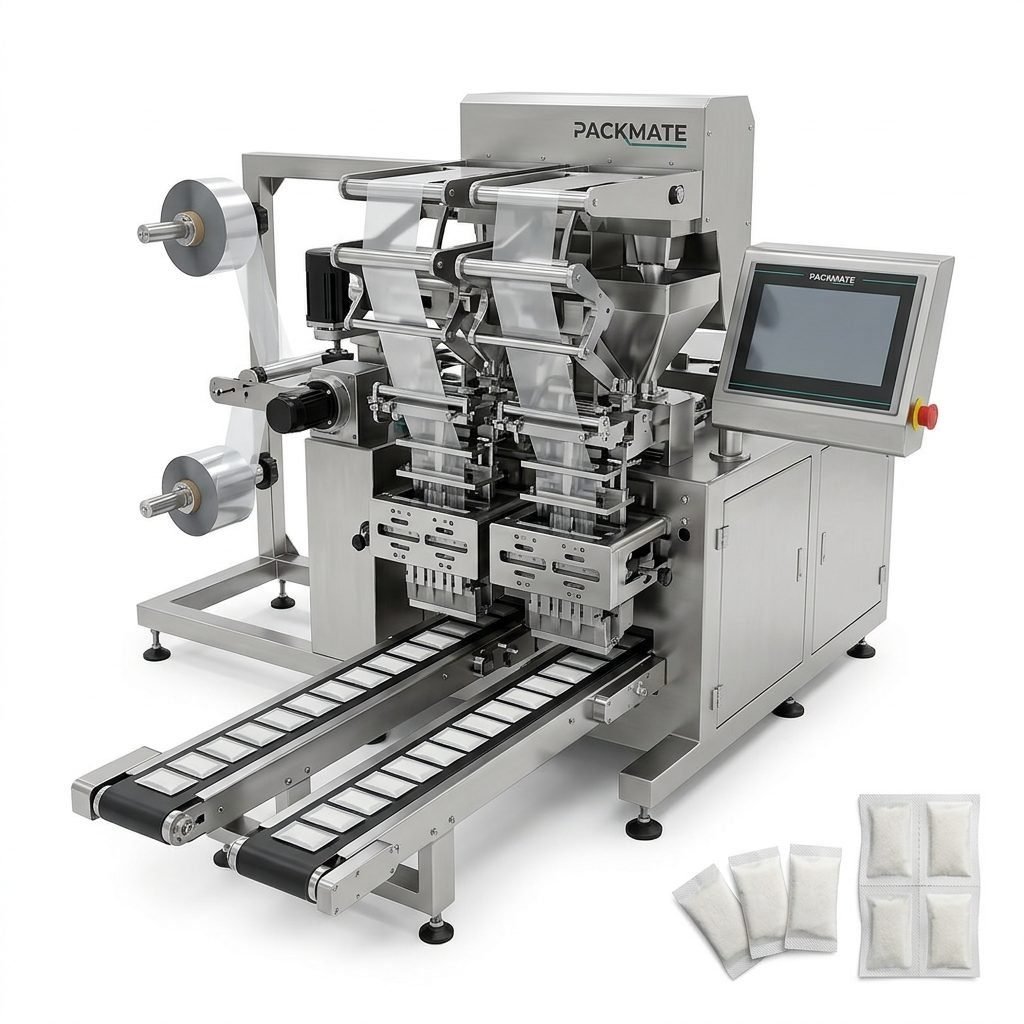
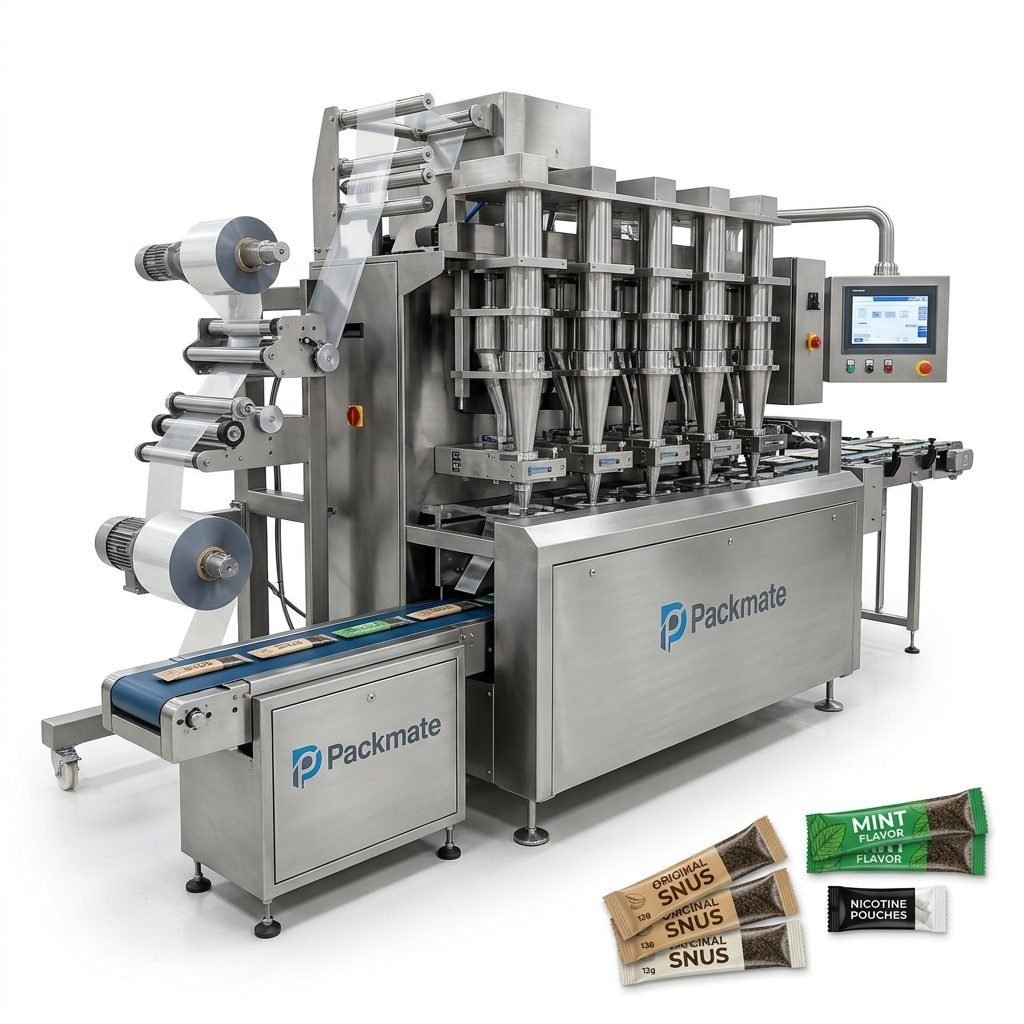
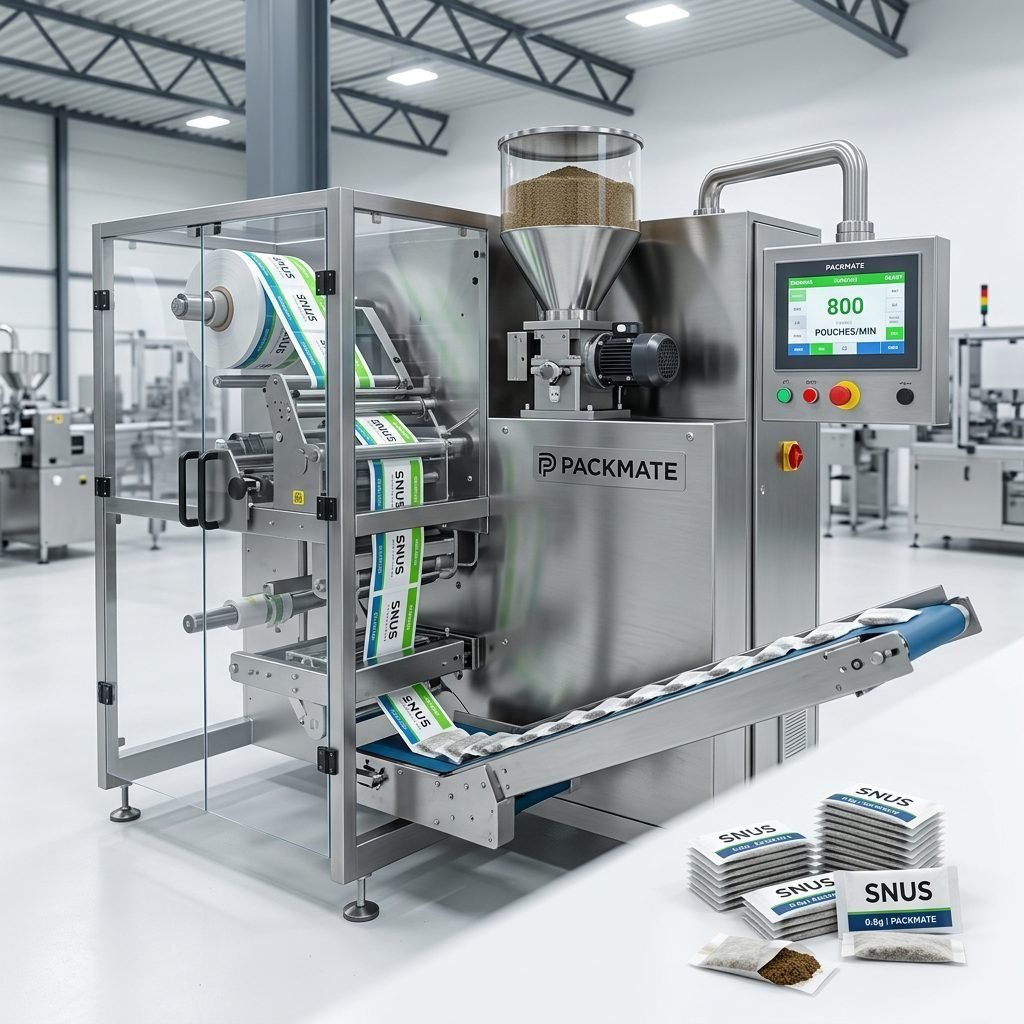
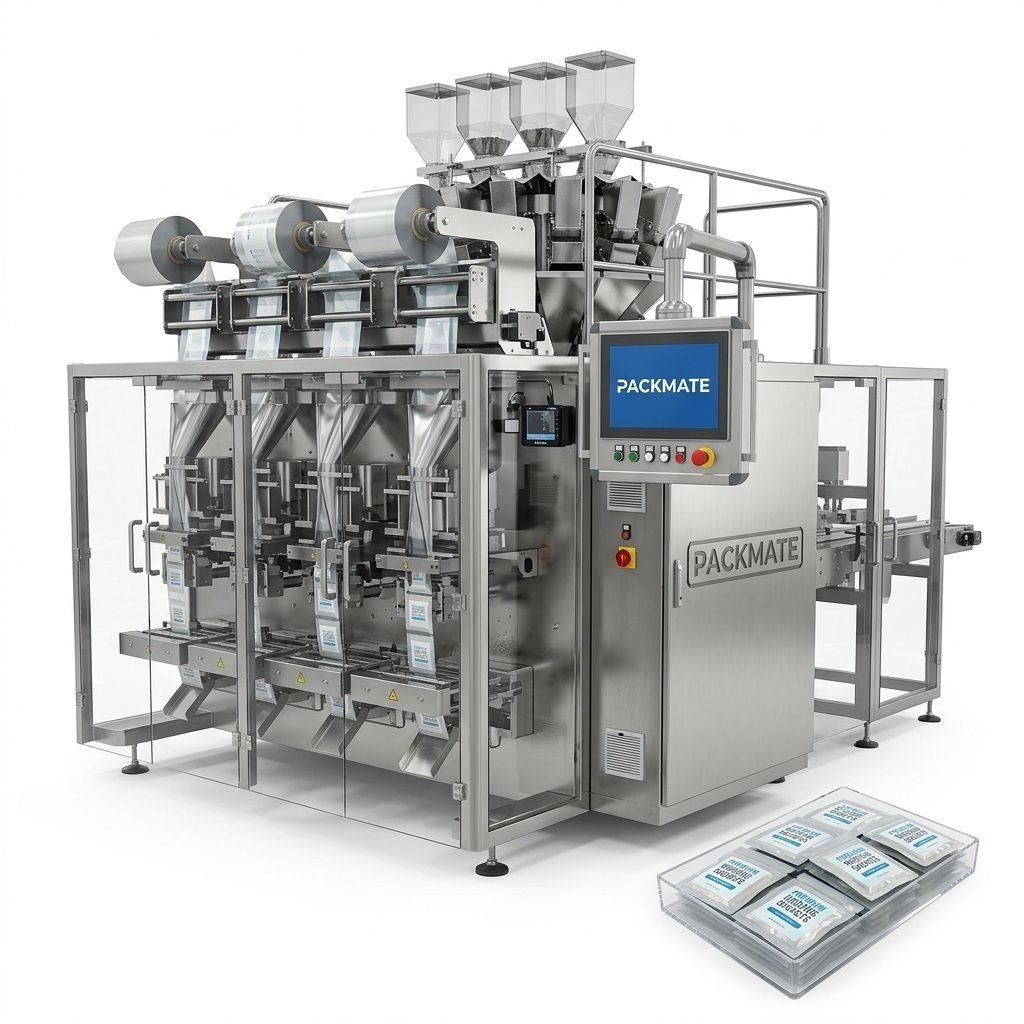
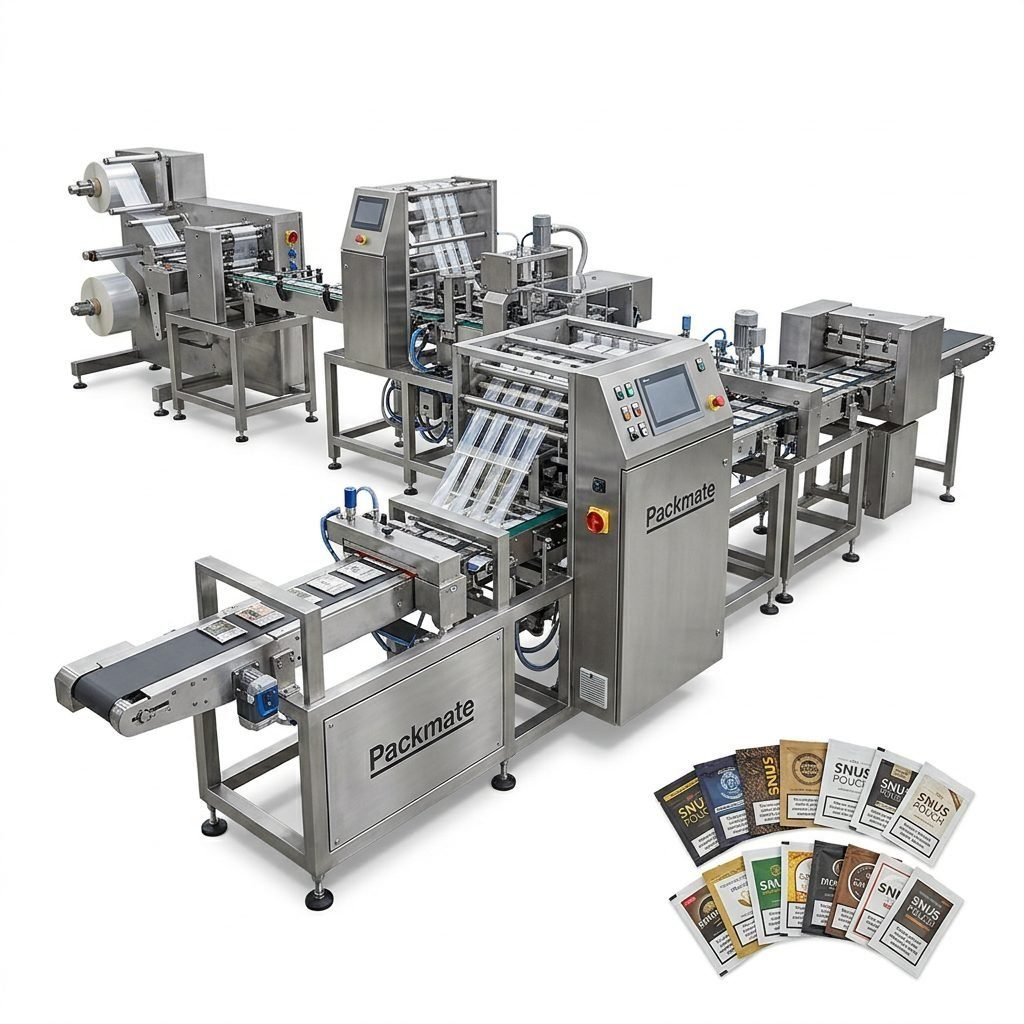
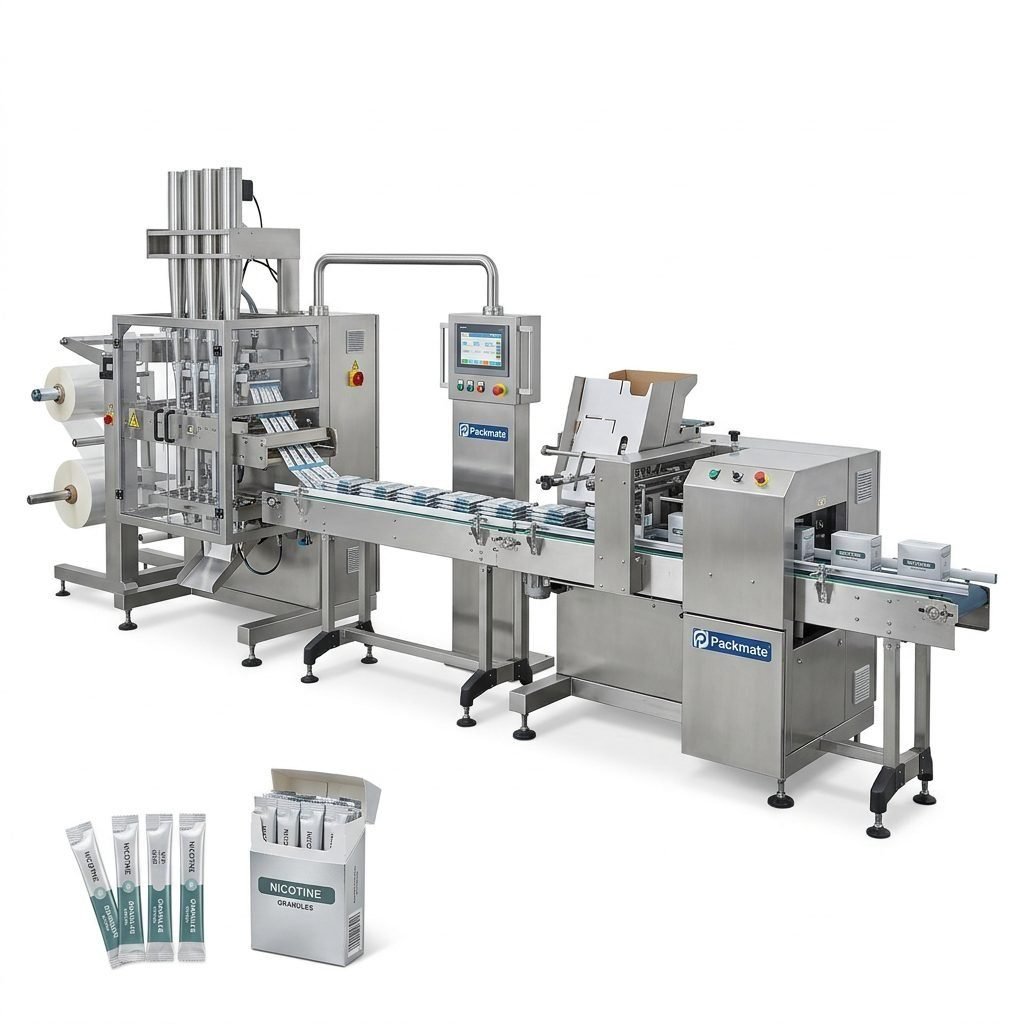
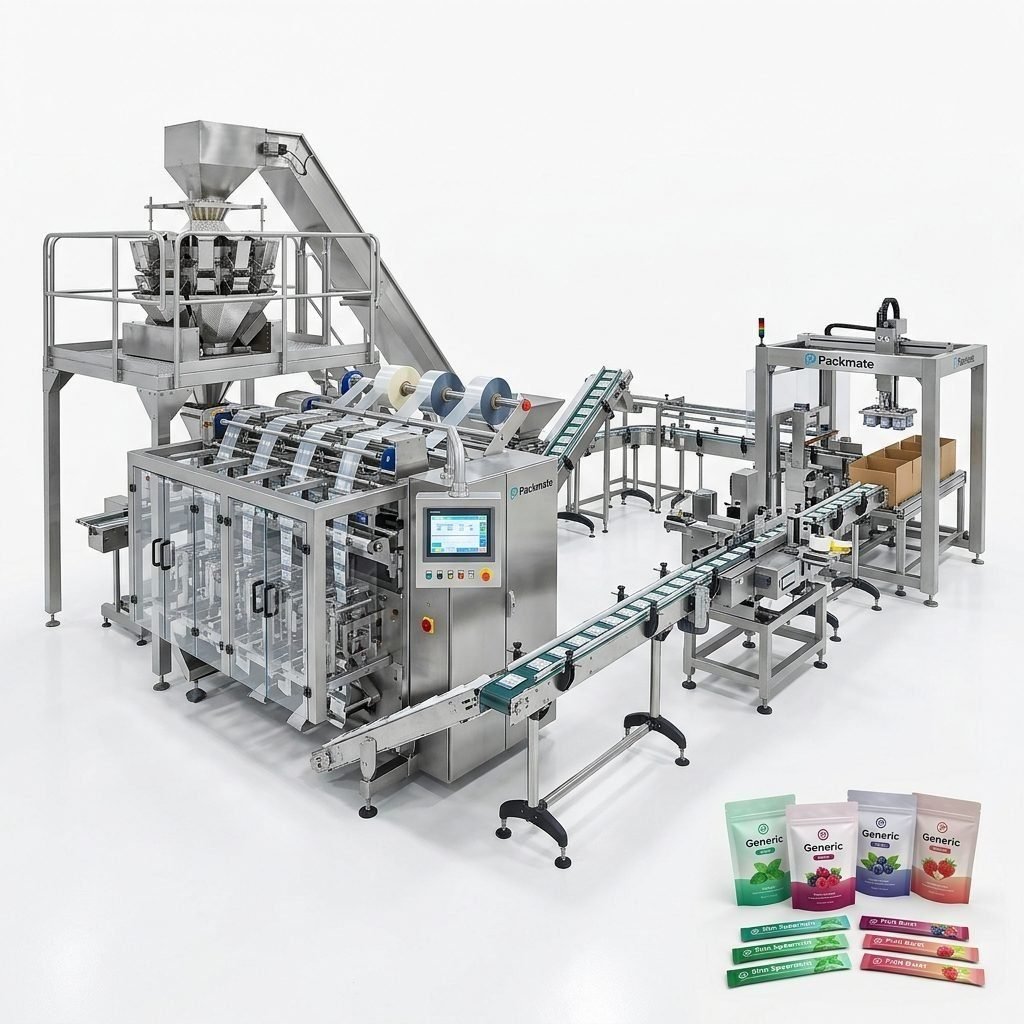
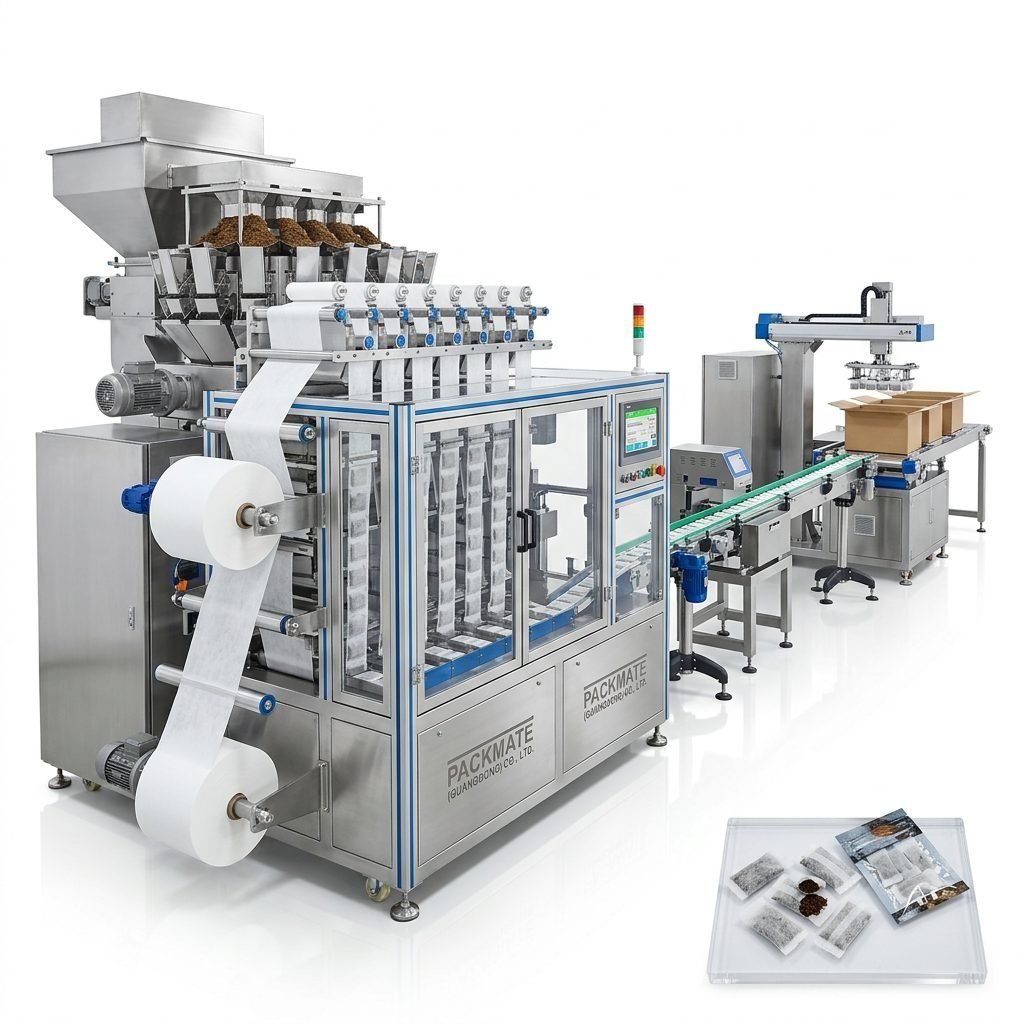
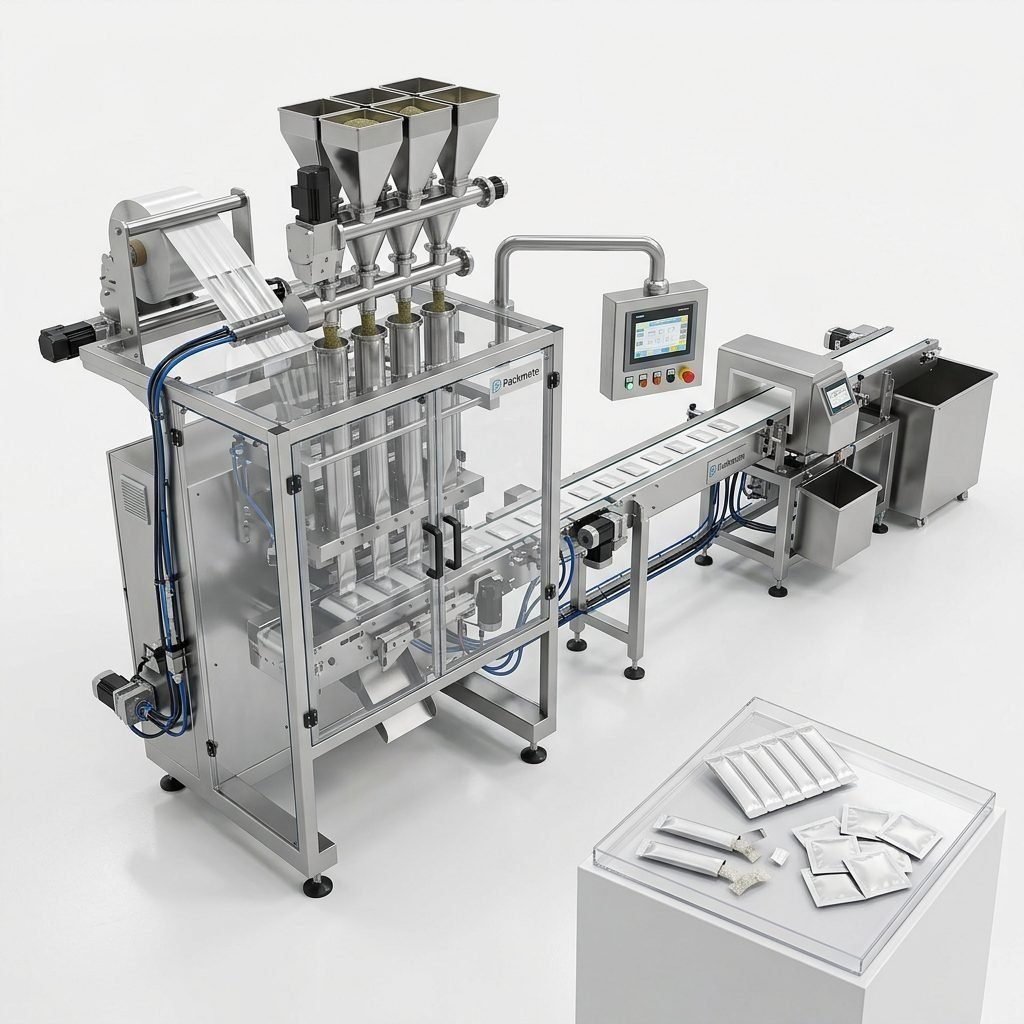
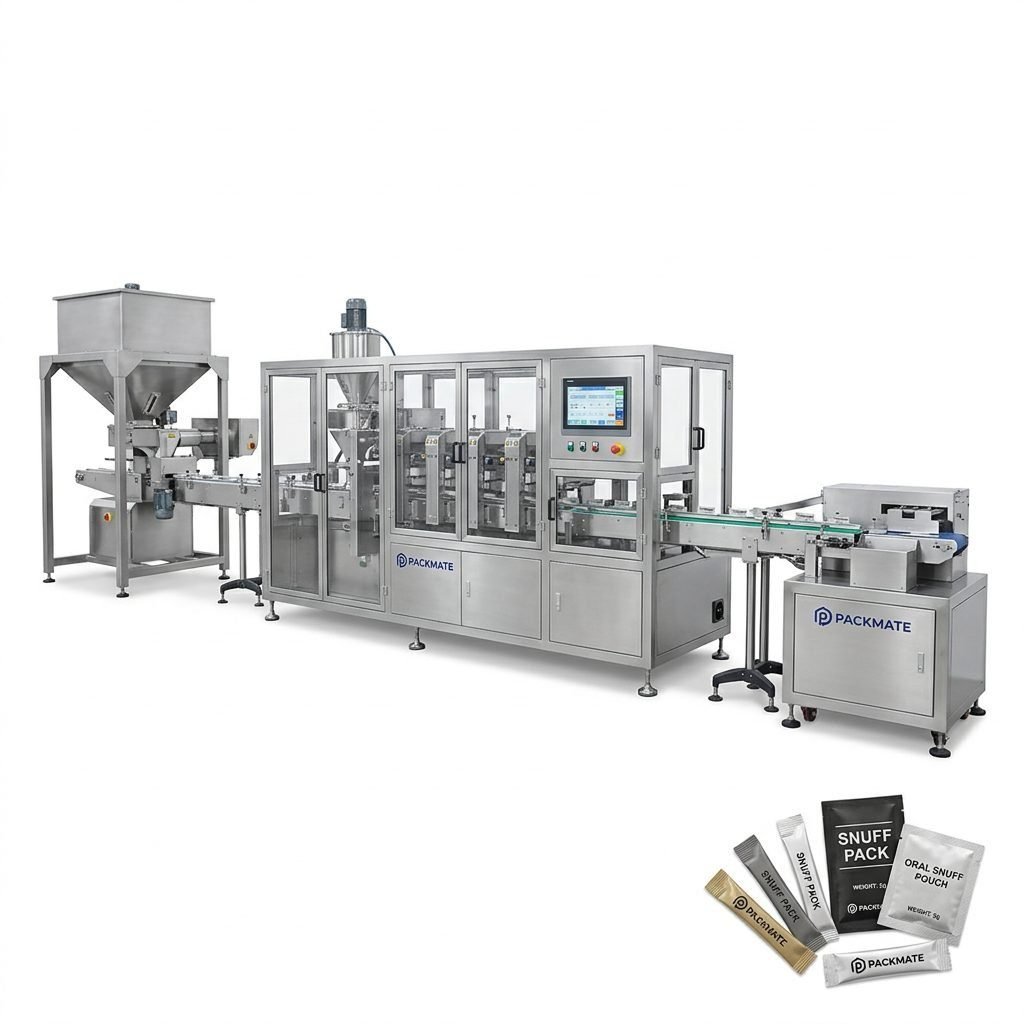
Buying a snus packaging machine for the Afghanistan market requires more than comparing prices. You need to match machine capabilities to local customer habits, understand import rules and logistics, and verify the supplier’s engineering depth and after-sales capacity. This practical buyer’s guide walks you step-by-step through how to find a reliable snus/nicotine pouch packaging machine supplier who can deliver performance, compliance, and long-term support for your business in Afghanistan.
Why choosing the right snus packaging machine matters in Afghanistan
Afghanistan presents unique challenges and opportunities: customers value discreet, low-bulk packaging; retail is often fragmented between small kiosks, urban pharmacies and emerging e-commerce; regulatory oversight on nicotine products can be unpredictable. Selecting the right machine affects product consistency, material cost, production flexibility, and how quickly you can scale. A machine that fails on accuracy or uptime can cost more than its purchase price in lost sales and downtime.
Key outcomes you should expect from a good supplier:
- Reliable dosing accuracy for small-dose nicotine pouches ⚖️
- High uptime and service backup to keep production steady 🔧
- Compliance documentation (CE / ISO) and traceable quality ✅
- Customization options for sachet, stick or multi-lane formats 📦
Understand local market and cultural considerations
In Afghanistan, personal discretion and small-quantity purchase options are common. Consumers may prefer small sachets or discreet pouches rather than larger packs. During religious periods like Ramadan, buying patterns shift — daytime demand may drop and evening sales spike. Urban centers such as Kabul, Kandahar and Herat have more modern retail channels; rural areas rely on smaller kiosks. When negotiating packaging design, consider local language labeling, conservative visual design and discreet branding to align with cultural norms.
Regulation & import tips
Nicotine and tobacco-adjacent products are sensitive goods. Before importing machinery or completed product lines, verify customs regulations, required permits, and labeling rules. Work with a freight forwarder experienced with Afghan customs and consider CIF or DDP terms to reduce surprises. Local tax regimes and inspection processes may add time — factor that into lead times and launch schedules.
Supplier technical features to evaluate
Evaluate machine performance based on measurable metrics:
- Accuracy: dosing precision and weight control for small pouches, especially important for nicotine products.
- Speed & scalability: multi-lane machines or modular lines that let you increase capacity without full replacement.
- Material versatility: ability to handle films, laminates and re-sealable pouches.
- Sanitation & safety: easy-clean designs and compliance with hygiene standards for consumer goods.
- Control systems: intuitive HMI, remote diagnostics, and standard communication protocols.
Pro tip: prioritize suppliers who publish detailed machine specs and provide video demos or FAT (Factory Acceptance Test) reports. See real-world product families like those for Snus & Nicotine Packaging Machines for reference.
Verify supplier credibility and factory strength
Vet the supplier thoroughly: request factory photos, ask for a virtual or in-person factory tour, review certifications and ask for references from customers in similar markets. A supplier with decades of engineering experience and a large production facility reduces risk — for example, manufacturers that highlight 20,000㎡ production areas, advanced CNC machining and 30+ years in R&D typically have the process maturity you want.
Check for third-party certifications such as CE and ISO, and ask about international exhibition attendance to confirm global presence. Review real cases or success stories to see how the supplier adapted solutions to other markets: Case studies are valuable.
Ask for references and machine demos
A reputable supplier will provide client references and video demos. Ideally, ask for contactable customers who purchased similar machines and check uptime, spare parts logistics, and training quality. If possible, arrange a live demo at an exhibition or at the manufacturer’s factory — many suppliers post events on their exhibition calendars.
Commercial terms: pricing, payment and delivery to Afghanistan
Don’t focus solely on the initial purchase price. Total landed cost includes freight, insurance, customs duties, installation, spare parts, and training. For Afghanistan, consider:
- Choose Incoterms carefully (FOB/CIF/DDP) — DDP shifts clearance risk to the seller, useful if you lack local customs experience.
- Plan freight routes — sea to Karachi plus cross-border truck, or multimodal via Iran/Turkmenistan depending on origin and timelines.
- Ask about warranty durations and what parts are consumables vs covered.
- Negotiate payment milestones tied to FAT, shipment and successful on-site commissioning.
Delivery timelines and installation
Lead times vary by machine complexity and customization. Standard machines might ship in weeks; customized multi-lane lines can require months. Ensure the contract includes:
- Clear delivery milestones and penalties for missed dates
- On-site installation and SAT (Site Acceptance Test) procedures
- Training for operators and maintenance staff
- Remote support agreements and spare parts availability
Acceptance testing and commissioning
Insist on clear FAT criteria before shipment and a thorough SAT on arrival. FAT should include running your target packaging materials and performing weight and seal integrity checks. SAT must validate performance under real site conditions. Ask for spare parts kits and technical manuals in English and, where helpful, a local language.
Checklist for FAT/SAT:
- Material compatibility and film feeding tests
- Weight accuracy and dosing repeatability
- Sealing strength and leak tests
- Cycle speed and stability under extended runs
- Electrical and safety compliance checks
After-sales service and spare parts in Afghanistan
After-sales is critical. Confirm lead times for spare parts and whether the supplier stocks common wear items. Suppliers that provide remote diagnostics, video support and periodic maintenance training will reduce downtime. Request service level agreements (SLAs) covering response times and escalation channels. If available, local service partners or regional spare parts hubs are a major advantage.
Packmate-style manufacturers highlight strengths that matter: multiple machine models, dedicated assembly lines and global turnkey capabilities. Explore detailed product categories such as Bag & Pouch Packaging Machines, Sachet & Stick Pack Machines, and supporting Weighing & Packaging Systems to understand available configurations.
Practical step-by-step buying process
Follow a structured procurement workflow to minimize risk:
- Define product format, target speed and materials for your Afghanistan market.
- Shortlist 3–5 suppliers with relevant experience and certification.
- Request technical quotes with FAT criteria and spare parts lists.
- Arrange factory visit or video FAT; validate references and exhibition presence.
- Negotiate commercial terms: payment milestones, warranty, shipping and installation.
- Execute FAT, ship, complete SAT, and train your team for operations and maintenance.
Negotiation tips
Bundle services like installation, training and spare parts into a single contract to secure better pricing. Request a consumables kit on first shipment and aim for at least 12 months warranty for critical components. Use milestone-based payments tied to passing FAT and SAT to reduce front-end risk.
Common red flags when assessing suppliers
- Unwillingness to provide FAT demos or client references ⚠️
- Vague specs and no clear spare parts list
- Unclear warranty terms or no remote support
- No export experience to Afghanistan or nearby regions
- Price-only focus without discussing after-sales and compliance
Quick checklist before signing:
- Factory pictures and certifications verified
- FAT and SAT acceptance criteria documented
- Clear spare parts list and lead times
- Training scope and language confirmed
- Delivery terms and responsible party for customs clarified
Why a partner with engineering depth matters
Suppliers with decades of experience and large, well-equipped facilities typically handle customization, service and upgrades more reliably. A company that documents its development timeline, factory capabilities and global cooperation demonstrates the maturity to support customers worldwide. Learn about the supplier’s history and service offerings in detail — for instance, an About page and Service descriptions help clarify long-term commitments: see About Packmate and Service.
Final selection and onboarding
After selection, plan onboarding with clear operator training sessions, spare parts stock for 6–12 months, and a documented preventive maintenance schedule. Make sure local teams are trained on troubleshooting and that you have escalation contacts for urgent issues. If the supplier offers turnkey lines, coordinate mechanical, electrical and material supply chains together to streamline commissioning.
Closing tips for buyers in Afghanistan
Build relationships with suppliers who demonstrate transparency, provide FAT data and stand behind their machines with timely support. Emphasize total cost of ownership — uptime, consumables and spare parts availability matter more than the lowest bid. Consider staging purchases: start with a single-lane pilot machine, validate the market, then scale to multi-lane lines for higher output. Attend regional exhibitions or request supplier demos to see machines in operation before committing.
Further resources
For product categories, technical details and catalog downloads, review vendor product pages and catalogs. Sample links: Catalog, Filling & Packaging Lines, and auxiliary systems at Auxiliary Packaging Equipment.
常见问题 (FAQs)
Q1: How do I verify a supplier’s claim on machine throughput?
A1: Ask for FAT videos showing sustained runs at the claimed speed with your target packaging materials, and request client references who run similar recipes.
Q2: What spare parts should I stock locally in Afghanistan?
A2: Consumables (seals, belts, cutting blades), critical electronics, PLC and servo spares, and common mechanical items. Aim for a 3–6 month kit for initial operations.
Q3: How can I reduce customs risks when importing machines?
A3: Use an experienced freight forwarder, clarify HS codes in advance, consider DDP terms or hire a local customs agent to handle documentation and inspections.
Q4: Is remote support reliable for resolving technical issues?
A4: Many suppliers provide effective remote diagnostics and guided repairs. Ensure the supplier offers clear SLAs and that your local team has basic troubleshooting skills to implement remote instructions.
Q5: Where can I find more detailed product specifications and company background?
A5: Check the supplier’s product pages, catalog and About pages for detailed specs, manufacturing capabilities and company timeline — useful starting points include the supplier’s About and product pages.