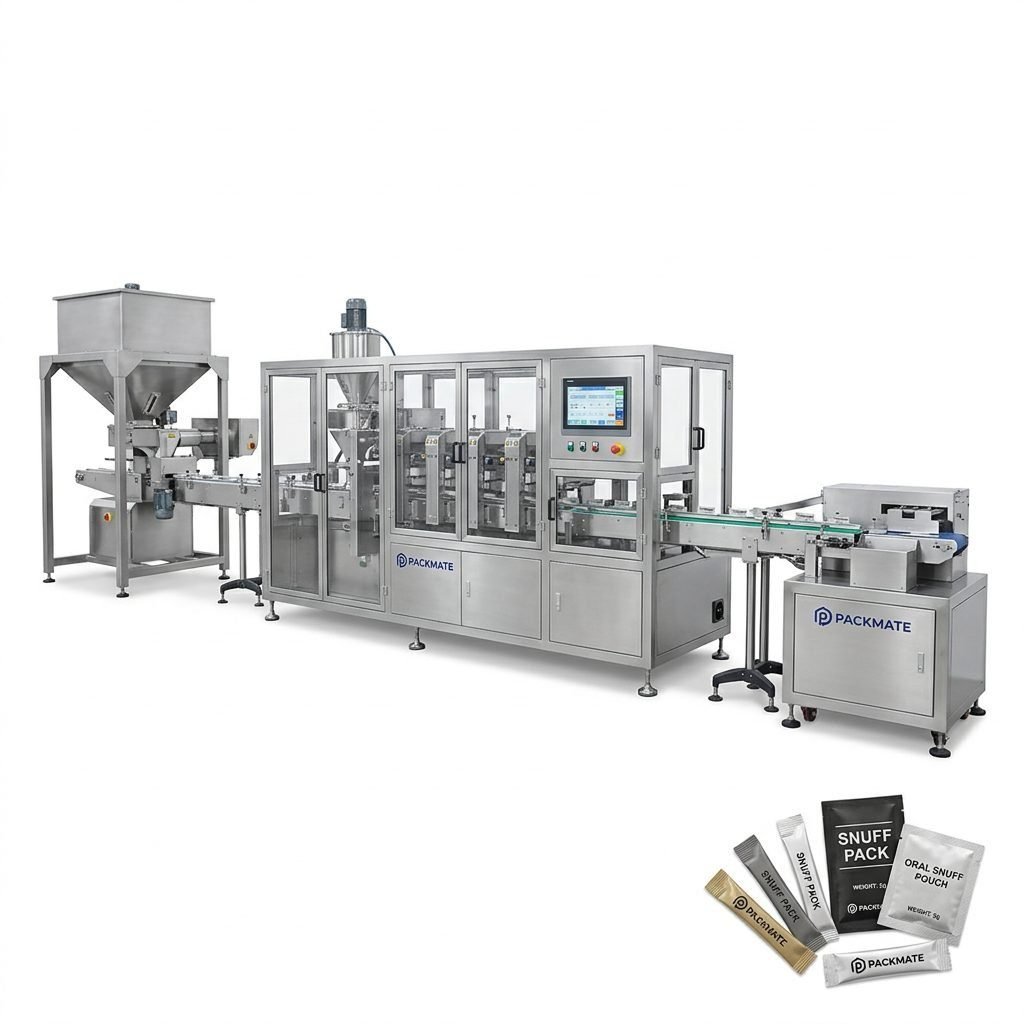
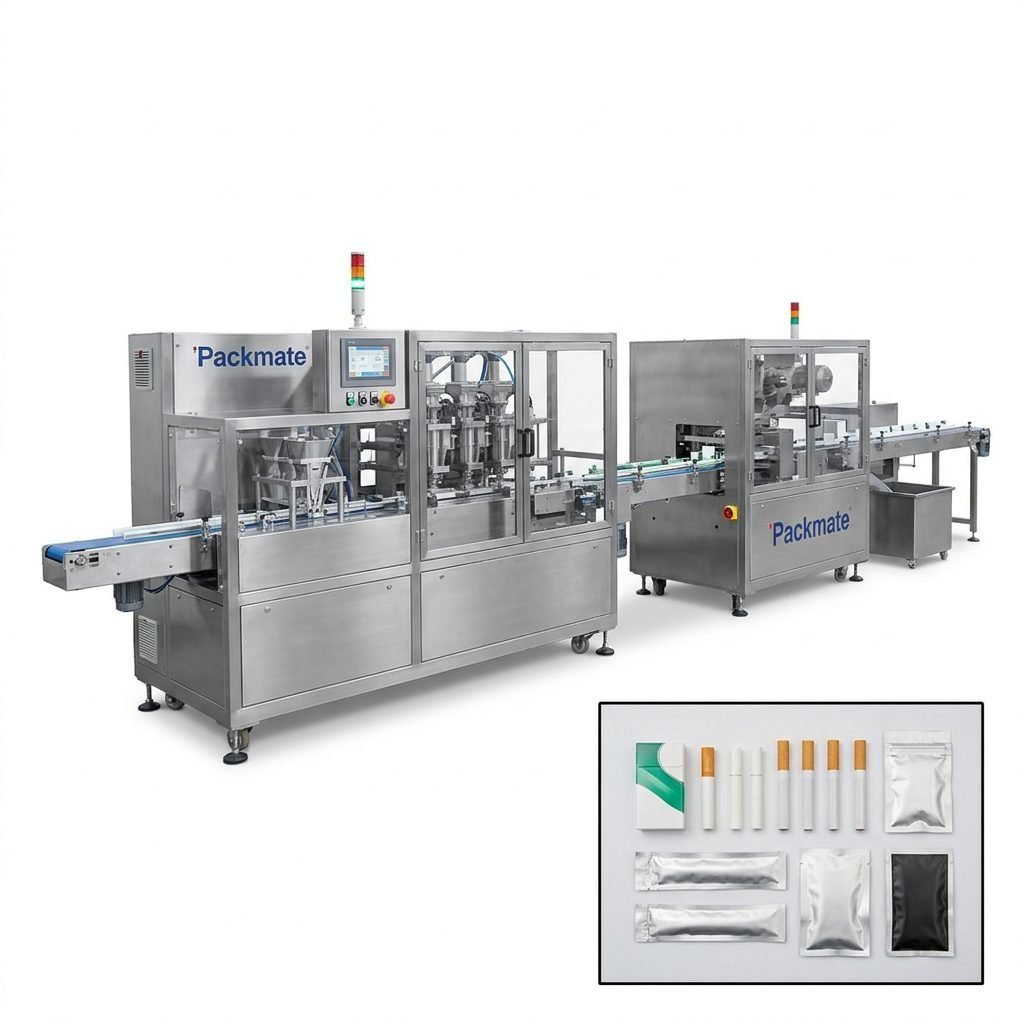
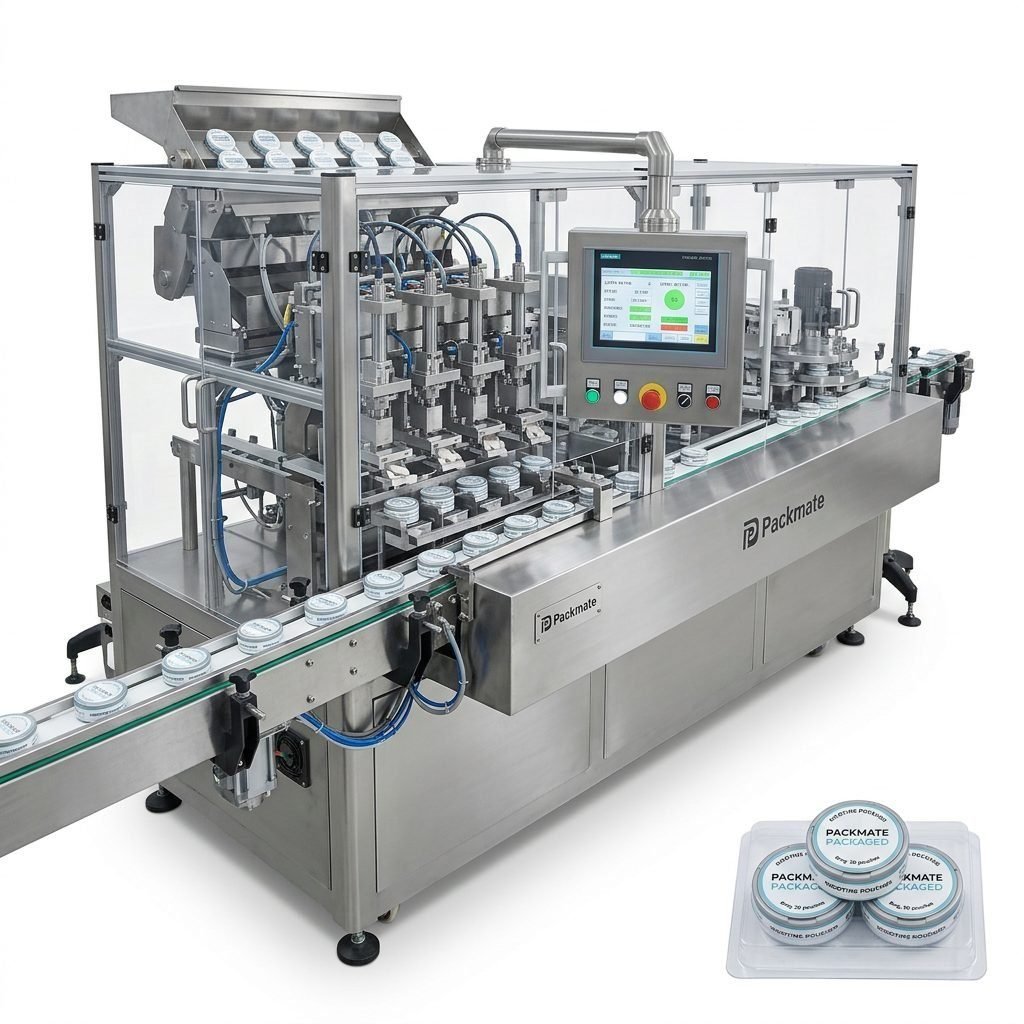
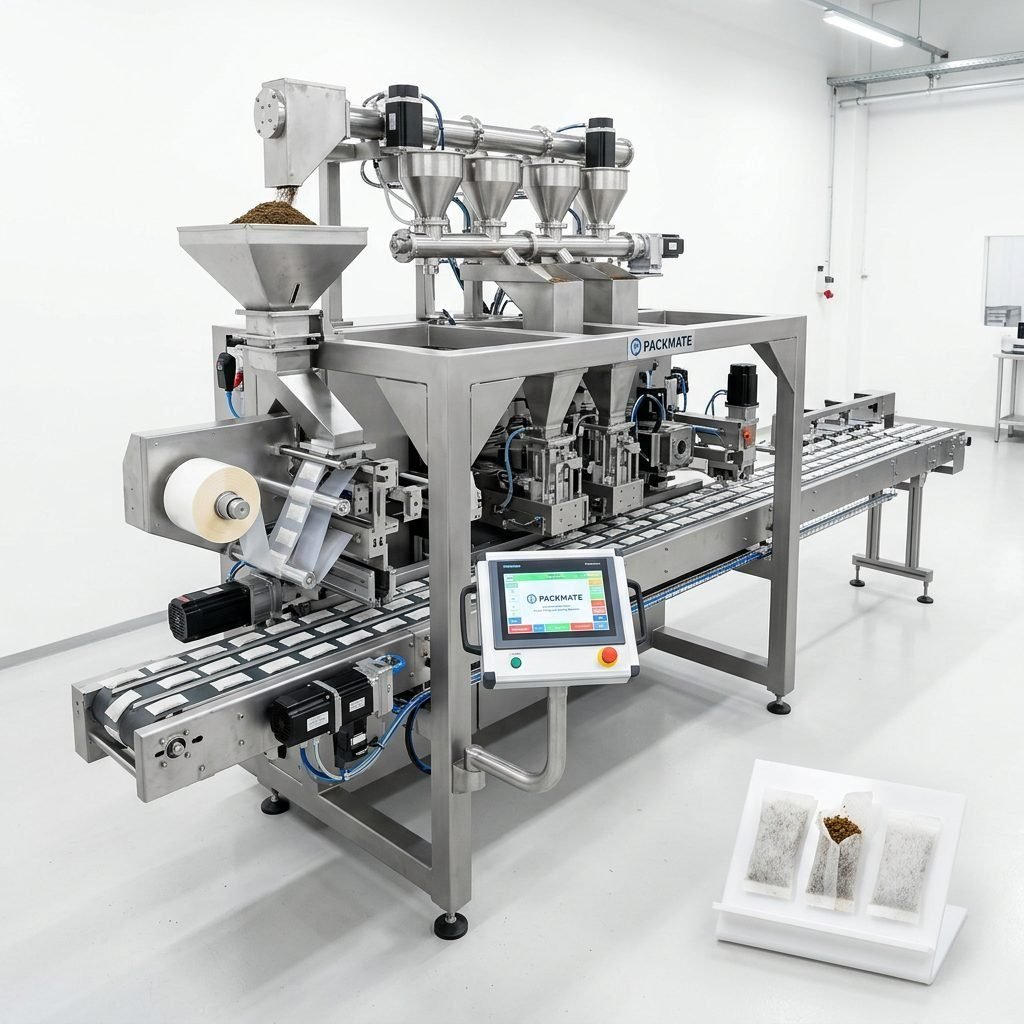
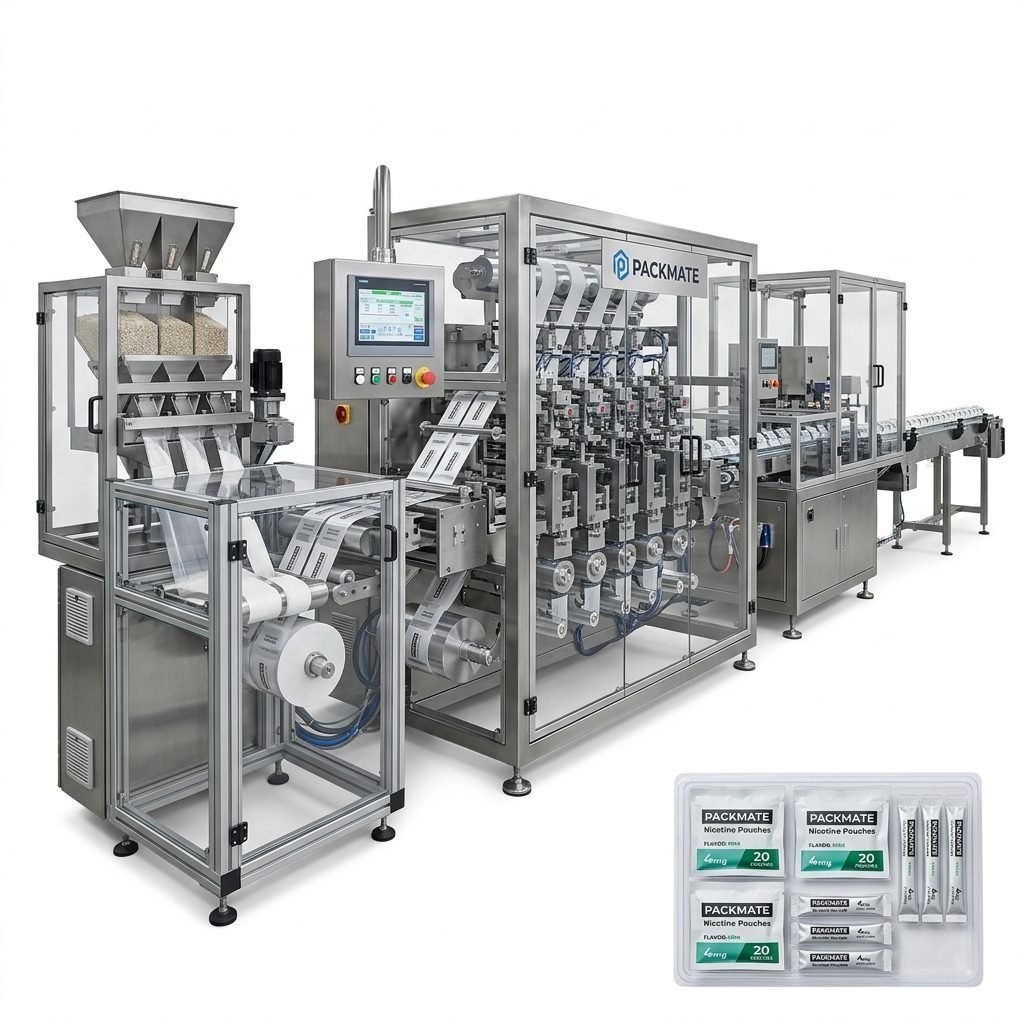
Guatemala’s small and medium manufacturers entering the snus and nicotine pouch market face unique challenges: tropical humidity, diverse retail channels from corner tiendas to supermarket chains, and a customer base that values discreet, branded, and tamper-proof packaging. This buyer’s guide walks local manufacturers through how to choose the best snus packaging machine for Guatemala — from machine types and production capacity to material compatibility, regulatory compliance, and after-sales support.
Understanding the Guatemalan Market and Local Needs
Guatemala’s consumers consume tobacco and nicotine products in varied settings: informal kiosks, specialty shops, and growing online retail. Manufacturers should prioritize discreet, moisture-resistant packaging and packaging formats that suit small-format retail displays. Consider also language requirements (Spanish labeling), local packaging regulations, and cultural preferences for color and branding. Products often need to stand out on small shelves — so precise, repeatable printing and consistent pouch shape matter.
Key purchase drivers in Guatemala
Manufacturers typically prioritize: cost-effectiveness, compact footprints for limited factory space, humidity-resistant seals, and easy integration with existing filling lines. Local serviceability and spare parts availability are equally crucial — shipping delays from overseas can disrupt production.
Choose the Right Machine Type
Snus packaging machines fall into several categories. Matching the machine type to your product format and brand positioning is the first step:
Sachet & Stick Pack Machines
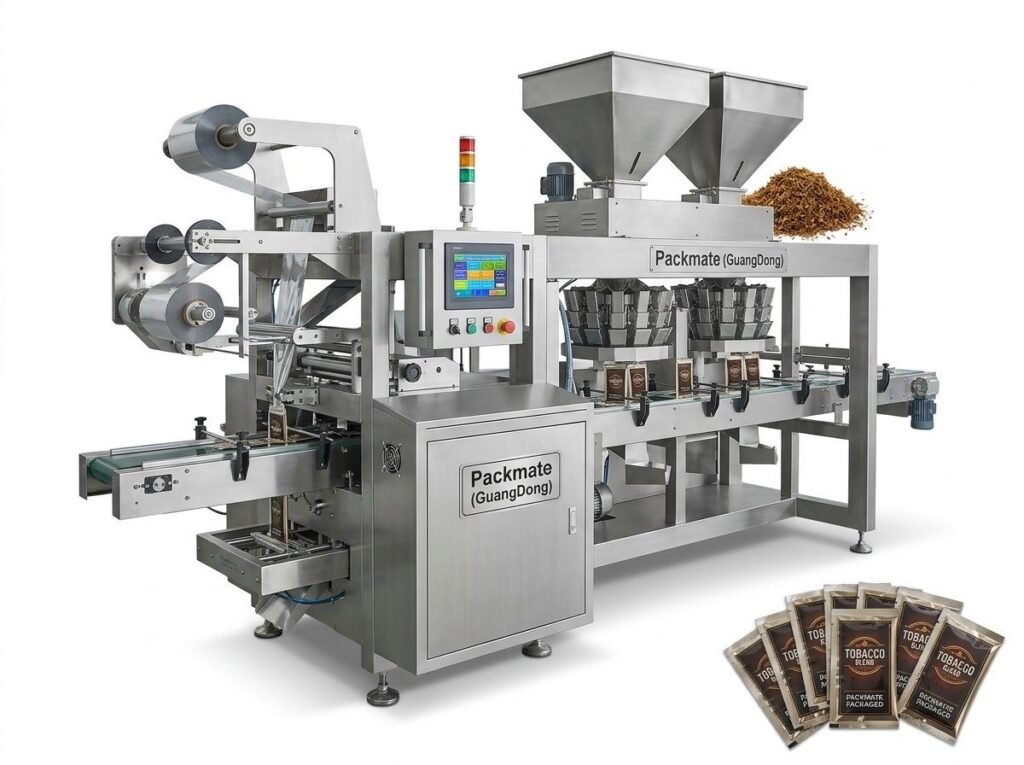
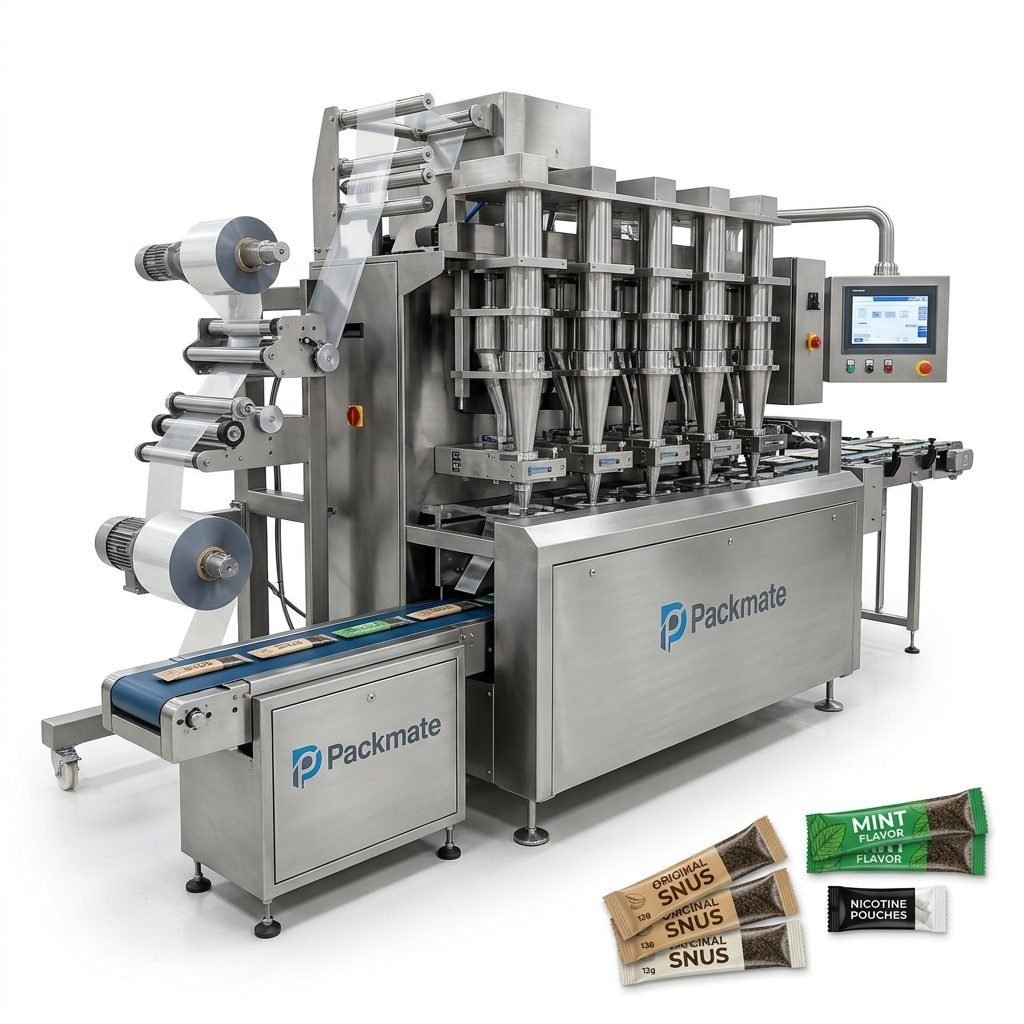
Ideal for single-dose stick packs or slim sachets. These machines are compact and often cost-efficient for lower to medium volumes. See typical options at
Sachet & Stick Pack Machines.
Multi-lane Snus & Nicotine Packaging Machines
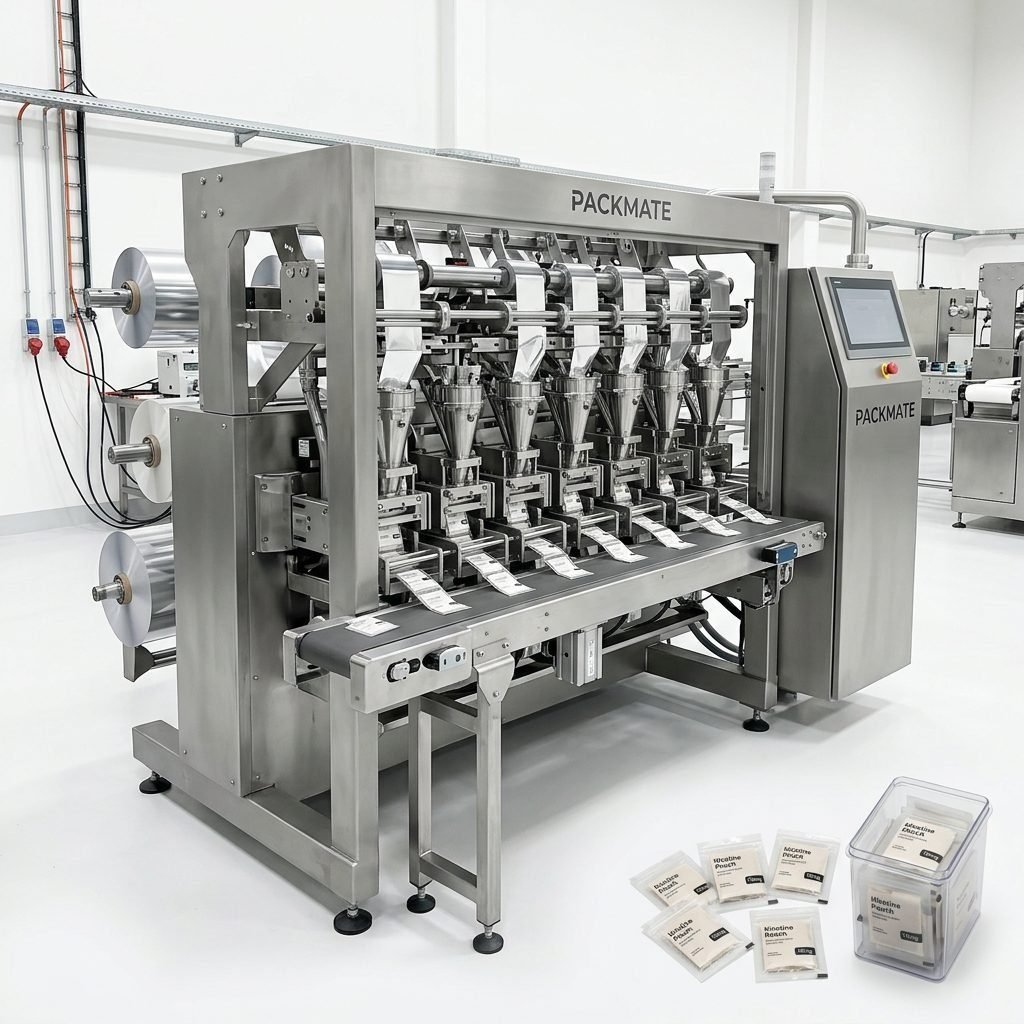
When scale matters, multi-lane machines increase throughput while keeping floor space efficient. They are suited for higher-volume brands or contract manufacturers. Explore multi-lane solutions in
Snus & Nicotine Packaging Machines.
Bag & Pouch Packaging Machines
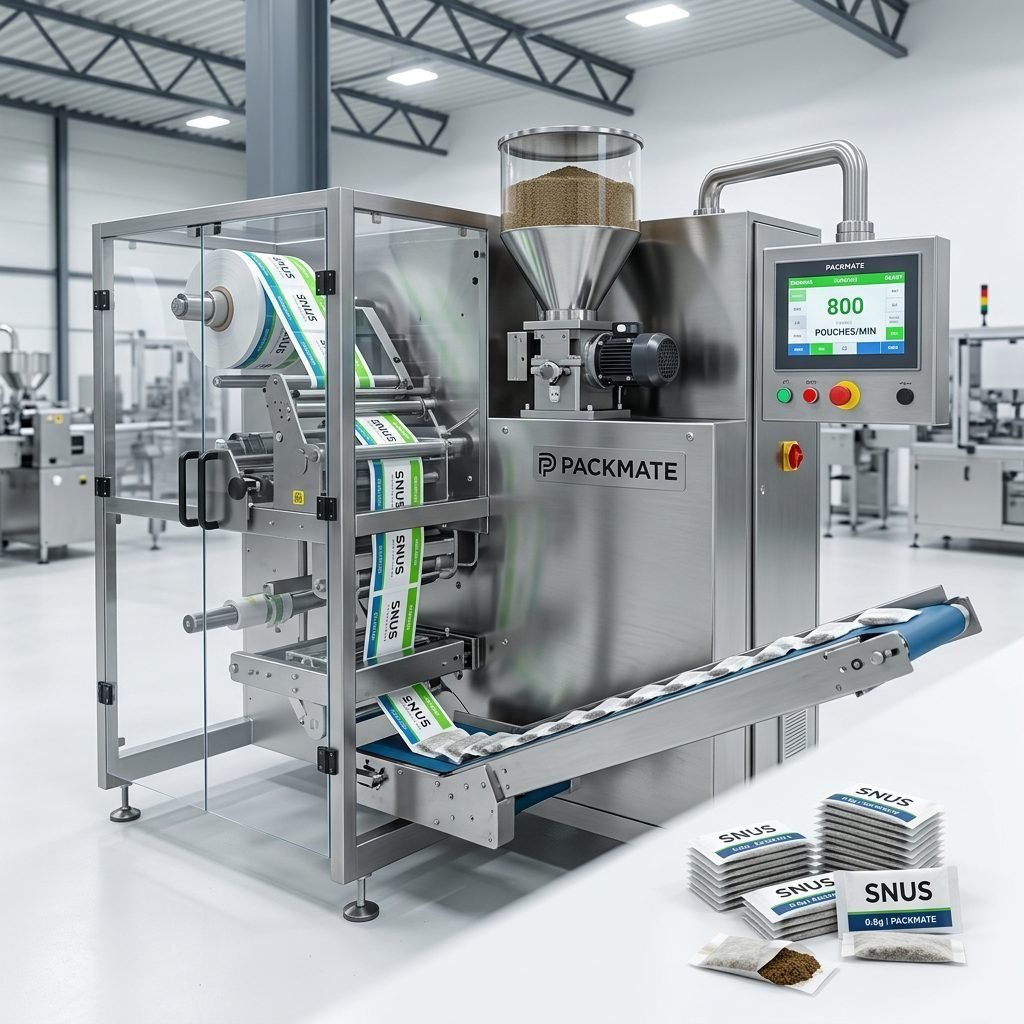
For resealable pouches or larger multi-dose packages sold in supermarkets, bag and pouch machines provide flexible options for zipper integration and gusseting. Check relevant models at
Bag & Pouch Packaging Machines.
Production Capacity and Throughput
Estimate your required output before buying. A local Guatemalan brand selling through regional distributors may start with a smaller one- to four-lane machine that produces 60–300 packs per minute per lane. Contract manufacturers or exporters should consider multi-lane lines capable of 800–2,000 packs/minute total. Evaluate peak demand, planned SKU expansion, and how quickly you plan to scale.
Key throughput considerations
– Machine speed vs. product integrity (higher speed can stress dosing accuracy).
– Changeover time for multiple SKUs — critical if you serve varied flavors or portion sizes.
– Electrical and compressed air requirements for high-speed lines.
Quick tip: If you’re unsure about future growth, select modular systems that allow adding lanes or auxiliary units such as feeders and checkweighers.
Material Compatibility & Environmental Factors
Guatemala’s tropical climate makes moisture control a priority. Choose machines that reliably seal multi-layer laminates and aluminum foil layers to maintain shelf life and flavor integrity. Ensure compatibility with:
– Co-extruded films and foil laminates for high barrier.
– Zippers or reseal options for pouches.
– Pre-made pouches vs. form-fill-seal based on your production preference.
Sealing Technology and Product Protection
Reliable sealing prevents moisture ingress and tampering. Look for machines with consistent heat sealing controls, PLC-managed parameters, and sensors to detect seal quality. For nicotine products, consider additional tamper-evident features — a competitive advantage in retail.
Automation, Weighing & Integration
Integrating dosing, weighing, and packaging reduces manual labor and improves accuracy. For Guatemala-based operations, in-line weighing systems and feeders minimize product loss and deliver consistent pouch weights. Check integrated systems:
Weighing & Packaging Systems and
Filling & Packaging Lines.
Automation benefits
– Consistent dosing (critical for nicotine pouches).
– Reduced labor costs and error rates.
– Easier traceability through integrated sensors and HMI interfaces.
Note: Choose machines with user-friendly HMI panels and clear diagnostic messages to simplify operator training and reduce downtime.
Compliance, Safety & Certifications
Ensure machines meet international safety and quality standards. CE and ISO certifications indicate reliable design and manufacturing processes. Verify supplier documentation, and if you plan to export to nearby markets, confirm compliance with importing countries’ regulations. See manufacturer certificates and credentials at
Certificate.
Supplier Selection: What to Look For
Selecting a reliable supplier is as important as choosing the right machine:
Factory capability: Prefer suppliers with an established factory, experienced engineering team, and demonstrable installations. Packmate’s 20,000㎡ facility and 30+ years of experience are examples of the manufacturing strength to look for.
Service & spare parts: Local or regional service partners shorten downtime. Ask about spare parts lead times and on-site training. Review service offerings at
Service.
References & cases: Request case studies and references for similar projects. Global cooperation examples and exhibition demos provide confidence — see
Case and
Our Exhibition.
Customization, Branding & Security Features
Packaging is your first line of brand communication. Look for machines that support:
– Variable printing and inline coder integration for batch and traceability.
– Options for embossing, matte/gloss finishes, and reseal zippers.
– Tamper-evident features and anti-counterfeit printing to protect brand value.
📌 Design tip: In Guatemala, bright but tasteful colors and Spanish labeling help products connect with local shoppers. Consider compact retail display-friendly formats for maximized shelf impact.
Installation, Training & After-Sales Support
Choose suppliers who provide installation, commissioning, and operator training. Remote support can be helpful, but hands-on training at installation reduces mistakes. Ask about warranty terms, preventive maintenance schedules, and local technician availability. Contact suppliers early to discuss logistics, customs clearance, and on-site support — for example, use
Contact Us pages to arrange pre-purchase visits or demonstrations.
Budgeting & Total Cost of Ownership (TCO)
Purchase price is only the start. Calculate TCO including:
– Spare parts and consumables.
– Energy consumption and compressed air usage.
– Installation, training, and potential downtime during changeovers.
– Planned expansion costs (adding lanes or auxiliary equipment).
Selection Checklist — Practical Steps
✔︎ Define your SKUs and target output: Start with SKUs, planned monthly output, and peak volume expectations.
✔︎ Match machine type to format: Sachet/stick vs. multi-lane snus pouches vs. resealable bags.
✔︎ Verify sealing & barrier performance: Insist on testing with your actual film materials.
✔︎ Check certifications & references: Ask for CE/ISO documents and customer cases.
✔︎ Assess after-sales support: Confirm spare part delivery times and remote troubleshooting capability.
Why Choose an Experienced Manufacturer
Working with an experienced manufacturer reduces technical risk. Companies with decades of experience understand machine longevity, reliable components, and modular upgrades. For more background on supplier strengths and capabilities, review
About Packmate and their 30+ years of engineering development.
Decision Flow — From Inquiry to Production
1) Prepare SKU list, target capacity and sample materials.
2) Request machine proposals and site footprints.
3) Visit a live demo or request video of your material running.
4) Finalize contract with warranty, spare parts list, and service terms.
5) Plan installation, operator training, and trial production runs.
Final Recommendations for Guatemalan Manufacturers
– Start with a scalable machine that fits your production space and budget.
– Prioritize sealing integrity and material testing to combat humidity.
– Seek suppliers with proven global cases and clear service plans. For support and tailored solutions, visit the manufacturer’s
Service and
Contact Us pages to arrange demonstrations or quotations.
Conclusion
Selecting the right snus packaging machine in Guatemala requires balancing product protection, throughput needs, and local market preferences. Focus on reliable sealing, modular scalability, and fast after-sales response. Working with an experienced supplier who offers field-proven solutions, certification, and spare parts support will help you build a consistent, high-quality product that performs well on local shelves and beyond.
Frequently Asked Questions
Q1: What machine type is best for small-batch runs in Guatemala?
A: For small batches and frequent SKU changes, sachet or stick pack machines provide cost-effective flexibility and quick changeovers.
Q2: How important is film selection for local climates?
A: Extremely important — choose high-barrier laminates and test sealing under humidity to preserve product quality in tropical conditions.
Q3: Can I upgrade a machine later to increase capacity?
A: Many manufacturers offer modular upgrades (additional lanes, feeders, or automation modules) — confirm upgrade paths during purchase.
Q4: What after-sales services should I insist on?
A: On-site commissioning, operator training, a clear spare parts list with lead times, and remote diagnostic support are essential.
Q5: Where can I see real-world examples of snus packaging lines?
A: Review case studies and exhibition demos to observe machines handling similar materials; references and live demonstrations build confidence in supplier capability. See
Case for examples.