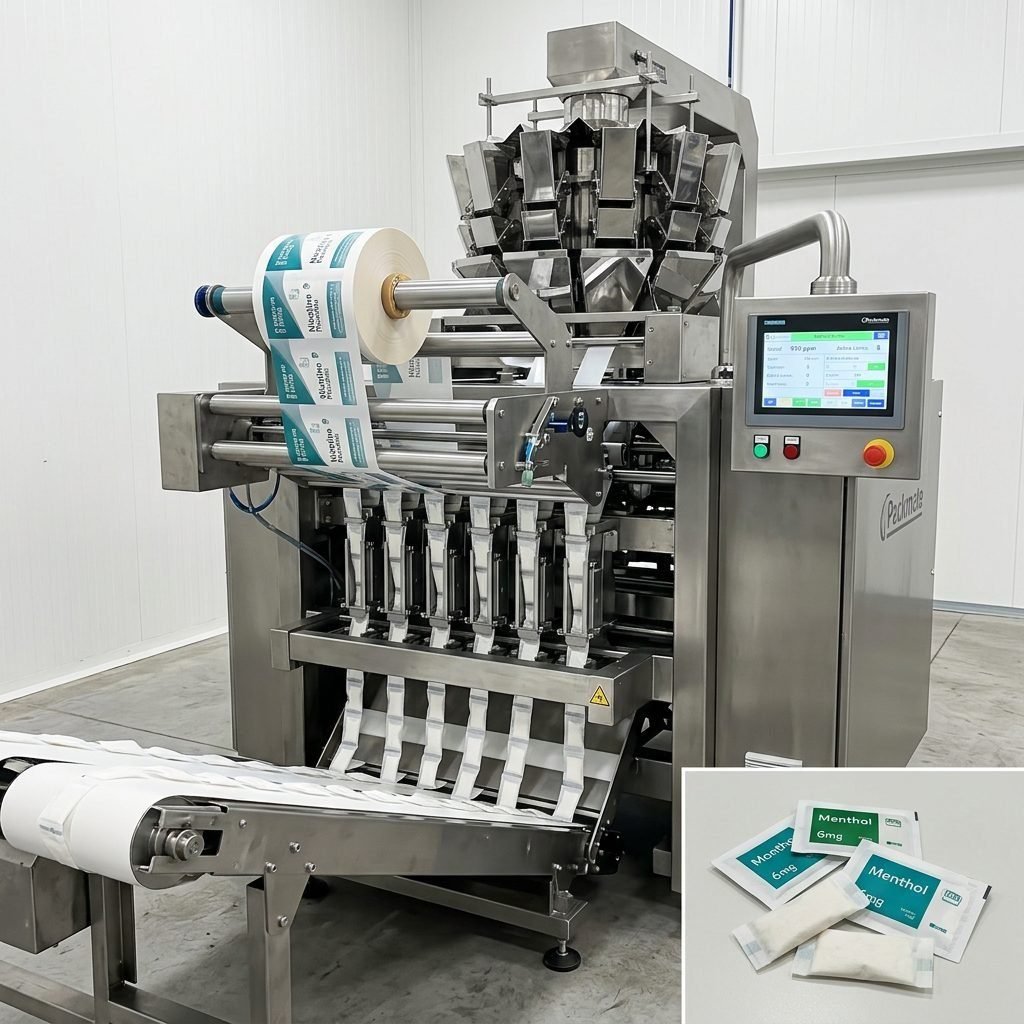
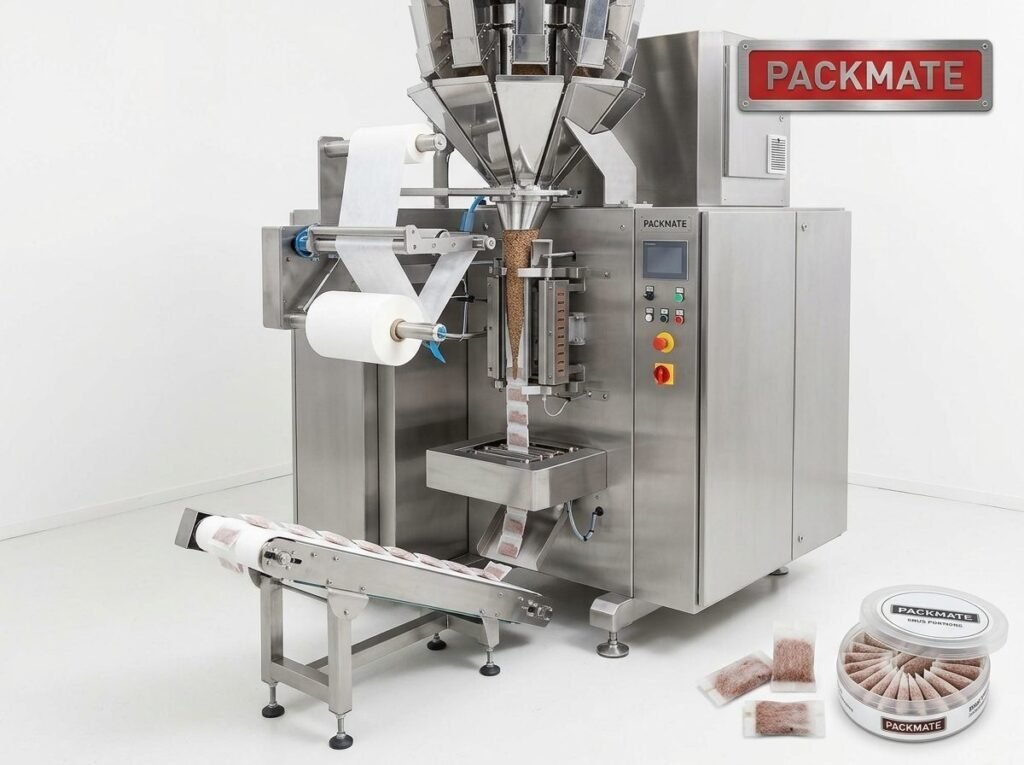
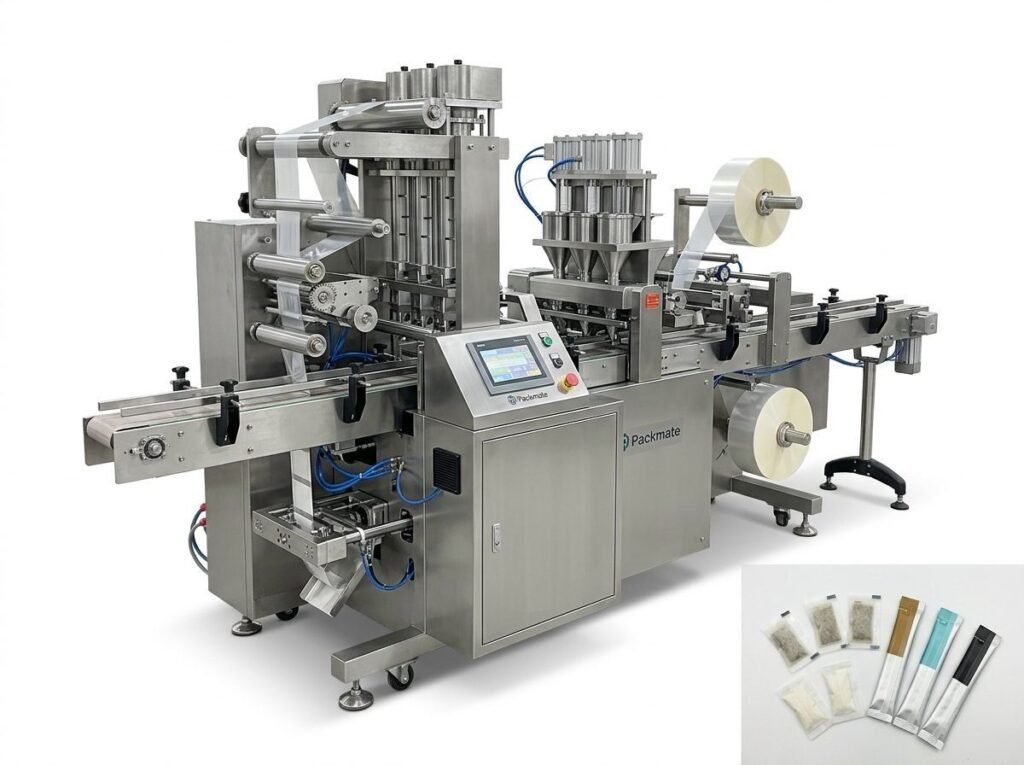
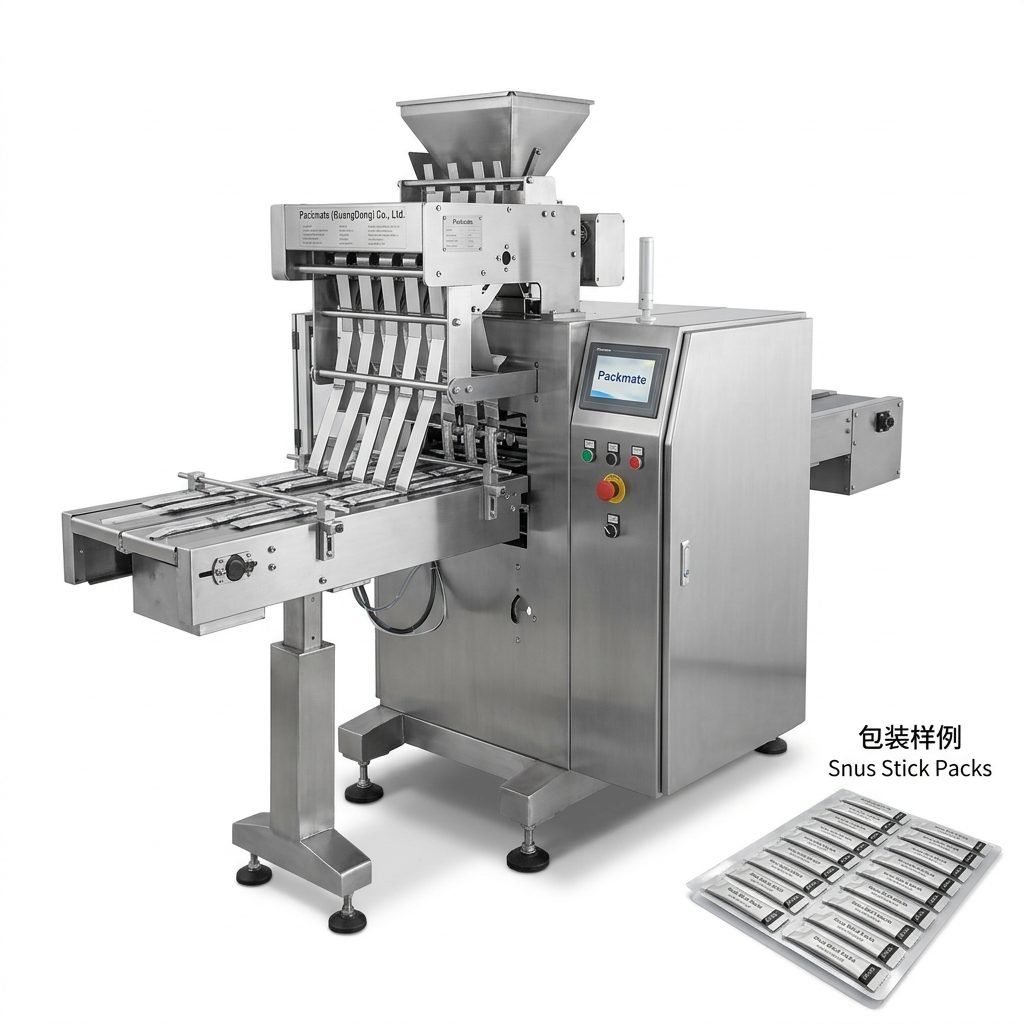
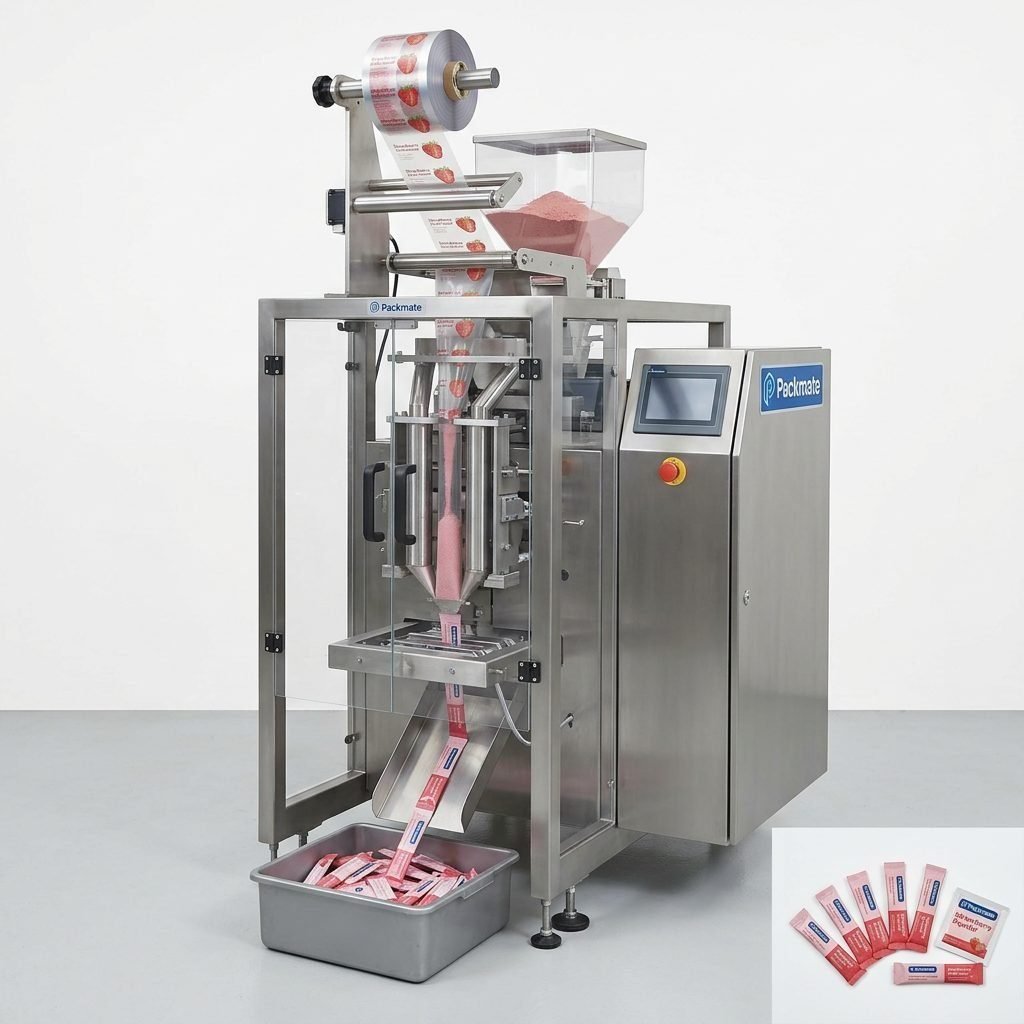
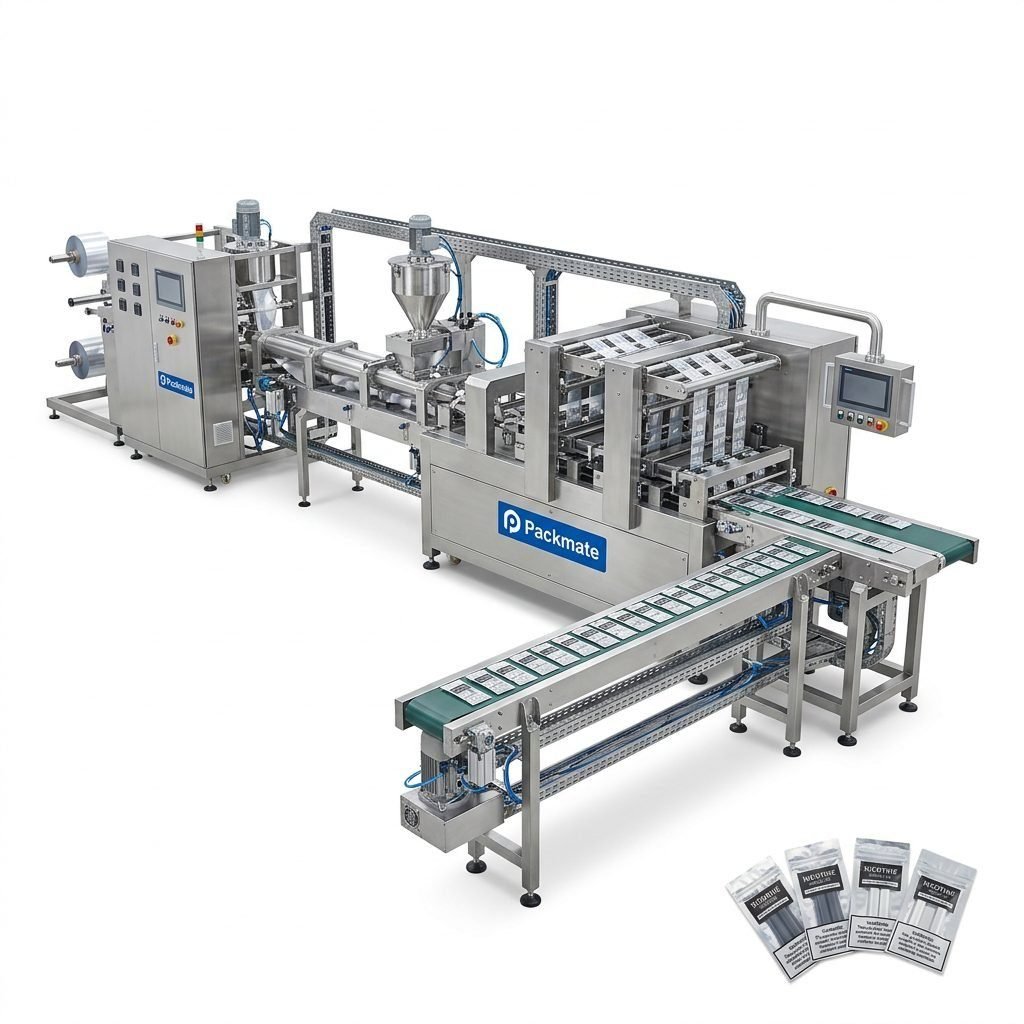
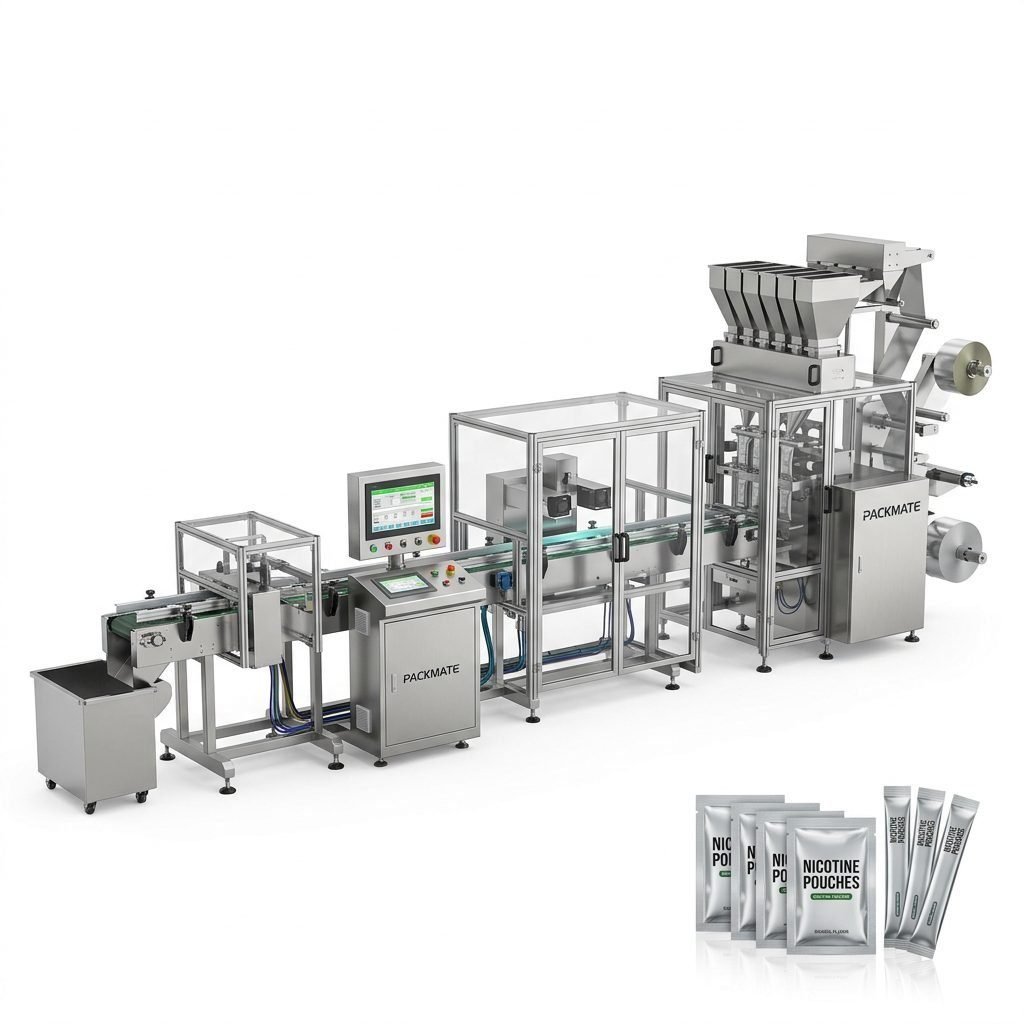
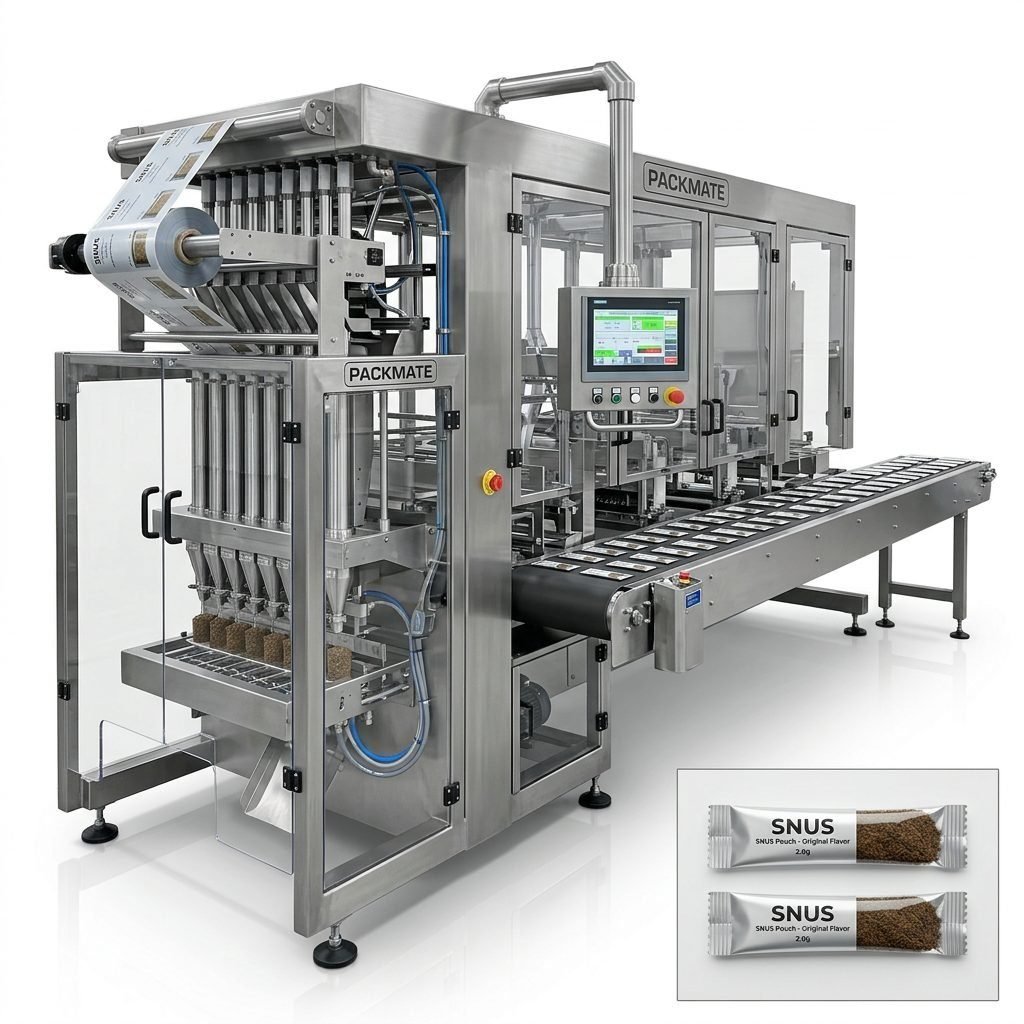
In today’s competitive tobacco and nicotine pouch market, an efficient snus processing line is no longer a luxury — it is a strategic advantage. Manufacturers seeking consistent product quality, high throughput, and regulatory compliance are turning to integrated packaging solutions that combine precision engineering, smart automation, and modular design. This article explores how a modern Snus Processing Line delivers reliable production for high-quality snus and nicotine pouch manufacturing, and why choosing the right equipment partner matters for long-term success.
Why an Optimized Snus Processing Line Matters
► A tailored snus production line addresses three critical objectives: consistent pouch weight and fill, leak-free sealing, and high-speed output. When these elements are combined with robust machine control systems, manufacturers can significantly reduce waste, improve product consistency, and lower per-unit production costs.
⚙️ Key outcome: Stable throughput and uniform pouch quality across multi-lane systems — essential for nicotine pouches, snus, and other small-dose formats.
Core Components of a Modern Snus Production Line
A complete snus processing line typically consists of several coordinated modules that can be arranged into a fully automated turnkey solution. Typical modules include:
• Raw material handling: Conveyors and metering systems that ensure precise flow of tobacco, nicotine blends, or powdered fillings.
• Weighing and dosing: Multi-head or auger feeders that deliver exact micro-doses into each pouch lane to guarantee weight consistency.
• Pouch forming and filling: High-precision forming stations, or pre-made pouch pick-and-place systems, compatible with sachet, stick pack, and multi-lane pouch formats.
• Sealing and cutting: Heat or ultrasonic sealing units with accurate cutting heads ensure hermetic closure and consistent pouch presentation.
• Inspection and rejection: Vision systems and leak detectors identify defects and automatically divert non-conforming pouches.
• Secondary packaging: Cartoning, case packing, and palletizing modules that finalize the logistics-ready output.
High-Performance Features to Look For
When evaluating snus and nicotine pouch machines, prioritize features that enhance productivity, reliability, and ease of maintenance:
✔ Multi-lane capability — increases output without expanding floor space.
✔ Servo-driven accuracy — ensures precise pouch positioning and tight sealing tolerances.
✔ Quick-change tooling — reduces downtime for format switches and SKU changeovers.
✔ Integrated quality systems — vision inspection, weight checks, and leak detection for regulatory compliance.
Customization & Turnkey Integration
No two snus product lines are identical. Leading manufacturers offer modular design that can be customized for product format, dosing type, and production speed. A turnkey approach includes project engineering, layout planning, installation, and operator training — delivering a complete solution from raw material intake to boxed pallets.
For manufacturers exploring specific equipment options, consider these product families:
• For dedicated snus and nicotine pouch systems, review Snus & Nicotine Packaging Machines to match your output needs.
• If your production also covers stick packs or sachets, examine Sachet & Stick Pack Machines for multi-format flexibility.
• Integrate with Filling & Packaging Lines to build end-to-end workflows that include dosing, filling, and secondary packaging.
Factory Strength and Quality Assurance
A dependable snus processing line depends heavily on its manufacturer’s engineering capability. Key indicators of a strong supplier include:
• 30+ years of experience: Proven R&D and continuous improvement in packaging machinery.
• 20,000㎡ facility: Large manufacturing area with advanced CNC machining centers and precision assembly lines.
• Comprehensive testing: Strict quality checks and machine run-offs to ensure every line meets performance targets.
Certifications & Global Presence
International certifications such as CE and ISO provide confidence that equipment adheres to recognized safety and quality standards. Manufacturers with global exhibition experience and international case studies demonstrate their capability to support cross-border projects and compliance with diverse regulatory environments.
Installation, Commissioning and After-Sales Service
Installing a snus processing line requires more than physical assembly. Site preparation, utility coordination, operator training, and initial recipe validation are essential steps. Reputable suppliers provide:
• On-site commissioning teams to optimize machine settings for your product formulas.
• Remote support and spare parts programs to minimize downtime.
• Ongoing service contracts and upgrades to maintain high performance as production evolves.
🔧 Tip: Choose suppliers that offer structured training and documentation so your team can perform routine maintenance and quickly adapt to SKU changes.
Case Studies & Real-World Applications
Across Europe, Asia, and the Americas, manufacturers have deployed multi-lane snus lines to meet rising demand for nicotine pouches and specialized tobacco products. These implementations often highlight:
• Increased throughput without expanding facility footprint thanks to multi-lane pouch machines.
• Lower scrap rates from precise dosing systems and advanced sealing technology.
• Rapid format changeovers enabled by modular tooling and recipe storage.
Visit the Case page to explore detailed examples and performance metrics from real installations.
Selecting the Right Machine Model
Selection depends on product format, target output, and future expansion plans. Key decision points include:
• Format compatibility: Are you using pre-made pouches, stick packs, or rollstock? Machines specialize in each format.
• Output targets: Required pieces per minute per lane and total plant throughput.
• Automation layer: Level of integration for upstream dosing and downstream cartoning.
Integration Examples
• Lightweight pilot lines for R&D and low-volume launches.
• High-capacity multi-lane production lines for established SKUs and contract manufacturing.
• Hybrid lines that support both single-dose snus pouches and stick pack variants for diversified portfolios.
Sustainable Practices and Operational Efficiency
Efficiency goes beyond speed. Reducing material waste, optimizing energy use, and designing for quick sanitation are major considerations. Modern machines use:
• Energy-efficient drives and smart standby modes.
• Precise dosing to minimize overfill and raw material loss.
• Sanitary designs that reduce cleaning time and water consumption in wet processes.
Why Partner with an Established Manufacturer
Choosing a partner with decades of experience and a global install base provides measurable benefits:
• Proven engineering practices that reduce design risk and shorten project timelines.
• Access to a wide range of machine models and customization options.
• Long-term spare parts availability and service expertise that protect your investment.
Where to Start: Practical Next Steps
If you’re evaluating a new snus processing line, follow a structured approach:
1. Define product formats and target throughput.
2. Map current facility constraints — utilities, space, and regulatory needs.
3. Request detailed proposals with layout options and performance guarantees.
4. Visit supplier factories or exhibition booths to see machines in operation — many manufacturers showcase live demos at industry events. See Our Exhibition for upcoming shows.
Helpful Resources
Explore product catalogs and technical specifications to compare models. Recommended resources include:
• Snus & Nicotine Packaging Machines — detailed machine families for pouch formats.
• Filling & Packaging Lines — integrated solutions combining dosing and secondary packing.
• About Packmate — background and factory capabilities to assess the supplier’s fit for large projects.
Conclusion
Investing in a high-quality Snus Processing Line is a strategic step toward scale, consistency, and market competitiveness. By focusing on modular design, precision dosing, multi-lane capability, and strong supplier support, manufacturers can achieve superior product uniformity and predictable operating costs. Whether you need a compact pilot system or a high-throughput turnkey line, work with partners that provide demonstrable factory strength, certifications, and proven deployment experience.
Common Questions
Q1: How fast can a multi-lane snus packaging line run?
A1: Throughput varies by machine model, lane count, and pouch format. Typical multi-lane lines can deliver several thousand pouches per minute in aggregate. Discuss your target pieces per minute with suppliers to size the correct model.
Q2: What level of automation is recommended for small-dose nicotine pouches?
A2: High automation is recommended to ensure dosing accuracy and minimize operator variability. Servo-driven dosing and automated inspection systems help maintain tight tolerances required for small-dose formats.
Q3: Can I convert an existing sachet line to produce snus pouches?
A3: It depends on the equipment’s design. In some cases, modular upgrades and new tooling allow conversion. However, multi-lane snus production often requires specific dosing and sealing precision, so a custom evaluation is necessary.
Q4: What support should I expect after installation?
A4: Expect on-site commissioning, operator training, spare parts kits, remote support, and optional service contracts. Reputable suppliers provide documentation and long-term technical assistance to protect uptime.