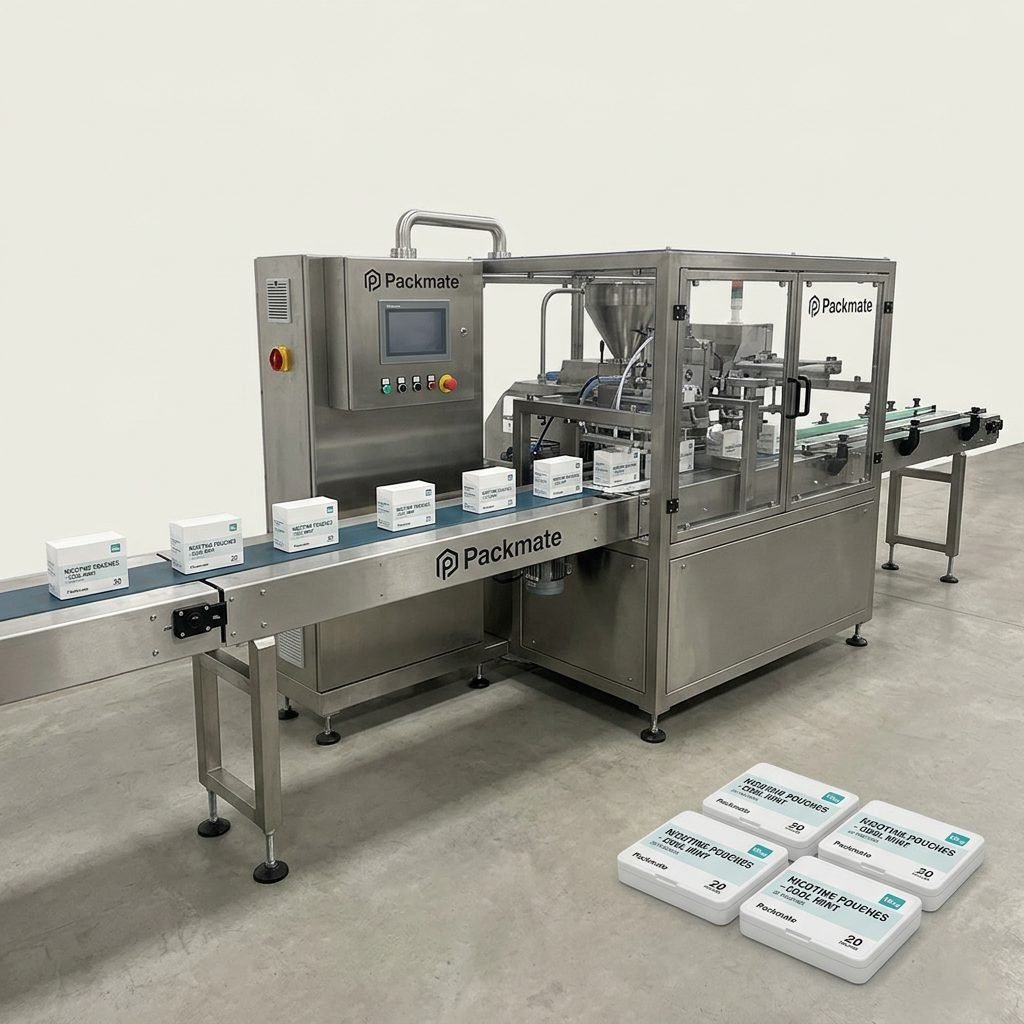
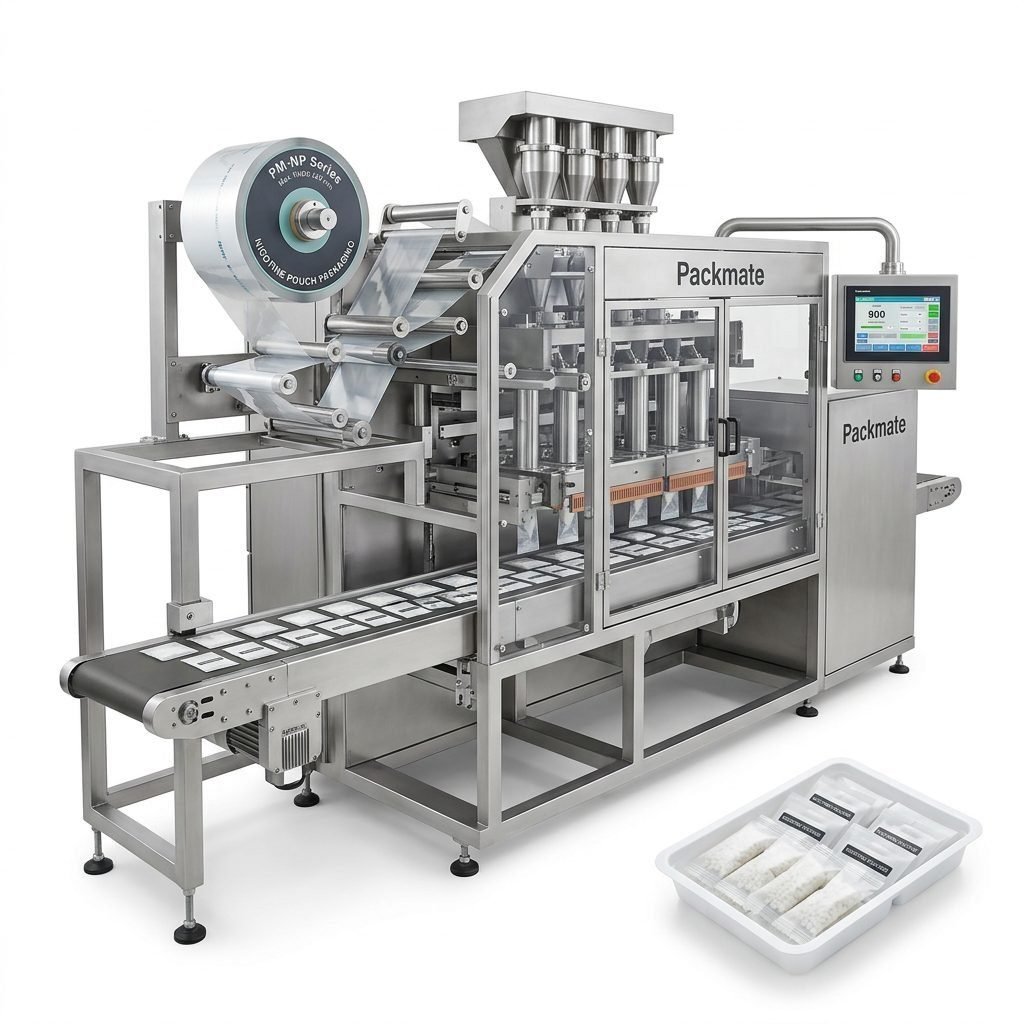
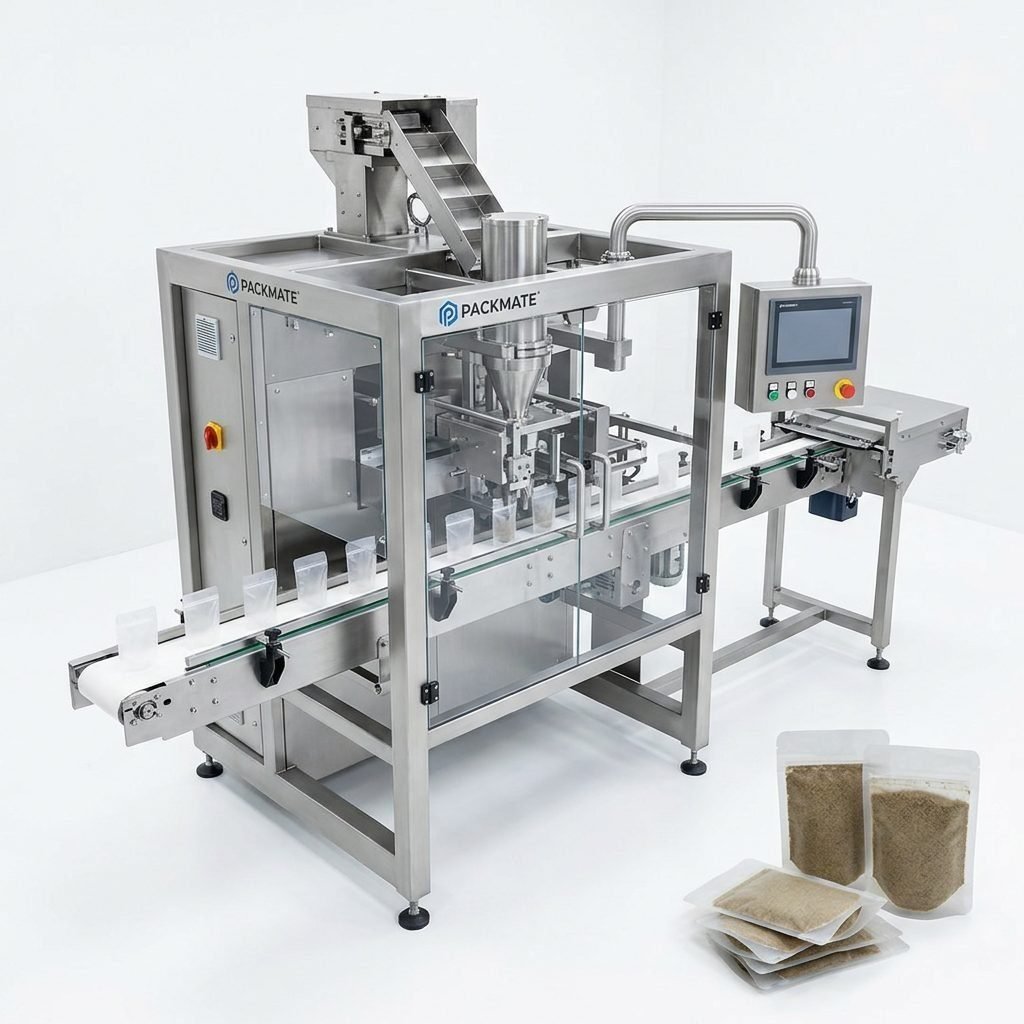
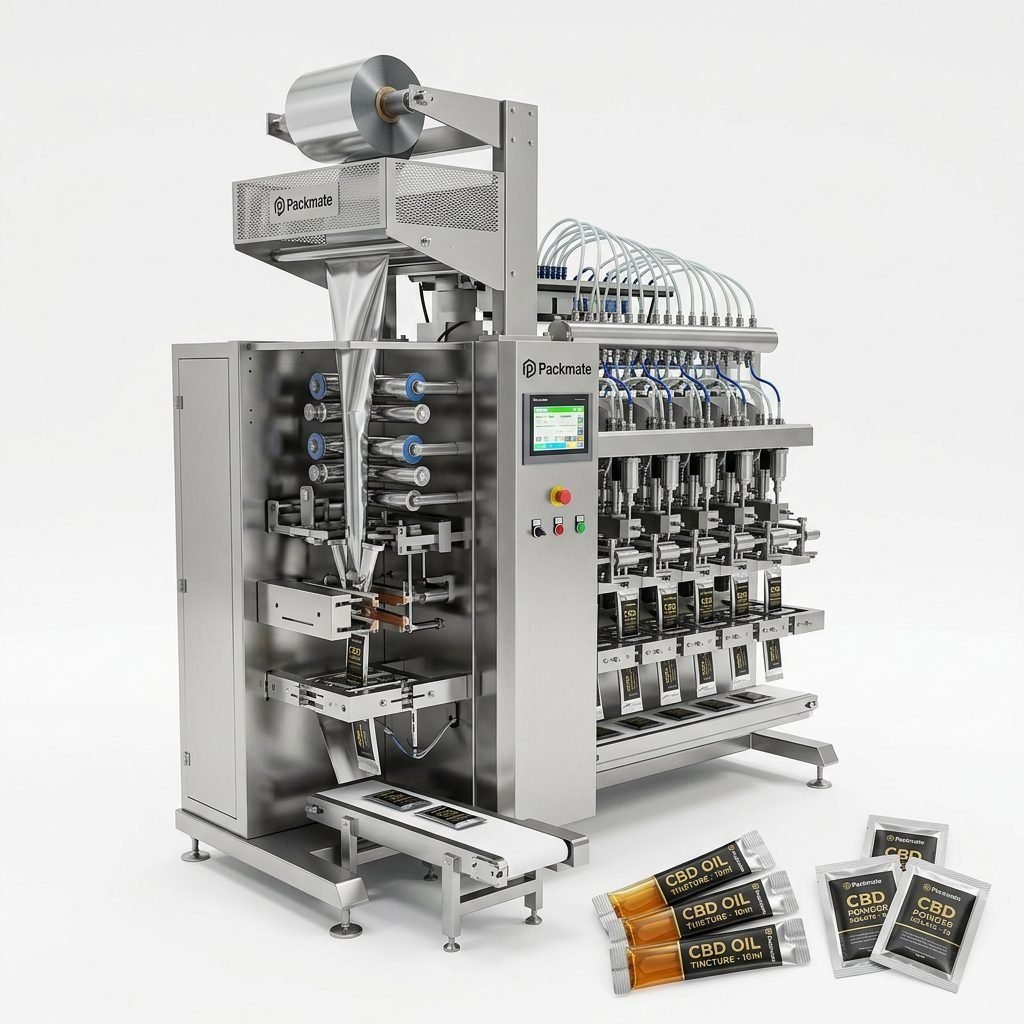
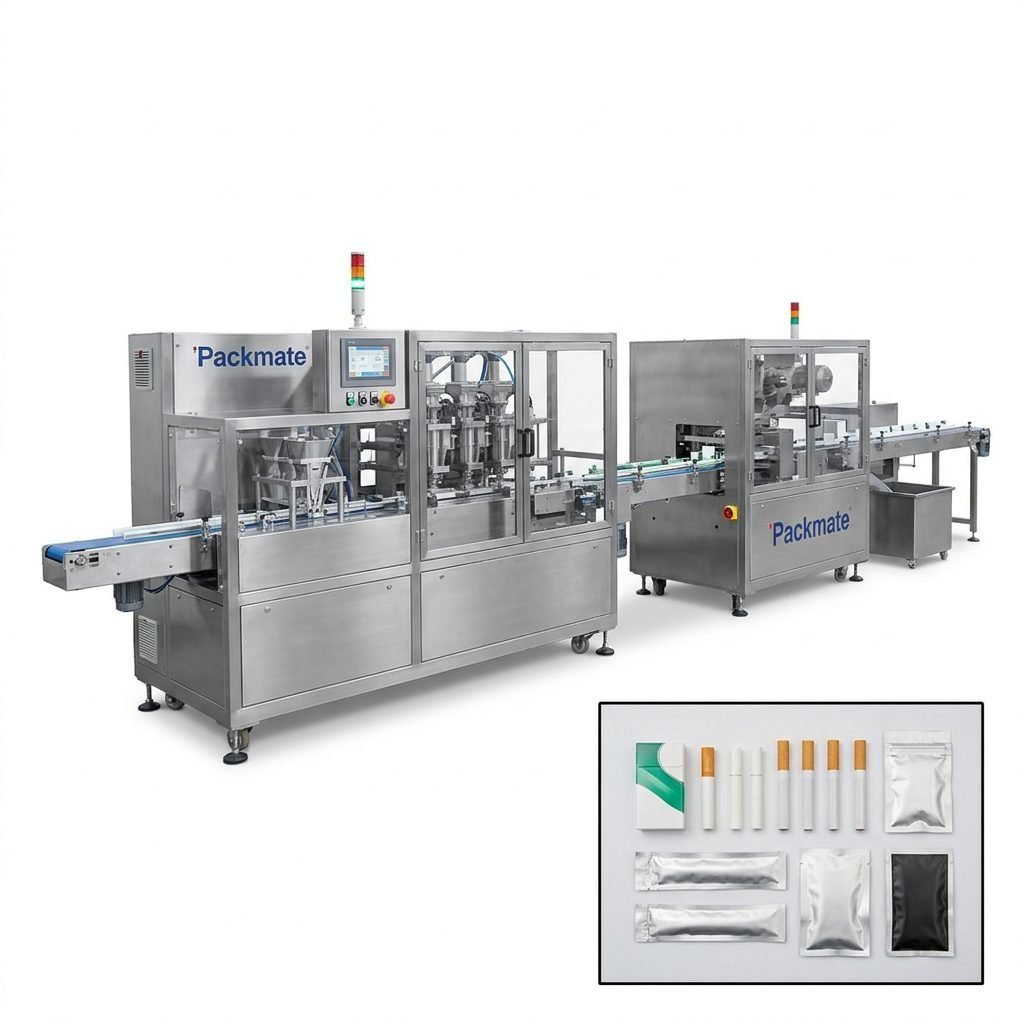
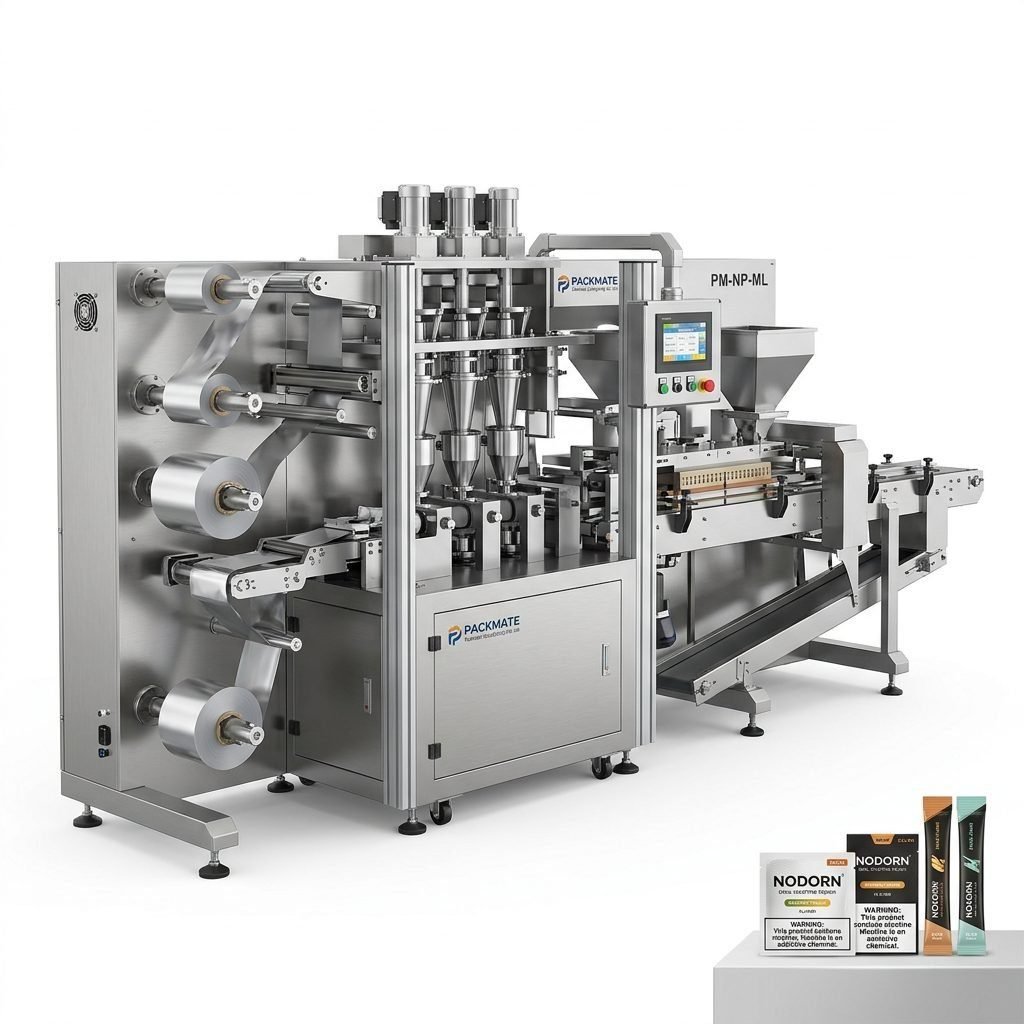
In today’s rapidly evolving nicotine pouch and snus market, manufacturers need packaging equipment that combines a small physical footprint with high throughput and precise dosing. The compact nicotine pouch machine is designed to meet these demands: it delivers efficient production on minimal factory floor space while maintaining flexibility for multiple pouch formats and materials. This article explores the machine’s core advantages, technical highlights, integration into full production lines, quality and compliance considerations, and tips for selecting the right supplier for long-term success.
Why a Compact Nicotine Pouch Machine?
Modern nicotine pouch brands require agility: faster changeovers, low initial investment, and the ability to scale capacity as demand grows. A compact nicotine pouch machine answers these needs by offering:
- ✔️ Space-saving design — ideal for small to medium factories or R&D production areas.
- ✔️ High efficiency and stable output — advanced servo controls and precise dosing systems reduce waste.
- ✔️ Flexibility — supports multiple pouch sizes, materials, and sealing types for rapid product variation.
- ✔️ Cost-effective automation — streamlined features focus on essential performance metrics, lowering capital cost while keeping quality high.
Key takeaway
The compact nicotine pouch machine is an excellent choice for brands prioritizing efficient use of space and predictable, repeatable production performance.
Core Components and How They Drive Performance
Compact machines concentrate critical technologies into a smaller footprint without sacrificing function. Typical high-impact components include:
Servo-driven film transport and tension control
Precise film handling ensures registration accuracy for printed webs and consistent pouch shapes. Servo systems enable rapid speed changes and smoother start/stop behavior, reducing material waste during changeovers.
High-precision dosing and weigh systems
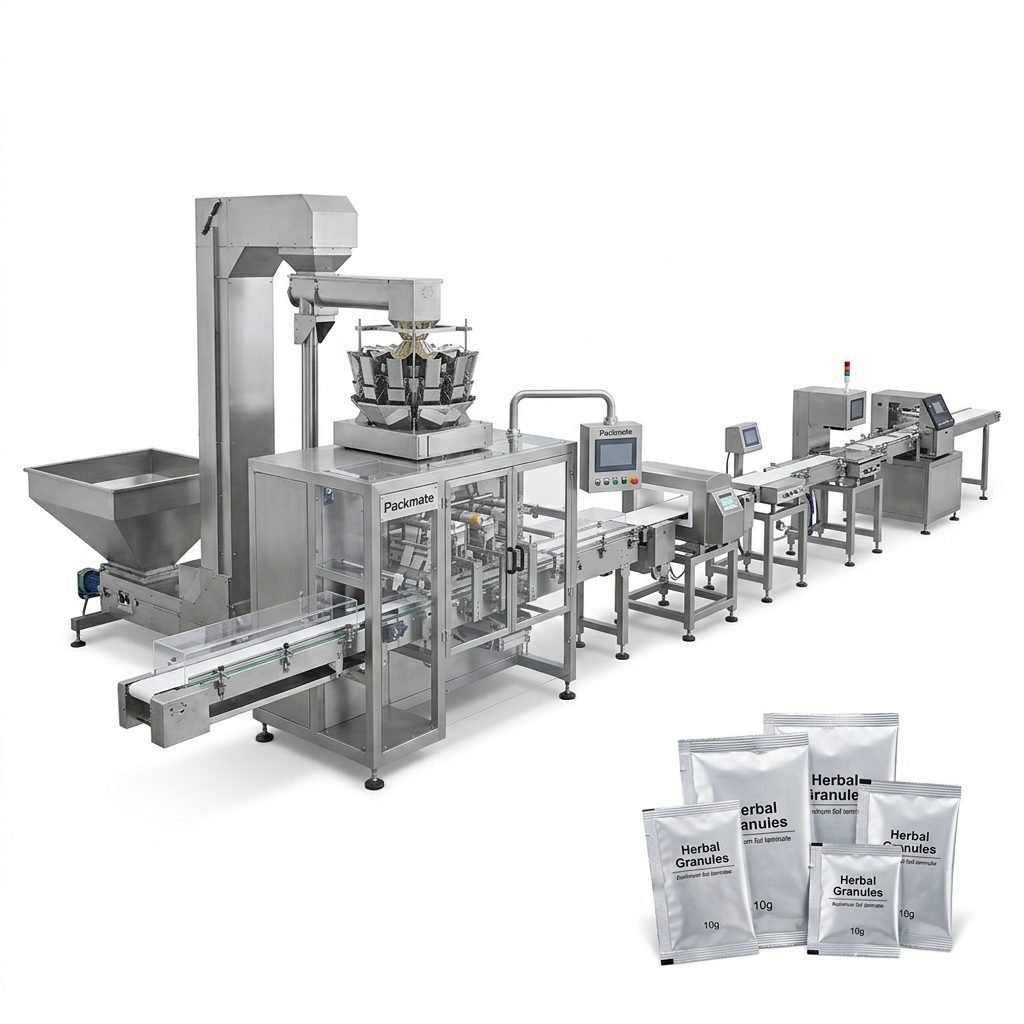
Whether using auger fillers for powdery blends, piston fillers for liquids, or multi-head weighers for granular ingredients, accuracy is critical. Compact lines often integrate miniaturized dosing units that deliver consistent portioning while remaining easy to clean.
Thermo-sealing and ultrasonic sealing options
Multiple sealing technologies allow adaptation to different film laminates and product requirements. Ultrasonic sealing can reduce cycle time and produce strong seams without heat-related discoloration.
⚙️ Pro tip: Selecting dosing and sealing technology based on product characteristics prevents rework and lowers long-term operating costs.
Production Capacity, Footprint and Layout Considerations
Compact machines are typically available in single-lane and multi-lane configurations. When planning layout, consider:
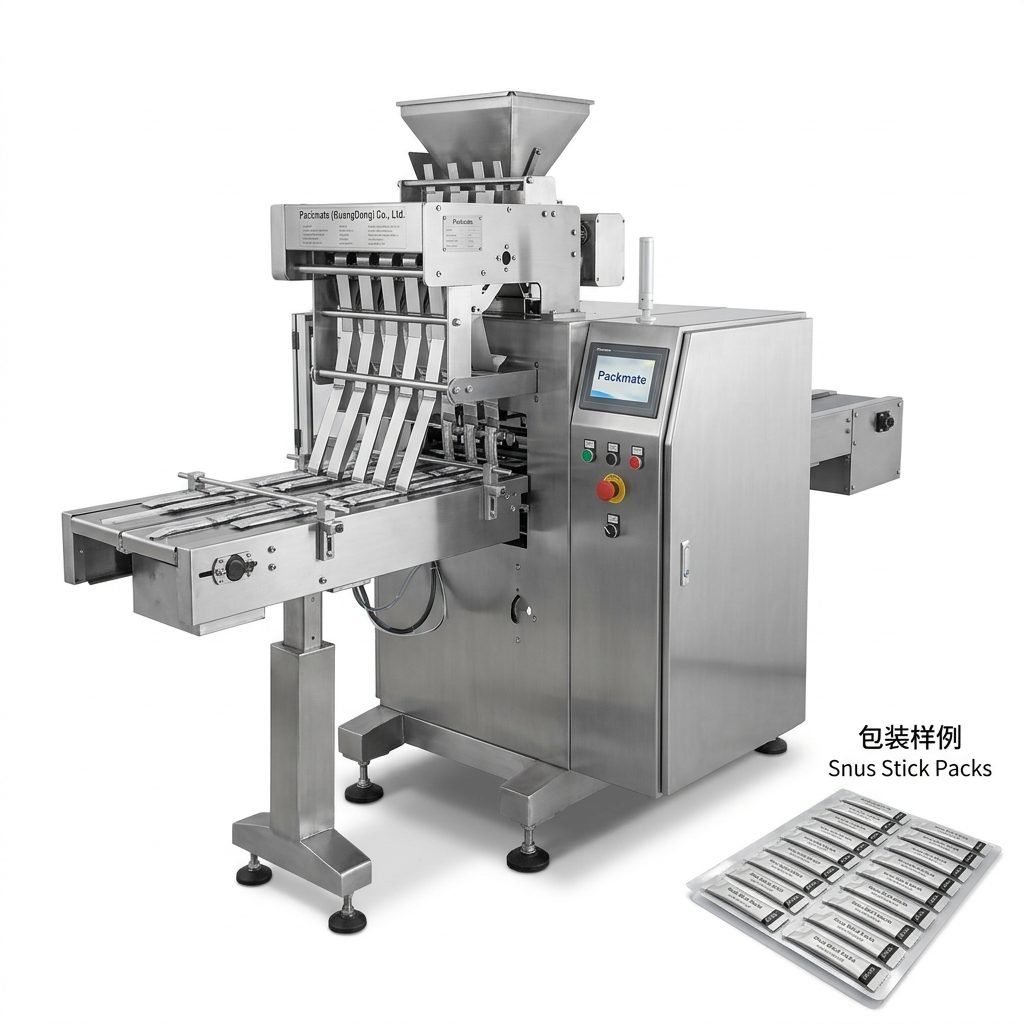
- Single-lane units for low-to-medium volumes and rapid product testing.
- Multi-lane compact units (2–6 lanes) for higher throughput without proportional floor space increase.
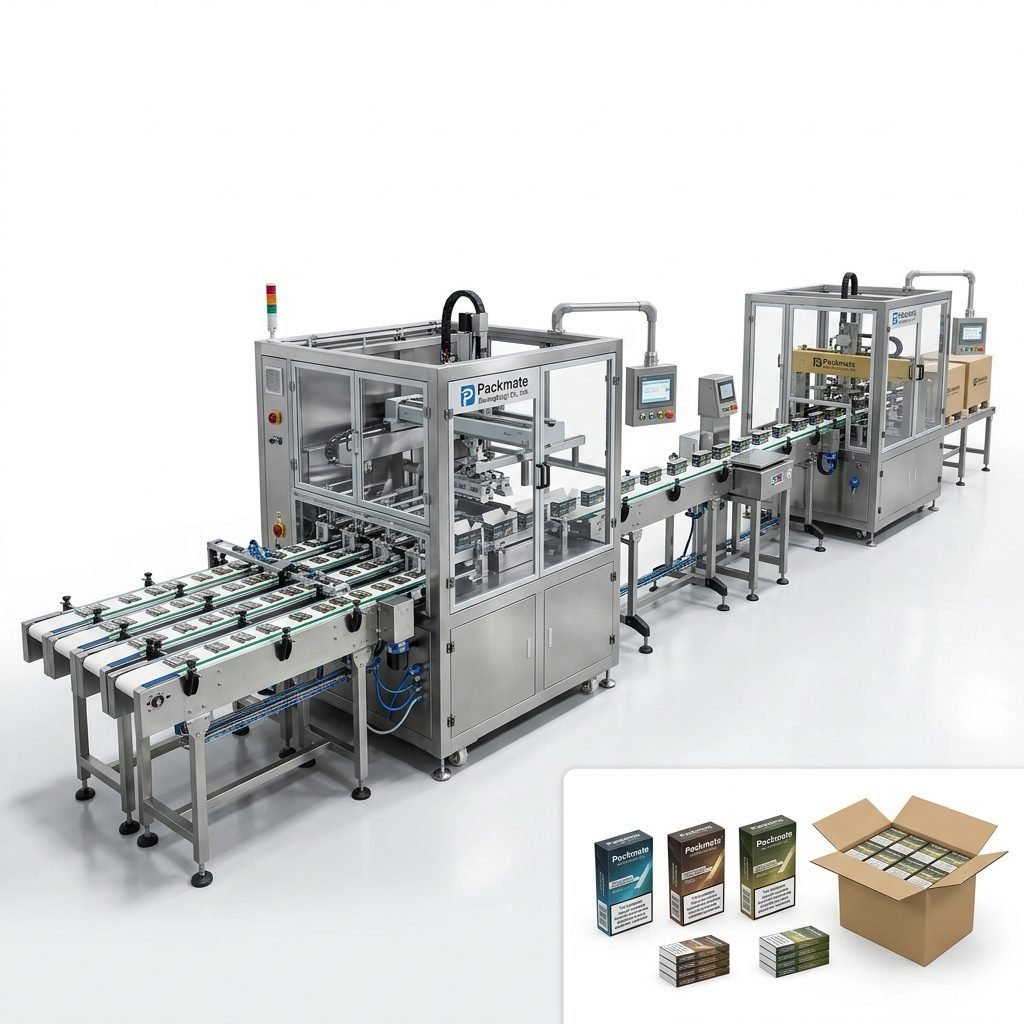
- Inline or modular options to combine with upstream weighers and downstream cartoners.
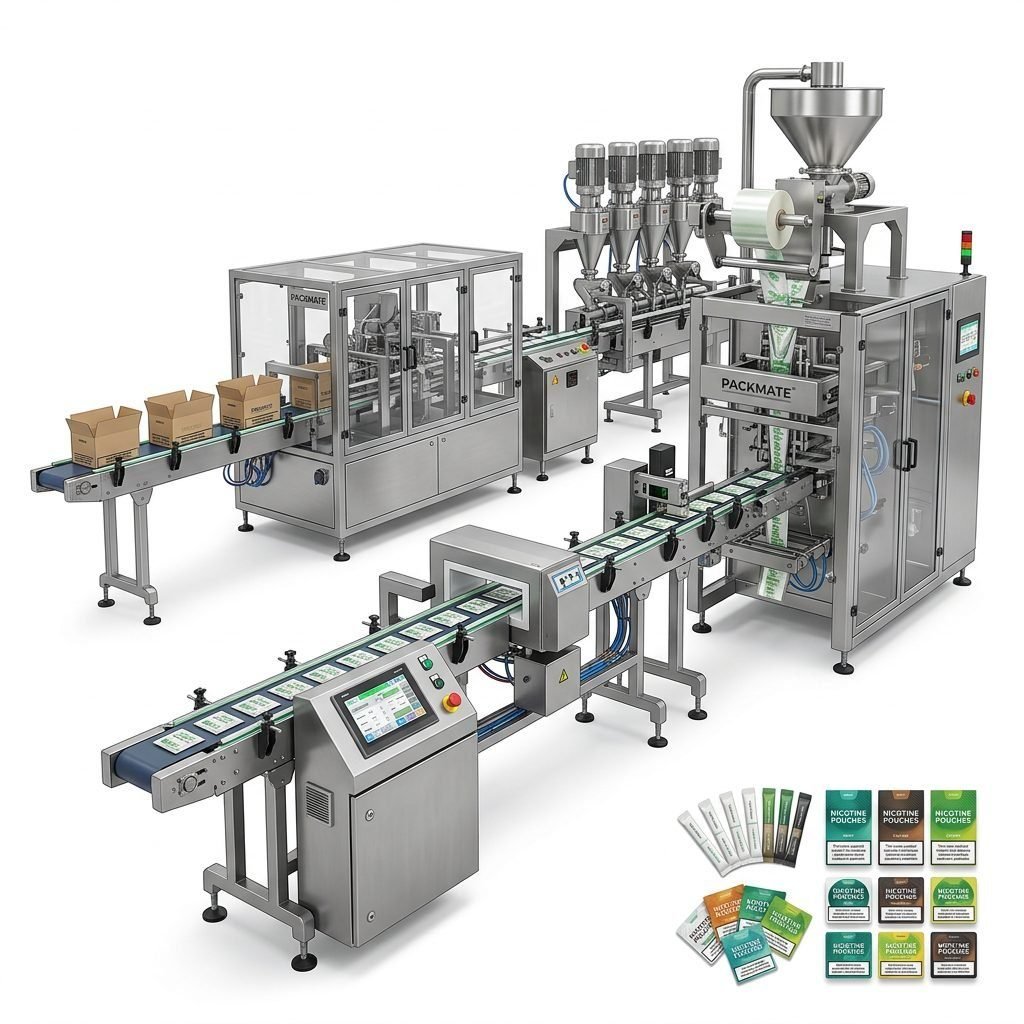
For turnkey solutions that integrate compact nicotine pouch machines into a full production line, manufacturers can explore related systems such as modular Weighing & Packaging Systems and Filling & Packaging Lines to create a seamless workflow from ingredient metering to final packing.
Materials Compatibility and Packaging Formats
Compact nicotine pouch machines support a variety of packaging films and pouch styles:
- Heat-sealable laminates, biodegradable films, and barrier materials.
- Pillow pouches, stick packs, sachets, and custom-shaped pouches.
- Options for inner-liners, desiccant placement, and barrier enhancement.
Manufacturers seeking versatile equipment for both pouch and bag products should review broader product families like Bag & Pouch Packaging Machines to assess compatibility and expansion paths.
Automation, Controls and User Interface
Even compact machines benefit greatly from advanced control systems. Look for:
- Intuitive HMI panels with recipe management for fast changeovers.
- Remote diagnostics and data logging for production traceability.
- Safety interlocks and access points designed for quick cleaning and maintenance.
ℹ️ Note: An HMI with stored recipes significantly reduces human error during line changes and improves repeatability across shifts.
Quality, Compliance and Certifications
Nicotine pouch production requires careful adherence to hygiene and regulatory practices. Leading compact machine suppliers design equipment in line with international standards and offer documentation to support regulatory compliance. When evaluating machines, prioritize:
- Food-grade construction materials and easy-to-clean designs.
- Quality control integrations such as metal detection and pouch weight verification.
- Supplier certifications like CE and ISO that demonstrate adherence to manufacturing and safety standards.
For verified case studies and global installations, manufacturers often review supplier project pages and exhibition records — Packmate Snus Machine shares industry examples and certifications on their Case and Certificate pages.
Installation, Maintenance and After-sales Support
A compact machine’s total cost of ownership is heavily influenced by installation, ease of maintenance, and supplier support. Consider these factors:
- Supplier-provided installation and commissioning services to reduce ramp-up time.
- Availability of spare parts and documented maintenance schedules.
- Training for operators and maintenance personnel to ensure consistent performance.
A reliable supplier offers global technical support and clear service channels. Reach out via their Contact Us page for local service options.
Customization and Scalability: Planning for Growth
The most successful compact machine investments are those that anticipate product changes and capacity growth. Ask suppliers about:
- Modular add-ons (additional lanes, automatic feeding systems, inline cartoners).
- Software updates and recipe libraries for new SKUs.
- Turnkey options that integrate with upstream weighing systems and downstream finishing equipment.
For full-line design inspiration, review modular offerings such as Snus & Nicotine Packaging Machines and related product families.
Business impact
Faster time-to-market and lower per-unit costs are common outcomes when a compact machine is well matched to product and volume.
Real-world Applications and Case Scenarios
Compact nicotine pouch machines are used by a wide range of customers:
- Start-ups launching multiple flavoured SKUs and limited editions.
- Established brands running niche product lines or regional variants.
- Large manufacturers using compact lanes for pilot runs and R&D validation.
Visiting exhibitions and supplier demonstrations can provide hands-on insight into machine performance — see upcoming events and demonstrations on the supplier’s Our Exhibition page.
How to Choose the Right Supplier
When evaluating suppliers for a compact nicotine pouch machine, prioritize:
- Proven industry experience and track record of snus/nicotine packaging machine delivery.
- Manufacturing strength and clear quality control systems.
- Accessible spare parts and global service network.
- Ability to deliver customization and turnkey solutions.
Packmate Snus Machine exemplifies many of these qualities with over 30 years of engineering experience, a large manufacturing facility, and a broad product portfolio. Learn more on the About Packmate page.
Cost Considerations and Return on Investment
The initial purchase of a compact nicotine pouch machine should be evaluated against expected gains:
- Reduced labor and waste, improving margins.
- Lower floor space cost when compared to larger multi-lane systems.
- Quick ROI when machines enable new product launches or shorten delivery time for premium SKUs.
Request case-specific ROI models from suppliers to compare scenarios that match your throughput targets and product mix.
Next Steps: Trial, Validation and Scaling
To minimize risk, follow a phased approach:
- Run material compatibility tests using your actual formulations.
- Conduct pilot production runs to validate dosing accuracy and sealing integrity.
- Scale by adding lanes or integrating additional modules as volume grows.
✅ Checklist: material tests, pilot runs, recipe setup, operator training, and documented maintenance plan.
Conclusion
A compact nicotine pouch machine provides an efficient, flexible and space-saving solution for companies entering or expanding in the nicotine pouch market. Focus on machines with proven dosing, sealing and control systems, and partner with suppliers that offer strong after-sales support and turnkey integration options. With careful selection and validation, these compact lines can deliver rapid time-to-market, reliable product quality and favorable ROI.
Frequently Asked Questions
1. What production speeds can I expect from a compact nicotine pouch machine?
Typical compact units vary widely depending on lane count and pouch format. Single-lane machines are optimized for flexibility and pilot production, while multi-lane compact units significantly increase throughput. Discuss target KPIs with the supplier to obtain realistic speed ranges for your specific product.
2. Can compact machines handle different pouch sizes and materials?
Yes — most compact machines offer adjustable tooling and programmable recipes to switch between pouch sizes and film types. However, some material combinations (very stiff films, unusual laminates) may require specific sealing systems or tooling adjustments.
3. How easy is maintenance and cleaning on compact lines?
Ease of maintenance depends on machine design. Prioritize designs with accessible components, quick-release tools, and clear cleaning protocols. Suppliers often provide maintenance manuals and on-site training to reduce downtime.
4. What certifications should I expect from a reputable supplier?
Look for CE and ISO certifications as baseline indicators of manufacturing quality and compliance. Additionally, request documentation related to material traceability and safety features relevant to nicotine pouch production.
5. How do I evaluate total cost of ownership (TCO)?
Calculate TCO by accounting for purchase price, installation, spare parts, maintenance labor, changeover time, waste rates, and expected production volume. Ask the supplier for typical operational data and case studies that mirror your production scenario.