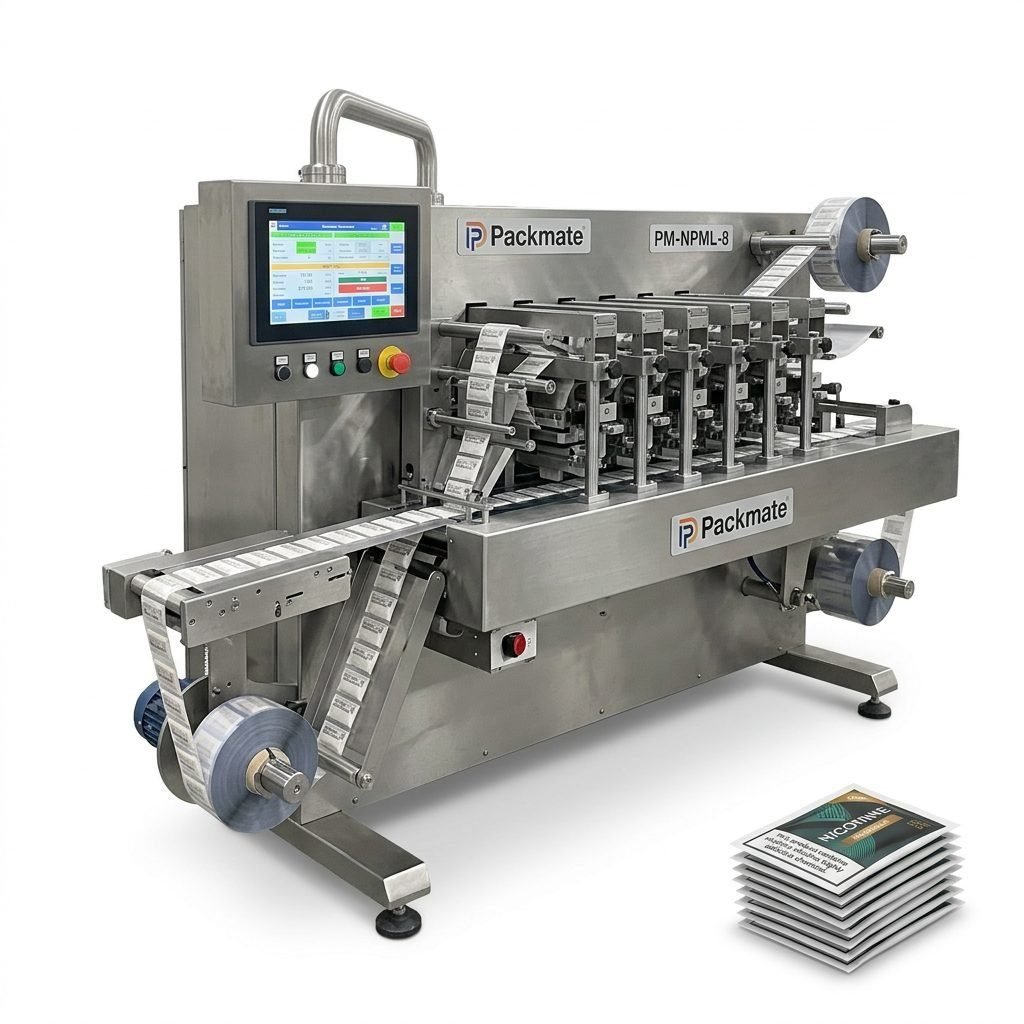
Entering the Estonian market to buy snus or nicotine pouch packaging machinery requires a balance of regulatory awareness, technical rigor and cultural sensitivity. This practical buyer’s guide walks you through the steps to find a reliable supplier, evaluate machines and secure a long-term partnership that fits Estonian business habits and European regulatory realities.
Understanding the Estonian context
Estonia is an EU member with a digitally advanced business culture, high expectations for compliance and a pragmatic approach to sourcing. While traditional snus (tobacco-containing products) is regulated under the EU Tobacco Products Directive and generally restricted outside Sweden, nicotine pouches and modern tobacco-free formats have grown as alternatives. Before purchasing equipment, confirm local legal status and labeling requirements for the specific product you plan to produce.
Estonian buyers value punctual communication, transparent pricing and clear documentation. They often expect suppliers to provide CE/ISO compliance evidence, digital manuals and quick remote support. Sustainability and compact, efficient production lines are also appreciated due to environmental awareness and space-efficient facilities in many Estonian operations.
What to prioritize when choosing a snus packaging machinery supplier
Focus on the following core areas to shortlist trustworthy suppliers. Each point below highlights what matters most in an Estonia-focused procurement process:
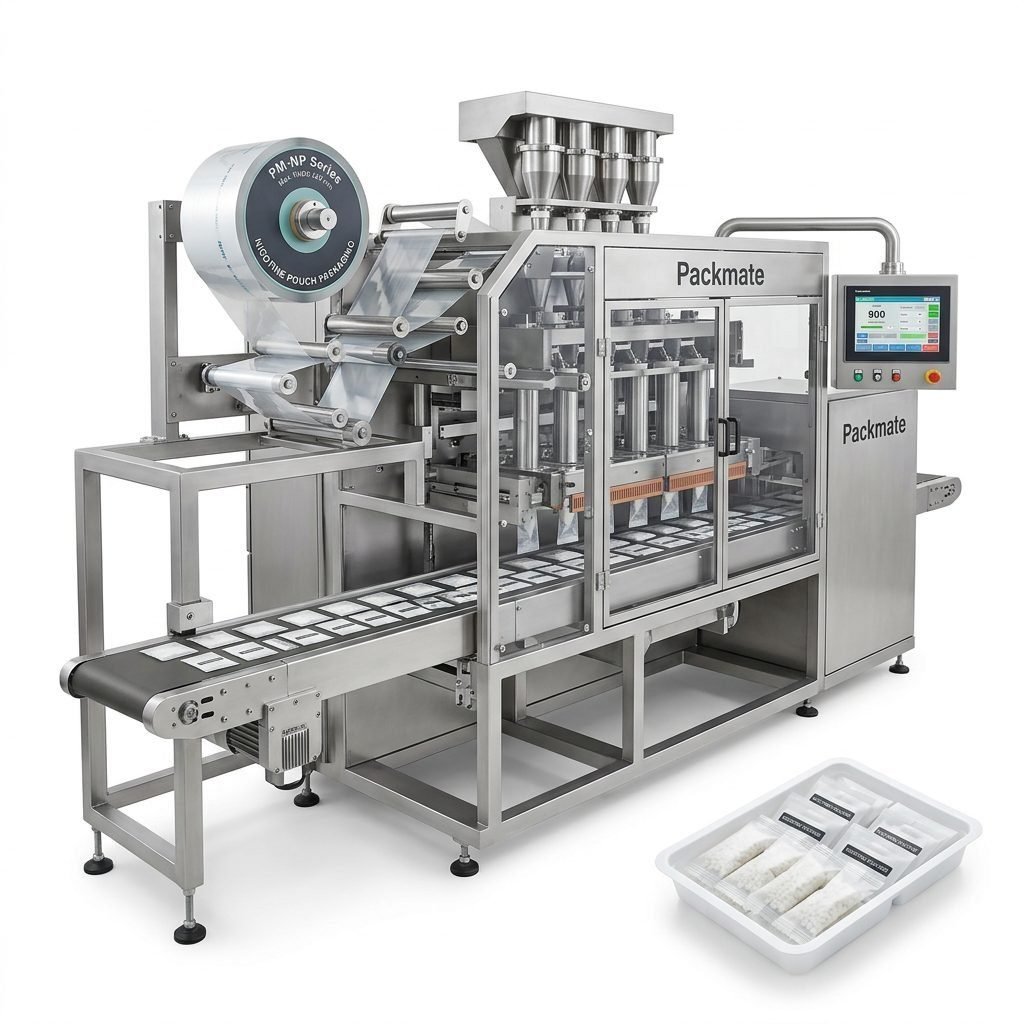
✔ Performance & stability: Machines must run reliably at the speed you need with minimal downtime. Look for multi-lane, small-dose solutions if producing nicotine pouches or small snus sachets.
✔ Certifications: CE and ISO compliance are essential for EU operations. Ask for test reports, certificates and third-party inspection records.
✔ After-sales & spare parts: Rapid spare parts shipping and remote troubleshooting matter. Estonia’s proximity to major Northern European logistics hubs makes short lead times feasible—confirm the supplier’s shipping policy and stock arrangement.
Technical specifications to check
Every machine proposal should include explicit technical specs. At minimum, request:
• Capacity and lane configuration — single lane vs multi-lane, theoretical vs practical output per hour.
• Dosing accuracy — tolerance for powder or filler (important for nicotine content stability).
• Changeover time — how long to switch formats or pouch sizes.
• Material compatibility — film types, laminates, biodegradable options and sealing methods.
Practical supplier evaluation checklist
Use this checklist during enquiries, video demos or on-site factory visits. Each item is tailored to the expectations of Estonian purchasers and EU compliance norms.
📌 Company track record: Verify how long the supplier has produced snus/nicotine pouch equipment and request customer references and case studies. Reliable manufacturers often publish exhibition history and customer cases (for example, view their Case and Exhibition pages).
📌 Factory capability: Ask for photos or videos of CNC machining, assembly lines and testing rigs. A modern 20,000㎡ facility with precision assembly is a strong indicator of consistent quality.
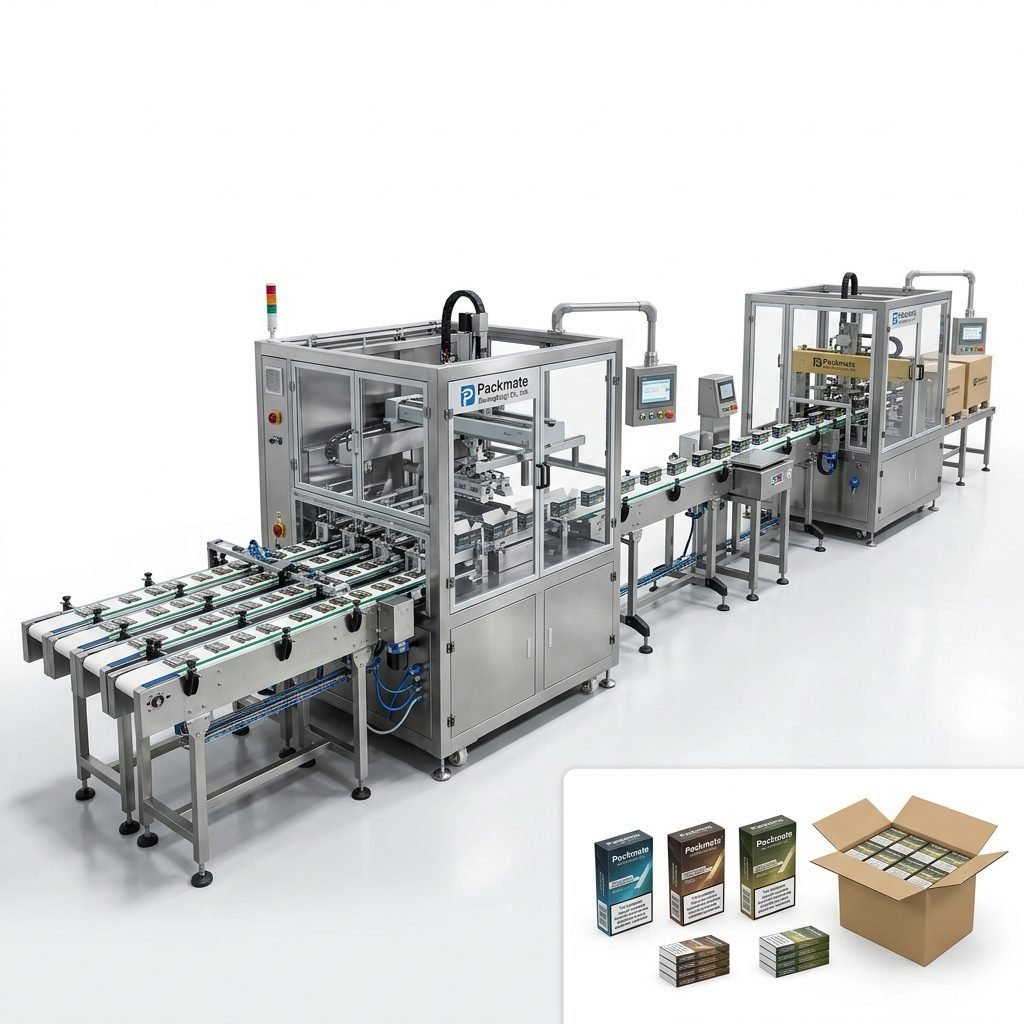
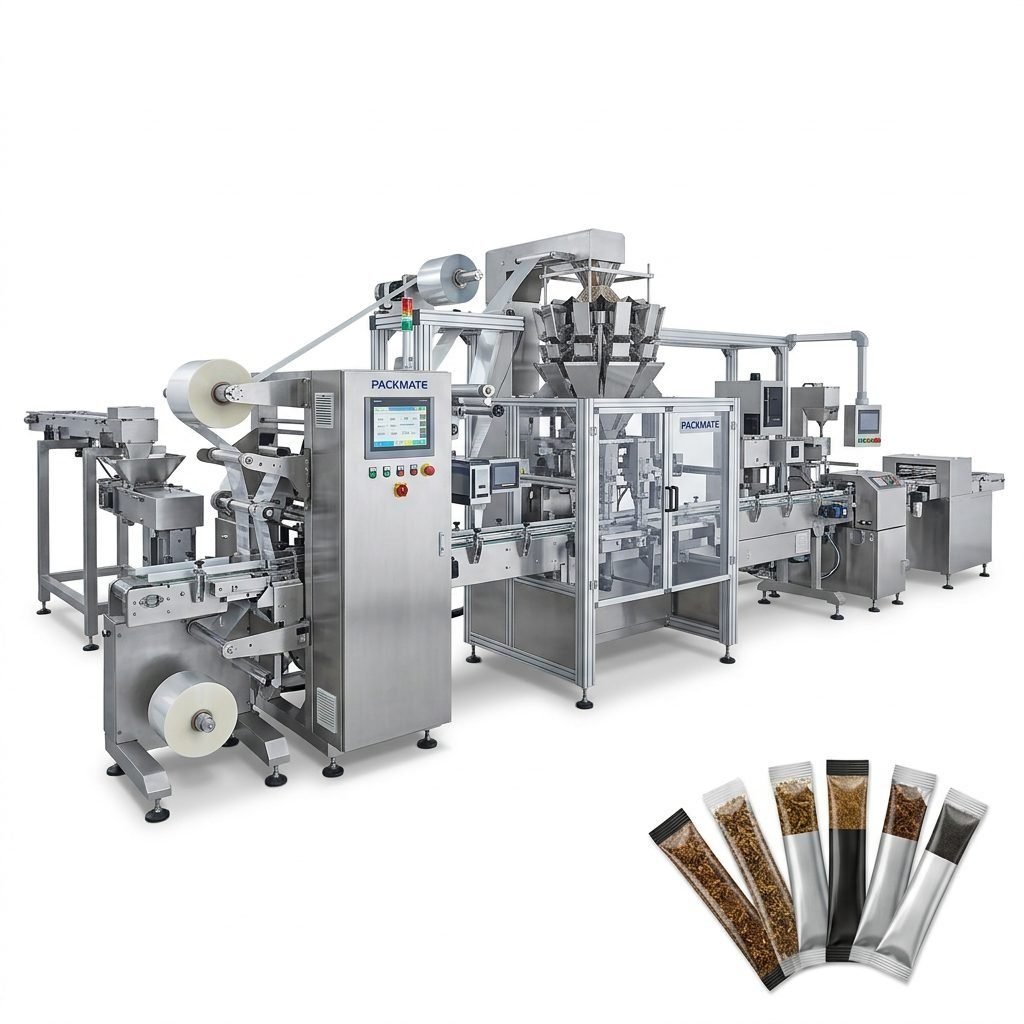
📌 Customization & turnkey solutions: If you need a full packaging line (weighing + filling + pouching + case packing), confirm the supplier can integrate modules and deliver turnkey solutions.
Questions to ask every potential supplier
Ask direct and technical questions early to separate credible vendors from vague responders:
1. What is the guaranteed hourly output under continuous operation? How is it measured?
2. Can you provide CE/ISO certificates and recent factory inspection reports?
3. What is your standard warranty and what does it cover (mechanical parts, PLC, servo drives)?
4. How do you support commissioning in Estonia (remote support, on-site engineers, spare parts stock)?
5. Can you supply references from customers producing nicotine pouches or small-dose sachets?
Factory audit and acceptance testing
A formal factory acceptance test (FAT) is critical. If you cannot visit in person, insist on a comprehensive live video FAT that demonstrates continuous operation with your chosen materials. Key points to verify:
• Continuous running for a defined period at guaranteed speed; check for thermal stability and wear signs.
• Sealing quality and pouch integrity across different formats.
• Dosing accuracy and consistency (weighing records if available).
• Safety guards, emergency stops and EU-compliant machine labeling.
Logistics, installation and training
Estonian buyers often expect fast, well-documented shipments and succinct installation packages. Ensure the supplier provides:
• A clear shipping plan with packaging for European transit.
• On-site commissioning time estimates and spare parts list.
• Operator and maintenance training (digital manuals, remote training sessions and optional on-site engineers).
Commercial terms and protecting your investment
Negotiate terms that protect your company and fit local expectations:
• Payment milestones tied to factory tests and delivery.
• Clear warranty clauses and response times for spare parts.
• A written agreement for software/PLC ownership and access to machine parameters for troubleshooting.
⚠️ Red flags: vague performance numbers, refusal to show FAT, no written spare parts lead time, or absence of CE/ISO records.
Why a specialized snus machine manufacturer matters
Packaging nicotine pouches or snus requires precise dosing, gentle handling, and flexible pouch formats. A specialist supplier brings:
• Proven multi-lane designs for small-dose products.
• Tailored sealing systems for heat-sensitive films.
• Experience integrating weighing and filling systems for consistent nicotine content.
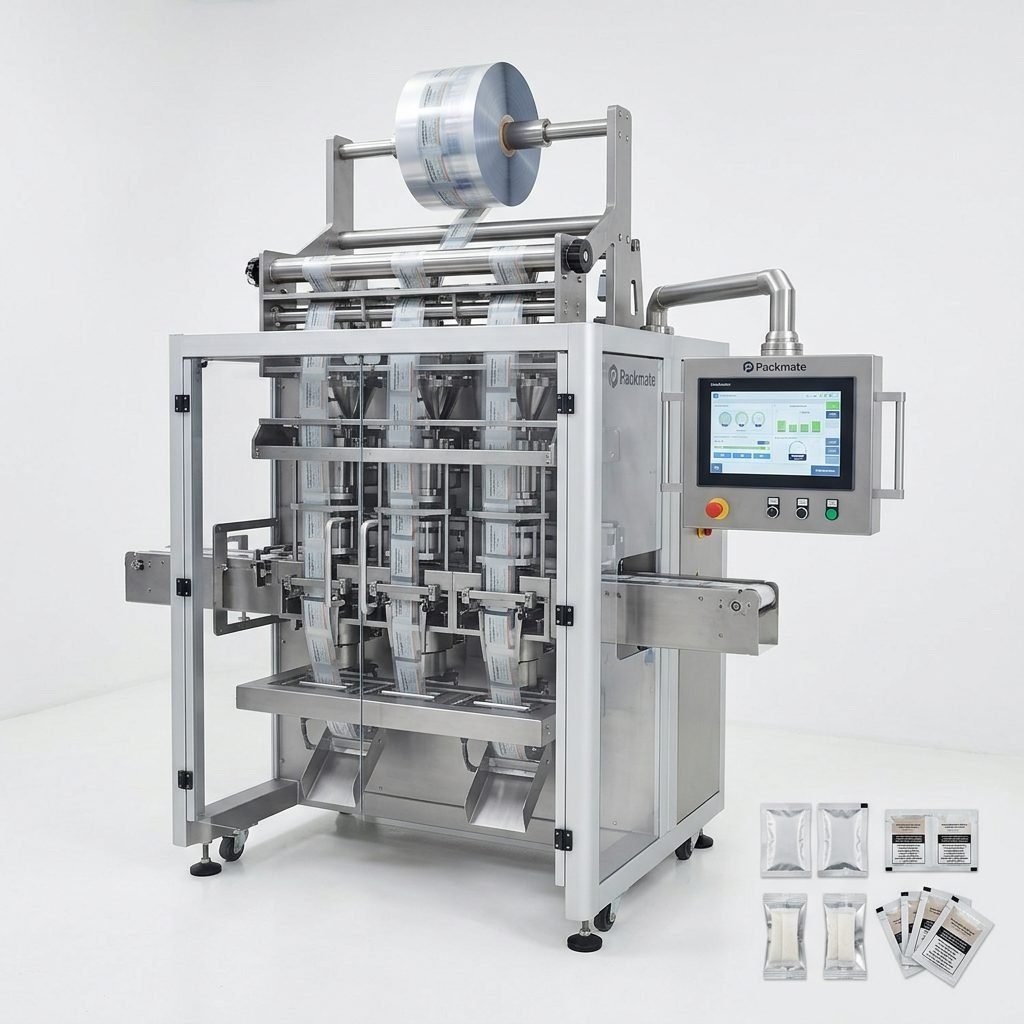
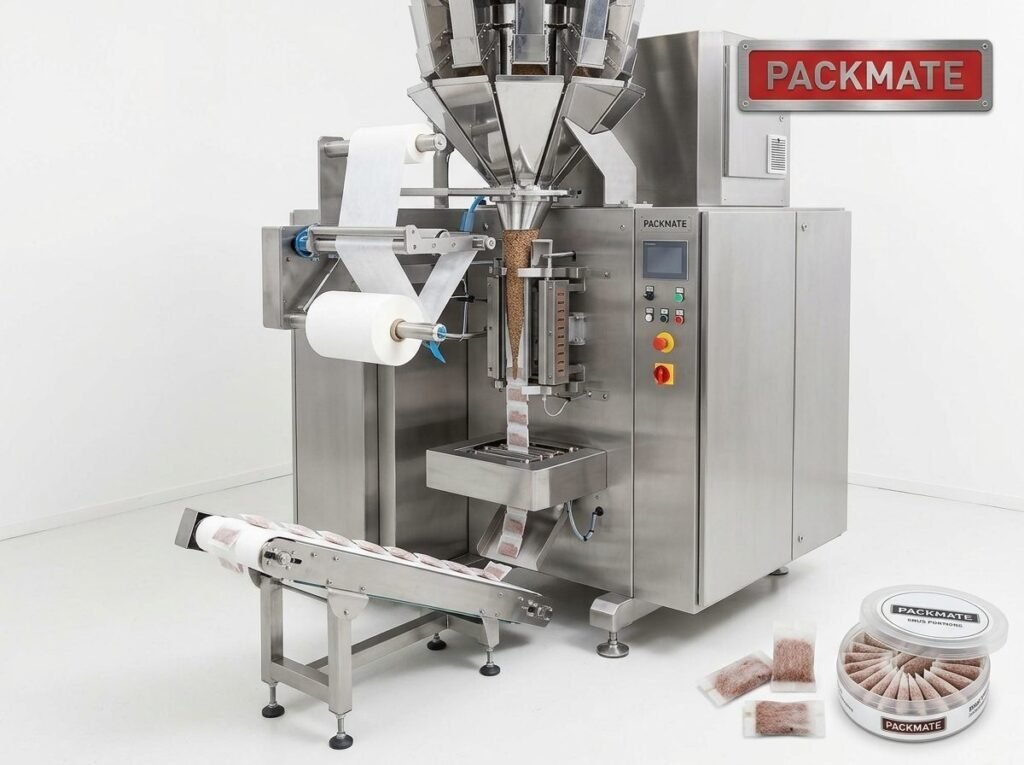
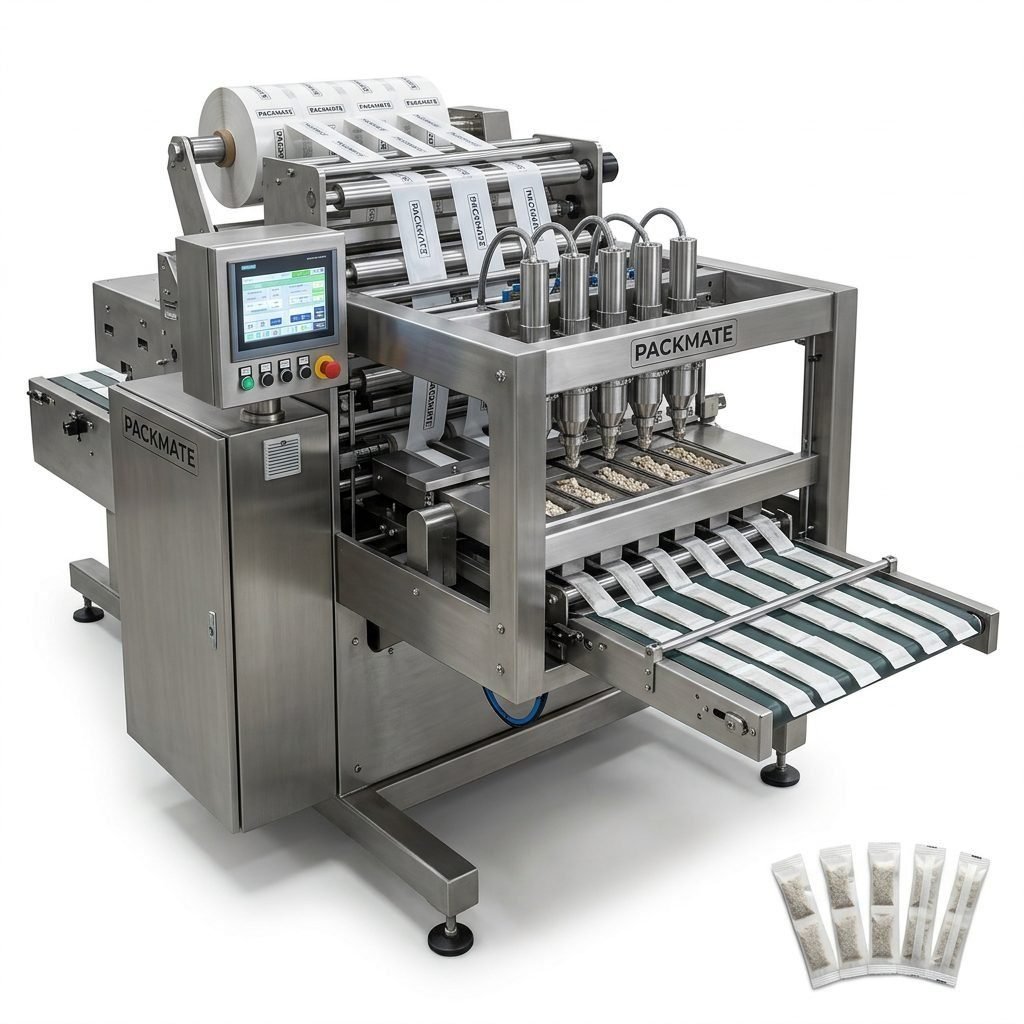
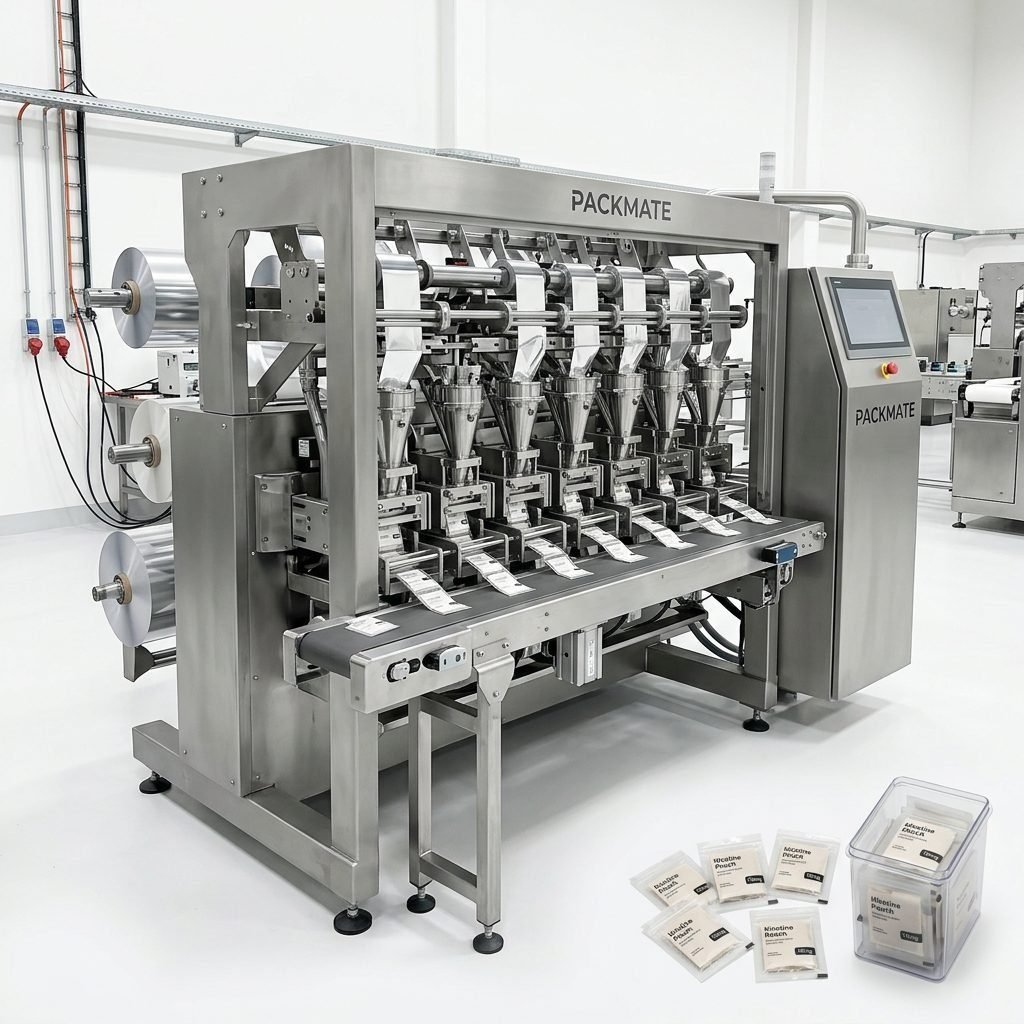
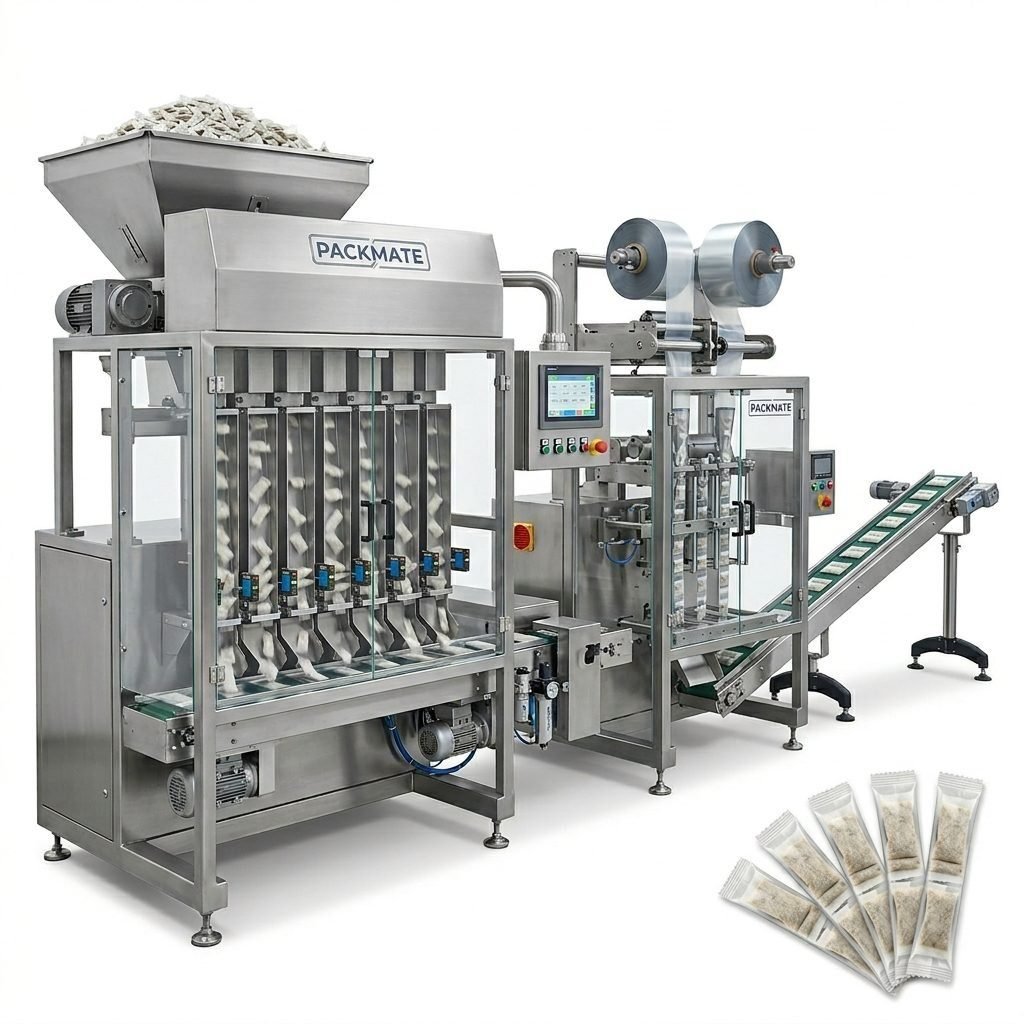
For product lines and machine models, you can review examples of snus and nicotine pouch equipment and complementary systems: Snus & Nicotine Packaging Machines, Sachet & Stick Pack Machines and Weighing & Packaging Systems.
Selecting the right packaging format for Estonia
Consider local consumer preferences: Estonian and broader Baltic consumers often favor discreet, easy-to-carry formats and clear labeling. Stick packs, small sachets and resealable pouches are popular. Choose machines that can handle flexible film types and allow for resealable zips or tear-notches when required.
Working with suppliers across borders: communication and culture
Estonian businesses appreciate directness, punctuality and digital-first communication. When working with overseas suppliers:
• Use clear written agreements and timelines.
• Schedule regular video checkpoints and request recorded FAT sessions.
• Make use of digital documentation and spare parts catalogs to speed maintenance.
How Packmate’s profile addresses buyer needs
A manufacturer with deep experience in snus and nicotine pouch machinery brings reassuring credentials: decades of engineering, large manufacturing capacity, CE/ISO compliance and turnkey line integration. Learn more about the supplier background and offerings on their About page and Case studies: About Packmate and Case.
Moving forward: a step-by-step action plan
Follow these practical steps to secure a reliable supplier and a successful installation in Estonia:
1. Prepare a detailed specification sheet (output, pouch format, materials, compliance needs).
2. Shortlist suppliers with proven snus/nicotine experience and request FAT schedules.
3. Review certifications and customer references; ask for spare parts lists and lead times.
4. Agree payment milestones tied to FAT, shipment and installation.
5. Plan for local commissioning, operator training and a spare-part buffer for the first year.
✅ Tip: Combining a supplier that offers both packaging machines and auxiliary equipment (weighing/filling/conveying) simplifies integration and reduces start-up risk—see Filling & Packaging Lines.
Final considerations for Estonian buyers
Prioritize suppliers who demonstrate regulatory knowledge, clear technical documentation and rapid support pathways. Estonia’s digital-first business culture rewards suppliers who communicate promptly, provide online resources and can deliver reliable spare-part logistics to Northern Europe.
If you need customized proposals, turnkey integration or local references, contact the manufacturer directly through their service and contact pages: Service and Contact Us.
Common questions (FAQs)
Q: Is it legal to produce snus or nicotine pouches in Estonia?
A: EU rules restrict traditional tobacco-containing snus sales outside Sweden; nicotine pouches (non-tobacco) may follow different national interpretations. Always consult Estonian authorities or legal counsel to confirm product classification and labeling requirements before production.
Q: What certifications should I require from the supplier?
A: At minimum, request CE marking, ISO documentation and evidence of machine safety compliance. Also ask for FAT records and customer case studies for similar product lines.
Q: How important is a factory acceptance test (FAT)?
A: Extremely important. A FAT demonstrates real machine performance and gives you confidence in output, sealing quality and dosing accuracy. If you cannot attend in person, require a live video FAT with material samples.
Q: What after-sales support should I expect for Estonia?
A: Expect clear spare parts lead times, remote troubleshooting and optional on-site commissioning. Confirm warranty response time and stock levels for critical components.
Q: Where can I see machine models and full solutions?
A: Review specialized product pages such as Snus & Nicotine Packaging Machines, Sachet & Stick Pack Machines and Weighing & Packaging Systems for model options and line configurations.