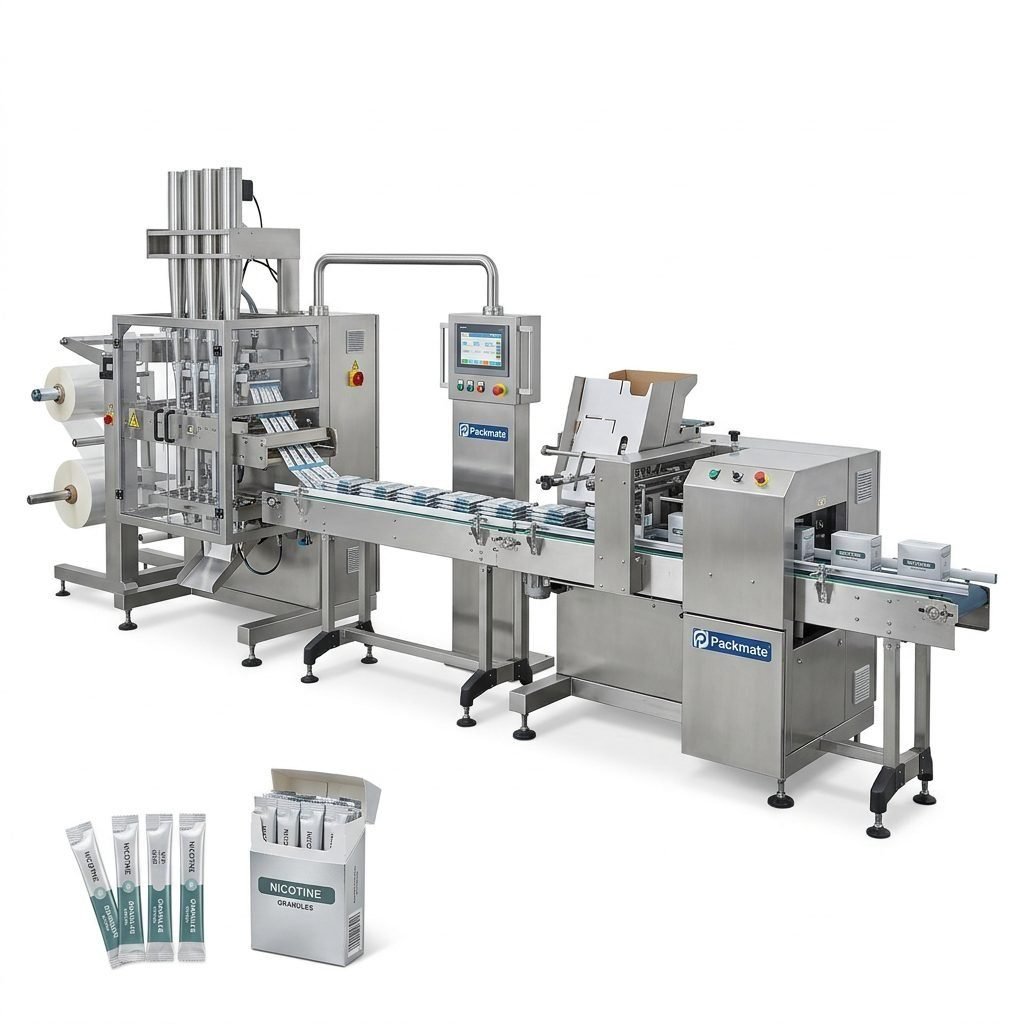
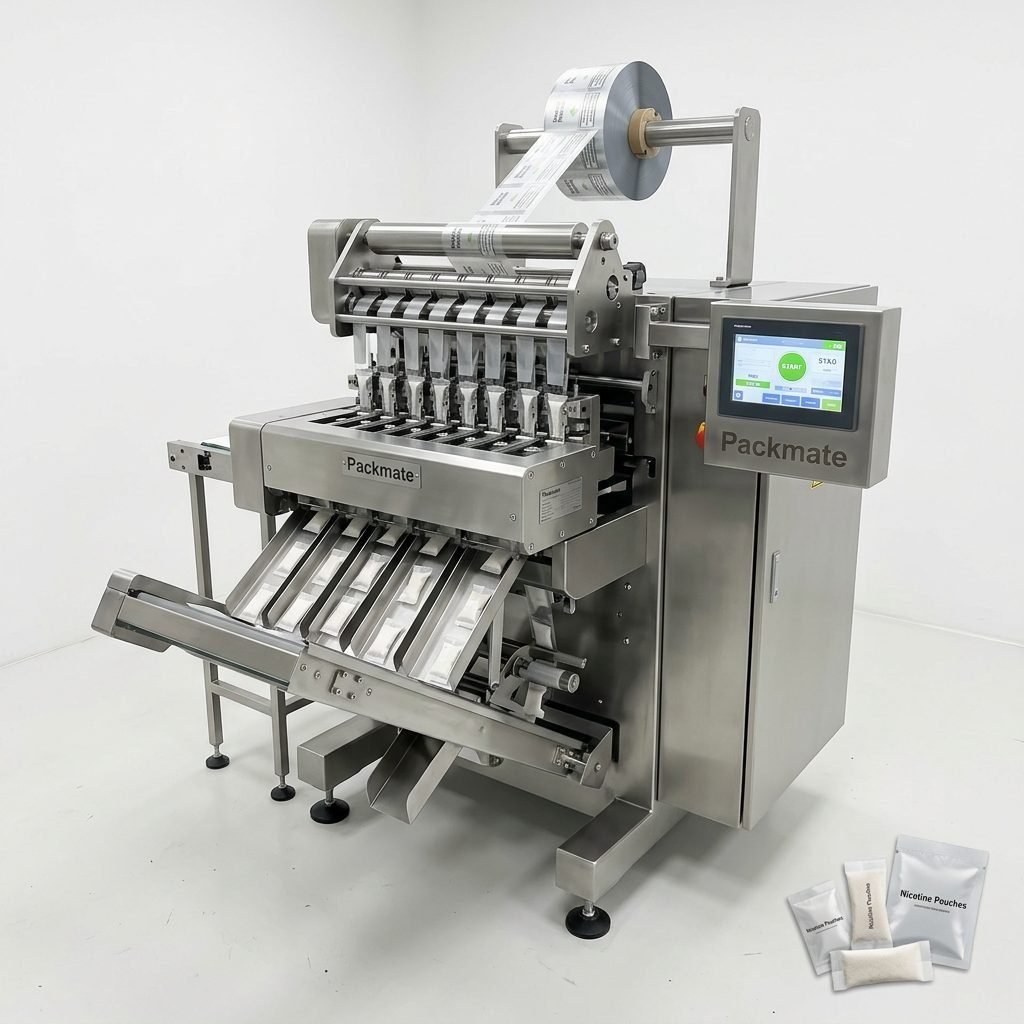
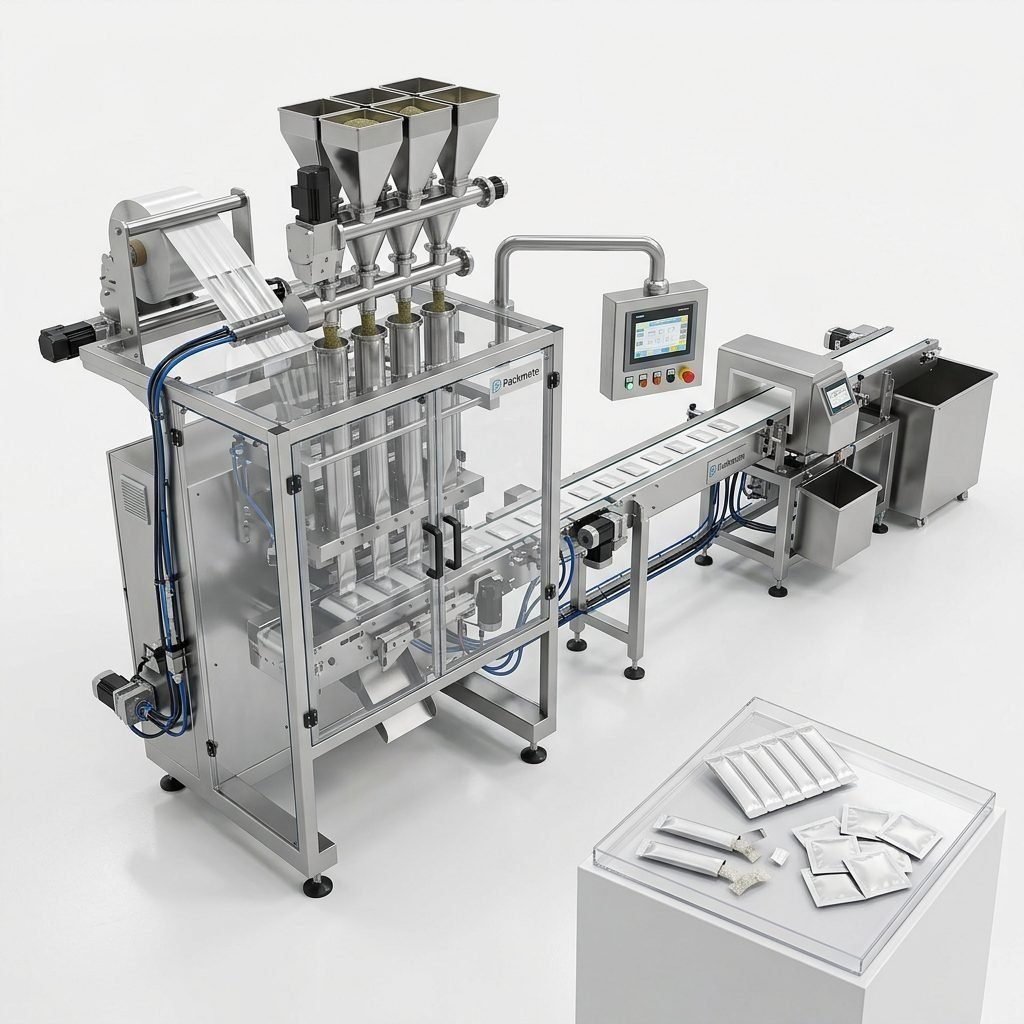
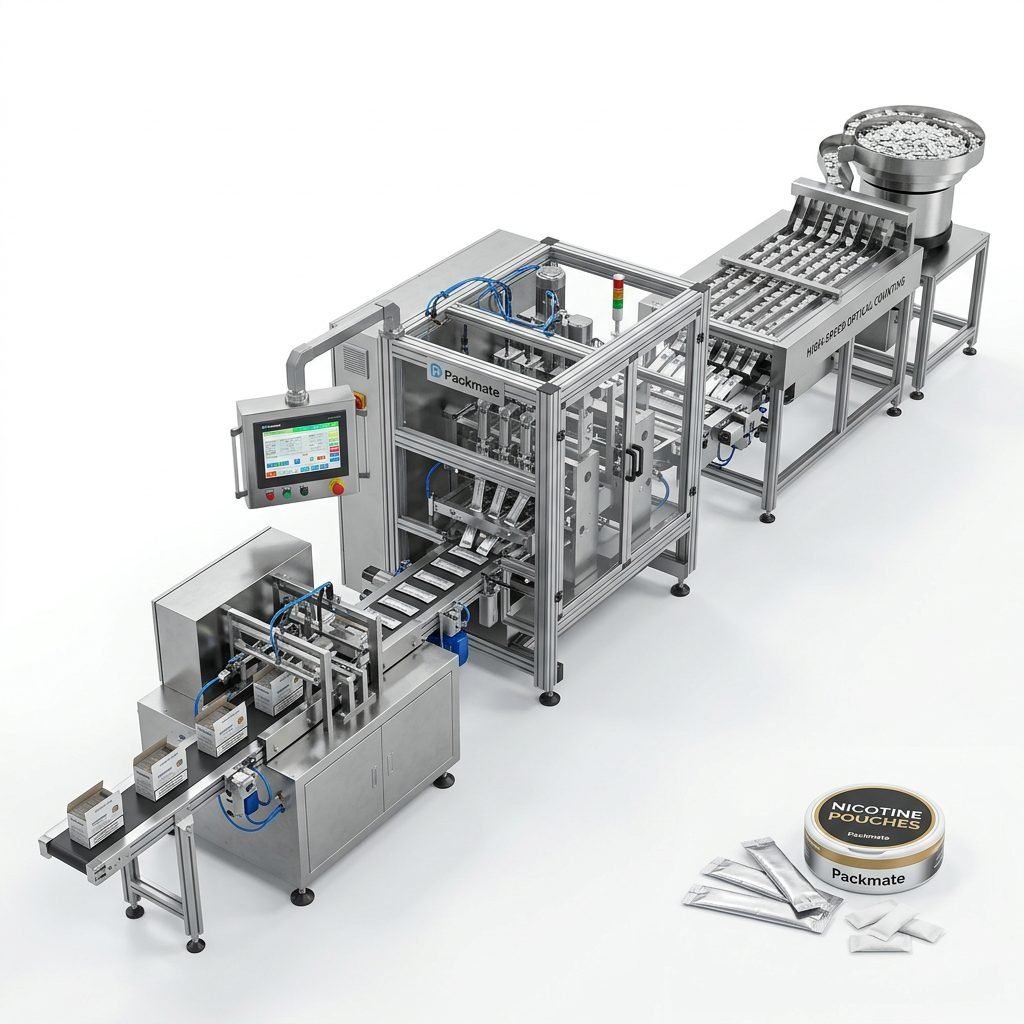
Choosing the right snus packaging machine for manufacturing in Iran requires careful consideration of production goals, regulatory constraints, and long-term serviceability. This guide walks through practical criteria, machine types, technical specifications, and supplier evaluation to help manufacturers decide confidently. Whether you need a compact single-lane system for boutique batches or a high-speed multi-lane line for large-scale output, the right selection can improve yield, reduce operating costs, and ensure compliance with product safety standards.
Understand the Market and Regulatory Context in Iran
Before comparing models, assess the local market demand for snus and nicotine pouches, packaging formats preferred by consumers, and any applicable health or import regulations. Compliance influences machine choice because some machines provide features that help with traceability, hermetic sealing, and clean operation. For manufacturers selling across borders, prioritize equipment that meets international standards such as CE and ISO to facilitate export.
Key regulatory considerations
- Product labeling and serialization requirements
- Food safety and hygiene standards for nicotine-containing products
- Customs and import regulations for machinery and spare parts
Types of Snus Packaging Machines — Match Form to Function
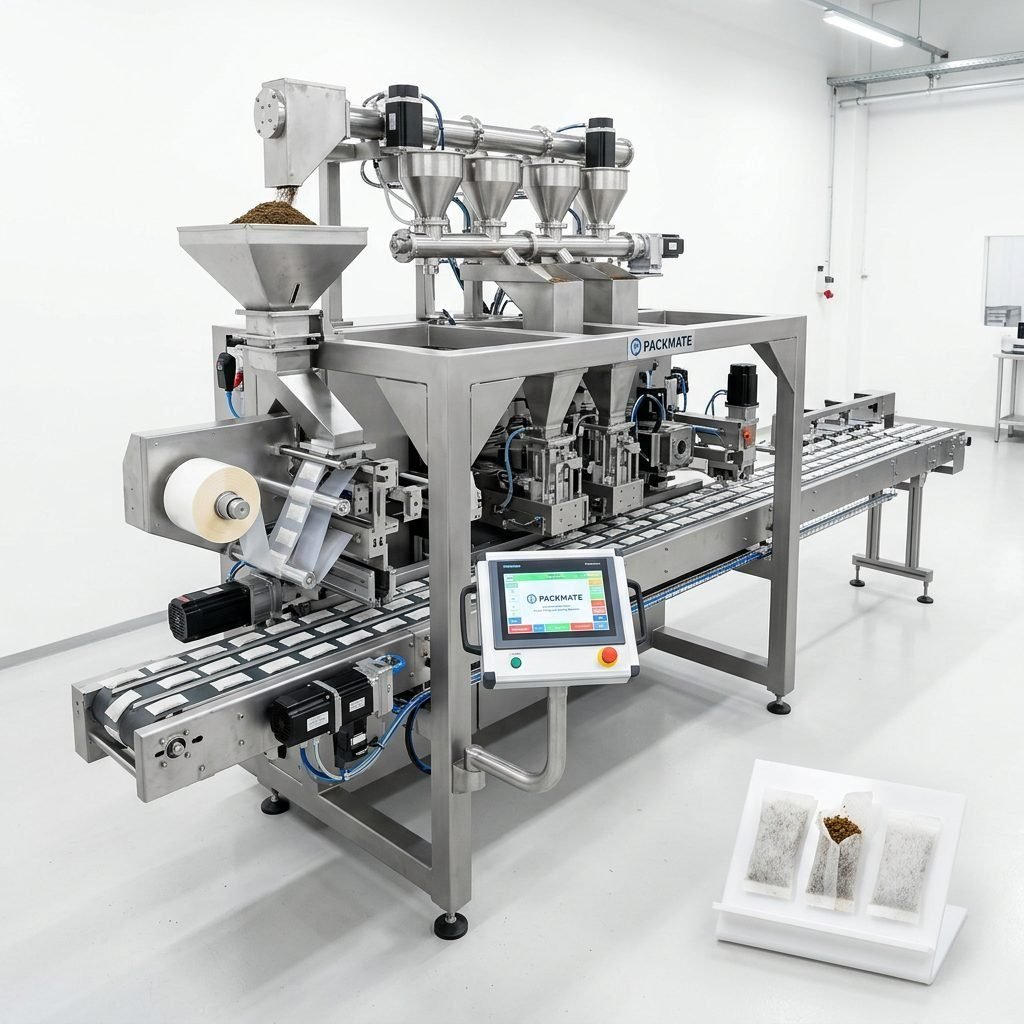
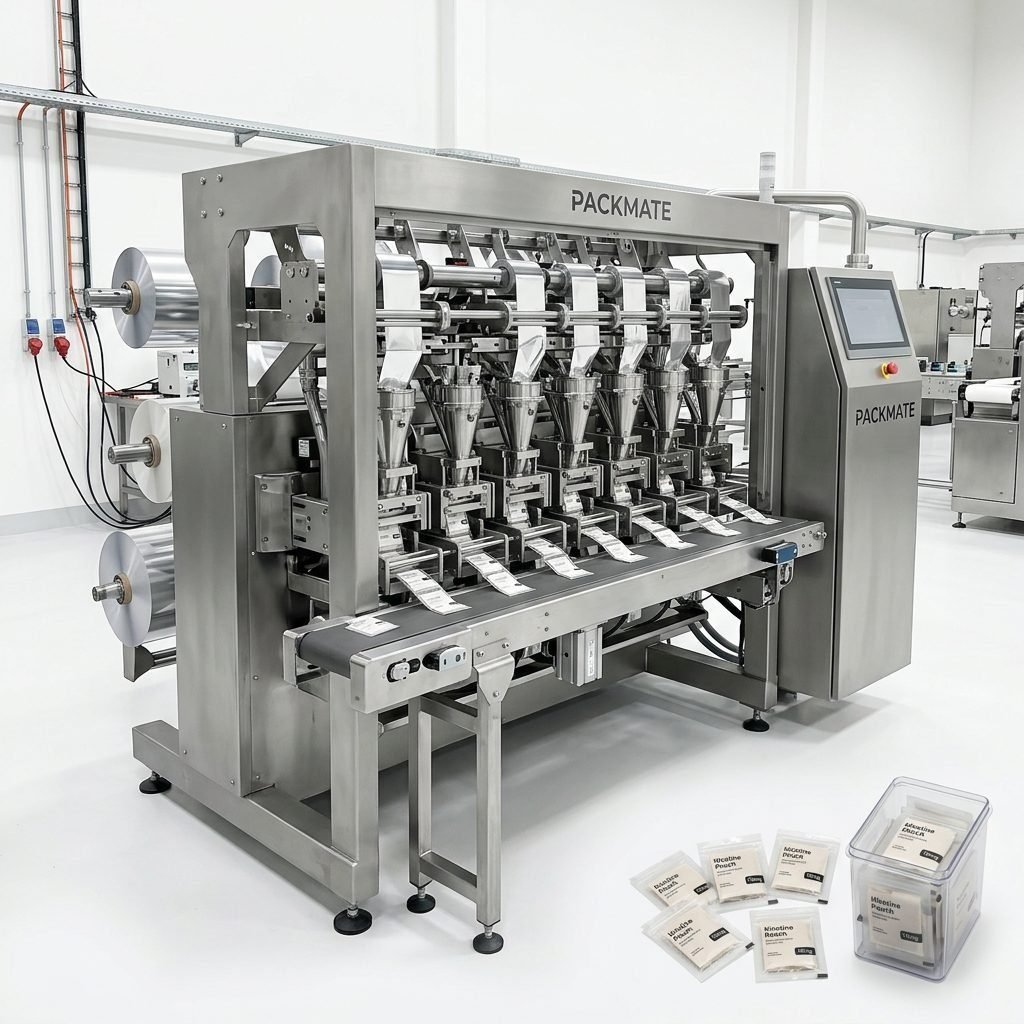
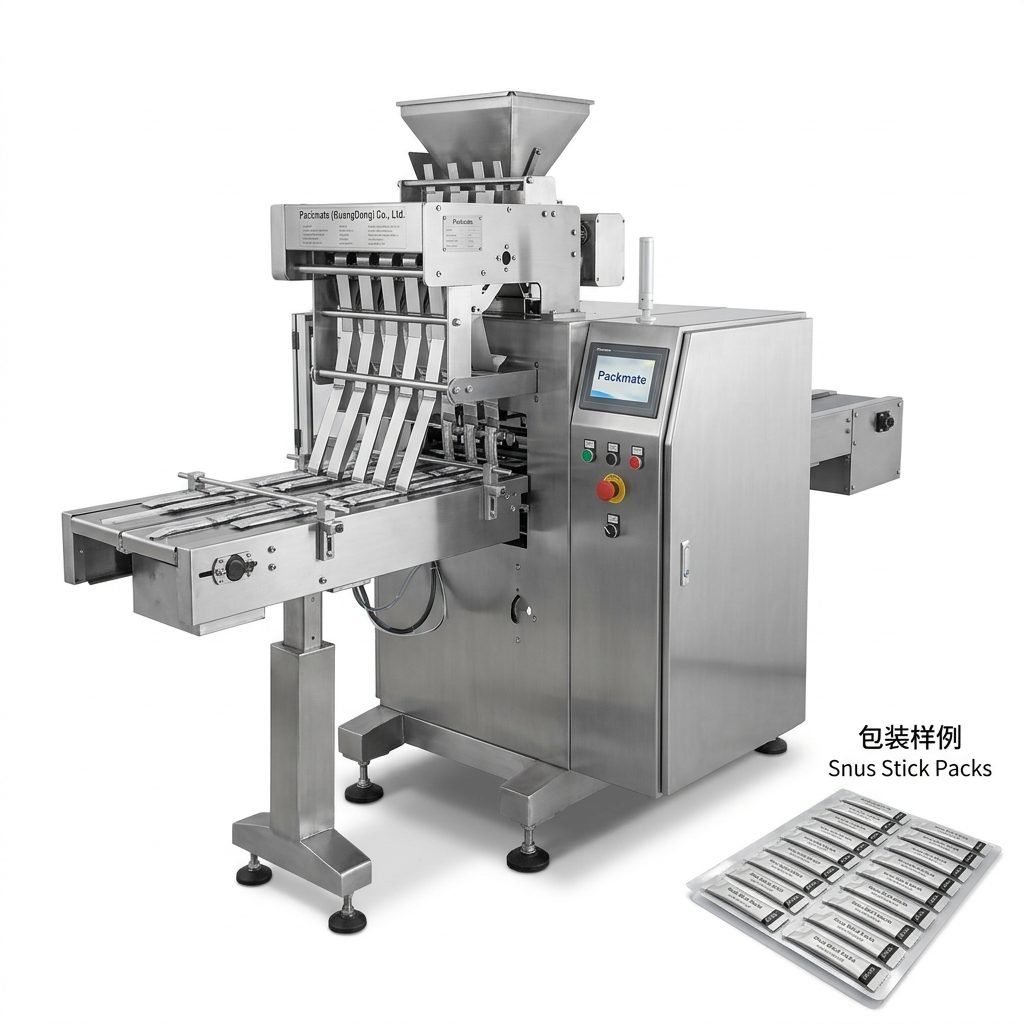
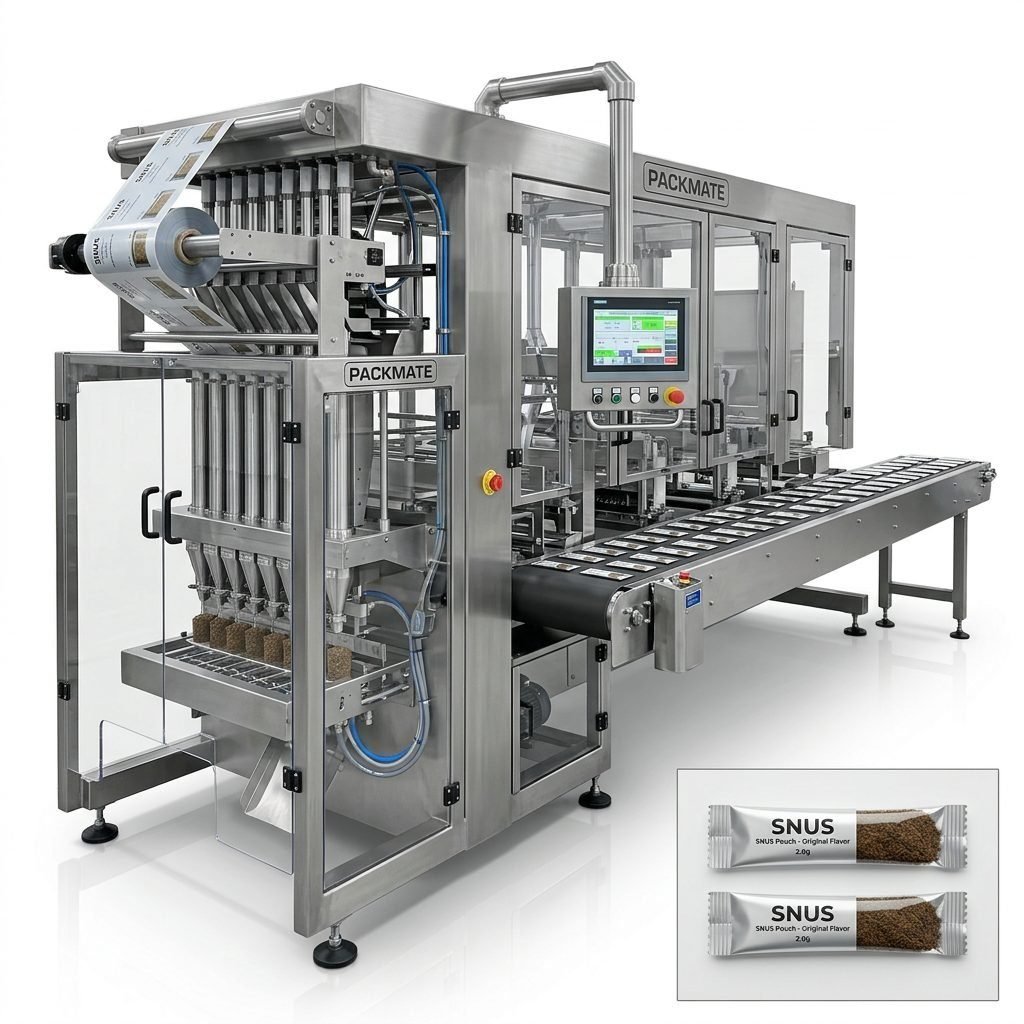
Snus packaging machines come in multiple formats. Selecting the right type depends on pouch size, speed, and product characteristics (powder, granule, or wet pouches). The main types include stick pack, sachet, and specialized multi-lane systems for nicotine pouches.
Technical Specifications to Prioritize
When evaluating machine specs, focus on capacity, accuracy, material compatibility, and automation features. These affect product consistency, waste, and operator workload.
Throughput and Scalability
Estimate your peak and projected future production. Machines are rated by pouches per minute (ppm) per lane. Multi-lane systems multiply lane throughput but require more floor space and upstream feeding systems. Choose machines that can scale either by adding lanes or integrating additional modules.
Filling Accuracy and Dosing Systems
For nicotine pouches, dosing precision is critical to product compliance and customer safety. Look for servo-driven dosing, high-precision weighers, or volumetric systems compatible with your product’s bulk density. Accuracy +/- 0.5–2% for small-dose products is common on high-end lines.
Material Handling and Compatibility
Ensure the machine handles your materials without bridging, segregation, or moisture issues. If your snus is slightly moist or tacky, anti-stick surfaces, agitators, and controlled-environment options will help maintain continuous operation.
Automation, Controls, and User Interface
Modern packaging lines offer PLC controls, touchscreen HMIs, recipe management, and remote diagnostics. These features reduce set-up time between SKUs and enable quick troubleshooting. Confirm language options and operator training availability — local language support can reduce commissioning time in Iran.
Build Quality, Factory Capacity, and Certifications
Evaluate the manufacturer’s facility, machining capabilities, and quality control process. Proven suppliers will provide factory tours, component traceability, and certification evidence (CE, ISO). A well-equipped factory with CNC machining and precision assembly is a positive sign of long-term reliability.
For reference, manufacturers like Packmate Snus Machine operate large facilities with advanced CNC centers and offer a diverse product range. Reviewing the supplier’s product lines and case studies helps verify real-world performance. See examples of product families such as Snus & Nicotine Packaging Machines, Sachet & Stick Pack Machines, and integrated Weighing & Packaging Systems.
After-Sales Service, Spare Parts, and Local Support
After-sales is often the deciding factor. Confirm lead times for spare parts, availability of consumables, and whether the manufacturer offers on-site installation, commissioning, and operator training. Service contracts and remote diagnostic capabilities reduce downtime risk.
Total Cost of Ownership (TCO) — Beyond the Purchase Price
Consider energy consumption, consumables, labor requirements, and expected uptime. Higher initial investment in precision equipment often yields lower waste and reduced labor costs, improving TCO. Request case studies and references that include operating cost data and uptime figures.
Factors that affect TCO
- Energy efficiency and air consumption
- Spare parts pricing and availability
- Operator training time and shift requirements
- Machine modularity and upgrade paths
Factory Layout, Utilities, and Installation
Prepare a site plan that considers machine footprint, material flow, and utility connections (power, compressed air, dust extraction). Multi-stage lines may require conveyors, checkweighers, and packaging integration. A pre-installation checklist saves time during commissioning.
Connect with suppliers early to review electrical and mechanical requirements. Many manufacturers provide detailed installation drawings and on-site engineers for commissioning.
Customization and Flexibility
Look for vendors who can adapt tooling, sealing methods, and feeding systems to your specific pouch formats and product properties. Custom fixtures, servo-controlled adjustments, and recipe memory are features that accelerate changeovers and enable multiple SKUs on the same line.
Selecting a Vendor — Questions to Ask
When comparing vendors, use a checklist to evaluate technical fit, quality, and support. The questions below will help you gather consistent information for decision-making.
- Can you provide performance data for similar installations in nicotine pouch production?
- What is the recommended maintenance schedule and mean time between failures (MTBF)?
- Do you offer local or regional service partners in Iran or nearby markets?
- What spare parts are included with purchase and what are typical delivery times?
- Are remote diagnostics and software updates available?
See the manufacturer’s background and credentials to validate longevity and reliability — review company history and certifications on their About Packmate and Certificate pages.
Commissioning, Training, and Ramp-Up
A smooth ramp-up requires comprehensive commissioning and operator training. Insist on supplier-led training sessions, machine documentation in your language, and supervised production runs until quality parameters are stable. This reduces initial scrap and accelerates return on investment.
- Site readiness and utility verification
- Safety audits and guards installed
- Operator training and SOP documentation
- First-run validation and product sampling
Real-World Case and Proven Solutions
Review case studies to understand how similar manufacturers solved production challenges. Trusted makers often publish project examples that showcase multi-lane systems, integrated filling lines, and automation strategies. For real-world examples and success stories visit the Case page.
Decision Roadmap — Practical Steps for Iranian Manufacturers
- Define production targets, pouch formats, and future scalability.
- Shortlist machine types (stick pack, sachet, multi-lane) and request technical datasheets.
- Ask for factory acceptance test (FAT) videos and references from similar projects.
- Evaluate TCO including spare part logistics to Iran and local support options.
- Plan site preparation, utilities, and a commissioning schedule with the supplier.
Useful Resources and Next Steps
To examine product families and solution lines for snus and nicotine pouches, review the manufacturer’s product pages: Snus & Nicotine Packaging Machines, Filling & Packaging Lines, and Auxiliary Packaging Equipment. These links provide visual layouts and technical specs to compare against your requirements.
Final Considerations
Invest time in assessing not only machine performance but also supplier reliability, service coverage, and upgrade paths. A partner with decades of experience and a comprehensive product portfolio can accelerate your production goals and keep operating costs predictable. Choosing a solution partner who offers turnkey lines, customized solutions, and strong after-sales service helps secure long-term production stability.
Contact and Next Steps
When you are ready, request detailed proposals and a quotation tailored to your floor plan and product SKUs. Reach out to the manufacturer’s service team via their Contact Us page to arrange FAT, site visits, or virtual demonstrations.
Frequently Asked Questions
Q1: What is the typical lead time for a snus packaging machine?
Lead times vary by model and customization. Standard models may ship in 8–12 weeks, while fully customized multi-lane lines often require longer. Confirm with the supplier and factor in shipping and customs clearance.
Q2: How do I ensure dosing accuracy for small-dose nicotine pouches?
Choose machines with high-precision dosing (servo systems or integrated weighers) and validate with in-line checkweighers. Regular calibration and preventive maintenance keep dosing within tolerance.
Q3: Can machines be upgraded later to increase throughput?
Many manufacturers design modular equipment that allows lane additions or upgraded dosing modules. Discuss upgrade paths before purchase to ensure compatibility.
Q4: What support should I expect after installation?
Expect on-site commissioning, operator training, spare parts kits, and options for remote diagnostics. Service level agreements should outline response times and spare parts delivery commitments.
Q5: Where can I review examples and technical details?
Visit product and case pages to review specifications, gallery images, and real-world implementations: Snus Machines, Case Studies, and the Catalog.