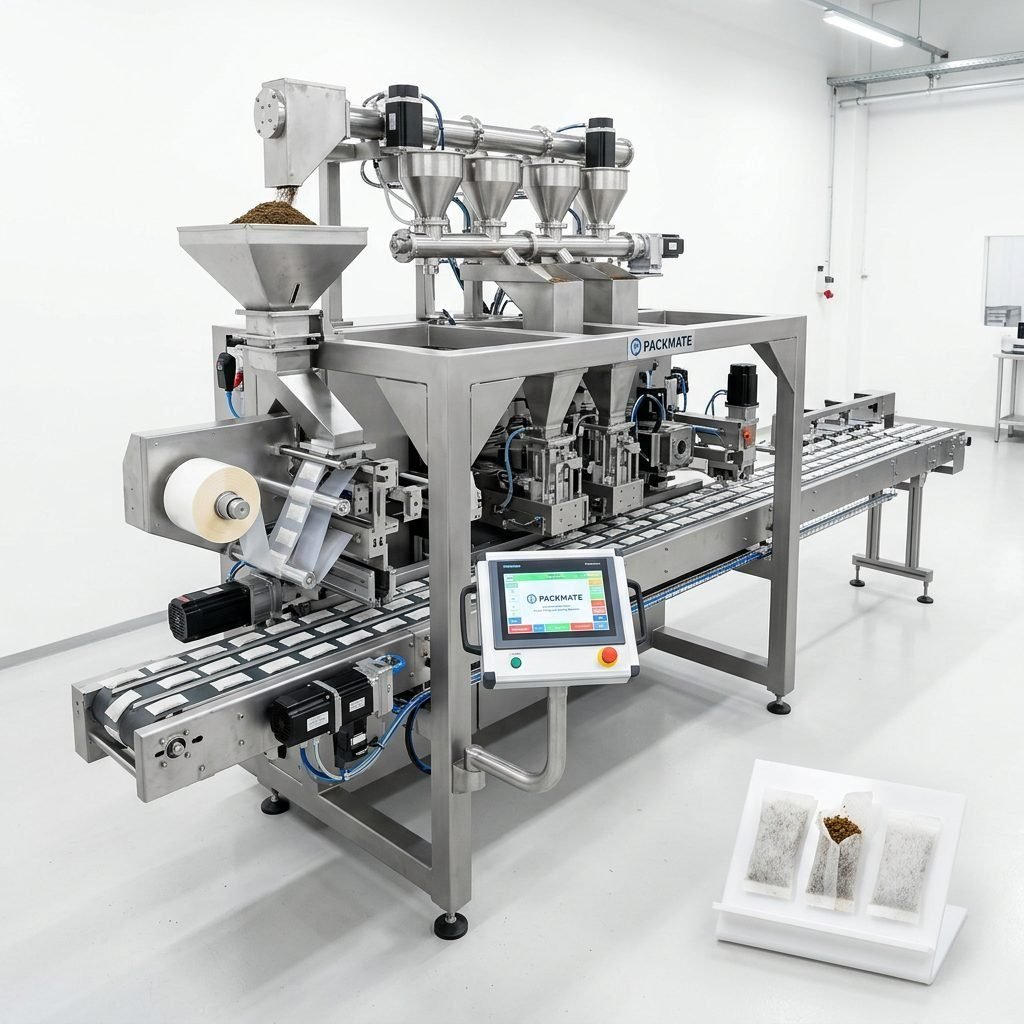
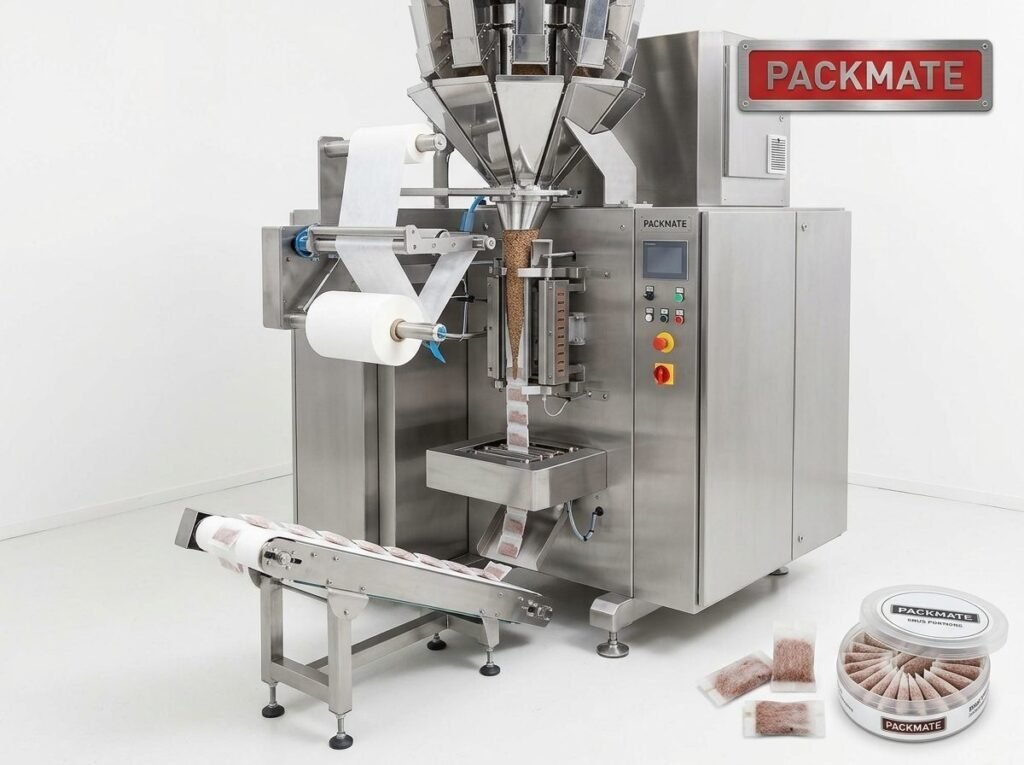
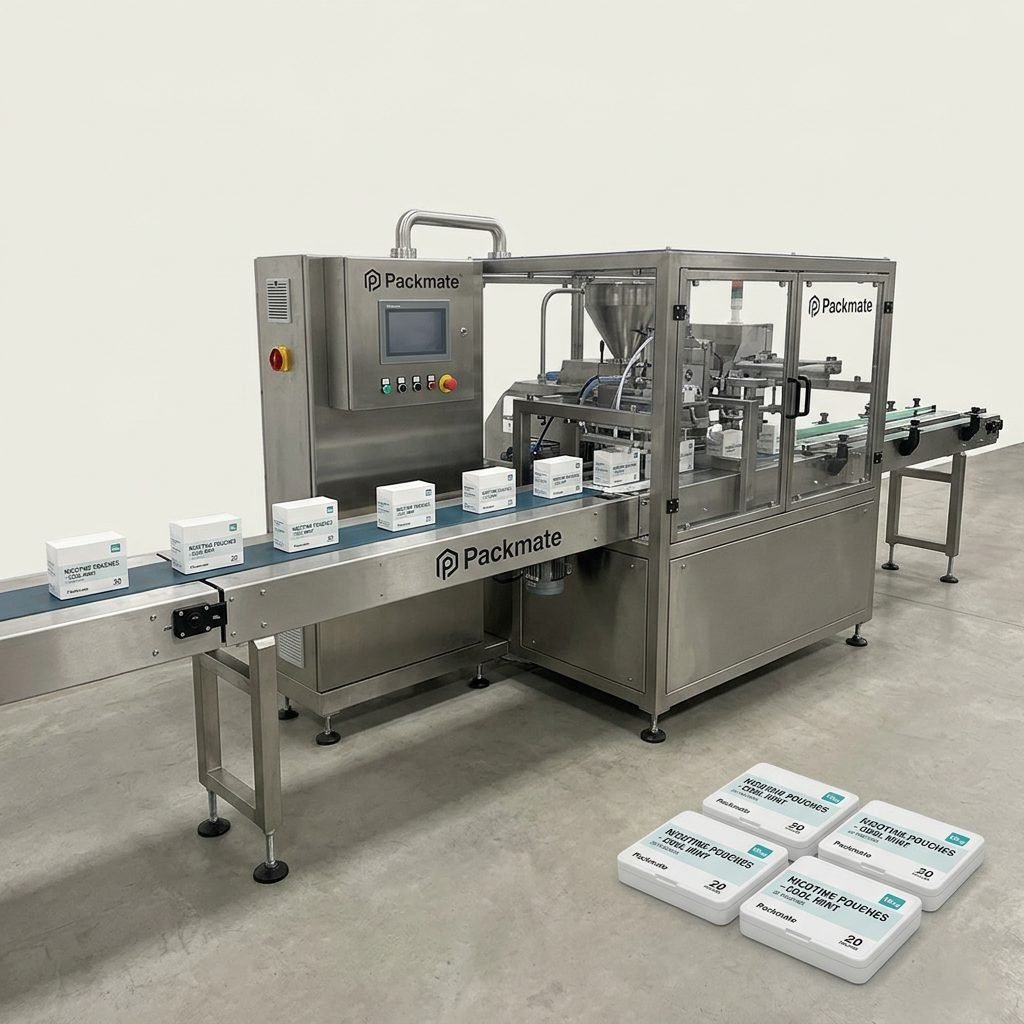
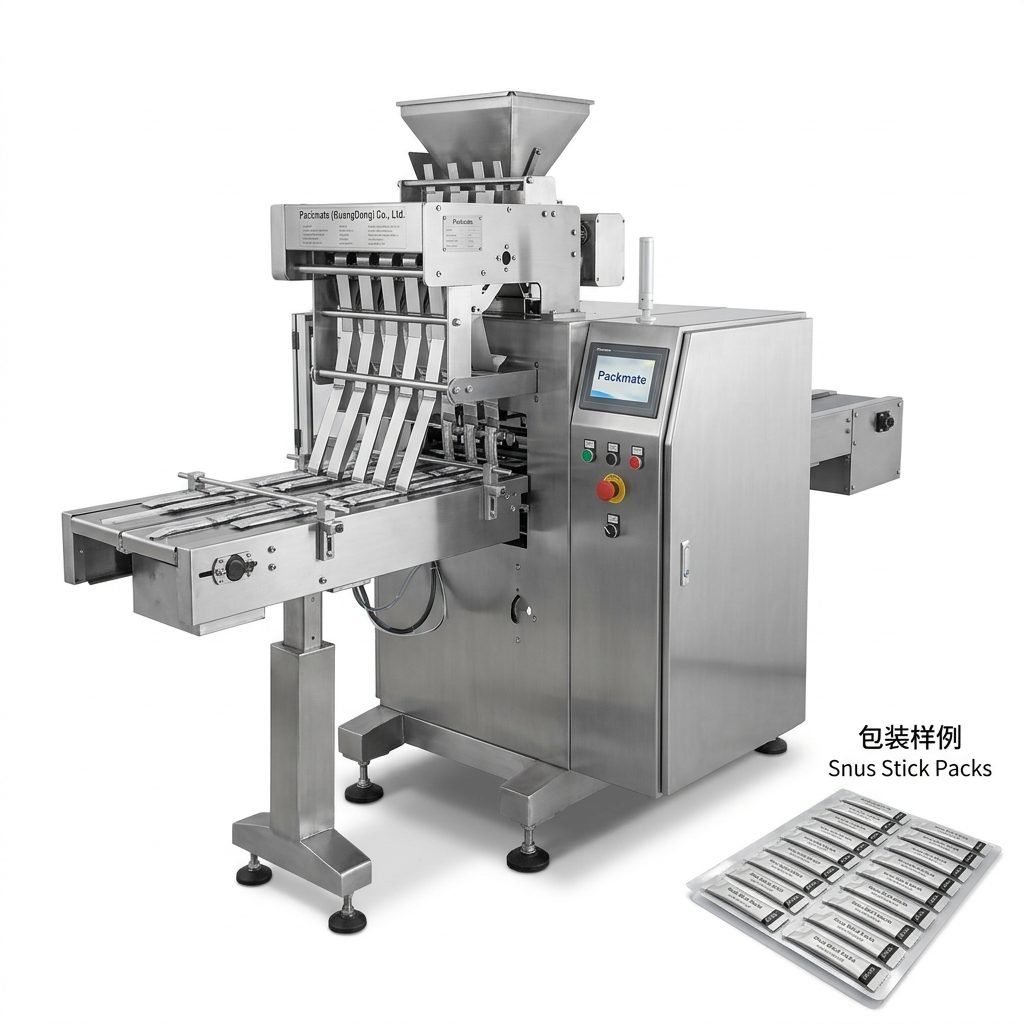
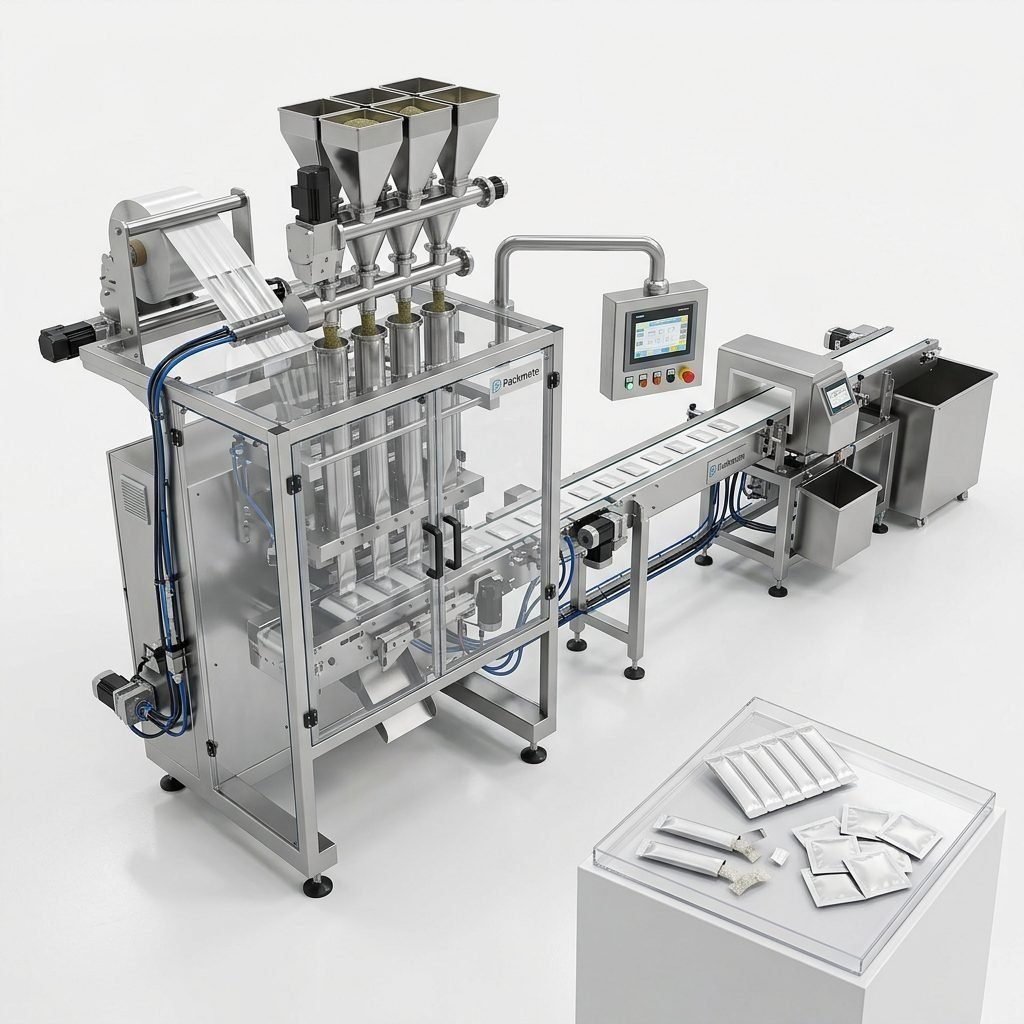
In today’s competitive snus and nicotine pouch market, choosing the right packaging machinery manufacturer can make or break your production goals. Whether you are launching a new line of nicotine pouches or scaling up an existing operation, the selection of a reliable partner affects product quality, regulatory compliance, uptime, and long-term costs. This guide helps production managers, operations leaders, and procurement teams evaluate manufacturers and select the best snus packaging equipment supplier for their needs.
Understand Your Production Requirements ⚙️
Before you contact suppliers, create a clear specification for your production line. Key items to define include target output (pouches per minute), pouch formats (single-lane, multi-lane, stick pack, sachet), product types (powder, granule, liquid, tea, nicotine pouch), dose accuracy requirements, and packaging material types. A precise brief helps manufacturers propose the most suitable models and avoid costly over-specification.
Essential production metrics to list:
⚡ Desired throughput (e.g., 2000 pouches/hour)
📦 Pouch/pack styles (multi-lane, stick, sachet)
🔬 Filling accuracy and weight tolerance
🌡 Product characteristics (moisture, abrasiveness, flowability)
Manufacturer Credentials and Factory Strength 🏭
Verify the manufacturer’s history and manufacturing capabilities. Look for a supplier with decades of focused experience in snus and pouch machinery, a large production facility, CNC machining centers, and rigorous quality control. These factors demonstrate the ability to produce precise, reliable machines and provide spare parts quickly.
Red flag: Suppliers without a visible factory or testing center may struggle to deliver consistent quality or support your equipment long-term.
Product Range and Modularity 🧩
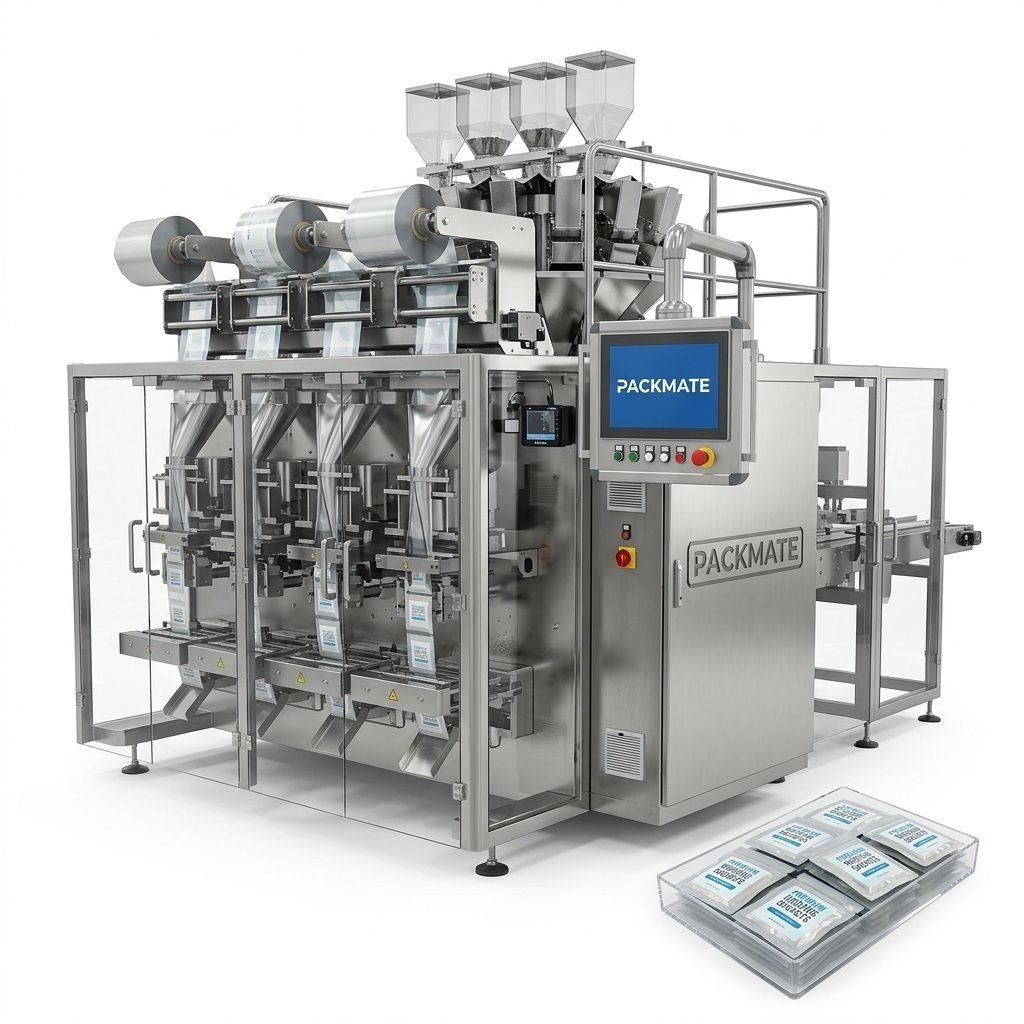
Choose a manufacturer that offers a broad range of models and modular designs. This flexibility allows you to scale or reconfigure lines as product portfolios change. For snus and nicotine pouch producers, multi-lane systems and modular filling options are particularly valuable when handling small doses across many lanes.
Explore manufacturer catalogs or product pages to compare model capabilities. For example, review categories like
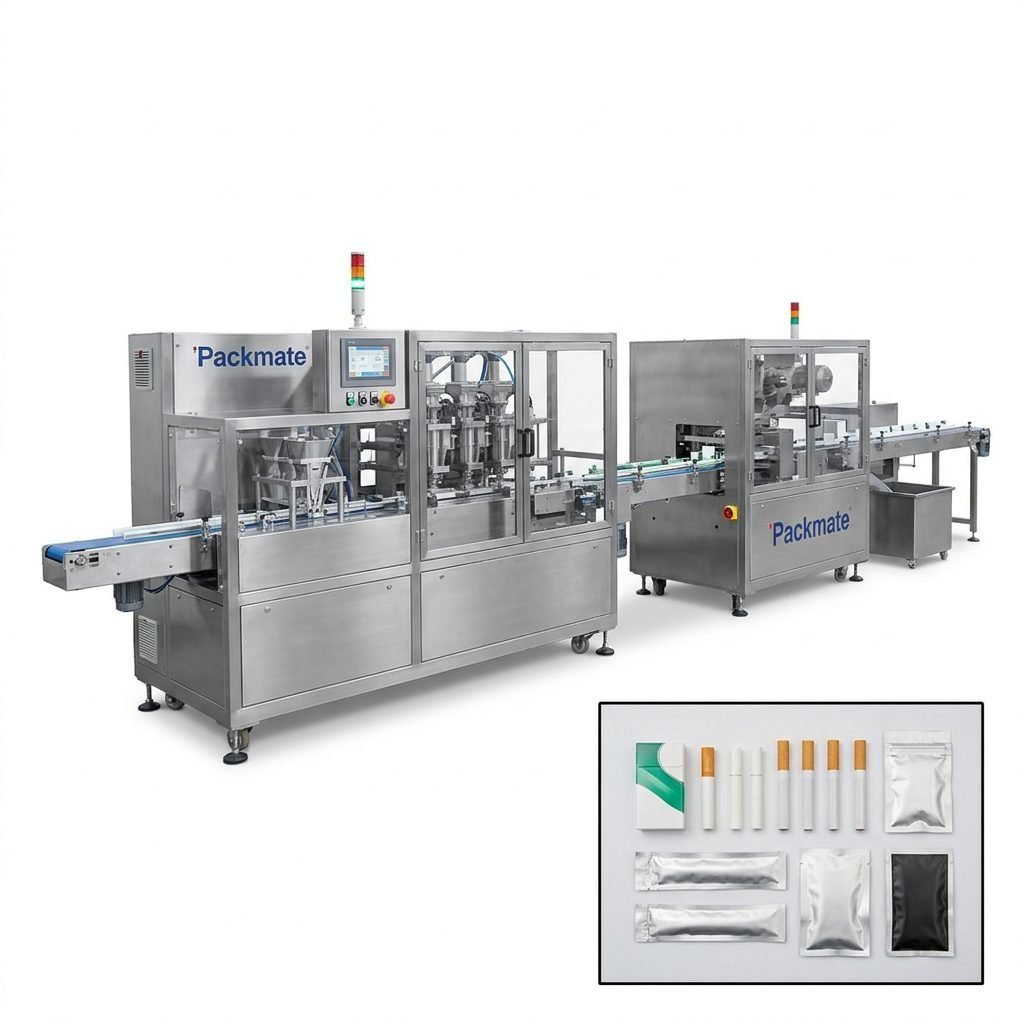
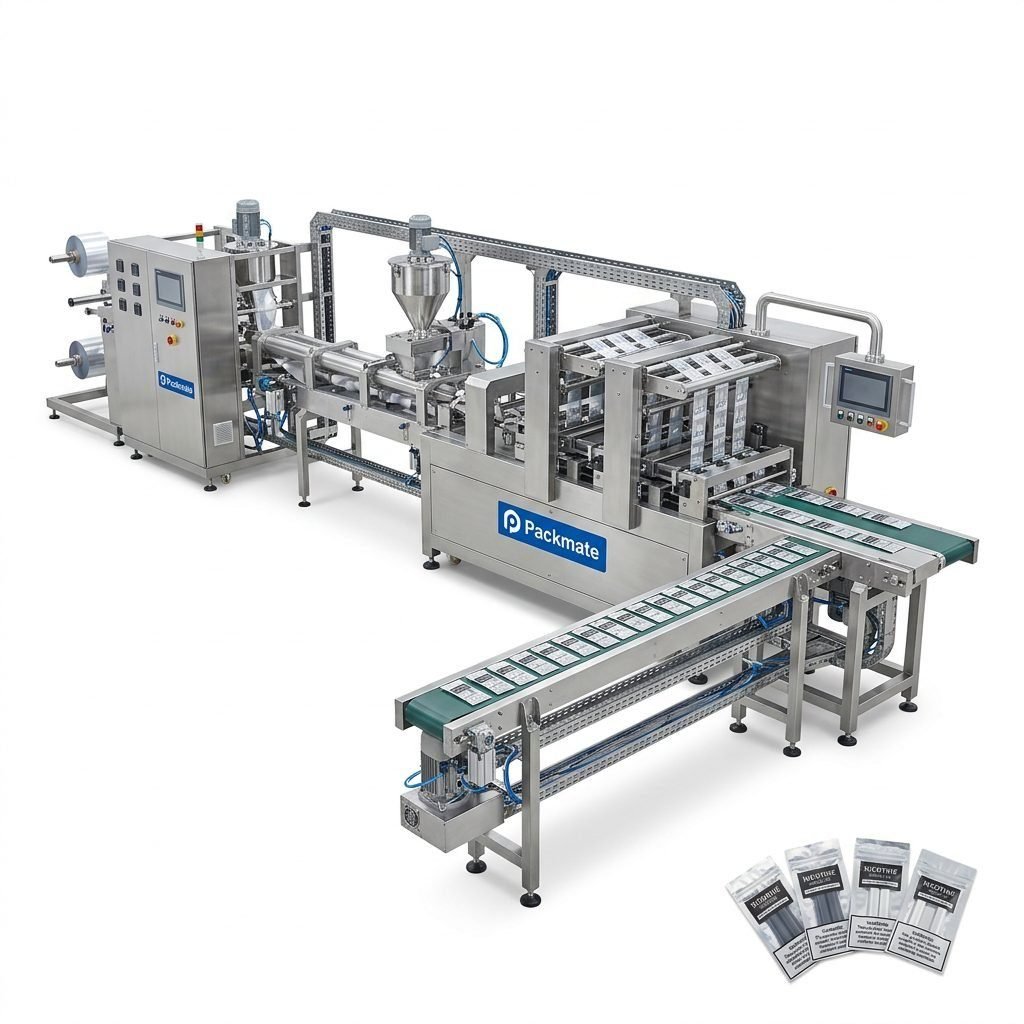
Snus & Nicotine Packaging Machines and
Sachet & Stick Pack Machines for multi-format options.
Why modularity matters
Modular machines reduce downtime during format changeovers, simplify spare parts management, and can lower the total cost of ownership by letting you upgrade components rather than replacing whole machines.
Technology, Automation & Integration 🤖
Modern packaging lines require integrated automation: infeed conveyors, checkweighers, metal detectors, vision inspection, and HMI systems. Ask manufacturers about PLC brands, SCADA options, PLC-to-ERP data interfaces, and remote diagnostics. A strong automation stack increases uptime and enables real-time performance monitoring.
✅ Tip: Prioritize vendors that support remote troubleshooting and firmware updates — these features speed issue resolution and reduce site visits.
Quality, Certification & Compliance ✅
Ensure the equipment meets international standards and can pass inspections in your target markets. Certifications like CE and ISO signal compliance with safety and quality norms. For food and pharmaceutical-related snus lines, hygienic design and materials (stainless steel contact parts, sanitary seals) are crucial.
Check the manufacturer’s certificate page such as
Certificate for compliance documentation and ask for validation specific to your region.
Visit the Factory or Attend Exhibitions 📅
Nothing replaces an on-site visit or seeing equipment running at an exhibition. Factory visits let you inspect assembly processes, machining quality, and test lines. Exhibitions often offer live demos where you can evaluate machine stability and ask technical questions. Check the manufacturer’s exhibition schedule and demo availability — for instance see their
Our Exhibition page.
After-Sales Support and Spare Parts 📦
Strong after-sales support is critical. Ask about spare part lead times, local stock availability, warranty terms, and remote support options. A supplier with global service networks and a clear spare-parts strategy reduces downtime and total lifecycle costs.
ℹ️ Ask for: Service level agreements (SLA), spare-part kits for critical wear parts, and training packages for your operators and maintenance teams.
Customization, Engineering & Turnkey Solutions 🔧
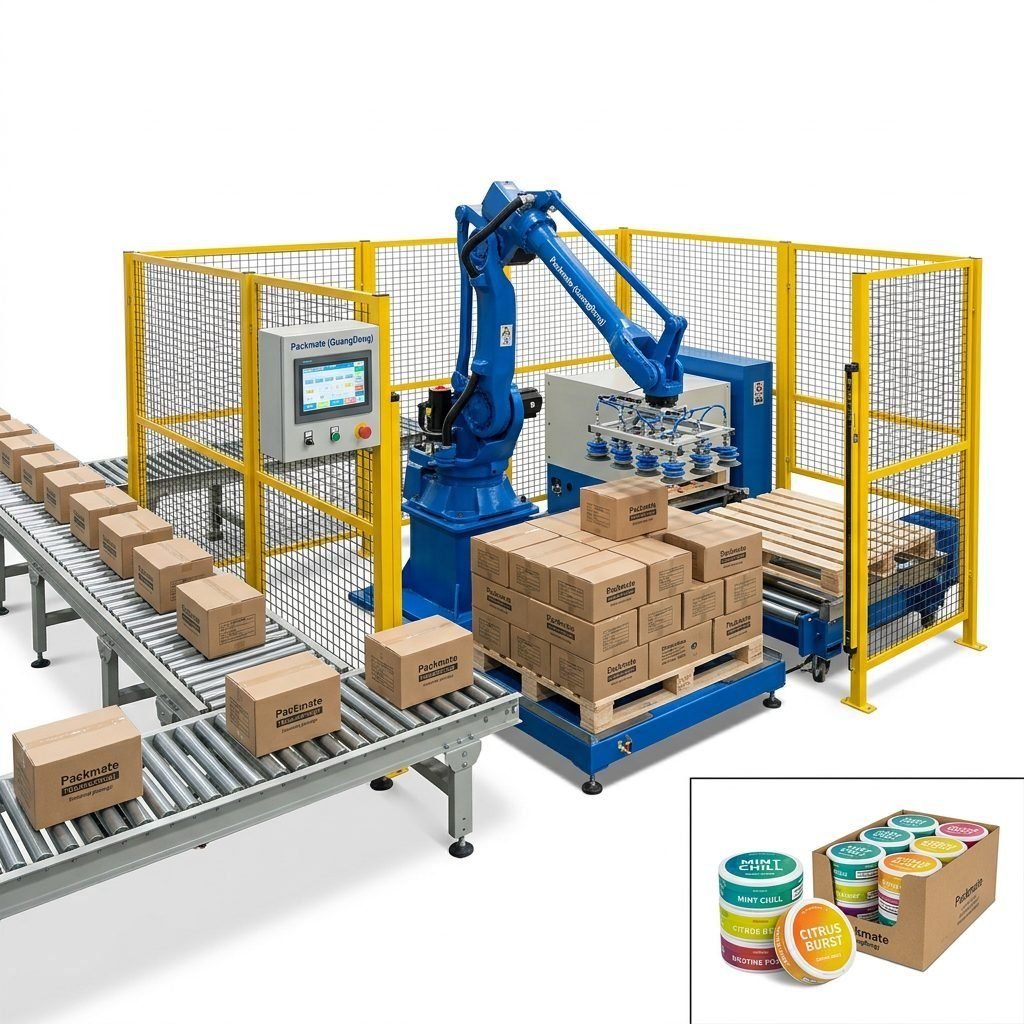
Many projects require custom engineering — from special dosing systems for nicotine pouches to integrated secondary packaging. Look for a manufacturer that offers turnkey solutions: equipment design, production line integration, commissioning, and staff training. A provider with end-to-end capabilities reduces coordination risks between multiple vendors.
For full-line inquiries, see categories like
Filling & Packaging Lines and
Weighing & Packaging Systems.
Reliability, Uptime & Maintenance Planning 🛠️
Request MTBF/MTTR data, historical uptime from reference customers, and maintenance schedules. Preventive maintenance plans, simple tool-less adjustments, and accessible wear parts help maximize production time. A design that minimizes changeover time and facilitates cleaning (CIP features where applicable) improves operational efficiency.
Inspect references and case studies
Ask for relevant case studies and customer references in the snus or nicotine pouch segment. A manufacturer that has delivered similar lines globally demonstrates domain expertise. Browse their case page, for example
Case, to inspect real-world installations and performance claims.
Cost of Ownership: Beyond the Purchase Price 💲
The lowest bid is rarely the best long-term choice. Consider total cost of ownership (TCO): energy consumption, spare parts, expected lifetime, training, downtime risk, and upgradeability. Machines designed with standard components and widely-supported PLCs are often cheaper to maintain.
✅ Evaluate: Initial cost, 5-year maintenance estimate, spare parts availability, and upgrade path for increased automation.
Lead Time, Delivery & Installation Timeline ⏱️
Understand realistic lead times for custom and standard models. Confirm delivery schedules, shipping logistics, installation support, and factory acceptance testing (FAT). A clear project timeline with milestones helps align internal teams and prevents costly project slippage.
Training, Documentation & Operator Usability 📘
Operator-friendly HMIs, clear SOP documentation, and structured training programs reduce human error and speed ramp-up. Insist on machine manuals, electrical and pneumatic diagrams, spare-part lists, and recommended maintenance checklists.
Negotiation Tips and Purchase Checklist 📝
When comparing quotes, ensure you have apples-to-apples comparisons: included accessories, warranty terms, commissioning hours, training scope, spare-part kits, and FAT criteria. Negotiate payment terms that protect your project, such as staged payments tied to milestones.
Buyer checklist: Model number, capacity, format compatibility, certifications, FAT plan, warranty, spare parts, and after-sales SLA.
Working with a Trusted Partner: Packmate Example 📈
When evaluating vendors, a partner with focused experience in snus packaging — extensive R&D history, a large manufacturing footprint (e.g., 20,000㎡), and a diverse product portfolio — is advantageous. Companies that evolved from small R&D shops into full-scale manufacturers generally offer deep product engineering knowledge and mature production practices.
If you want to learn more about a supplier’s background and mission, check pages like
About Packmate and their service offerings at
Service.
Final selection steps
Request a formal proposal, participate in factory acceptance testing, validate references, and sign an agreement that defines acceptance criteria, warranty coverage, and after-sales commitments. Successful projects conclude with a clear handover including training and documentation.
How to Start the Conversation: Practical Next Steps 📞
Compile your production brief, prepare questions about certifications and spare parts, and request a formal quote that includes FAT and commissioning. Use the manufacturer’s contact channels to schedule a factory visit or remote demo — for direct contact see
Contact Us.
Summary and Decision Criteria
Choosing a snus packaging machinery manufacturer is a strategic decision. Prioritize experienced manufacturers with specialized snus expertise, robust manufacturing capabilities, global references, strong after-sales support, and transparent TCO. Ensure the supplier can deliver the right mix of modular machines, automation, and regulatory compliance to meet your growth plans.
Common Questions
Q1: How long is the typical lead time for a customized multi-lane snus packaging line?
A1: Lead times vary by customization level, but expect 12–20 weeks for design, production, FAT, and shipping for complex multi-lane systems. Confirm timelines in writing during the RFQ stage.
Q2: What certifications should I insist on for snus packaging equipment?
A2: CE and ISO certifications are baseline; for food-related lines ensure hygienic design standards and material traceability for stainless components. Ask manufacturers to provide relevant certificates and compliance documentation.
Q3: How can I minimize downtime and spare parts costs?
A3: Choose machines with modular designs, standard PLC components, and local spare-part availability. Negotiate spare-part kits and service contracts upfront and implement preventive maintenance schedules.
Q4: Is remote support and commissioning common?
A4: Yes — many manufacturers now offer remote diagnostics, virtual commissioning, and training. Confirm bandwidth, remote access tools, and security protocols before accepting remote services.
Q5: Where can I find detailed product options and case studies for snus packaging lines?
A5: Visit the manufacturer’s product and case pages such as
Snus & Nicotine Packaging Machines and
Case for model specs and installation examples.