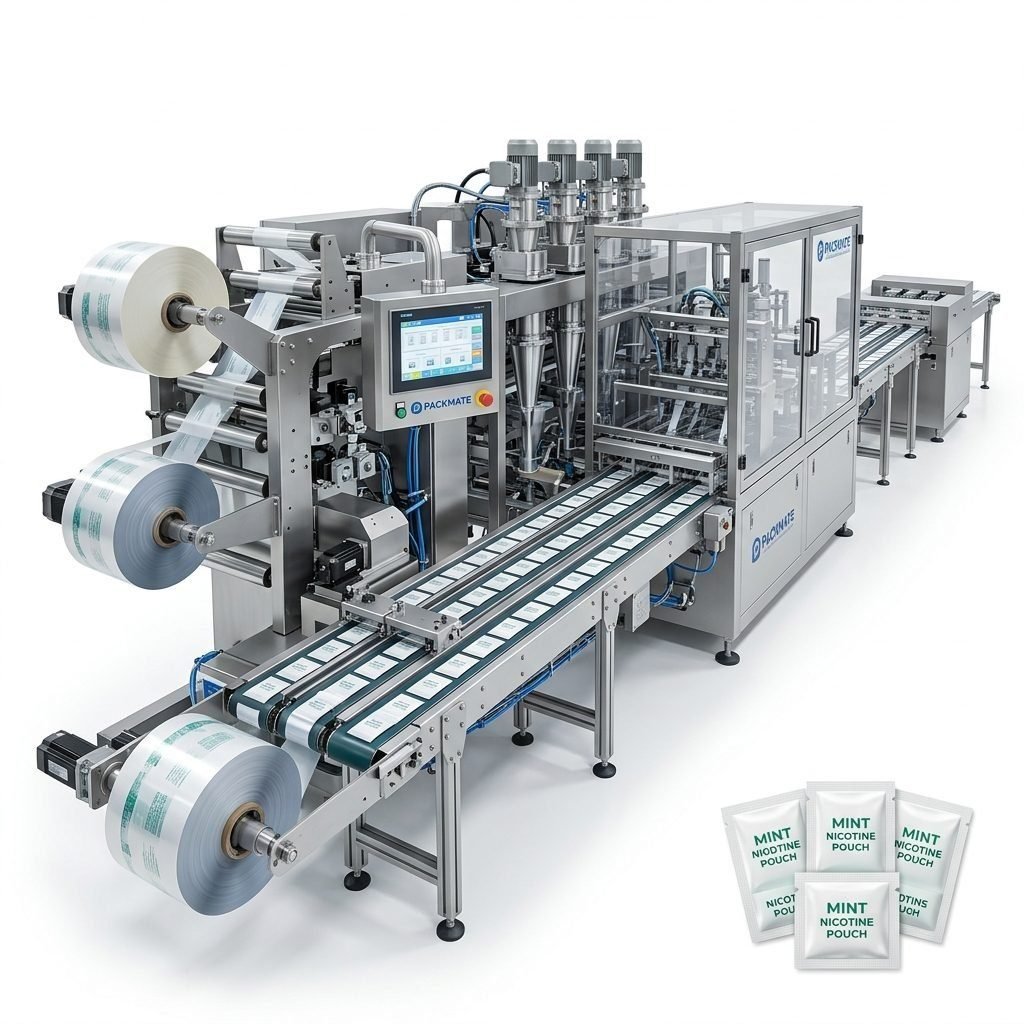
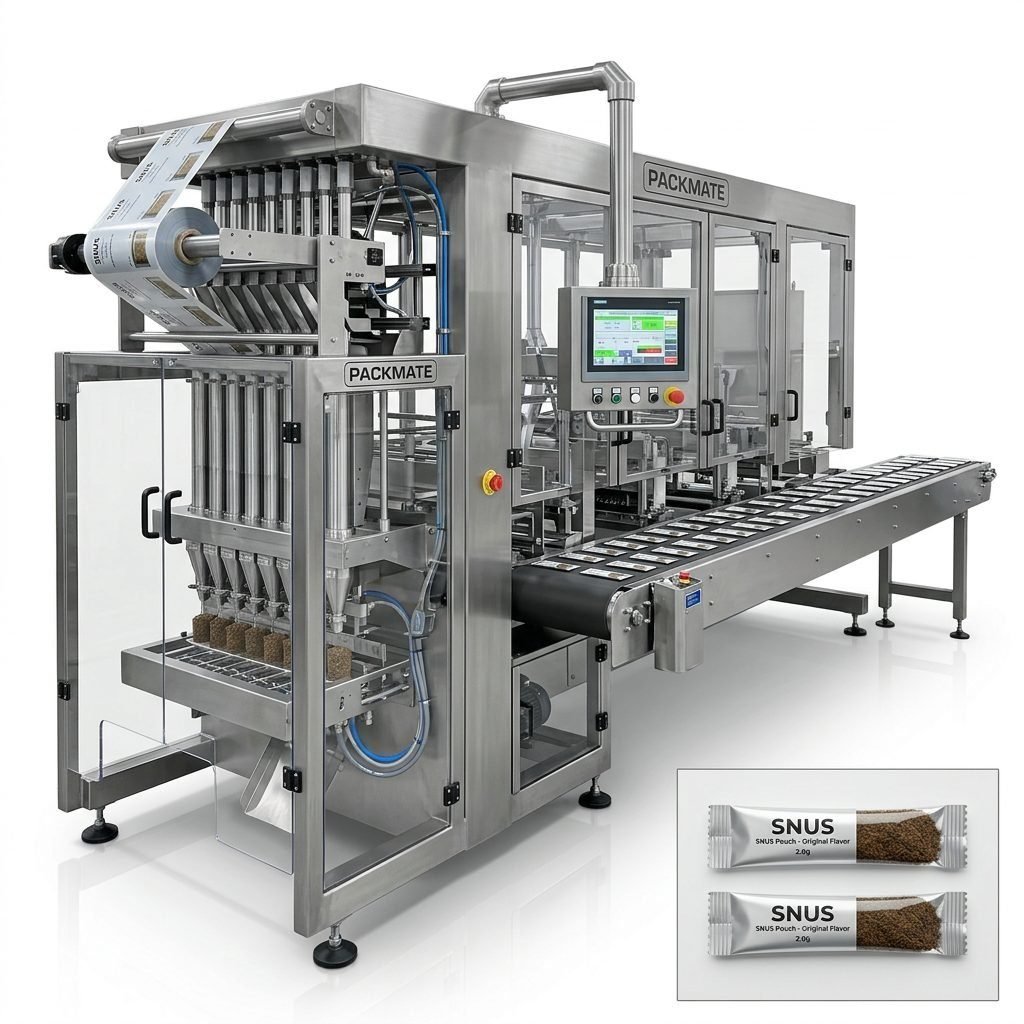
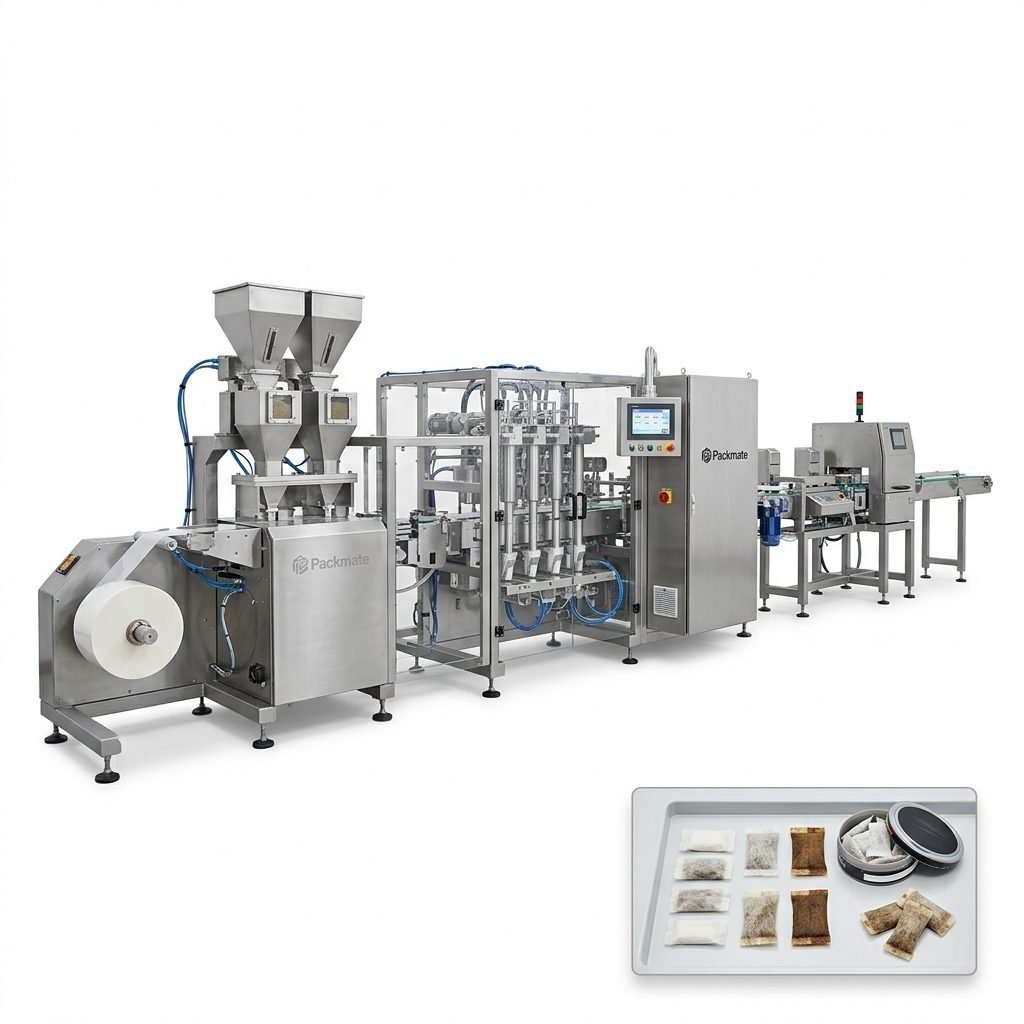
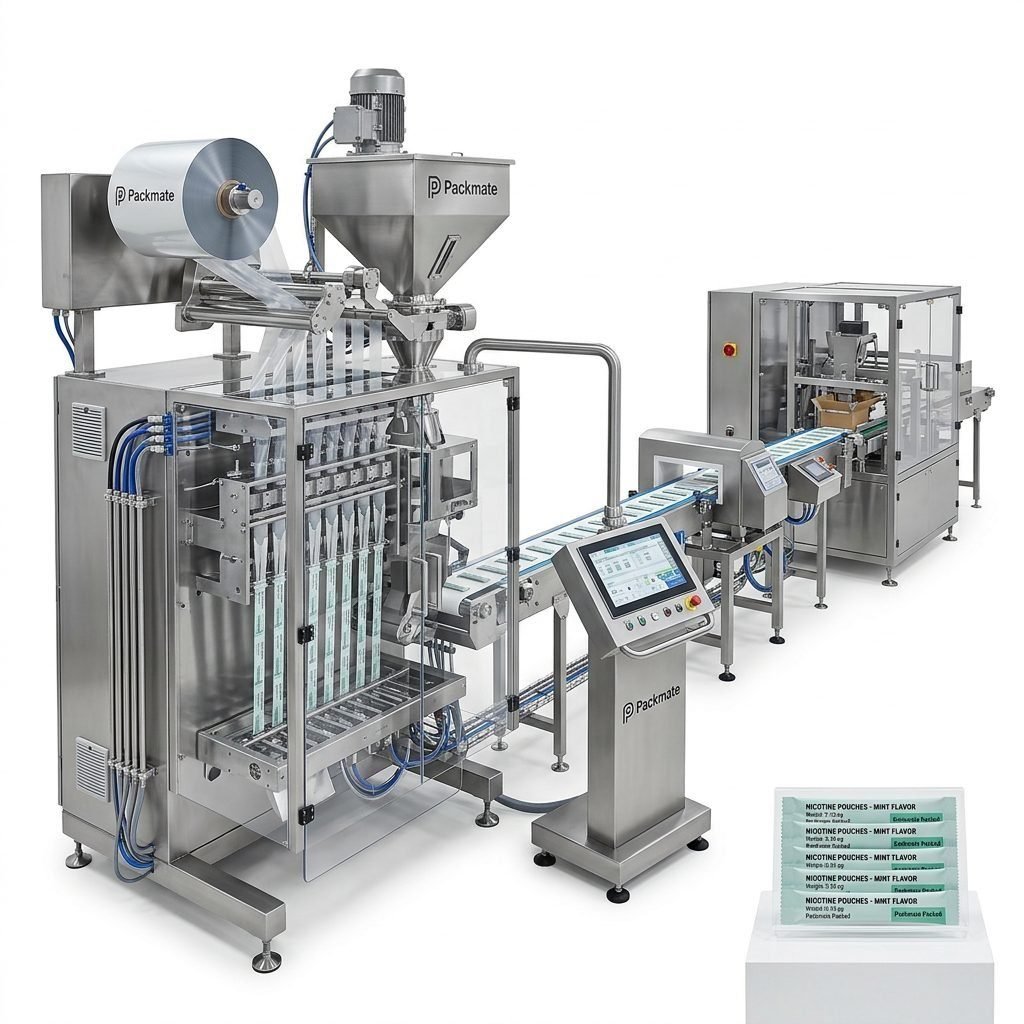
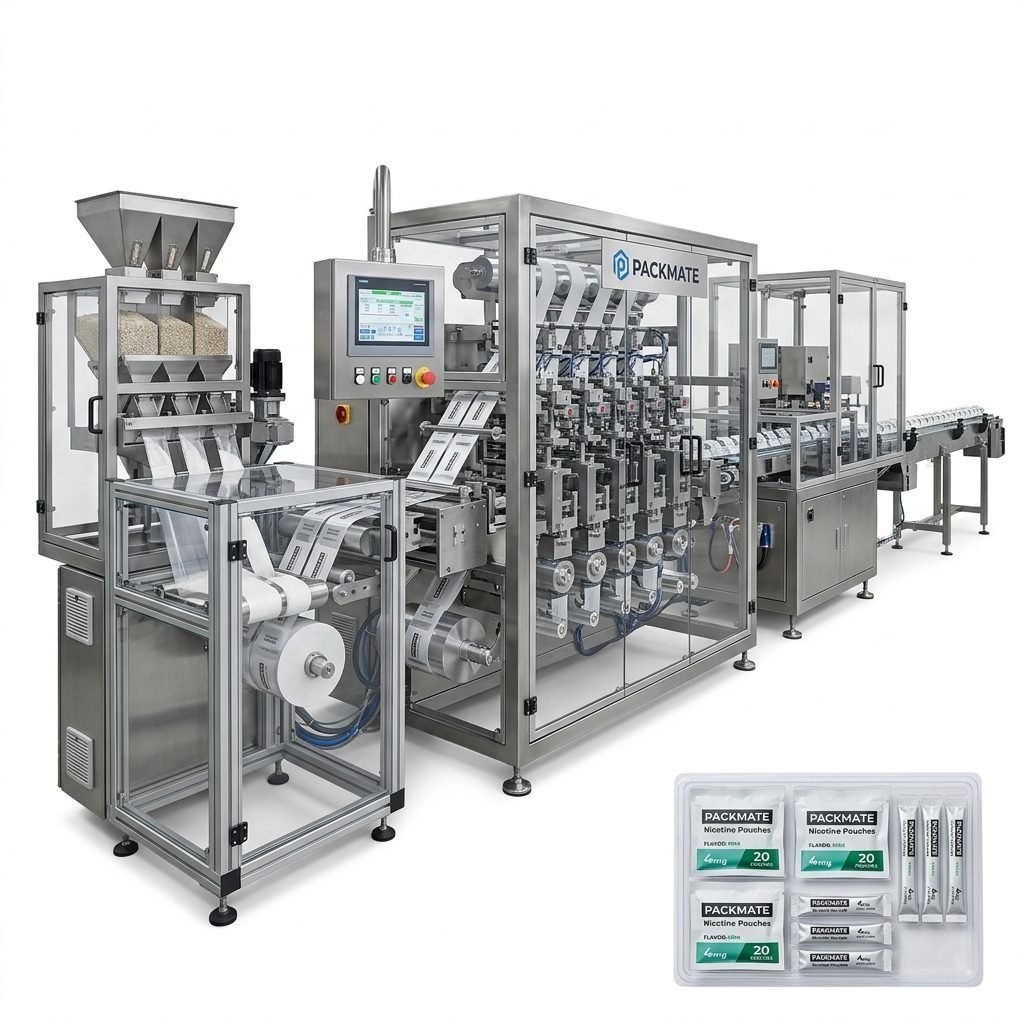
Choosing the right snus packaging machine supplier in Indonesia is a strategic decision that affects production efficiency, product quality, regulatory compliance, and long-term operating costs. This guide walks you through practical, actionable steps—tailored to the Indonesian market and business culture—to help you select a reliable partner for snus, nicotine pouch, or related pouch packaging needs.
Why the supplier choice matters
A good supplier delivers more than a machine: they provide stability, parts availability, timely service, and the technical support necessary for consistent production. In Indonesia—where manufacturers and distributors often face logistical challenges and unique cultural expectations—choosing the right supplier can reduce downtime, ensure compliance with local rules, and support scalable growth.
Key takeaway: Pick a supplier with proven snus/nicotine pouch experience, global certifications, robust after-sales service, and local market understanding.
Understand the product and local context in Indonesia
Indonesia is one of the world’s largest tobacco-consuming countries. Local habits include traditional chewing tobacco and kretek cigarettes; however, modern nicotine pouch products like snus are an emerging category. When evaluating suppliers, consider how machines will fit your product formats (single-dose pouches, multi-lane sticks, sachets) and whether they can adapt to local packaging materials and printing preferences.
Cultural and regulatory notes: Indonesia is a largely Muslim country with strong consumer preferences and sensitivities. Make sure to check local regulations on nicotine product sales and labeling, and be prepared to address consumer trust through clear labeling and supply-chain transparency.
Essential supplier qualifications and certifications
Look for manufacturers that hold reputable international certifications like CE and ISO, which indicate compliance with safety and quality standards. These certifications simplify import approvals and help ensure machine reliability.
Trusted suppliers should provide detailed technical documentation, traceable component brands, and a clear description of warranty and spare-parts policy.
Action items
✔️ Request certificates and technical datasheets before finalizing deals.
✔️ Ask for factory photos, production videos, and assembly line evidence (this is common practice and an essential part of due diligence).
Key machine features to evaluate
Not all packaging lines are created equal. Prioritize suppliers that can meet these technical requirements:
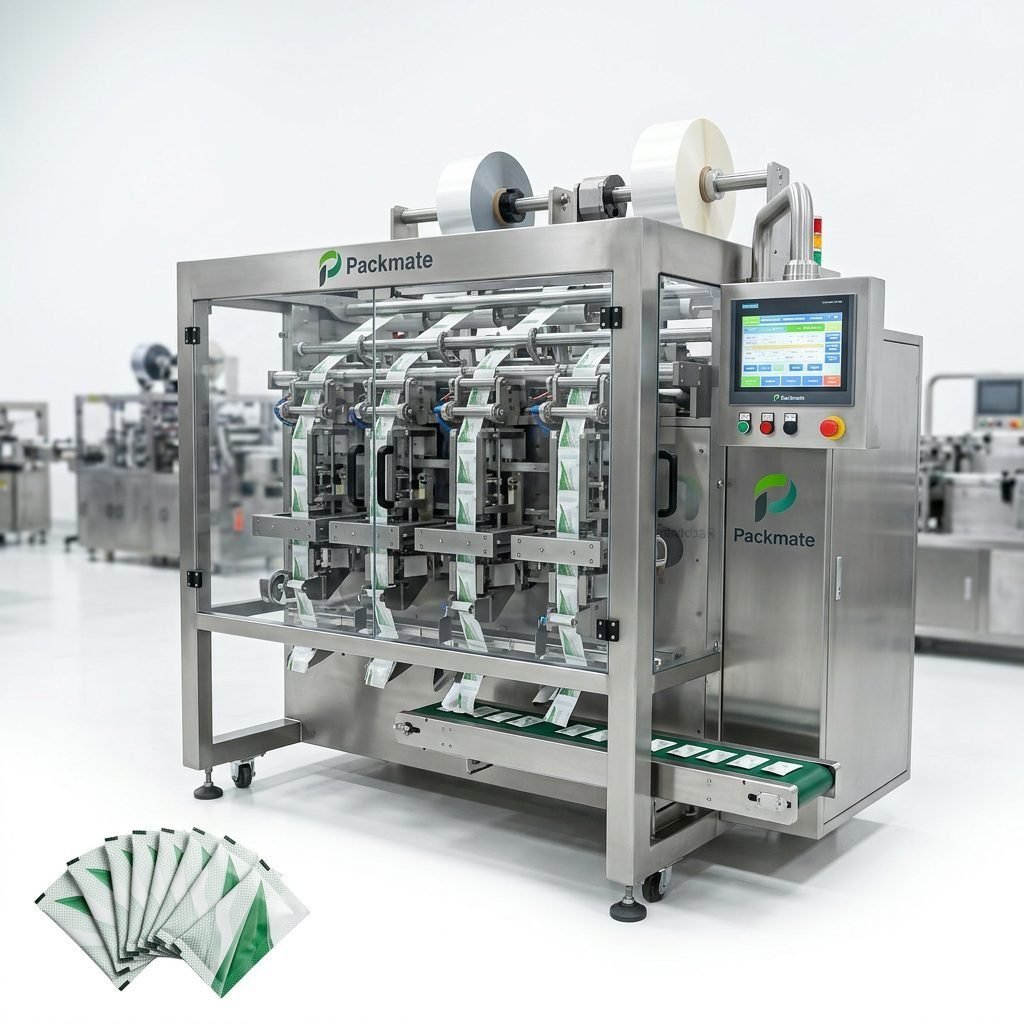
• High-precision filling for small dose nicotine pouches
• Multi-lane options for higher throughput and reduced footprint
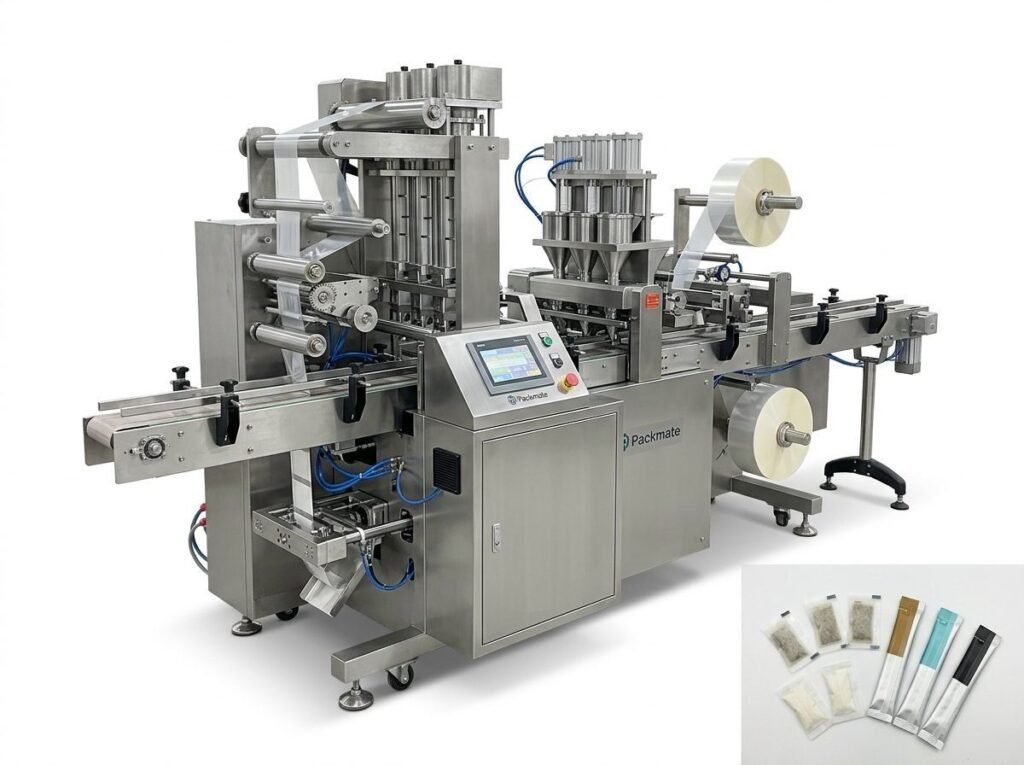
• Compatibility with diverse pouch materials (foil, laminate, paper) and pre-made cans or sachets if needed
• Reliable sealing and cutting systems to prevent leakage and maintain shelf-life
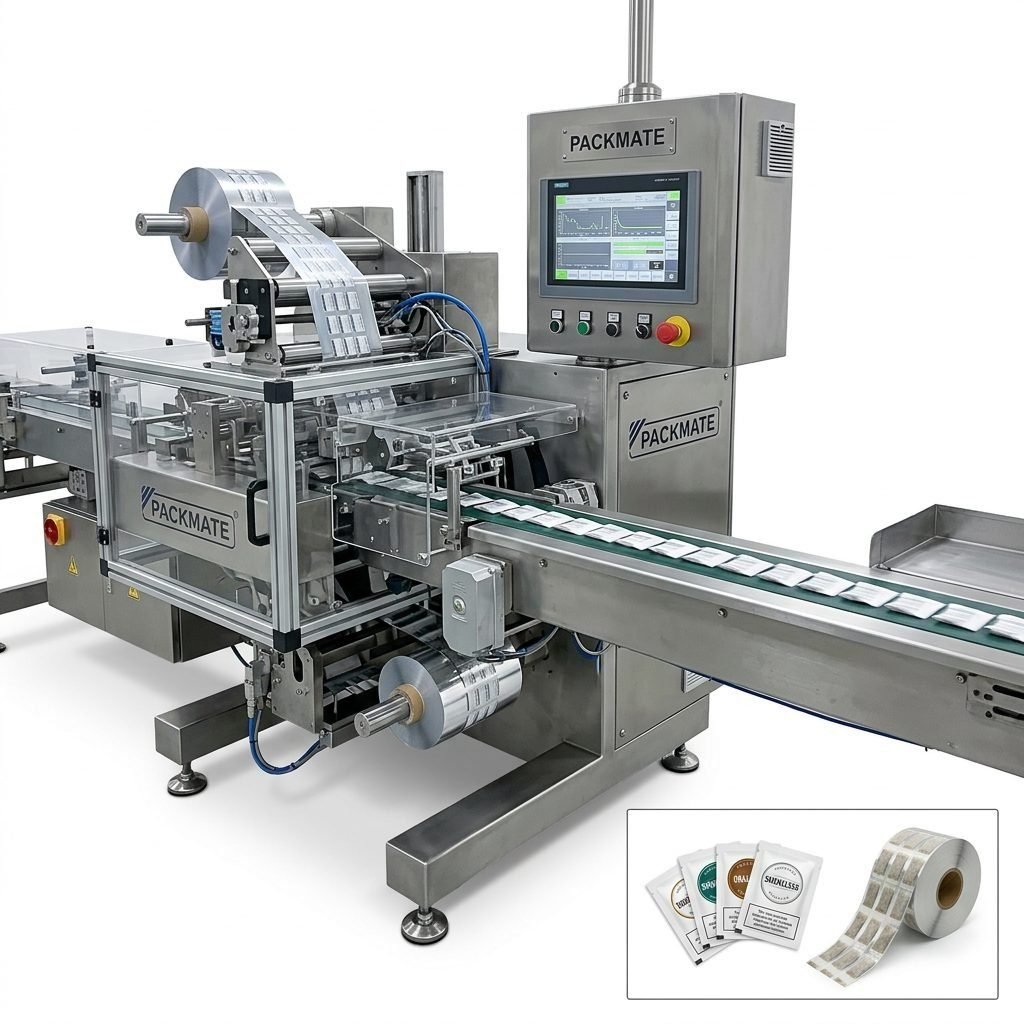
• Easy-to-use HMI with language options and remote diagnostics
Supplier capability: experience, manufacturing strength, and product range
A supplier’s track record shows their product maturity. Choose manufacturers with decades of experience and a wide model range. For example, suppliers with a large factory (10,000–20,000㎡ or more), advanced CNC centers, and many machine models indicate industrial strength and stability.
If you want to learn more about industry-leading lines, review specialized product pages such as
Snus & Nicotine Packaging Machines and
Sachet & Stick Pack Machines.
Service and after-sales support: the real differentiator
In Indonesia, where spare part delivery and local service can be challenging, strong after-sales support reduces downtime. Prioritize suppliers that provide:
• Clear warranty terms and spare-parts stock statements
• Remote technical support and machine remote monitoring options
• On-site commissioning, operator training, and maintenance training
• Local distributor or service partner presence (or willingness to develop one)
Practical negotiation point
Ask for a spare-parts kit with the first shipment and a defined lead-time agreement for critical components. This reduces risk during the first production months.
Customization and turnkey solutions
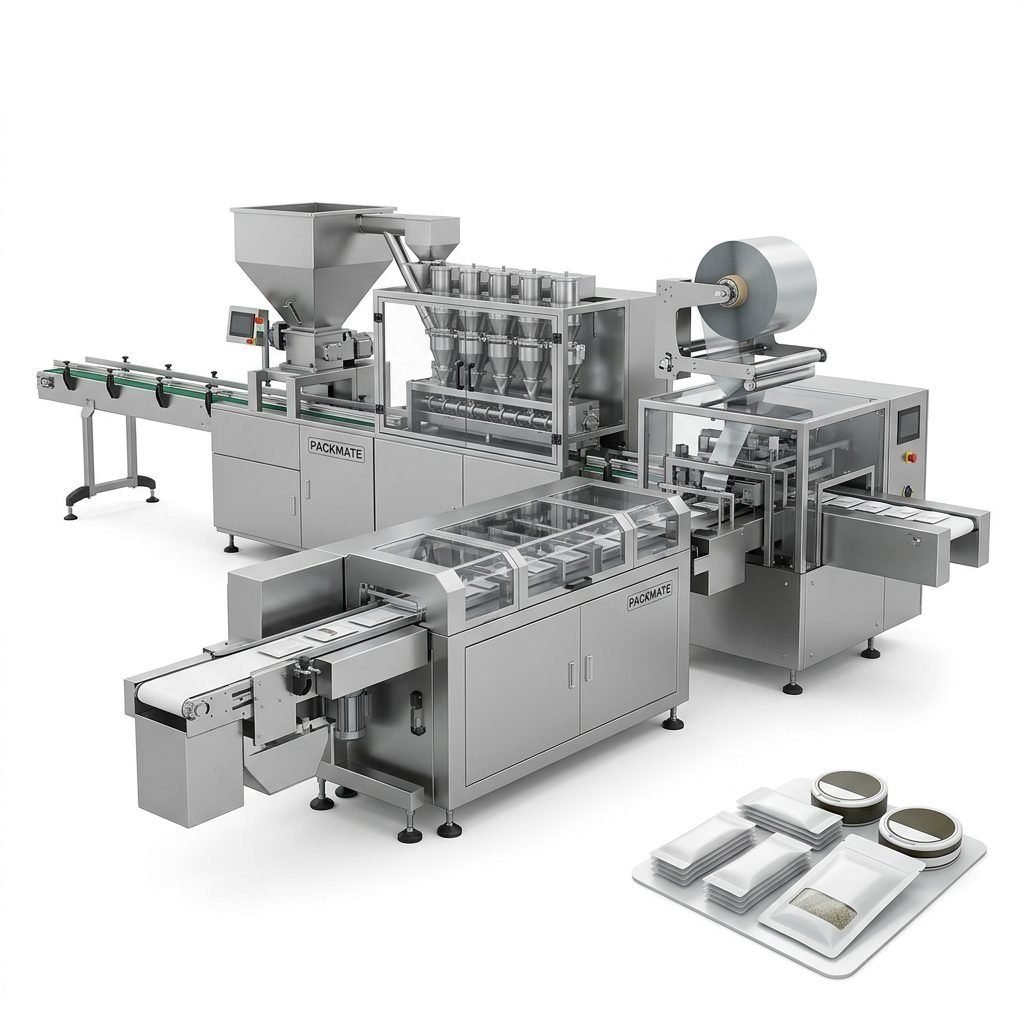
Growing brands often need customized sizes, labeling, or integration with upstream dosing systems. Choose suppliers that offer turnkey packaging lines and integration services, including weighers, filling systems, and end-of-line packaging.
Explore broader product categories when considering turnkey partners:
Weighing & Packaging Systems and
Filling & Packaging Lines provide insight into full-line capabilities.
Factory visit and verification checklist
Whenever possible, visit the manufacturer’s factory or request a live virtual tour. During the visit, verify:
🔎 Actual assembly lines and CNC machining centers
🔎 Quality control and testing procedures (stress tests, run-in data)
🔎 Sample machines in production with similar products
🔎 Spare parts warehouse and packaging standards for export
Logistics, compliance, and customs considerations for Indonesia
Clear documentation helps your customs clearance. Ensure your supplier provides full export documentation (packing list, bill of lading data, test certificates). Confirm whether machines require any special import permits or inspections in Indonesia. Suppliers with export experience to Southeast Asia will be familiar with the process and can speed up delivery.
Cost vs. value: beyond the unit price
The cheapest machine is rarely the most economical choice. Factor in:
• Energy efficiency and spare parts cost
• Expected uptime and mean time between failures (MTBF)
• Local training and reduced travel costs for service
• Upgrade paths and modular expansion possibilities
Contracts, warranty, and payment terms
Negotiate clear contract terms: defined delivery schedule, acceptance criteria after SAT (Site Acceptance Test), spare-parts list, warranty duration, and what constitutes warranty vs. billable service. Typical manufacturer offers include 12 months machine warranty and optional extended support packages.
Installation, commissioning, and training
Professional installation and thorough operator training reduce startup errors. Ensure the supplier provides:
✔️ On-site commissioning checklist
✔️ Operator and maintenance training in English (or Bahasa Indonesia if available)
✔️ Standard operating procedures and spare parts lists
Performance validation and sample runs
Before final acceptance, perform a sample production run to validate fill accuracy, seal integrity, pouch appearance, and throughput. Request data logs, production certificates, and commitment on any required fine-tuning after the initial runs.
References, case studies and proven deployments
A reputable supplier will provide customer references and case studies. Review these to confirm long-term performance and cross-market compatibility. You can explore case examples and global deployment stories at
Case and learn about the manufacturer’s background at
About Packmate.
Common red flags to avoid
Watch out for suppliers who cannot provide verifiable certifications, have inconsistent communication, or refuse factory visits. Be cautious if spare parts lists are vague or if the supplier cannot commit to clear warranty terms.
Pro tip: A manufacturer with long industry history and a large dedicated production facility (for example, a 20,000㎡ factory and 30+ years of experience) signals reliability and scale advantages.
How to shortlist and finalize a supplier — a step-by-step checklist
1) Define your product specs and required throughput.
2) Collect quotes and verify certifications.
3) Request factory tour or live demo.
4) Validate references and case studies.
5) Negotiate delivery, warranty, spare parts, and training.
6) Sign clear contract with acceptance criteria and payment milestones.
Why Packmate-style suppliers are often a strong fit for Indonesian buyers
Suppliers with decades of R&D, wide product portfolios (stick pack, sachet, multi-lane systems), and a focus on snus/nicotine pouch solutions bring technological depth and turnkey capabilities. Their ability to provide complete lines—including auxiliary equipment and line integration—reduces vendor complexity for buyers.
For more information about complete offerings and exhibitions where you can see machines in action, check
Our Exhibition and the product catalogs such as
Bag & Pouch Packaging Machines.
Final practical checklist before signing
• Confirm spare-parts lead times to Indonesia.
• Get a clear SAT/acceptance plan and KPI targets.
• Ensure training sessions are included and documented.
• Verify export packaging meets sea/air transport standards.
Useful resource links
If you need detailed machine listings or to contact a supplier, these pages are helpful: Auxiliary Packaging Equipment, Contact Us.
Conclusion
Selecting a reliable snus packaging machine supplier in Indonesia requires careful evaluation of technical capabilities, certifications, after-sales service, and cultural/regulatory fit. Prioritize suppliers with proven experience in snus and nicotine pouch technologies, documented case studies, and clear commitments to spare parts and service. A thorough factory review, well-defined contract terms, and an agreed acceptance plan will set your production up for long-term success.
Frequently Asked Questions
Q1: How important are CE and ISO certifications when importing machines into Indonesia?
A1: Very important. CE and ISO streamline import processes and reassure you about safety and manufacturing quality.
Q2: Should I insist on a local service partner or rely on remote support?
A2: Local or regional service partners reduce response time and shipping delays for spare parts. If not available, ensure the supplier offers fast remote diagnostics and a spare-parts kit with initial delivery.
Q3: What is a reasonable lead time for a full packaging line shipment to Indonesia?
A3: Lead times vary by customization and production schedules—expect anywhere from 8 to 20 weeks for production plus shipping and customs. Confirm with the supplier during negotiation.
Q4: Can machines be adjusted for local labeling and language needs?
A4: Most modern machines provide flexible HMI language options and lightweight software customization. Ask for Bahasa Indonesia interface availability if needed.
Q5: How should I prepare my facility for installation?
A5: Prepare clear floor layout, stable power supply with proper grounding, compressed air lines (if required), and a designated area for spare parts and tools. Confirm foot-print and utilities with the supplier before shipment.