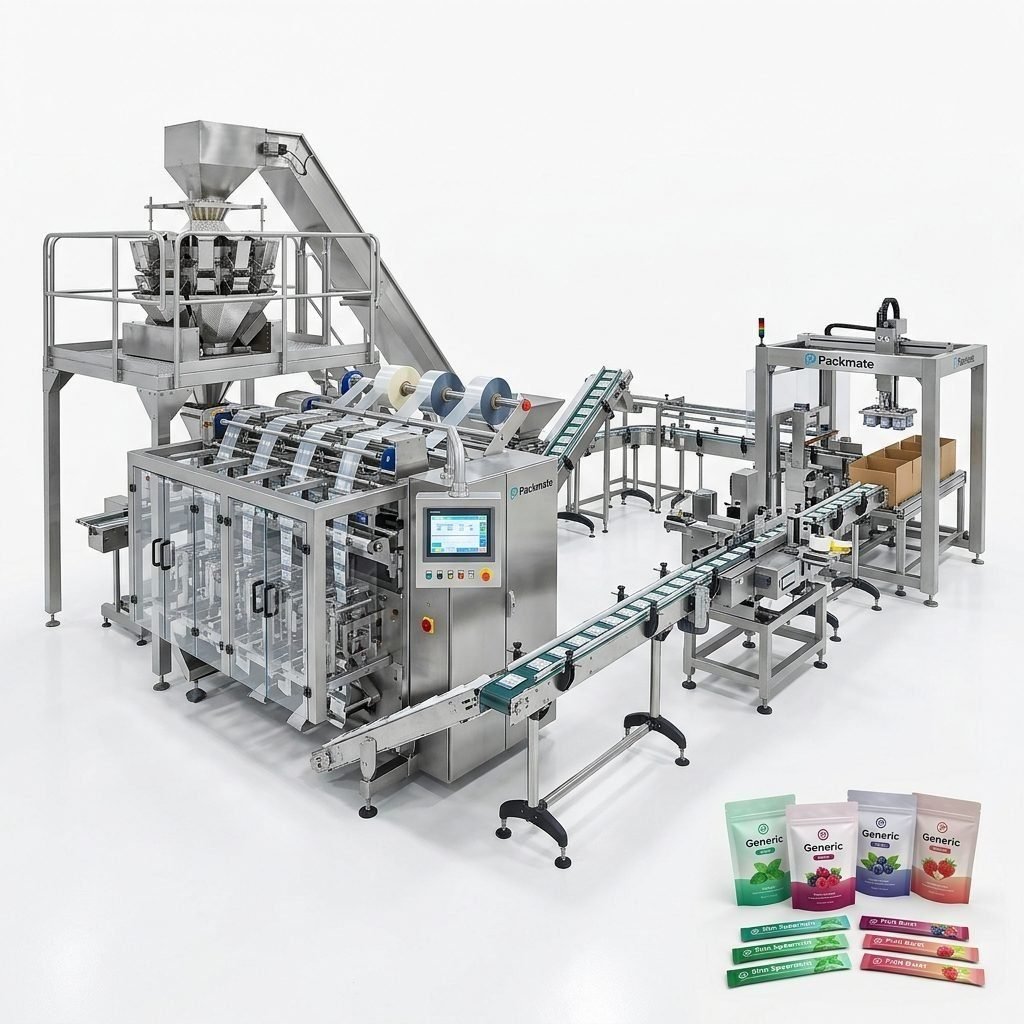
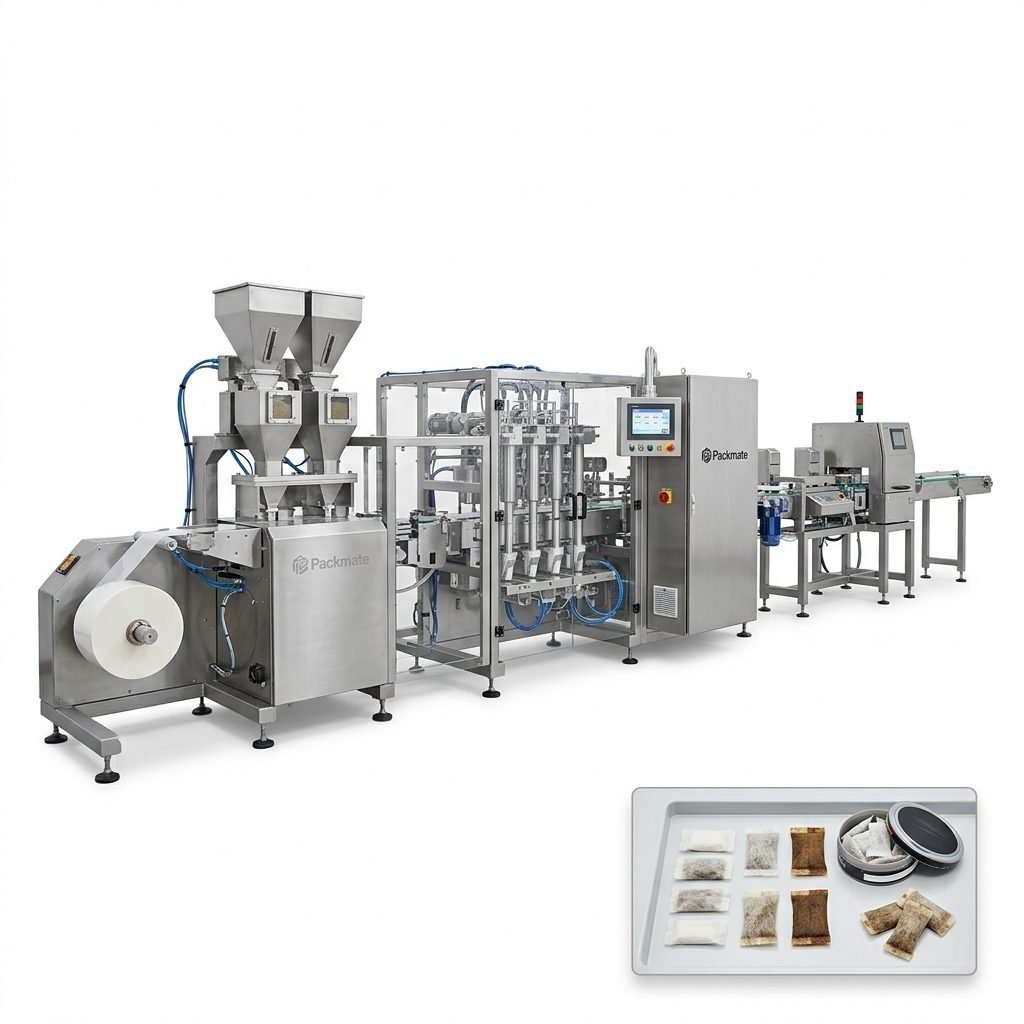
Choosing the right nicotine packaging machinery in Iraq is a strategic decision that affects product quality, regulatory compliance, production efficiency, and long-term profitability. This guide walks you through the technical, operational, commercial, and service-related factors to evaluate when selecting a snus or nicotine pouch packaging solution for your manufacturing line.
Why nicotine packaging matters in Iraq
Iraq’s market for nicotine products, including snus and nicotine pouches, requires packaging that ensures product stability, accurate dosing, tamper evidence, and compliant labeling. Investing in suitable packaging machinery reduces waste, avoids costly recalls, and helps maintain consistent product appearance — all essential for building trust with distributors and end users.
Key business outcomes to expect
Successful packaging equipment selection delivers three measurable outcomes: improved throughput, lower operating costs, and consistent product quality. When these goals are aligned with your sales forecasts, production scheduling, and regulatory requirements, your machinery becomes a business enabler rather than just a capital expense.
Primary packaging types for nicotine products
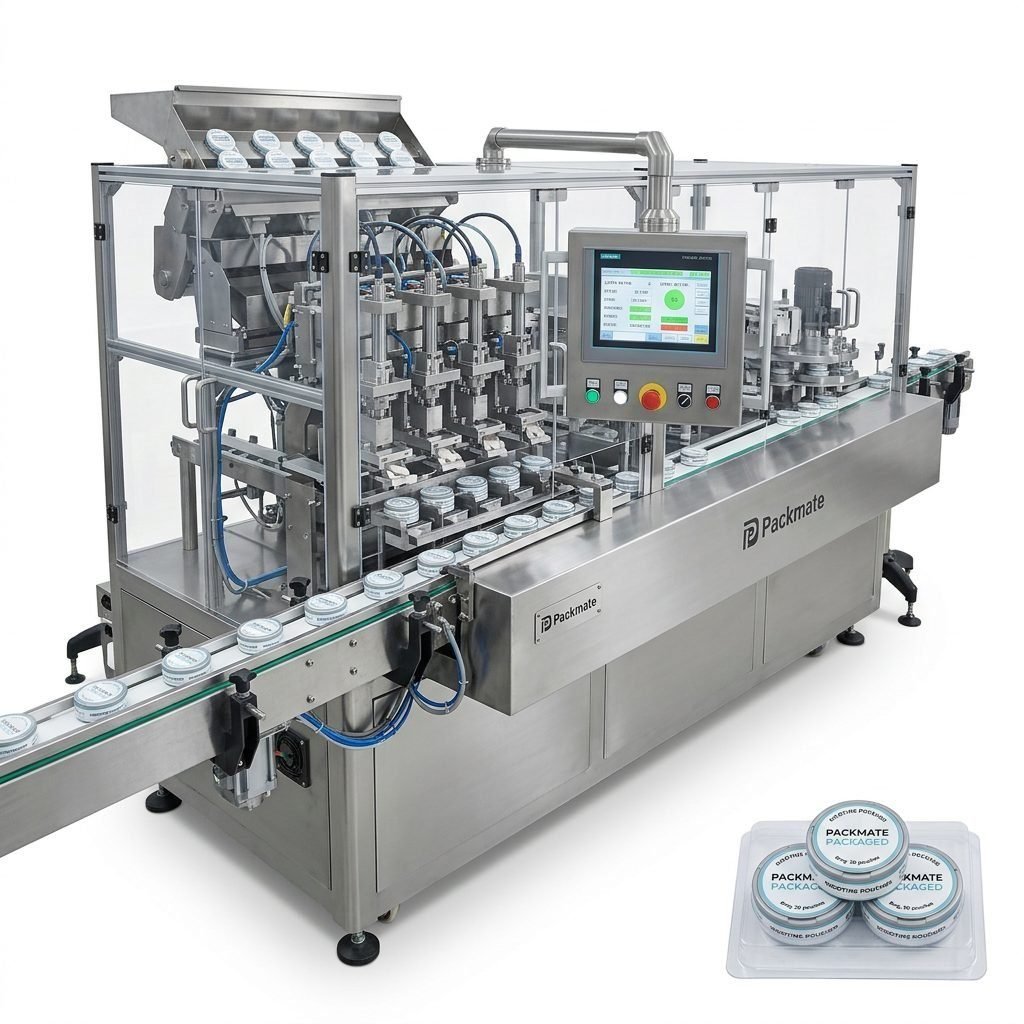
Different product formats require different machines. The most common packaging styles for nicotine pouches and snus include:
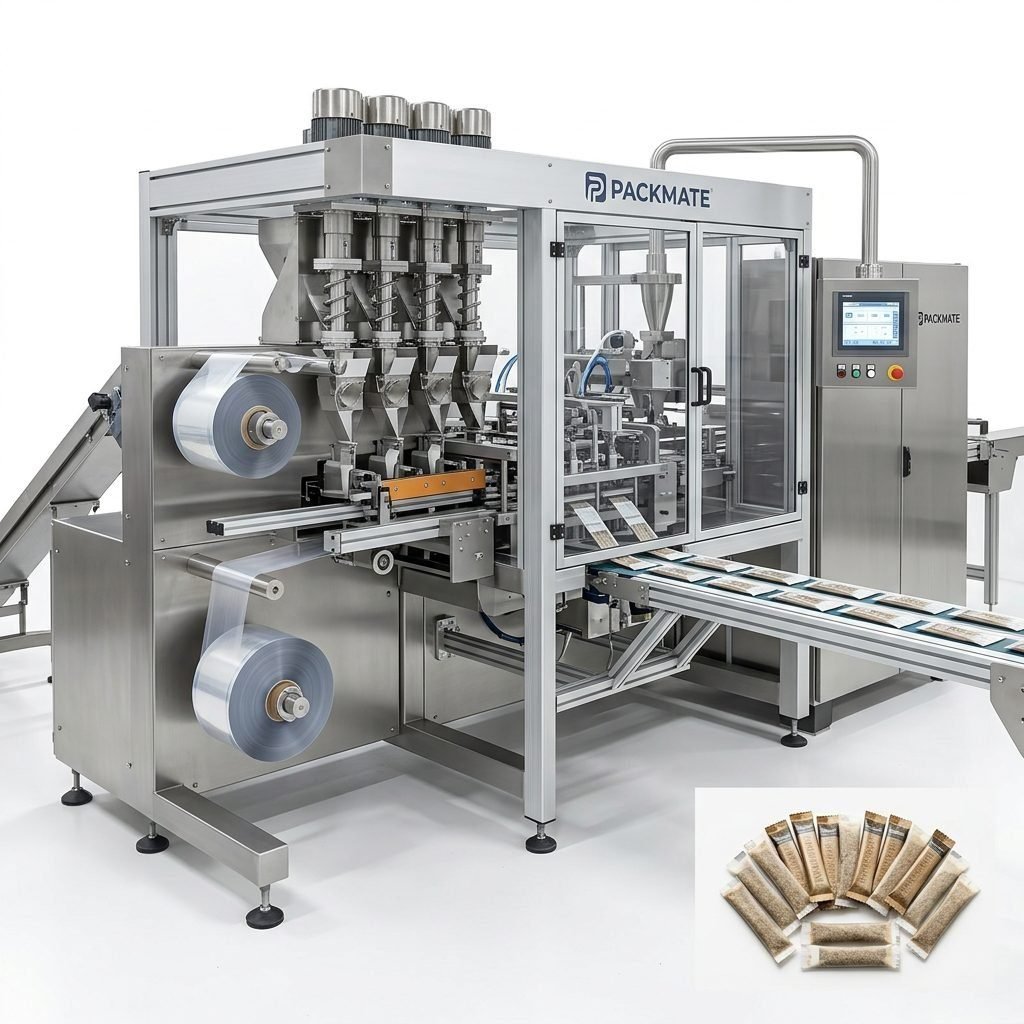
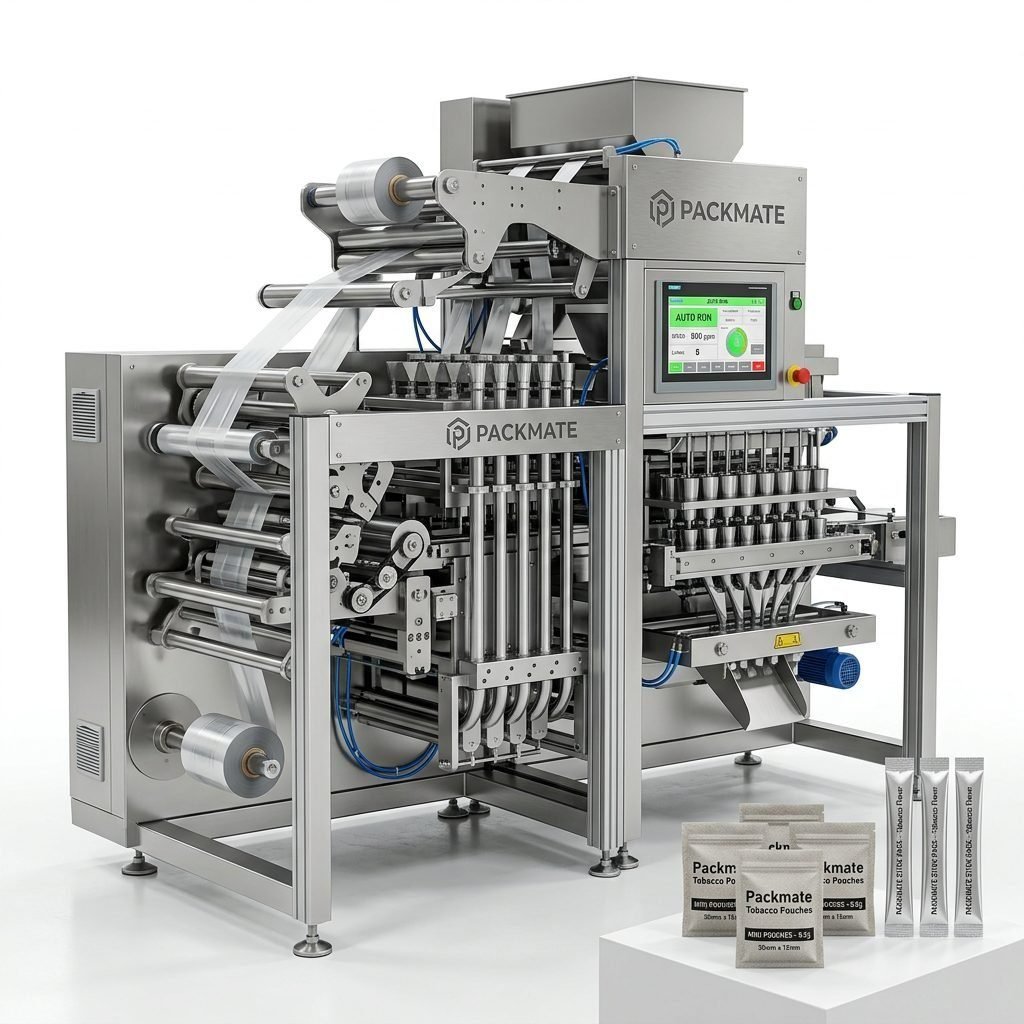
🔹 Stick packs — single-dose or multi-dose stick-shaped sachets suitable for on-the-go portions.
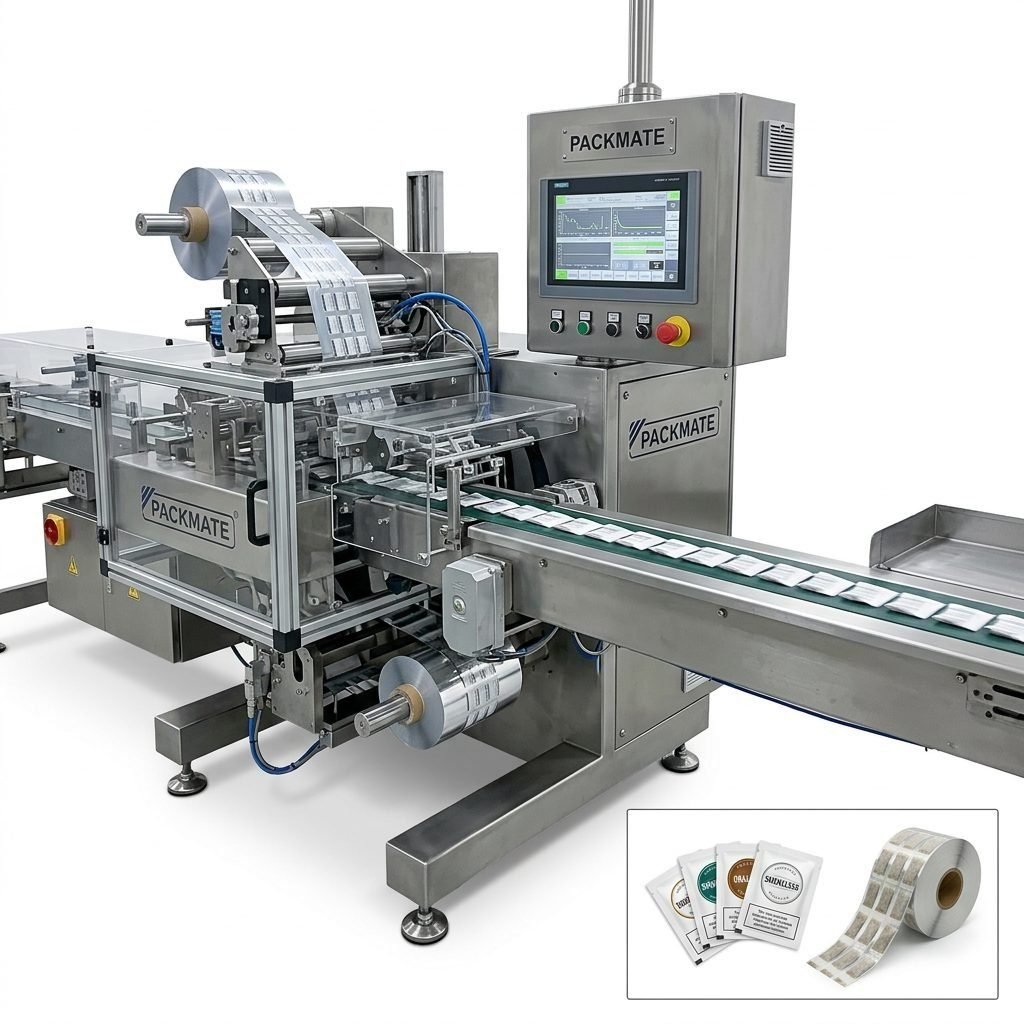
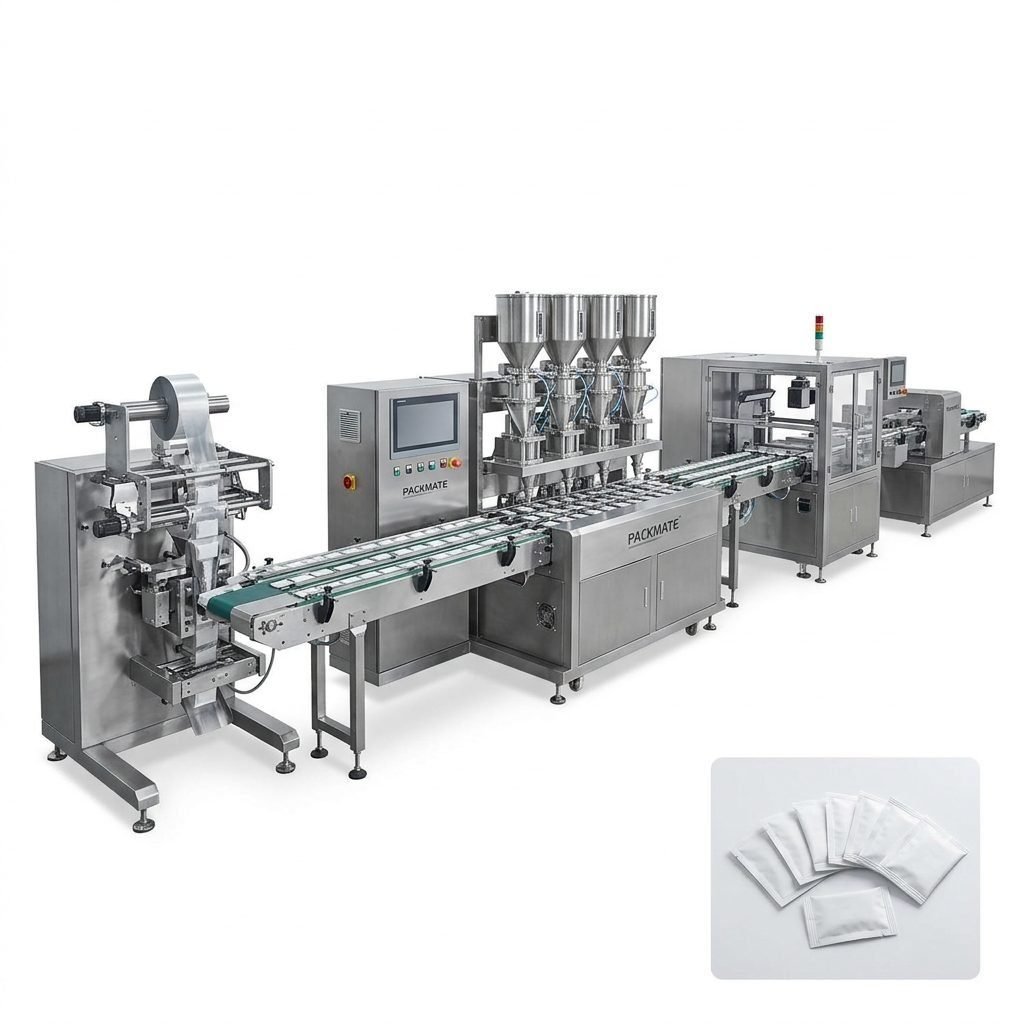
🔹 Sachets — pillow or flat sachets that can be produced by sachet & stick pack machines with flexible dosing.
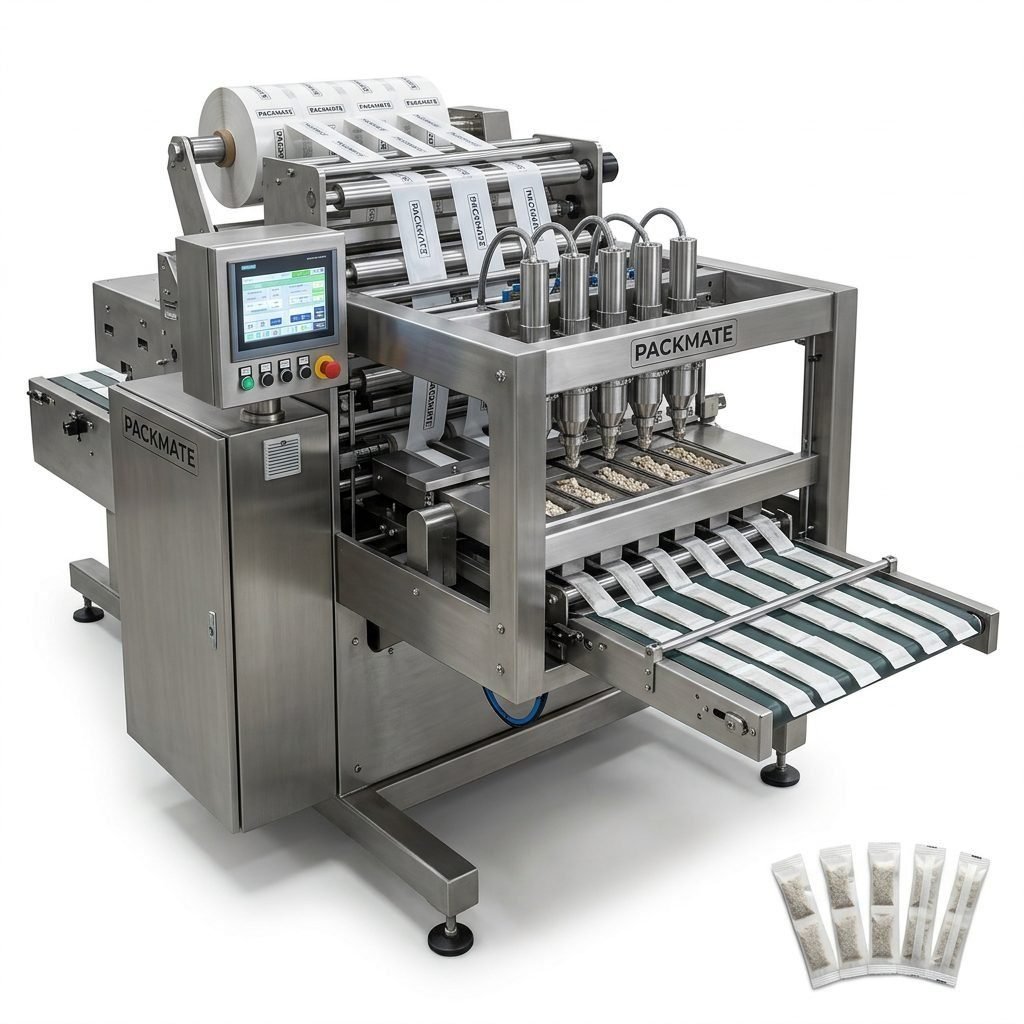
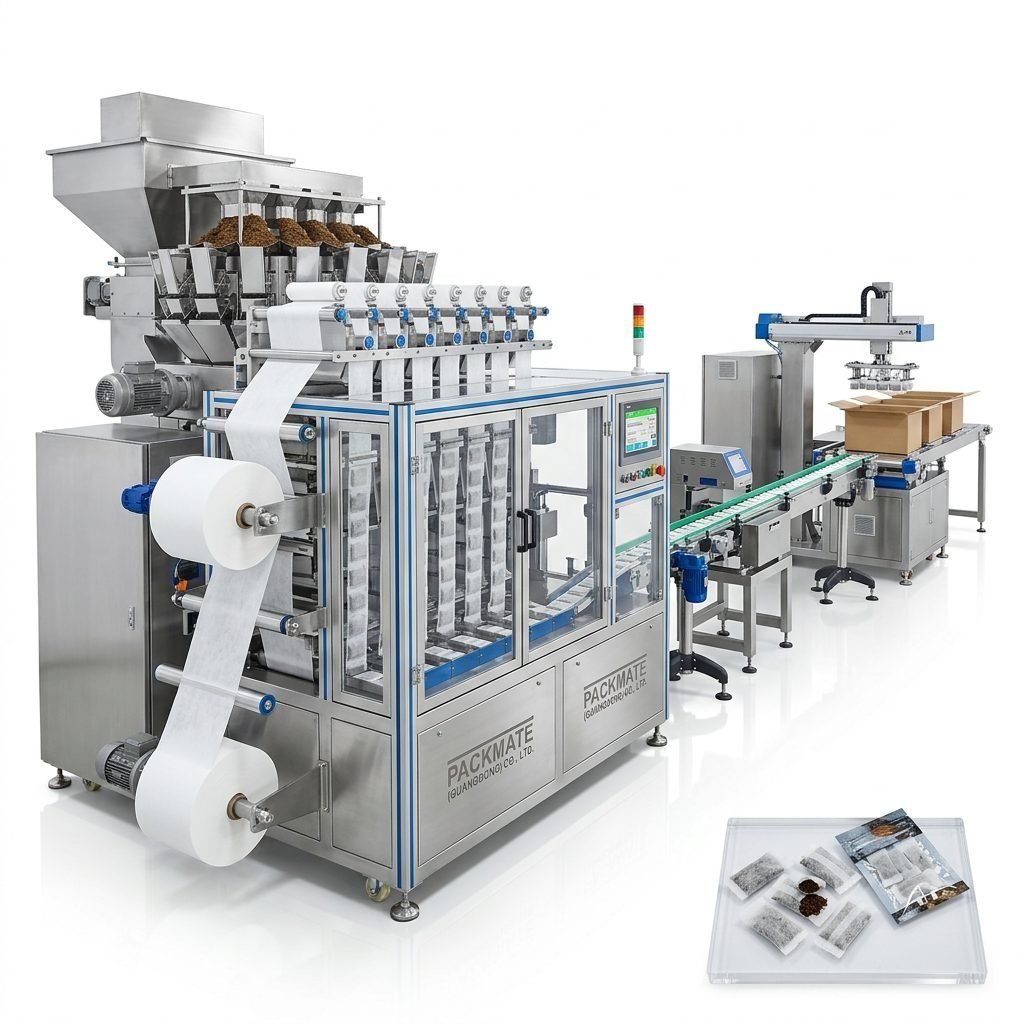
🔹 Multi-lane pouch lines — high-speed systems producing multiple lanes of small-dose pouches simultaneously for high-volume factories.
Where to start: assess your product and production profile
The right equipment depends on several product-specific and operational parameters:
• Product type and form (powder, granule, paste, preformed pouch)
• Target output per hour and annual production volume
• Desired pouch size, dosing accuracy, and sealing type
• Integration requirements with upstream filling/weighing and downstream case packing systems
Tip: If you are producing small-dose nicotine pouches, consider multi-lane systems that significantly raise throughput while maintaining low per-unit labor costs.
Technical specifications to evaluate
Evaluate the following technical aspects to ensure the machine meets both product and factory constraints:
1. Capacity and speed
Throughput is measured in pouches or sticks per minute and should align with your production targets. Machines designed for nicotine pouches often deliver different speeds based on lane count — choose a configuration that balances floor space and output goals.
2. Dosing accuracy and filling systems
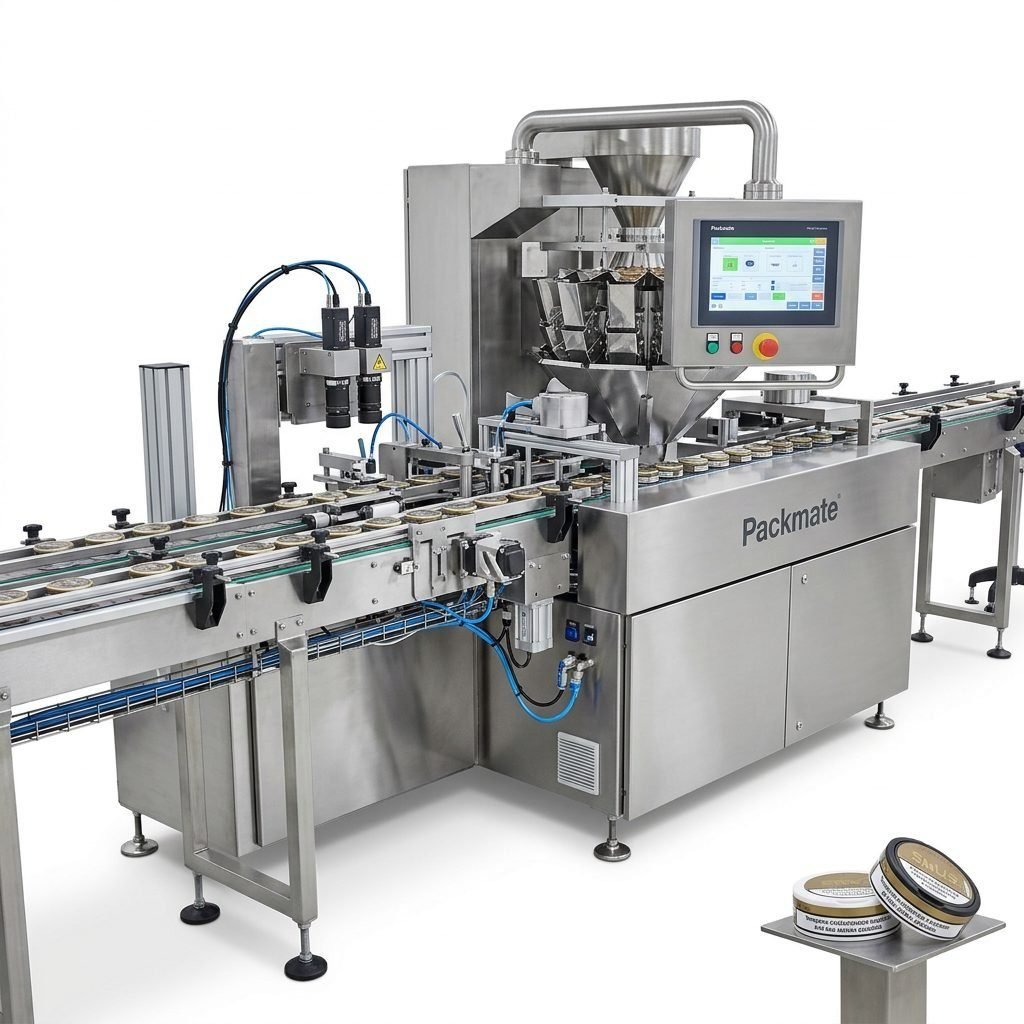
High precision is critical for nicotine dosing. Consider machines that integrate with advanced weighing or volumetric filling systems and offer consistent metering mechanisms suitable for the product’s physical properties.
3. Material compatibility and sealing
Check whether the machine supports your chosen film structures and laminates. Reliable sealing technologies (heat, ultrasonic) and correct sealing temperatures are essential to avoid leaks, moisture ingress, and degraded shelf life.
Operational and maintenance considerations
A machine that meets specs on paper can still underperform if operational realities are ignored. Focus on ease of cleaning, tool-less changeovers, spare parts availability, and local service capabilities.
Operational highlight: Quick-change tooling can reduce downtime from hours to minutes — a major advantage for factories running multiple SKUs.
Maintenance and spare parts
Confirm the manufacturer’s spare parts lead times to Iraq and stock critical wear parts on-site. Machines from established suppliers typically come with documentation, spare kits, and optional service contracts that expedite repairs.
Local support and training
Ensure the vendor provides training for operators and maintenance staff. Local or regional service partners reduce response times for breakdowns — check references and ask about typical response SLAs.
Regulatory compliance and safety
Safety standards and certification (for example CE/ISO compliance where applicable) are indicators of robust engineering and quality control. Packaging lines handling nicotine should have appropriate guarding, interlocks, and clear labeling capabilities to meet both local laws and export market rules.
Choosing a vendor: beyond the machine
Selecting the right manufacturer or supplier is as important as choosing the correct model. Here are criteria to weigh when evaluating vendors:
🔧 Engineering experience and product range — a manufacturer with diverse models helps future-proof your investment.
📦 Turnkey capabilities — vendors offering integrated weighing, filling, and packaging lines reduce integration risk.
🌍 Global references and exhibitions — seeing machines in operation at trade shows or customer sites builds confidence.
🛠 After-sales service and spare parts logistics — guaranteed support is essential for continuous production.
Vendor checklist: production references, factory tour or virtual demo, spare parts policy, warranty terms, and training packages.
Why Packmate Snus Machine is an option to consider
With over 30 years of engineering experience and a 20,000㎡ manufacturing facility, Packmate Snus Machine provides a range of high-performance packaging lines specifically for snus and nicotine pouches. Their product range includes stick pack, sachet, and multi-lane systems and they provide turnkey solutions that integrate weighing, filling, and packaging.
Learn more about their tailored product families: Snus & Nicotine Packaging Machines, and explore related systems like Weighing & Packaging Systems and Sachet & Stick Pack Machines.
Practical procurement steps for buyers in Iraq
Follow a structured procurement process to reduce risk:
1. Create a clear specification including product characteristics, SKUs, and throughput targets.
2. Shortlist 2–4 vendors by reputation, product fit, and service coverage.
3. Request on-site trials, video demonstrations, or sample production runs.
4. Validate total cost of ownership (TCO): machine price, installation, training, spares, and uptime guarantees.
5. Negotiate clear contracts with delivery milestones, acceptance tests, and service SLAs.
Negotiation focus: ensure spare parts availability in-region and agree on on-site commissioning days to avoid surprise costs.
Integration and factory layout tips
Plan for material flow, operator access, and cleaning zones. Map out the full line: raw material storage, dosing/weighing, filling, sealing, and boxing. Keep ergonomic access points for tool-less maintenance, and allocate space for spare parts and consumables near the line.
Electrical and utility requirements
Confirm voltage, air supply (CDA), and any specific utility needs before ordering. In some cases, local adapters or transformers are needed — include these in procurement planning to avoid installation delays.
Common pitfalls and how to avoid them
Buyers frequently make avoidable mistakes. Watch for:
⚠️ Underestimating spare part lead times — keep essential wear parts in stock.
⚠️ Ignoring complete line integration costs — conveyors, checkweighers, and wrappers add expense.
⚠️ Skipping acceptance tests — define factory acceptance testing (FAT) and site acceptance testing (SAT) clearly in contracts.
Questions to ask suppliers
A targeted set of questions reveals vendor capability:
• Can you provide references of nicotine pouch lines in similar markets?
• What are the expected consumption rates for wear parts and recommended spare kits?
• Do you provide remote diagnostics or on-site support agreements?
• Can the machine be expanded or upgraded (e.g., increasing lanes) as volumes grow?
• Are there case studies or exported installations we can visit or review? See some examples in the company’s Case section.
Budgeting and financing options
While capital cost is important, total cost of ownership (TCO) matters most. Evaluate lifetime costs including downtime, energy consumption, spare parts, and labor. Some suppliers may offer leasing, staged payments, or refurbished options to lower initial cash outlay.
Final selection and commissioning
After choosing a vendor, ensure the purchase order includes clear delivery, FAT, SAT, training, and warranty terms. Plan commissioning with defined acceptance criteria — production speed, sealing quality, dosing accuracy, and uptime performance metrics.
Remember: a successful commissioning includes operator training and a plan for the first 90 days of production to catch early wear patterns and process issues.
Useful resources and next steps
Explore product lines and specifications directly on manufacturer pages to compare models and request quotes. Recommended starting pages include Snus & Nicotine Packaging Machines, Bag & Pouch Packaging Machines, and the company About Packmate page for factory and certification details.
Closing summary
Selecting the best nicotine packaging machinery in Iraq requires matching product needs, throughput goals, and total cost of ownership with a vendor who offers solid engineering, spare parts logistics, and reliable after-sales service. Prioritize dosing accuracy, sealing reliability, and ease of maintenance — and use factory acceptance testing to validate performance before acceptance.
Frequently Asked Questions
Q1: What is the typical lead time for snus packaging machines?
A1: Lead times vary by model and customization level. Standard models may ship in a few weeks, while highly customized turnkey lines can take several months. Confirm with the supplier and include FAT in your schedule.
Q2: How important is lane count for multi-lane systems?
A2: Lane count determines maximum throughput and floor space efficiency. Higher lane counts increase output but require more precise synchronization and potentially larger upstream feeding equipment.
Q3: Can producers in Iraq get local support and spare parts quickly?
A3: Many reputable manufacturers have regional partners or service networks. Ask for spare parts kits and local service contacts before purchase; some vendors also offer expedited shipping options for critical parts.
Q4: Are turnkey lines more cost-effective than buying individual machines?
A4: Turnkey lines can reduce integration risks and overall project management time, but they may have higher upfront costs. Calculate the total cost of ownership and project timeline to determine the best approach.
Q5: Where can I see real-world installations and case studies?
A5: Review vendor case pages and request references; Packmate publishes case studies and exhibits at international shows — see their Case and Our Exhibition pages for examples and demo opportunities.