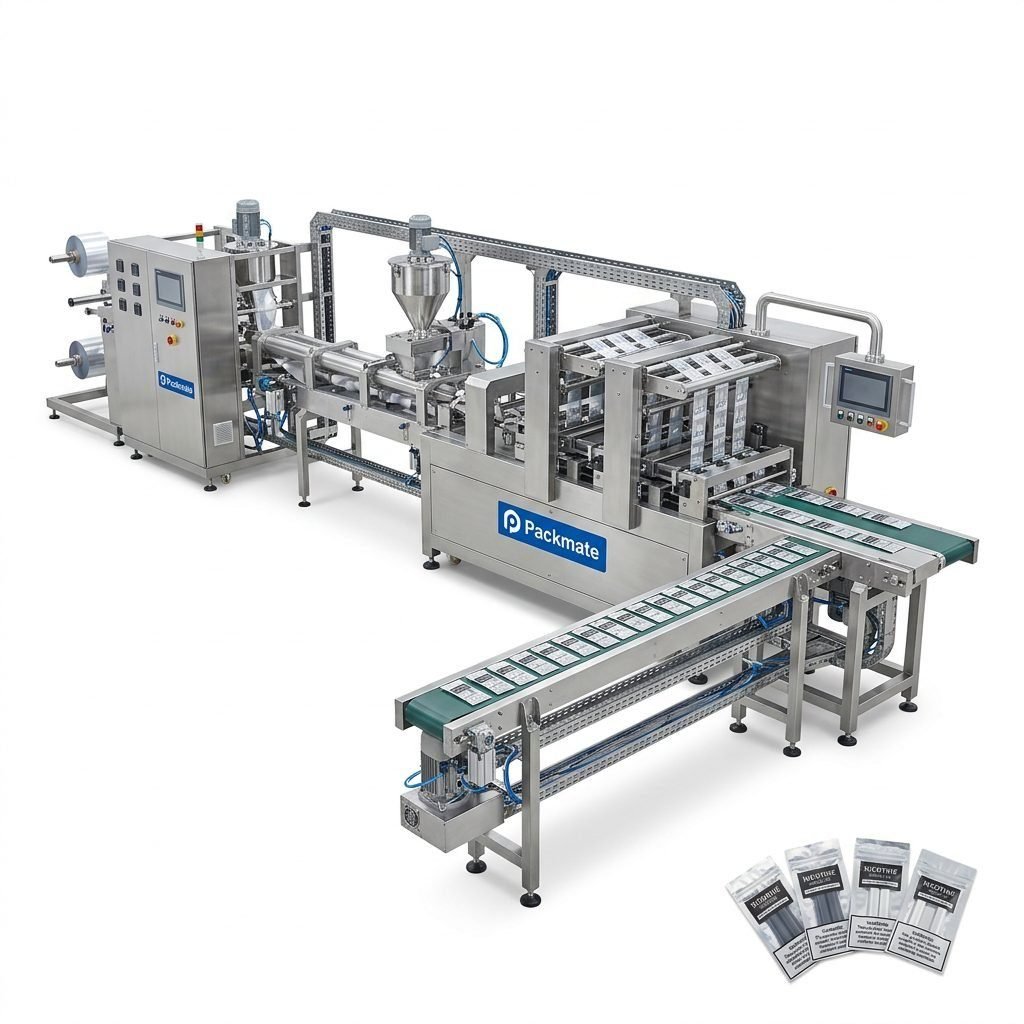
Understanding the German Market: Why Your Supplier Choice Matters
Choosing the right nicotine packaging machinery supplier in Germany is more than a purchase—it’s a long-term partnership that affects compliance, production efficiency, and brand reputation. German manufacturers and buyers place a high premium on punctual delivery, technical documentation, and certified safety. When searching for a partner, you must balance technical performance, local regulatory knowledge, and after-sales responsiveness.
Define Your Product and Throughput Needs
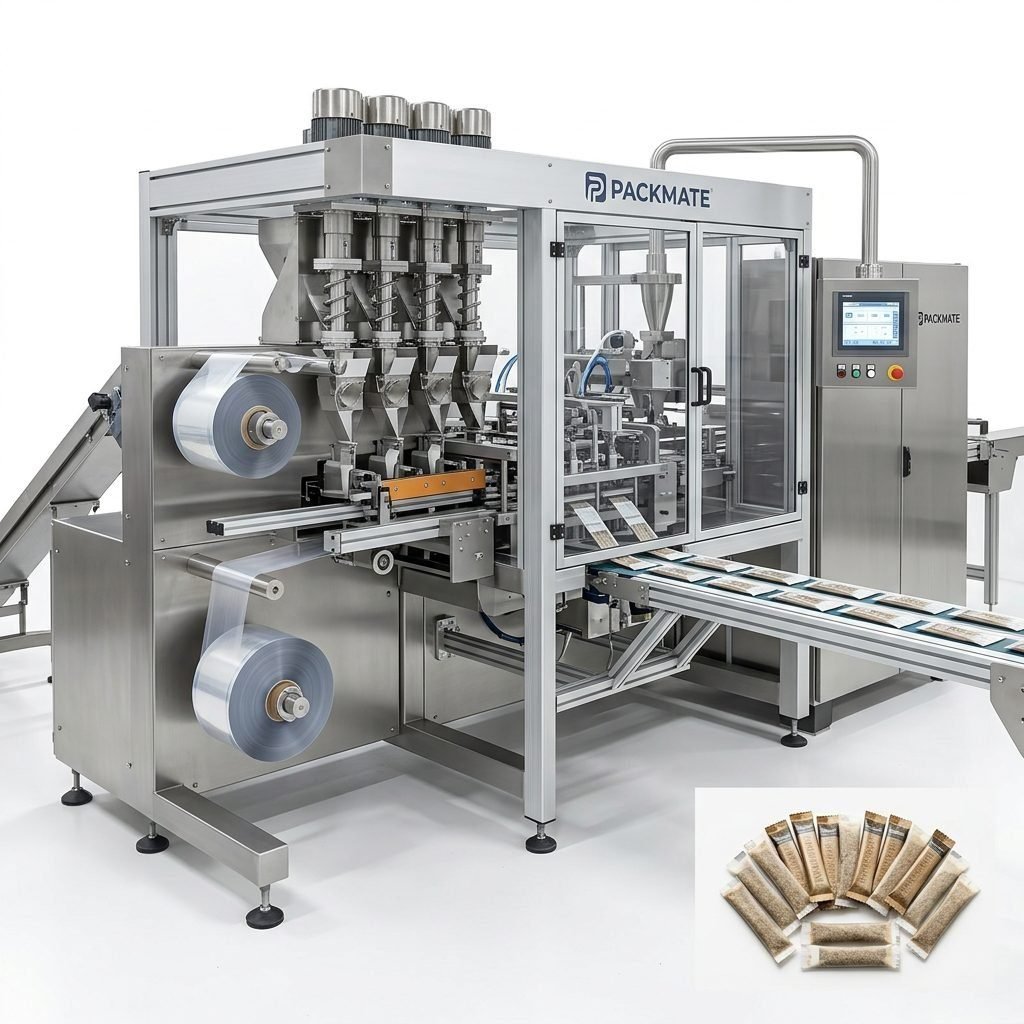
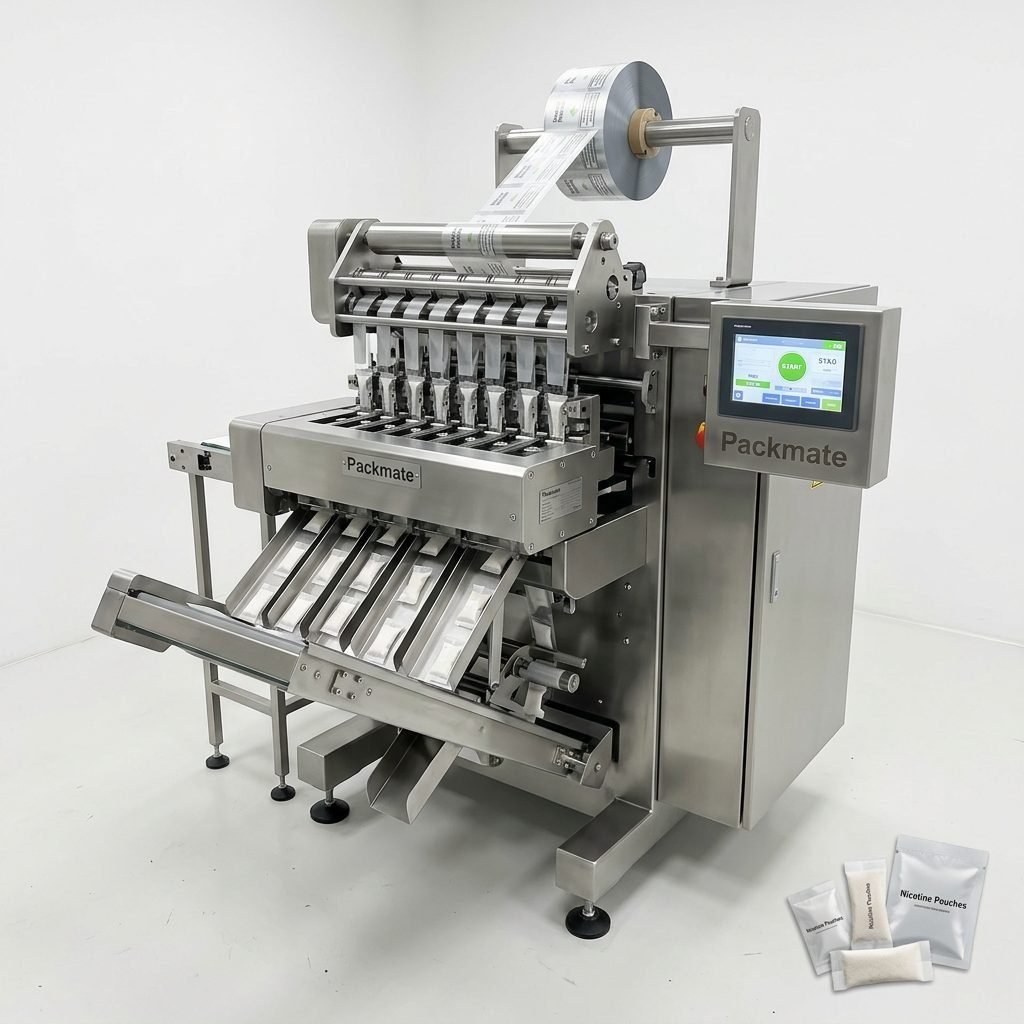
Start by documenting the exact product format and target output. Nicotine pouches and snus come in a variety of sizes and pouch types—stick pack, sachet, multi-lane pouches—and each format affects machine choice. Consider these points:
🔍 Product format: single-dose pouches, multi-lane pouches, powdered or granular fillings.
⚡ Target throughput: units per minute/hour/shift, including allowance for changeovers.
🧩 Upgradability: modular designs for future expansion or multiple product formats.
Machine Types to Consider
Different machine families suit different requirements. When evaluating suppliers, verify they offer proven options for your needs:
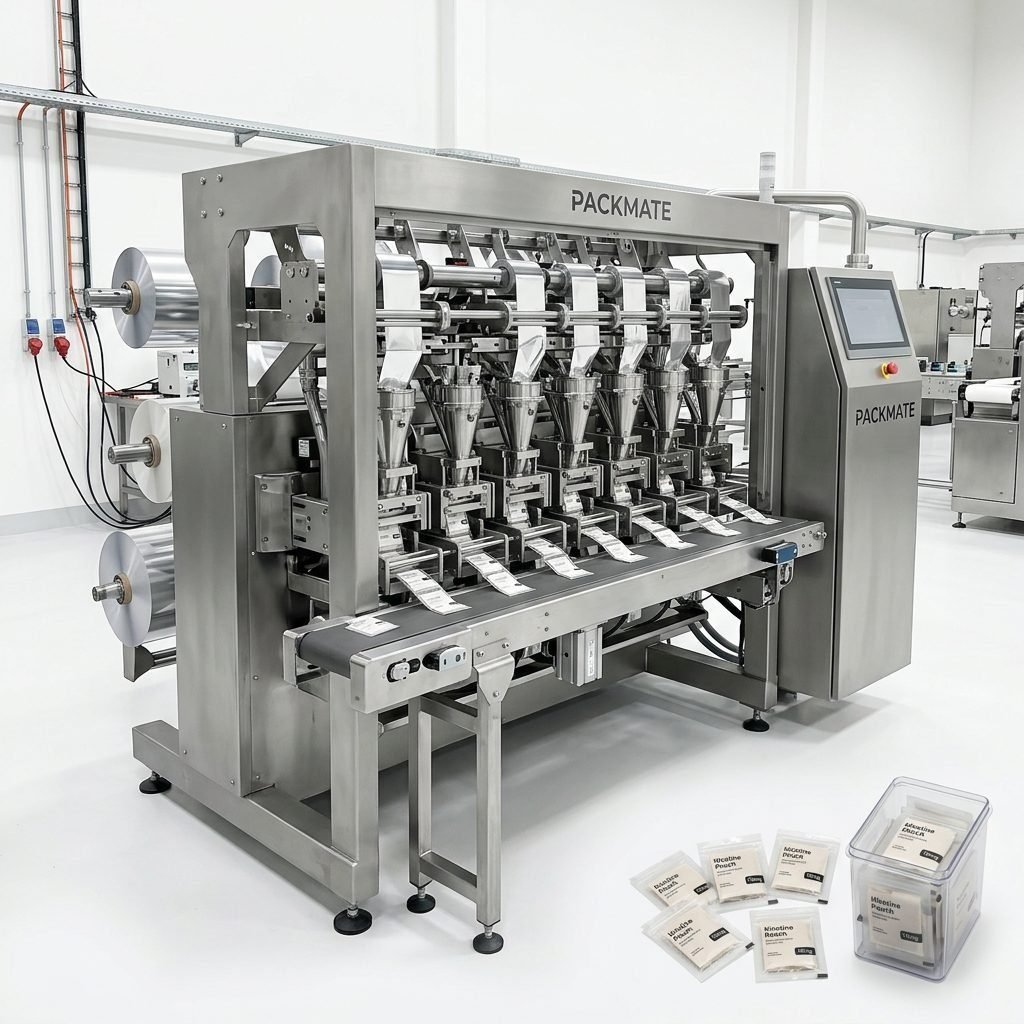
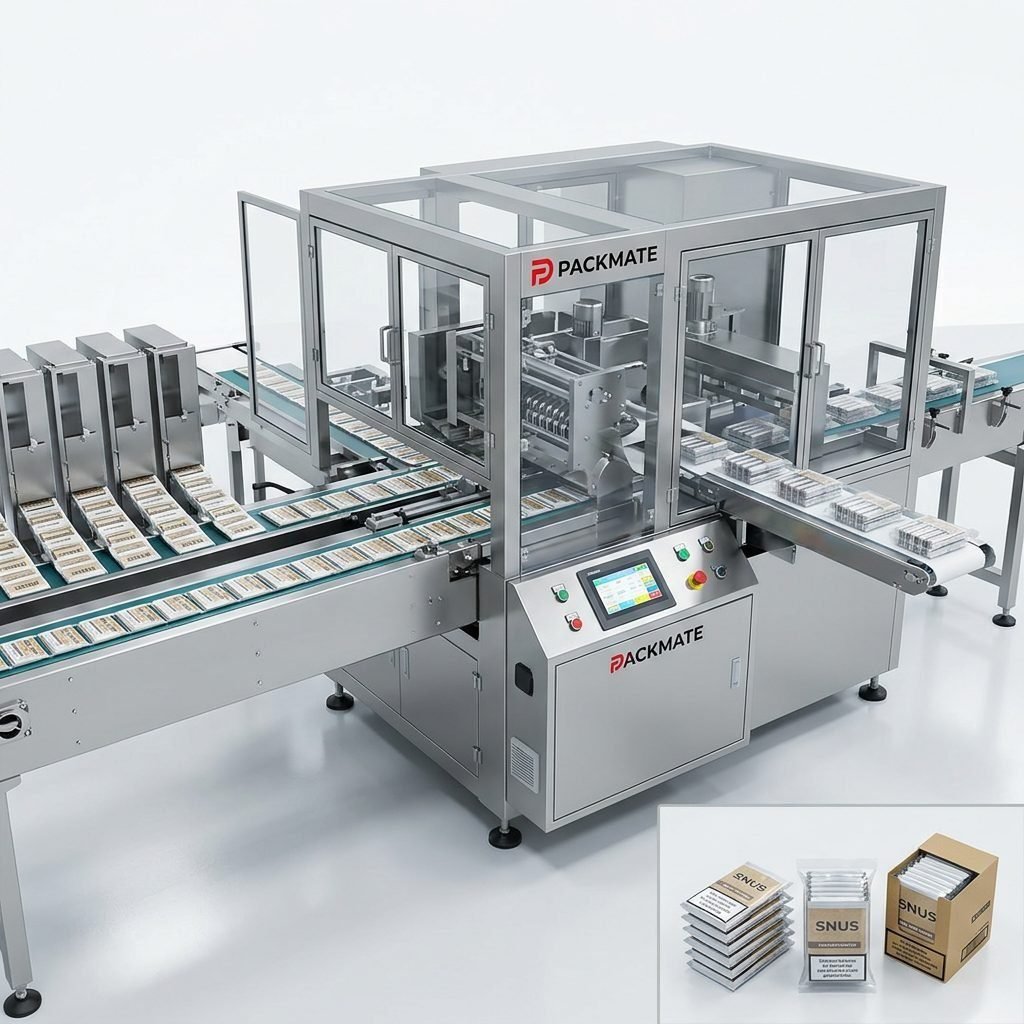
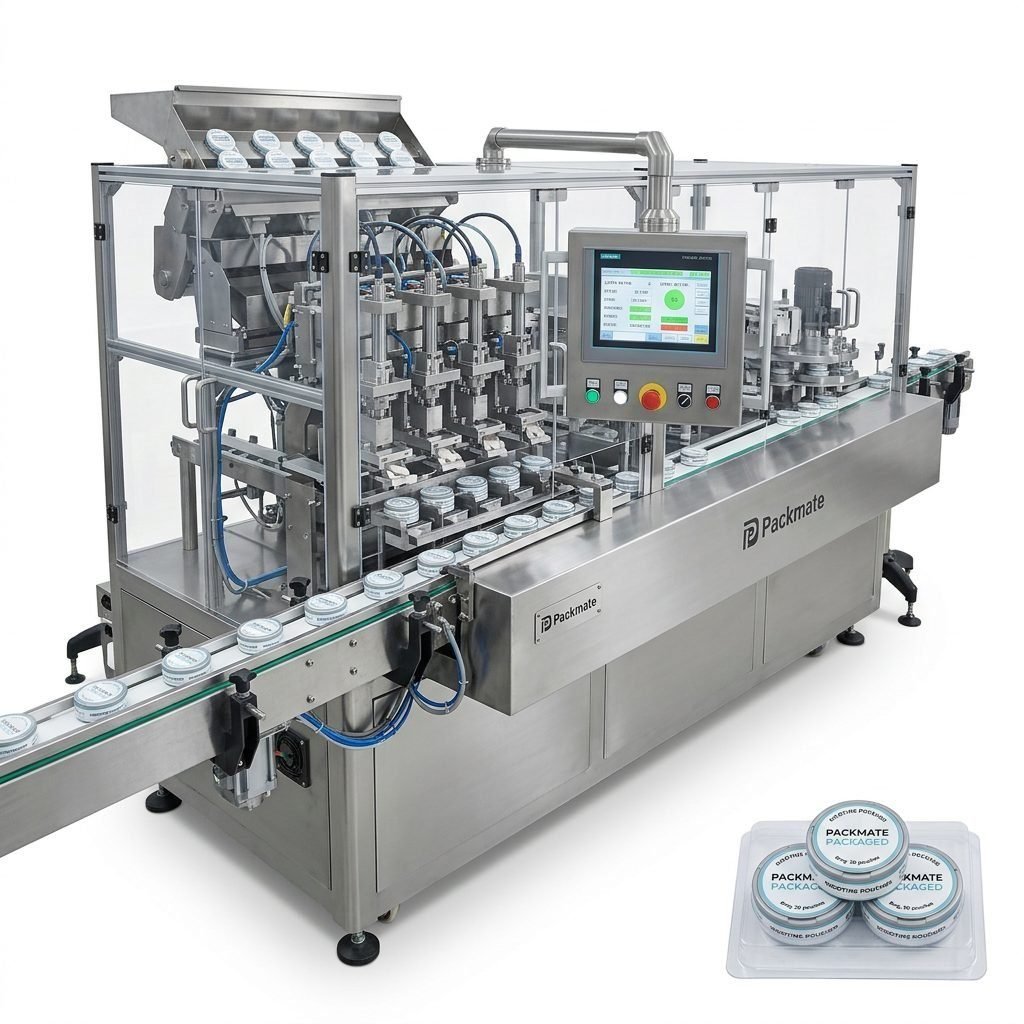
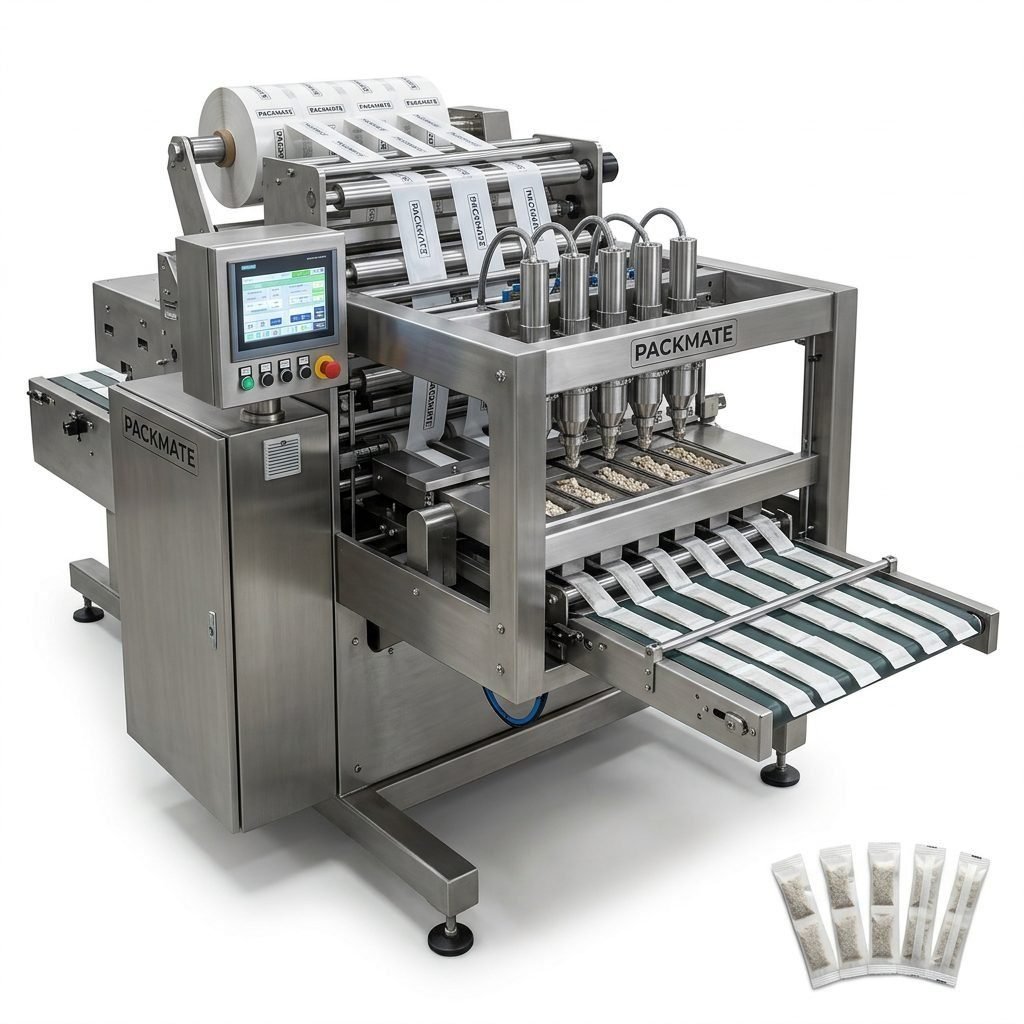
- High-speed multi-lane pouch lines for small-dose nicotine pouches (ideal for high-volume production).
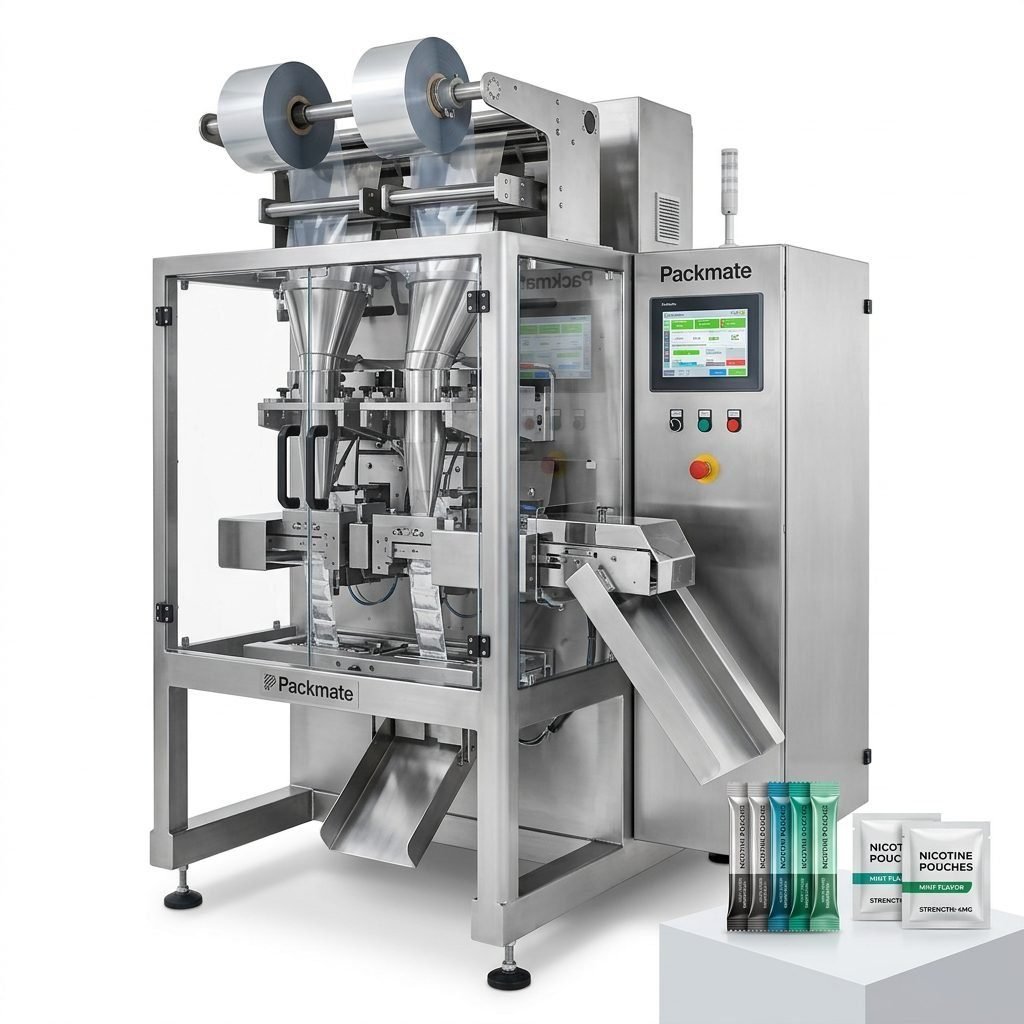
- Stick pack and sachet machines for single-serve nicotine formats.
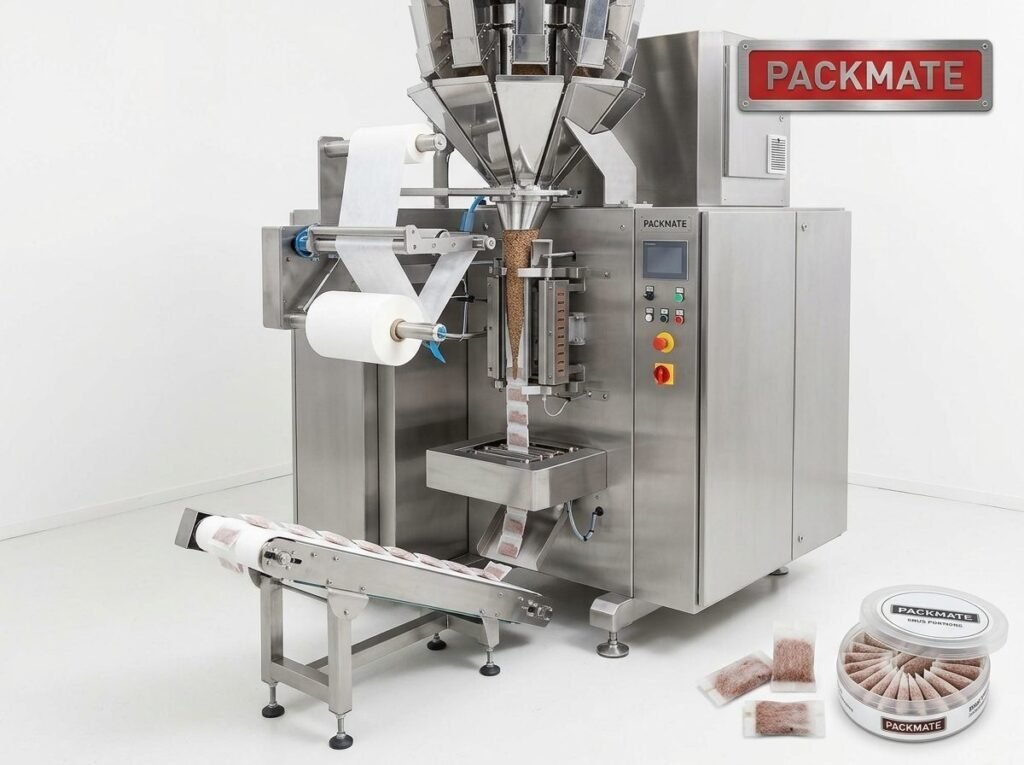
- Integrated weighing, dosing and filling systems for powders and granules.
- Turnkey lines combining filling, sealing, and secondary packaging (cartoning, wrapping).
Regulatory Compliance and Certifications (Must-Haves in Germany)
Germany follows strict EU and national regulations for products containing nicotine. Machines must support hygienic design, traceability, and safe handling. Insist on suppliers with recognized certifications and transparent documentation.
✔ CE & ISO: Ensure CE marking and relevant ISO certifications for quality management and machinery safety.
✔ Documentation & Traceability: FAT/SAT reports, material certificates, and full electrical and pneumatic schematics.
✔ Regulatory Support: Suppliers that understand EU tobacco/nicotine rules and can provide compliant machine configurations.
Why Factory Strength and Experience Matter
In Germany, reliability is non-negotiable. Suppliers with established factories, extensive R&D, and a wide product range signal consistent quality and parts availability. Key factory indicators include:
• 30+ years of engineering experience and a large production area often translate into predictable lead times and robust quality controls. For example, vendors like Packmate Snus Machine emphasize decades of engineering experience and a 20,000㎡ factory footprint — factors that reduce risk for buyers.
Technical Capabilities to Check
When auditing a supplier, validate these technical capabilities:
🔧 Precision manufacturing: in-house CNC and precision assembly to ensure repeatable tolerances.
🔩 Spare parts supply: extensive parts inventory and global shipping.
🔁 Automation & Control: modern PLC/HMI systems, recipe management, and Industry 4.0 readiness.
Quality Assurance: FAT, Testing and Case Histories
Quality assurance begins before shipping. Request detailed Factory Acceptance Testing (FAT) protocols and examples of case projects similar to your scope. Real-world references and site visits build confidence.
Explore customer case studies and machine demos to verify performance. You can find real projects and references at supplier case pages to validate uptime and stability.
For practical examples, review product and case pages that illustrate machine families and successful installations:
- Snus & Nicotine Packaging Machines
- Case Studies
- About Packmate – manufacturer background and timeline
Service, Installation and Local Support in Germany
German customers expect rapid technical support and thorough documentation in both German and English. Clarify service SLAs, on-site training, and remote support capabilities before signing.
📞 Local contact & spare parts: A supplier with local distribution or a dedicated European partner reduces downtime.
🛠 Installation & training: Verify on-site commissioning and operator training packages.
🌐 Remote diagnostics: Suppliers offering remote troubleshooting and spare parts kits expedite repairs.
For detailed service offerings and after-sales assurances, check suppliers’ service pages and contact channels to confirm response times and warranty coverage: Service | Contact Us.
Total Cost of Ownership (TCO): Look Beyond the Price Tag
The lowest purchase price rarely yields the best value. Evaluate TCO across expected machine lifespan:
- Energy consumption and efficiency.
- Mean time between failures (MTBF) and ease of maintenance.
- Availability and cost of wear parts and spares.
- Training needs and operator ergonomics to reduce human error.
- Residual value and upgrade options for new formats or higher speeds.
Logistics, Lead Times and Import Considerations
Lead times can vary widely depending on customization level. Confirm realistic delivery schedules, shipping methods, and import documentation. In Germany, precise delivery schedules are culturally important—include penalties or milestone payments in contracts if timing is critical.
Cultural & Practical Tips for Working with German Buyers
Germans favor clarity, thorough documentation, and engineering rigor. A few practical notes:
⏱ Punctuality: Deliverables and meetings are expected to be on time.
📄 Documentation: Provide clear technical manuals, CE declarations, spare parts lists and wiring diagrams.
♻️ Sustainability: Environmental considerations and recyclable packaging are increasingly important.
A Practical Supplier Evaluation Checklist
Use this checklist with scores to objectively compare suppliers:
1. Technical fit: machine family and capability to handle your formats.
2. Certification & compliance: CE, ISO, FAT reports and regulatory guidance.
3. Factory strength: production capability, CNC machining, and volume experience.
4. Service & spare parts: SLA, local support, and spare parts logistics.
5. TCO & warranty: expected lifecycle costs and warranty terms.
Negotiation and Contract Tips
When negotiating, secure terms that protect your production timeline and quality expectations:
- Include FAT acceptance criteria and performance guarantees in the contract.
- Define spare parts lead times and minimum stock levels.
- Agree on training scope and language of manuals (German/English).
- Set clear warranty terms and escalation paths for technical issues.
Decision Time: Final Selection Steps
Follow a stepwise approval process to reduce risk:
- Shortlist 2–3 suppliers based on the checklist.
- Request detailed proposals with FAT plans, lead times, and TCO breakdowns.
- Conduct remote or onsite factory audits; request test videos and live demos.
- Negotiate contract terms, delivery milestones, and penalties for delays.
- Confirm logistics, spare parts consignment and commissioning schedule.
Why Established Suppliers Add Value
Longstanding suppliers offer proven designs, quicker spare parts provisioning, and established quality controls. Companies with global turnkey experience can deliver integrated lines—reducing integration risk and simplifying vendor management. For example, suppliers with extensive snus and nicotine pouch experience provide specialized expertise in multi-lane systems, dosage control, and hygienic design.
If you want to explore machine families or see product specifications for packaging machinery, check product categories such as Sachet & Stick Pack Machines, Weighing & Packaging Systems, and Filling & Packaging Lines.
Closing Advice: Build a Partnership, Not a Transaction
Selecting the right packaging machinery supplier for nicotine products in Germany requires a careful blend of technical validation, regulatory understanding, and cultural alignment. Prioritize suppliers who demonstrate engineering depth, provide clear certification, and commit to responsive after-sales support. The right partner will help you scale reliably, meet EU regulations, and keep your production lines running smoothly.
Frequently Asked Questions
Q: How important is a Factory Acceptance Test (FAT)?
A: FAT is critical—it’s the primary verification that the machine meets agreed performance criteria before shipment. Ensure FAT protocols include speed, accuracy, sample runs, and safety checks.
Q: Do I need local spare parts inventory in Germany?
A: For high-volume lines, keeping key wear parts locally reduces downtime. Negotiate minimum spare kits with your supplier or partner with a local distributor.
Q: What certifications should I insist on for nicotine pouch machines?
A: At minimum, require CE marking and ISO quality documentation. Also demand complete electrical and safety schematics, material certificates, and FAT results.
Q: How can I verify a supplier’s claims about throughput and reliability?
A: Request video demos, customer references, and on-site visits. Ask for real production metrics from similar installations and review case studies.
Q: Where can I find more information on machine models and services?
A: Explore supplier product pages and service sections to compare model specifications and support options: Bag & Pouch Packaging Machines | Service.