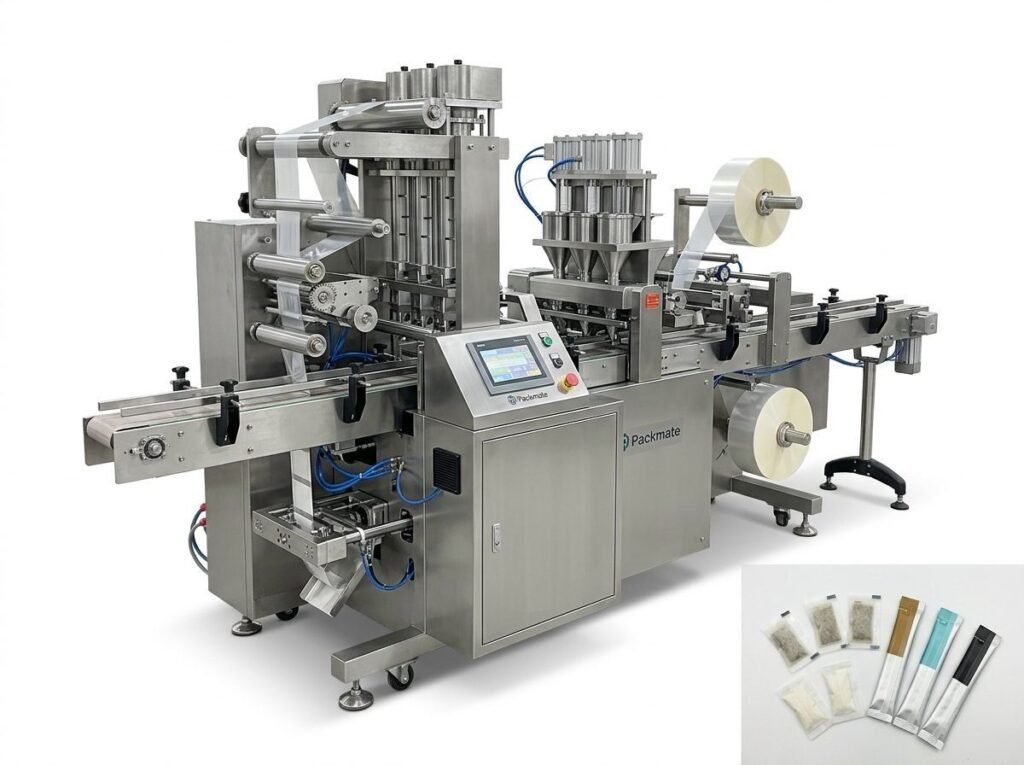
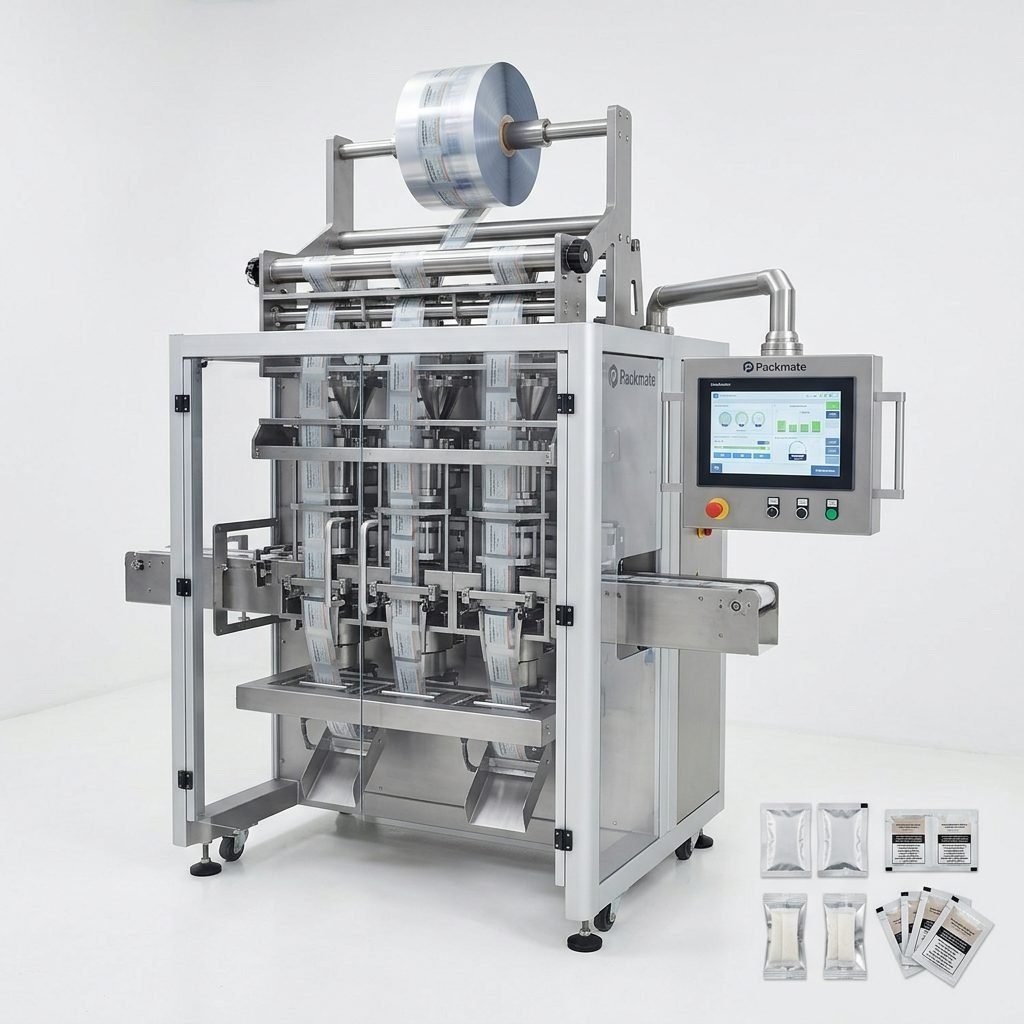
Entering or expanding in Fiji’s nicotine pouch and snus market requires careful equipment selection. Choosing the right packaging machinery affects product safety, compliance, production efficiency, and long-term operating cost. This guide walks you through a practical, step-by-step approach to select the best nicotine packaging machinery for a safe and efficient production line in Fiji — from assessing product requirements through supplier selection, commissioning, and after-sales support.
Understanding Nicotine Packaging Needs in Fiji
Before comparing equipment, start by defining your product profile: pouch size and shape, nicotine content, moisture sensitivity, barrier requirements, and desired shelf life. Fiji’s import and local regulations for nicotine products may require specific labeling, child-resistant packaging, and evidence of packaging integrity. A clear product specification helps narrow down whether you need a single-lane snus packing machine, a high-speed multi-lane system, or an integrated filling and packaging line.
⚠️ Key considerations:
• Production capacity target (pouches/min and shifts/day)
• Pouch format: snus pouch, stick pack, sachet, or multi-lane pouches
• Product form: powder, granule, wet pouch, or liquid fill
• Regulatory and traceability requirements for Fiji
Match Machine Type to Product and Volume
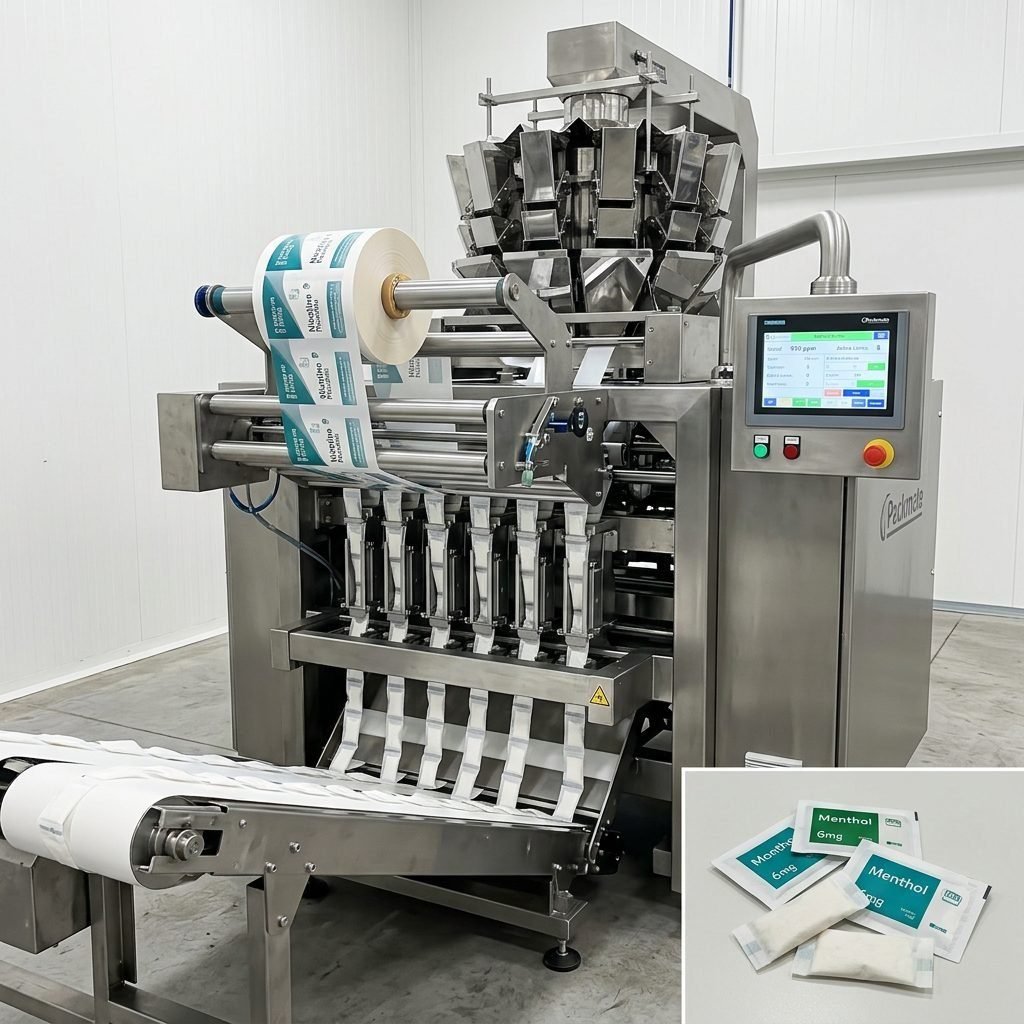
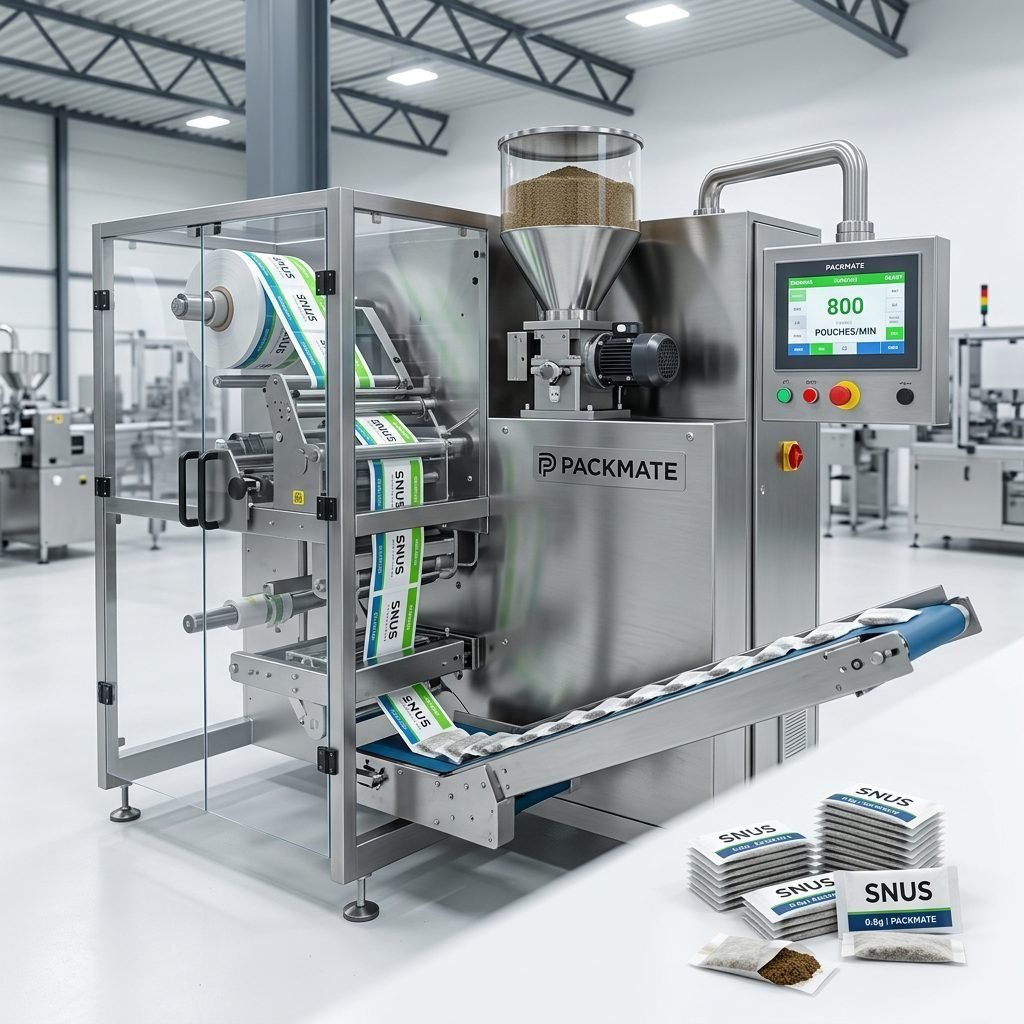
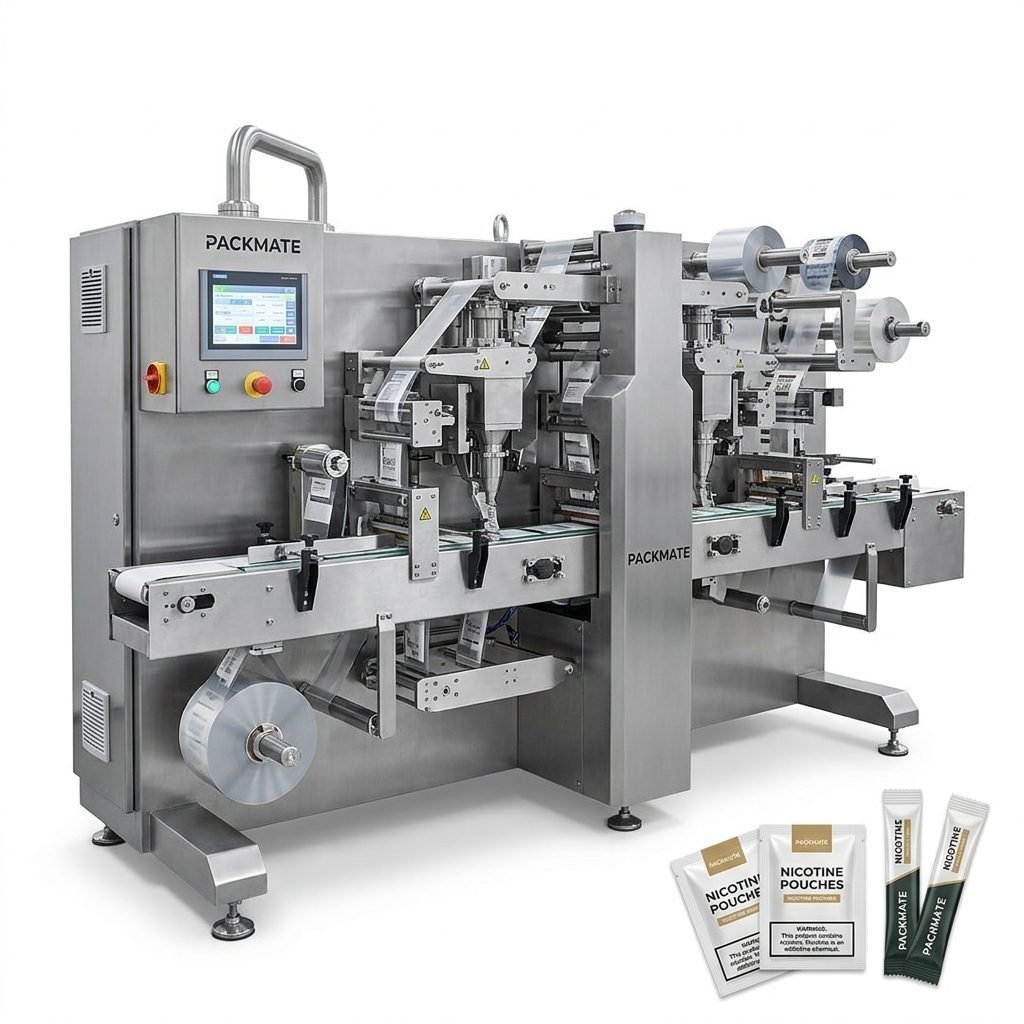
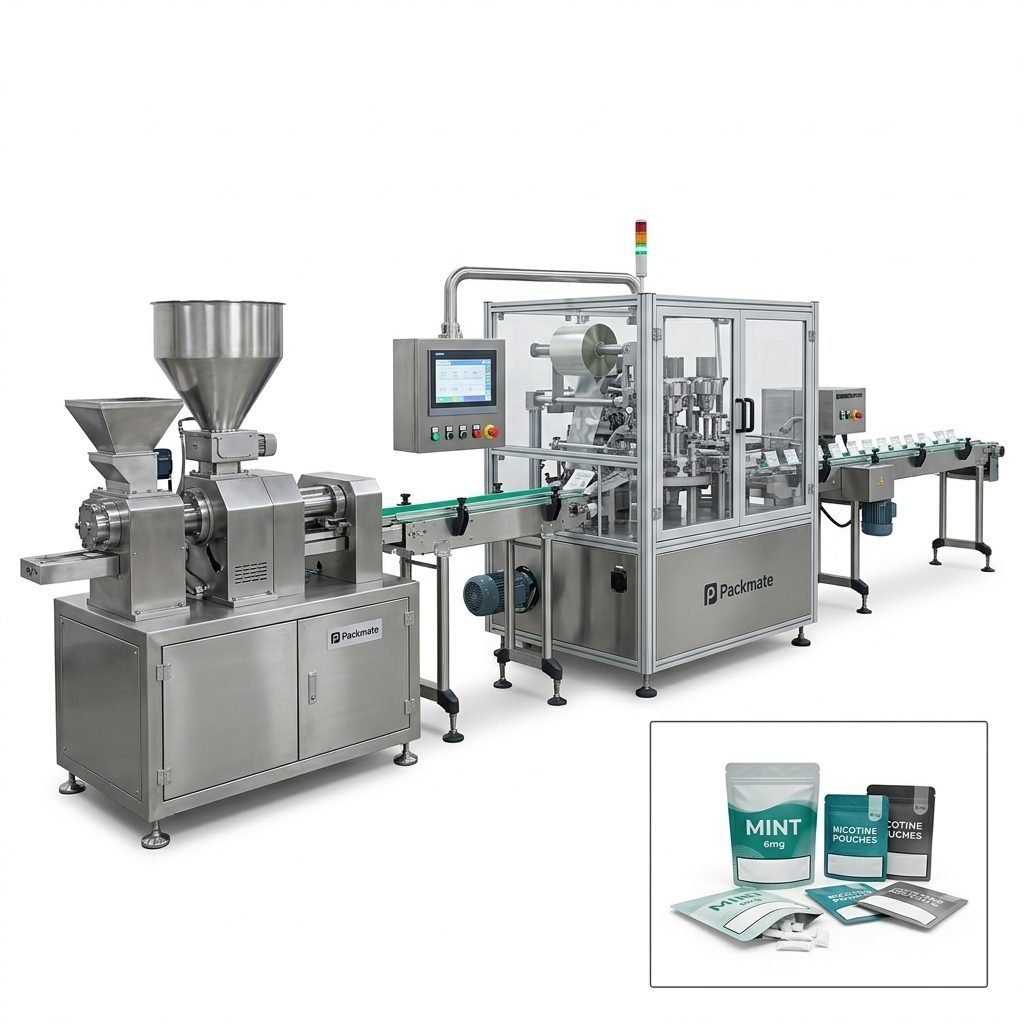
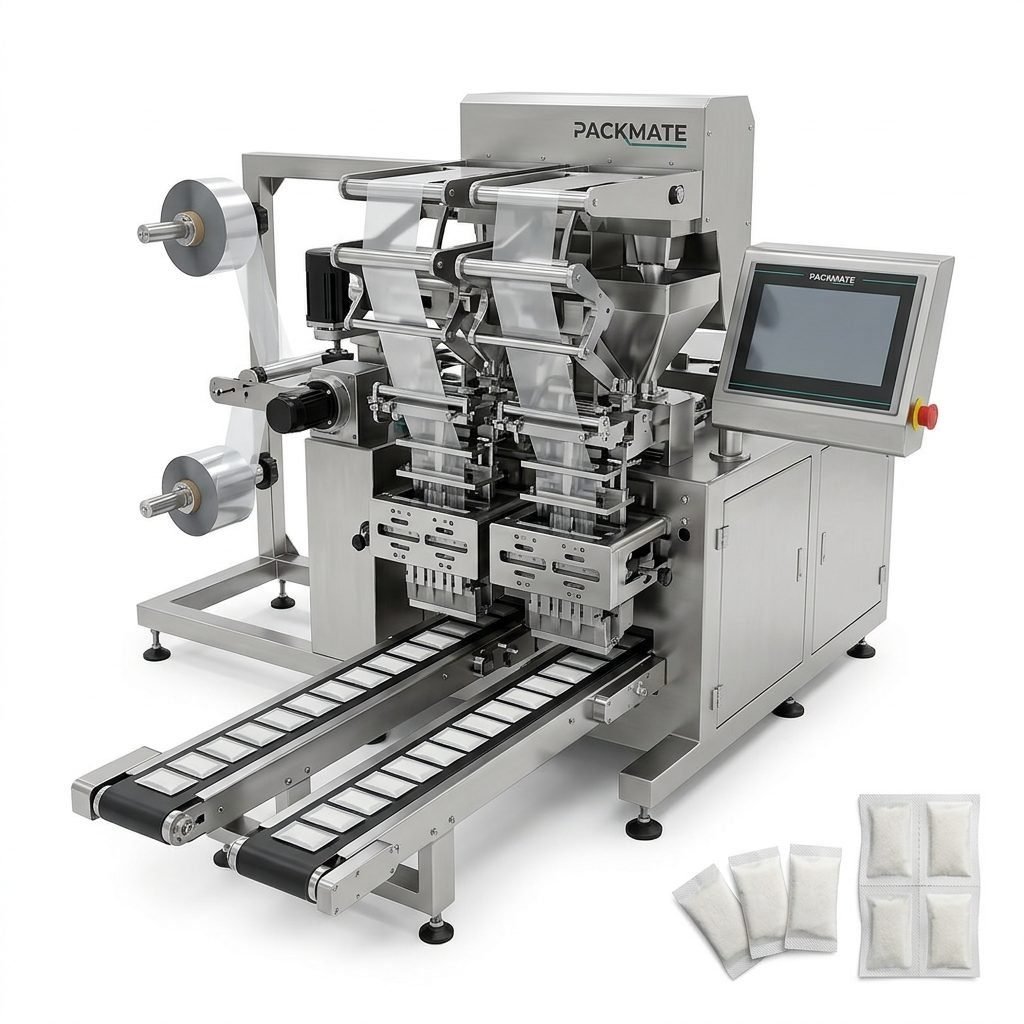
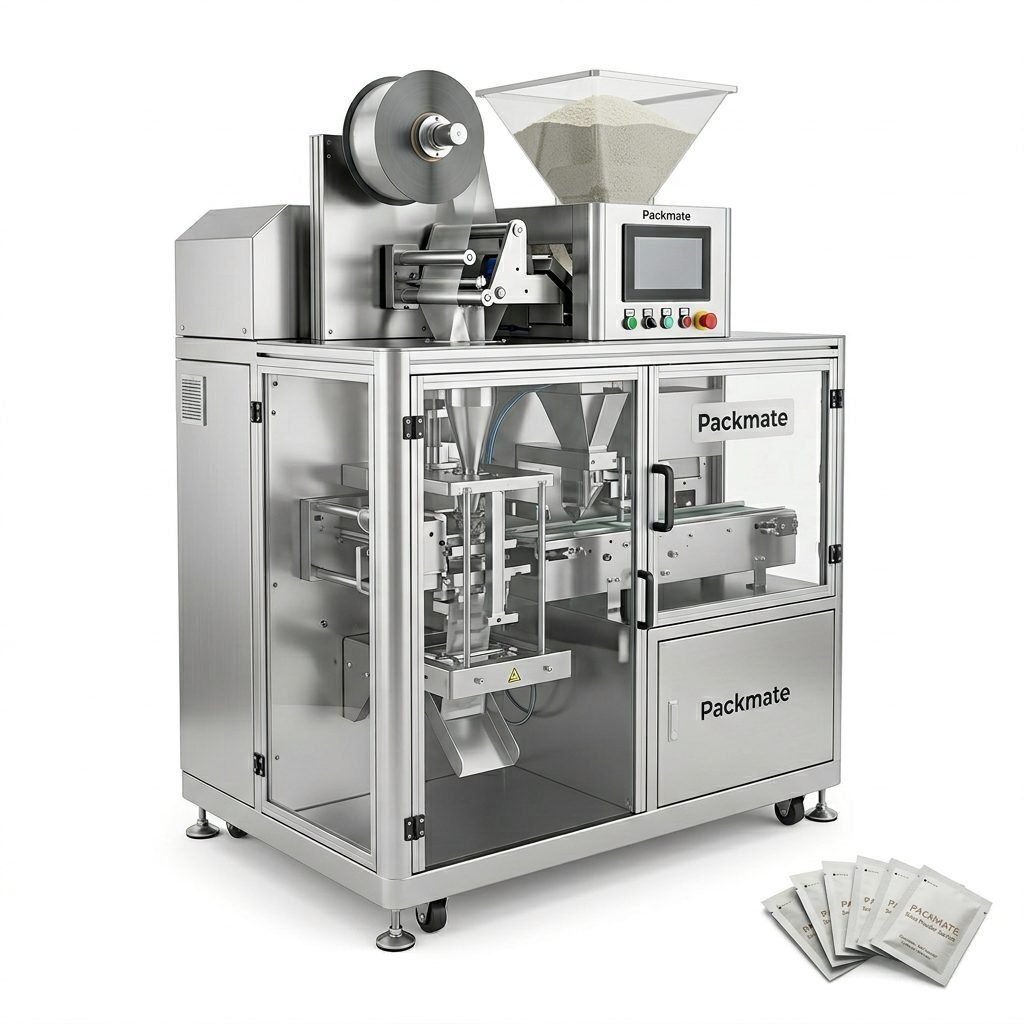
Different machines cater to different pouch formats and throughput. For nicotine pouches and snus, specialized pouch forming and dosing systems ensure consistent weight and seal integrity. If your plan involves multiple SKUs and higher capacity, consider multi-lane systems that can dramatically increase throughput while maintaining consistent portioning and packaging quality.
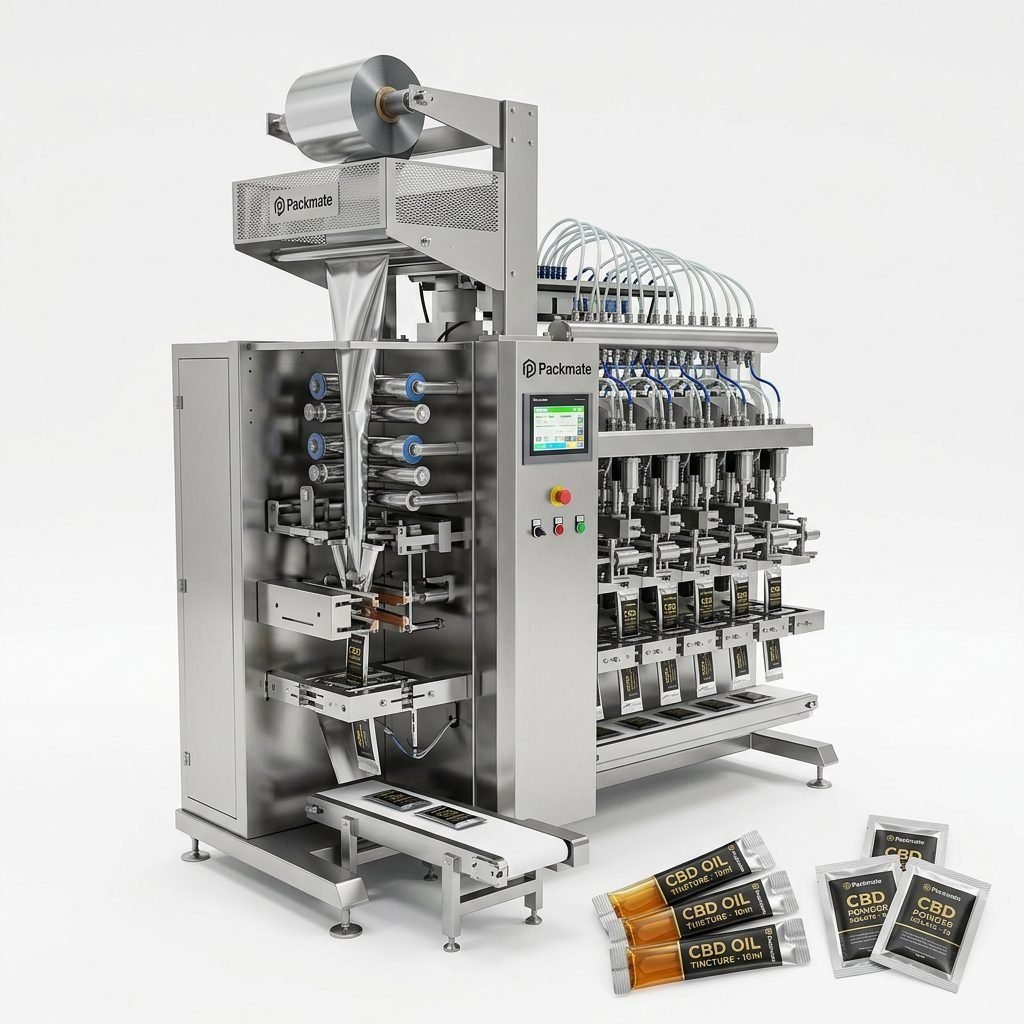
Explore product lines such as Snus & Nicotine Packaging Machines, Sachet & Stick Pack Machines, and complementary Weighing & Packaging Systems to see how different formats are handled on industry-standard equipment.
Performance Metrics: What to Compare
When evaluating quotations and technical sheets, focus on measurable metrics: nominal and practical speed, typical yield, changeover time between SKUs, dosing accuracy, film waste rate, and electrical/air consumption. Ask vendors for real-world performance data or references from installations similar to your target output in the Pacific region.
🔧 Must-have technical features
• Stable multi-lane dosing heads for small-dose pouches
• PLC control with recipe management and remote diagnostics
• Easy-clean product-contact parts and sanitary design
• In-line leak detection and seal inspection systems
Regulatory Compliance and Certification
For nicotine packaging in Fiji, equipment that meets international safety and quality standards reduces risk. Machines manufactured with CE and ISO-compliant systems are easier to justify to local authorities and insurers. If you need documented compliance, request copies of certificates and ask about factory audits or third-party inspection reports. You can review manufacturer credentials such as Certificates and the company background on About Packmate.
Supplier Assessment: Beyond the Price Tag
Price is only one part of total cost of ownership. Evaluate the supplier’s engineering competence, manufacturing scale, spare parts strategy, and on-site support. A manufacturer with decades of experience, robust CNC and assembly capabilities, and a wide model range can provide tailored solutions and quicker spare-part turnarounds. Inquire about factory size, production capacity, and past global projects to gauge reliability.
📦 Packmate highlights to check
• Over 30 years of engineering experience in packaging machinery
• 20,000㎡ factory with advanced CNC machining centers
• 50+ machine models and custom turnkey packaging solutions
• Global cases and exhibition presence demonstrate field performance — see Case and Our Exhibition.
Turnkey Solutions and System Integration
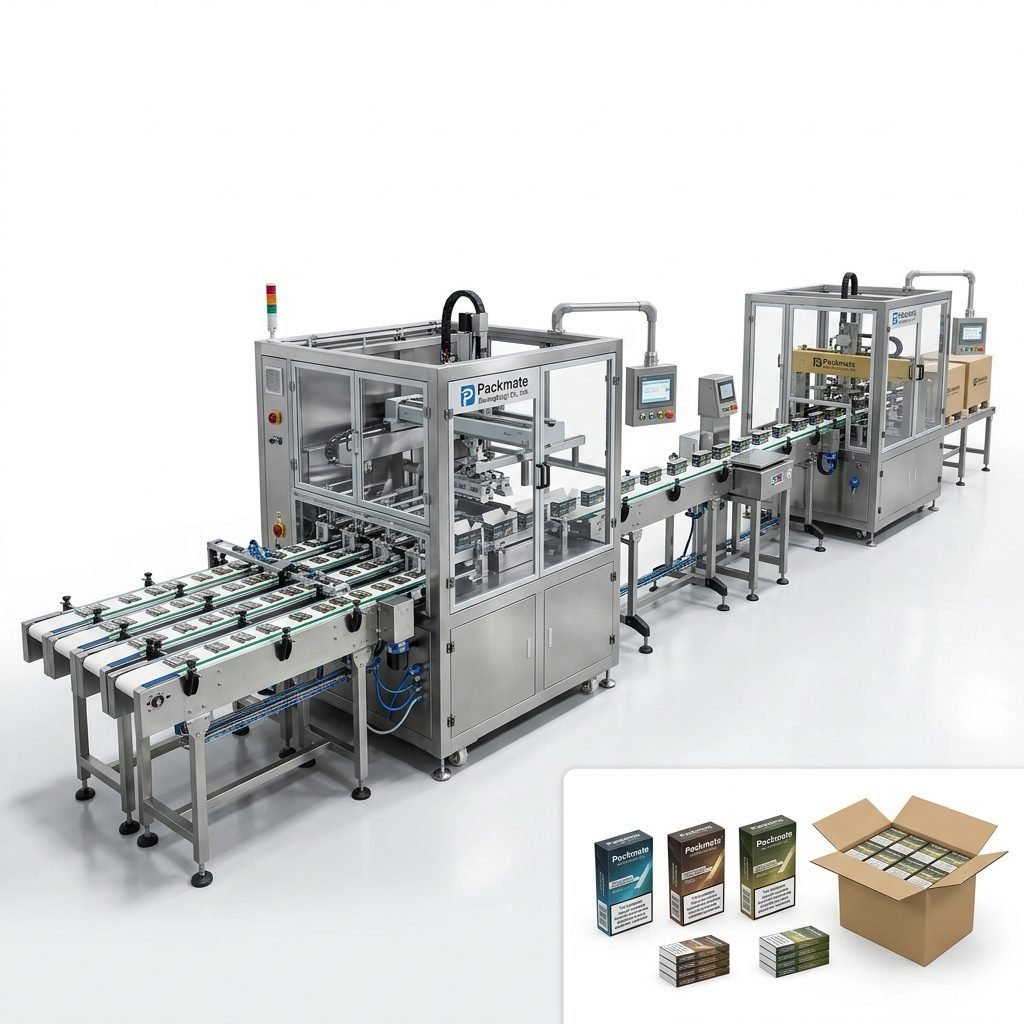
For efficient production in Fiji, consider obtaining a turnkey production line that integrates dosing, forming, sealing, inspection, and secondary packaging. Integrated lines reduce manual handling, improve hygiene, and simplify validation. When comparing suppliers, ask for a line diagram, clear definition of responsibilities for conveying, utilities, and control integration, and a planned timeline for FAT (Factory Acceptance Test) and SAT (Site Acceptance Test).
Utilities, Footprint and Factory Preparation
Accurate factory preparation prevents costly delays. Clarify required utilities (electrical power, compressed air, vacuum, water), floor loading capacity, and environmental controls. Provide the supplier with clear factory drawings and coordinate the shipping dimensions so that equipment can be moved into place without rework. Vendors often supply a pre-commissioning checklist; use it to confirm foundations, power, and access paths.
✅ Commissioning and Acceptance tips
• Schedule a FAT at the manufacturer if possible.
• Require test runs with your product or a close simulant.
• Define acceptance criteria: throughput, accuracy, downtime, and waste rates.
Spare Parts, Training and After-Sales Support
Good after-sales support is essential. Confirm lead times for critical spare parts, ensure availability of technicians for remote or on-site troubleshooting, and request structured operator and maintenance training. Many reputable manufacturers provide tailored service packages and remote diagnostics. Check if the supplier offers documentation in English and practical training manuals for maintenance teams.
Cost of Ownership and ROI
Evaluate the total cost of ownership: purchase price, installation, spare parts inventory, energy consumption, operator hours, and expected uptime. Estimate expected production yield and calculate how quickly the equipment investment will be recovered through reduced labor, lower waste, and higher throughput. Often, slightly higher capital expenditure for robust, reliable machinery yields faster ROI due to reduced downtime and maintenance.
Packaging Materials and Compatibility
Proper selection of film and barrier materials is critical for nicotine pouch stability. Confirm that the machine supports the film types you plan to use (laminates, cold-seal films, heat-seal materials) and can handle the film width and thickness you require. Discuss shrink, curl, and sealing temperature windows with the supplier to avoid surprises during commissioning.
Quality Control: In-line Inspection and Traceability
In-line vision systems for seal inspection, fill weight verification, and label readability reduce the risk of non-conforming products reaching the market. Implement lot coding and serialization capabilities if required by the Fijian regulatory environment to ensure traceability in recalls or audits.
📌 Practical checklist before purchase
• Confirm SKUs, speeds, and changeover time targets
• Request FAT with your product or equivalent
• Obtain documented CE/ISO compliance and spare parts list
• Agree on warranty, training, and remote support SLAs
Logistics, Import and Local Support in Fiji
Shipping large packaging lines to Fiji requires attention to packing, customs documentation, and local handling. Verify whether the supplier includes crating, export documentation, and inland transport to port of embarkation. Also confirm local partner or agent capability for customs clearance and final delivery to your facility. A supplier with prior Pacific-region experience can simplify the process.
Making the Final Decision
Score prospective suppliers against a weighted checklist: technical fit, proven reliability, compliance certificates, spare parts availability, training, warranty, and total cost. Request references and, where practical, visit installations or request live demos at trade exhibitions. Reputable manufacturers with extensive product ranges — such as those offering Bag & Pouch Packaging Machines and Auxiliary Packaging Equipment — can provide modular solutions tailored to your needs.
🔎 Final negotiation points
• Detailed delivery and acceptance timelines
• Spare parts kit and recommended spares list
• Clear training and commissioning plan
• After-sales service levels and remote support channels
Case Study Reference
When evaluating machines, review real installations to understand performance in comparable conditions. Manufacturer case pages often share production data and customer feedback — review example implementations for similar nicotine or snus products to validate expectations. See Customer Cases for real-world insights at Case.
Sustainable and Future-Proof Choices
Consider machine designs that are flexible for future SKUs, energy-efficient, and compatible with recyclable or lower-impact films if you plan to improve sustainability over time. Modular systems that allow gradual upgrades can extend equipment life and protect capital investment.
Conclusion: A Practical Roadmap for Fiji
In summary, selecting the best nicotine packaging machinery for Fiji means aligning product specifications, throughput, regulatory requirements, and budget with a reliable supplier who offers comprehensive commissioning and after-sales support. Prioritize machines that deliver consistent dosing, sanitary design, in-line inspection, and remote diagnostics. Request FATs, verify certificates, and ensure spares and training are part of the package. A well-documented procurement and commissioning plan minimizes risk and accelerates time-to-market.
Helpful Resources
For product catalogs and service details, refer to the manufacturer’s resources such as the Catalog, service pages at Service, and frequently asked questions at FAQs.
Frequently Asked Questions
Q1: What machine speed do I need for a small Fiji operation?
A1: Determine your daily production volume target (pouches/day). For smaller operations, a single-lane snus machine rated at moderate speed may suffice. For higher volumes, multi-lane systems greatly increase throughput without linear increases in labor.
Q2: How important is CE/ISO certification?
A2: Certifications demonstrate adherence to international safety and quality standards and simplify approval processes. Ensure the supplier can provide documented evidence and, if needed, assist with regulatory documentation for Fiji.
Q3: What after-sales support should I demand?
A3: Ask for a defined warranty, spare parts availability, remote diagnostic capabilities, and structured training. Prefer suppliers that provide clear SLAs for response times and have documented spare-parts lead times.
Q4: Can I start with a smaller machine and upgrade later?
A4: Yes. Consider modular or scalable solutions that allow adding lanes, dosing heads, or automation modules later. Confirm compatibility and upgrade path with your supplier before purchase.
Q5: Who can help with customs and local logistics in Fiji?
A5: Work with freight forwarders experienced in handling machinery shipments to the Pacific and ask your supplier for recommended partners or local agents who can assist with customs clearance and on-site delivery.