In Afghanistan’s emerging nicotine pouch market, choosing the right packaging machine requires blending technical requirements with local trade practices, seasonal work rhythms, and supply-chain realities. This guide walks Afghan importers, factory managers, and entrepreneurs step-by-step through selecting a snus/nicotine pouch packaging machine that fits production goals, budget, and compliance needs.
Understand Local Market & Cultural Context
Before selecting equipment, assess the Afghan market segments you plan to serve. Urban centers like Kabul, Kandahar, and Herat have different consumer preferences and regulatory scrutiny. Consider local customs: businesses often slow during Ramadan and national holidays, so plan commissioning and training outside those periods. Language matters — prepare training materials in Dari or Pashto if needed and ensure service agreements account for travel and security constraints.
Regulatory & Import Considerations
Afghanistan’s import regulations, customs duties, and labeling requirements for nicotine products can change. Work with a local customs broker and confirm whether additional permits are required for tobacco/nicotine equipment. Factor in lead times for customs clearance and potential inspections when scheduling delivery and installation.
Choose the Right Machine Type
Packaging machines vary by product form and output needs. Common types include:
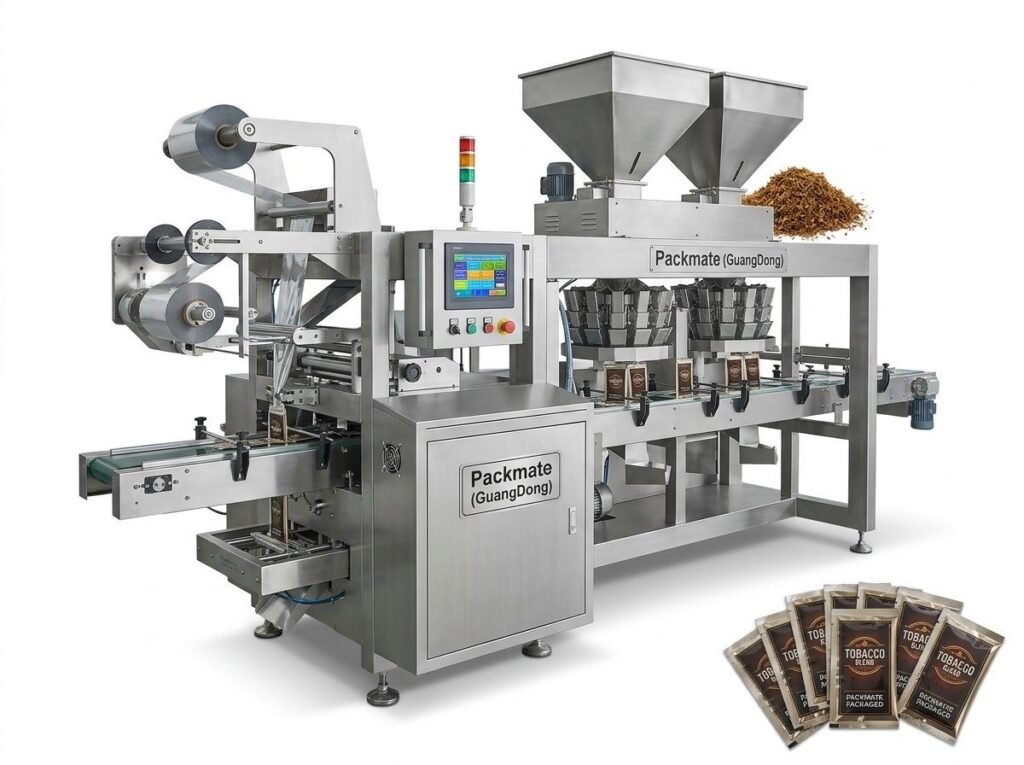
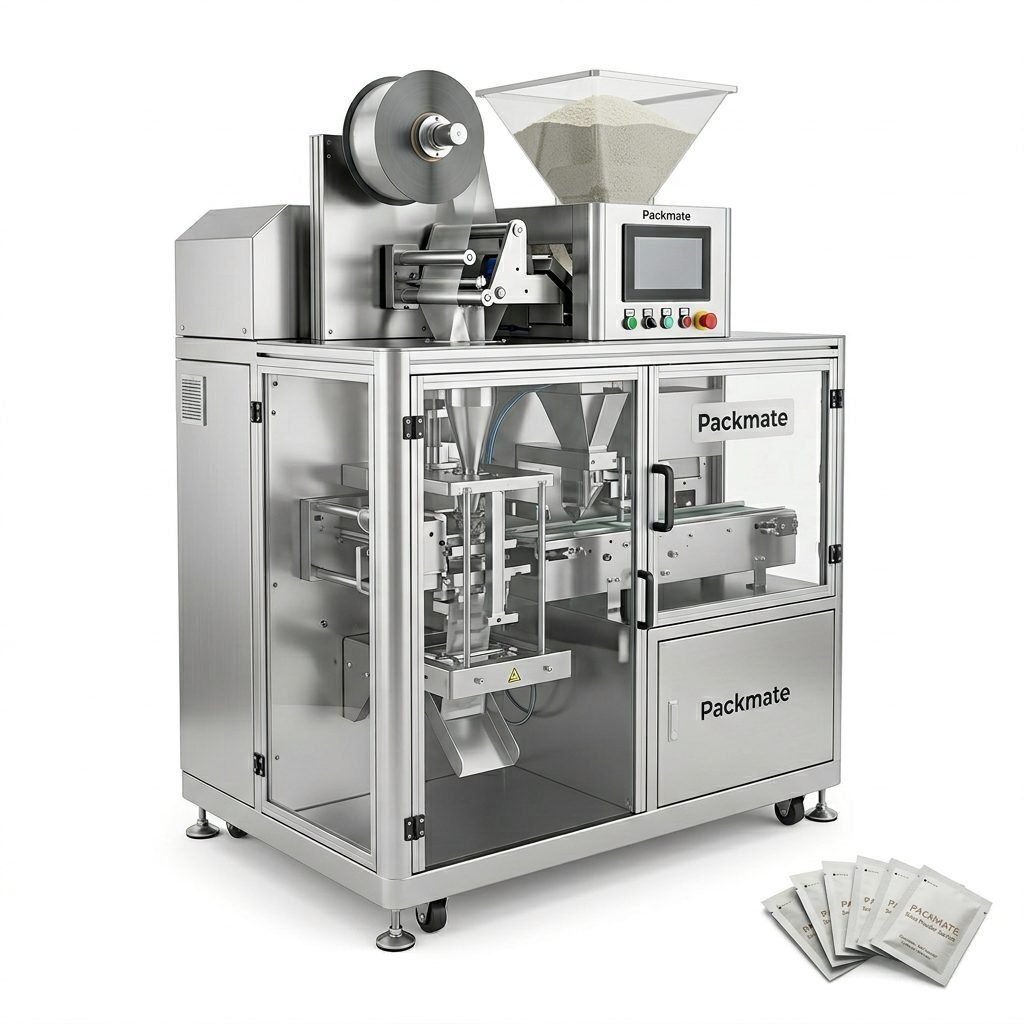
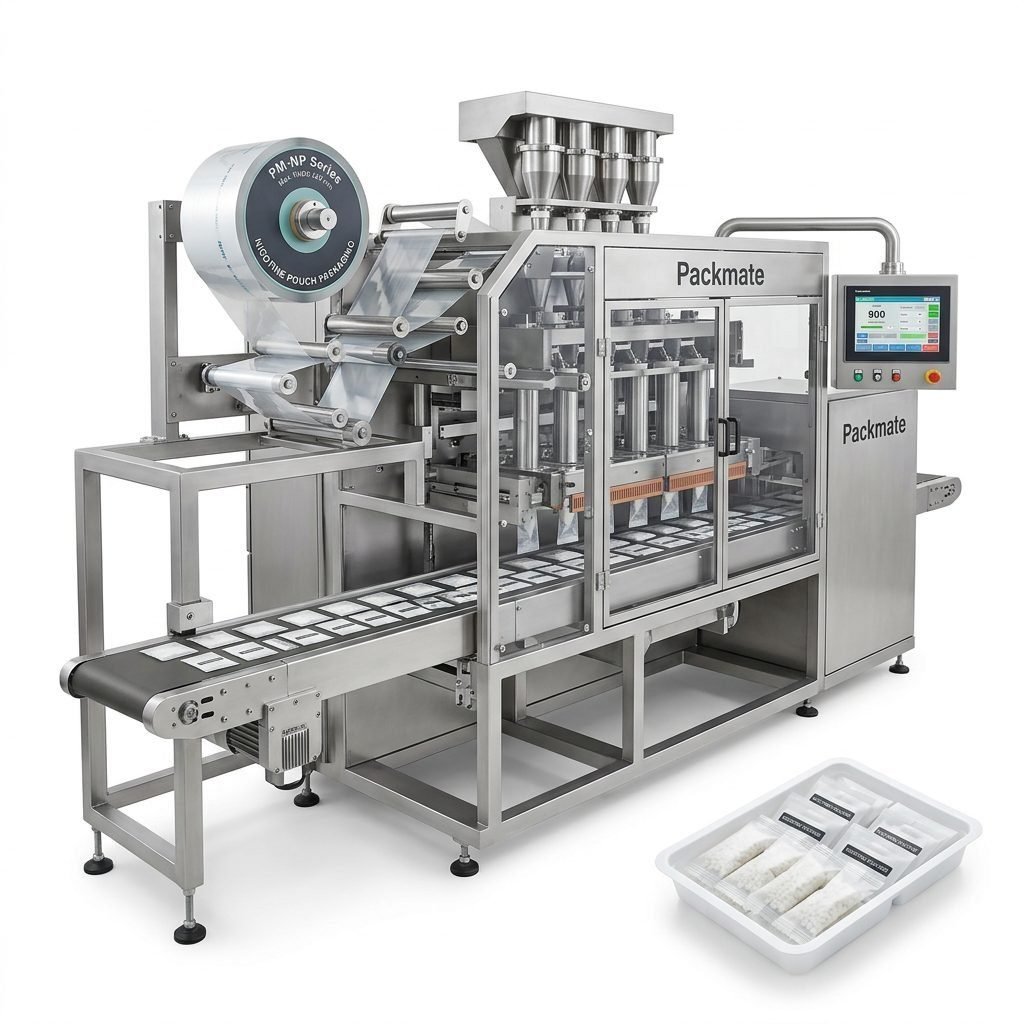
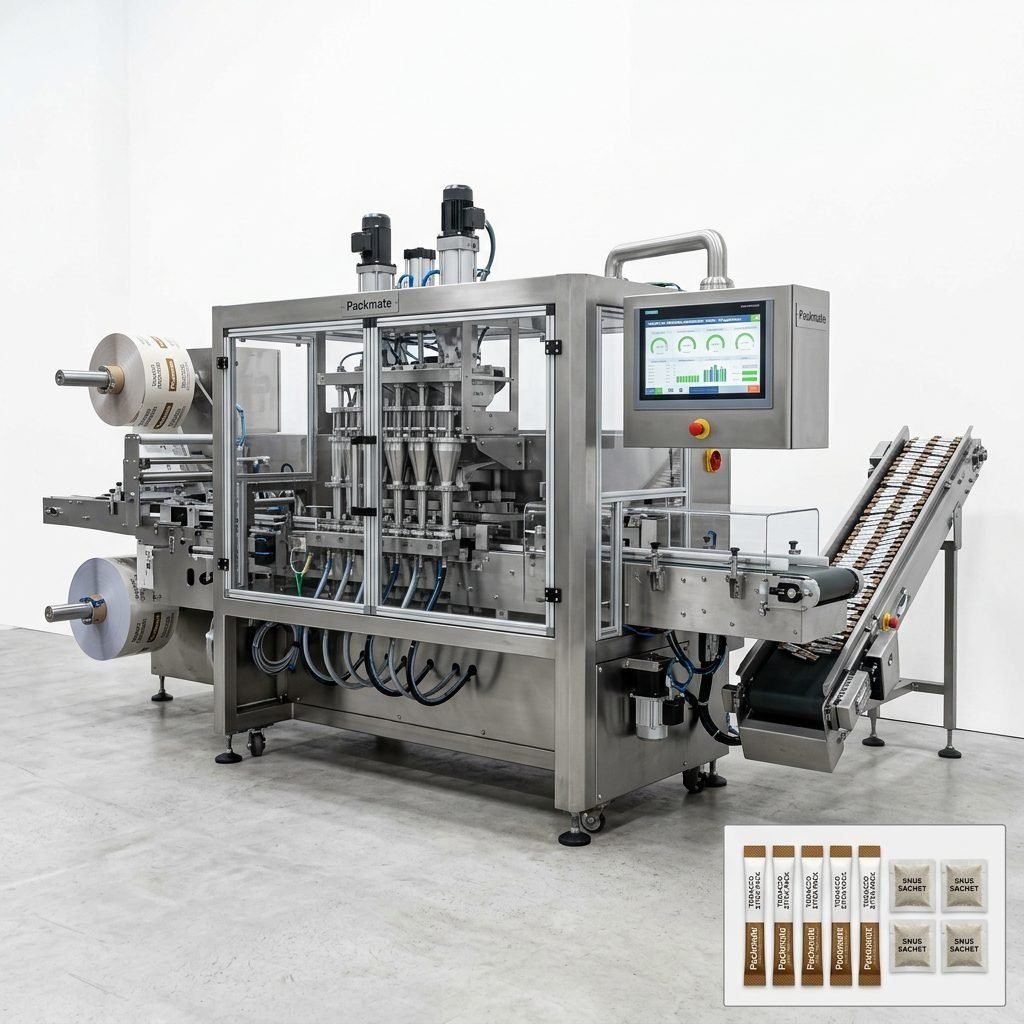
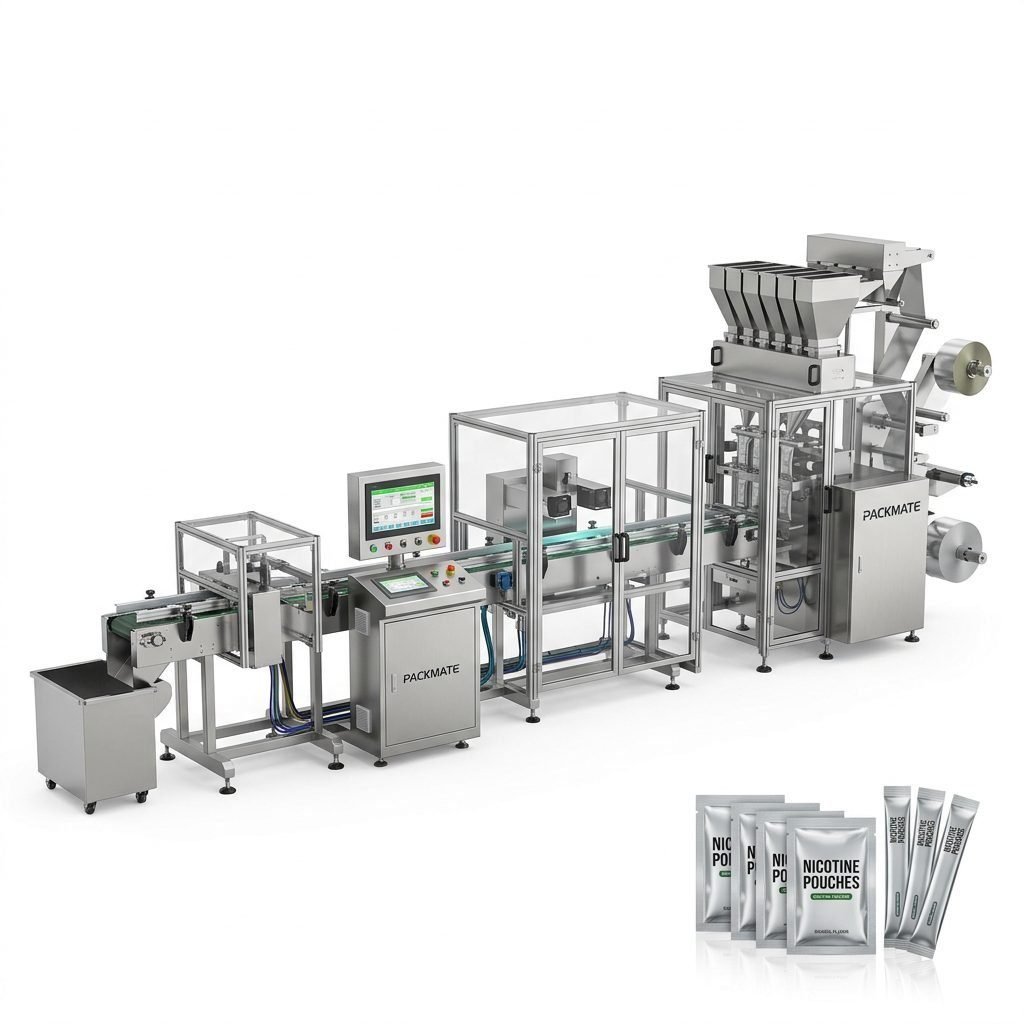
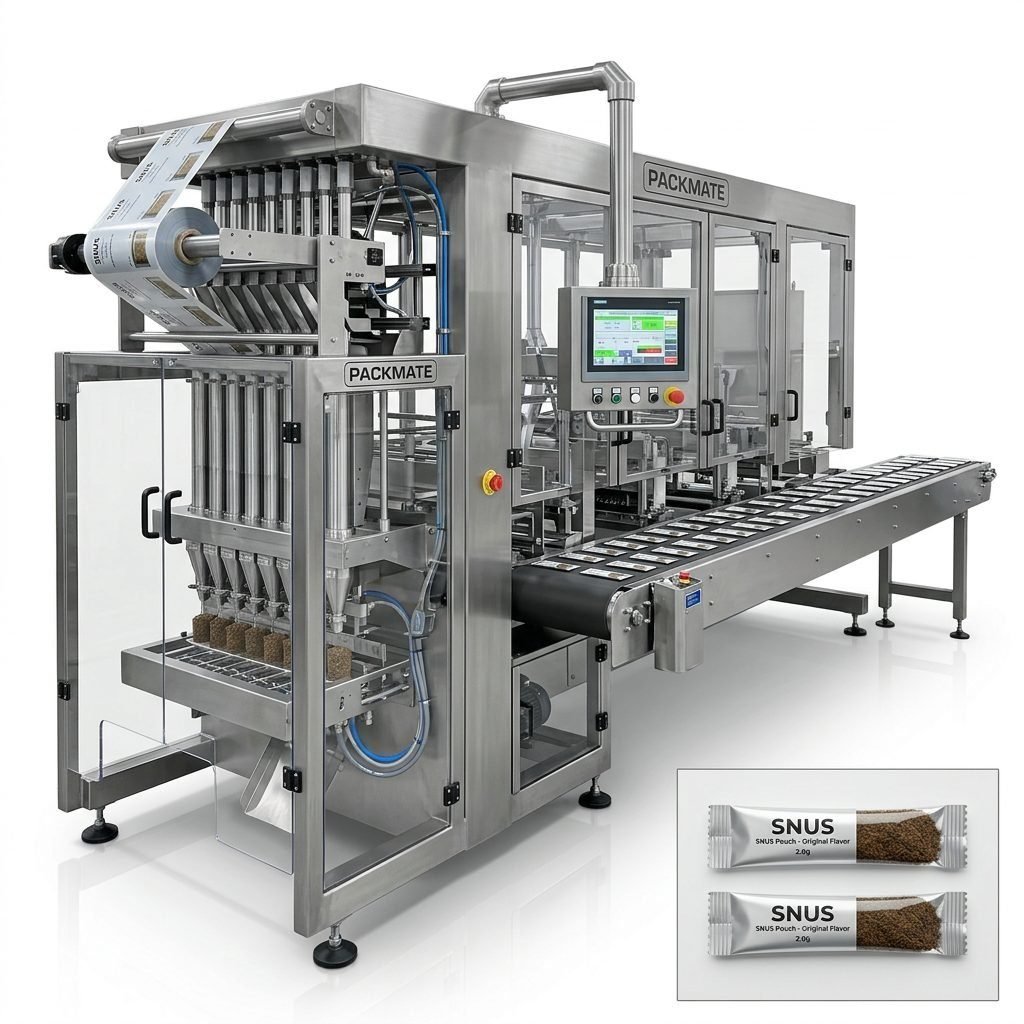
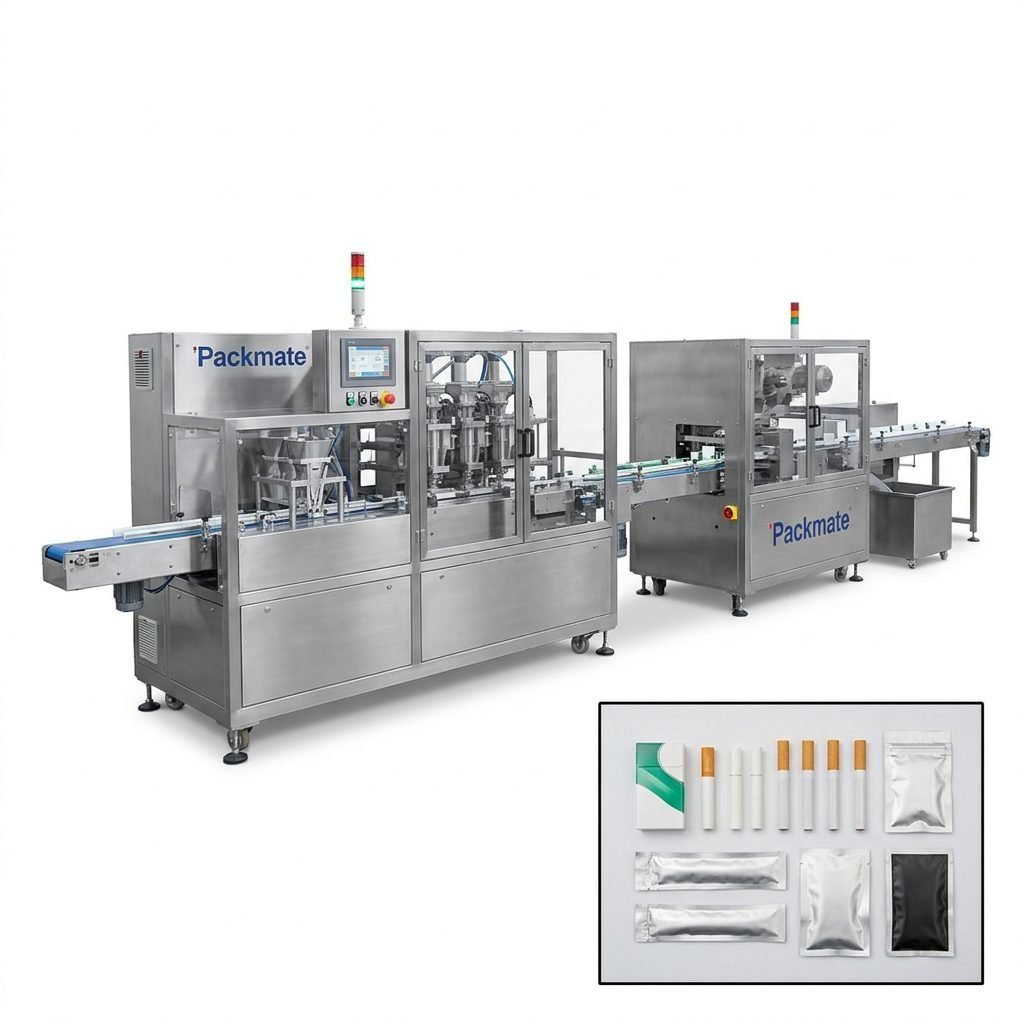
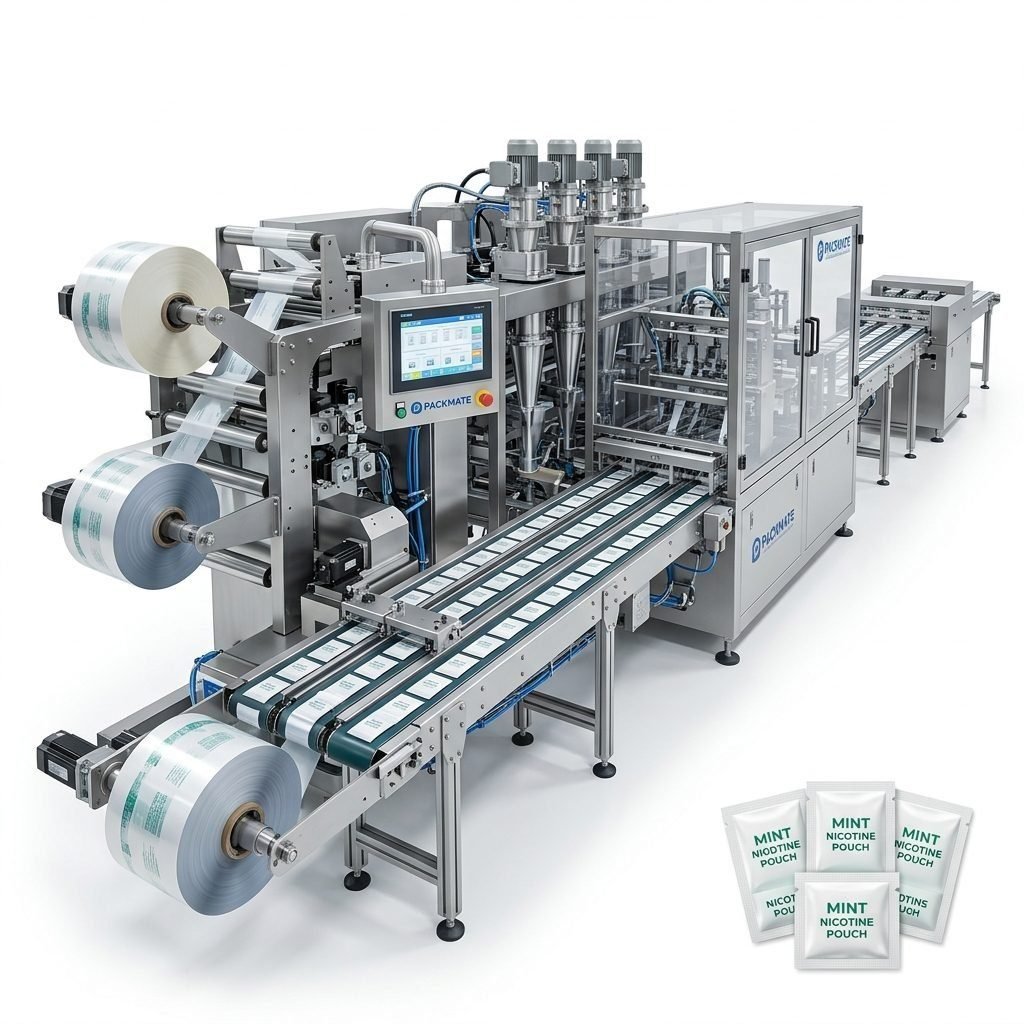
🔧 Snus & Nicotine Pouch Machines — Designed specifically for sealed pouches and small-dose snus. Ideal for producers focused on nicotine pouches. See examples and technical variations at Snus & Nicotine Packaging Machines.
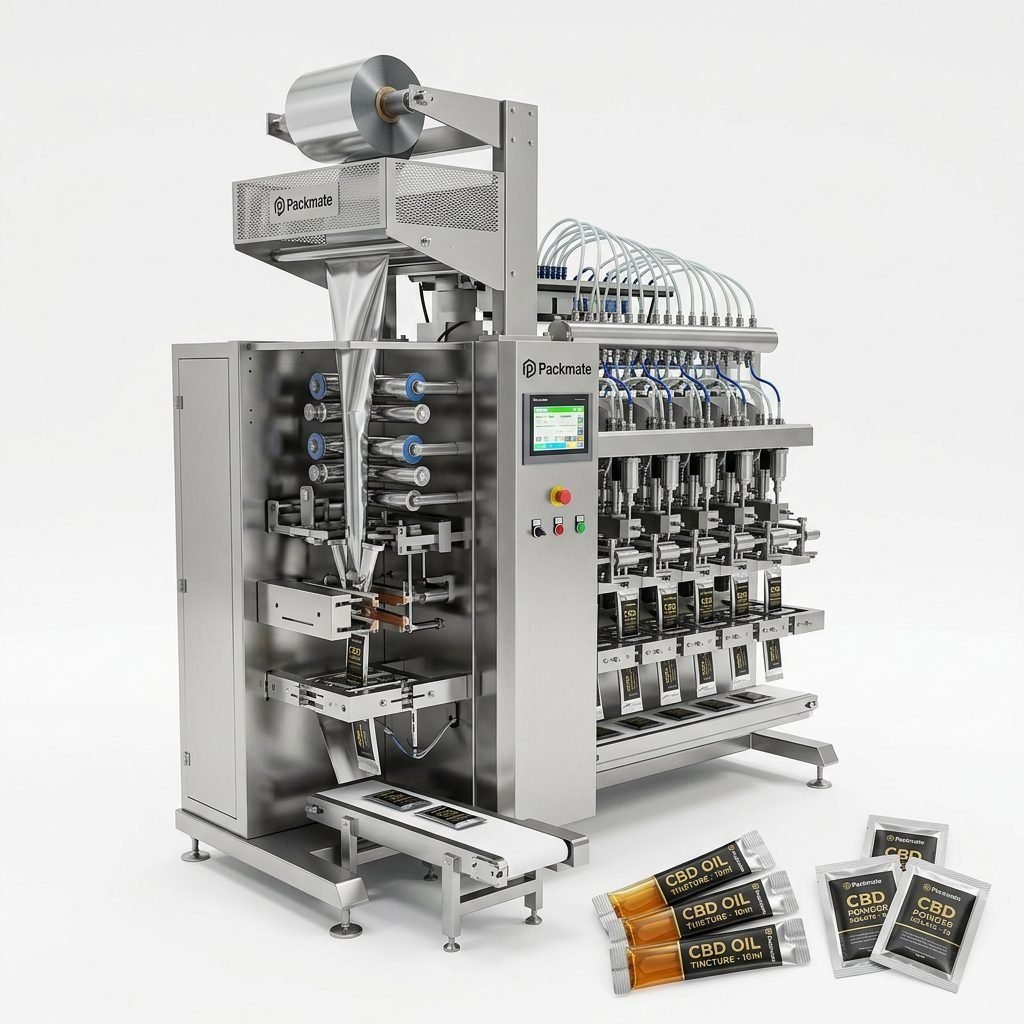
📦 Sachet & Stick Pack Machines — Good for single-serve stick formats or sachets when your product design favors elongated sticks. Explore options at Sachet & Stick Pack Machines.
🔁 Multi-lane / High-speed Lines — Choose multi-lane machines for high volume; they reduce footprint vs multiple single-lane units and improve throughput consistency.
⚠ Key point: Match the machine to the PRODUCT (powder, granular, wet blend, or pre-formed pouch). The wrong filler or sealing system can cause product waste and downtime.
Production Capacity & Scalability
Estimate realistic daily output requirements. In Afghanistan, seasonal demand spikes or export opportunities can change requirements quickly. Select machines with flexible lane counts or modular add-ons to scale from pilot runs to full production without replacing the entire line.
Technical Features to Evaluate
Use this checklist during vendor evaluation.
✓ Filling accuracy — ±0.5–2% depending on product and scale; weigh-based systems improve consistency.
✓ Sealing reliability — Ensure seal strength for local climate (dust, temperature variations) and transport.
✓ Material compatibility — Verify compatibility with laminates and barrier films used locally to meet shelf-life requirements.
✓ CIP & hygiene — For wet products or sticky blends, check clean-in-place options and ease of sanitation.
✓ PLC & HMI — Modern PLCs with multi-language HMI simplify operation; confirm local language options or plan for on-site translation.
Quality Standards & Certifications
Prioritize machines with CE and ISO compliance to ensure safety and international acceptance. Packmate, for example, emphasizes CE/ISO standards and robust testing. See the company’s certification info at Certificate.
After-sales Support, Training & Spare Parts
In Afghanistan, remote support and predictable spare parts supply are critical due to logistics challenges. Confirm the following with your supplier:
📌 Remote diagnostics — Remote troubleshooting reduces costly site visits.
📌 On-site commissioning — Confirm if the vendor provides installation and training in Afghanistan or a neighboring country.
📌 Spare parts lead time — Stock critical wear parts locally or arrange a fast shipping plan.
Vendor Reputation & Factory Visit
Inspect vendor references, automation track record, and factory capabilities. If possible, schedule a factory audit or request a video demonstration. For global suppliers like Packmate, review case studies to validate multi-lane snus solutions: Case.
Total Cost of Ownership (TCO)
Look beyond purchase price. TCO includes:
- Installation, commissioning, and training fees
- Shipping, customs, and insurance to Afghanistan
- Energy consumption and local power compatibility
- Annual maintenance, spare parts, and downtime costs
- Software updates and licensing where applicable
Finance & Payment Terms
Negotiate flexible terms: part payment at order, balance on FOB or C&F delivery. Arrange LC or escrow with trusted banks when possible. Confirm warranty start date and scope clearly in the contract.
Installation, Validation & Local Training
Plan a comprehensive commissioning plan that includes on-site testing with your actual product, operator training in local languages, and production validation across shift patterns. Consider remote follow-up sessions to reinforce skills after a month of operation.
🔍 Pre-shipment checks — Request video of machine running with similar product and ask for acceptance criteria.
🚚 Shipping & Customs — Choose experienced freight forwarders familiar with Afghan ports/air corridors and the required documentation.
Local Partnerships & Sales Channels
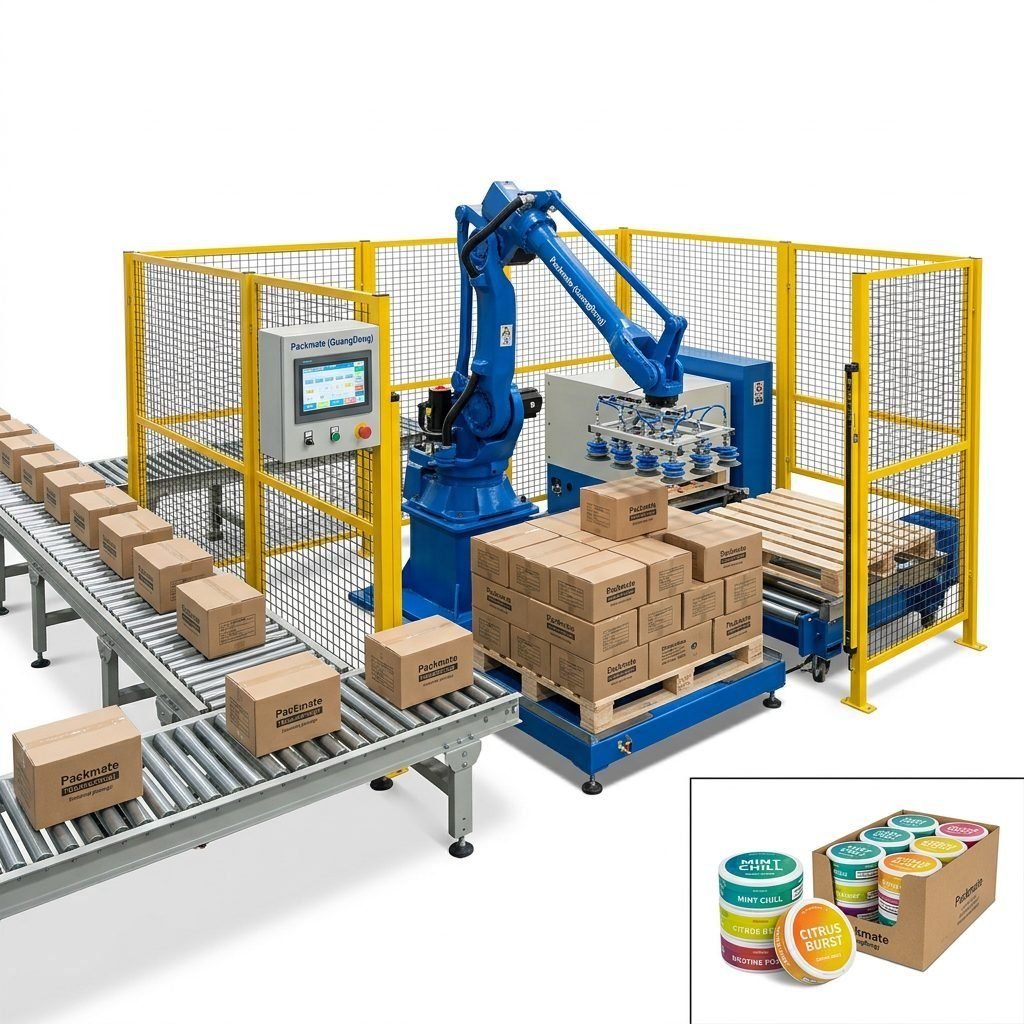
Partner with local distributors and marketing teams who understand retail channels, informal markets, and wholesale buyers. Cultural sensitivity in packaging design (language, colors, labeling) is essential for consumer acceptance. For packaging material solutions and downstream equipment, review Bag & Pouch Packaging Machines and integrated lines at Filling & Packaging Lines.
Security & Logistics
Factor in security for equipment transit and warehouse storage. Insure high-value shipments and store spare parts in secure locations to minimize theft or loss risk.
Checklist for Final Decision
✅ Production capacity matches demand forecast
✅ Spare parts & remote support guaranteed
✅ Compliance with CE/ISO and local regulations
✅ Factory verification or detailed demo provided
Why Packmate & Where to Get Help
Established with decades of engineering experience, Packmate focuses on snus and nicotine pouch solutions with multi-lane, high-precision systems. For product lines, services, and contact options, see About Packmate and Contact Us. For ongoing service, review their Service page: Service.
Practical Tips for Afghan Buyers
– Schedule machine delivery outside major religious holidays for smooth customs and local staffing.
– Negotiate spare parts kits at order time to reduce future downtime.
– Build operator training plans that respect local shift rhythms and language preferences.
– Consider modular machines that allow incremental investments as your market grows.
Conclusion
Selecting the right nicotine packaging machine for Afghanistan is about more than specs — it combines product fit, regulatory readiness, reliable after-sales support, and an understanding of local customs and logistics. Follow the checklist above, verify vendor claims with demonstrations, and secure spare parts and training to keep your line running smoothly.
Frequently Asked Questions
Q1: How long does shipping and customs typically take for packaging machines to Afghanistan?
A1: It varies by port and route — anticipate 4–12 weeks including export procedures, freight, and customs clearance. Use an experienced freight forwarder familiar with Afghan import rules.
Q2: Can I get remote support for PLC/HMI issues?
A2: Yes, many suppliers offer remote diagnostics and software support; confirm network requirements and language support during purchase.
Q3: What spare parts should I stock locally?
A3: Stock wear items like belts, sealing bars, cutters, nozzles, and main bearings. Get a recommended spare-parts list from the vendor and plan procurement with local safety stock.
Q4: Are multi-lane machines suitable for small Afghan startups?
A4: Multi-lane machines can be ideal if you expect rapid growth and limited floor space. If initial volumes are low, choose modular designs that scale with demand.
Q5: Where can I view product catalogs and technical specs?
A5: For catalogs and model overviews, check the producer’s catalog and product sections online, for example Catalog and product pages.