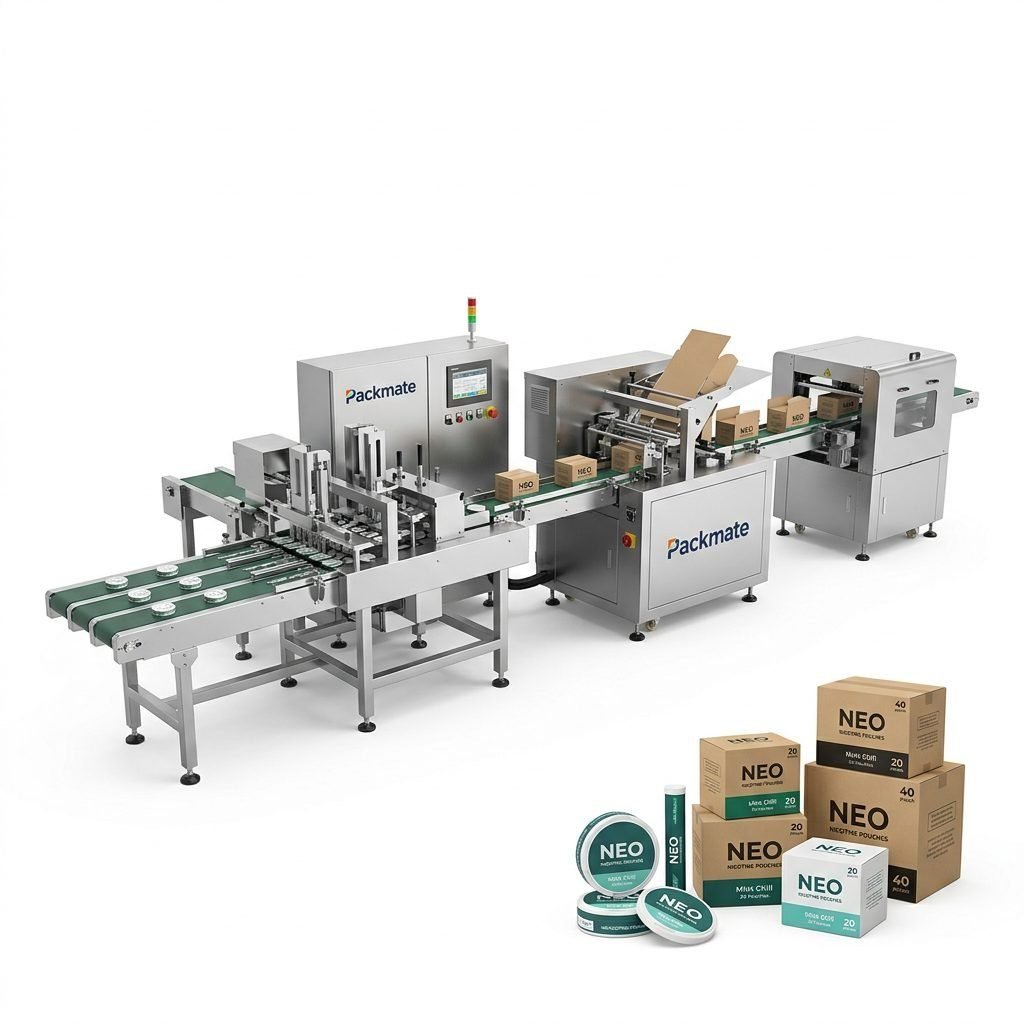
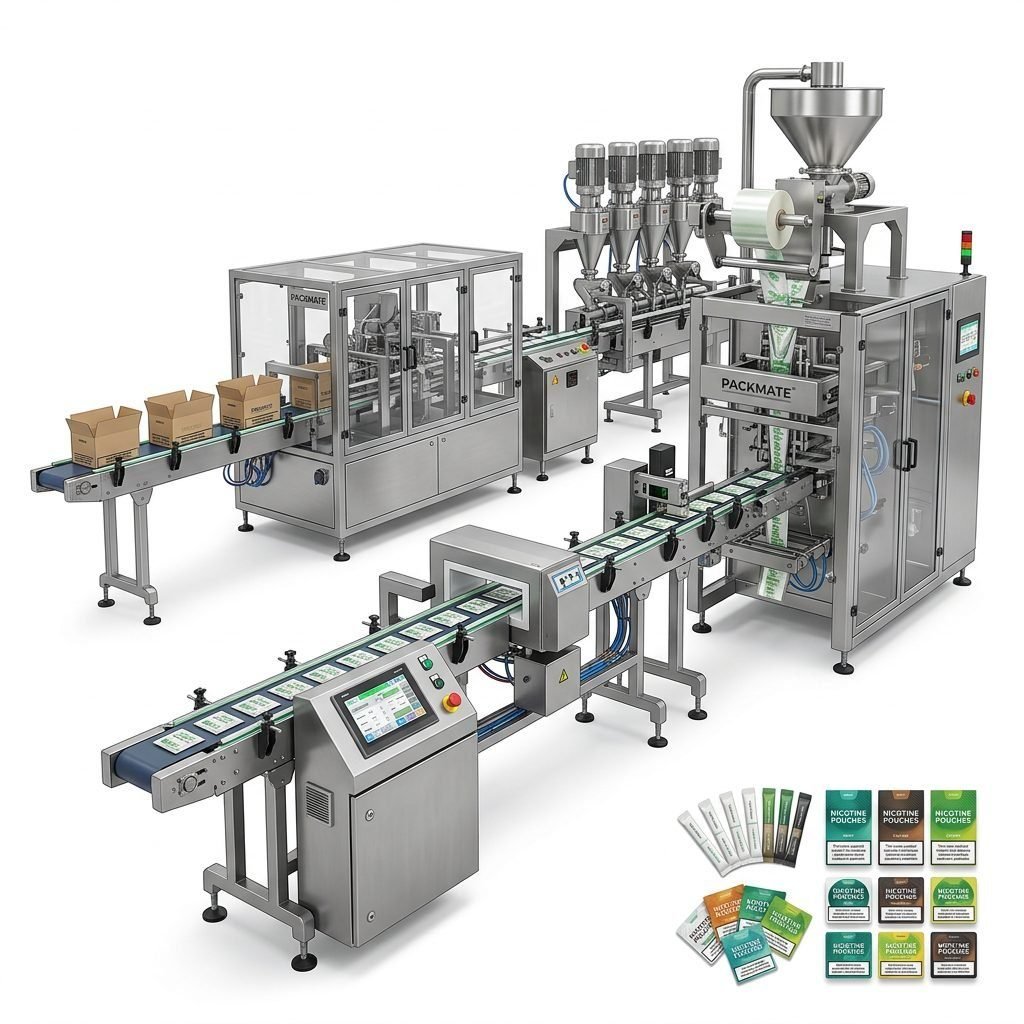
Choosing the right nicotine packaging machinery in Latvia requires a balanced focus on safety, efficiency, regulatory compliance, and long-term service. This guide walks you through the practical steps and technical considerations to help manufacturers, distributors, and plant managers select equipment that meets production targets while ensuring product integrity and operator safety.
Why the right packaging machine matters for nicotine products
Nicotine pouches and snus require precise dosing, hygienic handling, and secure seals. Poorly chosen machinery can lead to inconsistent weight, broken seals, contamination, and regulatory risk. Investing in the correct equipment reduces waste, improves shelf life, and protects your brand reputation.
Key production goals to define first
Before evaluating suppliers, clarify your targets: target throughput (pouches per minute), pouch format (loose snus, nicotine pouch, sachet, stick pack), multi-lane requirements, labeling and traceability needs, and hygiene/cleaning cycles. These parameters drive the choice between single-lane, multi-lane, and fully automated lines.
✅ Key tip: Define your target daily output and preferred pouch formats before comparing machines — this narrows options and clarifies ROI calculations.
Regulatory and safety considerations in Latvia and the EU
Nicotine-containing products are subject to strict safety and labeling rules across the EU. Ensure machinery and processes support compliance with CE marking, ISO standards, and local Latvian regulations for nicotine product production, including hygienic design, traceability, and operator safety. Choose machines with easy-to-clean surfaces, enclosed product paths, and electronic batch traceability.
Types of nicotine packaging machines and when to choose them
Snus & nicotine pouch machines
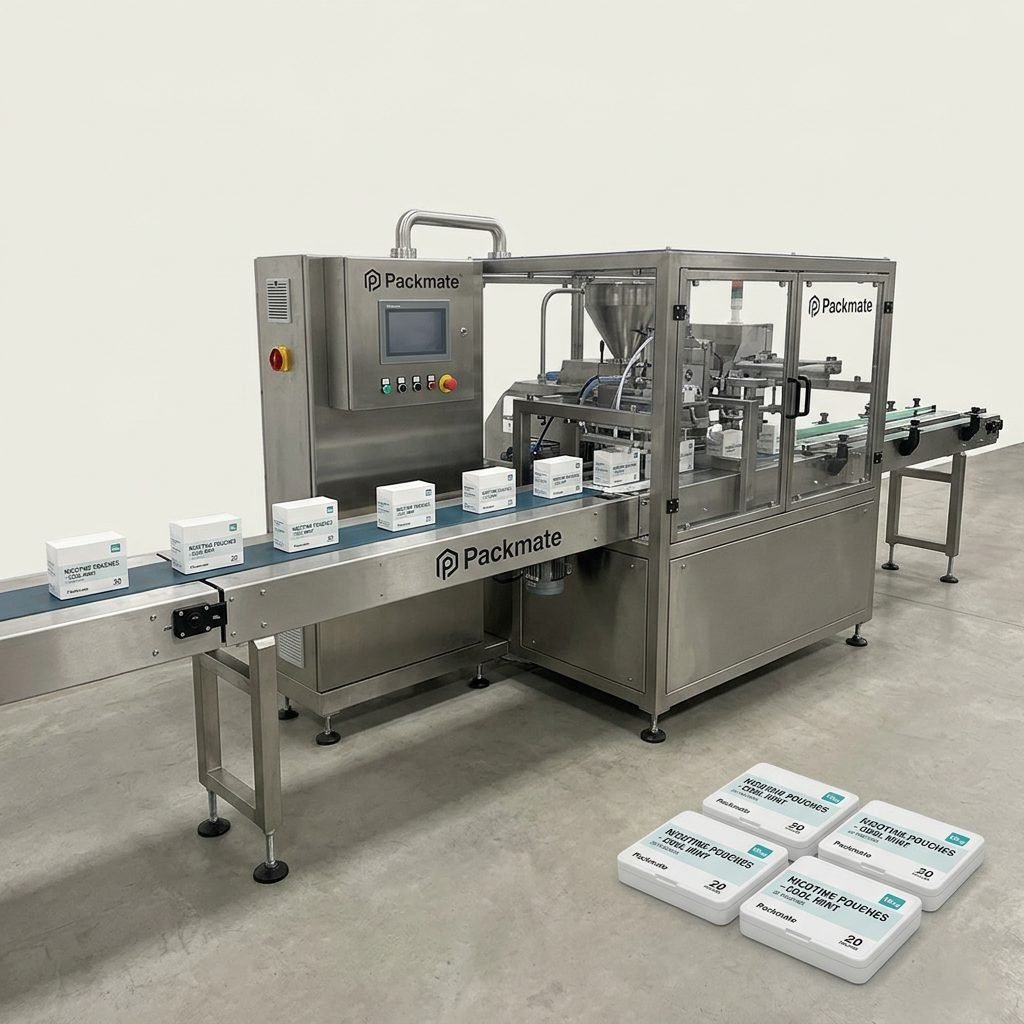
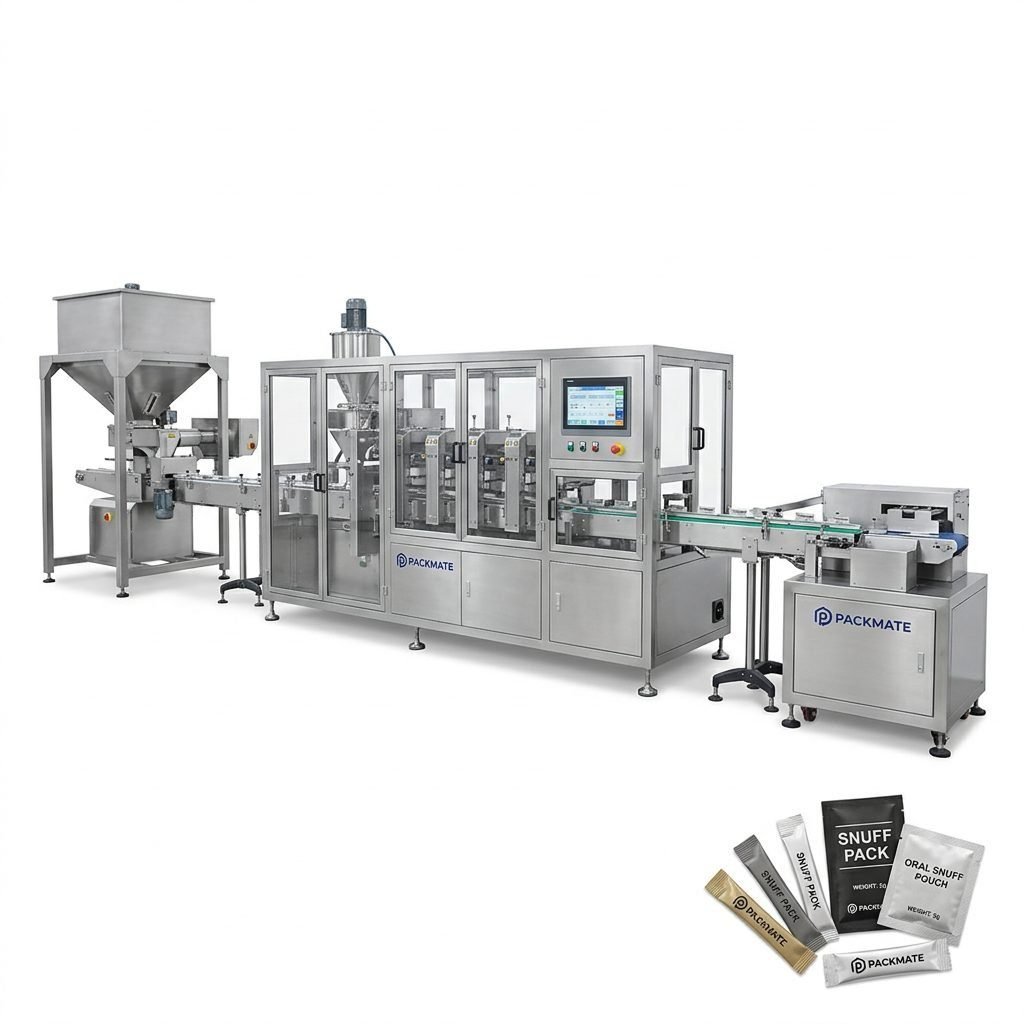
These are specialized for small-dose pouches with high-precision dosing, typically available in single or multi-lane configurations. Ideal for established brands scaling production because they offer excellent dosing accuracy and stability. For product-specific solutions, explore Snus & Nicotine Packaging Machines.
Sachet and stick pack machines
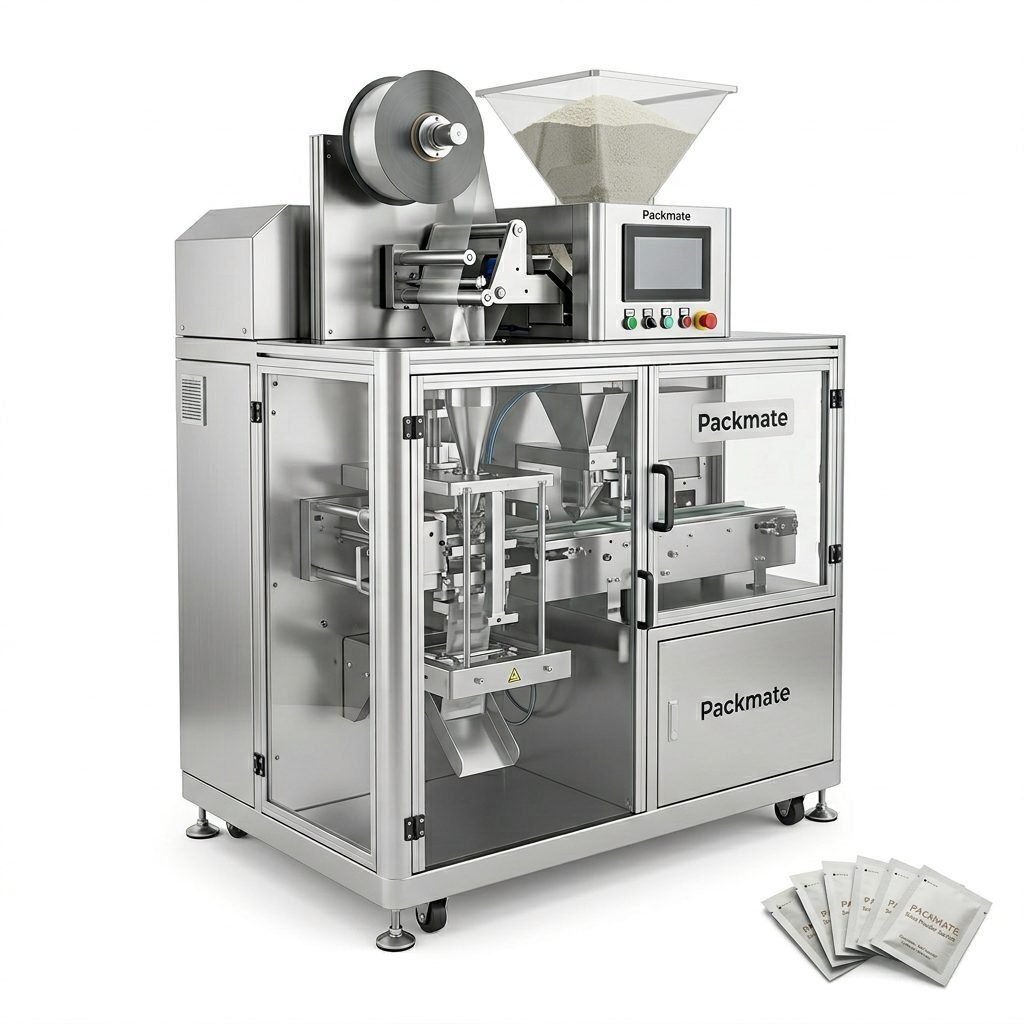
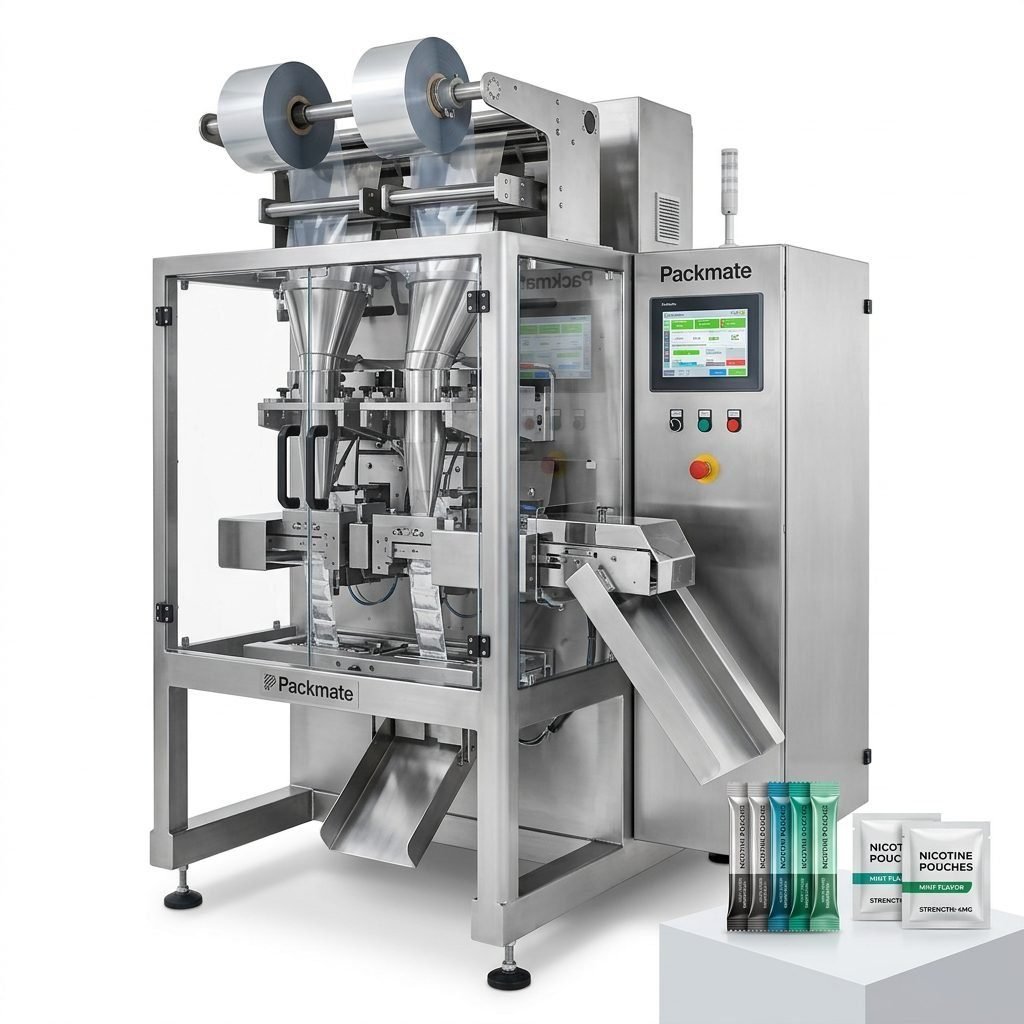
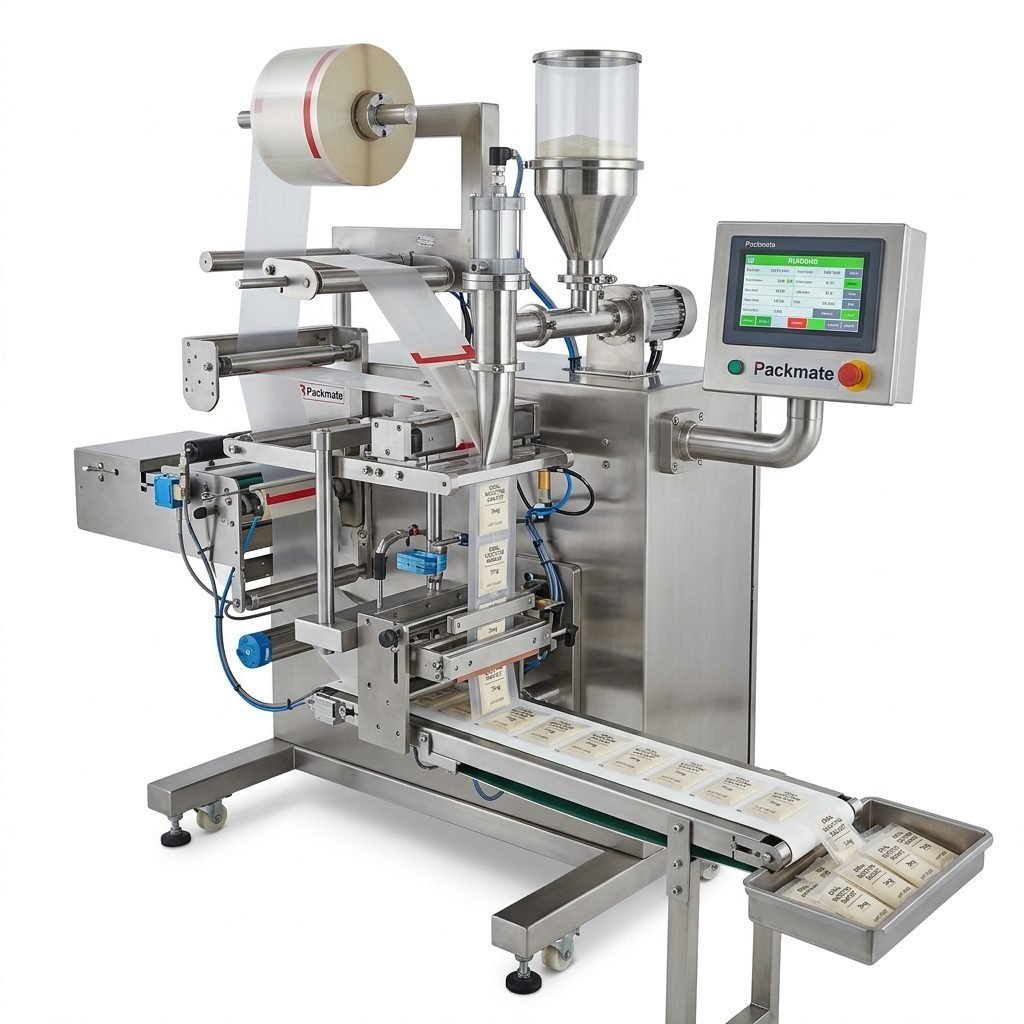
If you need sachets or stick packs for single-dose nicotine products, these machines offer different sealing styles and filling methods. They can be more cost-effective for certain formats and faster for specific single-dose products; see Sachet & Stick Pack Machines for examples.
Multi-lane and high-speed lines
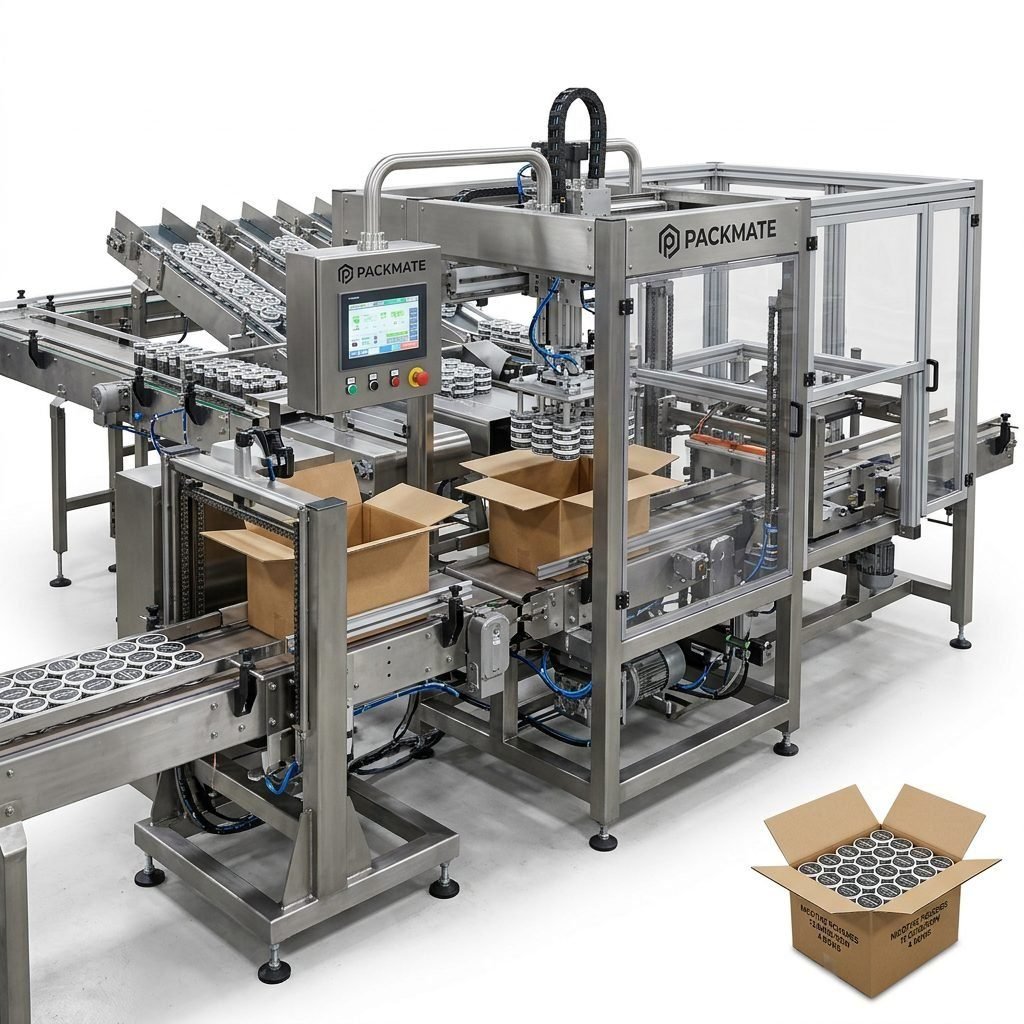
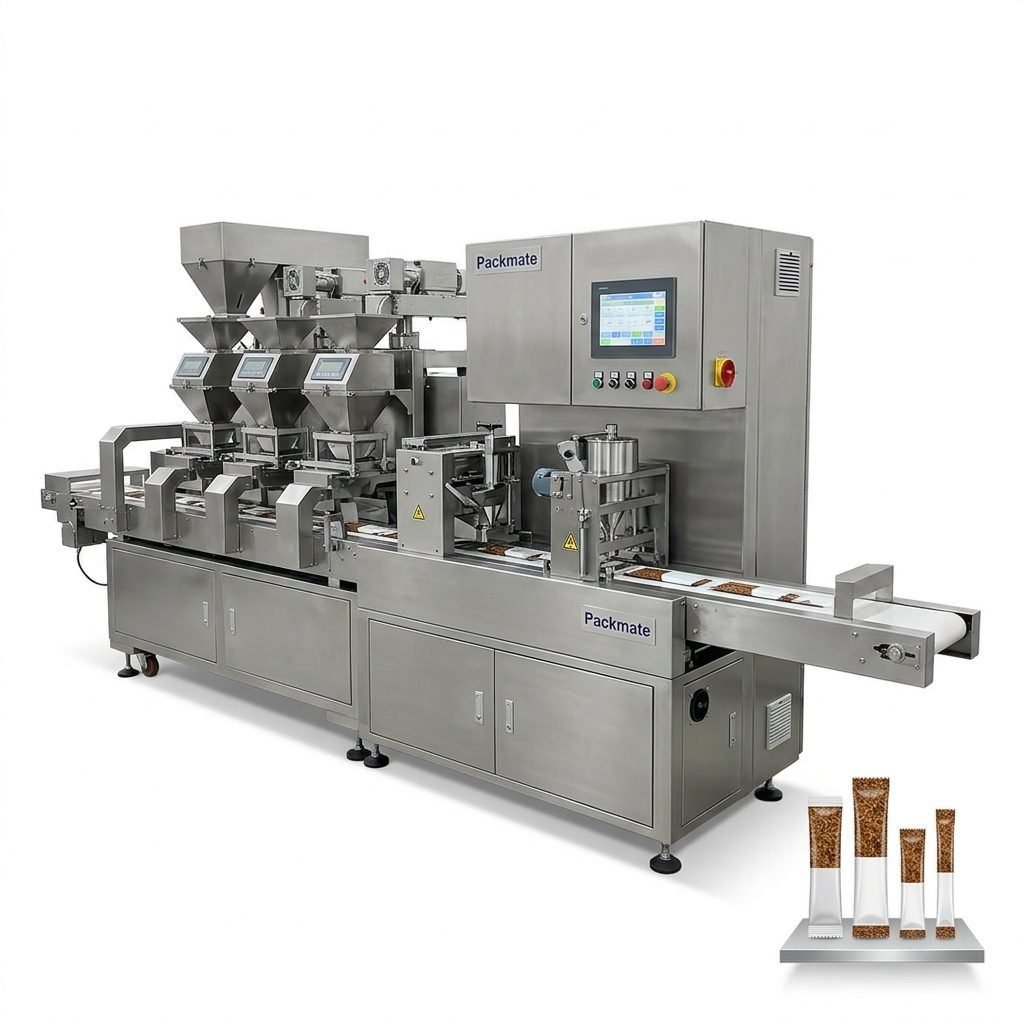
Multi-lane systems multiply output without proportionally increasing floor space. Choose multi-lane lines if you need tens of thousands of pouches per hour. These systems require precise synchronization and robust control systems to maintain accuracy across lanes.
⚙️ Technical focus: For nicotine pouches, dosing accuracy, lane balance, and sealing integrity are the three most critical performance metrics.
Essential technical specifications to compare
When evaluating machines, request detailed specifications and test runs. The principal items to compare include:
- Nominal and tested throughput (pouches/min) under realistic conditions
- Dosing accuracy (± mg) and how it’s measured
- Number of lanes and flexibility to reconfigure lanes
- Type of control system (PLC, HMI) and available automation options
- Material compatibility: stainless steel grades, contact surfaces, and cleanability
- Changeover time between formats and tooling cost
- Integration capability with weighing, feeding, labeling, and cartoning lines
Electronics and control systems
Modern servo-driven systems offer tighter control, faster changeovers, and better diagnostics. Confirm that the machine uses reputable PLC/HMI brands and offers remote diagnostics and recipe storage for quick format switching.
Assessing suppliers: what to look for
Supplier selection is as important as machine selection. Evaluate manufacturers on the basis of:
Manufacturing strength and experience
Proven experience in snus and nicotine pouch machines is crucial. A supplier with decades of experience and a well-equipped factory is better positioned to deliver consistent quality. For reference, Packmate Snus Machine highlights 30+ years of engineering experience and a 20,000㎡ facility — useful context when evaluating capabilities. Learn more About Packmate.
Certifications and compliance
Confirm CE and ISO compliance. Inspect certificates and request third-party test reports if available. A certified manufacturer reduces your risk during regulatory inspections; see Certificate for additional assurance.
References and real-world cases
Ask for case studies and references, ideally from Europe. Real production videos and client testimonials demonstrate performance under load — review Case pages to evaluate actual installations and results.
📌 Buying checklist: factory tour availability, sample test runs, spare parts lead times, warranty terms, and training offerings.
Service, installation and after-sales support
Even the best machines require proper installation, commissioning, and ongoing service. Confirm the supplier offers:
- On-site commissioning and operator training
- Remote diagnostics and software updates
- Spare parts availability and typical lead times
- Preventive maintenance contracts and local service partnerships
A strong after-sales structure in or near Latvia will minimize downtime. If the manufacturer does not have local presence, ensure they provide rapid remote support and clearly defined parts shipping times. For contact details and service inquiries, see Contact Us.
Customization and turnkey packaging lines
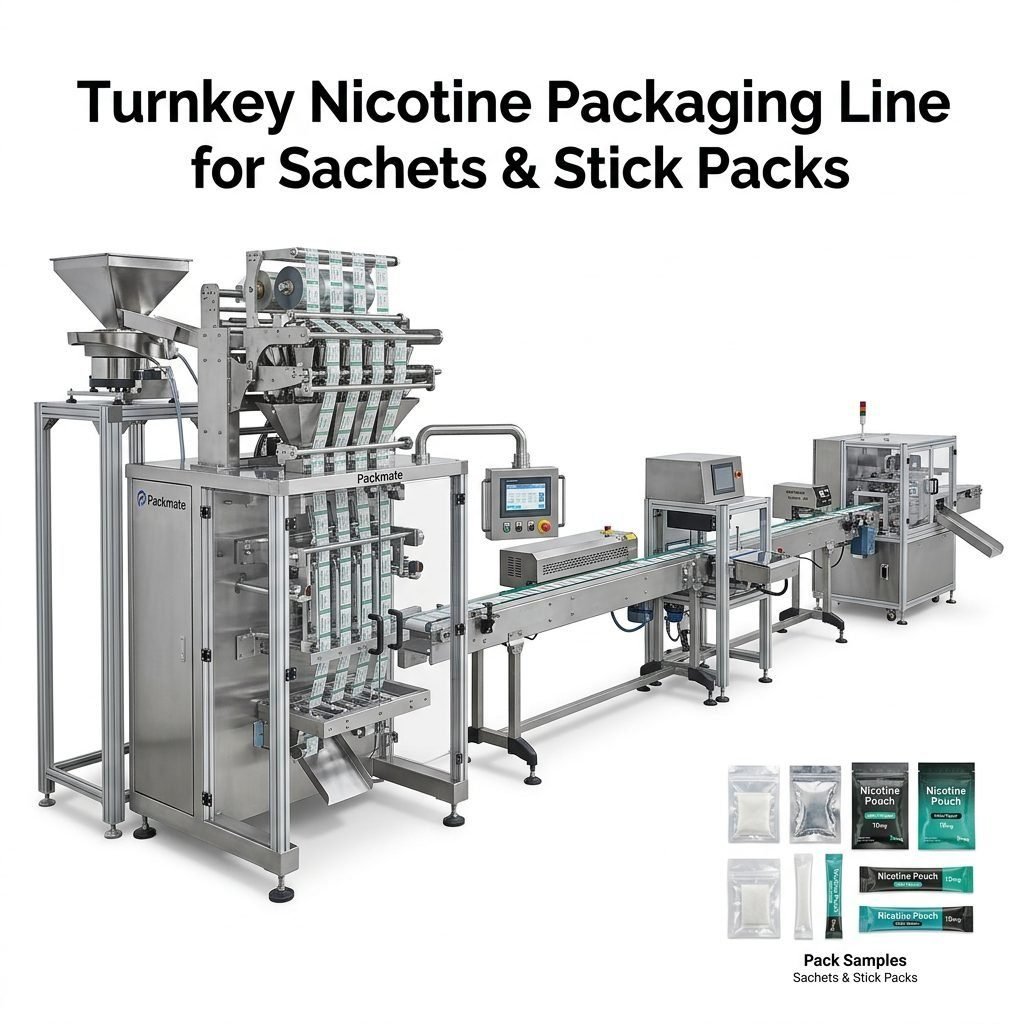
Many nicotine producers require tailored solutions: integrated feeding, multi-head weighing, individual lane adjustments, labeling, and end-of-line cartoning. A manufacturer that provides turnkey solutions and system integration saves time and avoids compatibility issues. Explore Filling & Packaging Lines and Weighing & Packaging Systems for integrated components.
🔧 Note: Turnkey projects require detailed project management — include FAT (Factory Acceptance Test) and SAT (Site Acceptance Test) clauses in contracts.
Cost, ROI and total cost of ownership
Purchase price is only part of the equation. Calculate total cost of ownership including installation, spare parts, energy consumption, training, and downtime risk. Higher initial cost for robust, efficient machines often pays back quickly through reduced waste and higher uptime.
ROI example factors
Speed improvement, yield increase, reduced manual rework, and labor savings are typical ROI drivers. Request test runs on your actual product to verify performance claims.
Operational best practices for nicotine packaging lines
To maximize machine life and product quality:
- Document SOPs for cleaning, changeovers, and daily checks
- Train operators on hygiene and machine-specific safety procedures
- Schedule preventive maintenance and keep a minimal spare parts stock
- Use validated raw material feeds and maintain supplier quality agreements
Traceability and record keeping
Implement batch coding and digital records from the outset. Machines with built-in traceability modules simplify regulatory reporting and recall management.
📞 Support reminder: Verify the supplier’s spare parts and service response times for Latvia before purchase — fast support reduces costly stoppages.
How to finalize the purchase: checklist and contracting tips
Use this practical checklist when you’re ready to buy:
- Confirm tested throughput with your product samples
- Include FAT and SAT clauses with acceptance criteria
- Specify training days and spare parts kit in the contract
- Agree warranty terms and performance guarantees
- Plan logistics and customs for import into Latvia, including documentation
If you need a reliable supplier with deep experience in snus and nicotine pouch equipment, review the product range such as Bag & Pouch Packaging Machines and consult the manufacturer’s About Packmate and Service pages for detailed support options.
Real-world validation: request these demos
Before committing, request:
- Live demo with your product or a validated proxy
- Video of the machine running at target speed
- Sample pouches from a full production run for QA testing
- Reference visits to existing installations where possible
Verified performance under real conditions reduces the risk of surprises during ramp-up and supports faster ROI.
🌍 Local tip: Consider partnering with European integrators or suppliers who already ship and support equipment in the EU to simplify customs and technical support.
Useful links and next steps
For detailed product lines and support services, review the manufacturer’s product pages and case studies:
• Snus & Nicotine Packaging Machines
• Case studies and installations
• About Packmate
• Contact Us
Final recommendations
Prioritize machines that demonstrate real-world performance with your product, provide robust after-sales support, and comply with EU safety and hygiene standards. Supplier experience in nicotine pouch manufacturing, proven multi-lane solutions, and clear maintenance plans will safeguard production continuity and product quality.
Frequently Asked Questions
Q1: How do I verify dosing accuracy before purchase?
A: Request a Factory Acceptance Test (FAT) with your product samples and documented weight data. Check the machine’s dosing tolerance and request several consecutive production cycles.
Q2: What level of local support should I expect in Latvia?
A: Ideally, the supplier should offer remote diagnostics, local service partners, or a guaranteed on-site response time. Confirm spare parts lead times and local stocking options.
Q3: Are multi-lane machines always the best choice for scaling?
A: Multi-lane systems are space-efficient for high-volume production but require precise synchronization and higher initial capital. Compare total throughput, changeover complexity, and ROI.
Q4: What should be included in the warranty and service contract?
A: Include spare parts kits, response time SLAs, software updates, training days, and clear acceptance criteria for performance.
Q5: How important are certifications like CE and ISO for nicotine packaging machines?
A: Certifications demonstrate compliance with safety and quality standards. Ensure certificates are current and request copies during supplier evaluation.