For manufacturers in Croatia exploring the snus and nicotine pouch market, choosing the right packaging machine is a critical step that affects product quality, regulatory compliance, and profitability. This guide walks Croatian manufacturers through the most important technical, regulatory, and commercial considerations when selecting a snus packaging machine so you can make an informed purchasing decision.
Why Choosing the Right Snus Packaging Machine Matters in Croatia
Croatia is an EU member state and follows EU rules on tobacco and related products. Traditional snus containing tobacco is generally restricted in EU markets (with Sweden as an exception), while tobacco-free nicotine pouches often face different regulatory treatment. For manufacturers aiming at the Croatian market or for exports from Croatia, machine selection must balance production flexibility, compliance-ready labeling, and the ability to manufacture products that meet local consumer preferences—discreet single-dose pouches, high-precision dosing, and compact retail-ready packaging are common Croatian and broader Central European preferences.
Key Technical Features to Look For
✅ Filling Accuracy: For nicotine pouches, small dose accuracy is essential. Look for machines with precision dosing systems and repeatable weight control to minimize product giveaway and ensure consistent consumer experience.
🔧 Format Flexibility: Choose a platform that supports multiple pouch sizes and formats (round, oval, rectangular sachets, stick packs) so you can adapt to changing market demands without large capital reinvestment.
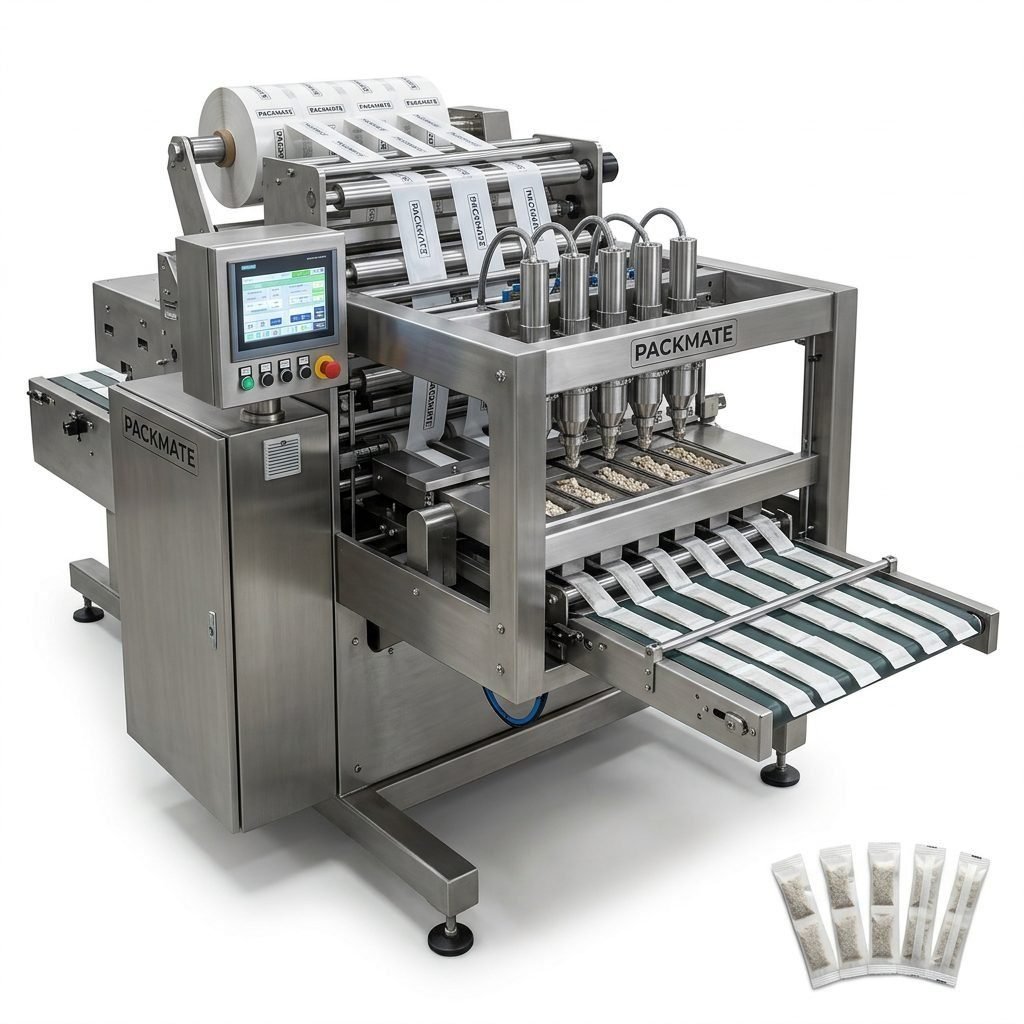
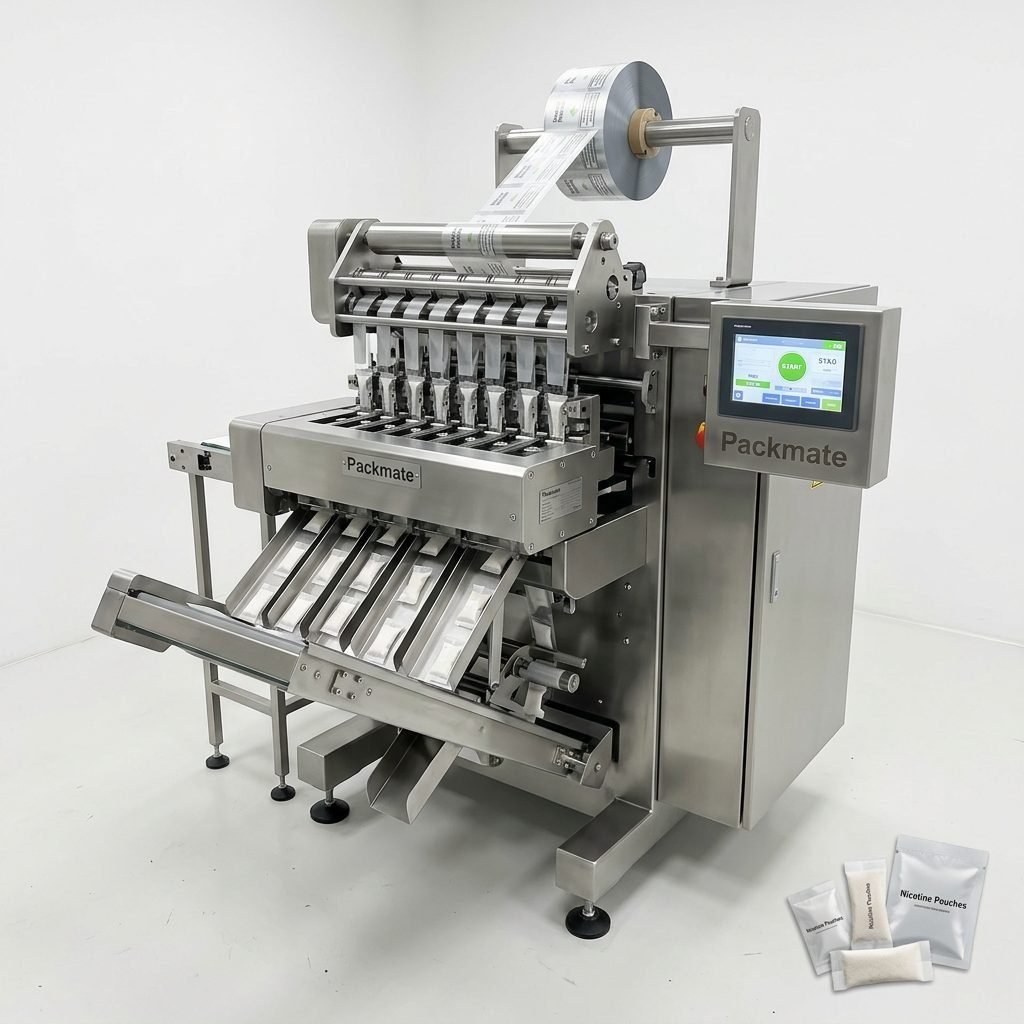
⚙️ Multi-lane and Throughput Options: Multi-lane machines are ideal for small-dose, high-volume production. Evaluate lanes, speed (pouches/min), and whether lane independence is available for easier changeovers.
Machine Type: Sachet, Stick Pack or Multi-Lane Nicotine Pouch Systems
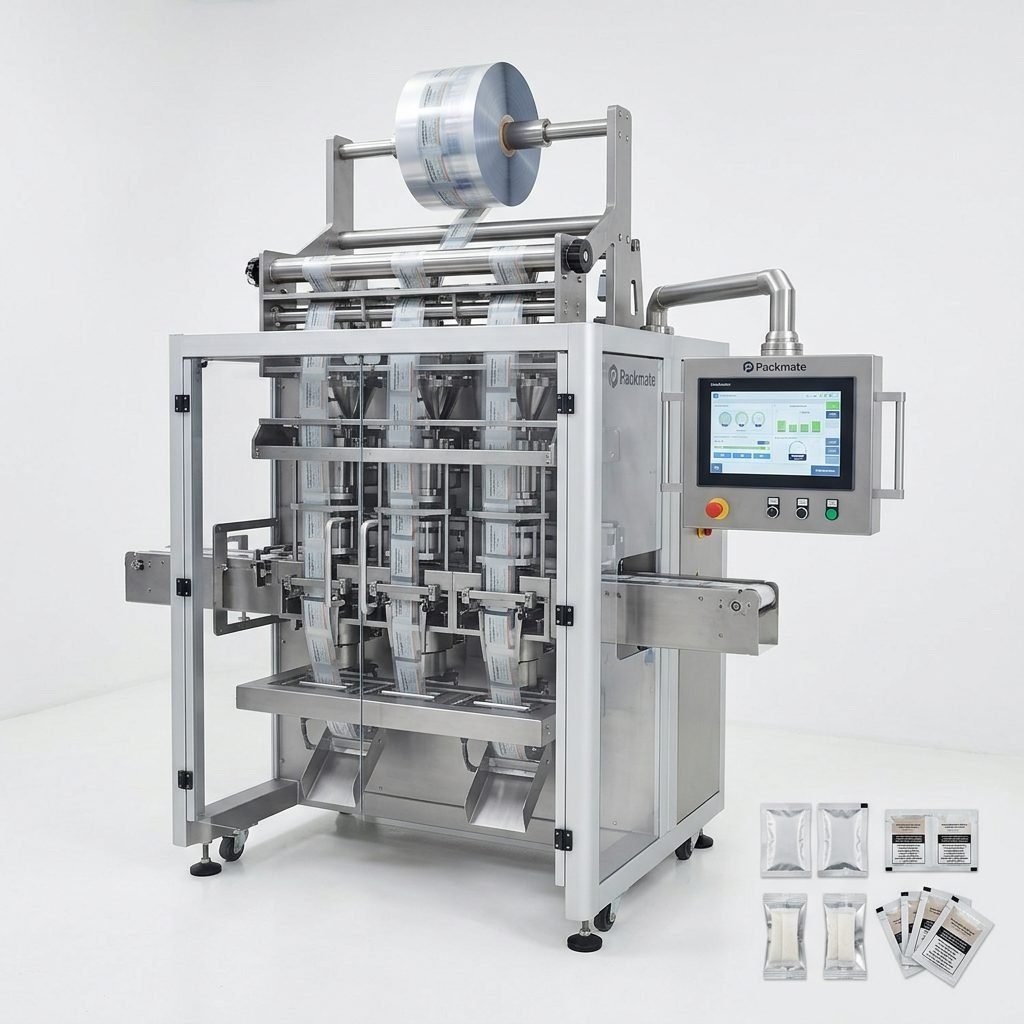
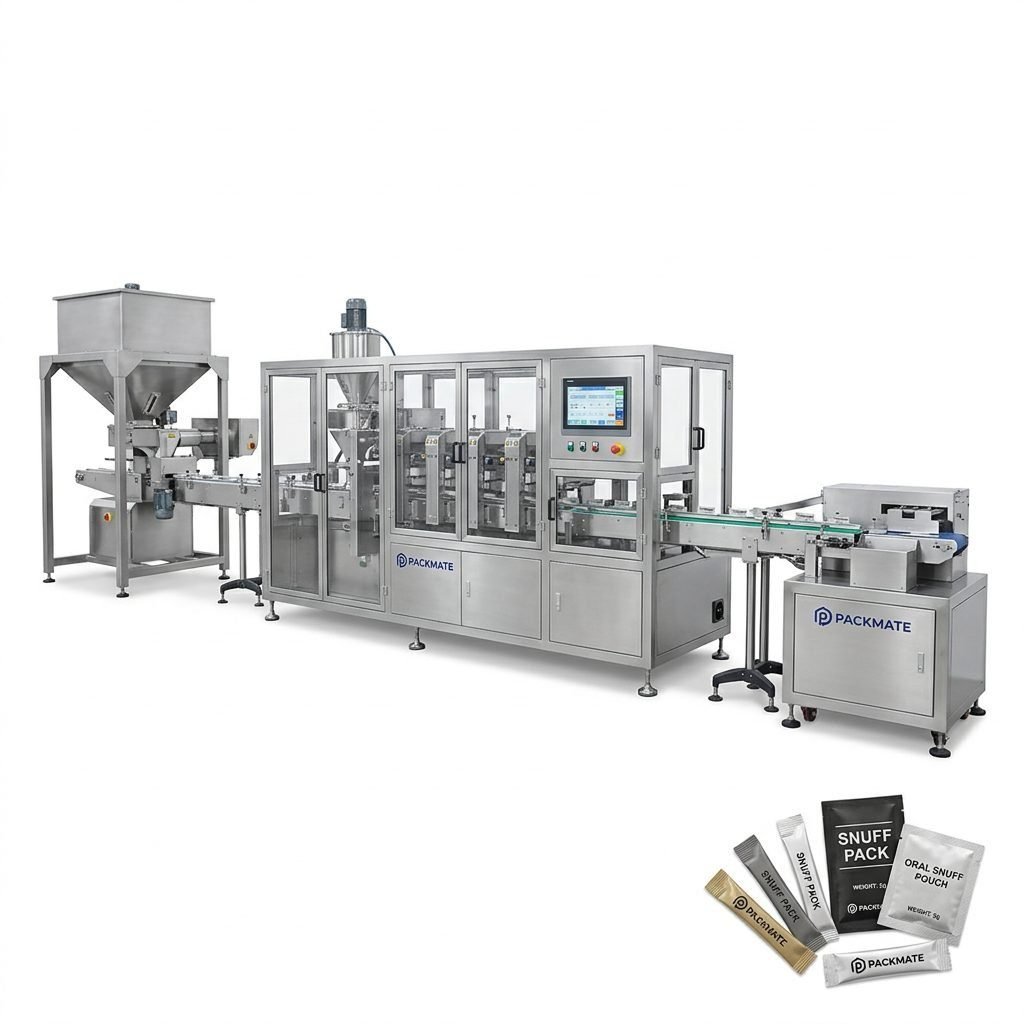
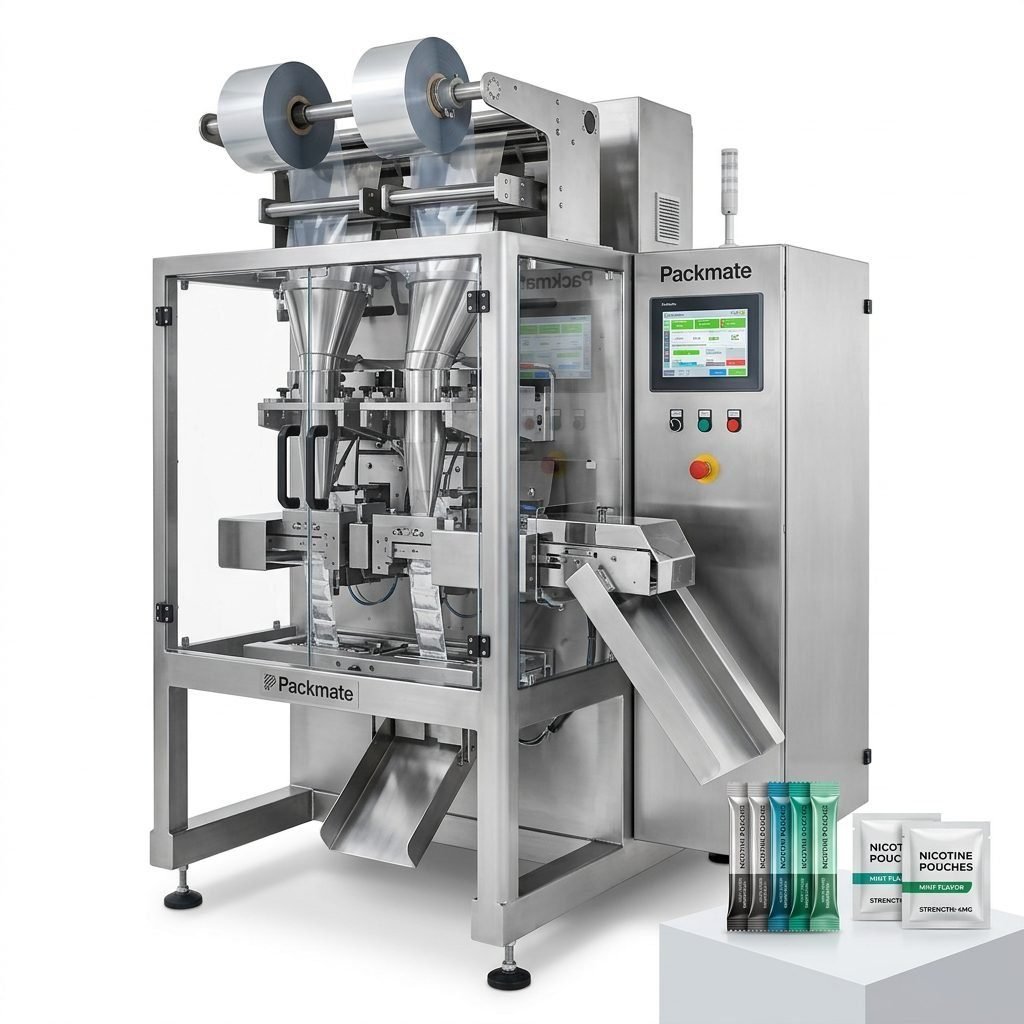
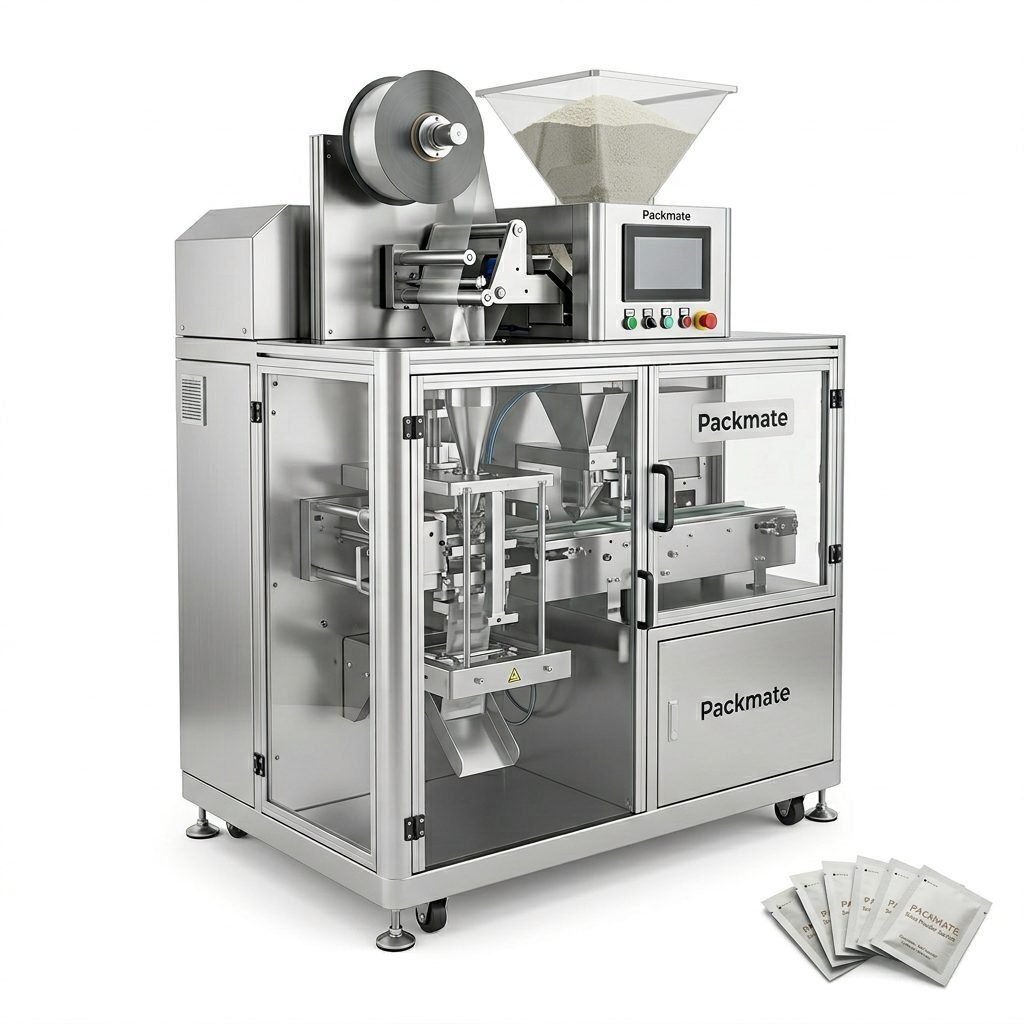
Different formats require different machines. Sachet and stick pack machines are popular for single-use nicotine pouches and discreet consumption. For manufacturers seeking high output from compact footprints, multi-lane systems allow multiple lanes of pouches to be produced simultaneously, significantly improving throughput without a proportional increase in floor space.
Production Capacity, Uptime and Maintenance
Estimate required daily and monthly output and select a machine whose rated capacity meets or slightly exceeds your peak demand. Reliability and easy maintenance are paramount—machines that minimize downtime, support quick changeovers, and provide modular spare parts reduce total cost of ownership. Ask about mean time between failures (MTBF) and the availability of spare parts within the EU.
Materials, Compatibility and Hygiene
Material Compatibility: Ensure the machine can handle the exact product formulation—powder, granular tobacco, moisture-controlled pouches or resin/film packaging. Some machines offer interchangeable heads to handle different substrates.
Hygiene & Cleanability: Stainless-steel contact points, tool-less disassembly, and easy-to-access components help meet food/pharmaceutical hygiene standards and speed cleaning between production runs.
Regulatory Compliance: Look for CE and ISO compliance documentation, especially if you export from Croatia to other EU states. Machines certified to international standards simplify validation and market entry.
Automation, Controls and Data Integration
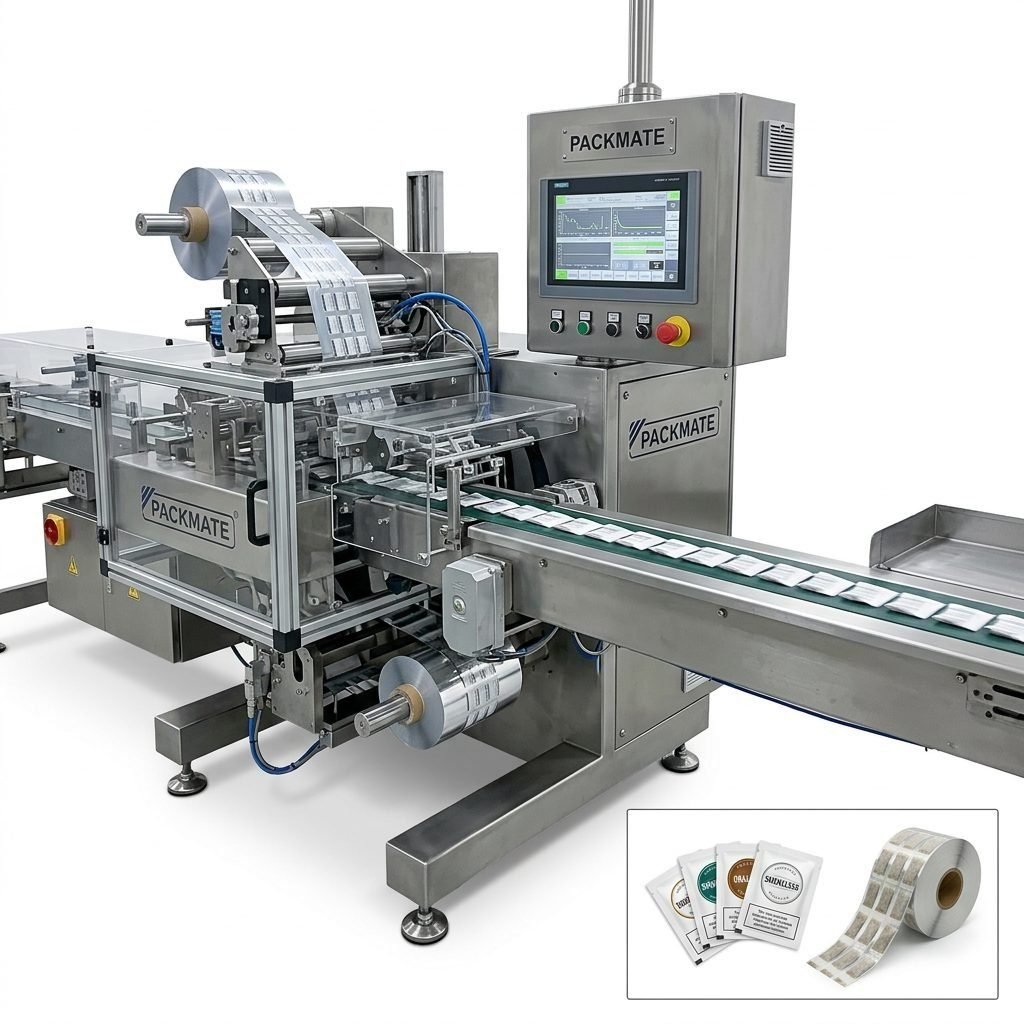
Modern packaging equipment should offer PLC/HMI controls, recipe management, and fault diagnostics. For manufacturers targeting fast growth and traceability requirements, Industry 4.0 features—remote monitoring, production data logging, and integration with MES or ERP systems—help improve yield and speed troubleshooting. Remote technical support and software updates are particularly valuable for operators in Croatia to reduce time-to-repair.
Supplier Selection: What to Ask Your Vendor
When evaluating suppliers, ask detailed questions about:
• Delivery times and shipping options to Croatian ports
• Installation, training and spare-part support in Europe
• Evidence of CE/ISO certificates and machine validation
• References or case studies from EU or Central European clients
• Warranty terms and options for service contracts
Why Packmate Snus Machine Is a Practical Choice for Croatian Manufacturers
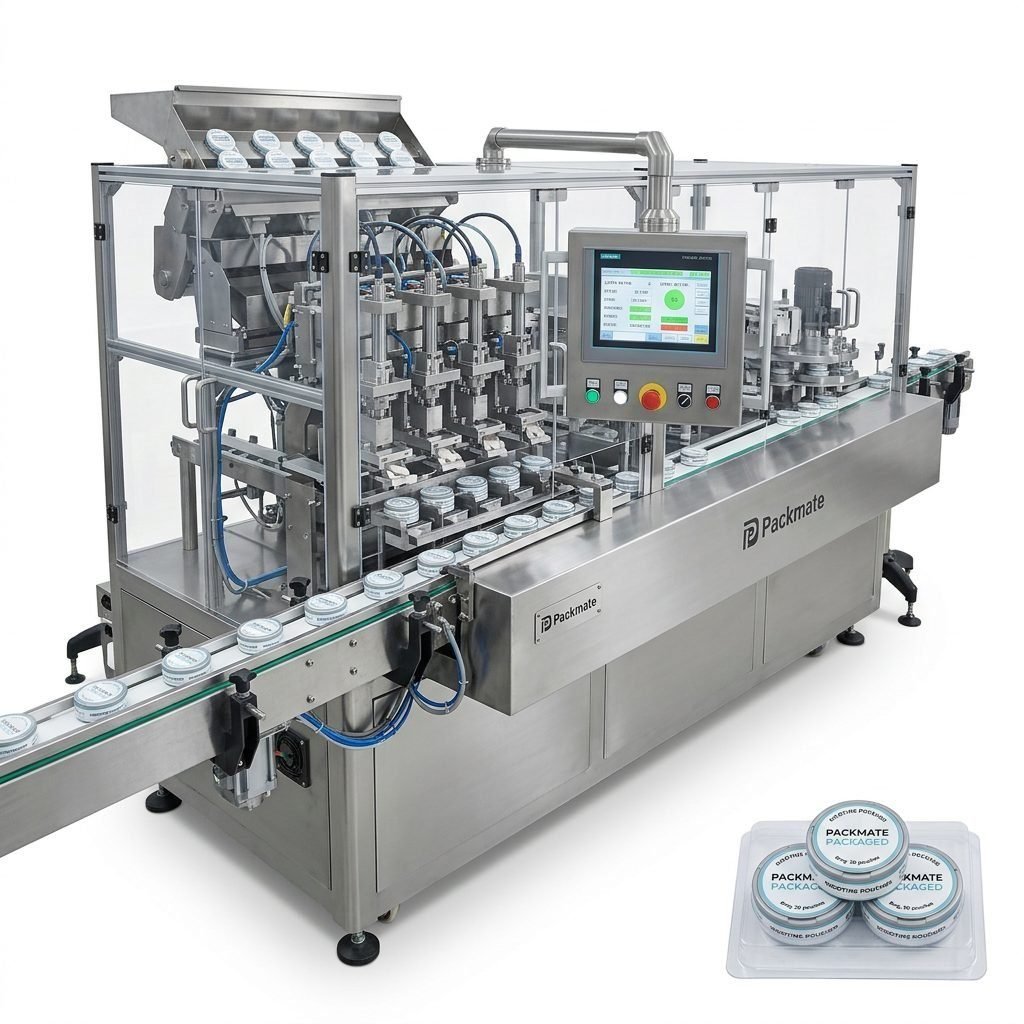
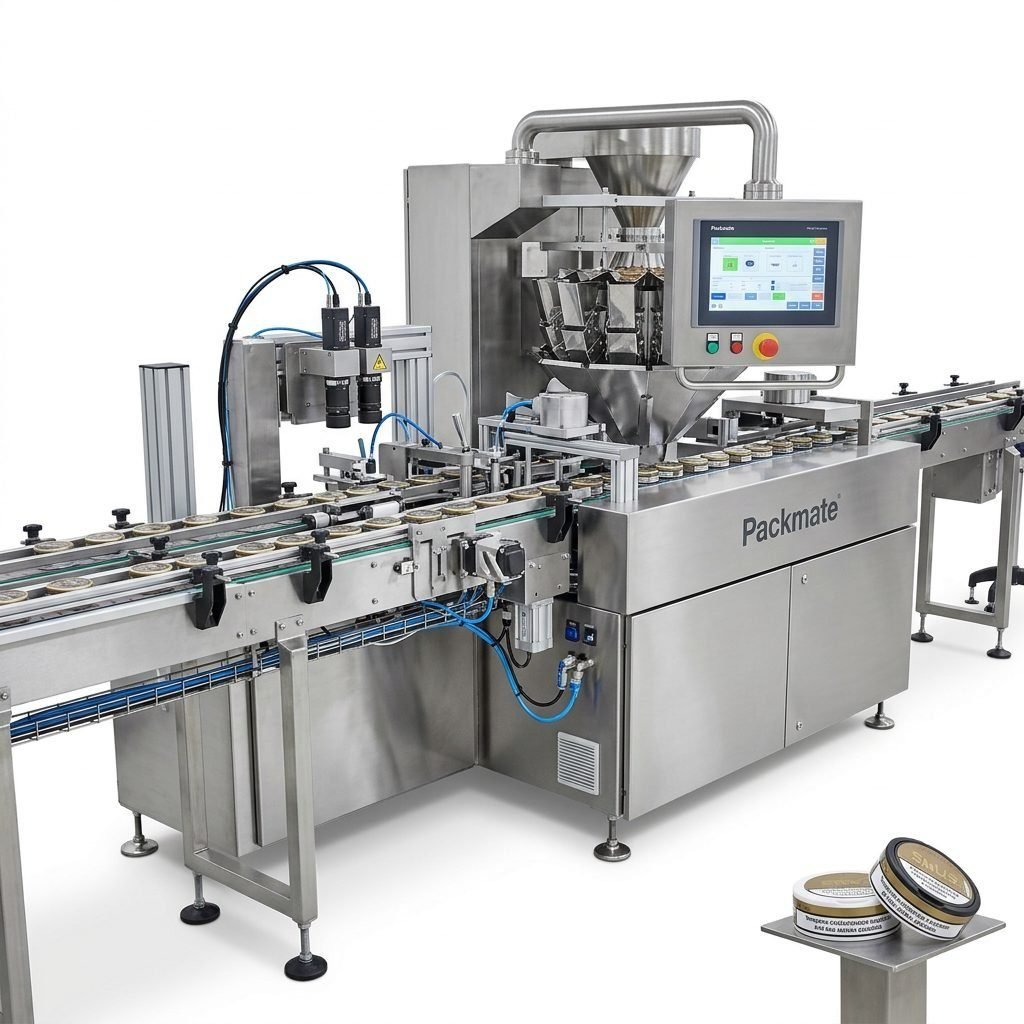
Packmate Snus Machine brings 30+ years of packaging engineering, a 20,000㎡ manufacturing facility and a portfolio of machine types suited to nicotine pouches and snus-style packaging. Their machines comply with CE and ISO standards and are designed for multi-lane, high-precision pouch production—features that align with Croatian manufacturers’ needs for regulatory compliance, reliable performance, and production flexibility. Learn more about the range of snus equipment and packaging platforms on their product pages:
• Snus & Nicotine Packaging Machines
• Bag & Pouch Packaging Machines
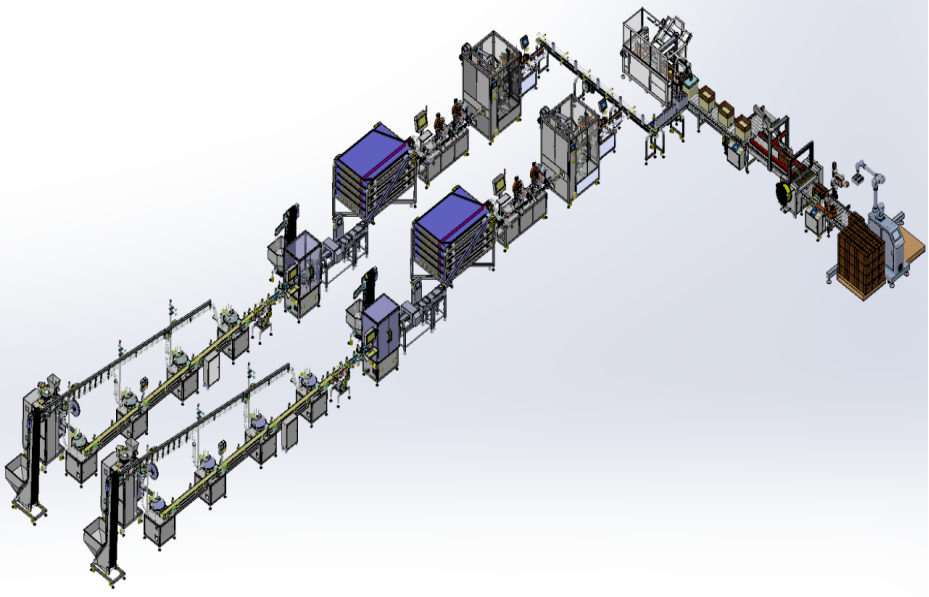
• Case Studies & Installed Lines
Budgeting, ROI and Total Cost of Ownership
Budgeting goes beyond the machine price. Calculate total cost of ownership by factoring in:
• Installation, FAT/SAT, and operator training costs
• Maintenance contracts and spare parts lead times in Europe
• Energy consumption and consumables (films, pouches)
• Expected yield improvements from accurate dosing and automation
Keep a reserve for packaging trials and initial production runs; investing in accurate dosing and robust automation often returns value through reduced waste and higher first-pass yield.
Installation & After-sales Support in Croatia
Look for suppliers who provide on-site installation, start-up support, and operator training in the EU. Packmate’s global exhibition presence and documented service offering can help Croatian buyers assess post-sale support. Consider:
• Remote diagnostics and software support to minimize travel time
• Local spare parts depot or guaranteed EU shipping times
• Comprehensive manuals and training videos for Croatian operators
Practical Checklist Before You Buy
Use this quick checklist to compare vendors and models:
1. Does the machine support your exact pouch format and material?
2. Is dosing accuracy within your required tolerance?
3. Are CE/ISO certificates and documentation available?
4. What is the expected lead time and delivery route to Croatia?
5. What warranty, spare-part policy and local support are offered?
6. Can the supplier provide site references or case studies from EU customers? (examples)
Packaging Design, Labeling and Croatian Market Tips
Croatian consumers appreciate clean, discreet designs and clear labeling. Ensure packaging includes required language(s) and regulatory warnings. If you plan to export to other EU countries, prepare multilingual labels and documentation in compliance with EU rules. Consider compact retail-ready cartons and sachet presentation that suit point-of-sale displays common in Croatian retail channels.
How to Start: Practical Steps for Croatian Manufacturers
1) Define product formats, daily capacity and target markets (Croatia/EU/export).
2) Shortlist machines that meet format and hygiene requirements—review sachet & stick pack and snus lines.
3) Request performance data, FAT videos, and EU references.
4) Plan installation logistics and budget for training and spare parts.
5) Validate trial runs and adjust recipes to meet Croatian consumer preferences.
Closing Summary
Choosing the right snus or nicotine pouch packaging machine in Croatia means balancing regulatory compliance, format flexibility, high precision dosing and robust after-sales support. Prioritize CE-certified machines with modular designs, good spare-part availability in the EU, and strong supplier references. A careful evaluation will help reduce production risk and accelerate your path to market.
Common Questions
Q: Is it legal to sell snus in Croatia?
A: Traditional tobacco snus is restricted under EU law outside Sweden. Tobacco-free nicotine pouches may be subject to different national rules—consult local regulations and legal counsel before launching a product in Croatia.
Q: What certifications should the packaging machine have for EU markets?
A: Ask for CE marking and ISO documentation. Machines used for products near food or pharma standards should meet hygiene and safety directives; suppliers should provide certificates and test reports.
Q: How important is multi-lane configuration for small-dose pouches?
A: Multi-lane systems dramatically increase throughput for small-dose pouches while keeping the footprint compact. They are ideal when you need high output without large factory expansion.
Q: Where can I see real-world installations and case studies?
A: Review supplier case pages and request FAT/SAT videos. See Packmate’s examples and cases to evaluate machine performance in similar production scenarios: Case studies.
Q: How do I get service, spare parts and training in Croatia?
A: Choose suppliers offering EU-friendly logistics, remote diagnostics, and documented spare-part availability. Confirm training packages and consider service contracts that include priority support and guaranteed shipping times.