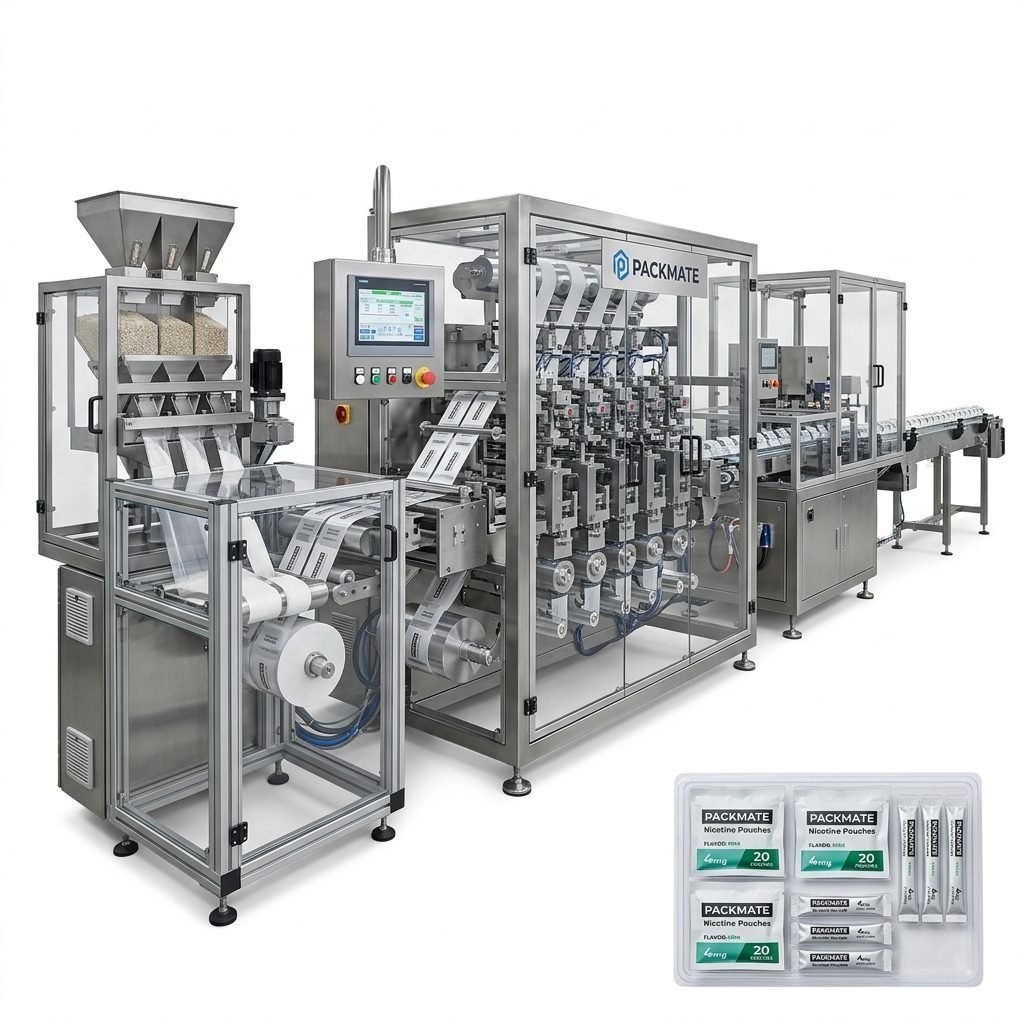
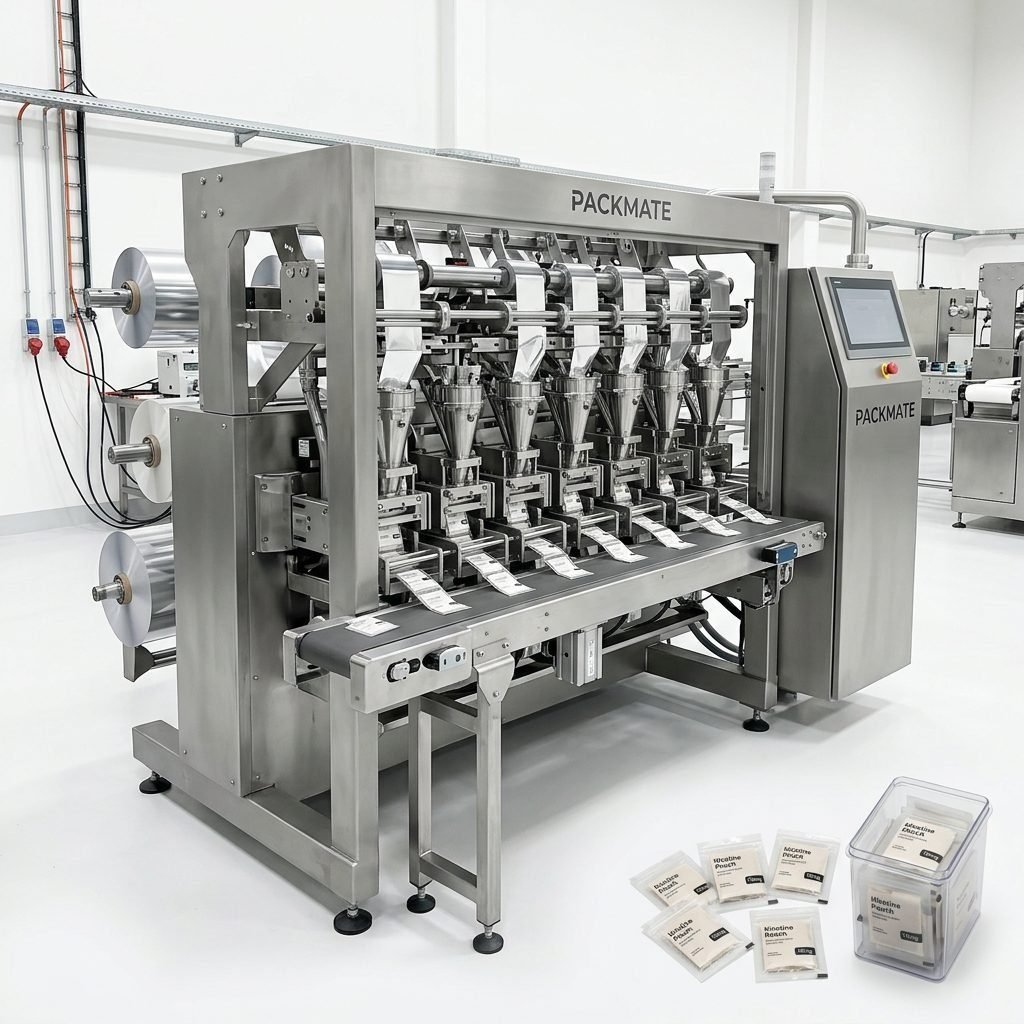
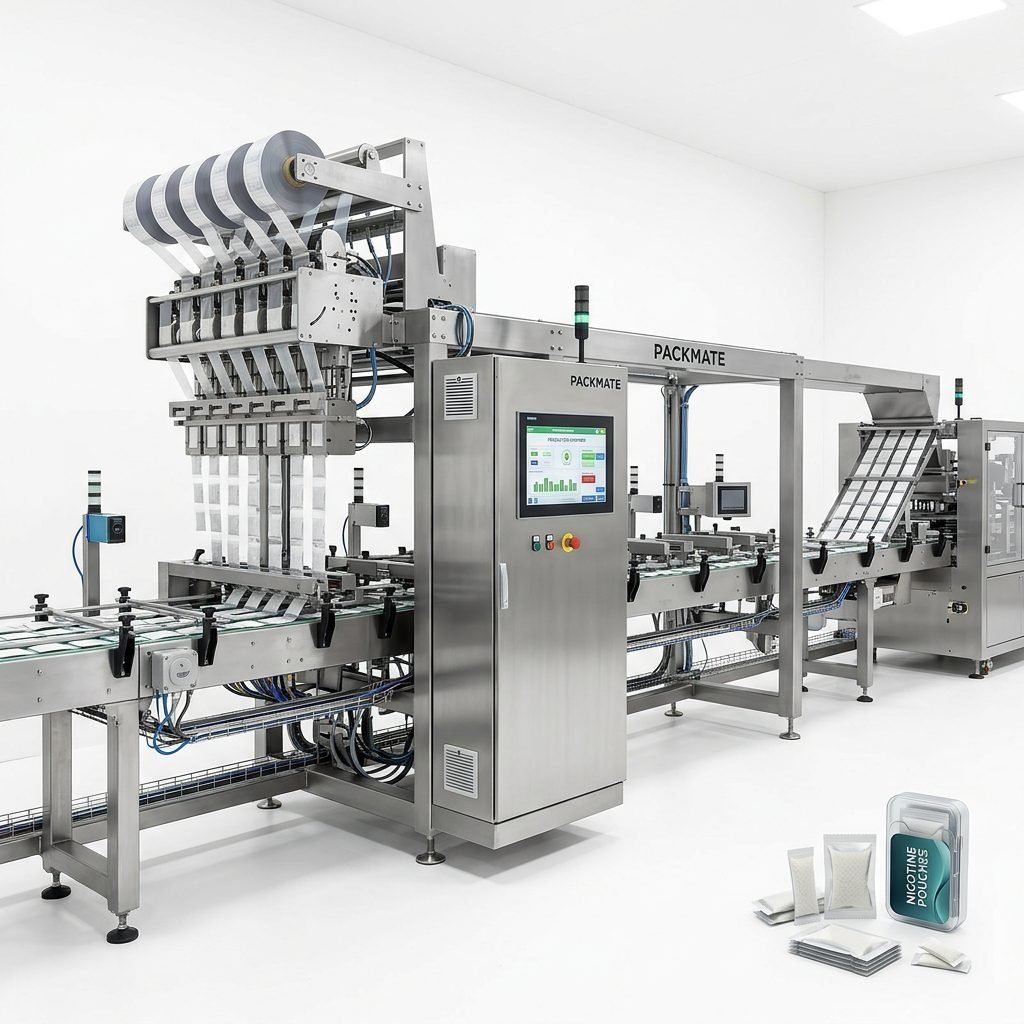
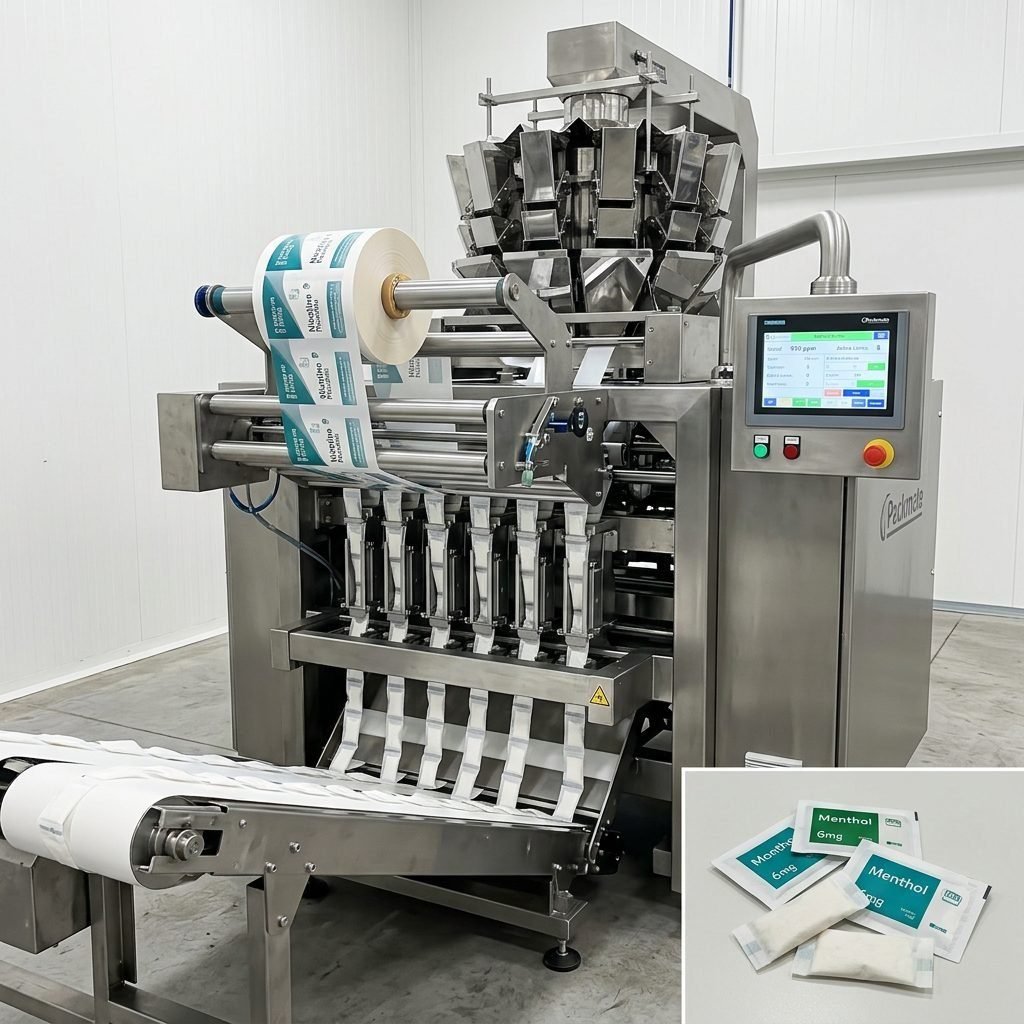
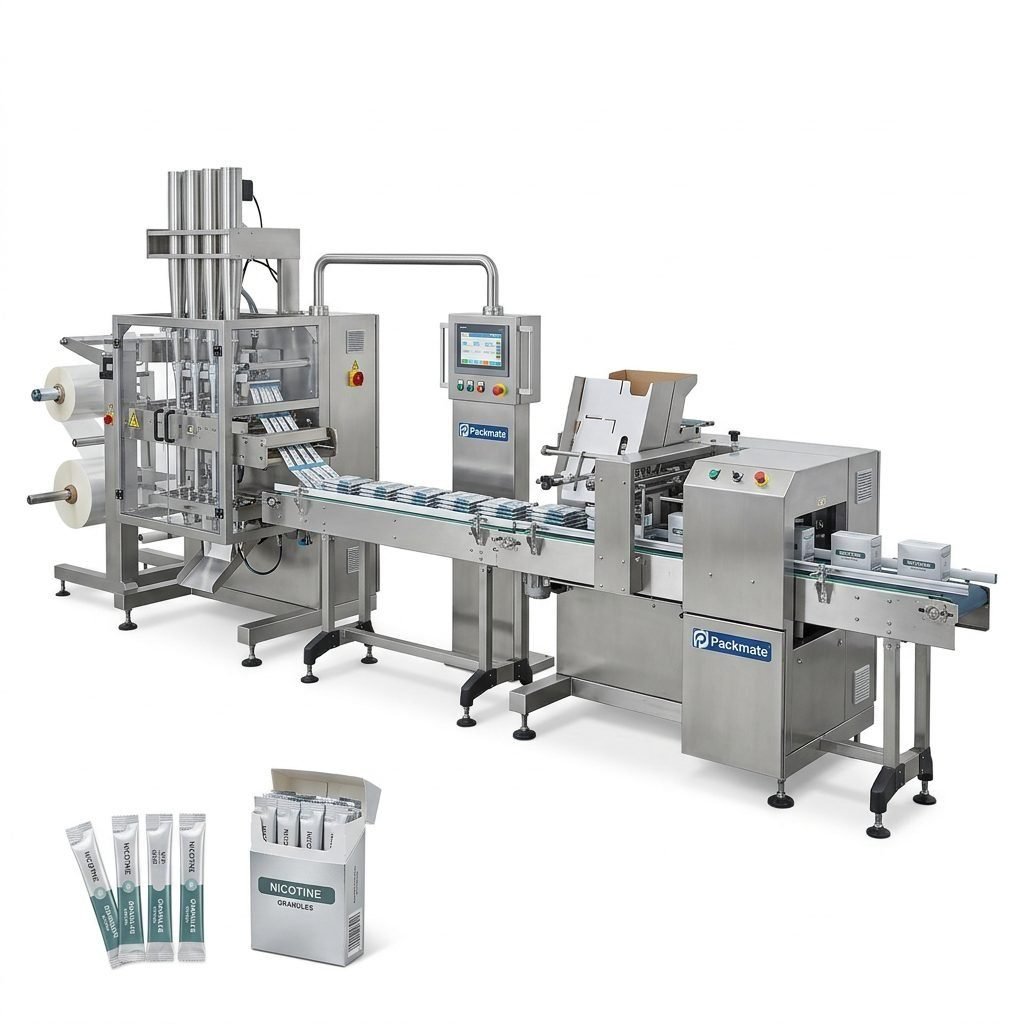
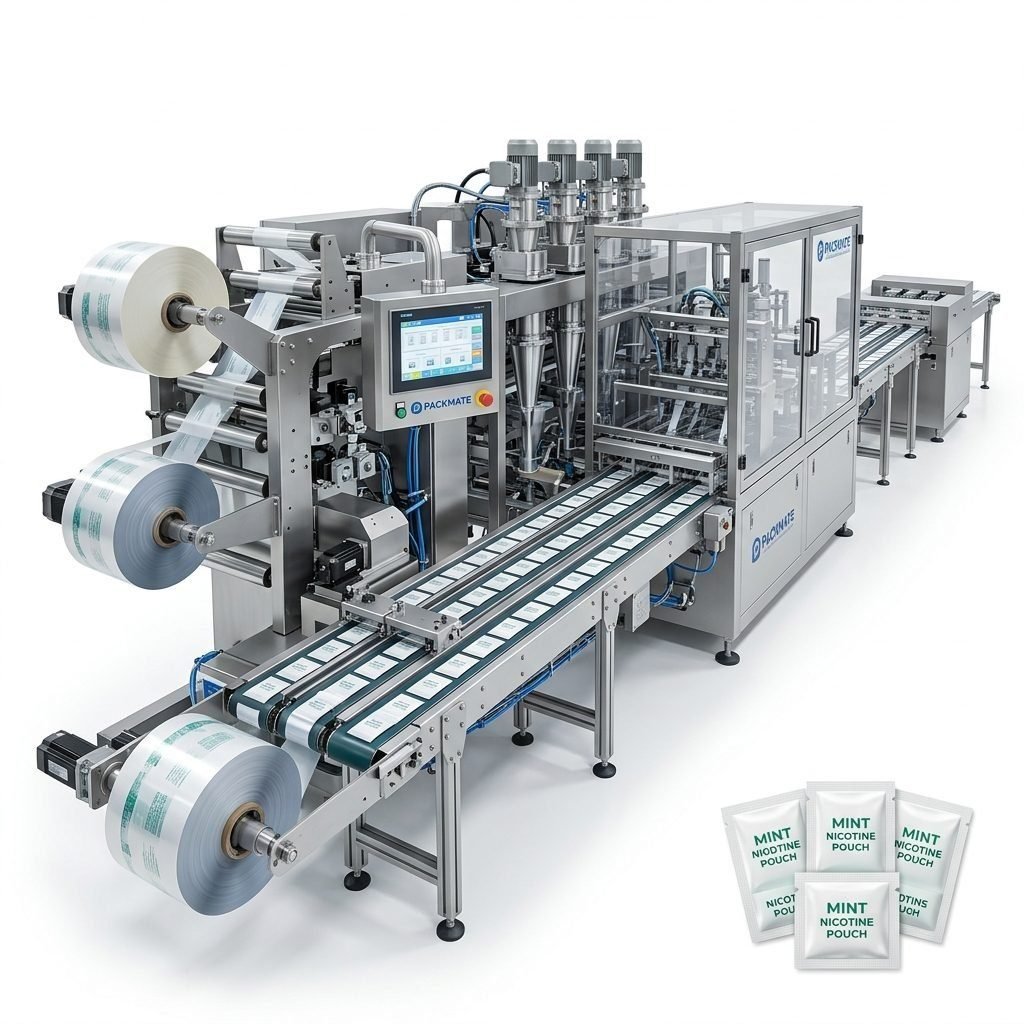
Choosing the right snus packaging machine for the Namibian market is more than a purchase—it’s a strategic decision that affects product quality, compliance, production efficiency, and long-term profitability. This guide walks you step-by-step through what to evaluate when selecting a snus or nicotine pouch packaging solution, with practical tips for manufacturers, packagers, and entrepreneurs operating in Namibia and similar emerging markets.
Understand the Local Market and Product Requirements
Namibia’s regulatory landscape, consumer preferences, and distribution channels shape the ideal packaging solution. Start by mapping product SKUs (flavors, pouch sizes, dose formats) and projected monthly volumes. Key variables include pouch weight, moisture sensitivity, barrier requirements, and desired format (loose tins, portion pouches, stick packs or sachets). For specialized snus and nicotine pouches, choose machines that support precise dosing and gentle handling to preserve texture and flavor.
Machine Types: Which Format Fits Your Business?
Familiarize yourself with common machine types so you can match capacity and format to demand:
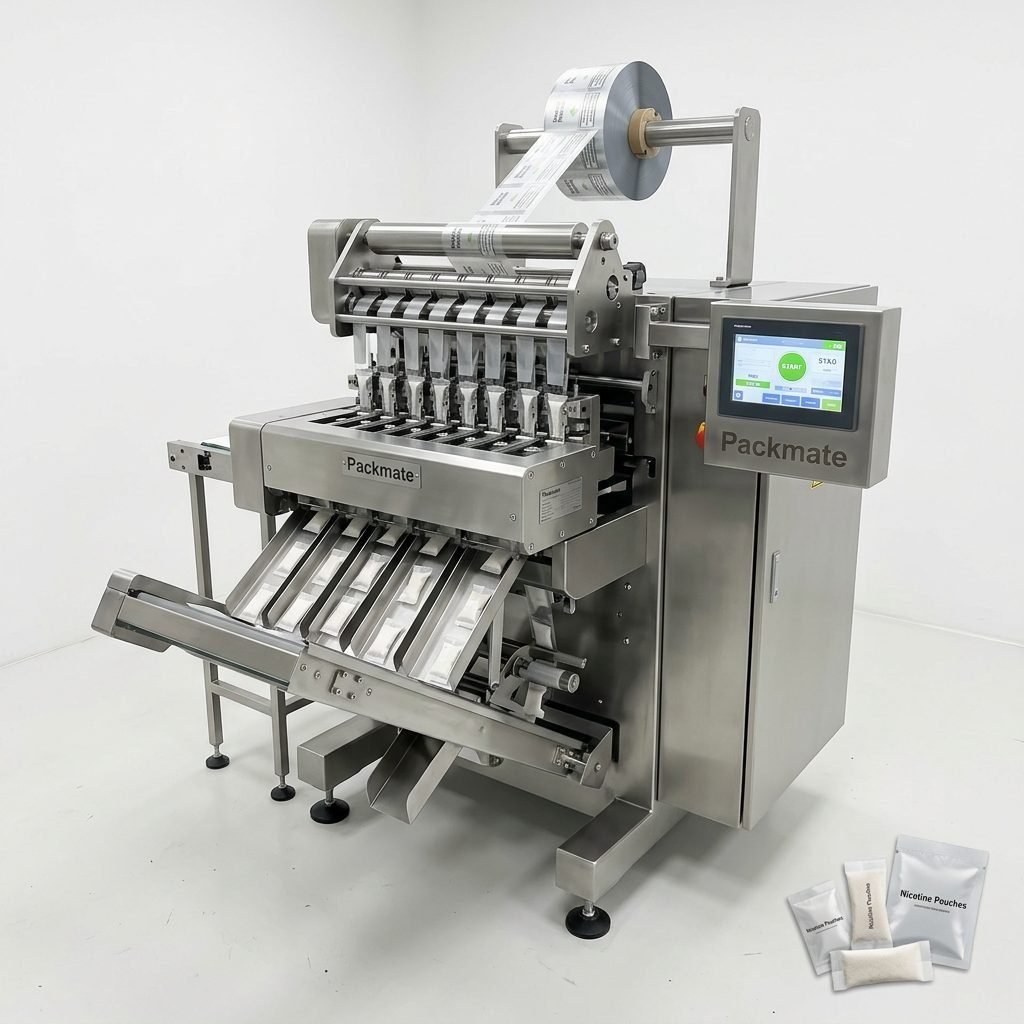
🔹 Stick pack machines — ideal for single-dose stick-style pouches and high line speeds.
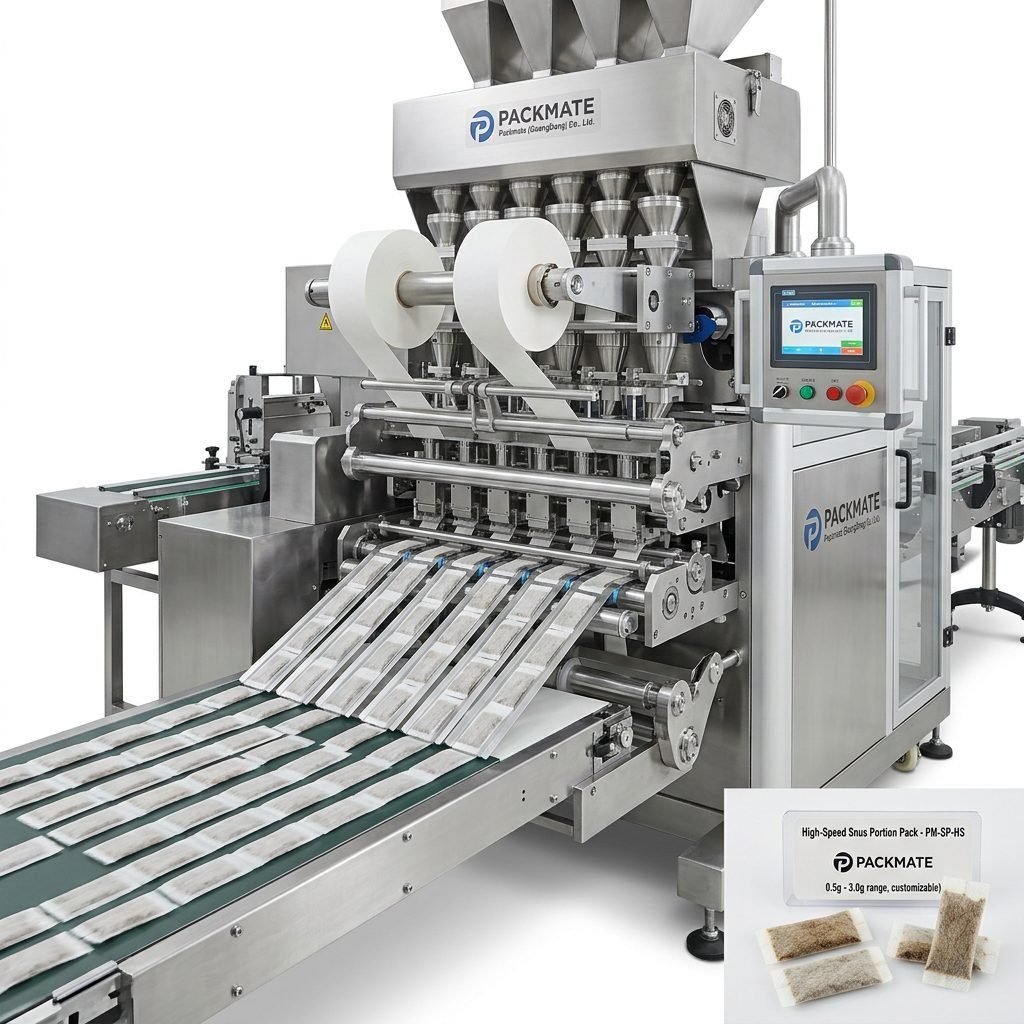
🔹 Sachet & multi-lane systems — excellent for small-dose portion production with compact footprints. Consider multi-lane options for scaling output without expanding floor area.
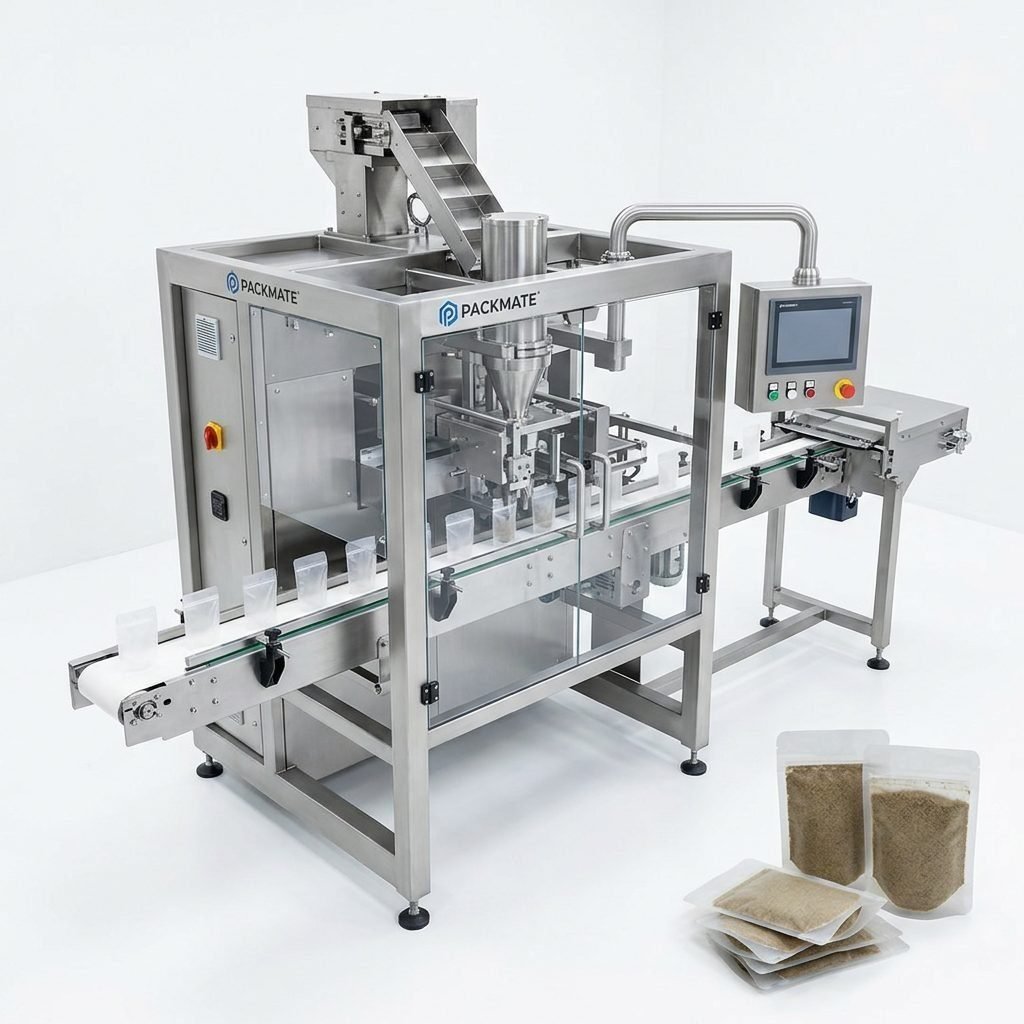
🔹 Dedicated snus/nicotine pouch packaging machines — engineered for consistent pouch shape and tight sealing, reducing product waste and maintaining shelf life. Explore specialized models at Snus & Nicotine Packaging Machines.
Key Technical Specifications to Evaluate
When comparing machines, pay attention to these core specs:
• Production speed (pouches per minute)
• Number of lanes (single vs. multi-lane)
• Dosing accuracy and filling method (volumetric, auger, weighers)
• Sealing method and materials compatibility (laminate film, aluminum foil, paper laminates)
Tip: If your product is hygroscopic or flavor-sensitive, prioritize a machine with high-integrity sealing and optional nitrogen flushing. Machines that integrate with upstream weighing and upstream filling systems (see Weighing & Packaging Systems and Filling & Packaging Lines) can dramatically reduce variability.
Production Capacity Planning
Calculate realistic throughput based on operating shifts, maintenance windows, and expected yield. A promising approach:
1) Define peak monthly demand in pouches. 2) Choose target uptime (e.g., 85–92%). 3) Factor in changeover times between SKUs. 4) Select a machine with modest headroom (20–30%) to cover growth and reduce strain.
For compact factories in Namibia, multi-lane sachet or stick-pack systems often provide the best balance between footprint and output.
Materials and Packaging Film Considerations
Choose film structures that match product shelf-life targets and regulatory needs. Common laminates include PET/ALU/PE or PET/CPP combinations. Ensure the sealing temperature window and film thickness are compatible with the machine’s sealing system. If you plan retail tins or paper-based outer packs, confirm compatibility with the downstream cartoning or boxing equipment.
Compatibility with Auxiliary Equipment
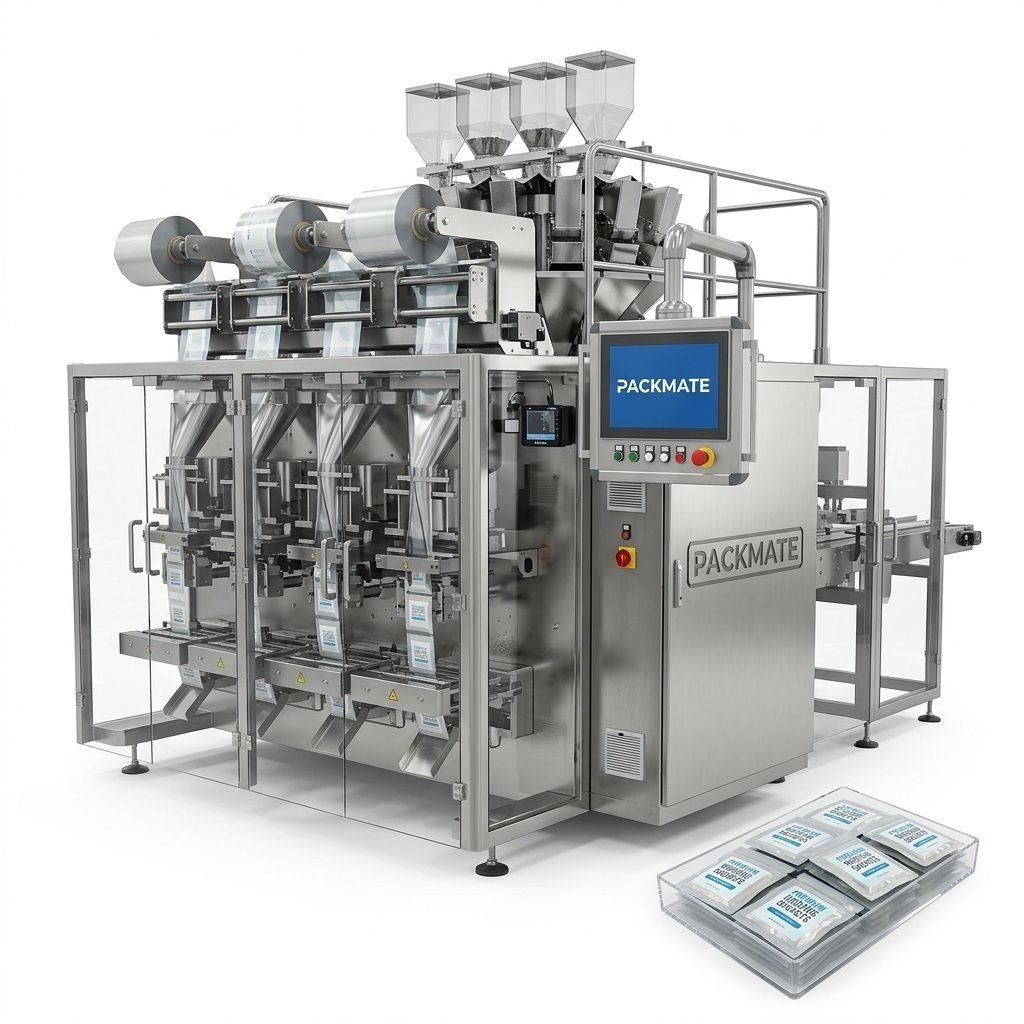
Integration with auxiliary equipment—feeder hoppers, vibratory dosing units, check weighers, and metal detectors—improves quality control. Consider linking your main machine with auxiliary systems listed under Auxiliary Packaging Equipment to create a more automated and reliable line.
Automation, Controls and User Interface
Modern machines use PLC controllers, touchscreen HMI, and recipe-driven settings. Search for:
⚙️ Simple, multilingual HMI with recipe storage
⚙️ Remote diagnostic capability for faster troubleshooting
⚙️ Safety interlocks and CE-compliant electrical modules
Must-have: Look for machines with remote support and clear spare-parts lists. For buyers in Namibia, remote PLC access and quick parts shipment reduce downtime and save costs.
Quality, Certifications and Compliance
Ensure the supplier provides machinery compliant with international standards. CE and ISO certifications demonstrate a baseline for safety and manufacturing quality. Packmate Snus Machine, for example, provides equipment built to these global standards and showcases certificates and exhibition presence—useful signals when evaluating manufacturers. See more on credentials at Certificate.
Price vs. Total Cost of Ownership (TCO)
The lowest purchase price rarely equals the best value. Assess TCO across:
• Spare parts availability and lead time
• Local service capability or remote support options
• Energy consumption and consumables cost (film, sealing jaws)
• Expected uptime and warranty coverage
Financing and Scalability
If cash flow is tight, ask vendors about leasing, installment plans, or phased upgrades. Machines designed for modular upgrades (additional lanes or auxiliary modules) let you scale with demand without replacing the entire line.
Evaluating Suppliers: What to Ask
When contacting manufacturers, request:
✅ Line videos with actual product running
✅ References or case studies in similar markets (Case)
✅ Spare parts list and typical lead times
✅ On-site commissioning and operator training options
Red flag: Suppliers who cannot provide running videos, technical drawings, or clear spare-parts documentation. Transparency early in the process usually predicts better long-term service.
Installation, Training and After-Sales Service
A good supplier offers more than the machine itself. Confirm availability of:
• On-site commissioning and performance testing
• Operator and maintenance training programs
• Local or regional service partners to cut response times
For global suppliers, check if they have representatives or partners in nearby regions; otherwise remote support and clear spare parts logistics become critical.
Real-World Checklist Before Signing the Order
Use this quick checklist when finalizing a purchase:
1) Confirm guaranteed speed and acceptance criteria for product tolerances.
2) Get a detailed quotation including spare parts, tooling, and consumables.
3) Validate warranty terms and on-site commissioning scope.
4) Ensure drawings for footprint, power, air, and drainage are provided.
5) Ask for a training plan for operators and maintenance staff.
Why Consider Packmate and Global Suppliers?
Manufacturers with deep experience in snus packaging bring engineering improvements specific to nicotine pouch products. Packmate Snus Machine, for instance, offers specialized equipment, a broad model range, and a large manufacturing facility—useful signals when evaluating long-term partners. For company background and services, see About Packmate and review their service offerings at Service.
Selecting Local Partners in Namibia
If you plan local maintenance and support, identify distributors or engineering partners who can stock spare parts and perform mechanical service. Consider partnering with firms that can handle customs clearance and local compliance documentation to avoid delays at ports.
Quick summary: Prioritize machines that balance capacity, sealing integrity, and after-sales support. Integration-ready lines reduce manual handling and improve product consistency.
Next Steps: Requesting Quotes and Factory Visits
When you’re ready, request detailed quotes from multiple vendors, ask for running demos with your product, and, if possible, book a factory or trade-show demonstration. Major suppliers frequently attend exhibitions—check schedules under Our Exhibition to witness machines in operation.
Useful Links and Resources
Explore product categories and detailed machine descriptions to narrow choices:
• Snus & Nicotine Packaging Machines
• Sachet & Stick Pack Machines
• Bag & Pouch Packaging Machines
Final Recommended Checklist Before Purchase
• Verify sample run capability and acceptance criteria.
• Confirm spare parts kit and typical consumables list.
• Clarify warranty, commissioning, and training scope in writing.
• Ensure transport, customs, and local support logistics are planned to minimize downtime.
Conclusion
Selecting the best snus packaging machine in Namibia requires balancing immediate production needs with long-term flexibility, serviceability, and regulatory compliance. Prioritize sealing quality, dosing accuracy, and supplier transparency. By planning capacity, confirming auxiliary integrations, and securing reliable after-sales support, you position your operation to scale confidently and maintain consistent product quality.
Frequently Asked Questions (FAQs)
Q1: How do I choose between single-lane and multi-lane machines?
A1: Choose based on current throughput needs and floor space. Multi-lane systems deliver higher output in the same footprint and are ideal if you plan growth within 12–36 months. Single-lane machines can be more economical for low-volume product lines.
Q2: What spare parts should I stock locally?
A2: Keep consumables—sealing jaws, belts, bearings, sensors, and standard electrical components—on hand. Ask your vendor for a recommended starter kit and lead times for non-stocked parts.
Q3: Are CE and ISO certifications necessary for machines used in Namibia?
A3: While local regulations may vary, CE and ISO certifications indicate internationally accepted safety and manufacturing standards. They simplify insurance, financing, and export processes and are commonly required by distributors and retailers.
Q4: How important is remote support and diagnostics?
A4: Extremely important for operations far from supplier hubs. Remote diagnostics can reduce downtime, allow quick troubleshooting, and improve mean time to repair (MTTR) when local service is limited.
Q5: Where can I see machine demos and get more information?
A5: Request running demos from vendors, visit exhibitions, or view case studies and product pages such as Snus & Nicotine Packaging Machines and related product lines. For company background and contact options, consult Contact Us.