Selecting the right snus packaging machinery in Libya requires a clear understanding of local market needs, international regulations, and the technical capabilities of modern packaging equipment. This guide walks manufacturers through practical decision points — from machine types and production capacity to supplier selection and after-sales support — so you can make a confident, ROI-driven investment.
⚙️ Understanding the Libyan Market and Demand
Libya’s evolving consumer preferences, import regulations, and distribution channels shape the ideal packaging approach for snus and nicotine pouches. Before selecting equipment, evaluate expected monthly volumes, pack formats, and target retail channels. High-volume factory lines demand multi-lane equipment, while small-batch manufacturers may opt for single-lane or flexible sachet machines.
🧾 Regulatory & Compliance Considerations
Always verify Libyan import rules for tobacco-related and nicotine products, including labeling, child-resistant requirements, and material restrictions. Choose equipment that supports precise labeling placement and can integrate with serialization or batch-code printers. Machines with CE and ISO certifications signal adherence to international safety and performance standards, which simplifies customs clearance and local approvals.
📦 Types of Snus Packaging Machinery
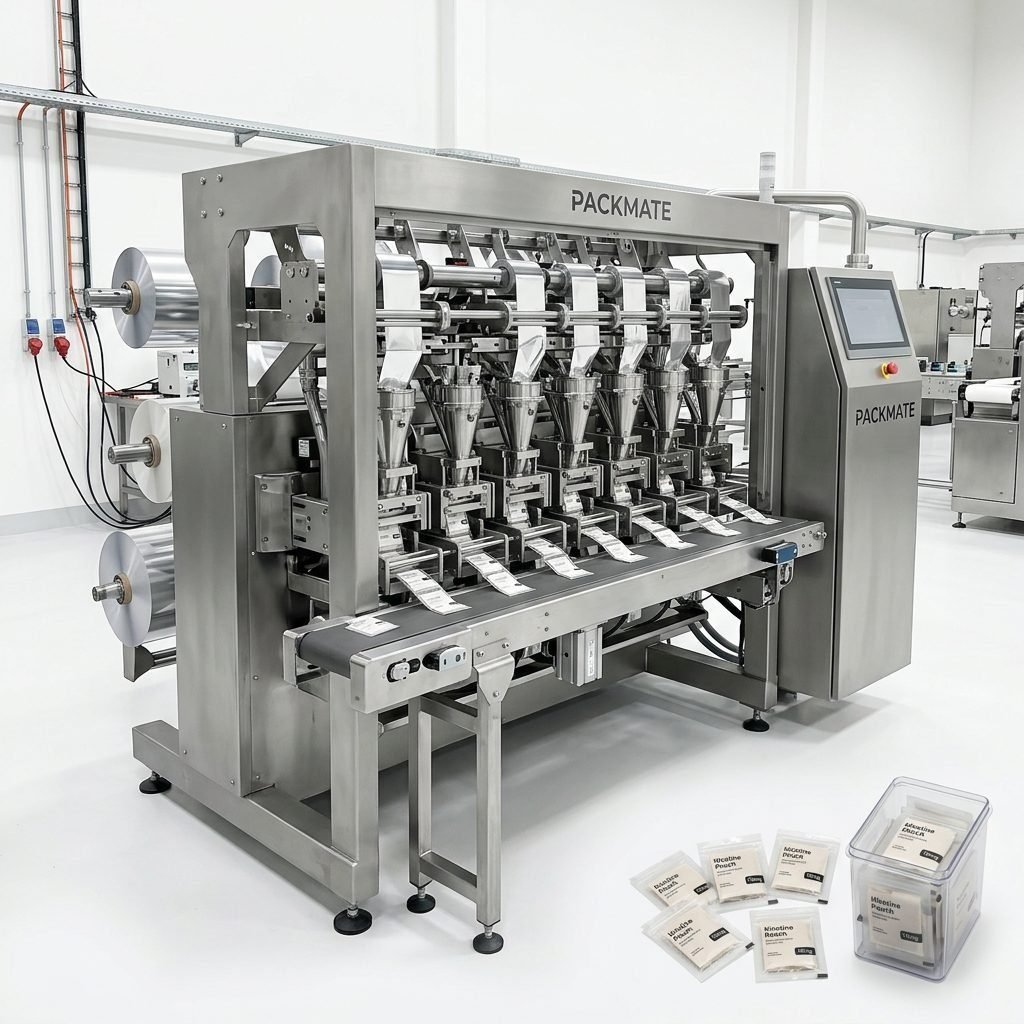
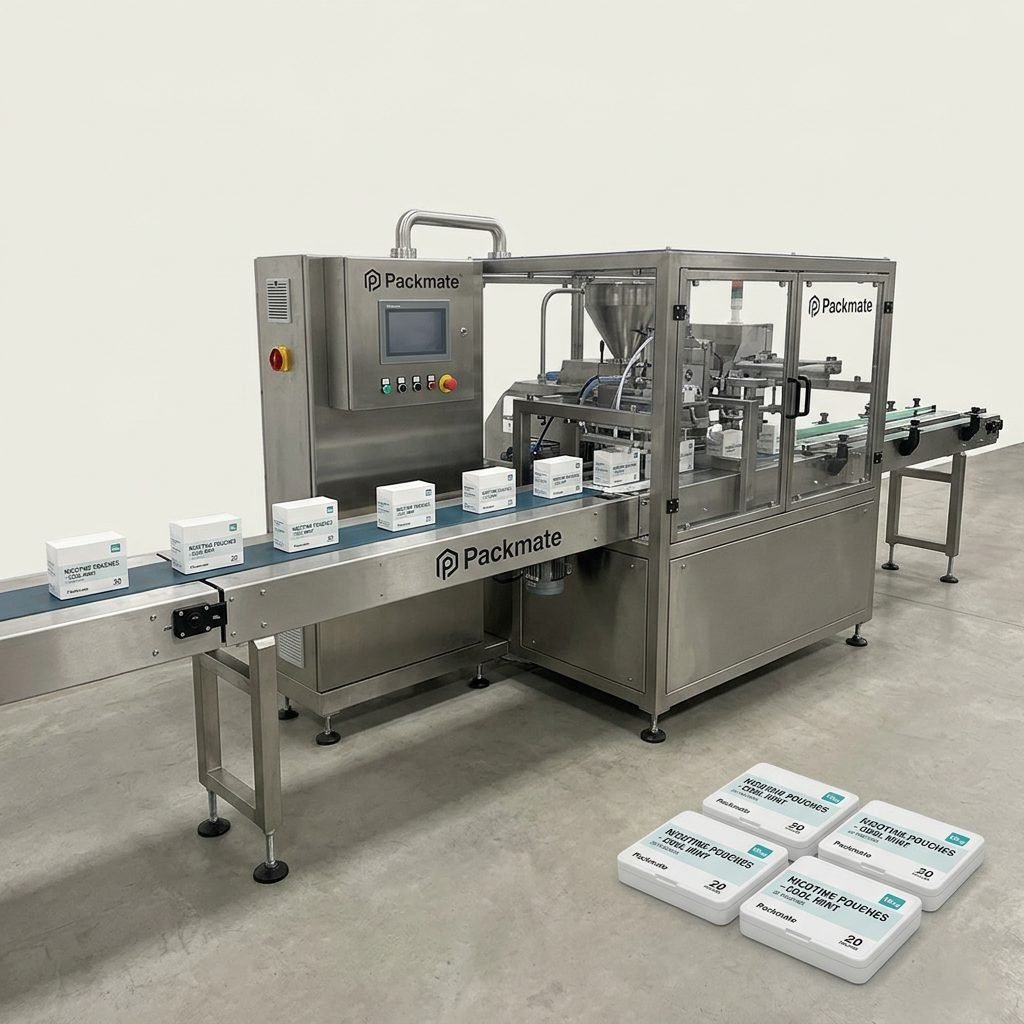
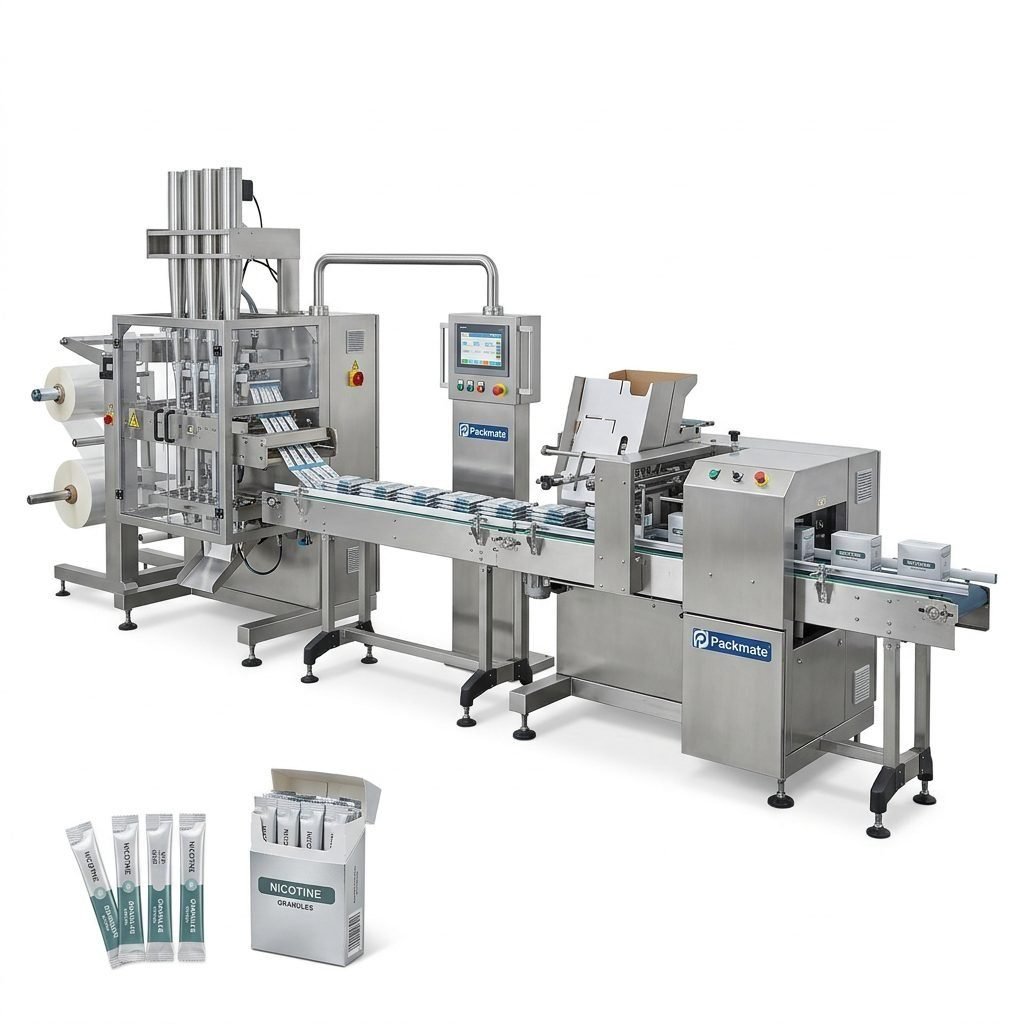
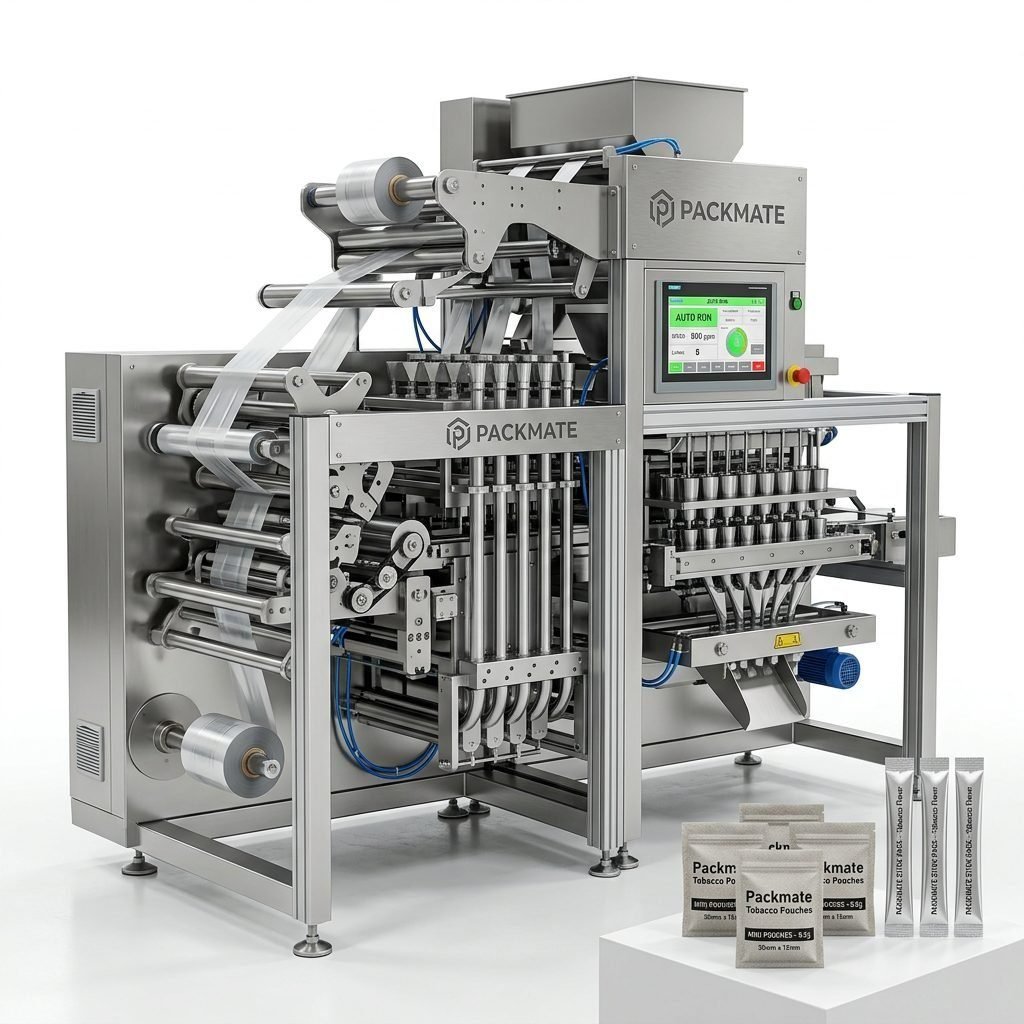
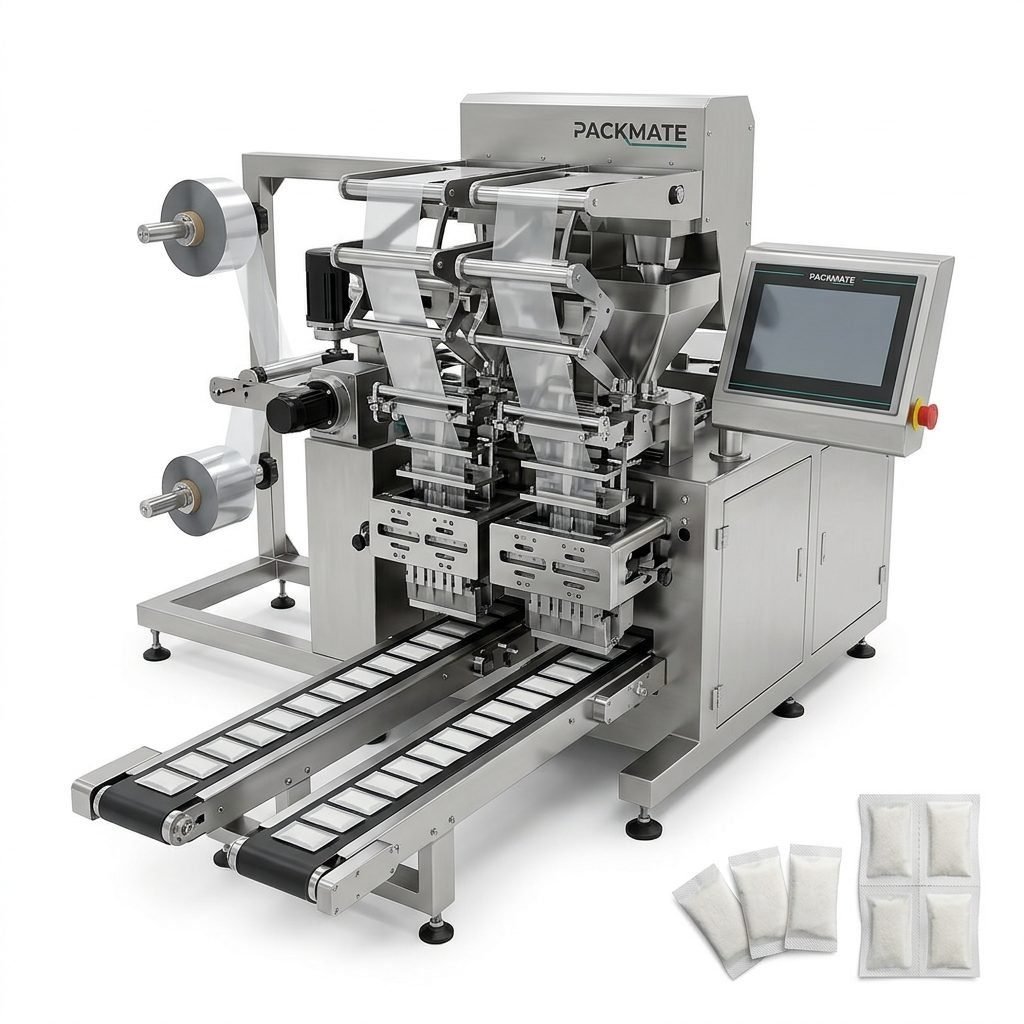
Common machine types for snus production include stick pack machines, sachet packaging machines, and multi-lane pouch systems. Each serves different product formats:
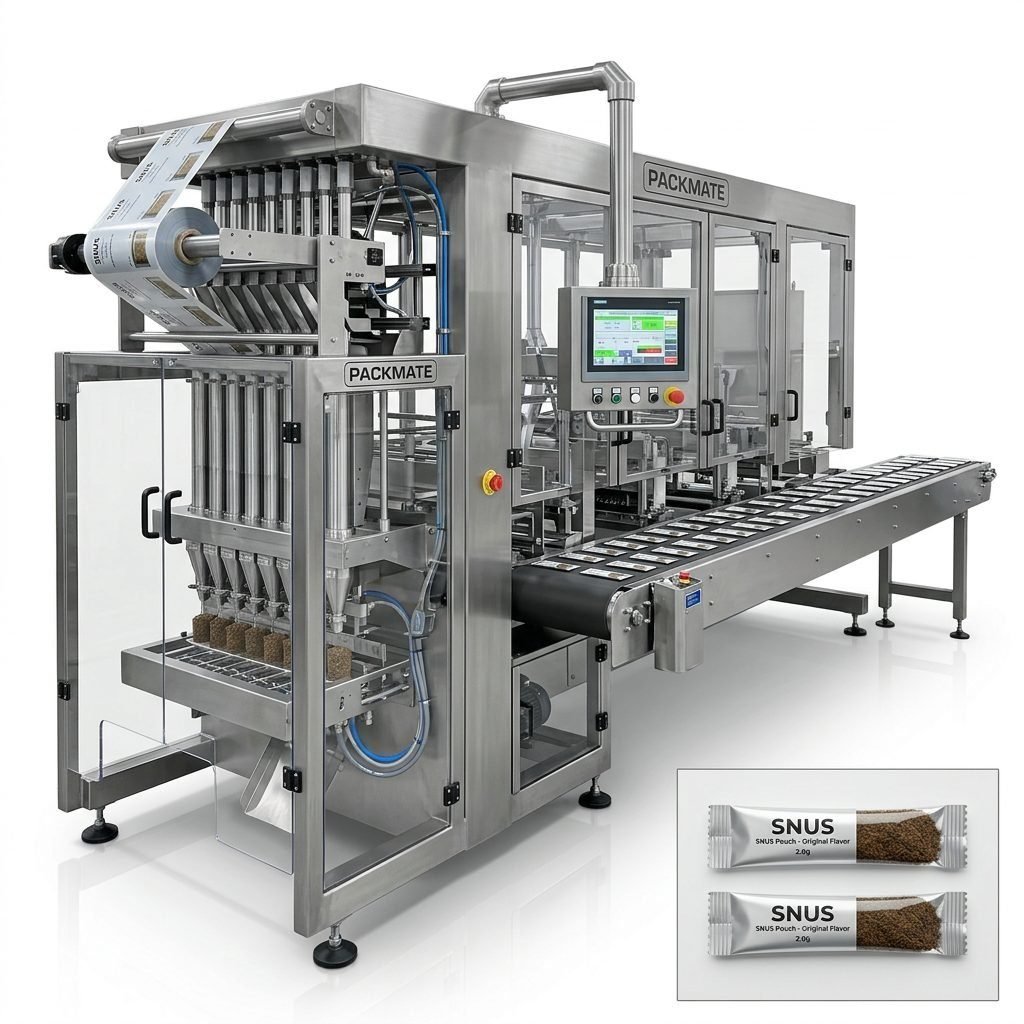
• Stick pack equipment — Ideal for single-dose sticks and slim retail formats; space-efficient and highly repeatable.
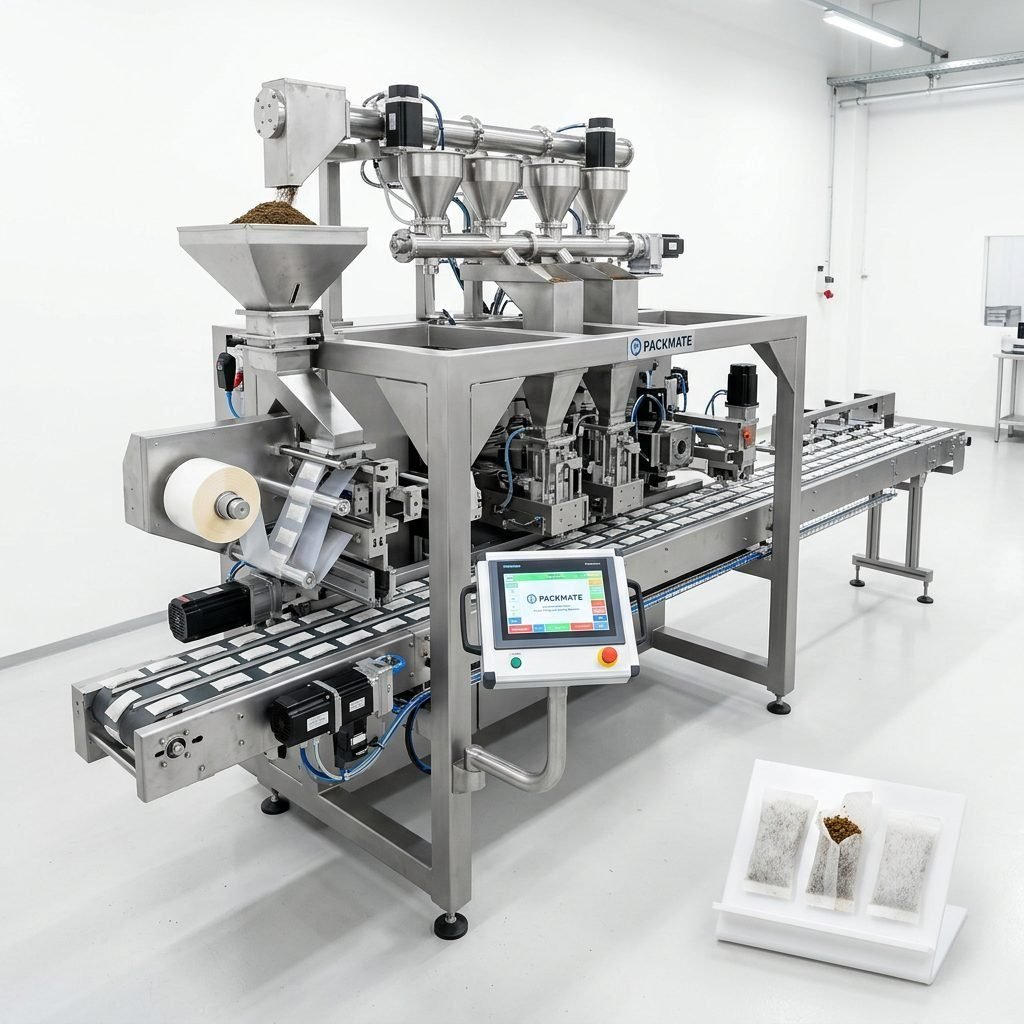
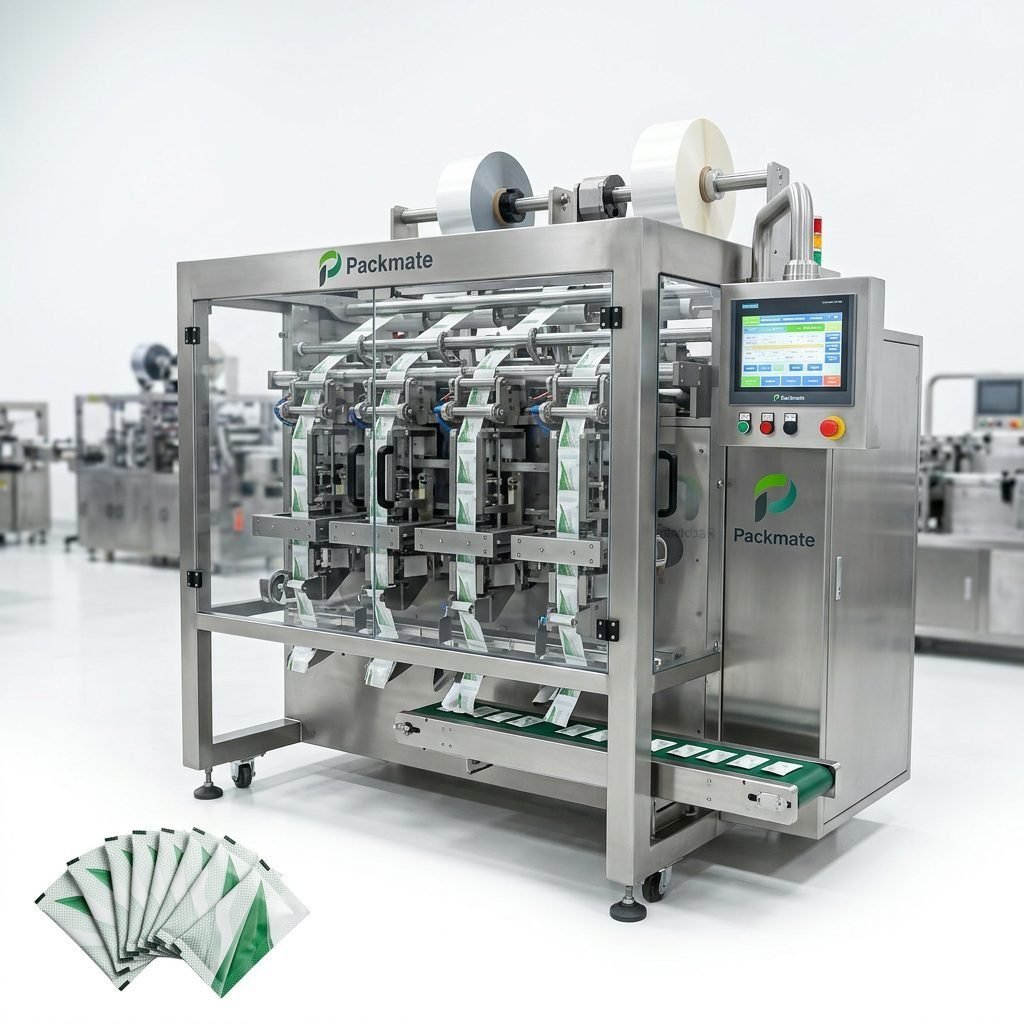
• Sachet machines — Flexible for various pouch sizes; often used for moisture-sensitive blends with laminate films.
• Multi-lane systems — Designed for high throughput, producing many small pouches simultaneously to meet large-scale demand.
🔧 Key Technical Specifications to Evaluate
When comparing machines, focus on performance metrics and control features that directly affect yield and consistency:
• Production speed (bags/minute or pouches/minute) relative to your target output.
• Lane count and modular scalability — whether you can add lanes to increase capacity.
• Filling accuracy and dosing systems (volumetric, auger, or weigh-based) to keep ingredient variance low.
• Control systems (PLC, touchscreen HMI) and servo drives for repeatable precision.
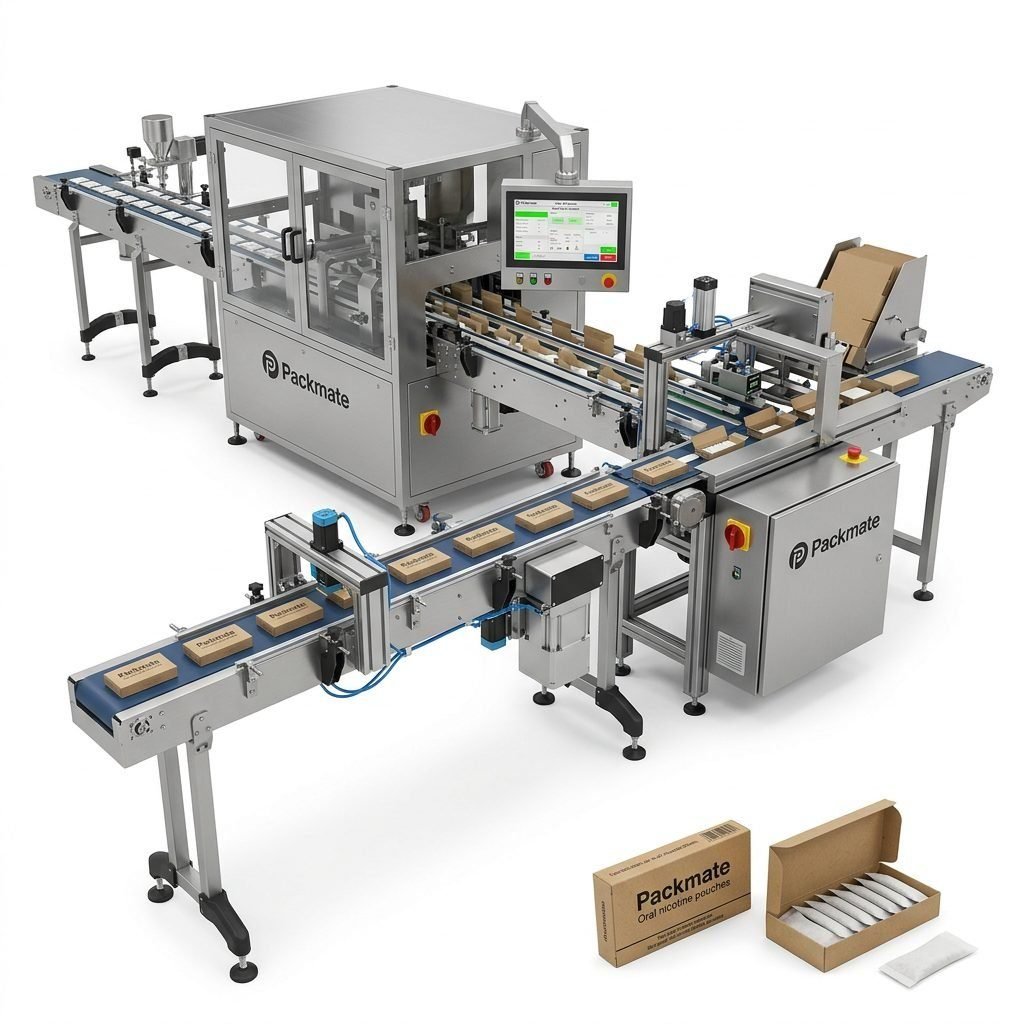
• Integration capability with upstream feeders and downstream sealing, cartoning, and case packing lines.
🧩 Material Compatibility & Packaging Films
Choose machinery that supports the film types you plan to use — laminate foils, paper-based laminates, or biodegradable films. Sealing temperature ranges, tension control, and film handling modules must match your materials to prevent leaks or poor seals. For sensitive nicotine pouches, consider equipment with inert gas flushing and consistent heat-seal profiles.
🏭 Turnkey Lines & Integration
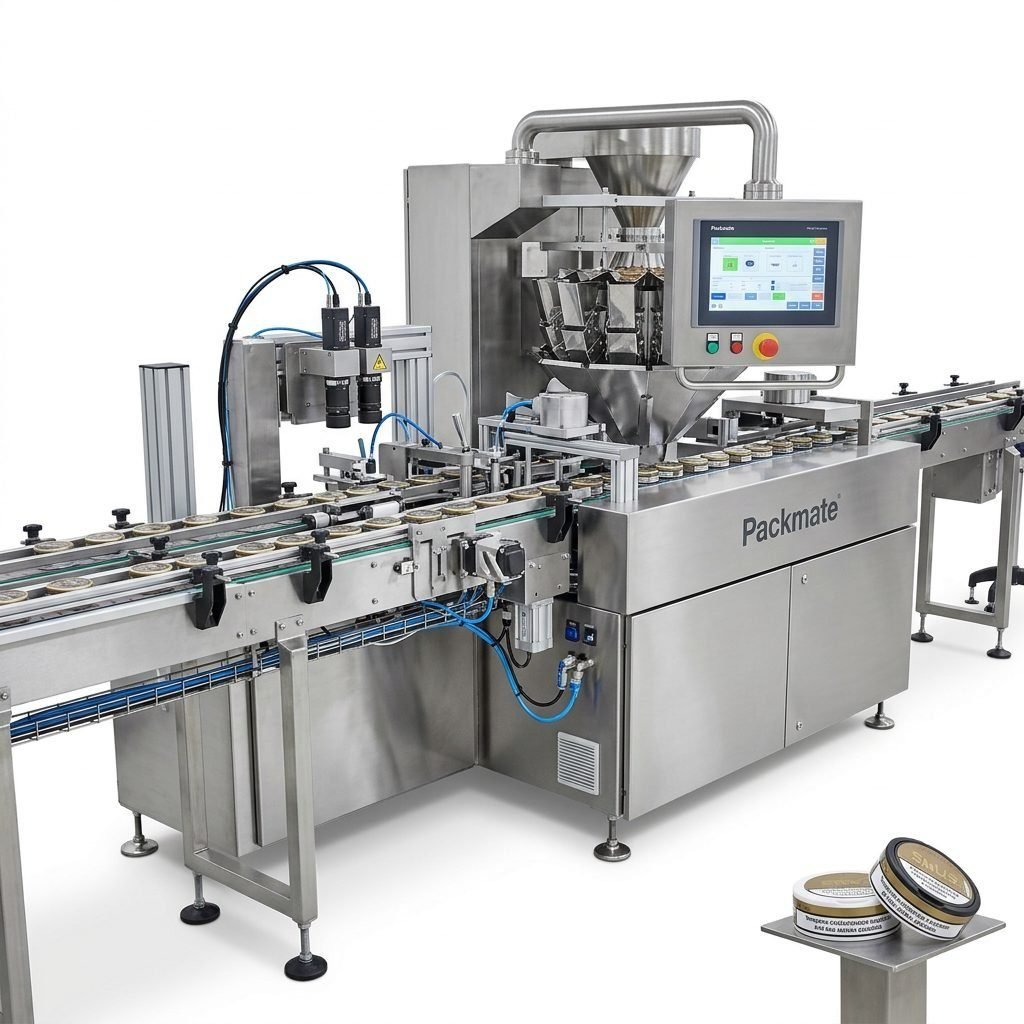
If you need a complete production solution, evaluate turnkey offerings that combine weighing, pouch forming, filling, sealing, and secondary packaging. A single supplier can reduce installation time, ensure component compatibility, and provide centralized training. Explore multi-disciplinary solutions in Filling & Packaging Lines and related systems to simplify procurement.
🔎 Supplier Selection: Factory Strength & Certifications
Evaluate suppliers based on manufacturing capability, experience with snus-specific equipment, and available references. A factory with advanced CNC machining centers and a strong assembly line demonstrates the ability to deliver durable, precise machines. Prioritize vendors with CE and ISO certification to reduce compliance risk. For more information about manufacturer credentials, see their Certificate listings.
🔁 After-Sales Support, Spare Parts & Training
Critical: Ensure the supplier provides timely spare parts, remote diagnostics, and on-site commissioning. Comprehensive operator training reduces downtime and improves quality control. Ask for local or regional service arrangements and average lead times for critical spares.
💰 Budgeting, ROI & Total Cost of Ownership
The purchase price is only part of TCO. Factor in installation, tooling, spare parts inventory, training, energy consumption, and expected maintenance. Higher initial investment in robust multi-lane or servo-driven systems often yields lower per-unit costs and faster ROI for medium-to-high volumes.
🛠️ Installation, Validation & Commissioning
Plan for a realistic timeline that includes factory acceptance tests (FAT), shipment, installation, IQ/OQ validation, and operator training. Reliable manufacturers provide FAT documentation and video demos; this helps validate performance before shipping and avoids surprises at installation.
📚 Case Studies & References
Ask prospective suppliers for case studies that demonstrate relevant snus or nicotine pouch installations. Referencing similar projects across Europe, Asia, and the Americas shows experience in adapting machines to different product formulas and regulatory environments. View real examples in the manufacturer’s Case section.
✅ Pre-Purchase Checklist for Libyan Manufacturers
• Define target monthly output and product formats (sticks, sachets, pouches).
• Confirm compatibility with packaging films and sealing requirements.
• Request detailed specs: speed, lanes, servo controls, and dosing accuracy.
• Validate supplier factory capability, certifications, and references.
• Ensure clear service, spare parts, and training commitments in the contract.
🔗 Helpful Resources & Next Steps
If you want to explore machine models and product families, review the manufacturer’s product pages such as Snus & Nicotine Packaging Machines, Sachet & Stick Pack Machines, and Weighing & Packaging Systems for complementary solutions. For company background and manufacturing capabilities, visit the About Packmate page.
Final Recommendations
1) Prioritize machines with proven multi-lane performance if you expect growth.
2) Choose vendors that offer FAT, clear documentation, and on-site commissioning.
3) Balance initial cost with long-term serviceability and spare parts availability to minimize downtime.
Frequently Asked Questions
Q1: How do I decide between a single-lane and multi-lane snus machine?
A: Estimate your production targets and growth expectations. Single-lane is cost-effective for small batches; multi-lane achieves significantly higher throughput and lower unit costs for medium-to-large volumes.
Q2: What certifications should I request from manufacturers?
A: Ask for CE and ISO certificates at minimum. Also request equipment-specific test reports, FAT records, and piping/electrical schematics for validation and customs clearance.
Q3: Can machines be customized for unique pouch sizes or materials?
A: Yes — many manufacturers provide modular designs and tooling changes. Discuss film handling, sealing jaw design, and dosing systems early to ensure compatibility.
Q4: What after-sales services are essential?
A: Critical services include spare parts availability, remote technical support, on-site maintenance, operator training, and clear SLAs for response times.