Choosing the right snus packaging machinery for your production needs in Costa Rica requires a balance of technical specification, local market understanding, and reliable after-sales support. Whether you are launching a new nicotine pouch brand for the Costa Rican market or upgrading an existing line, this guide walks through the essential factors—machine types, production capacity, environmental considerations, regulatory compliance, supplier selection, and long-term total cost of ownership—that will help you make an informed decision.
Understand the Types of Snus Packaging Machines
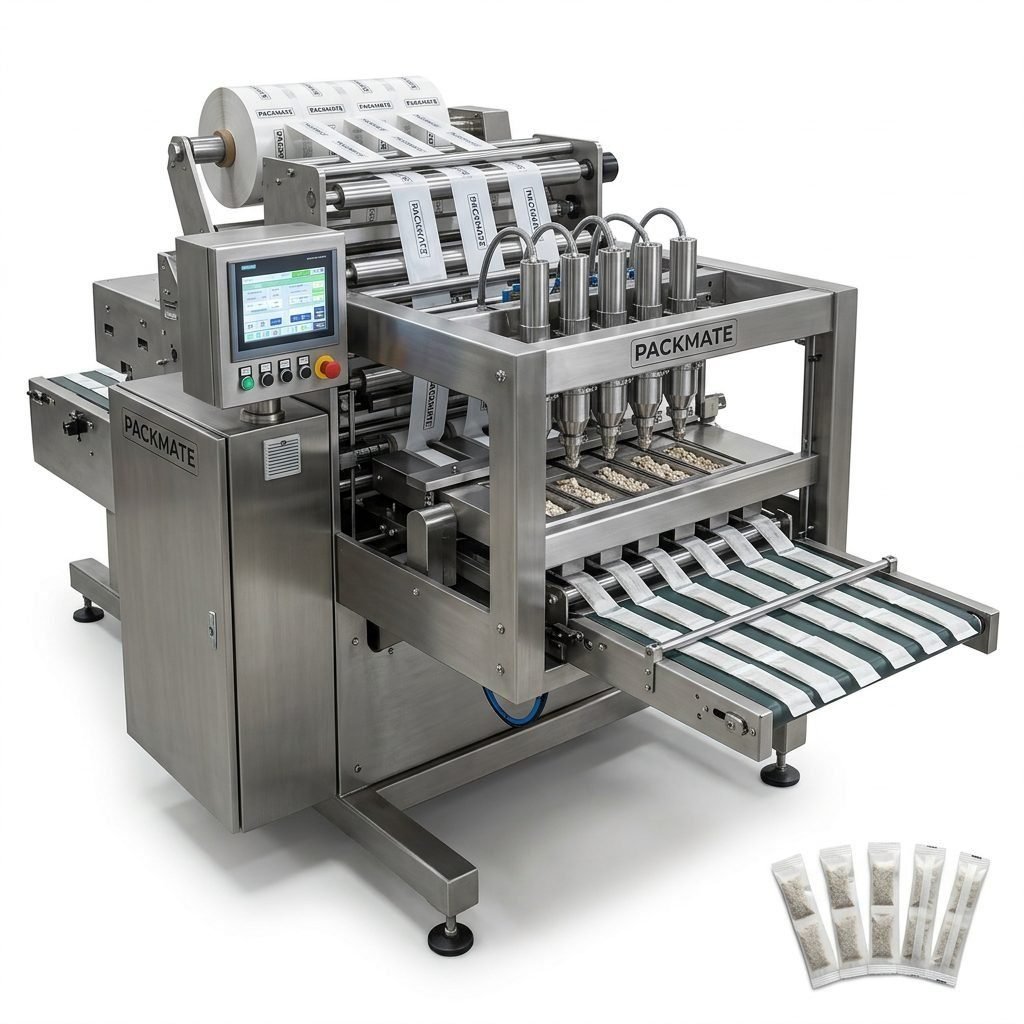
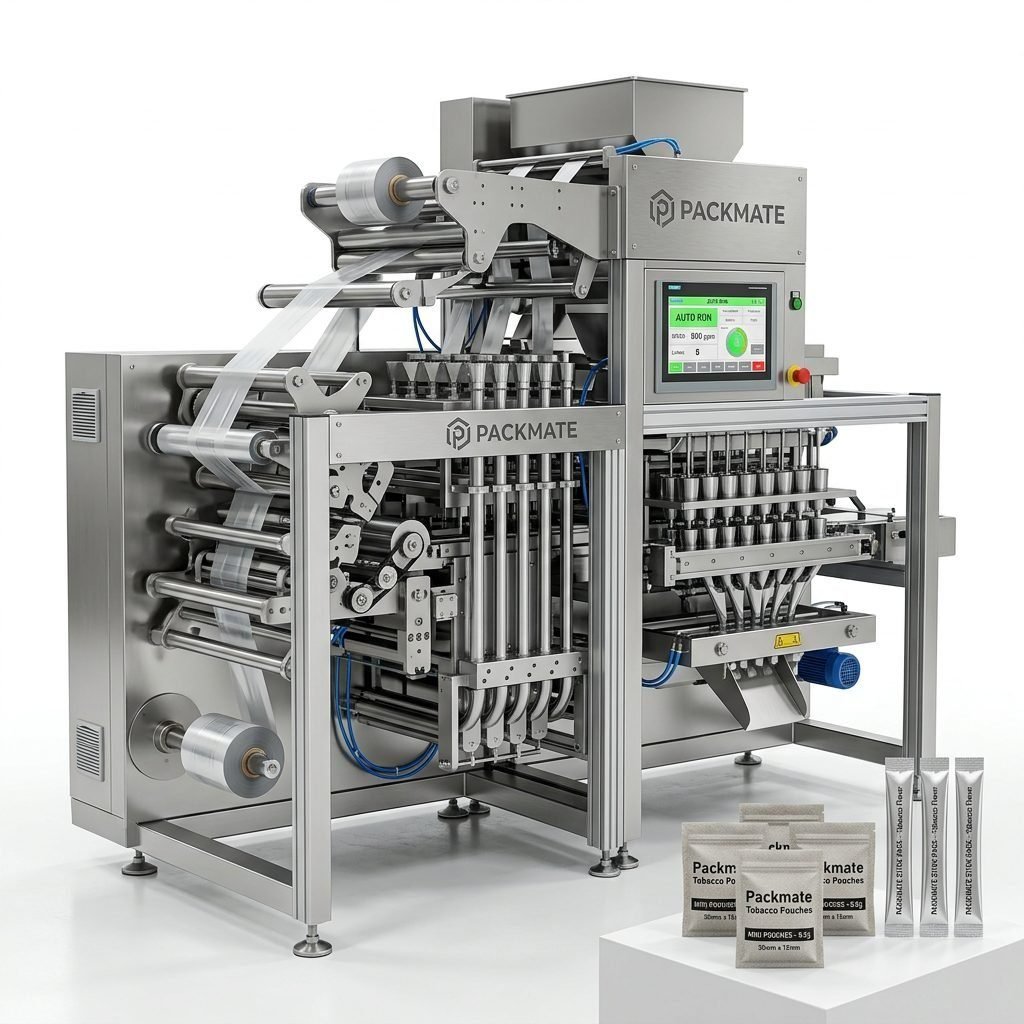
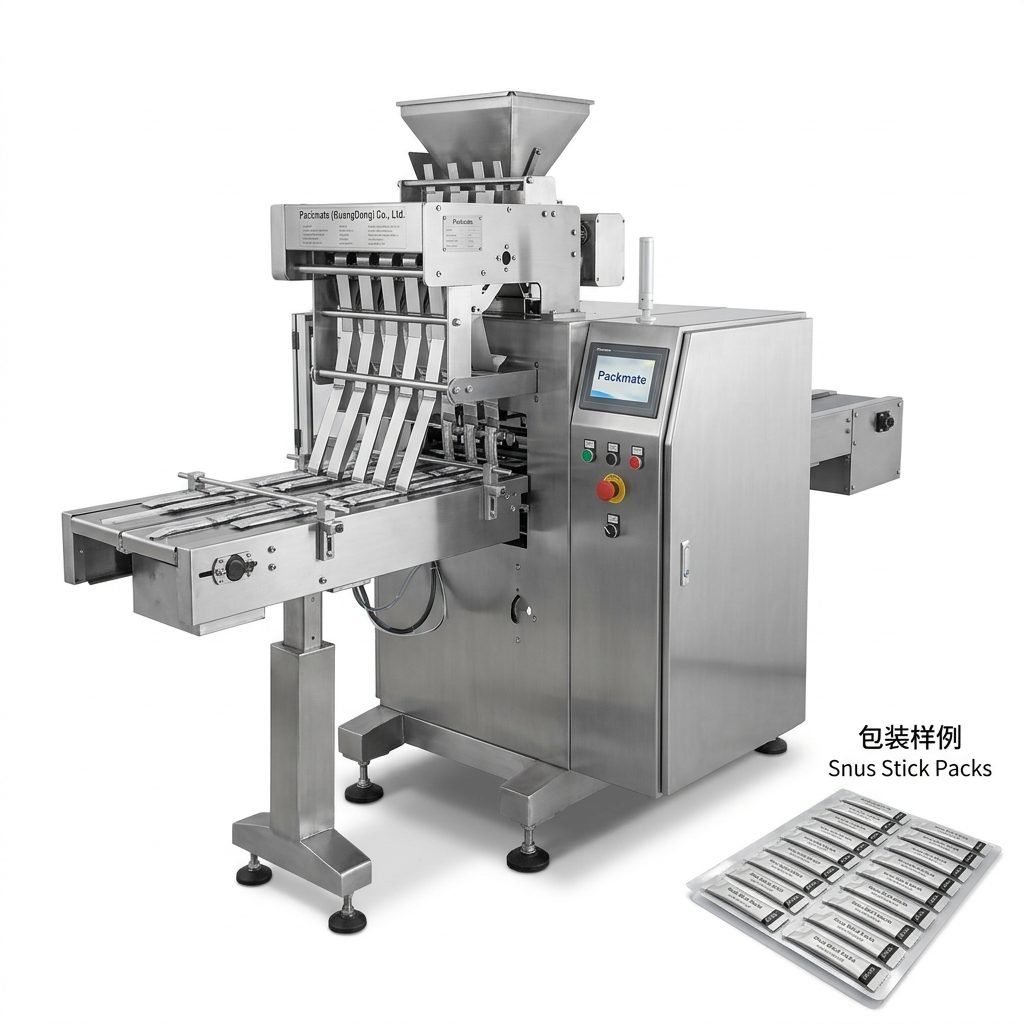
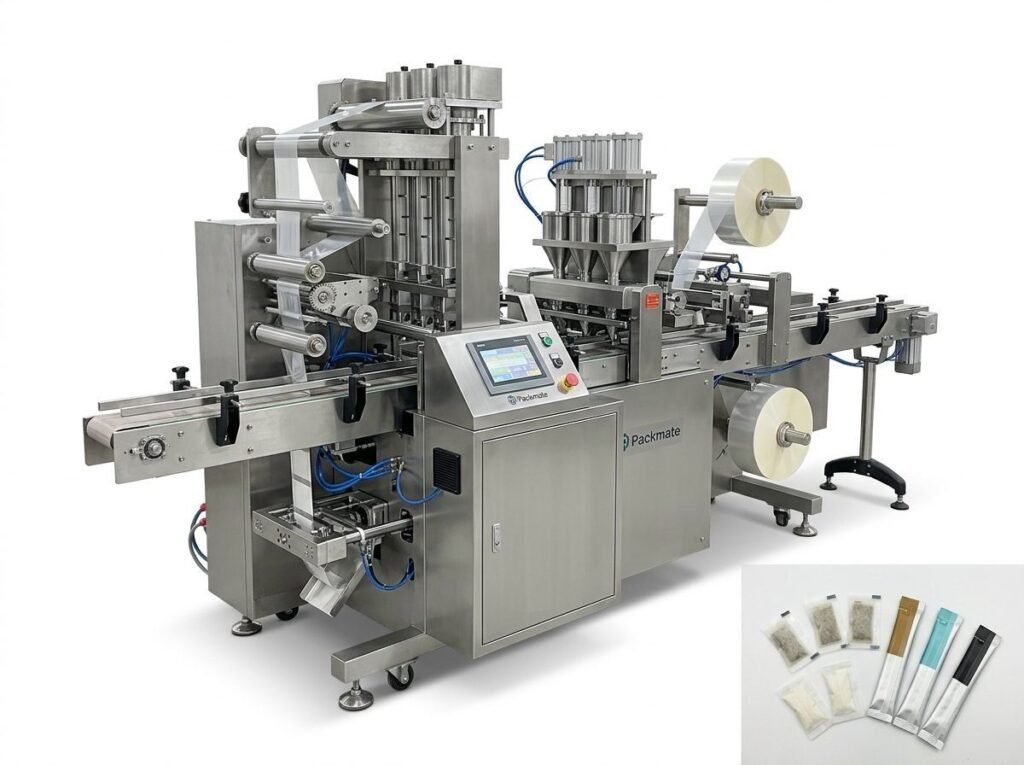
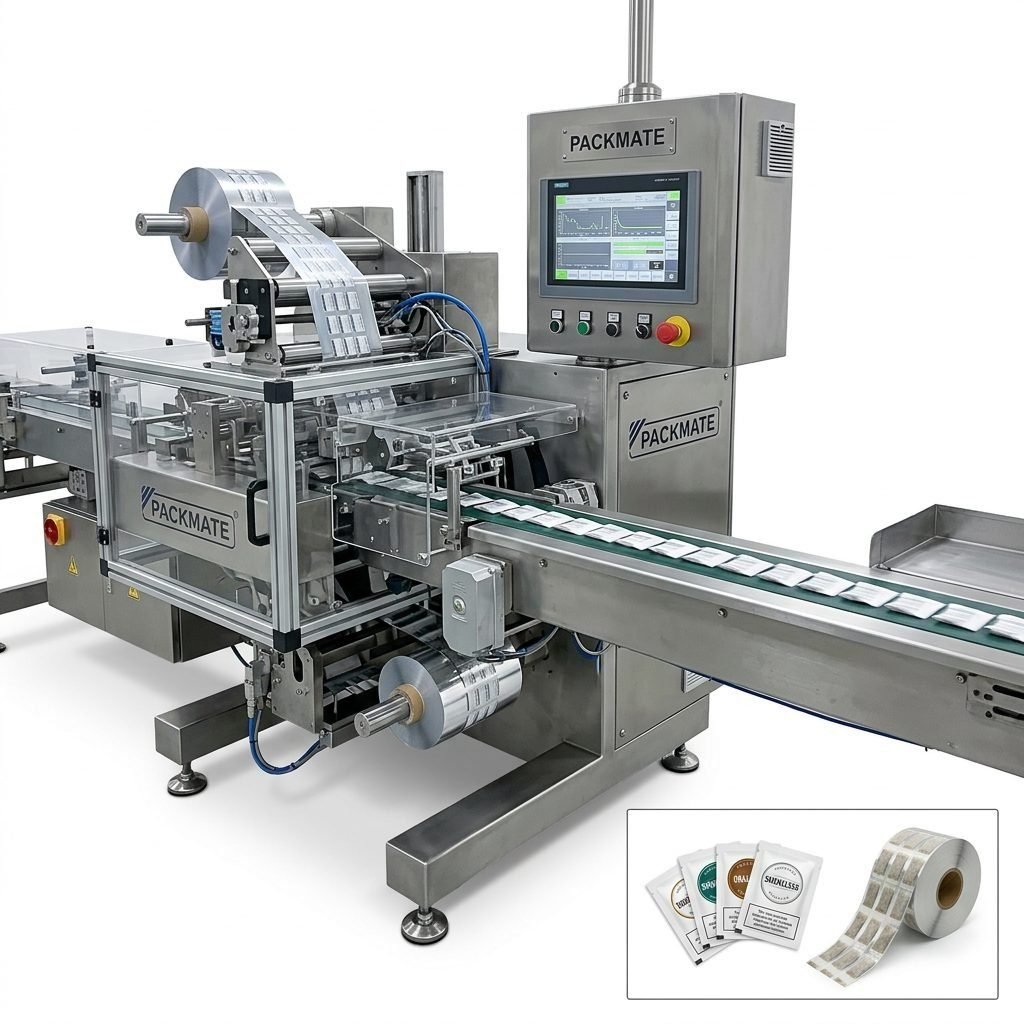
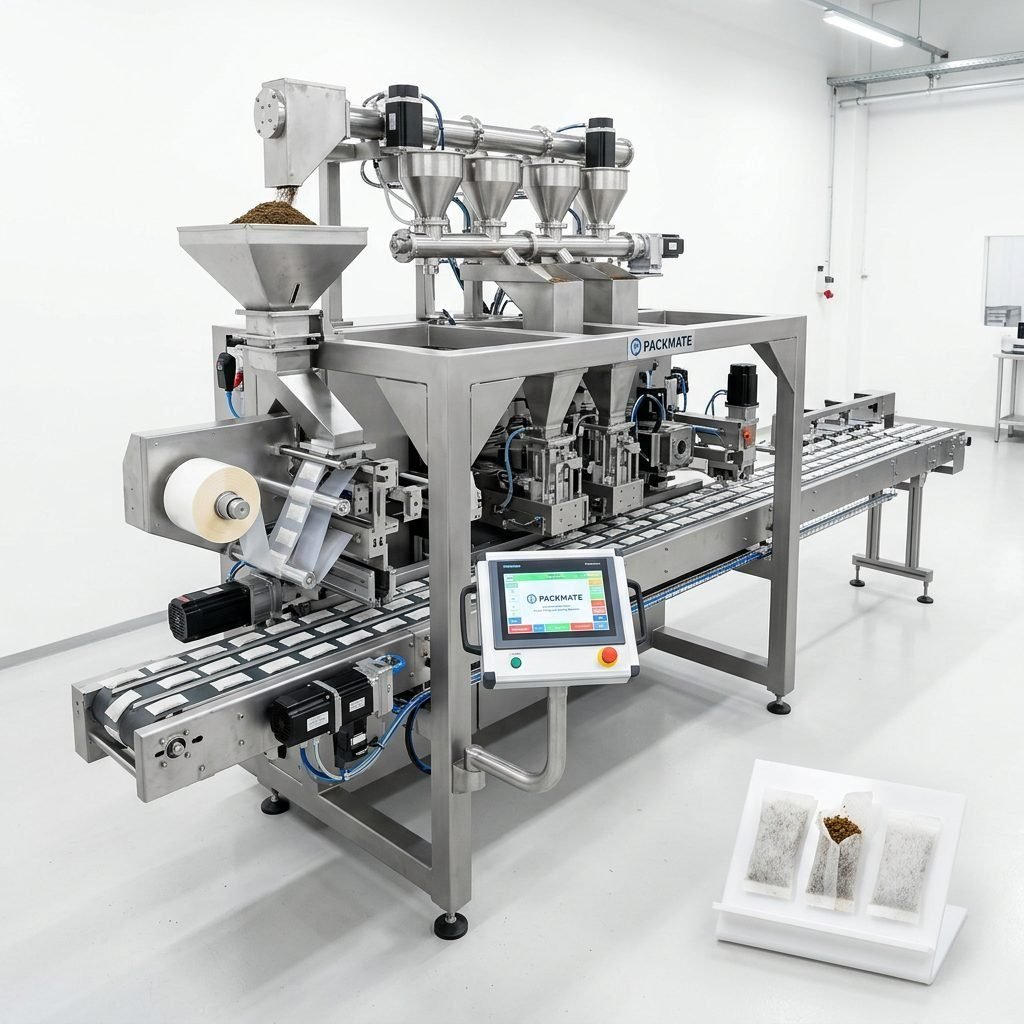
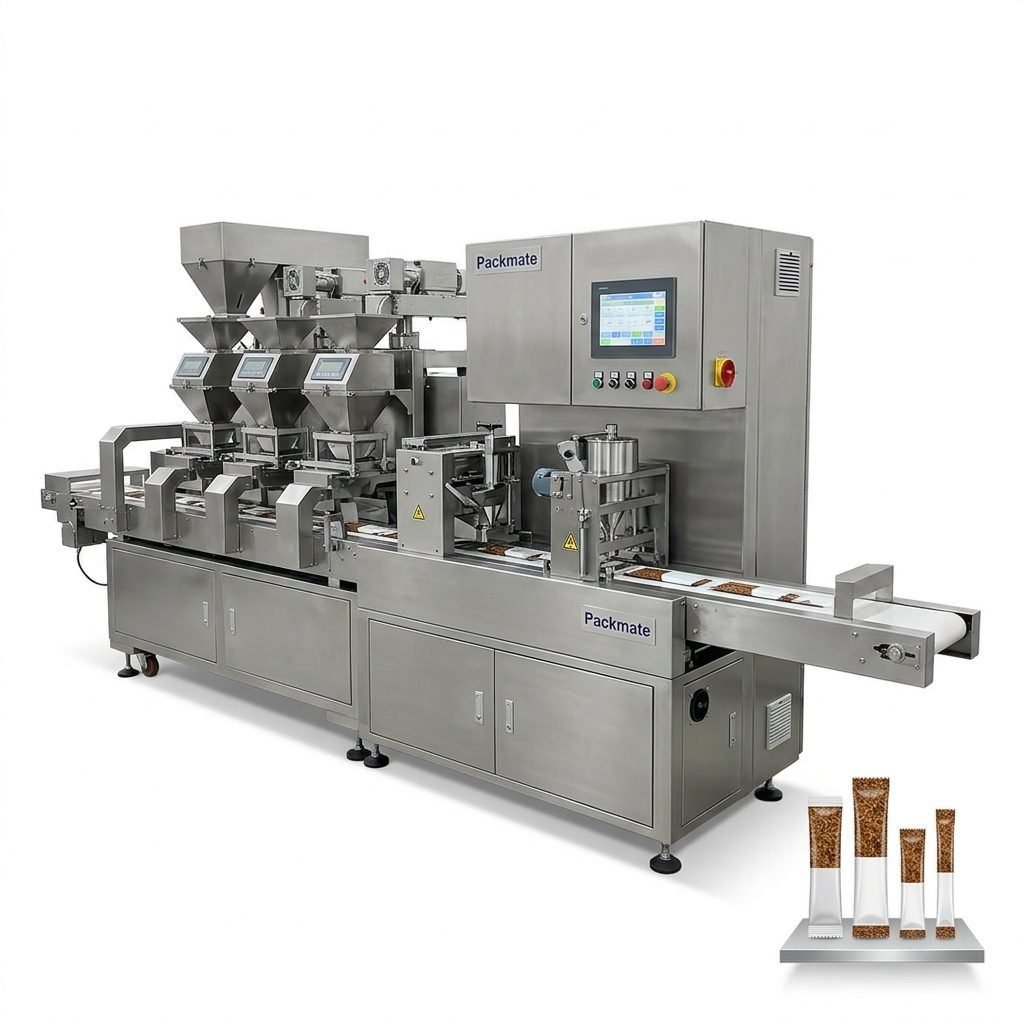
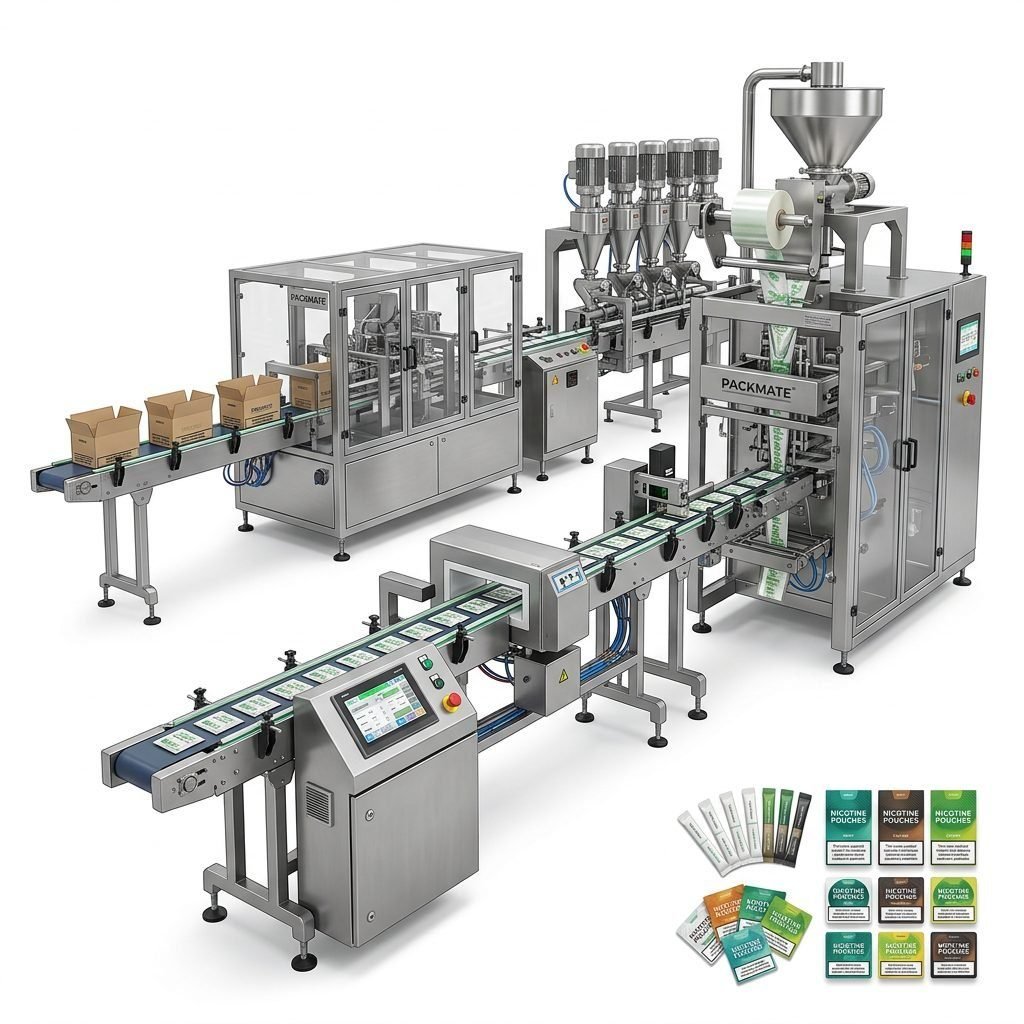
Packaging formats determine the machine architecture. The main options include multi-lane sachet machines, stick pack machines, and specialized snus/nicotine pouch packaging lines. Each type is optimized for different product forms and output levels:
🔧 Sachet & Stick Pack Machines are ideal for single-dose or tearable packs and are suitable for rapid launches and promotional runs. They provide fast changeovers when you need flexibility. See examples of these machines at Sachet & Stick Pack Machines.
📦 Multi-lane Snus/Nicotine Packaging Machines are designed for high-throughput nicotine pouch production. If your plan targets retail chains or export from Costa Rica, multi-lane systems reduce per-unit costs and improve consistency. More information is available at Snus & Nicotine Packaging Machines.
⚙️ Auxiliary Equipment and Filling Systems (weighers, fillers, sealing units) are crucial for stable line performance. Integrating weighing and dosing systems prevents material wastage and ensures dose accuracy—see Weighing & Packaging Systems.
Production Capacity & Scalability
Determine your current and projected throughput before selecting machinery. Costa Rican demand can ramp up quickly if you secure retail placement, so plan for scalability:
Rule of thumb: Choose a machine that handles 20–30% more capacity than your immediate forecast to accommodate seasonal spikes and new distribution channels.
Environmental Factors in Costa Rica
Costa Rica’s tropical climate (humidity and warmth) affects packaging materials and machinery performance. Machines with humidity-resistant components, stainless-steel contact parts, and sealed electrical cabinets perform better in coastal or humid inland locations. Condensation control and proper ventilation are key for product quality and machine longevity.
🌴 Local shipping and warehousing conditions also matter: choose materials and seals that resist moisture so products remain stable during tropical transit to retail outlets across provinces like San José, Limón, and Guanacaste.
Regulatory Compliance and Local Customs
Costa Rica has specific labeling and tobacco/nicotine product regulations. Before installing packaging machines, consult local authorities or legal advisors to confirm labeling, ingredient disclosures, age-restriction warnings, and import controls. Working with a supplier familiar with international compliance, like Packmate, reduces the risk of non-compliance during market entry.
🇨🇷 Respect for Costa Rican consumer customs shapes packaging design and size preferences. Smaller portion formats or discreet retail-friendly pouches often perform better in the local retail environment where consumers value both convenience and clarity.
Material Compatibility and Packaging Aesthetics
Choose packaging materials (laminates, barrier films, foil layers) that protect active ingredients and maintain shelf life in tropical climates. Costa Rican shoppers appreciate clear information, bilingual labeling (Spanish and English where applicable), and eco-conscious materials—consider recyclable or mono-polymer films if you intend to emphasize sustainability.
Evaluating Machine Performance and ROI
When comparing machines, assess:
- Throughput (units per minute/hour)
- Changeover time and format flexibility
- OEE indicators (uptime, speed, quality rate)
- Energy consumption and utility needs
- Parts availability and mean-time-to-repair
A machine with slightly higher upfront cost but better uptime and lower maintenance often delivers superior ROI. Consider warranty, spare parts pricing, and availability in Central America when calculating total cost of ownership.
Supplier Reputation and Local Support
Choose a manufacturer with proven experience in snus and nicotine packaging. Packmate’s 30+ years of engineering and turnkey solutions can help accelerate setup and provide the technical reliability required for regulated products. Learn more about the company at About Packmate.
Key supplier questions:
- Can they provide references or case studies for nicotine pouch lines? (See Case.)
- What is their lead time for spare parts shipment to Costa Rica?
- Do they offer installation, training, and preventive maintenance contracts?
Logistics: Shipping, Installation, and After-Sales
Shipping heavy machinery to Costa Rica requires attention to customs documentation, duties, and freight routing. Select suppliers who can manage export packaging, CE/ISO documentation, and customs paperwork. Confirm the supplier’s ability to provide remote diagnostics and timely on-site service visits, or partner with local technicians trained by the manufacturer.
📄 Tip: Ask for a complete installation checklist and pre-shipping acceptance test (FAT) report. This minimizes surprises during site installation.
Site Requirements and Workforce Training
Prepare your factory floor for new equipment: level foundations, stable power supply, compressed air lines, and climate control. Costa Rican labor is skilled, but nicotine packaging requires specific hygiene and handling procedures. Insist on supplier-led operator training and maintenance workshops to build local competency.
Customization, Flexibility and Future-Proofing
Your business needs evolve—choose equipment that supports future product variations and pack formats. Modular machines and flexible feeders allow you to add lanes, upgrade dosing modules, or change seal patterns without replacing the entire line. Packmate’s product range includes modular options across Bag & Pouch Packaging Machines and auxiliary equipment to help future-proof investments.
Automation and Industry 4.0 Features
Consider machines with modern HMI, PLC controls, and remote monitoring to optimize uptime. Data-driven maintenance schedules reduce unexpected downtime and support compliance reporting. Remote access is particularly valuable if service technicians are located outside Costa Rica.
Financing, Warranty and Service Contracts
Explore financing options, leasing, and deferred payment plans to manage cash flow. Make sure warranty terms are clear and that the supplier offers service level agreements (SLAs) for parts and labor response times. A robust service package reduces operational risk and preserves product quality.
🔍 Check the supplier’s certification portfolio (CE, ISO) and ask for a copy of relevant certificates—this confirms quality management systems and helps with local approvals.
Sustainability and Local Perception
Costa Rican consumers care about environmental impact. Use this to your advantage by selecting machines and packaging materials that minimize waste, reduce energy use, and enable recyclable packaging—this can be a selling point on shelf and in marketing.
Real-World Example: Typical Selection Process
1) Define product format (pouch, sachet, stick) and required output. 2) Shortlist machines capable of that throughput and with humid-climate suitability. 3) Request FAT reports, spare parts lists, and local service plans. 4) Calculate TCO including shipping, duties, installation, training, and spare parts inventory. 5) Schedule a pilot run and operator training prior to full production.
Why Work With an Experienced Supplier?
Experienced manufacturers bring standardized quality, proven line layouts, and faster commissioning. Packmate offers turnkey packaging lines and extensive machine models—review their offerings under Filling & Packaging Lines and Auxiliary Packaging Equipment to see how components integrate for efficient nicotine pouch production.
✅ Bottom line: The best machine is the one that matches your product format, meets Costa Rican environment requirements, has reliable local support, and delivers a clear path to ROI.
Next Steps to Buy and Install in Costa Rica
– Request detailed quotes including CIF/CFR to a Costa Rican port.
– Schedule a factory acceptance test (FAT) and inspect PLC/HMI options.
– Confirm spare parts shipment lead times to San José and availability of local service partners.
– Arrange operator training and preventive maintenance plans before commissioning.
Helpful Resources
For additional support, consult Packmate’s catalog and FAQs for machine specifications and common setup questions: Catalog | FAQs | Contact Us.
Conclusion
Selecting the best snus packaging machinery in Costa Rica means aligning machine capabilities with product requirements, local climate, and regulatory frameworks. Prioritize suppliers with proven nicotine pouch experience, modular machine designs, strong after-sales support, and a clear plan for training and parts supply. With the right partner and a well-planned rollout, you can establish a robust, compliant, and scalable production operation that meets Costa Rican consumer expectations while preparing for regional growth.
Common Questions
Q1: What machine type is best for small-batch launches in Costa Rica?
A1: For small batches and product testing, sachet or stick pack machines offer flexibility and low changeover costs.
Q2: How do I handle humidity-sensitive products during packaging?
A2: Use high-barrier films, climate-controlled production areas, and machines with stainless-steel contact parts and sealed electrical cabinets to mitigate humidity risks.
Q3: What after-sales services should I insist on from a supplier?
A3: Insist on training, preventive maintenance plans, spare parts availability in the region, remote diagnostics, and documented FAT reports.
Q4: Are there financing options for packaging machinery purchases?
A4: Many suppliers offer financing or leasing plans; discuss options with your manufacturer and local banks to structure payments that align with cash flow.
Q5: How important is modularity for future product lines?
A5: Highly important—modular machines allow incremental upgrades (additional lanes, new feeders) and help protect your investment as product formats evolve.