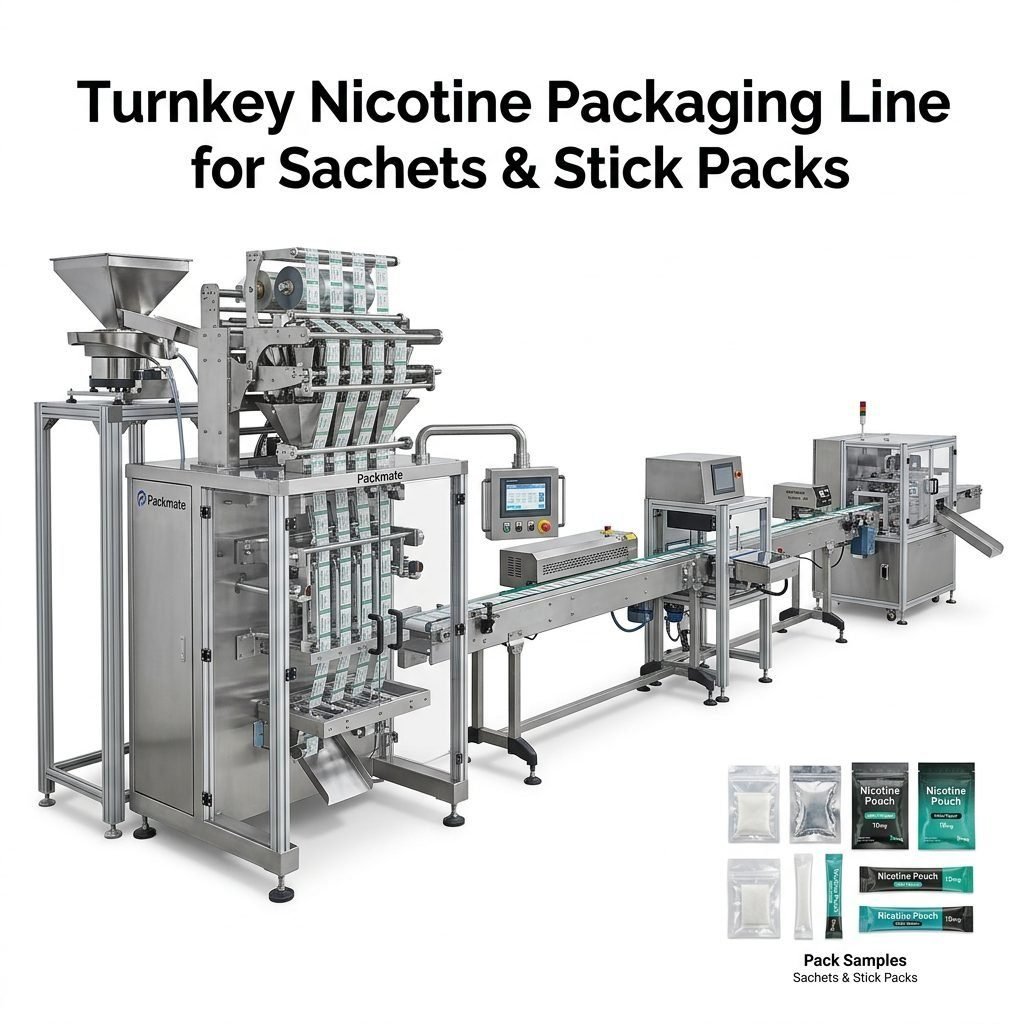
Entering the Libyan market for snus and nicotine pouches means understanding a unique mix of local customs, climate factors and regulatory concerns. This buyer’s guide helps procurement managers, business owners and importers in Libya choose the best snus packaging machine supplier by covering technical selection, compliance, logistics, after-sales support and cultural sensitivities specific to Libya.
Why Libya’s Market Needs a Tailored Approach
Libya’s consumer habits around tobacco products are influenced by social norms, religious perspectives and the popularity of alternatives such as cigarettes and shisha. Nicotine pouches and snus are relatively new in many North African markets, so branding, packaging discretion and compliance with local import rules are essential. The climate in Libya—hot, dry and dusty in many regions—means packaging must protect product freshness and stability. When selecting a packaging machine supplier, prioritize partners who understand these local conditions and can help you adapt materials and processes accordingly.
Top Criteria to Evaluate Potential Suppliers
🔍 Supplier credibility: Look for manufacturers with decades of engineering experience, global references and clear factory capabilities. Suppliers like Packmate emphasize 30+ years of R&D and a 20,000㎡ manufacturing facility — indicators of stable production capacity.
⚙️ Technical fit: Choose machinery that matches product form (pouches, stick packs, sachets), capacity (single-lane vs multi-lane) and material compatibility (laminated films, foil, paper and biodegradable options).
🛡 Certifications & standards: CE, ISO and other international certificates ensure safety and easier customs clearance for imported equipment.
🧩 After-sales & spare parts: Rapid access to spare parts, remote support and on-site commissioning are critical for markets with limited local service networks.
Technical Features to Prioritize for Libyan Operations
When evaluating machines, ensure they address Libya-specific operational challenges:
- High sealing strength and reliable barrier packaging to withstand heat and humidity fluctuations.
- Hygienic design (easy-to-clean surfaces and food-grade contact parts) for nicotine products.
- Multi-lane options to boost output while minimizing floor space and labor costs.
- Stable dosing systems for small-dose pouches, with low giveaway and precise weight control.
- PLC + HMI controls with multilingual support (English and Arabic-friendly interfaces make training and operation simpler).
Recommended Machine Types
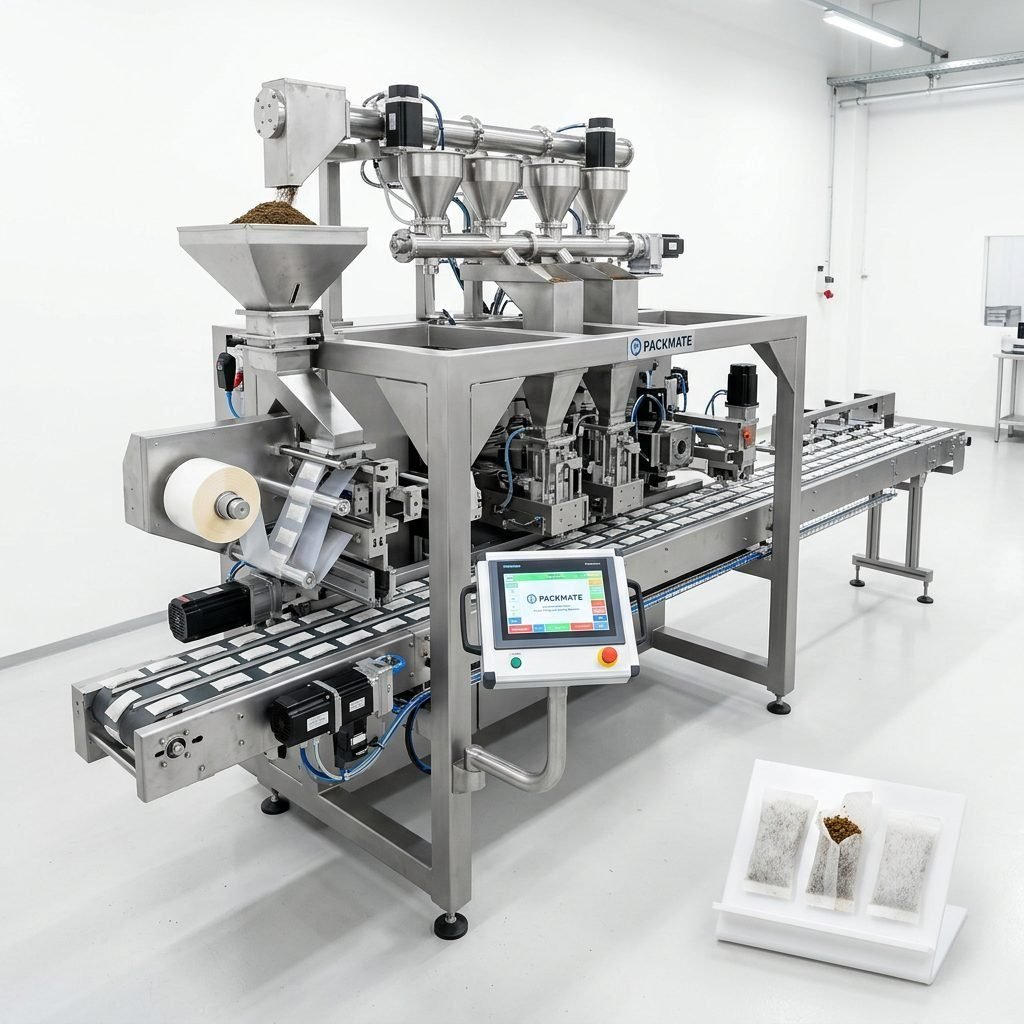
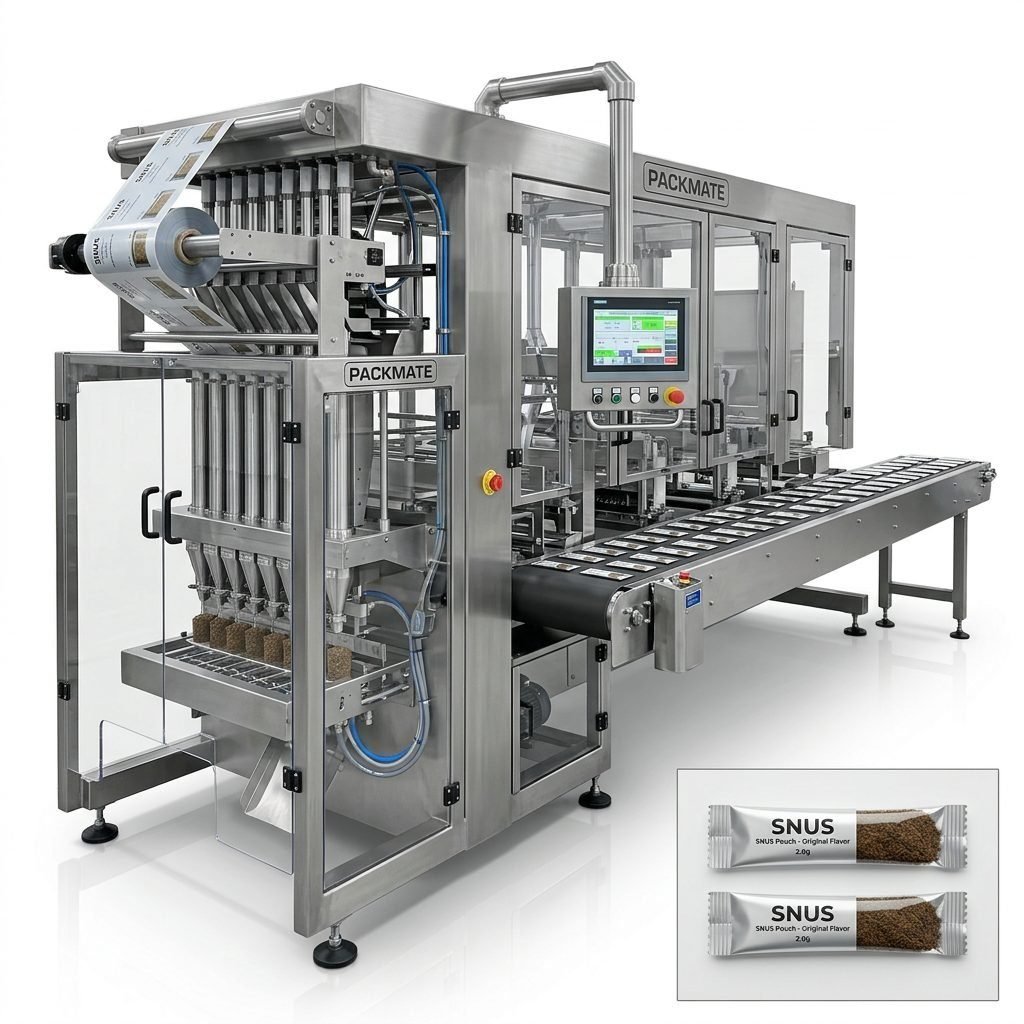
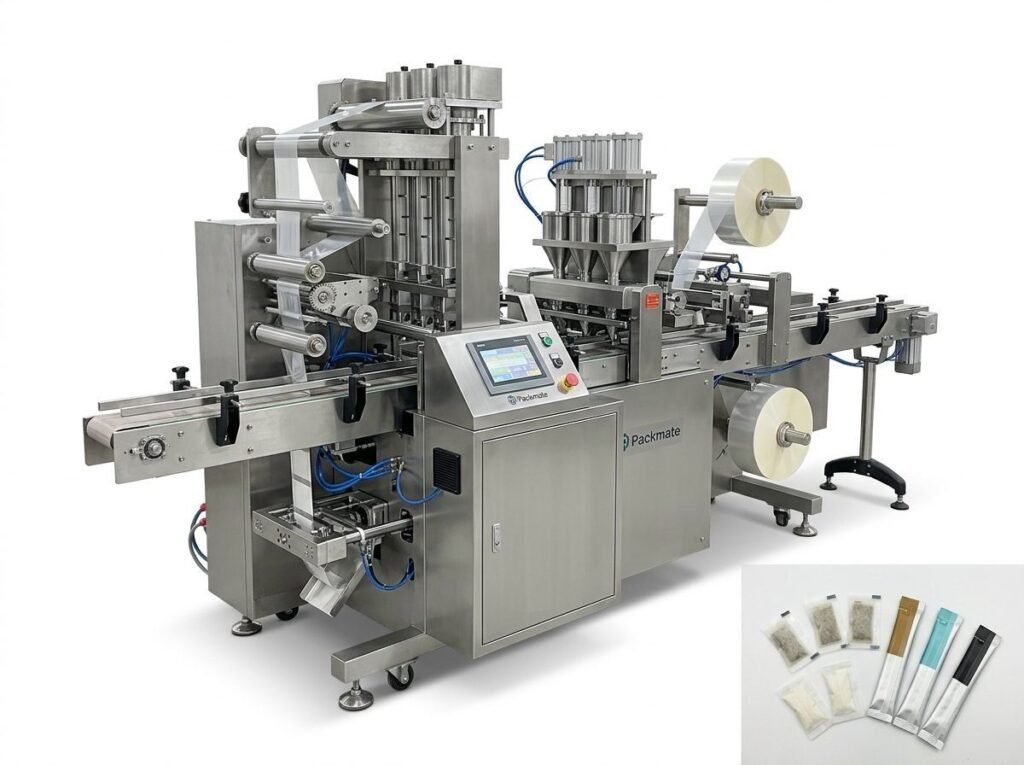
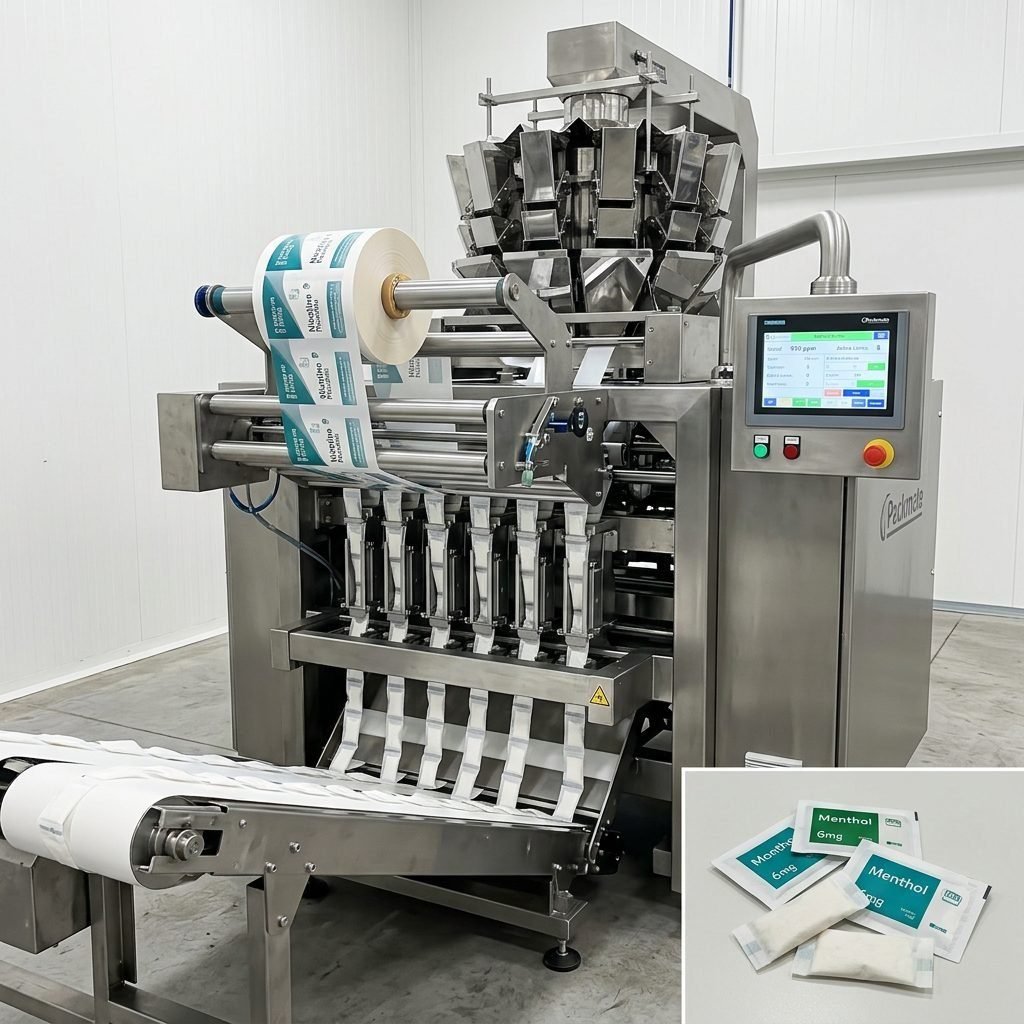
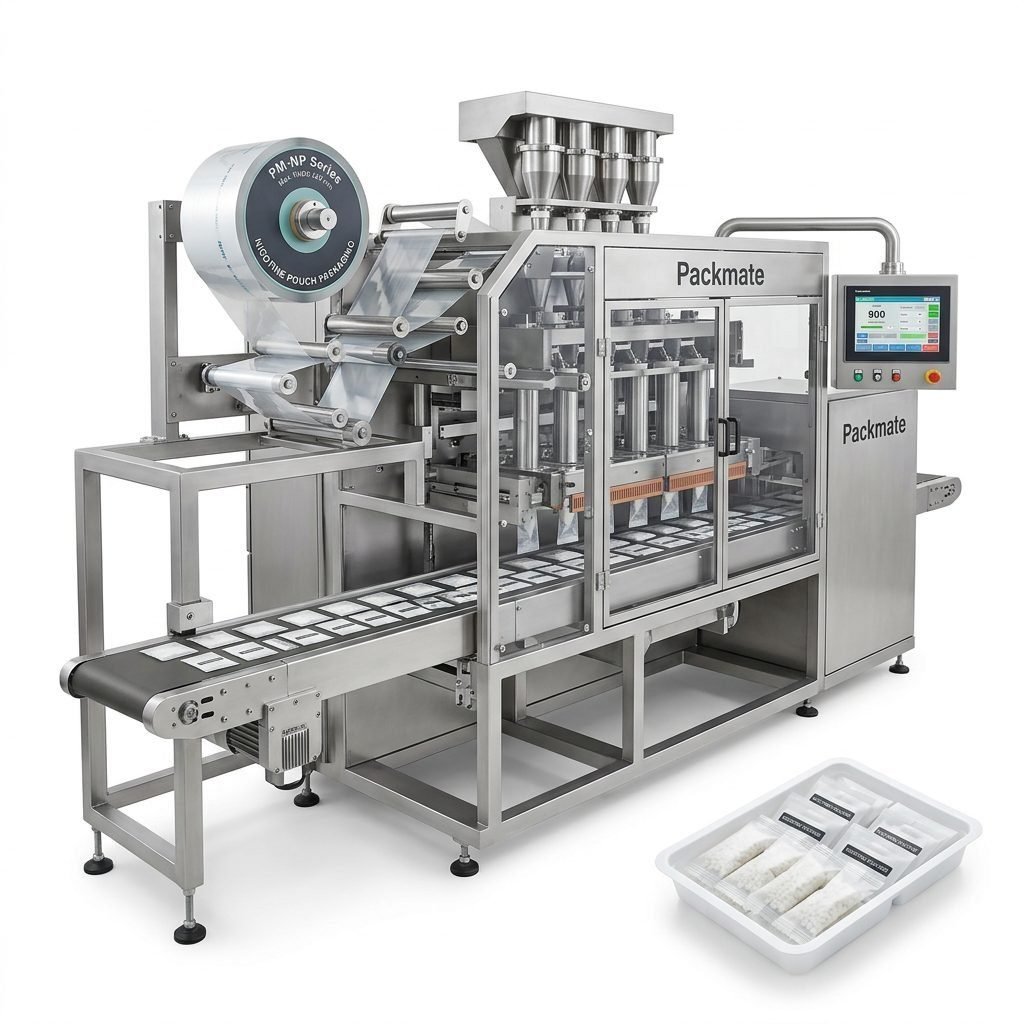
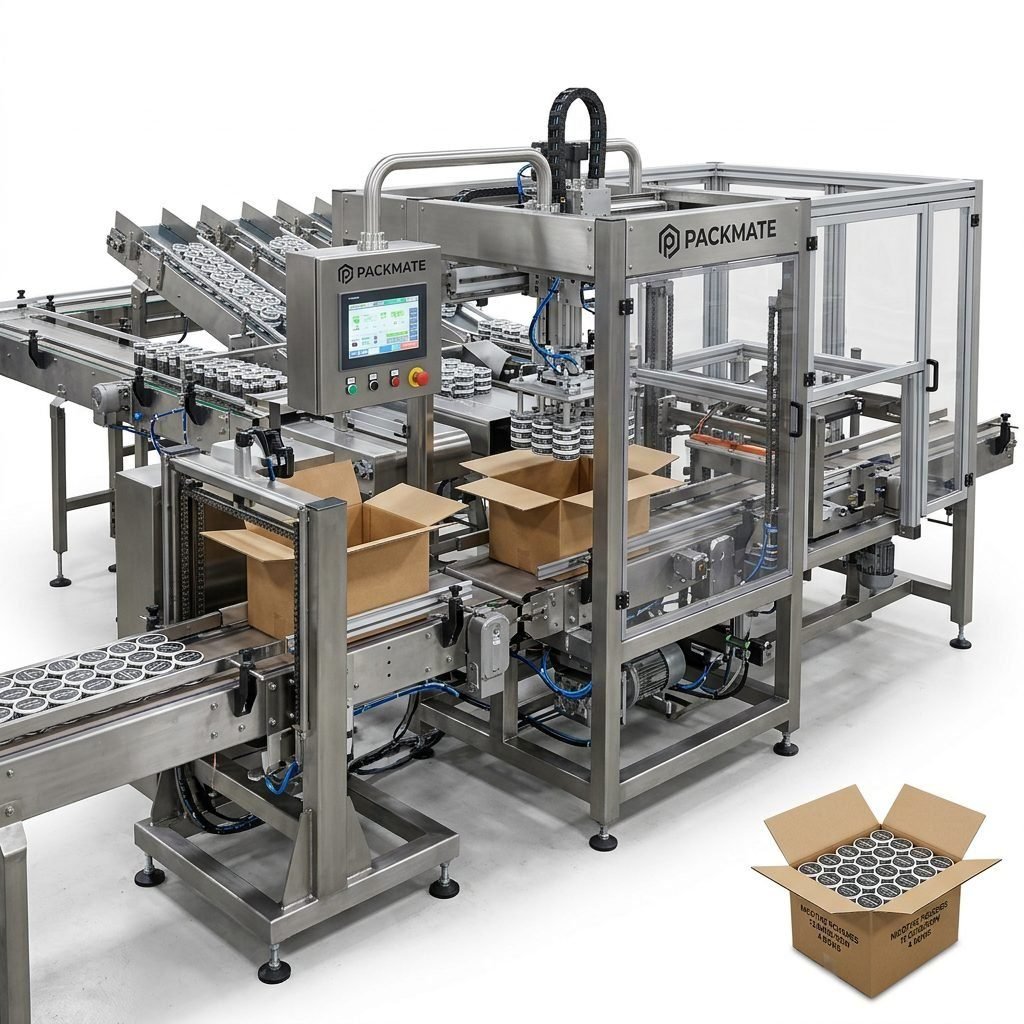
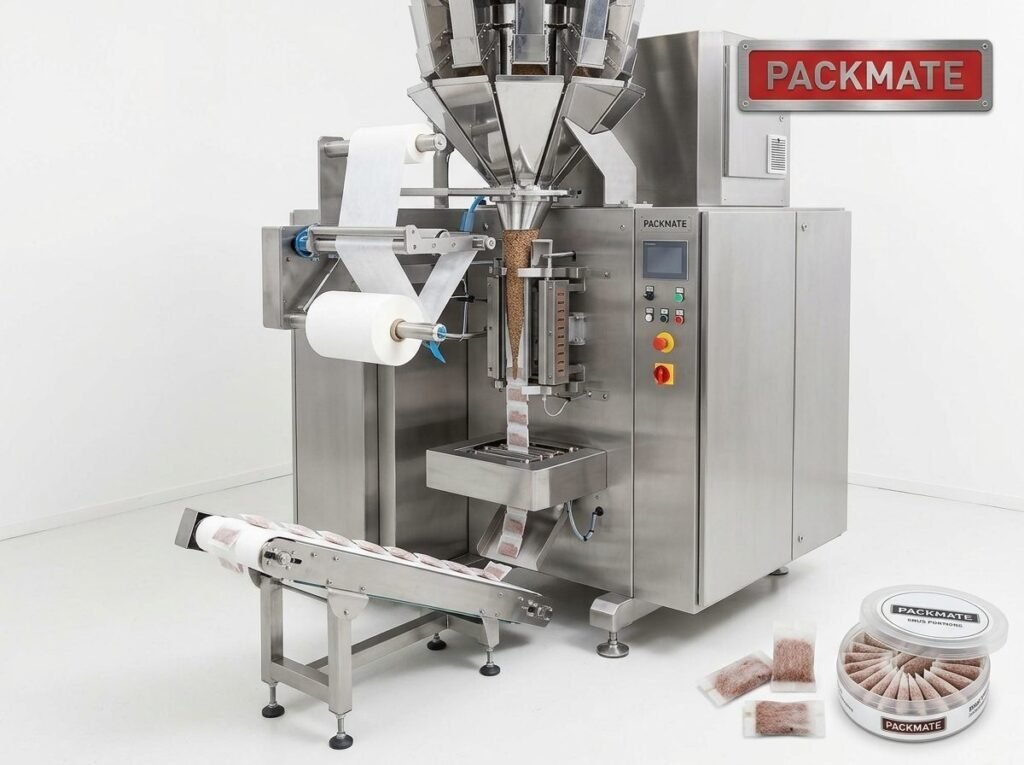
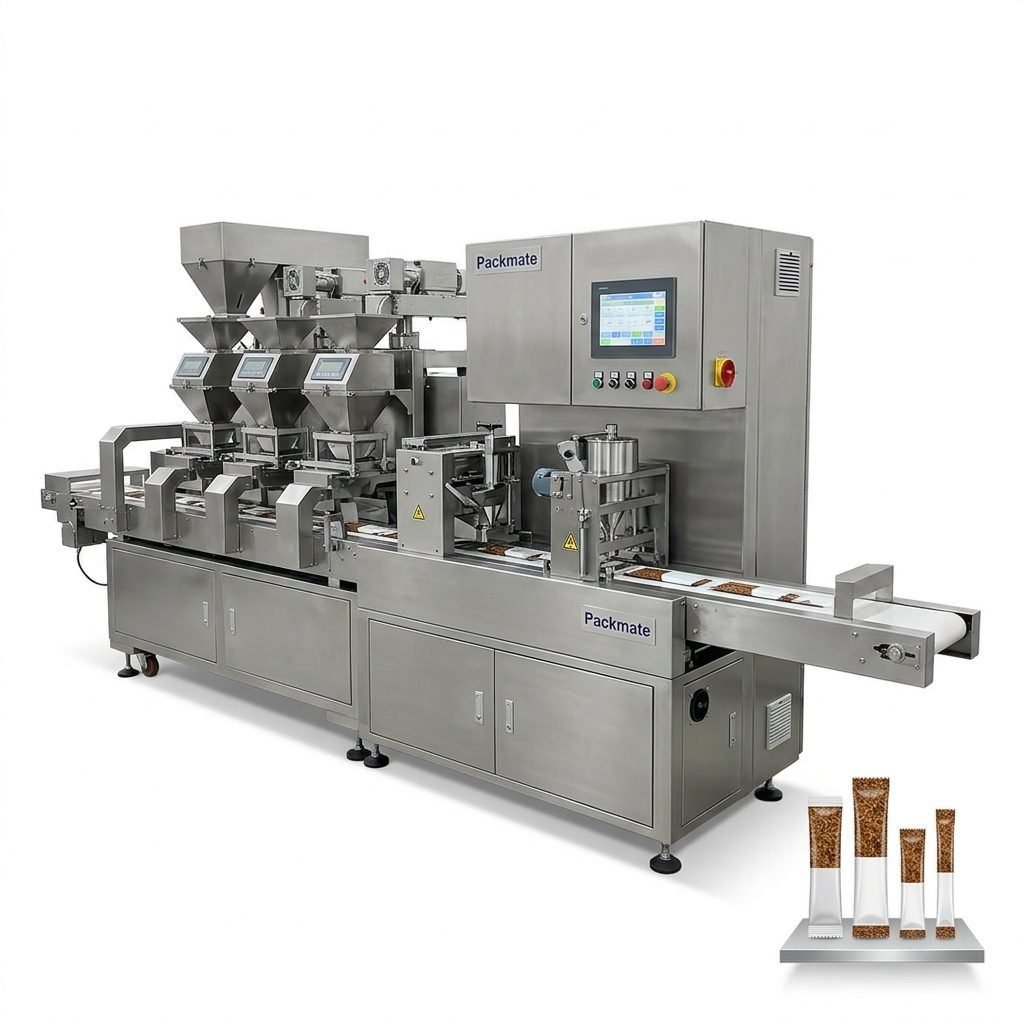
Typical machine choices for snus and nicotine pouch producers include stick pack machines, sachet machines and specialized snus/nicotine pouch systems. For a consolidated product overview, refer to a supplier’s product pages to compare models and capacities:
Snus & Nicotine Packaging Machines,
Sachet & Stick Pack Machines,
Bag & Pouch Packaging Machines.
Quality Assurance: Tests and Factory Acceptance
📌 Factory Visit & FAT: Insist on a Factory Acceptance Test (FAT) where the supplier runs your formula and packaging film through the machine. If travel is difficult, request live-streamed FAT and detailed video evidence.
✅ Sample runs: Confirm the machine can produce consistent samples matching your target weight, pouch shape and sealing requirements before shipment.
🛠 Inspection & testing: Check electrical safety, sealing pressure uniformity and film handling stability. Verify spare parts lists and maintenance manuals are provided.
Compliance, Labeling & Cultural Considerations in Libya
In Libya, manufacturers and importers should be careful with labeling and marketing for nicotine products. Key considerations:
- Local language: Provide Arabic labeling and user instructions where required — Arabic script can improve acceptance and minimize customs delays.
- Regulatory checks: Confirm nicotine product regulations with local authorities or a customs agent. Some regions may require specific warnings or packaging formats.
- Discretion and packaging style: Given cultural sensitivities, many consumers prefer discreet, premium-looking packaging rather than overt branding.
- Religious and social contexts: Positioning and marketing should be respectful of local norms; avoid messaging that could be construed as promoting tobacco use to minors or non-consenting groups.
Logistics: Shipping Machines to Libya
Shipping large packaging machines to Libya usually involves ocean freight to major ports like Tripoli or Benghazi. Consider:
- Crating & export packing: Ensure the supplier secures components for long transit and handles sea-worthy packing.
- Customs documentation: Get complete export, CE/ISO certificates and detailed spare parts lists to help expedite clearance.
- Local installation partners: If onsite installation teams are not available locally, ensure the supplier provides comprehensive commissioning and training services.
After-sales Support & Training
Reliable after-sales support reduces downtime and protects your investment. Prioritize suppliers who offer:
⏱ Fast spare parts delivery: Ask about lead times for common wear parts and whether spares can be dispatched quickly to North Africa.
📚 Local training & manuals: Training sessions (onsite or virtual) and Arabic-friendly manuals ease operator learning curves.
🔧 Remote troubleshooting: Remote diagnostics and software support reduce travel needs and help resolve issues promptly.
Financial & Commercial Terms to Negotiate
Negotiate terms that protect both parties while giving you flexibility:
- Payment terms: Staggered payments tied to FAT, shipment and installation can mitigate risk.
- Warranty & performance guarantees: Include uptime or performance clauses and confirm warranty coverage for wear parts and electronics.
- Training & commissioning: Specify scope, travel costs and duration of on-site support in the contract.
- Spare parts kits: Request an initial spare parts kit for the first 6–12 months of operation.
Step-by-step Purchasing Checklist
1. Define product specs: pouch size, weight, film type, daily output target.
2. Shortlist suppliers: prioritize those with proven snus/nicotine machine lines and references.
3. Request FAT & samples: run your actual materials and recipe during FAT.
4. Evaluate logistics & compliance: verify export certifications and customs paperwork.
5. Finalize contract & warranty: include spare parts, commissioning and training details.
Why Choose an Experienced Manufacturer Like Packmate
Manufacturers with extensive experience in snus and nicotine packaging can shorten your path to production. Packmate’s track record — over 30 years in packaging machine development, 50+ machine models and a dedicated snus machine range — demonstrates capabilities to deliver high-precision multi-lane systems, custom turnkey lines and global after-sales support. See real-world examples in their case studies and product pages:
Case |
About Packmate |
Contact Us
Practical Tips for Libyan Buyers
– Work with a local customs broker who understands import rules for nicotine products.
– Order a pre-shipment spare parts kit and training session to ensure quick startup.
– Request Arabic-labeled manuals or translated quick guides for operators.
– Consider machines with dust-resilient enclosures and strong sealing systems to handle the local environment.
Common Pitfalls and How to Avoid Them
Many buyers underestimate the importance of local adaptation and after-sales support. Common mistakes include selecting a machine solely on price, skipping FAT, or assuming spare parts will be quickly available. Avoid these by verifying supplier references, requesting real-material testing and locking in spare parts delivery times in the contract.
📞 Next step: Reach out to suppliers with detailed product specs and request a FAT schedule. If you need tailored snus production lines including weighing and auxiliary equipment, check a supplier’s full solutions:
Weighing & Packaging Systems,
Filling & Packaging Lines.
Final Considerations
Selecting the right snus packaging machine supplier for Libya requires blending technical requirements with cultural sensitivity and strong logistical planning. By focusing on machines designed for nicotine pouch accuracy, robust after-sales service and material compatibility for the Libyan climate, you can minimize risk and accelerate market entry.
Frequently Asked Questions (FAQs)
Q1: What certifications should I ask a snus packaging machine supplier to provide?
Request CE and ISO certificates as a baseline. Also ask for declarations of conformity, electrical safety test reports and any export documentation helpful for customs in Libya. Suppliers with transparent certification records ease clearance and installation.
Q2: How important is a Factory Acceptance Test (FAT)?
FAT is essential. It verifies machine performance using your real materials and recipes before shipment. For cross-border purchases, insist on documented FAT results or live-streamed demonstrations if you cannot travel for the test.
Q3: What spare parts should I order with a new machine?
Start with a wear-parts kit: sealing jaws, belts, bearings, sensors and critical electrical components. Confirm delivery lead times and consider stocking a 6–12 month supply of high-wear items to reduce downtime in Libya.
Q4: Do I need Arabic manuals or local training?
Yes. Arabic manuals and localized training significantly reduce operator errors and speed commissioning. Ask suppliers to provide translated documentation or on-site trainers who can communicate in Arabic.
Q5: Can a supplier help with packaging material selection for Libya’s climate?
Reputable suppliers should advise on film types and sealing parameters to protect product freshness under Libyan environmental conditions. Seek partners with experience in high-barrier films and heat-stable sealing solutions.