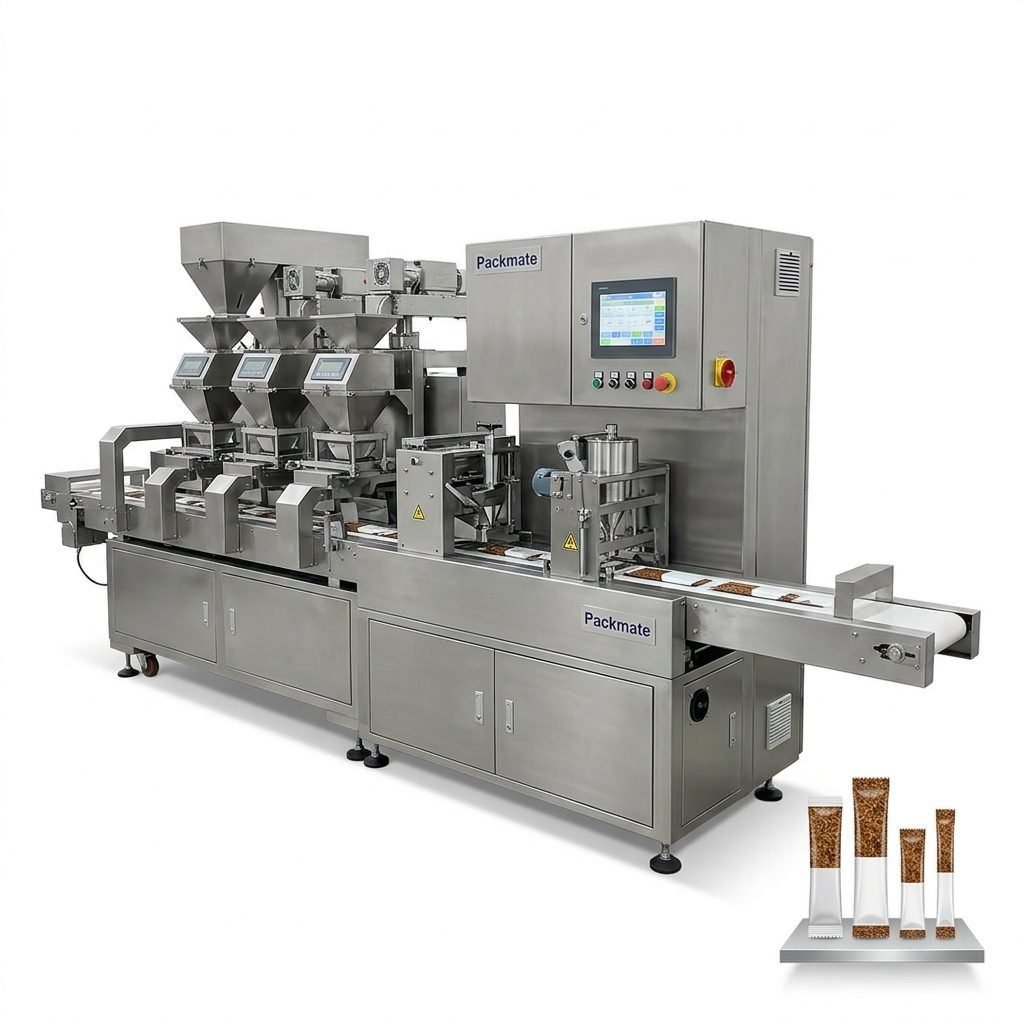
Choosing the right nicotine packaging machine in Lesotho can transform your production line from a manual bottleneck into a high-efficiency, compliant system. This guide walks you through practical considerations — from machine type and throughput to supplier reliability and after-sales support — so you can make a decision that balances cost, quality, and future growth.
🔎 Understand the Lesotho Market and Regulatory Context
Lesotho’s consumer market for nicotine pouches and snus is evolving. Regulations, import duties, and health compliance requirements can affect packaging choices. Before selecting equipment, ensure you understand local labeling rules, product weight tolerances, and any material restrictions. Compliance is not optional — it drives machine features like date coding, tamper-evident options, and material handling.
📌 Quick compliance checklist
⚠️ Verify labeling and language requirements • ℹ️ Ensure traceability and batch coding capability • ✅ Confirm material compatibility (foil, laminated pouches, paper).
📈 Production Capacity & Throughput Needs
Estimate your current output and projected growth for 1–5 years. Packaging machines are typically rated by pouches per minute or per lane. For a business in Lesotho planning export or rapid scale-up, consider multi-lane machines that multiply throughput without proportionally increasing floor space.
Tip: Choose a machine with 20–30% spare capacity to accommodate peak production and maintenance downtime.
🔧 Machine Types and Which Suits Your Product
Different nicotine products require different packaging solutions. Here are the common types:
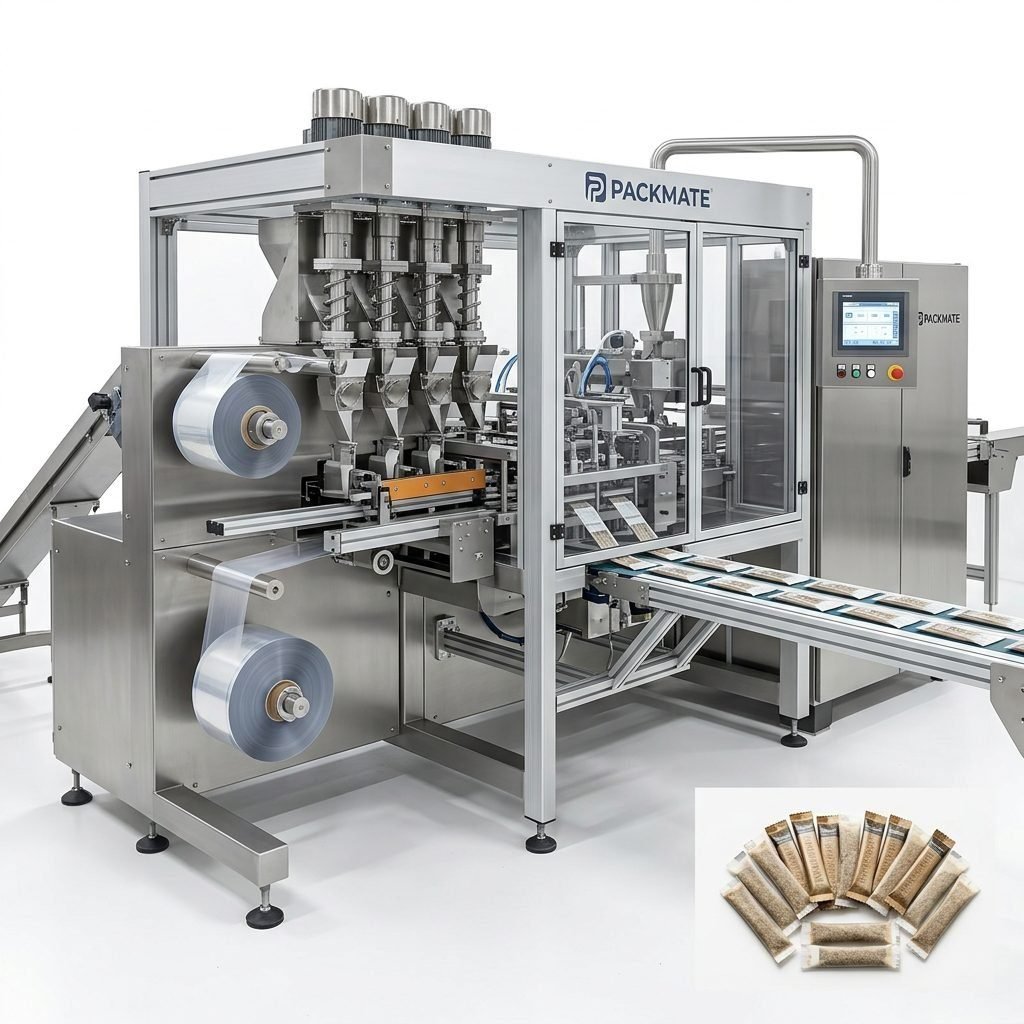
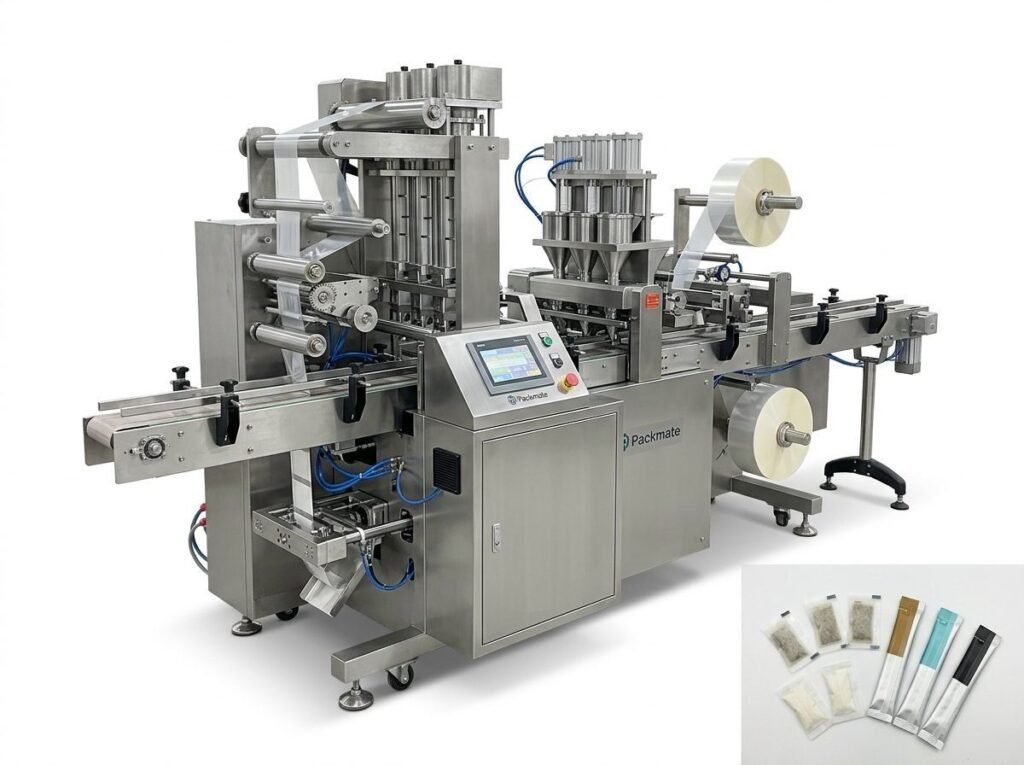
Sachet & Stick Pack Machines
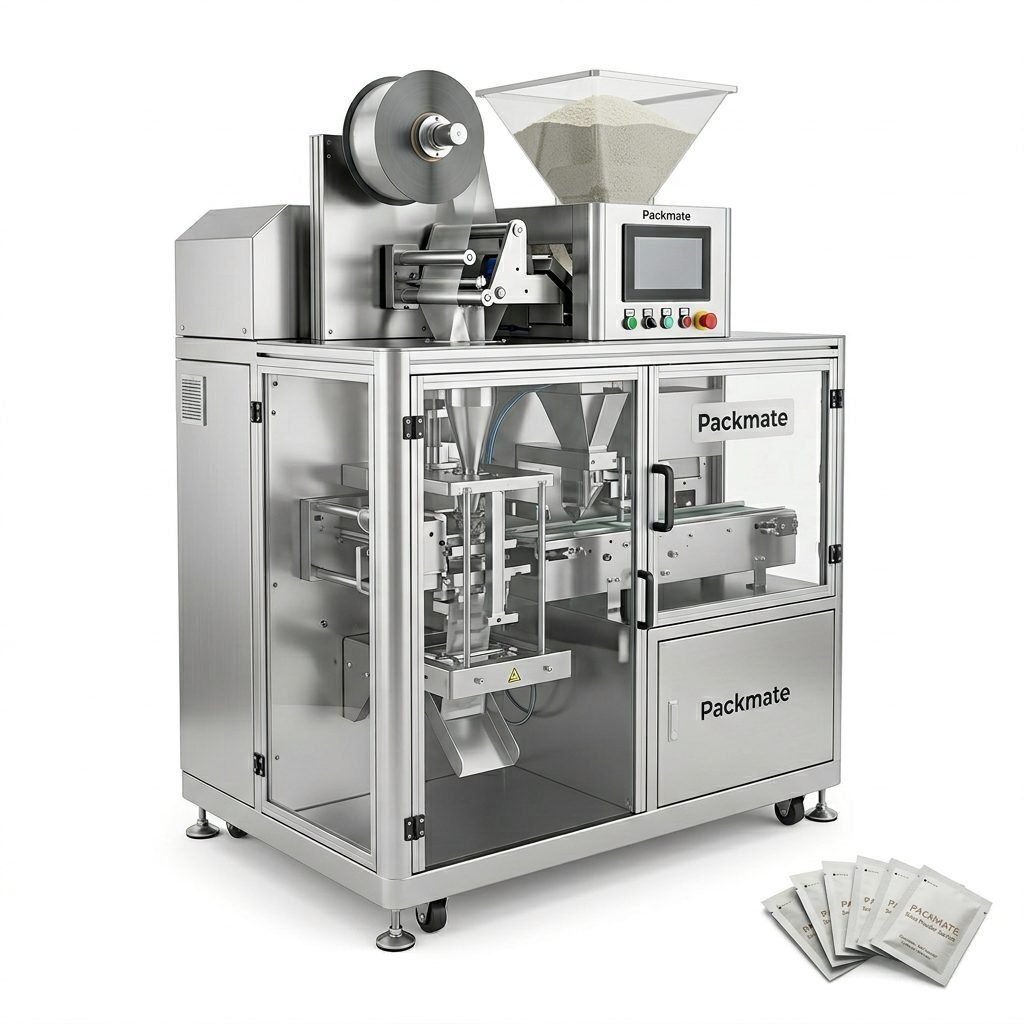
Ideal for single-dose stick pouches and powdered or granular nicotine blends. These machines offer precise dosing and fast sealing — great for retail single-serve formats.
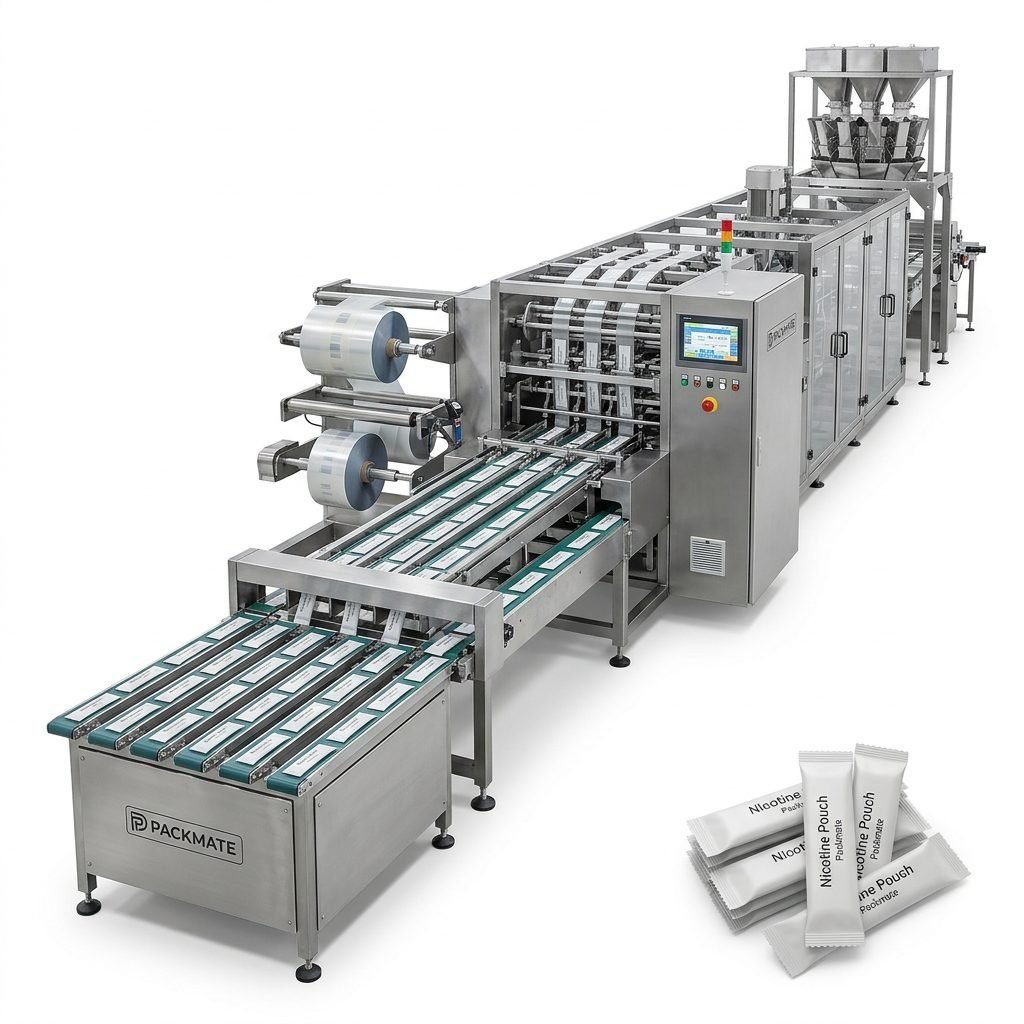
Snus / Nicotine Pouch Packing Machines
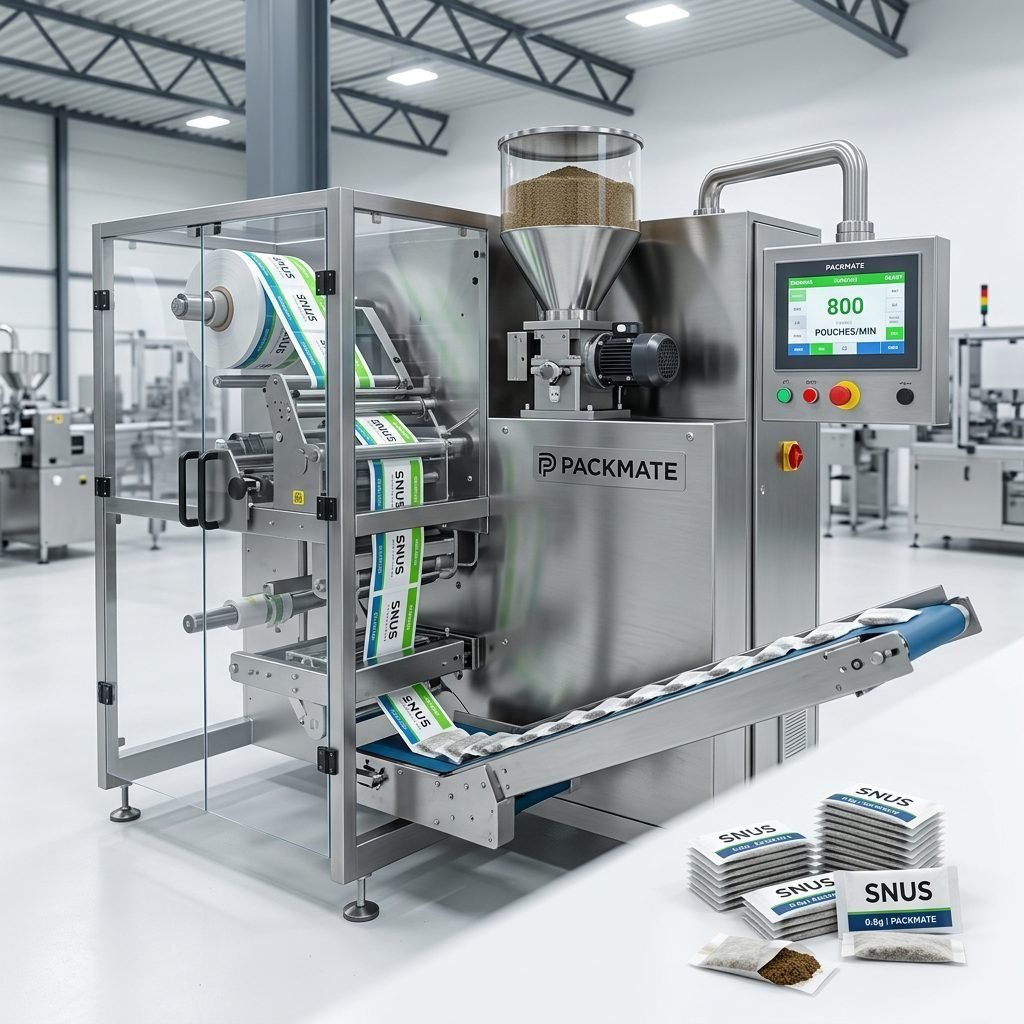
Designed specifically for nicotine pouches/snuses with multi-lane capability and gentle product handling. Look for machines that maintain pouch shape and offer long-term accuracy for small-dose products.
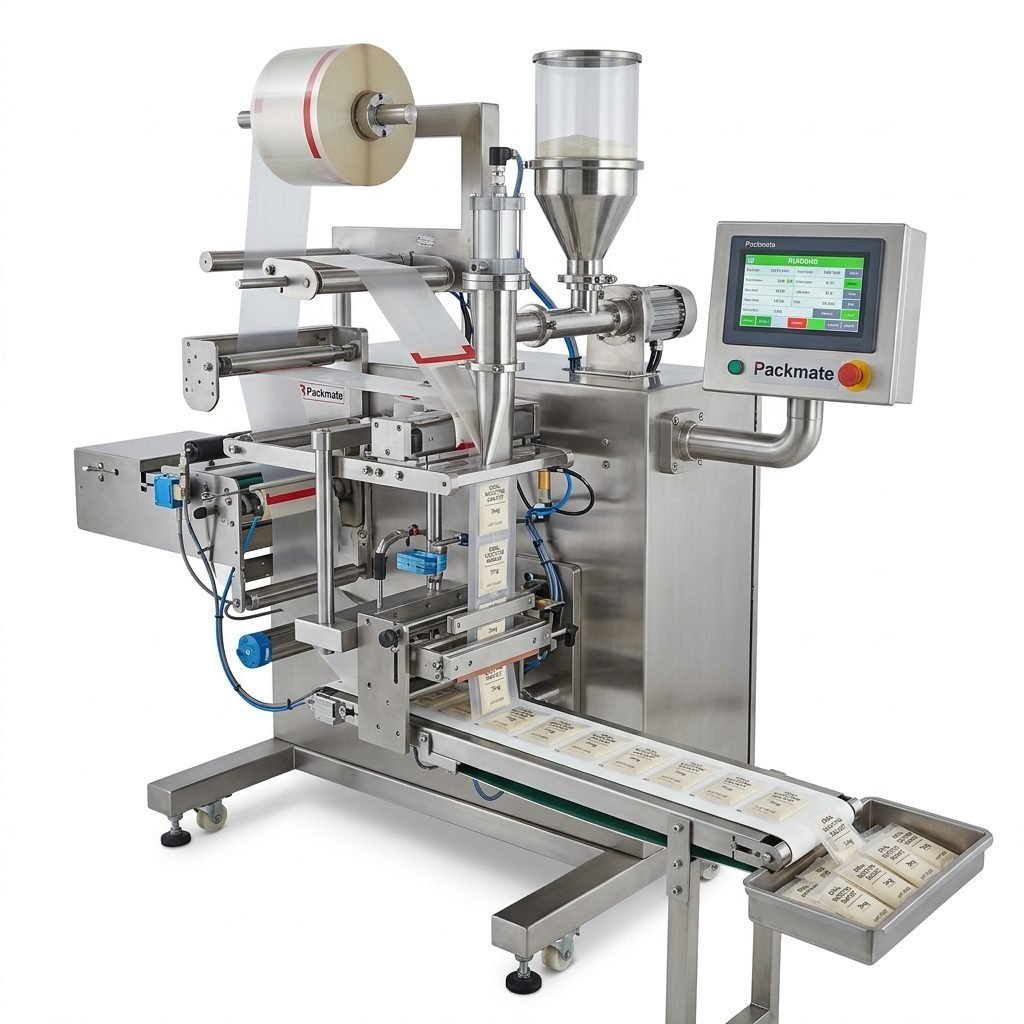
Bag & Pouch Packaging Machines
For larger retail pouches or resealable bags. These systems often integrate gusseting, zipper insertion, and robust sealing for retail shelf appeal.
Explore machine categories and technical specs to match your product at: Snus & Nicotine Packaging Machines, Sachet & Stick Pack Machines, and Bag & Pouch Packaging Machines.
⚖️ Filling Accuracy and Dosing Systems
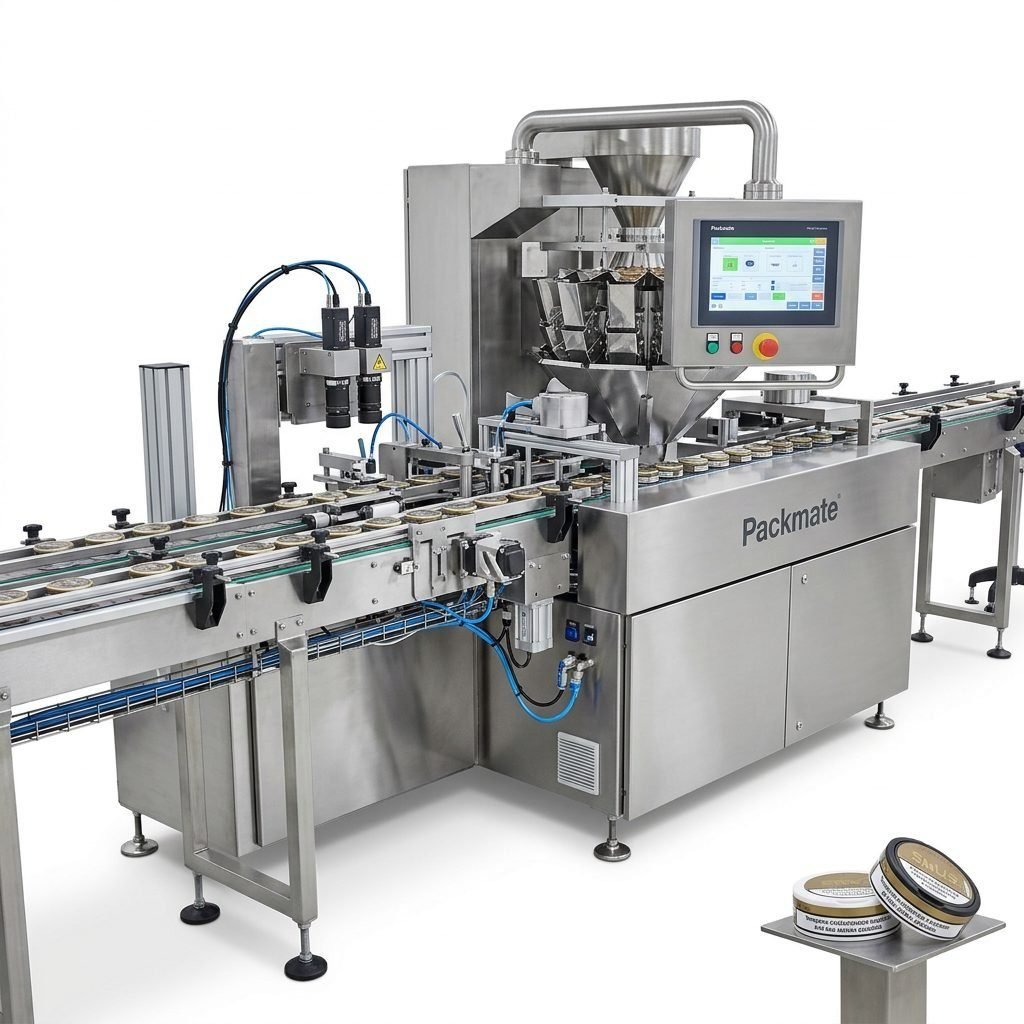
Small-dose nicotine pouches require excellent weighing and dosing accuracy. Choose machines with integrated weighing systems or partnership compatibility with precision scales. Check calibration intervals, accuracy tolerance (e.g., ±0.02g), and alarm/bypass features when dosing falls outside limits.
🔧 Critical: Dosing errors in nicotine products are regulatory and safety risks — prioritize machines with proven accuracy and real-time monitoring.
🤖 Automation, Integration and Turnkey Solutions
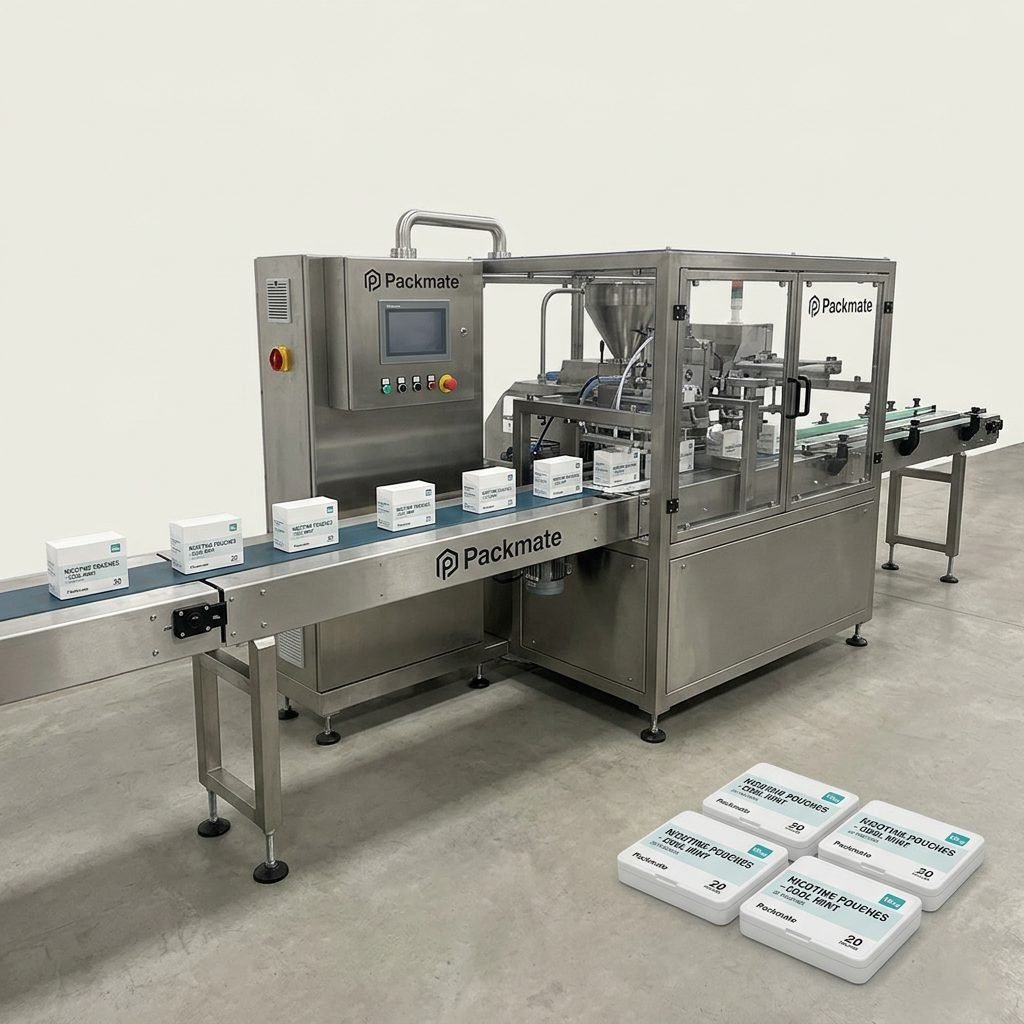
Automation reduces labor costs and raises consistency. Look for machines that integrate easily with upstream and downstream equipment: fillers, conveyors, cartoners, and case packers. If you want a full production line delivered and installed, consider a turnkey provider that manages design, installation, training, and commissioning.
Packmate offers comprehensive lines including filling and packaging; more on full solutions can be found at Filling & Packaging Lines.
🏭 Factory Capabilities and Manufacturing Quality
Evaluate the manufacturer’s production capacity and quality control. Key indicators include:
- Years of experience and specialization in snus/nicotine machines
- Manufacturing area size and machining capabilities (CNC centers, precision assembly)
- Range of models and customization options
- International certifications (CE, ISO)
Packmate highlights: 30+ years of engineering experience, a 20,000㎡ facility, and 50+ machine models — all useful metrics when assessing supplier strength. For more company details, see About Packmate.
🛠️ Service, Spare Parts and After-Sales Support
After-sales service is as important as the machine specs. Ensure the supplier offers:
- Local or regional service partners
- Remote diagnostics and PLC support
- Spare parts availability and warranty terms
- Operator and maintenance training
✅ Ask for a service plan: Response times, spare parts lead time, and remote support capabilities will minimize downtime and protect your investment.
💸 Cost Considerations and Return on Investment
When evaluating price, include total cost of ownership (TCO): machine price, installation, training, spare parts, energy consumption, and downtime risks. A cheaper machine with frequent failures will cost more over time. Run a simple ROI model:
– Calculate additional revenue from improved throughput
– Subtract incremental operating costs and service fees
– Estimate payback period in months
🔁 Modularity and Future-Proofing
Choose equipment that allows modular upgrades: add lanes, change dosing heads, or integrate additional packaging formats as your product range evolves. This flexibility reduces replacement costs and enables quicker adjustments to market demand.
🧩 Example modular upgrades
- Multi-lane conversion kits
- Upgraded precision weighing modules
- Automatic changeover systems for different pouch sizes
🔍 Site Preparation, Installation and Commissioning
Prepare your Lesotho facility before the machine arrives: power supply specifications, compressed air quality, floor load capacity, and environmental control (temperature/humidity). A clear installation plan shortens commissioning time.
Ensure the supplier provides detailed installation drawings, a commissioning checklist, and operator training as part of the delivery contract.
📦 Packaging Line Examples & Real-World Cases
Seeing real installations helps you validate claims. Request case studies or factory acceptance test (FAT) videos. Many manufacturers present their global projects; review case examples to evaluate machine performance in comparable environments. See real-world implementations: Case.
📆 Lead Times, Delivery and Exhibition Demos
Lead times can vary from weeks to months. If possible, attend trade exhibitions or request live demonstrations. You can meet suppliers at exhibitions to see machines running — a great way to validate build quality and user ergonomics. Check upcoming appearances at Our Exhibition.
ℹ️ Pro tip: Factory acceptance testing (FAT) and site acceptance testing (SAT) clauses in the contract significantly reduce installation risk.
📝 Supplier Selection Checklist
When you shortlist suppliers, evaluate them against this checklist:
- Industry specialization in snus/nicotine machines
- Factory capability and certifications (CE / ISO)
- Range of machines and customization flexibility
- After-sales service and spare parts logistics
- References and case studies showing comparable installations
- Clear warranty and training terms
🚀 Making the Final Decision
Balance technical fit, supplier reliability, and commercial terms. Request a full proposal with technical specifications, acceptance criteria, timeline, payment terms, and a commitment to spare parts availability. If a supplier offers turnkey solutions and long-term support, that often outweighs a slightly lower upfront machine price.
🔗 Helpful links for deeper research
– Snus & Nicotine Packaging Machines
– Weighing & Packaging Systems
– Contact Us for direct inquiries and technical consultations.
🧭 Final Checklist Before Purchase
✅ Product compatibility confirmed • ✅ Throughput meets forecast • ✅ Dosing accuracy validated • ✅ Service & spare parts agreed • ✅ FAT/SAT terms in contract • ✅ Installation & training scheduled
📚 Summary of Key Considerations
Selecting the best nicotine packaging machine in Lesotho requires a blend of technical evaluation and supplier due diligence. Focus on machine type, dosing accuracy, modularity, factory capabilities, and service. Prioritize suppliers with proven experience in snus and nicotine equipment to reduce risk and accelerate your time to market.
❓ Frequently Asked Questions
Q1: What machine type is best for small-dose nicotine pouches?
A1: Snus / nicotine pouch packing machines with precision dosing and multi-lane options are ideal. They provide gentle handling, high accuracy, and efficient throughput for small doses.
Q2: How important is supplier certification (CE/ISO)?
A2: Very important. Certifications indicate compliance with international safety and quality standards, which helps with regulatory approval and export compliance.
Q3: Can I upgrade a single-lane machine to multi-lane later?
A3: Many manufacturers offer modular upgrades such as additional lanes or upgraded dosing heads. Confirm upgrade paths and costs before purchase.
Q4: What post-sales support should I expect?
A4: Expect installation, commissioning, operator training, spare parts supply, remote diagnostics, and a clear warranty. Local service partners reduce downtime for Lesotho-based operations.
Q5: Where can I see machine demos or get further technical details?
A5: Visit manufacturer exhibition events or request FAT videos and case studies. For more information about Packmate’s product lines and exhibitions, review Snus & Nicotine Packaging Machines and Our Exhibition.