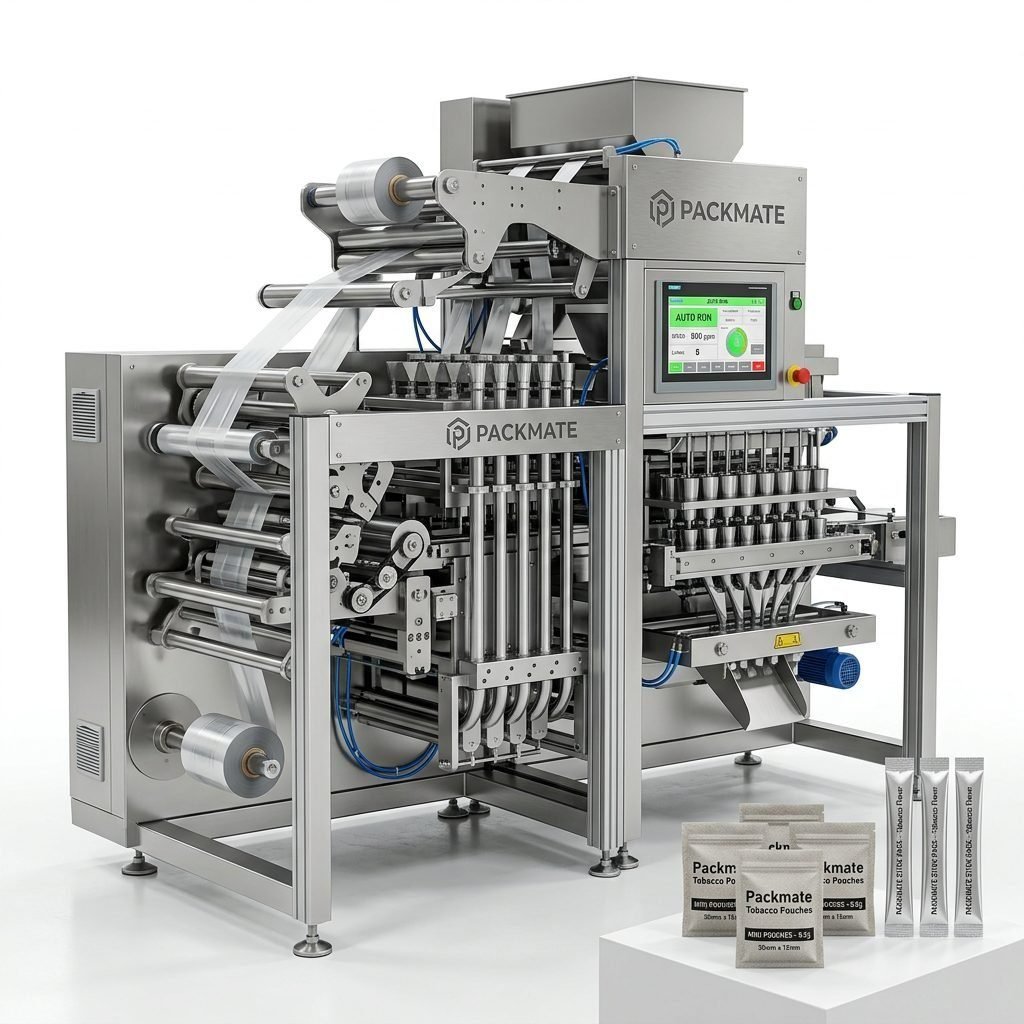
Choosing the right nicotine packaging machinery manufacturer is one of the most important decisions a global producer can make. The wrong partner can delay production, increase costs, and put regulatory compliance at risk. The right one can accelerate time-to-market, ensure consistent product quality, and provide long-term technical support. This guide walks production managers, procurement teams, and business owners through a practical, step-by-step approach to selecting the best snus and nicotine packaging equipment partner for global production needs.
Understand Your Production Requirements ⚙️
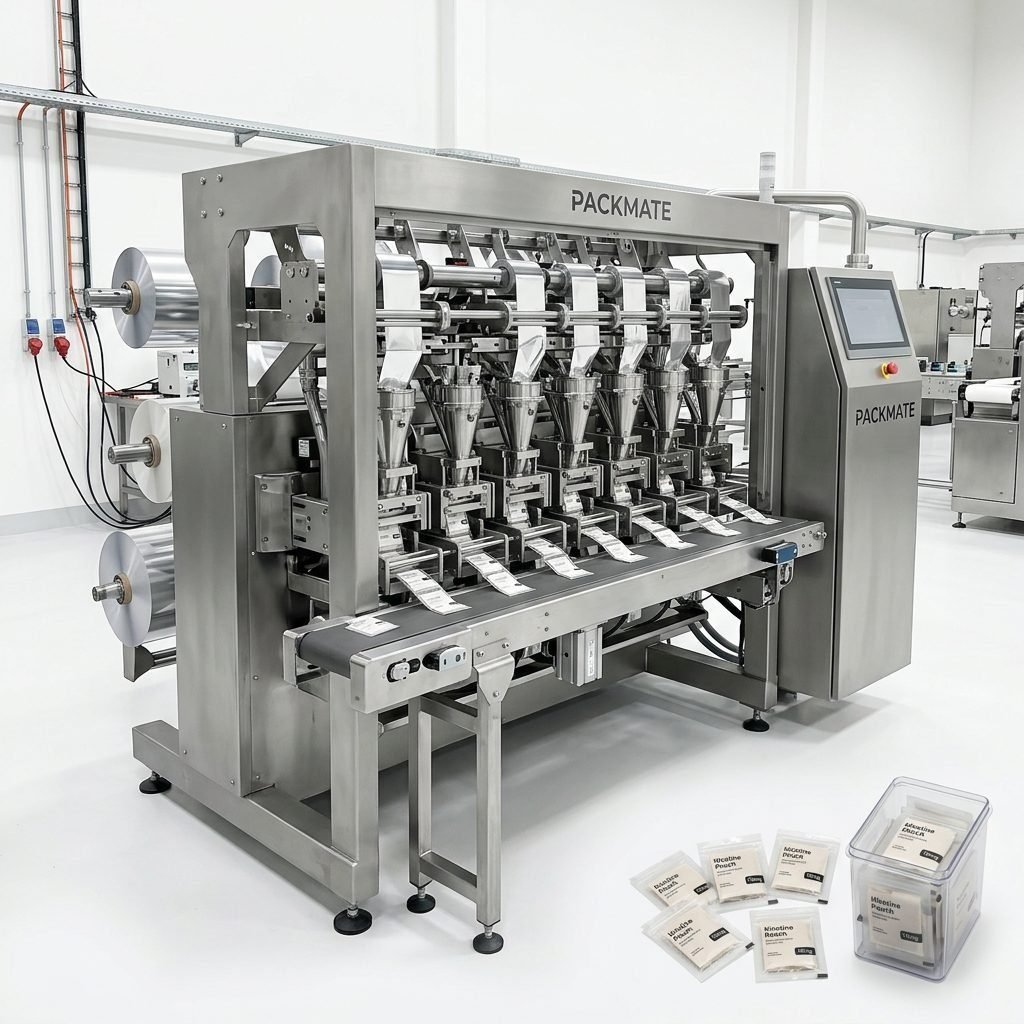
Begin by documenting volumes, product formats, and future growth projections. Are you producing single-dose nicotine pouches, multi-lane sachets, or stick packs? Will you need liquid filling, powder dosing, or multi-component sealing? These answers drive the choice between single-lane machines and advanced multi-lane systems that maximize throughput.
Key parameters to define: average daily output, maximum peak output, pouch sizes and materials, permissible tolerances, and required automation level. Also consider product sensitivity, hygiene requirements, and whether your lines need to integrate with upstream weighing and downstream cartoning equipment.
Technical Capabilities: What to Verify 🔍
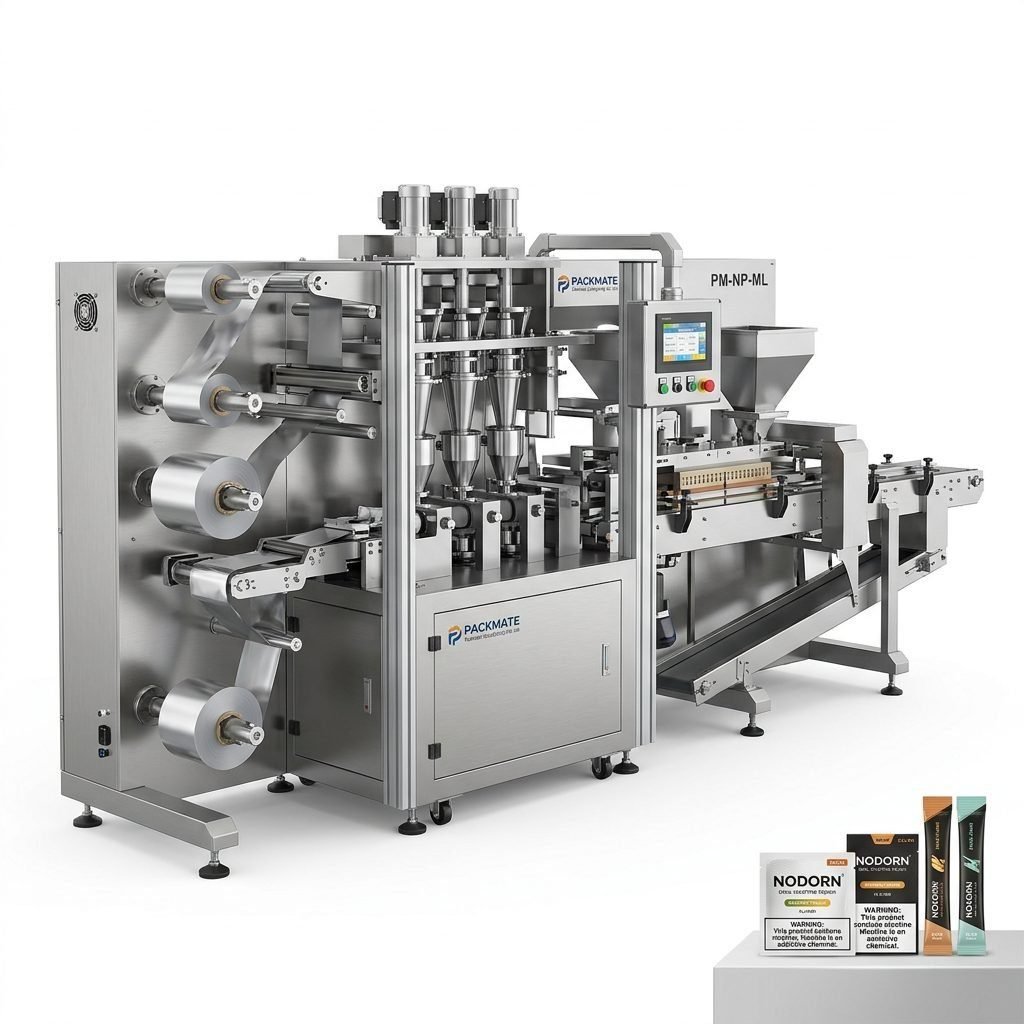
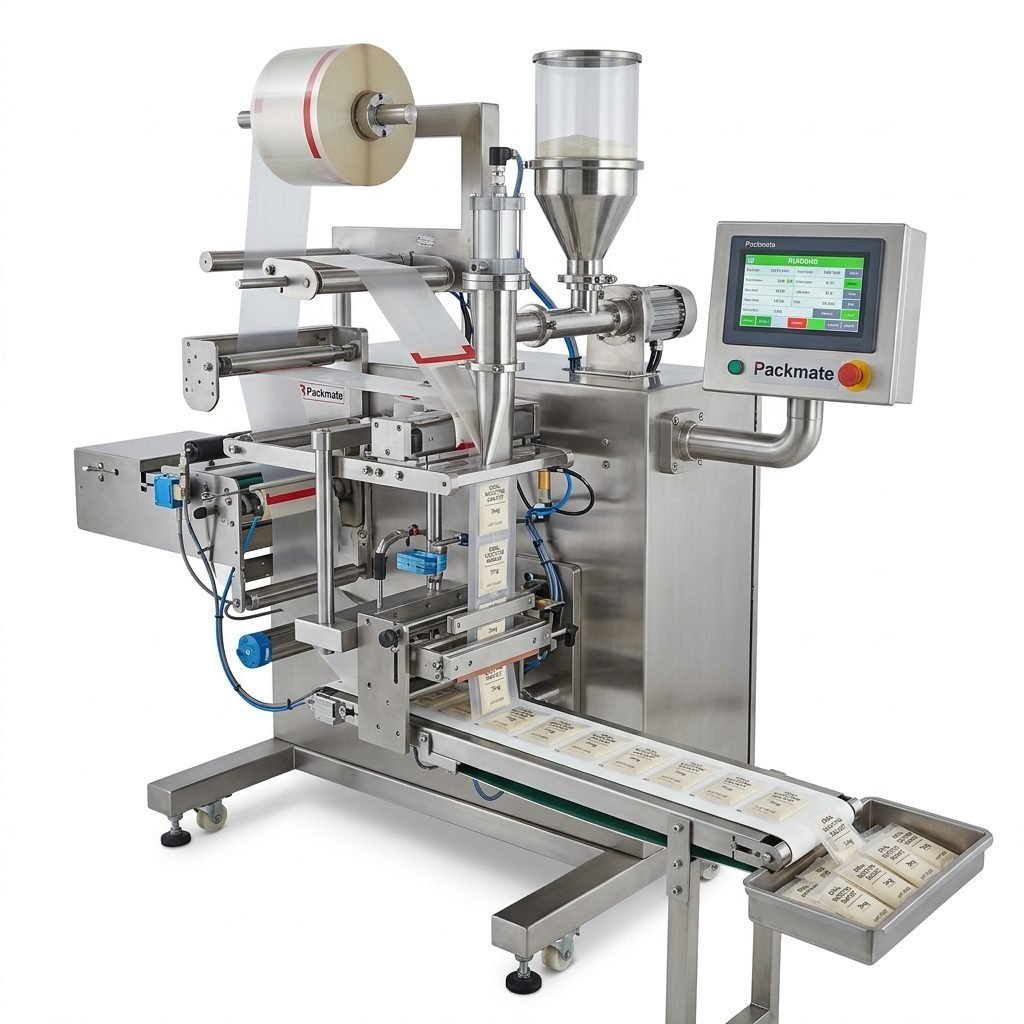
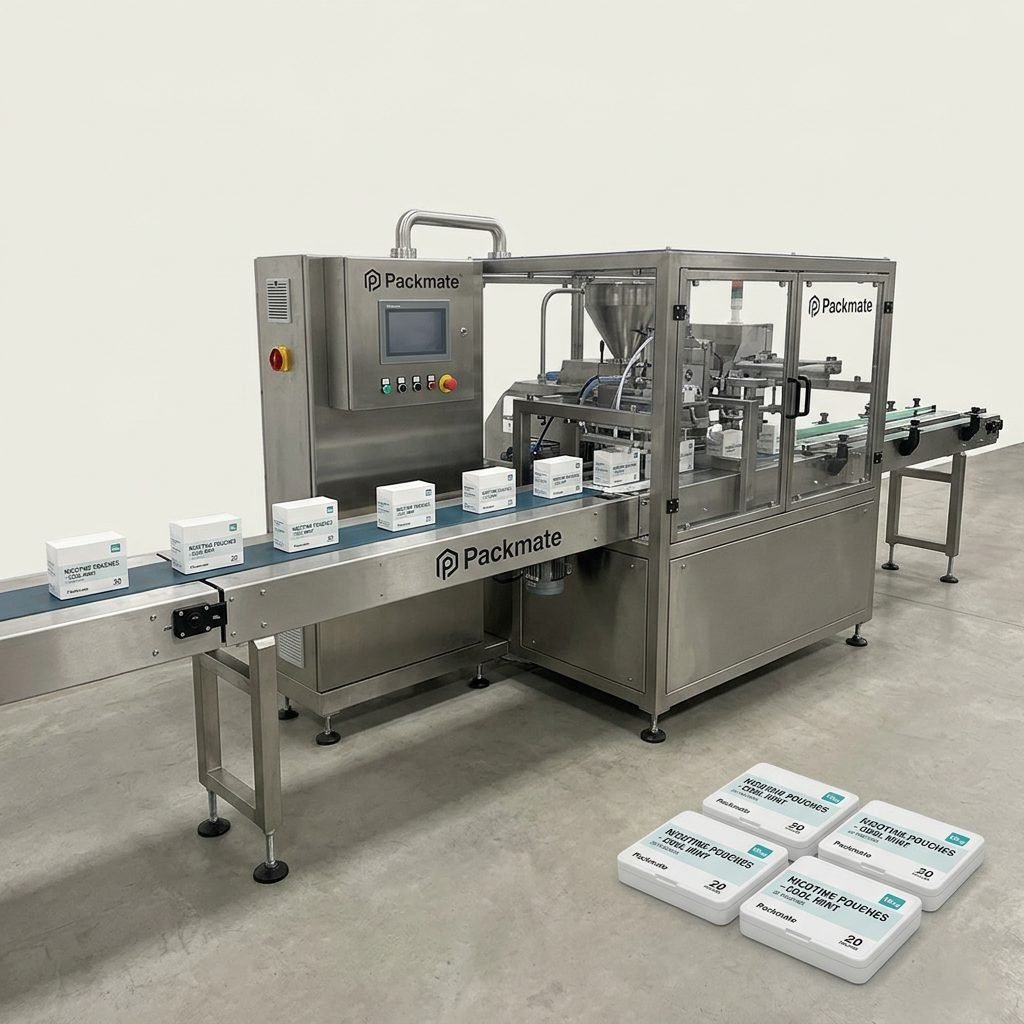
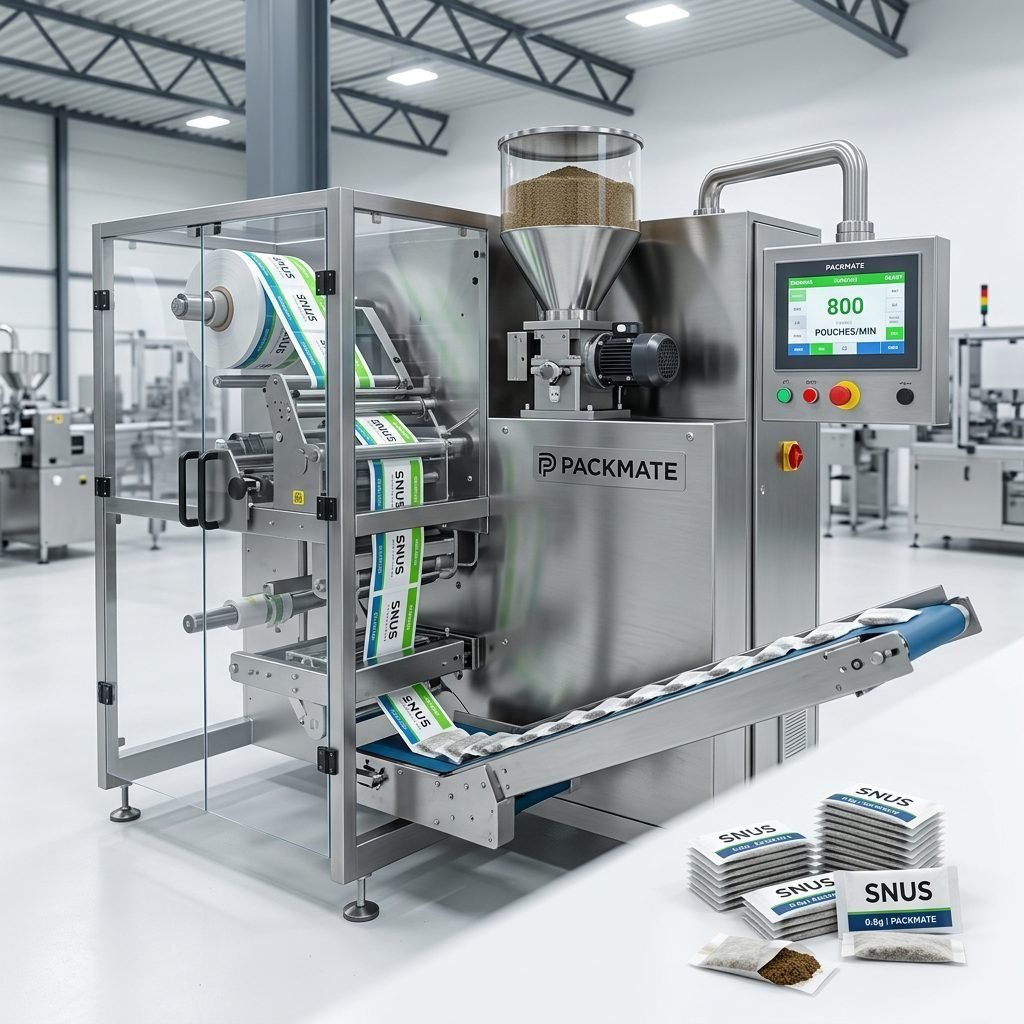
A reliable manufacturer must demonstrate proven engineering for nicotine pouch production. Check their machine portfolio for models such as multi-lane snus packing machines, sachet & stick pack machines, and filling & packaging lines. Review technical specifications carefully: motor types, PLC controls, servo-driven components, and modular design for upgrades.
Must-have technical proofs: running videos or live demos, OEM test reports, clear spare-parts lists, and access to detailed electrical and mechanical drawings. Manufacturers with a diverse model range (50+ models) indicate strong R&D and production capability.
Manufacturing Strength & Quality Control 🏭
Inspect factory capacity and machine-building processes. A modern CNC center, dedicated precision assembly lines, and a standardized QC workflow ensure consistent machines. Facility scale, such as a 20,000㎡ factory footprint, suggests the ability to fulfill large orders and build bespoke turnkey lines.
Ask for third-party certifications (CE, ISO) and confirm compliance documentation for safety and electromagnetic compatibility. Strong vendors maintain rigorous acceptance testing regimes including FAT (Factory Acceptance Test) with customer witnesses, and provide validation protocols for regulated markets.
Customization & R&D: Future-proofing Your Line 🔧
Nicotine products evolve quickly: new pouch sizes, materials, and dosing technologies appear frequently. Choose a partner with deep R&D experience and a track record of iterative improvement. Ability to develop multi-lane small-dose lines, or to adapt dosing heads for new formulations, is a critical advantage.
Red flag: vendors who only sell standard models with no customization options. For global operations, expect localized modifications for electrical standards, language in HMI, and material handling preferences.
Integration & Turnkey Solutions 🔗
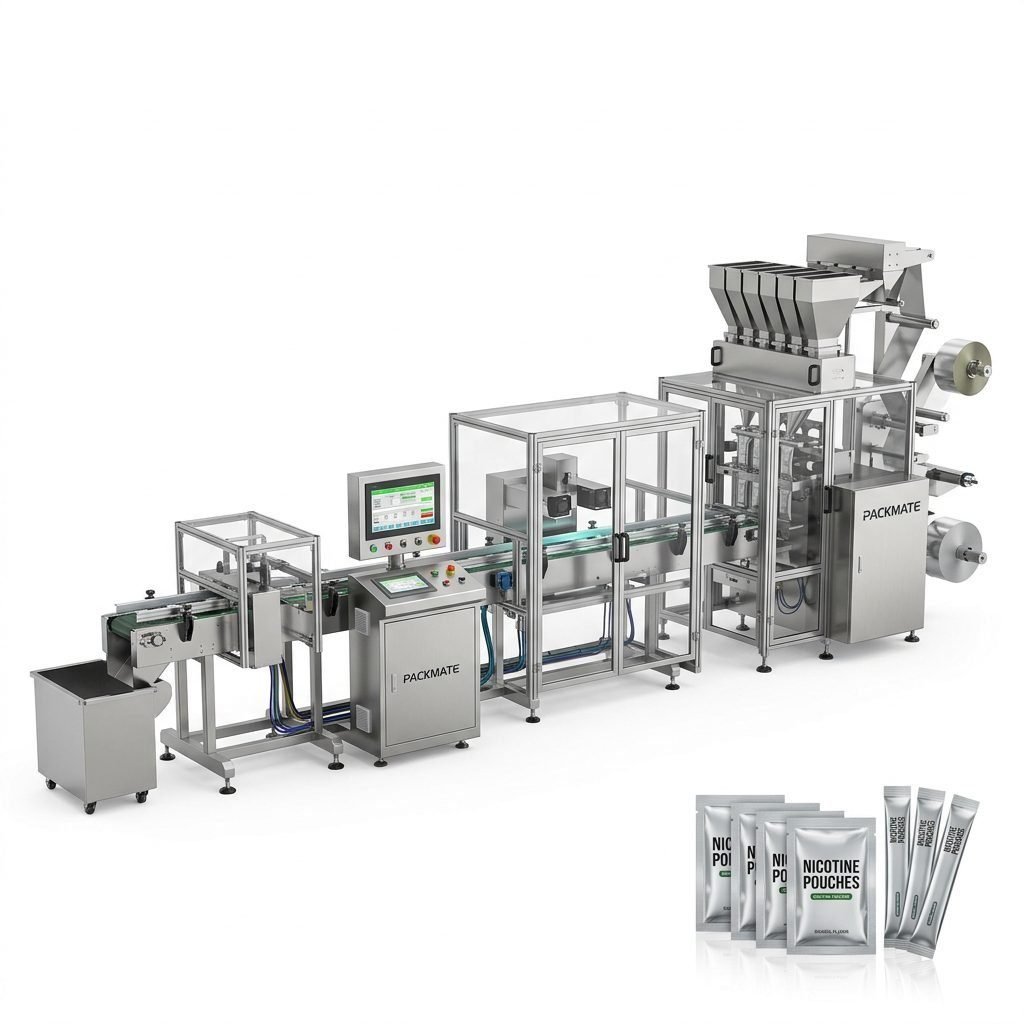
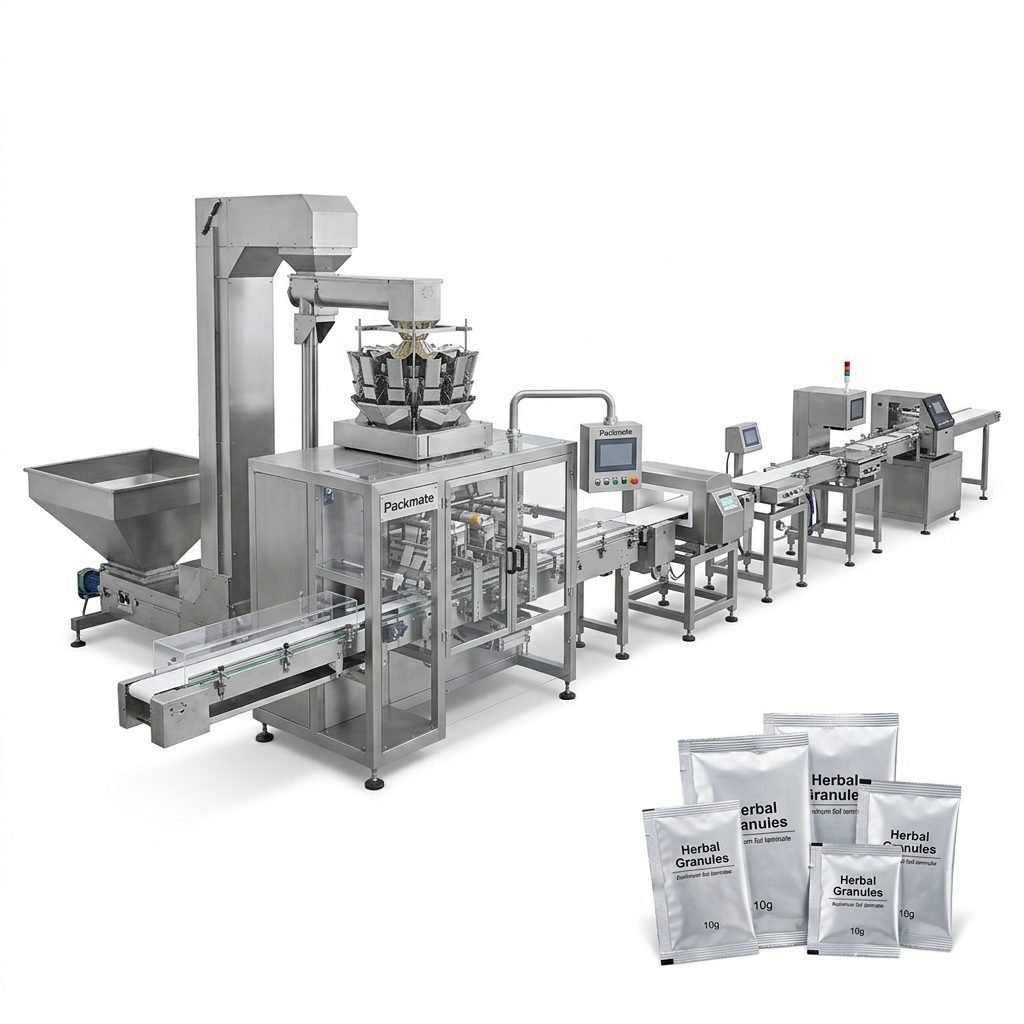
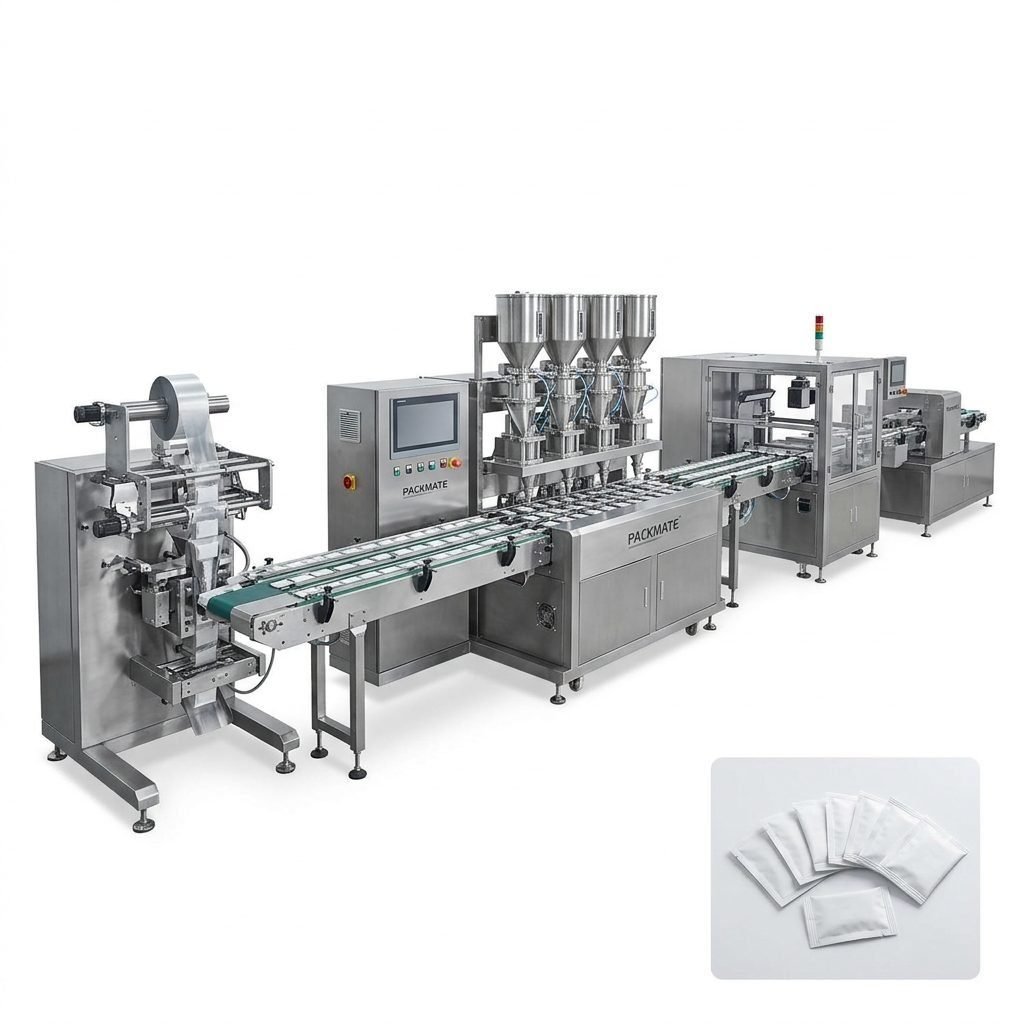
For efficient production, packaging machines rarely run standalone. Look for suppliers offering turnkey packaging lines that include weighing & packaging systems, filling lines, and auxiliary equipment. Integrated lines reduce hand-off delays and simplify validation for regulated nicotine products.
Explore the manufacturer’s documented cases or project references. Real-world deployments across Europe, Asia, and the Americas indicate competence in global installation, regulatory compliance, and logistics support.
Service, Spare Parts & Global Support 🌍
After-sales support determines long-term uptime. Review the vendor’s service network: do they provide remote troubleshooting, on-site engineers, and timely spare parts? Manufacturers that offer comprehensive service packages and local representation in key markets minimize production downtime.
Ask for SLA examples: guaranteed response times, spare parts lead times, and training programs for staff. Confirm availability of consumables and replacement parts in your region.
Regulatory Compliance & Traceability ✅
Nicotine products face strict regulatory scrutiny. Confirm the equipment enables required traceability, batch coding, and tamper-evident sealing. The machine should support serialization, label printing, and data logging to meet local market rules and audits.
Total Cost of Ownership (TCO) & ROI Calculations 📈
Purchase price is only the beginning. Evaluate TCO, including installation, commissioning, electrical and utility consumption, training, spare parts, and expected service cycles. Seek examples where improved line efficiency reduced per-unit cost and accelerated payback.
Request a cost-benefit analysis from the manufacturer: expected throughput vs actual tested throughput, yield rates, and mean time between failures. Vendors with transparent performance data — backed by case studies — provide confidence in ROI estimates.
Logistics, Lead Times & Global Delivery 🚚
A capable manufacturer manages complex international logistics. Estimate realistic lead times, including engineering, manufacturing, FAT, shipping, customs clearance, and onsite commissioning. For global projects, the vendor should provide clear coordination and documentation to streamline import processes.
Practical tip: align production start dates with machine delivery windows and include contingency for regulatory approvals or line validation.
Evaluating Vendor Credibility & References 🧾
Check the company’s history, customer testimonials, and exhibition presence. Established manufacturers with decades of engineering experience and regular participation in international exhibitions typically provide more mature solutions and stronger support networks.
Review published case studies and contact references to verify real-world performance. Prefer suppliers who share verifiable installation examples and technical case reports rather than vague marketing claims.
Factory Visit & FAT — Don’t Skip Them 🧭
Schedule a factory visit and witness a Factory Acceptance Test. Seeing machines run and inspecting build quality firsthand is invaluable. FAT sessions that include your team ensure acceptance criteria are met and reduce surprises at installation.
Checklist for FAT: validated performance against output specs, sealing integrity checks, electrical safety tests, and operator training sessions.
Decision Checklist: A Practical Buyer’s Scorecard ✔️
Create a short-list and score vendors on major categories: technical fit, manufacturing capacity, quality & certifications, customization capability, service & spare parts, total cost of ownership, and references. Weight categories according to your priorities (e.g., uptime vs initial cost) and choose the highest-scoring partner.
Useful links to explore supplier capabilities:
- Snus & Nicotine Packaging Machines — product range
- Bag & Pouch Packaging Machines — pouch solutions
- About Packmate — company profile
- Contact Us — global inquiries
Negotiation & Contracts 🤝
Negotiate terms that protect your production timeline: define clear acceptance criteria, penalties for missed milestones, and warranty & spare parts commitments. Include training, documentation responsibilities, and software licenses in the contract.
Contract essentials: delivery schedule, FAT terms, training plan, spare parts list, warranty period, and escalation protocol for critical failures.
Final Selection & Onboarding 📦
Once selected, plan onboarding carefully: reserve a launch window, schedule factory acceptance, allocate dedicated installation engineers, and prepare operators for training. Early collaboration with the manufacturer shortens ramp-up time and improves first-run yields.
Remember that the best long-term partner is not always the cheapest. Prioritize reliability, service footprint, and engineering support — especially for regulated nicotine product lines where downtime and compliance risks are costly.
Further Reading & Resources 📚
Explore more detailed product information and case studies on manufacturer websites to validate claims and technical fit. For turnkey line examples, review combined systems for weighing, filling, and packaging to understand the full production flow.
Quick links: check the Filling & Packaging Lines and Weighing & Packaging Systems for integrated solutions that often deliver the best value.
Conclusion — Make a Data-Driven Choice ✔️
Selecting the best nicotine packaging machinery manufacturer for global production requires a blend of technical evaluation, factory credibility, service assurance, and commercial clarity. Prioritize partners with demonstrated expertise in snus and nicotine pouch equipment, robust manufacturing capabilities, and global service networks. Use FATs, references, and a weighted decision matrix to make a confident, data-driven choice that aligns with your production goals.
Frequently Asked Questions (FAQs)
Q1: How long does it typically take to deliver a complete snus packaging line from order to commissioning?
A1: Lead times vary by complexity; standard single machines may ship in 8–12 weeks, while fully integrated turnkey lines with FAT and custom engineering often require 16–28 weeks. International logistics and customs can add extra time.
Q2: What certifications should I expect from a reputable manufacturer?
A2: Expect ISO management certifications, CE conformity for European markets, and detailed electrical and safety test reports. For regulated nicotine products, request traceability and data logging capabilities to support audits.
Q3: Can I upgrade a single-lane machine to a multi-lane configuration later?
A3: Some manufacturers design modular systems that support upgrades. Confirm modularity in writing and check for spare-space requirements, control architecture flexibility, and upgrade costs before purchase.
Q4: What support should be included in the warranty and service package?
A4: A solid package includes machine warranty, parts availability, remote troubleshooting, onsite commissioning, operator training, and defined SLA response times. Ask for spare-parts kits recommended for the first 12 months.
Q5: Where can I see real-world examples and case studies of nicotine packaging lines?
A5: Request the vendor’s case studies or visit their exhibition demos. Many suppliers share documented projects and customer references; check their online case pages for verified installations.