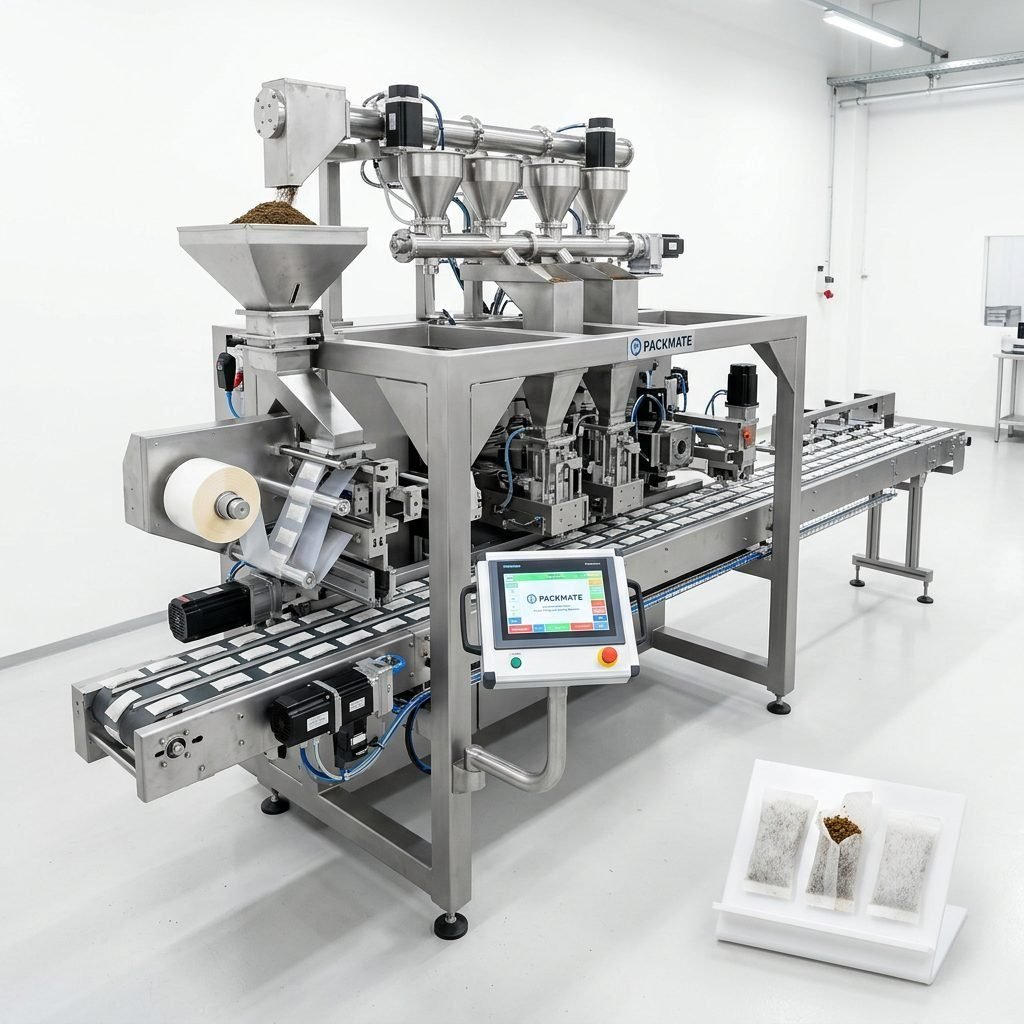
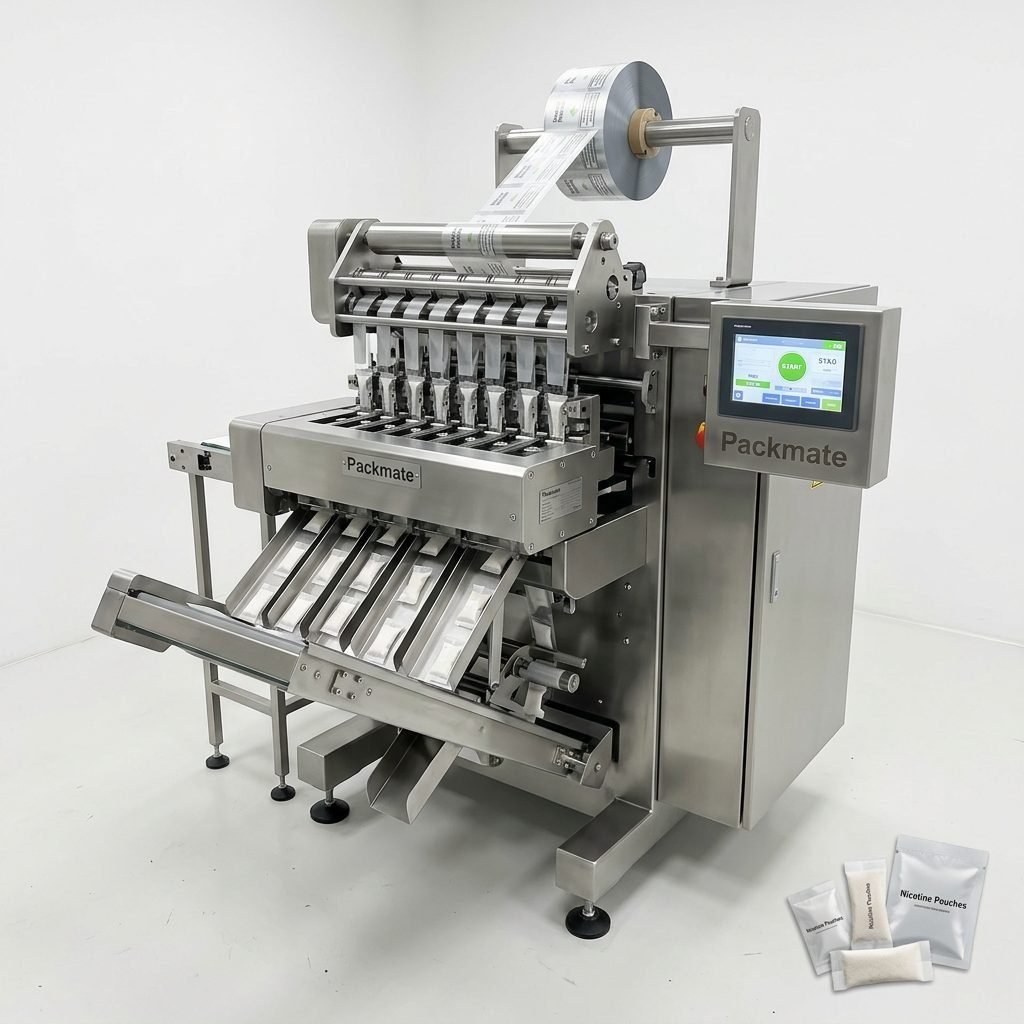
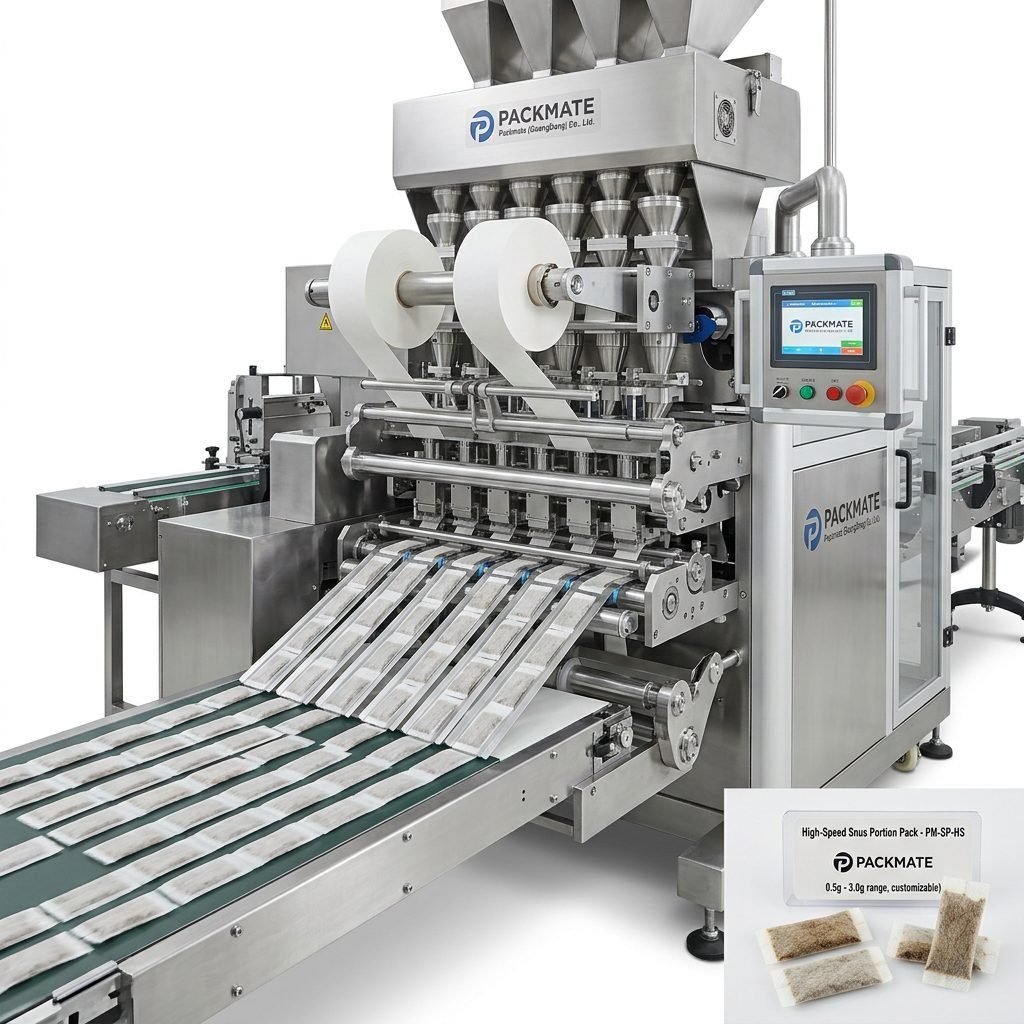
Choosing the right snus production machine is one of the most important decisions for manufacturers in the nicotine pouch and snus market. Efficient equipment not only ensures consistent product quality and regulatory compliance, but also optimizes production cost, reduces waste, and supports future growth. This guide walks packaging managers, production engineers, and purchasing teams through the practical steps to evaluate, compare, and select the best snus packaging solution for their operation.
🔧 Types of Snus Packaging Machines and When to Use Them
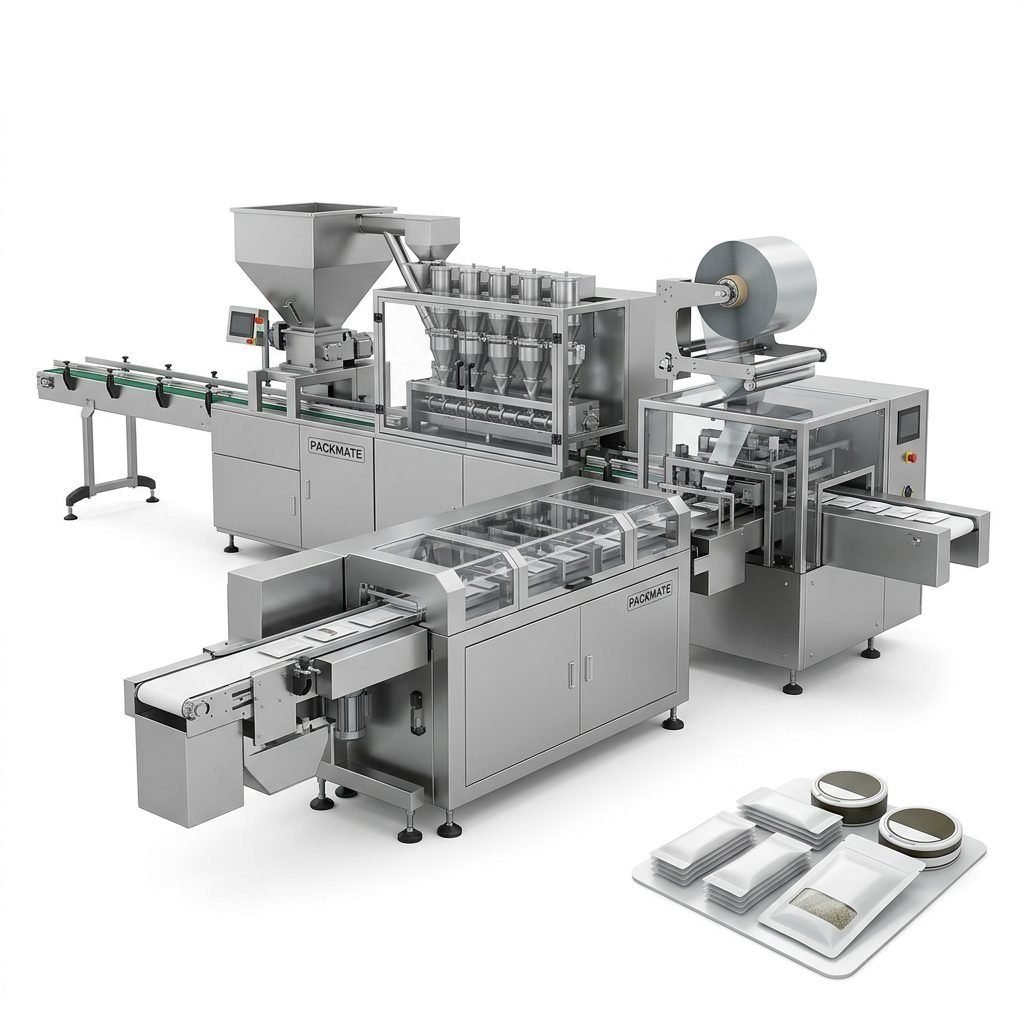
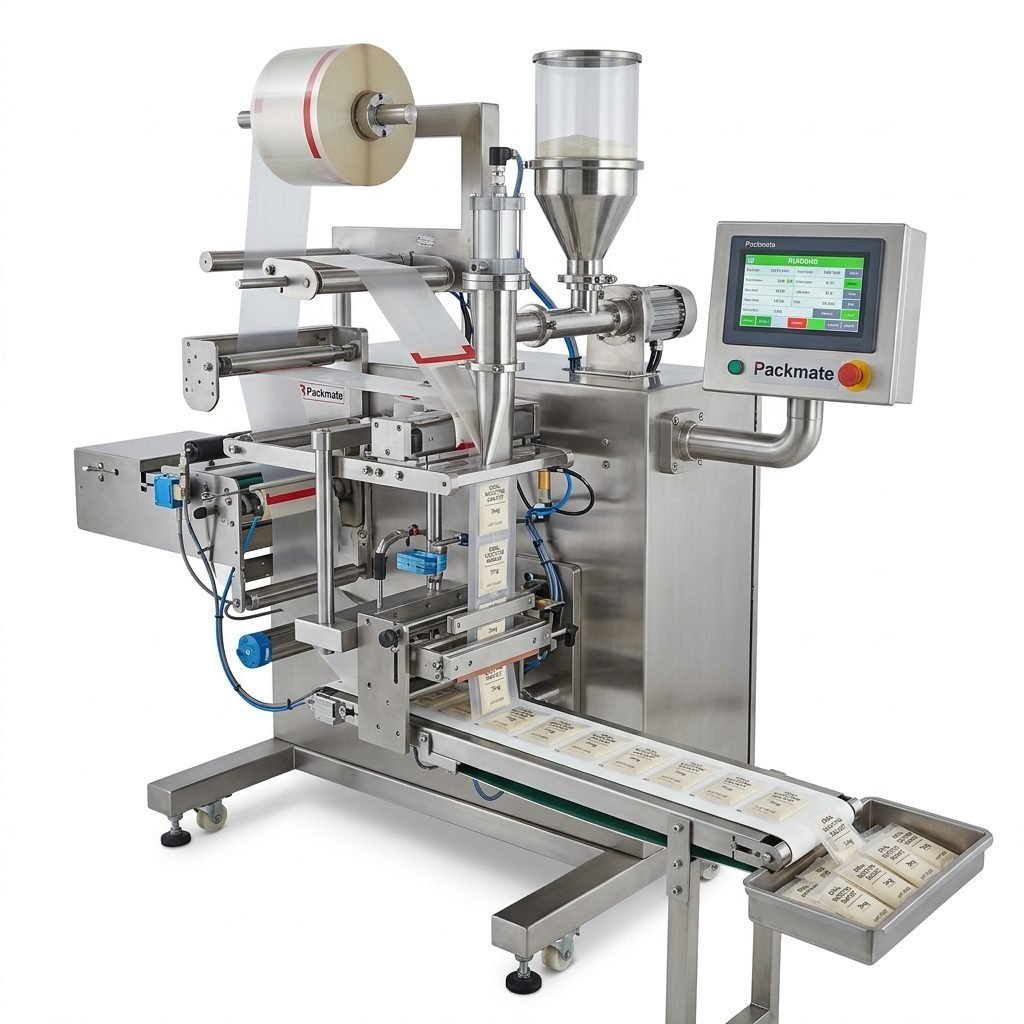
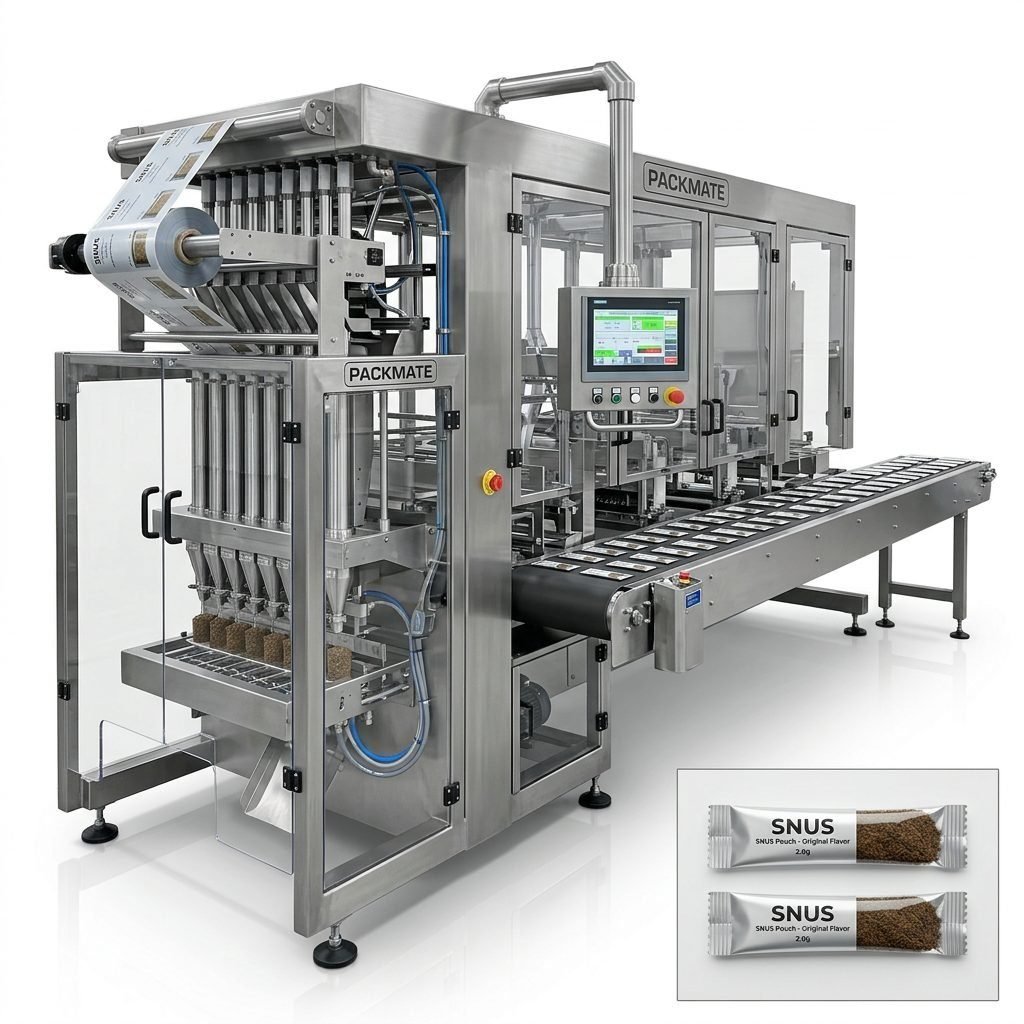
Snus and nicotine pouches come in varied formats, from single-dose sachets to multi-lane stick packs and tubs. Matching the machine type to your product format, daily capacity, and material characteristics is the first step:
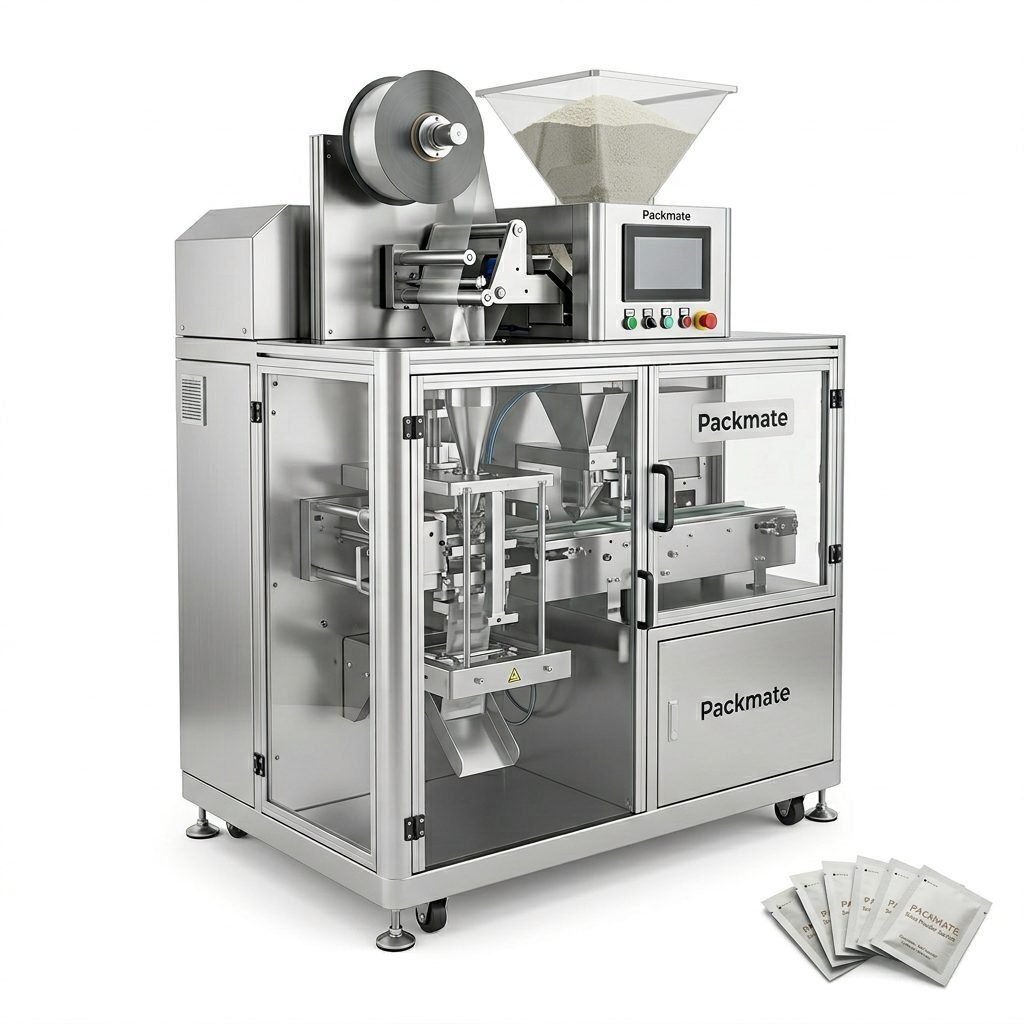
Stick Pack Machines – Ideal for single-portion stick-shaped pouches; high-speed and compact. (Good for snack-like single-dose snus.)
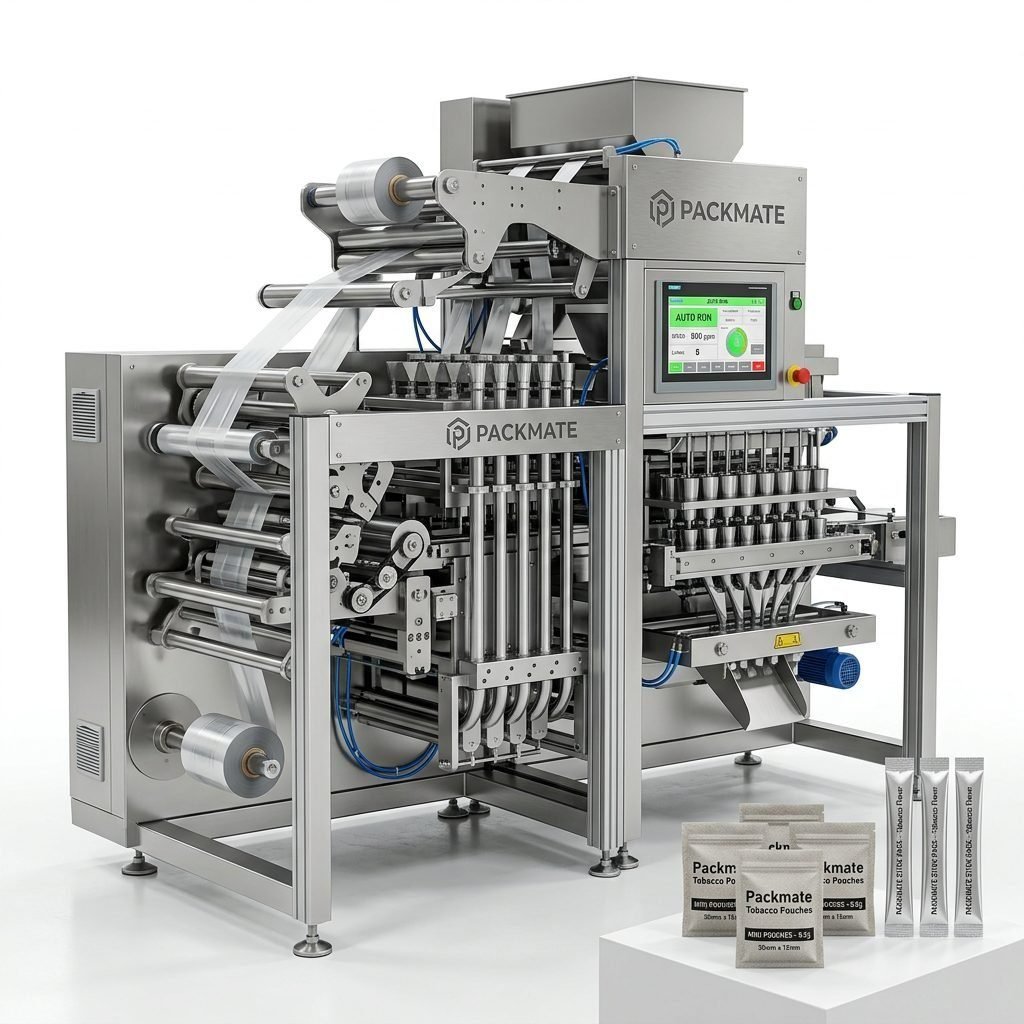
Sachet and Multi-lane Systems – For high-output, multi-lane production of sachets or small pouches; excellent for scaling up capacity.
Pouch & Bag Systems – Used when outer pouch packaging or resealable formats are required.
📈 Key Performance Metrics to Evaluate
When comparing machines, focus on measurable performance indicators that directly affect cost and reliability:
- Throughput (packages/minute or lanes × speed)
- First-pass yield and defect rate
- Changeover time between product runs
- Downtime for maintenance and accessibility
- Material compatibility (film types, pouch thickness, powder/granule behavior)
✅ Practical throughput example
A 4-lane sachet machine running 150 packages per minute per lane can produce 36,000 sachets per hour. Compare that with a single-lane stick pack at 400 sticks per minute (24,000 per hour) to determine the best match for your target daily output.
🧩 Critical Features That Reduce Risk and Cost
Modern snus packing lines integrate multiple features that reduce waste, enhance safety, and streamline operation. Prioritize machines with:
• Accurate dosing systems (vibratory, auger or multi-head weighing) to avoid under/overfill
• Automatic film tracking & tension control to reduce film waste and seal defects
• Servo-driven indexes and tool-less changeover for faster setup and consistent motion
• In-line leak or weight inspection to detect defects before secondary packaging
⚙️ Choosing Between Off-the-shelf and Customized Lines
If your product is standard and volumes are predictable, a proven, off-the-shelf model reduces lead time and cost. However, for specialized formats, unique film materials, or integration with upstream/downstream systems, a customized turnkey solution is often the better long-term investment.
Manufacturers like Packmate provide both standard machines and fully customized lines. You can explore dedicated models for snus and nicotine pouches on their product pages to compare options and technical specifications:
Snus & Nicotine Packaging Machines and
Sachet & Stick Pack Machines.
📊 Material Compatibility and Product Handling
Snus formulations (moist vs dry, particle size, fillers) and pouch materials (paper, composite films, barrier laminates) significantly affect machine selection. Key considerations:
- Hygienic design for wet or sticky formulations
- Antistatic or coating requirements for very fine powders
- Sealability of chosen film at production speed
- In-line agitation or dosing to avoid settling or bridging
⚠️ Red flag
Avoid machines that require frequent manual intervention to prevent bridging or sealing failures—these increase labor cost and inconsistency.
🧰 Integration, Automation and Future-Proofing
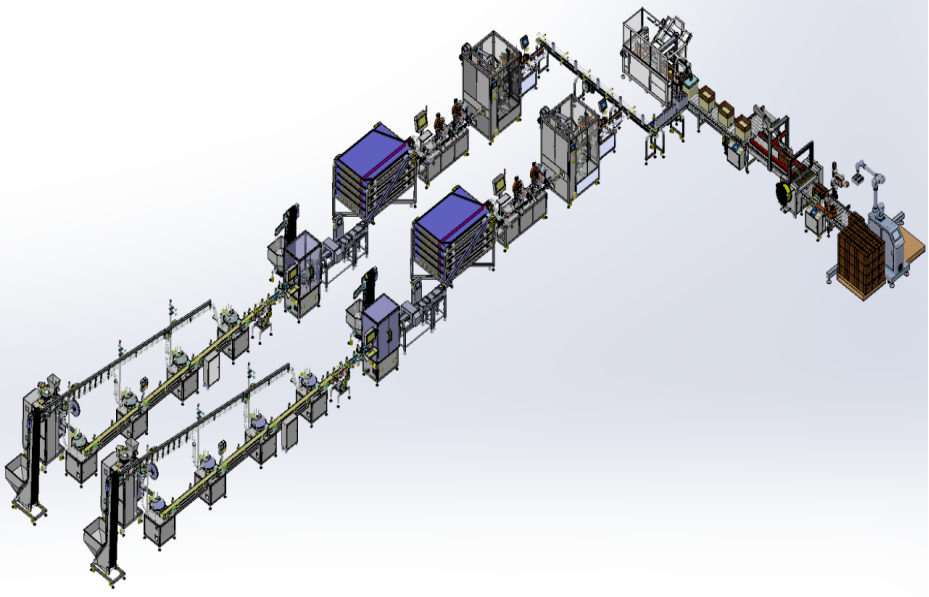
The best investment connects filling, dosing, pouch forming, sealing, and inspection into a seamless line. Consider:
• Modular integration so components can be upgraded independently
• SCADA or PLC compatibility for centralized monitoring and OEE tracking
• Spare parts availability and standardization to minimize downtime
🏭 Factory Capabilities and Supplier Credibility
Verify the manufacturer’s production capabilities, testing procedures, and references. Reliable suppliers will provide factory acceptance testing (FAT), performance data, and after-sales support. Packmate, for example, highlights decades of engineering experience, CNC machining capability, and global case studies—use these proofs when evaluating quotes.
Visit supplier pages such as
About Packmate and check their
Case examples to validate performance claims.
💡 Total Cost of Ownership (TCO) — Beyond the Purchase Price
Calculate TCO by including installation, training, spare parts, consumables (films and adhesives), periodic maintenance, and expected lifetime. A higher initial price can be justified by lower operating cost, better yield, and longer service intervals.
🔍 Quality, Compliance and Certifications
Product safety and regulatory compliance are crucial for nicotine products. Check for CE, ISO and other applicable certifications, hygienic design practices (easy to clean, minimal dead zones), and available documentation for validation and audits. Suppliers often provide certified machines and quality reports—ask for them during the tender process.
🛠 Installation, Commissioning and Training
A well-executed installation reduces startup risk. Confirm whether the supplier:
- Provides on-site commissioning and FAT support
- Offers operator and maintenance training packages
- Supports remote diagnostics and spare parts logistics
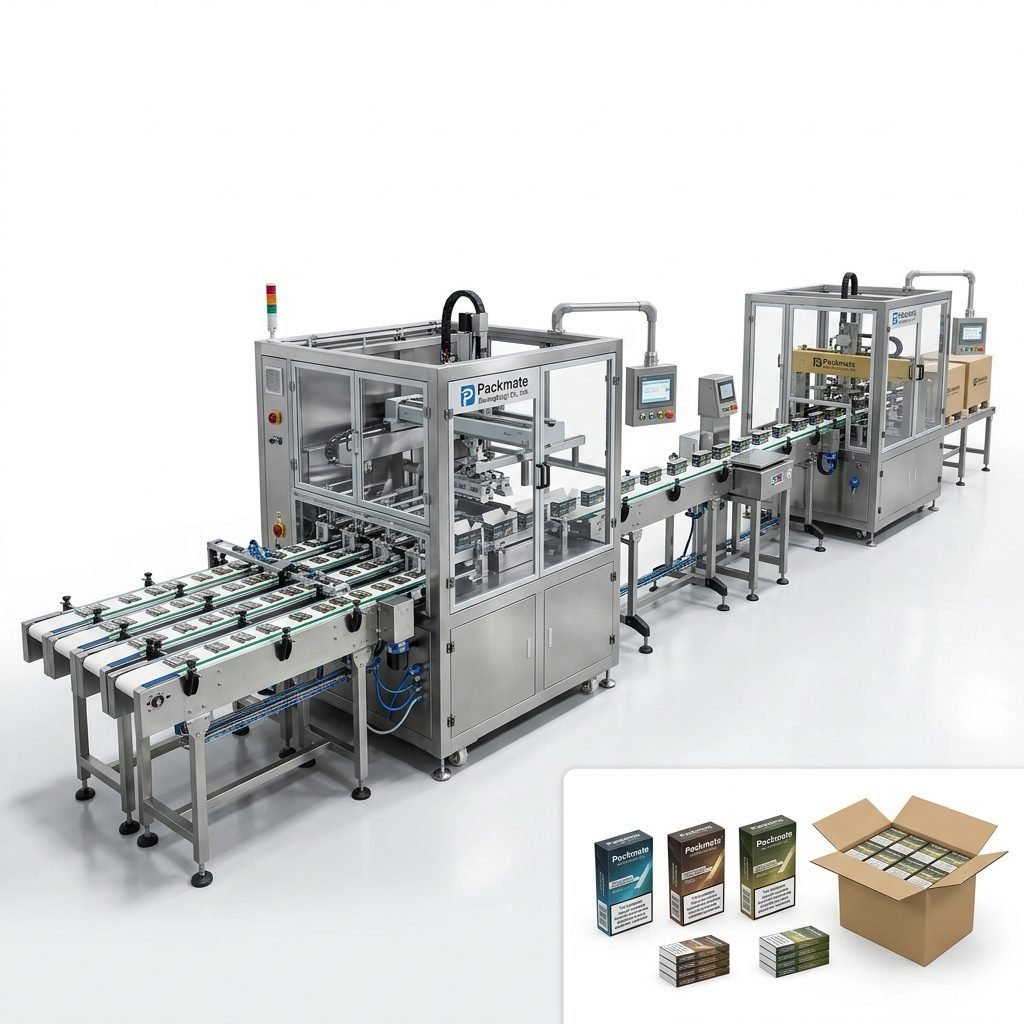
📦 Choosing Add-on and Auxiliary Equipment
Auxiliaries such as feeders, indexers, conveyors, secondary cartoning machines, and automated case packers should match the main machine’s throughput. Review available auxiliary equipment options early to avoid bottlenecks. Explore auxiliary categories at:
Auxiliary Packaging Equipment.
📝 Checklist: Questions to Ask Suppliers
• What is the guaranteed throughput and typical yield?
• Can you provide FAT and a reference site visit?
• What training and spare parts packages are included?
• How flexible is the machine for future product variants?
• What are lead time, warranty terms, and maintenance intervals?
🔁 Case Example: Scaling from Pilot to Full Line
Many companies start with a pilot-level machine to refine formulas and packaging parameters. When moving to production, replicating validated settings on a multi-lane line reduces scale-up risk. Work with suppliers that provide both pilot and production machines or offer replication support—this minimizes trial-and-error and speeds time-to-market.
📞 Next Steps: Requesting Quotes and Factory Visits
Prepare a clear RFQ that describes product specs, film samples, target output, and required integrations. Ask for a complete proposal with layout drawings, power and air consumption, spare parts list, and lead times. If you want to discuss options or book a visit, contact suppliers through official channels such as:
Contact Us.
🔗 Helpful Resources
For product lines and additional technical information, review full equipment categories and system combinations:
Summary: Choosing the Best Snus Production Machine
• Match the machine type to product format and daily capacity needs.
• Prioritize dosing accuracy, film handling, and in-line inspection to improve yield.
• Consider total cost of ownership and long-term serviceability over upfront price.
• Verify supplier credibility, certifications, and real-world case studies before purchase.
Frequently Asked Questions
Q1: How long does it take to install a full snus packaging line?
A1: Installation and commissioning vary by line complexity. Simple single-machine set-ups can be installed in days; integrated multi-lane turnkey lines typically require several weeks to complete FAT, site preparation, mechanical installation, electrical hookup, and process validation.
Q2: What documents and certifications should I request?
A2: Ask for CE/ISO certificates, machine-specific wiring and pneumatic diagrams, FAT reports, material certificates for contact parts, and maintenance manuals. These ensure compliance and support ongoing audits.
Q3: How do I reduce changeover time between products?
A3: Specify tool-less change parts, servo-controlled adjustments stored as recipe settings, and quick-release film spindles. Operator training and documented changeover SOPs also shorten downtime.
Q4: Can I start with a pilot machine and scale later?
A4: Yes. Many manufacturers provide pilot-level and production-scale machines with compatible processes and recipes, which simplifies scaling and reduces validation time.
Q5: Where can I find reliable snus packaging machinery suppliers?
A5: Look for experienced manufacturers with documented global installations, on-site testing facilities, and comprehensive service offerings. For detailed product lines and support, visit the manufacturer’s product pages and contact their sales team through their official site.