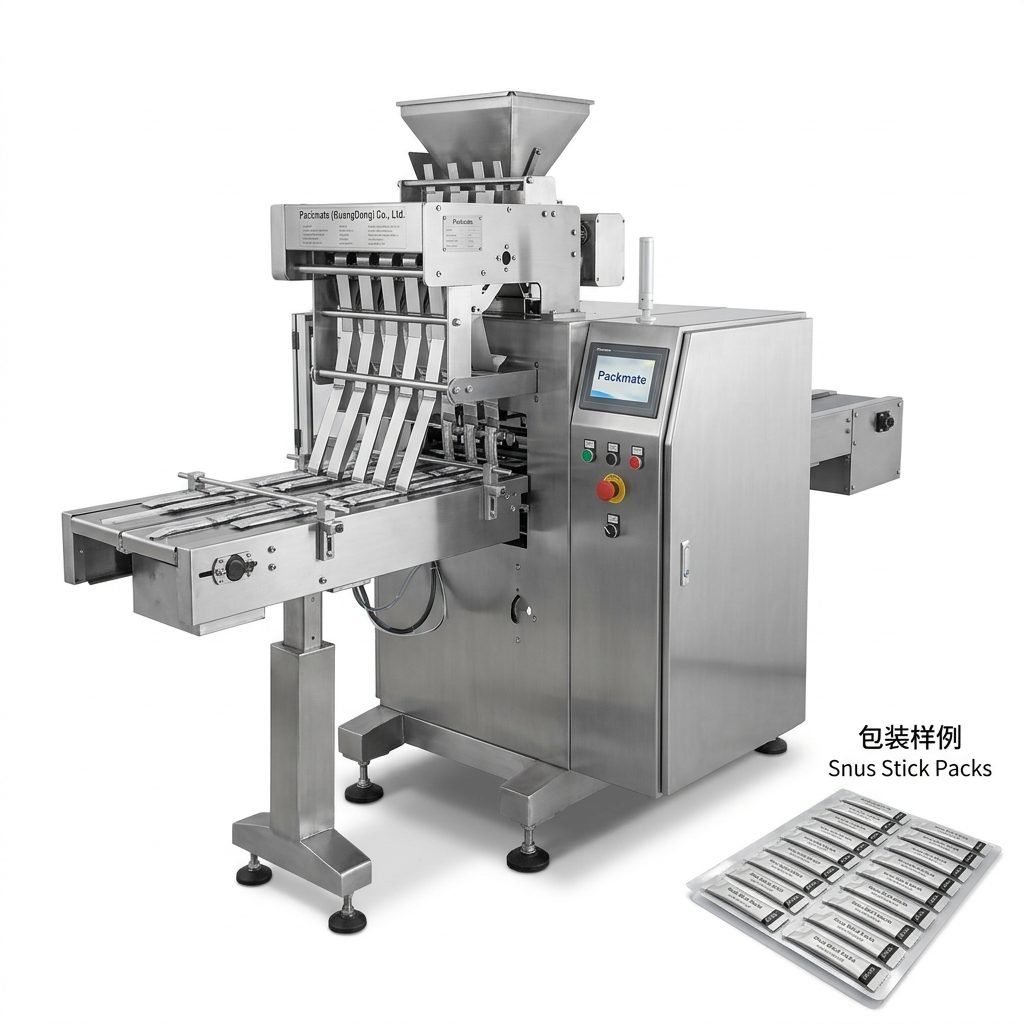
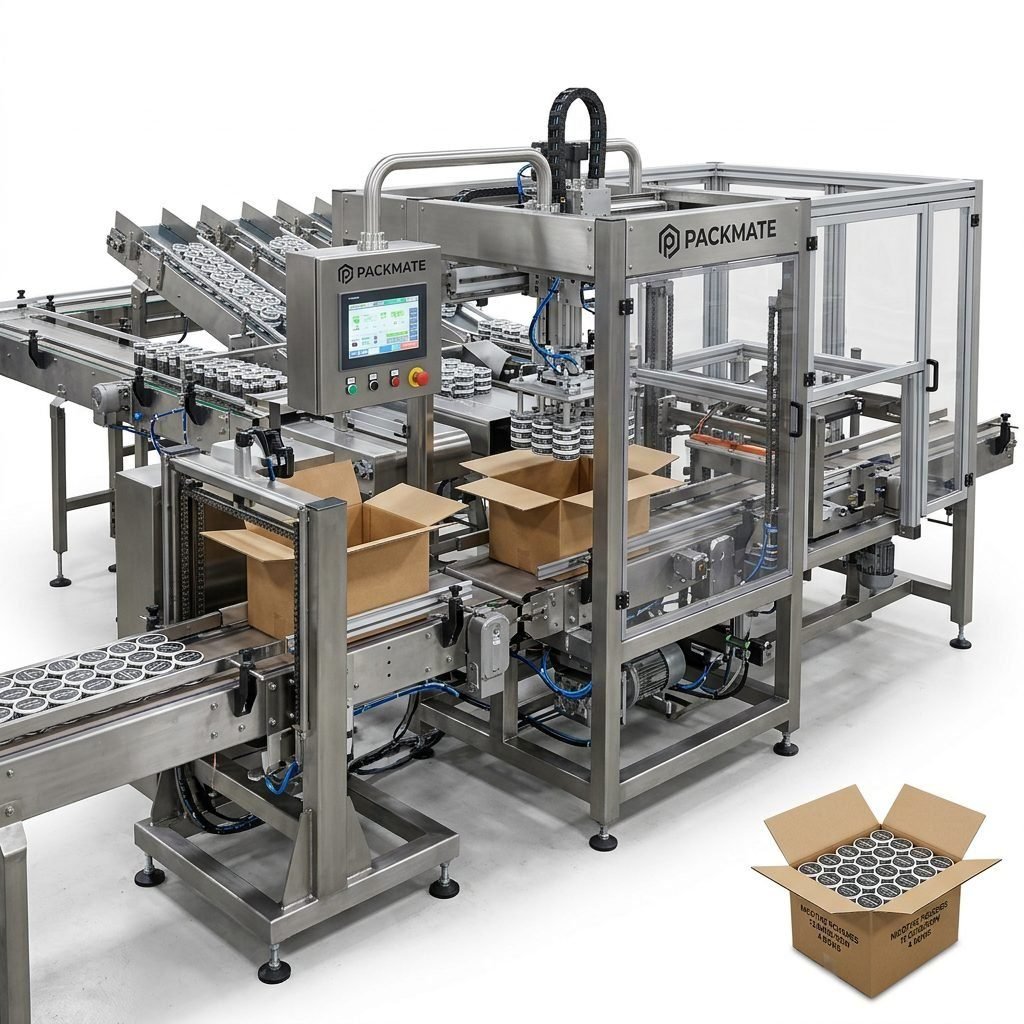
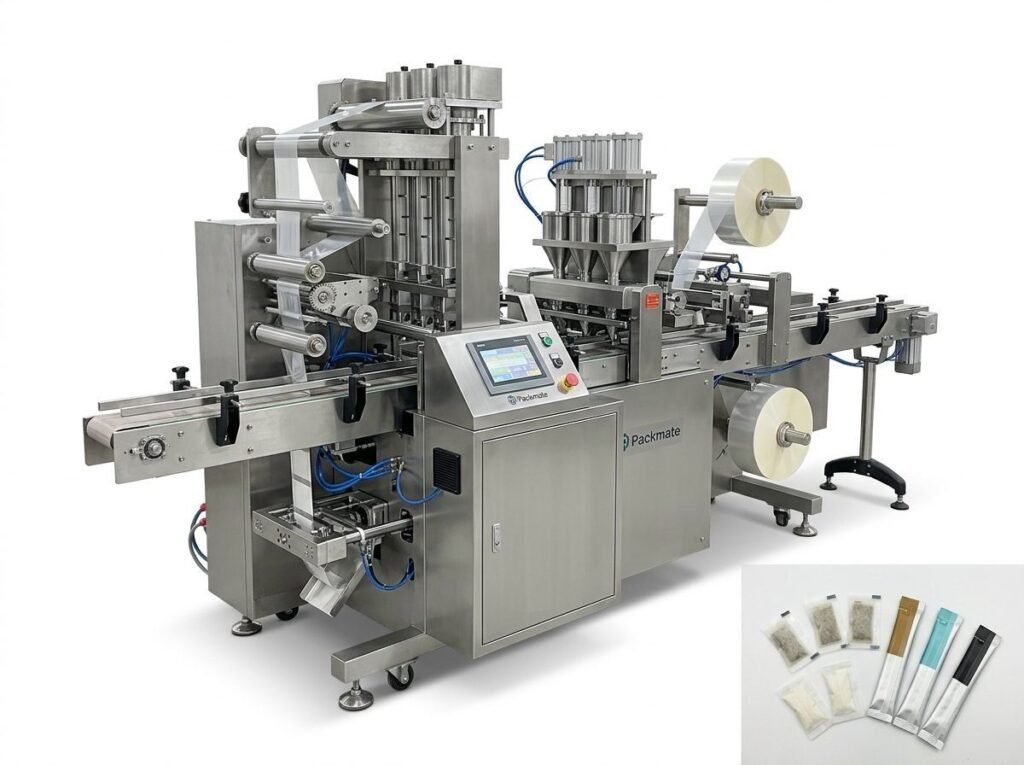
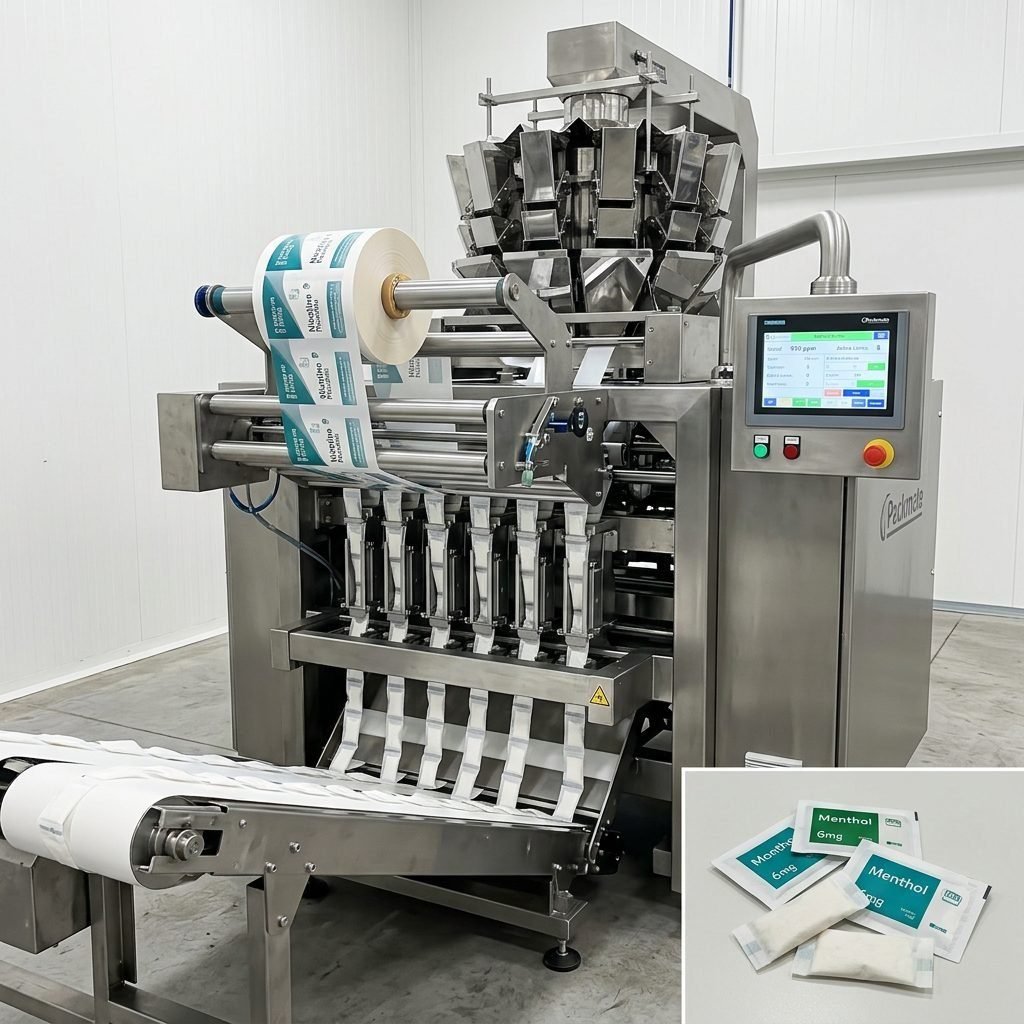
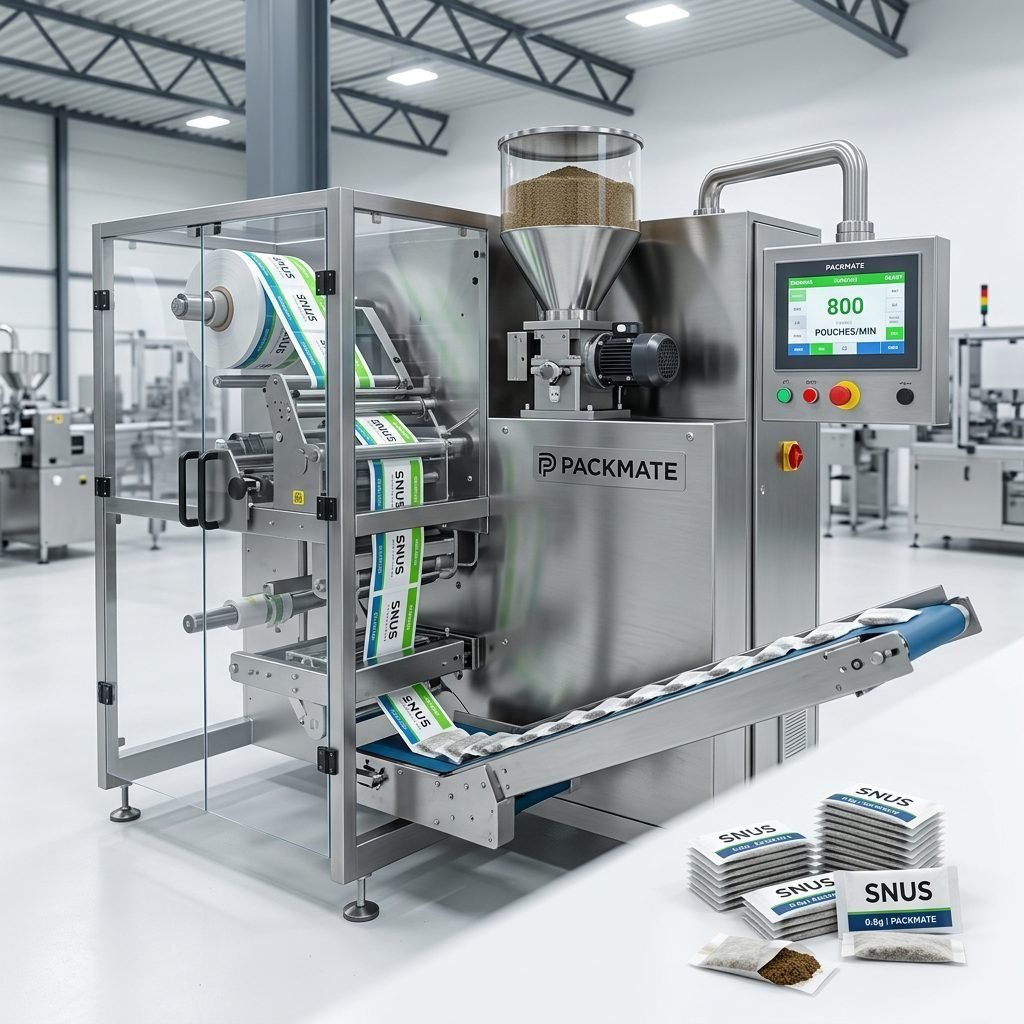
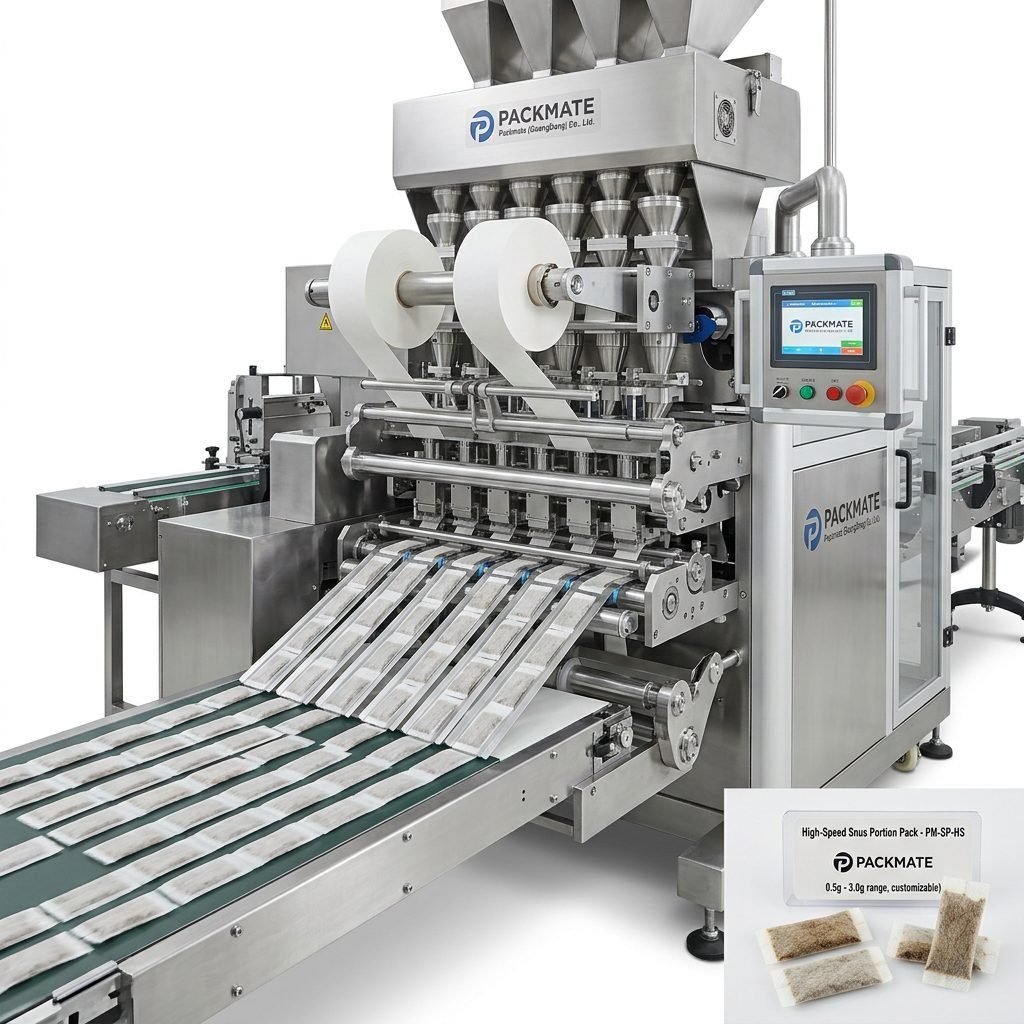
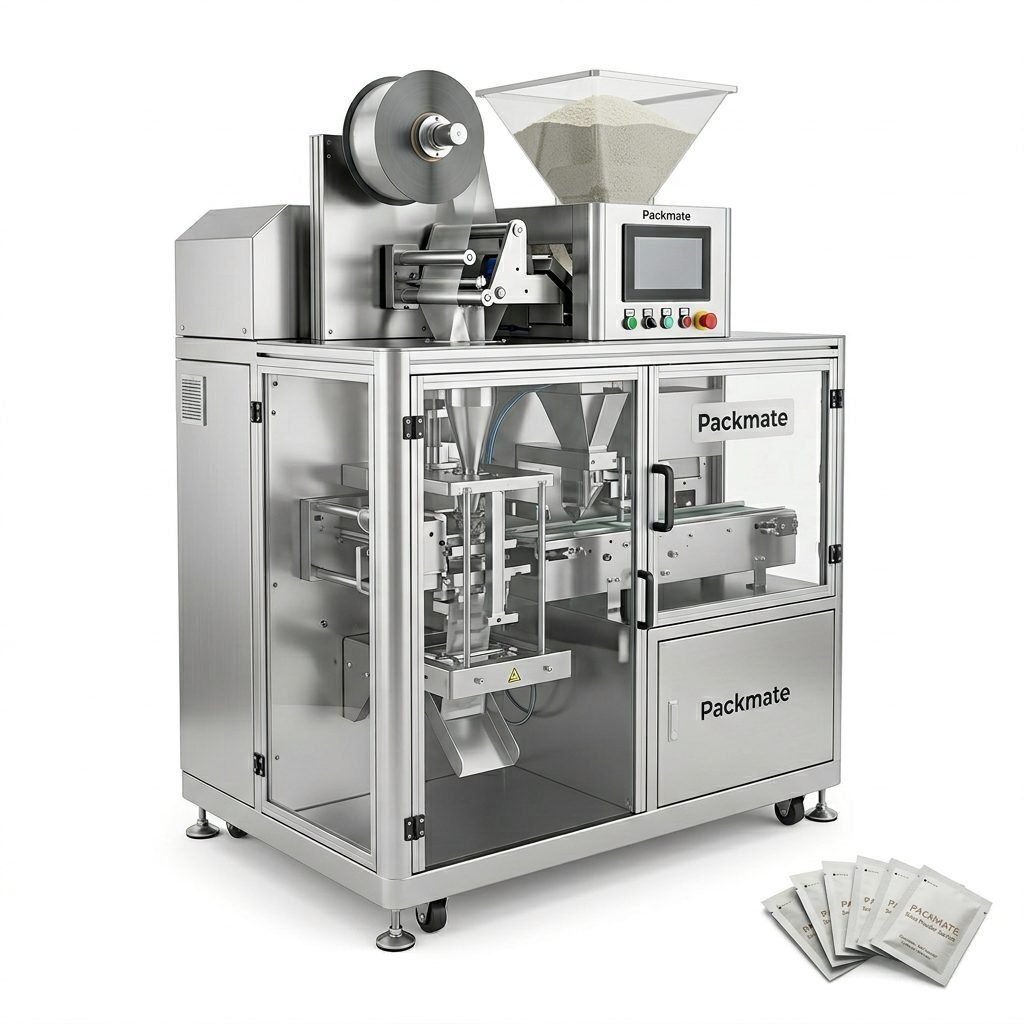
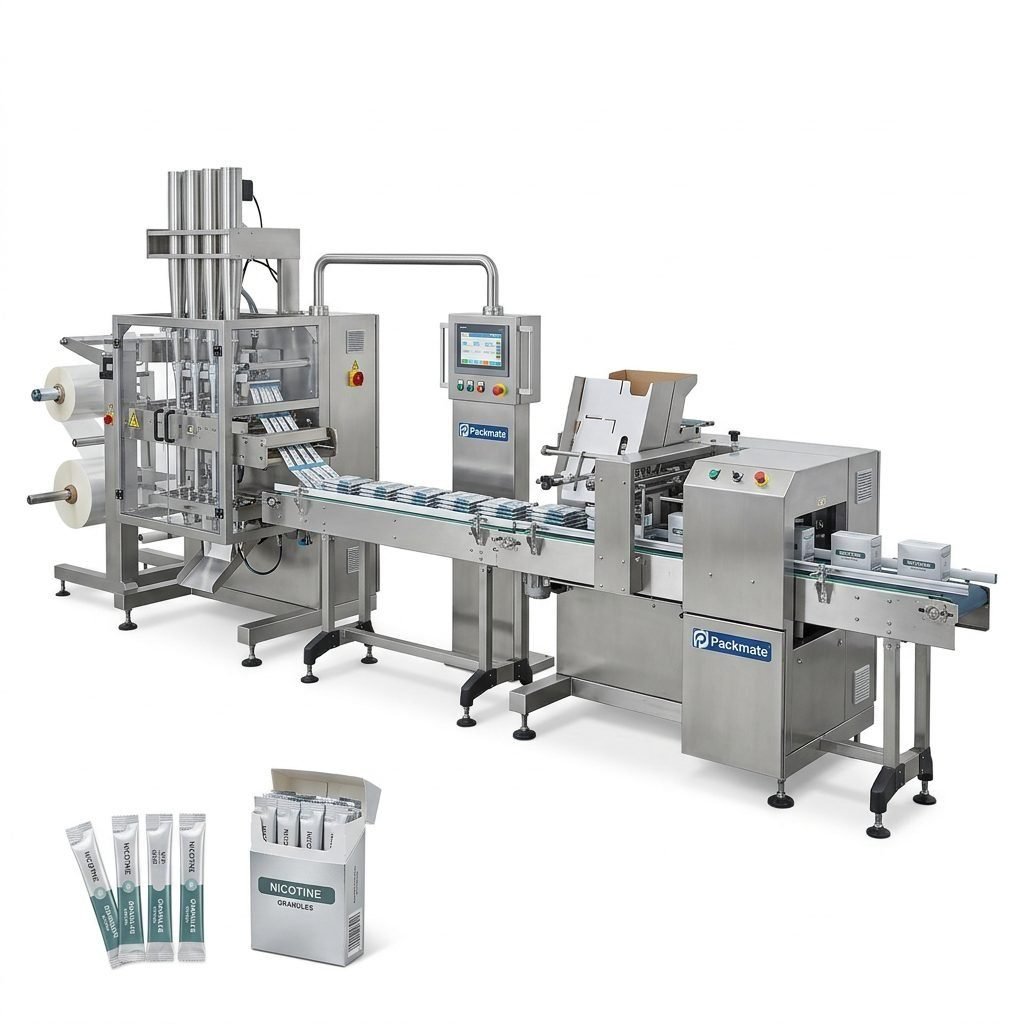
This comprehensive guide helps new and experienced operators master the skills, certification requirements, and safety practices needed for efficient snus and nicotine pouch production lines. It covers the technical competencies, standardized training modules, factory safety protocols, and on-the-job tips to maintain high output quality and machine uptime on modern automated packaging lines.
Why Proper Snus Line Operator Training Matters
Snus and nicotine pouch packaging is a precision-driven process that combines high-speed mechanical systems with sensitive dosing and sealing technology. A well-trained operator reduces downtime, prevents costly packaging defects, and ensures regulatory compliance. Beyond production, trained personnel improve workplace safety and extend the lifespan of complex equipment such as multi-lane pouch systems and stick-pack machines.
Core Technical Skills Every Operator Needs
Operators must develop both mechanical intuition and process control skills. Core competencies include:
Mechanical setup & adjustment — changeover procedures, die and tooling alignment, multi-lane synchronization, and basic servo tuning.
Dosing & weighing control — calibration of volumetric or auger feeders, use of weigh-check systems, and integration with weighing & packaging systems to maintain dose accuracy.
Sealing & cut quality — temperature settings, seal inspection, and routine cutter maintenance for sachet, stick pack, and pouch configurations.
Recommended Certification & Formal Training Paths
Formal certification may vary by region and industry. While there is no single global license for snus operators, best practices include:
Machine-specific training provided by equipment manufacturers — essential for safe operation and warranty compliance. For Packmate machines, see Snus & Nicotine Packaging Machines.
Quality & GMP training — Good Manufacturing Practice modules tailored for tobacco and nicotine-related products to ensure contamination control and traceability.
Typical Certification Components
Certification often involves assessments in mechanical safety, electrical precautions, hygiene protocols, and practical demonstrations of competency in line setup, cleaning, and troubleshooting. Some factories require documented completion of in-house training plus signed competency checks for each machine type.
Designing an Effective Operator Training Program
A training program should balance classroom theory, hands-on practice, and competency verification. For plants using multi-lane and high-speed solutions, include modules that simulate real production challenges.
Suggested Curriculum Outline
Module 1 — Safety & PPE: lockout/tagout, PPE for nicotine handling, emergency stops, and spill response.
Module 2 — Machine architecture: understanding feeders, sealing systems, servo drives, PLC/HMI basics, and auxiliary equipment.
Module 3 — Changeover & sanitation: fast changeover techniques, cleaning plans, and hygiene standards for processing snus or nicotine pouches.
Module 4 — Quality control & troubleshooting: common defects, inspection points, and corrective actions including use of in-line reject systems and weight-check modules.
Hands-On Drills & Competency Checks
Hands-on drills should require trainees to perform changeovers under time limits, demonstrate sensor alignment, recover from common alarms, and complete preventive maintenance checklists. Documented sign-off by a senior technician or trainer ensures consistent standards.
Production Line Safety & Regulatory Considerations
Safety is paramount in nicotine handling environments. Operators should follow strict protocols to minimize exposure, control dust and particulates, and maintain a clean production environment. Safety systems on modern lines include guarded moving parts, interlocks, and emergency stop barriers.
PPE and Facility Controls
Required PPE often includes nitrile gloves, respirators when dust generation is possible, and protective eyewear. Facilities should have proper ventilation and containment strategies. Training must include safe handling of nicotine powders and waste disposal procedures.
Alarm & Emergency Response Drills
Regular drills that practice evacuation, machine isolation, and first-aid for exposure scenarios build operator confidence. Document each drill and use findings to update SOPs (standard operating procedures).
Safety highlight: ensure lockout/tagout procedure steps are visibly posted at each major machine and that operators demonstrate them during assessments.
Maintaining Quality — Inspection and Troubleshooting
Operators play a critical role in quality assurance. Routine line checks, visual inspection points, and inline detection systems must be used consistently. Where available, integrate weighing & packaging systems for continuous verification of pouch weight and sealing integrity.
For related equipment, reference product categories such as Sachet & Stick Pack Machines and Weighing & Packaging Systems to plan integration and quality workflows.
Common Defects and Fixes
● Underfilled pouches — check feeder calibration and check for hopper bridges.
● Seal failures — verify sealing temperature, pressure, and replace worn Teflon or seal bars.
● Misprints or label placement errors — inspect indexing sensors and registration controls.
● Lane misalignment on multi-lane systems — re-index film and confirm servo encoder positions.
Operator KPIs and Career Development
Track operator performance with KPIs like first-pass yield, downtime per shift, successful changeovers, and preventive maintenance completion. High-performing operators can progress to lead technician, maintenance specialist, or production planner roles.
Career path example: Operator → Senior Operator → Line Supervisor → Maintenance Engineer → Production Manager.
Ongoing Education & Manufacturer Support
Manufacturers provide updates, spare parts, and advanced troubleshooting sessions. Establish a service contract to get timely support—see Service and consider participating in exhibitions or training offered by suppliers; details often appear on the manufacturer’s exhibition page.
Useful Manufacturer Resources
Keep manuals, spare part catalogs, and certificate documents accessible. Packmate’s portfolio includes bag & pouch machines and auxiliary equipment that help scale production—learn more under Bag & Pouch Packaging Machines.
If you require machine-specific spare parts or training schedules, contact your supplier directly: Contact Us.
Conclusion & Next Steps
Investing in structured operator training yields measurable improvements in product quality, safety, and equipment longevity. Implement modular training, document competencies, and partner with equipment vendors for technical updates. Regular drills and KPI reviews will help maintain a culture of continuous improvement on snus and nicotine pouch production lines.
Frequently Asked Questions
Q1: How long does it take to train a competent snus line operator?
A1: Basic competency typically requires 2–4 weeks of combined classroom and supervised machine time; full proficiency in multi-lane lines can take 3–6 months depending on line complexity and prior experience.
Q2: Are manufacturer trainings mandatory?
A2: Manufacturer training is strongly recommended and often required for warranty and safe operation. It covers machine-specific procedures that general plant training may not include.
Q3: What safety precautions are critical when handling nicotine powders?
A3: Use appropriate PPE, maintain closed material handling systems, ensure local exhaust ventilation, and follow documented spill response and decontamination procedures to limit exposure.
Q4: How can operators reduce changeover time?
A4: Use SMED (Single-Minute Exchange of Die) methods: pre-stage tools, standardize procedures, and train teams to perform parallel tasks during changeover to lower downtime.
Q5: Where can I find spare parts and technical support?
A5: Contact the machine supplier’s service team and review product catalogs and support pages listed on the manufacturer’s site for spare parts and maintenance contracts.