Choosing the right snus packaging machine manufacturer for your business in Luxembourg can be the difference between a smooth production line and frequent downtime. This guide walks you through practical steps, technical considerations, and strategic questions to ask when evaluating suppliers—so you can select a partner that delivers quality, compliance, and long-term value.
Understand Your Product and Production Needs
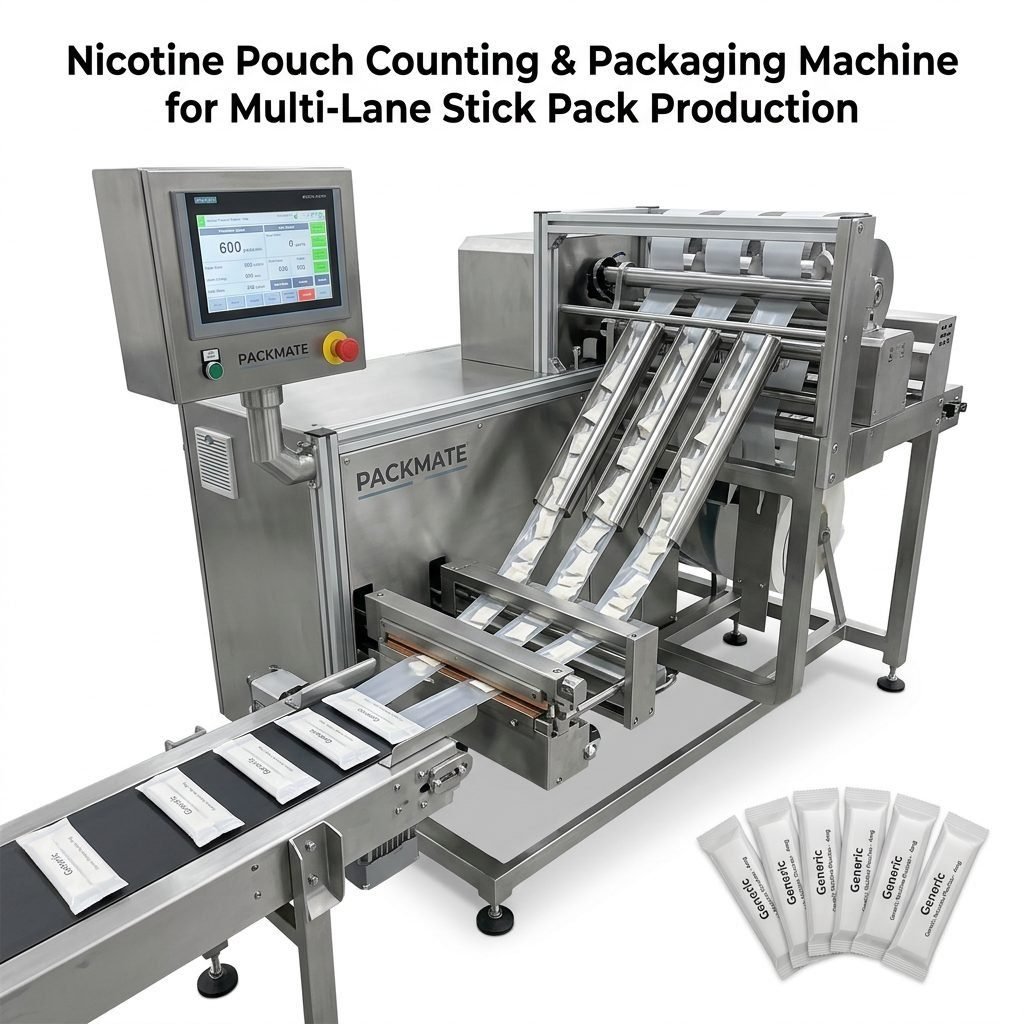
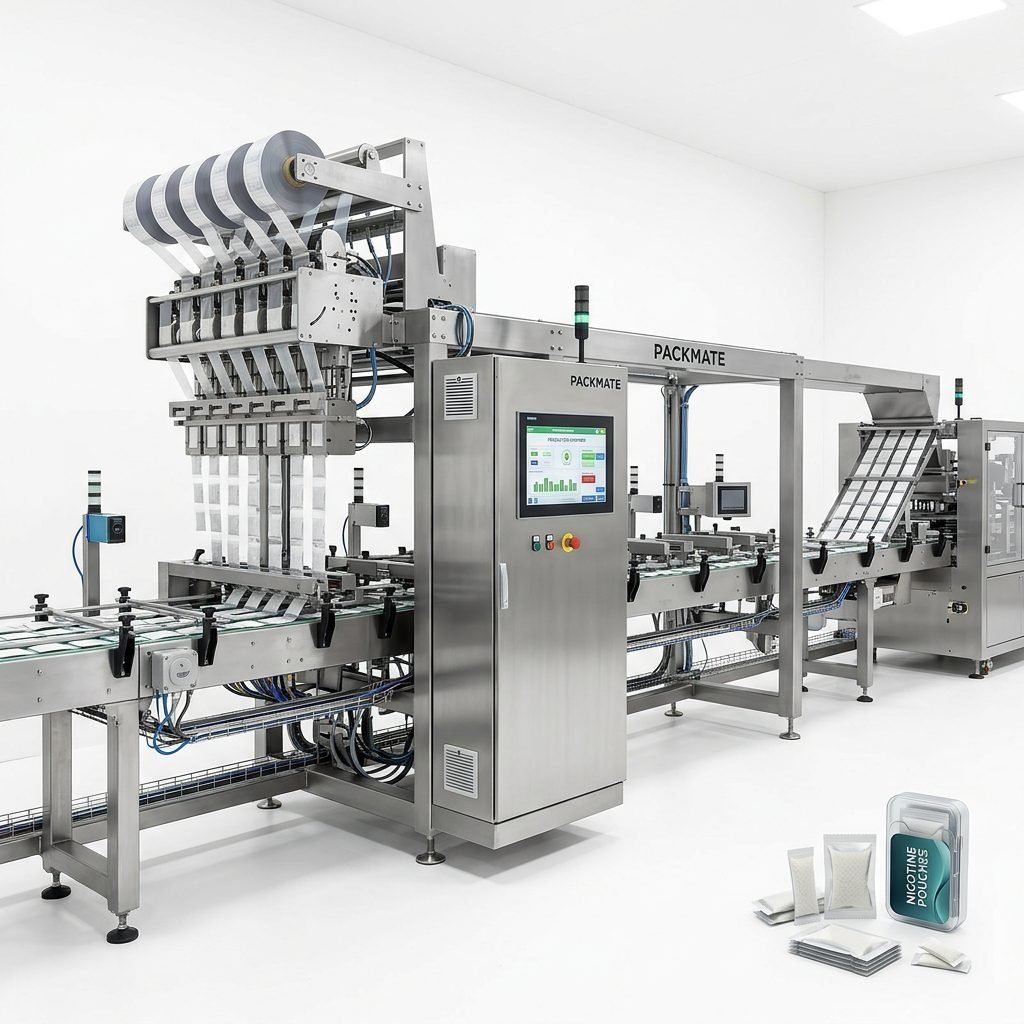
Before approaching any manufacturer, map out your product specifications and expected production volumes. Snus and nicotine pouches vary in size, fill weight, moisture sensitivity, and packaging format (stick packs, sachets, multi-lane pouches). A clear brief should include: expected daily output, pouch dimensions, target speeds (pieces/minute), and whether you need multi-lane systems for small-dose production.
Key checklist for your brief
✓ Product type: snus, nicotine pouch, powder, granule, liquid.
✓ Packaging format: stick pack, sachet, pouch, tin-ready trays.
✓ Output requirement: hourly/daily targets.
✓ Special needs: nitrogen flushing, humidity control, heat sealing specs.
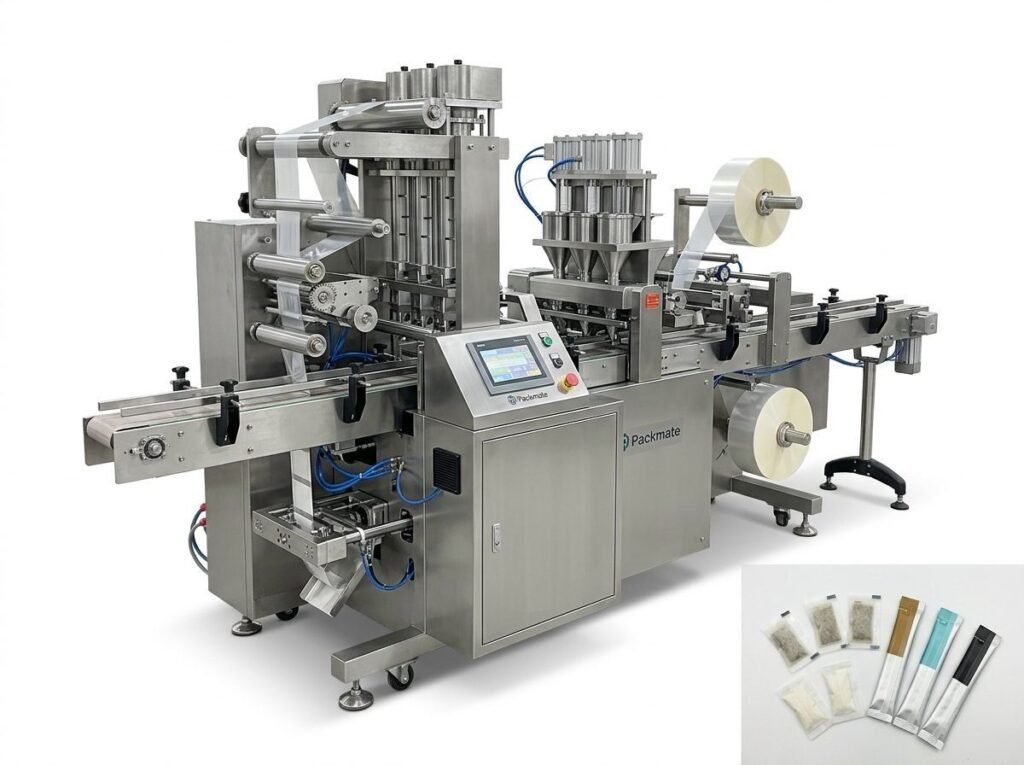
Tip: If you’re unsure of exact specs, manufacturers like Packmate can help run feasibility assessments and recommend the right model family—see their snus & nicotine packaging machines for reference.
Evaluate Manufacturer Expertise and Track Record
Experience matters when it comes to precision packaging of small-dose products. Look for a supplier with a proven history in snus and nicotine pouch machinery, preferably with multi-lane solutions and turnkey line experience. Important indicators include years of R&D, model variety, factory capacity, and published case studies.
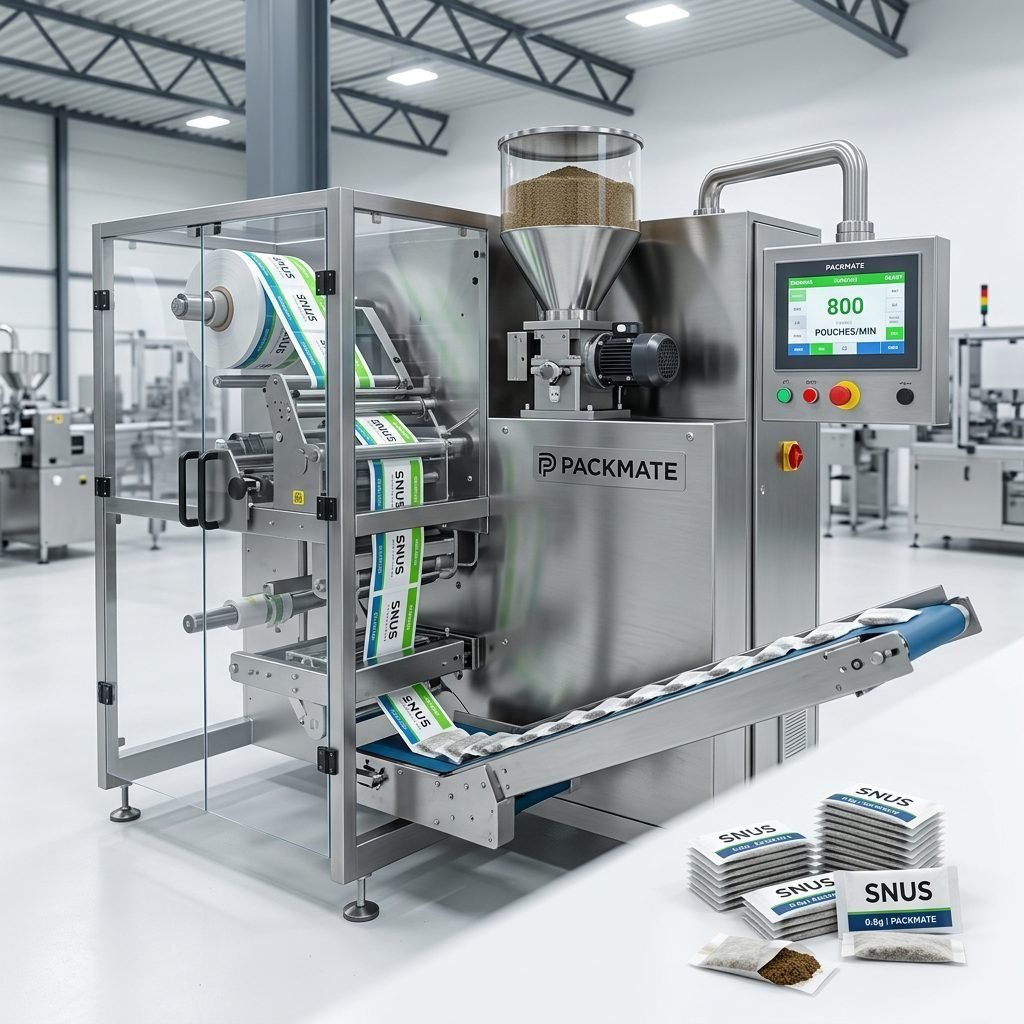
Packmate Snus Machine, for example, brings over 30 years of engineering experience, a 20,000㎡ manufacturing facility, and 50+ machine models—attributes that suggest strong capability to meet diverse packaging requirements. Reviewing a supplier’s global case studies and exhibition presence can give you confidence in their market performance.
Questions to ask
• How long have you specialized in snus/nicotine pouch machinery?
• Can you provide references or case studies for similar projects?
• Do you participate in international exhibitions or live demonstrations?
Machine Types and Technical Compatibility
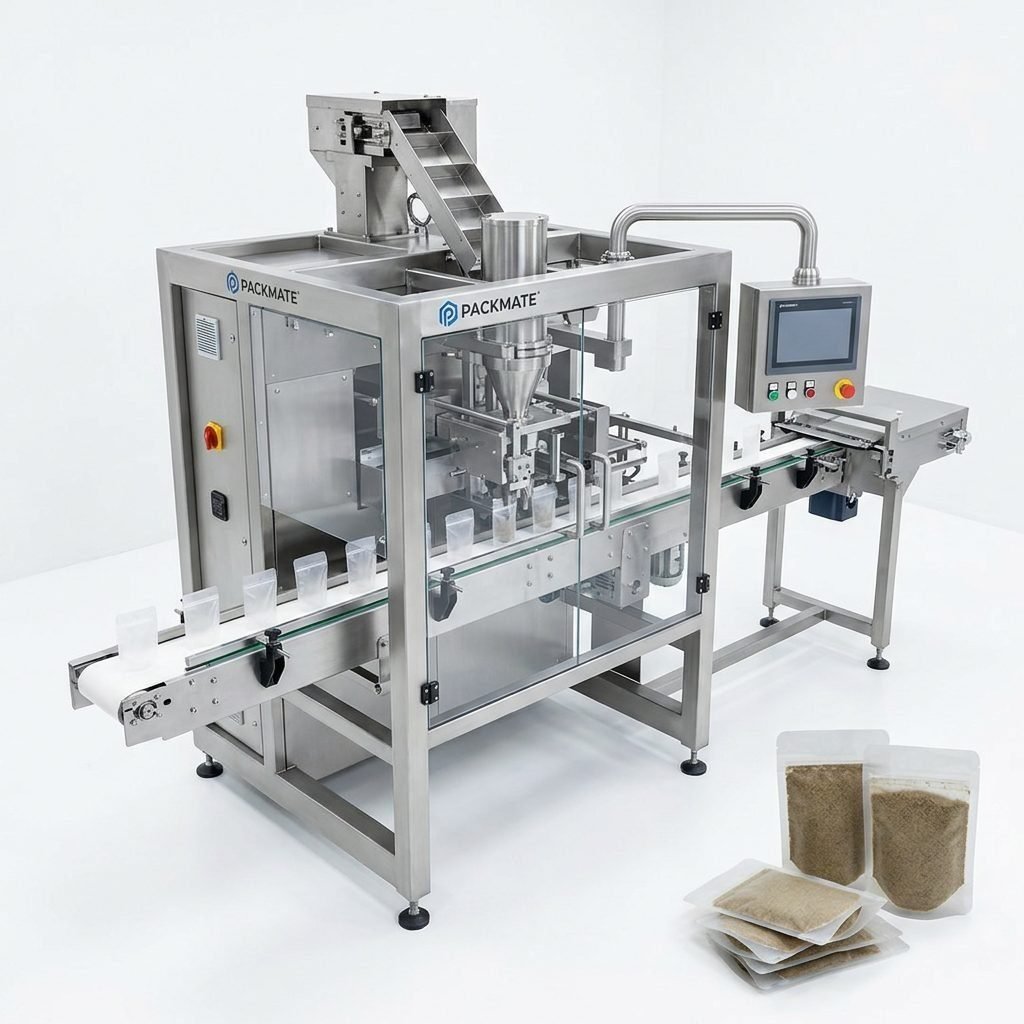
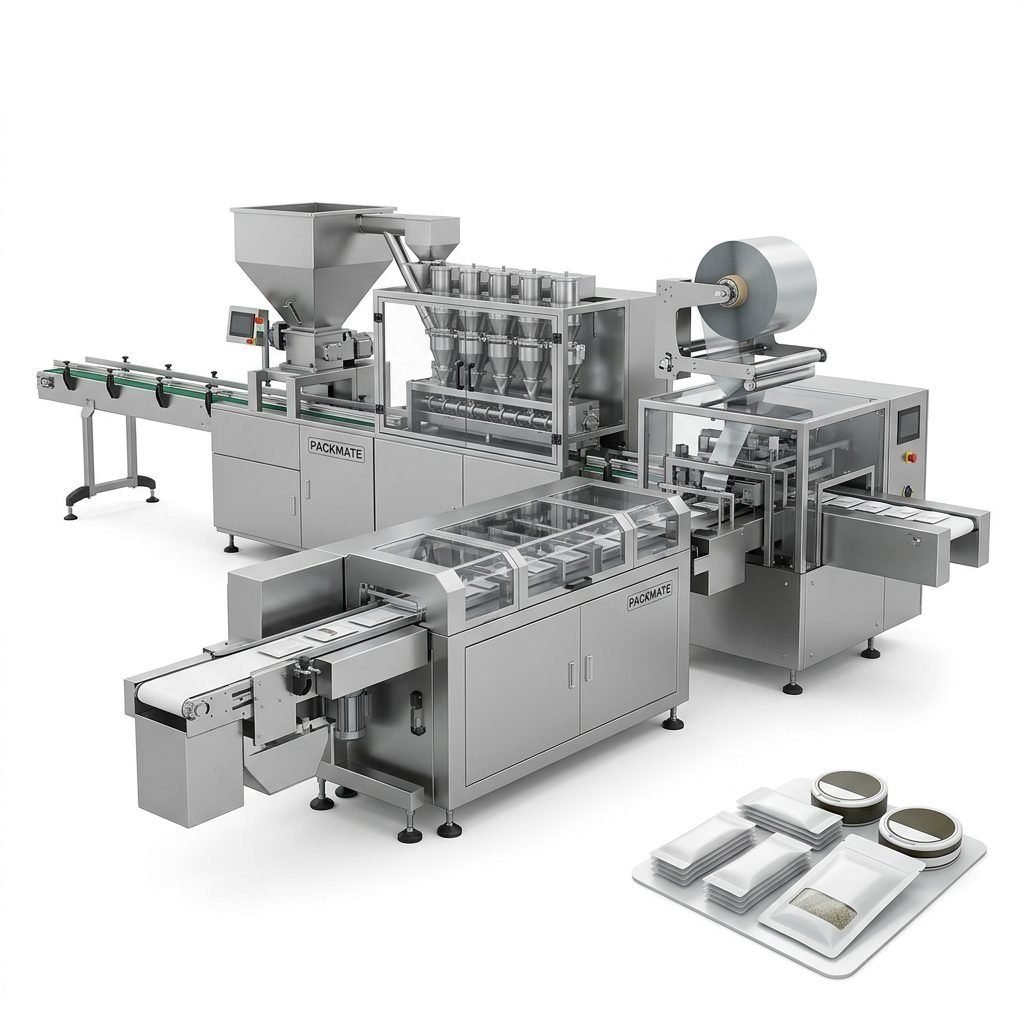
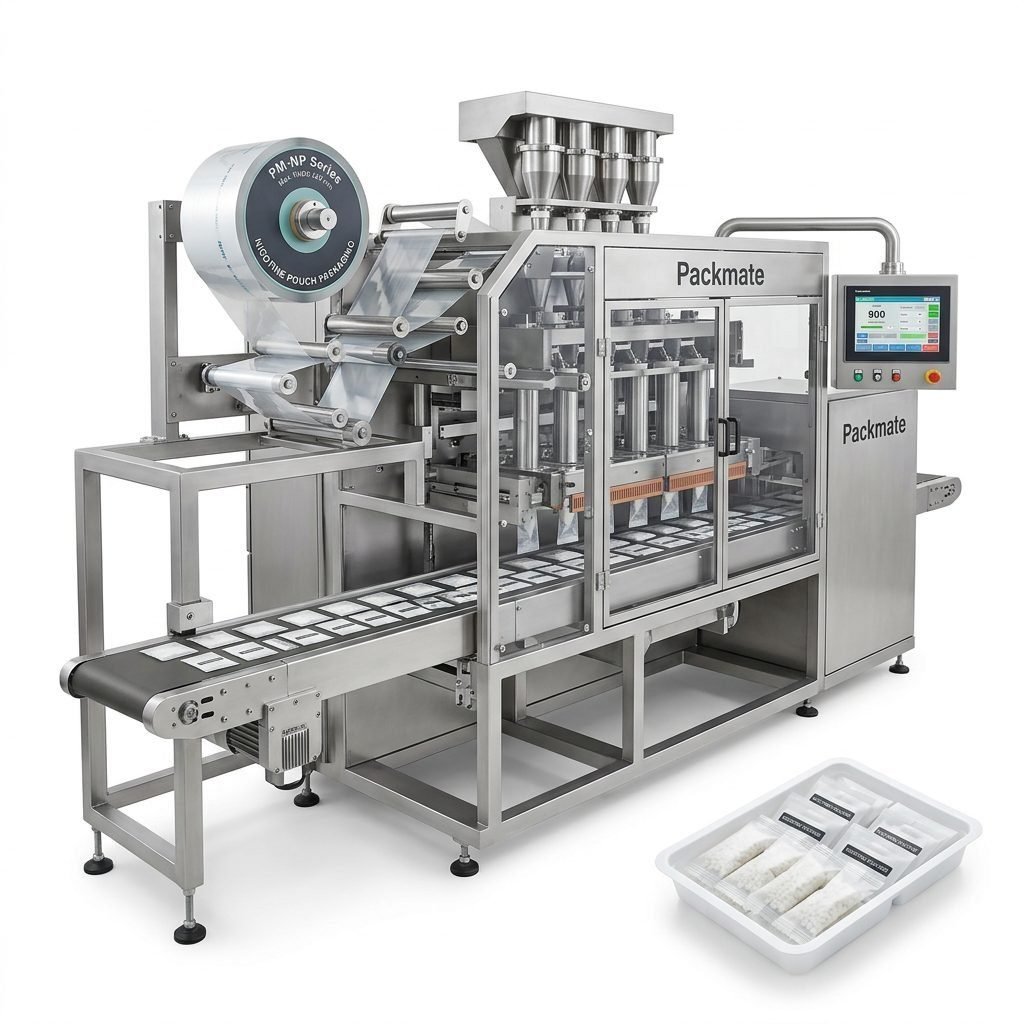
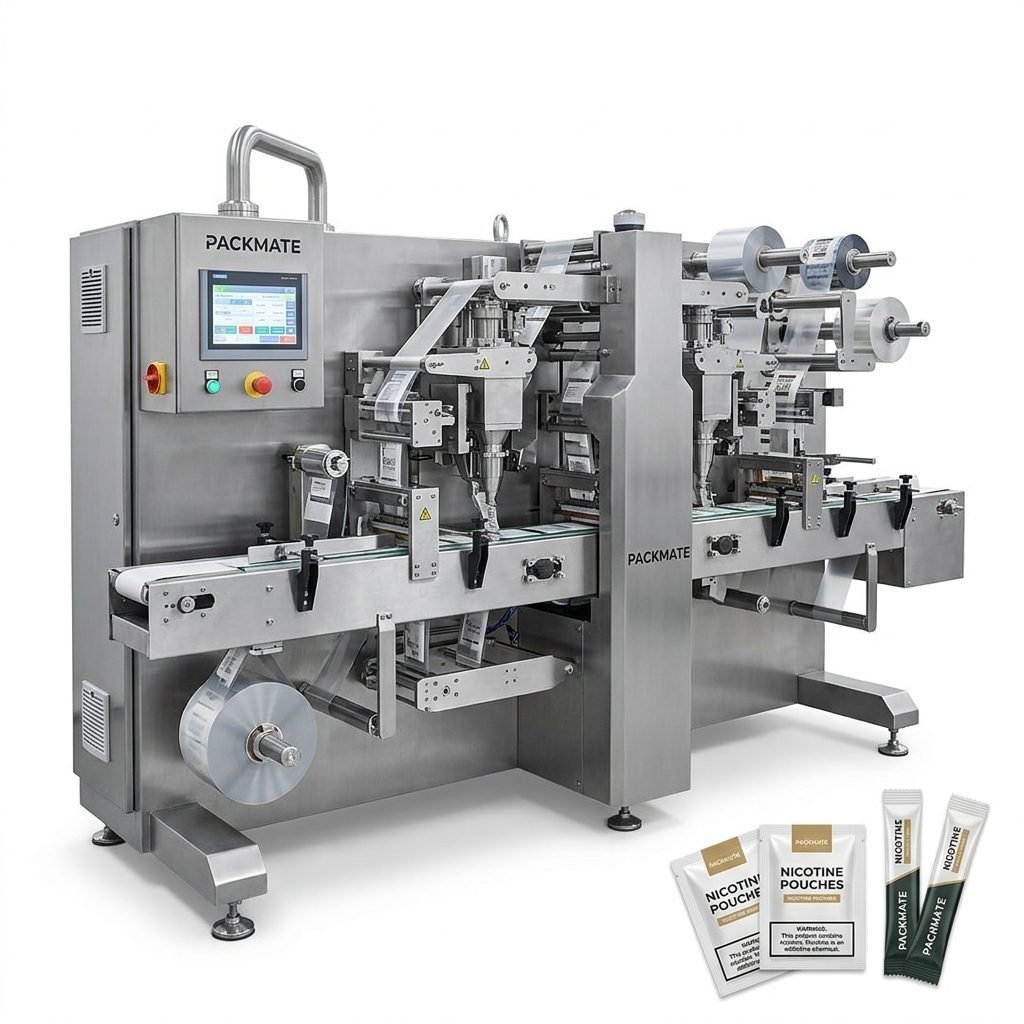
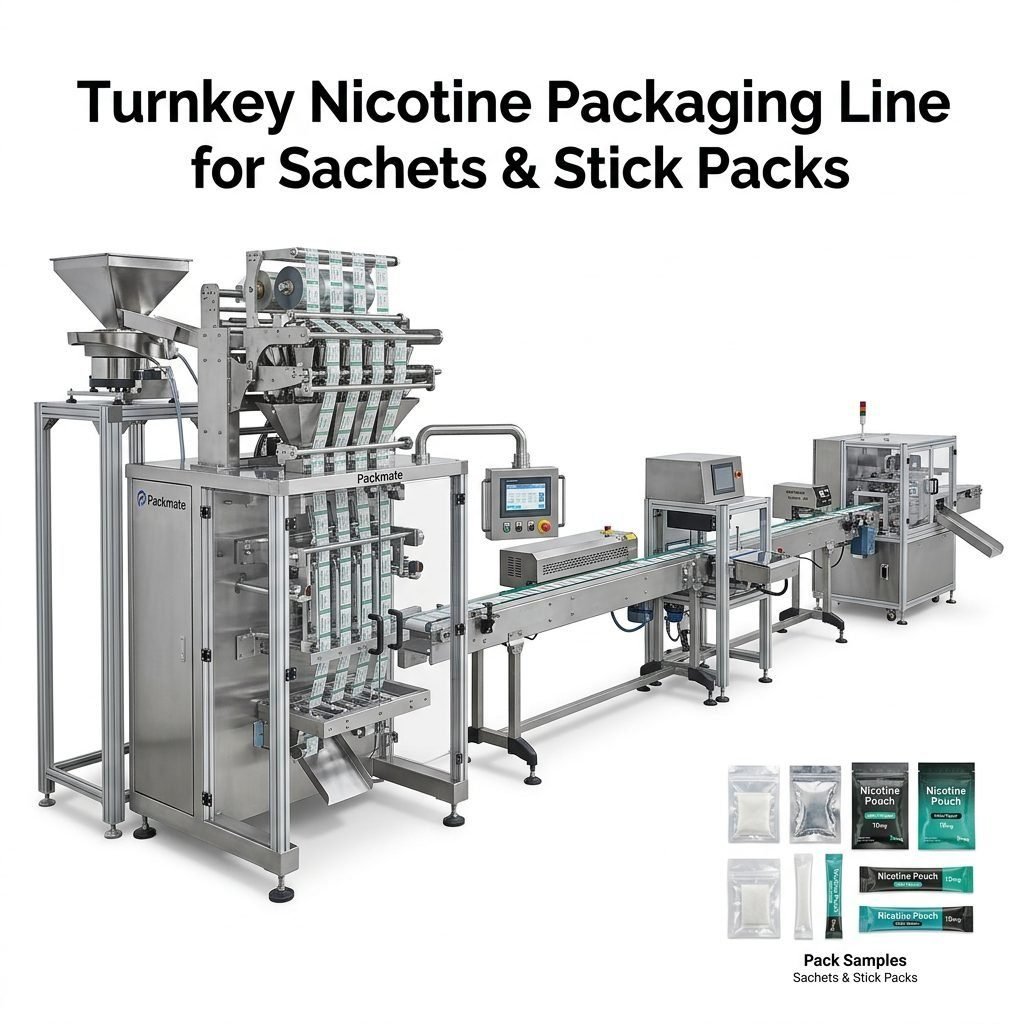
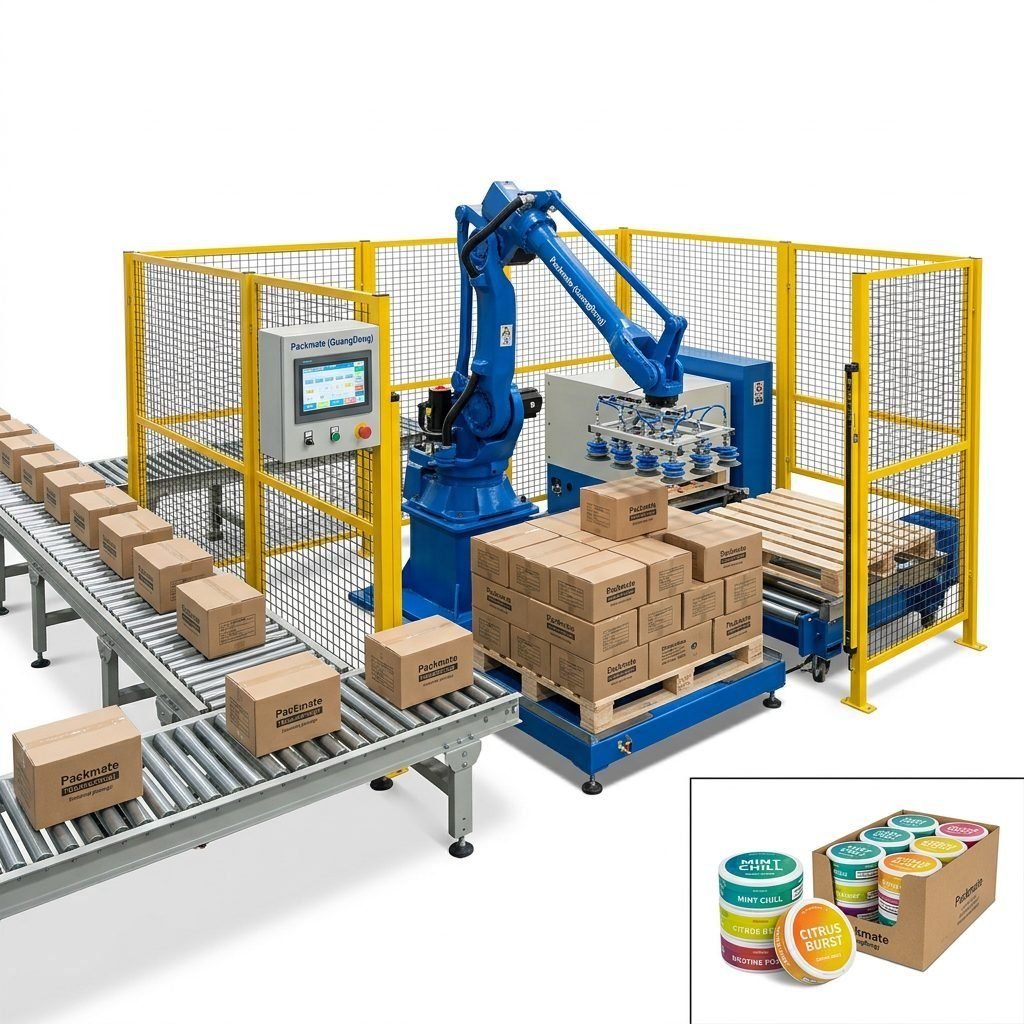
Not all packaging lines are created equal. Ensure the manufacturer offers the machine types that match your product format. Common solutions include stick pack machines, sachet and stick pack machines, multi-lane pouch machines, and complete filling & packaging lines. Verify whether the supplier supports auxiliary equipment like weighing systems and conveyors for a complete line.
Useful resource links for comparing machine types: Snus & Nicotine Packaging Machines, Sachet & Stick Pack Machines, and Filling & Packaging Lines.
Compatibility check: Confirm that your chosen machine supports the exact pouch dimensions and fill tolerances. Ask for sample runs or video demonstrations with similar products.
Quality, Standards and Certifications
Regulatory compliance and build quality are non-negotiable. Ensure the manufacturer adheres to international standards such as CE and ISO. Machines should be constructed with robust materials, precision components, and controlled assembly processes. Certifications are an indicator of a supplier’s commitment to quality and safety.
Ask providers to share certificates, third-party inspection reports, and QA procedures. A manufacturer that showcases certifications and tested equipment reduces the risk of regulatory issues and product recalls.
Customization and Turnkey Solutions
Every snus business has unique requirements—from branding-specific pouch shapes to integrated quality-check stations. Determine whether the manufacturer offers customization: tooling design, multi-lane arrangements, nitrogen flushing, vision inspection, and PLC/HMI customization. Turnkey suppliers that deliver fully integrated lines (weighing, filling, packaging, and conveyors) can save time and minimize vendor management.
If you need a complete line, check suppliers’ turnkey capabilities: Weighing & Packaging Systems and Auxiliary Packaging Equipment listings are good references.
After-Sales Support, Spare Parts and Training
Strong after-sales service is crucial for maintaining uptime. Evaluate response times, availability of spare parts, remote support capabilities, and on-site technician training. Ask where spare parts are stocked and how quickly replacement components can be shipped to Luxembourg. A manufacturer with a local or regional service network will reduce downtime risks.
Service promise: Confirm training plans for your operators and maintenance team, and whether commissioning includes a performance guarantee.
Factory Visits, Factory Acceptance Tests (FAT) and Trials
Whenever possible, arrange a factory visit or commissioning trials. Witnessing a Factory Acceptance Test (FAT) or watching sample production on the exact model provides assurance about machine capabilities and build quality. During FAT, check performance against agreed KPIs: speed, accuracy, sealing quality, and downtime metrics.
Ask for video evidence if a physical visit is not feasible. Reputable manufacturers will welcome FATs, live demonstrations at exhibitions, or provide detailed case studies—see recent exhibition participation and case examples for confidence.
Total Cost of Ownership (TCO) vs. Initial Price
Low initial cost can be tempting, but focus on Total Cost of Ownership. Factor in energy consumption, spare parts pricing, required consumables (dies, sealing jaws), maintenance intervals, and expected lifespan. A higher-quality machine with efficient operation and reliable support often gives a lower TCO and better ROI.
Request a detailed TCO breakdown from prospective suppliers and compare lifecycle costs, not just purchase price.
Lead Times, Delivery and Installation
Lead time reliability impacts your product launch or capacity planning. Confirm realistic production and delivery timelines, shipping arrangements to Luxembourg, installation schedules, and commissioning duration. Clarify who handles customs clearance, on-site installation, and initial run qualifications.
A reliable manufacturer will provide a project timeline with milestone-based payments and clear responsibilities.
Quality Control and Continuous Improvement
Review the manufacturer’s internal quality control processes: incoming material checks, CNC machining precision, assembly testing, and final inspection. Ask how they handle continuous improvement—do they gather customer feedback, offer retrofits, or release updated models based on field data?
Manufacturers with robust QC and iterative development are more likely to deliver machines that evolve with your needs.
Contract and Warranty Negotiation
Negotiate clear warranty terms, spare part lists, service level agreements (SLAs), and acceptance criteria. Ensure responsibilities for shipping damage, performance guarantees, and post-warranty support are documented. A transparent contract reduces surprises and aligns expectations.
Red flag: Vague warranty clauses or no clear spare parts availability. Prioritize vendors that publish spare parts catalogs and lead times.
Local Considerations for Luxembourg
Luxembourg’s logistics environment and regulatory framework require careful planning. Consider VAT, import regulations, and local electrical/mechanical standards. Partnering with a manufacturer experienced in EU deliveries can simplify customs procedures and ensure compliant documentation.
If you need direct contact, explore manufacturer profiles and contact pages for pre-sales support: Contact Us. Also check the company background to verify manufacturing scale and capabilities: About Packmate.
Summary: A Practical Decision Tree
1) Define product specs and desired throughput.
2) Shortlist manufacturers with proven snus/nicotine pouch experience.
3) Verify certifications, factory capabilities, and case studies.
4) Request FAT, sample runs, and a detailed TCO.
5) Confirm lead times, spare parts supply, SLAs, and warranty terms.
6) Negotiate turnkey options if you need an integrated line.
Final reminder: Choosing a manufacturer is not just about machines—it’s about selecting a partner for growth. Ask for references, factory tours, and clear commitments on support.
Further resources
Explore product families and machine categories to match your needs: Bag & Pouch Packaging Machines and Case Studies.
Frequently Asked Questions
Q1: What information should I prepare before requesting quotes?
A1: Prepare product specs (dimensions, weight), desired output, packaging format, and any special requirements (nitrogen flush, metal detection). Clear specs help vendors propose accurate solutions.
Q2: How long does it typically take to receive and commission a snus packaging line?
A2: Lead times vary by customization and factory schedule; typical delivery and installation range from 8 to 24 weeks. Always ask for a detailed project timeline and milestone commitments.
Q3: What certifications should I expect from reputable manufacturers?
A3: Look for international certifications such as CE and ISO, plus documented quality control and test reports for critical components.
Q4: Can manufacturers provide turnkey solutions including weighing and auxiliary equipment?
A4: Yes. Many suppliers offer integrated lines, including weighing systems, conveyors, and auxiliary equipment—confirm turnkey scope and single-point responsibility.
Q5: How can I validate machine performance before purchase?
A5: Request a Factory Acceptance Test (FAT), sample production videos, references, or a live demo at an exhibition. This helps confirm speed, sealing quality, and overall reliability.