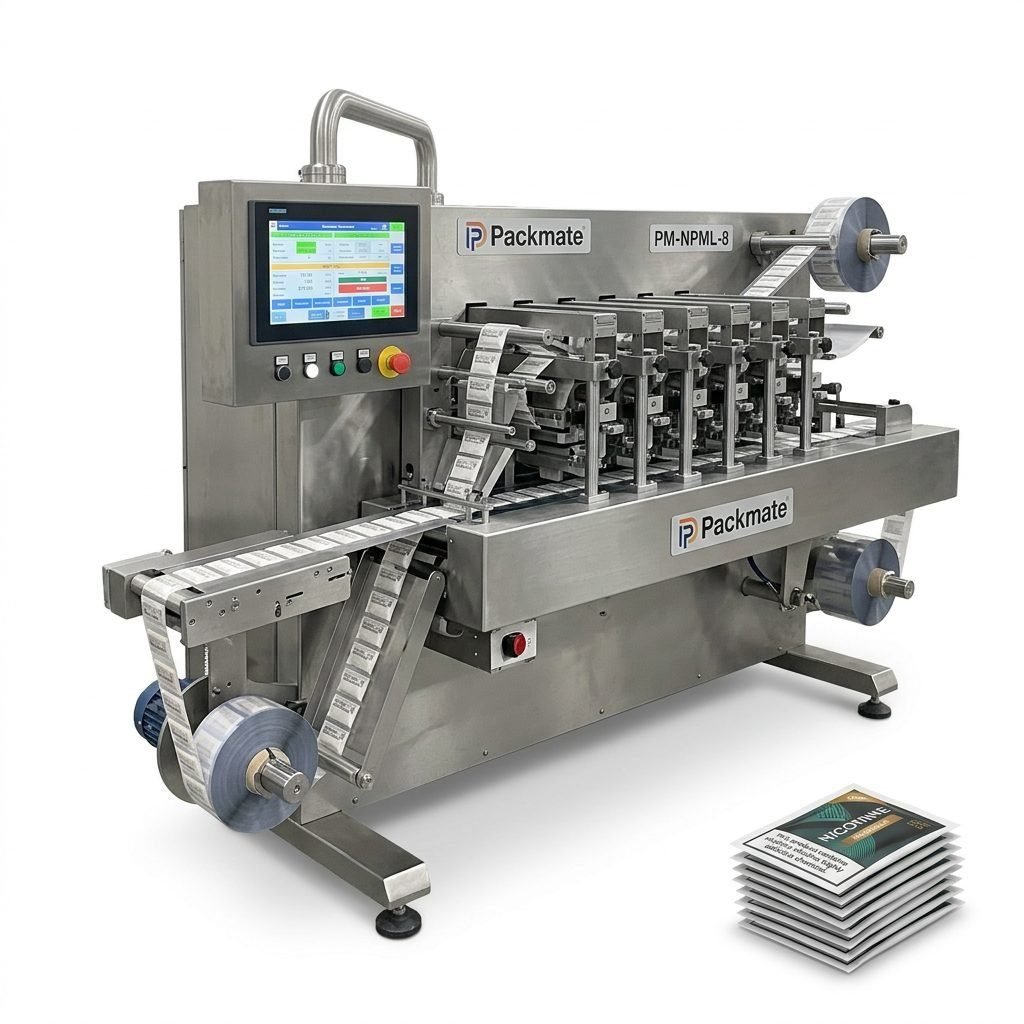
Buying a reliable nicotine pouch (snus) packaging machine in Libya requires more than comparing prices. You need to understand machine types, supplier reliability, local regulations, logistics across Libyan ports, and after-sales support. This guide walks you through practical steps, cultural tips for doing business in Libya, and checklists to help you select the best supplier for long-term success.
🔎 Understand the Market and Local Context in Libya
Libya’s business environment has its own rhythms: Arabic is the primary language, personal relationships and trust matter greatly, and commercial activity often centers around Tripoli and Benghazi. Import procedures, customs paperwork, and port congestion can affect lead times. During Ramadan or major national events, expect slower communication and remote decision-making cycles. Plan orders well in advance and build time cushions into your schedule.
📍 Key practical notes for Libya
– Tripoli is the main international gateway; Benghazi and Misrata also handle imports.
– Use clear Arabic or bilingual documentation when possible; translated manuals can speed customs clearance.
– Local banking and payment preferences can vary; be ready to discuss flexible terms such as TT, LC, or escrow arrangements that satisfy both parties.
🧭 What Types of Nicotine Packaging Machines Should You Consider?
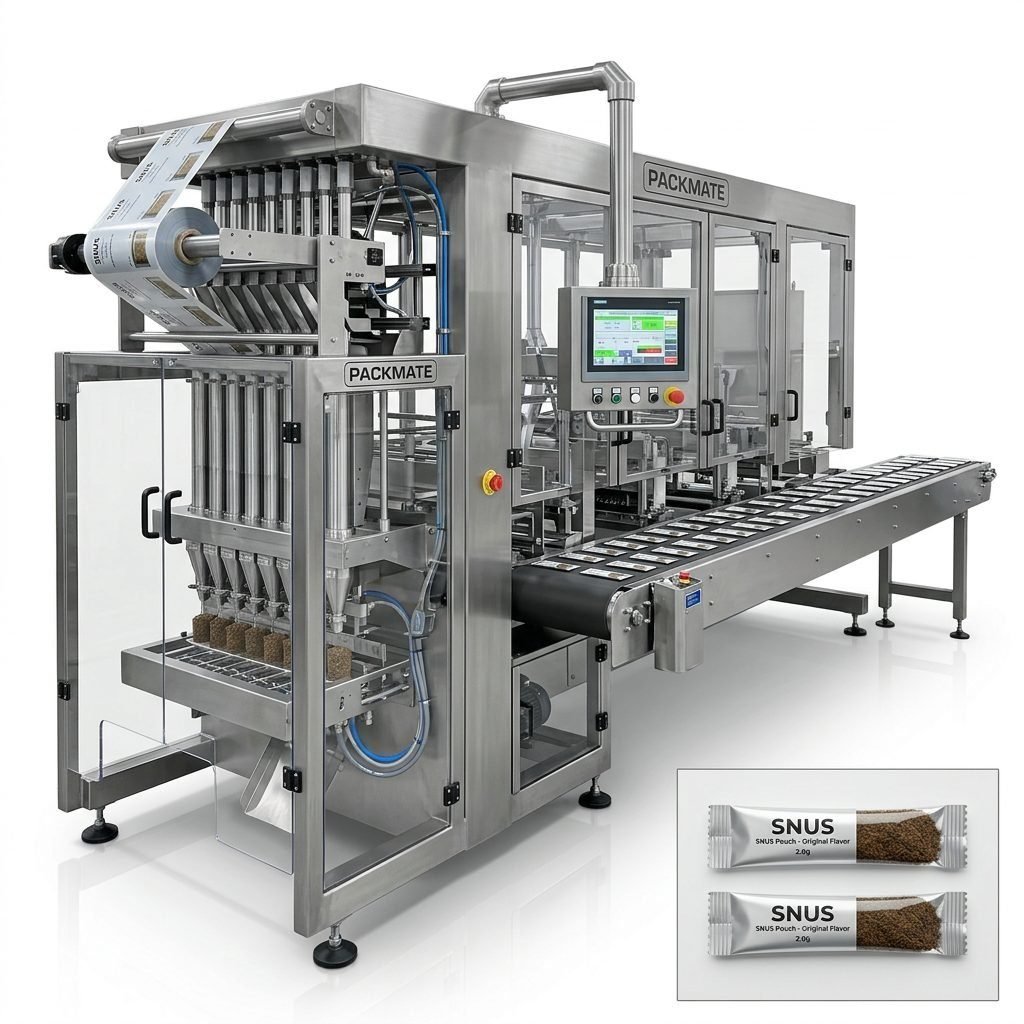
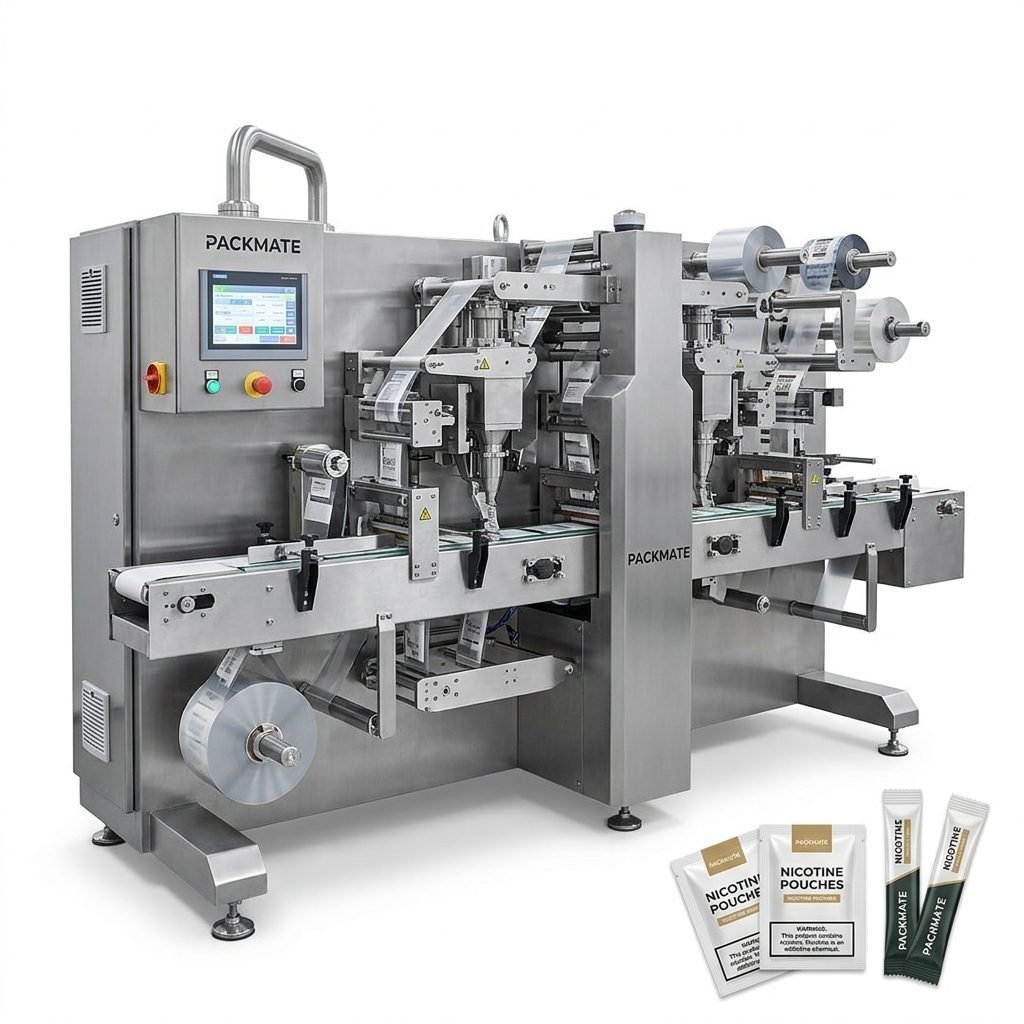
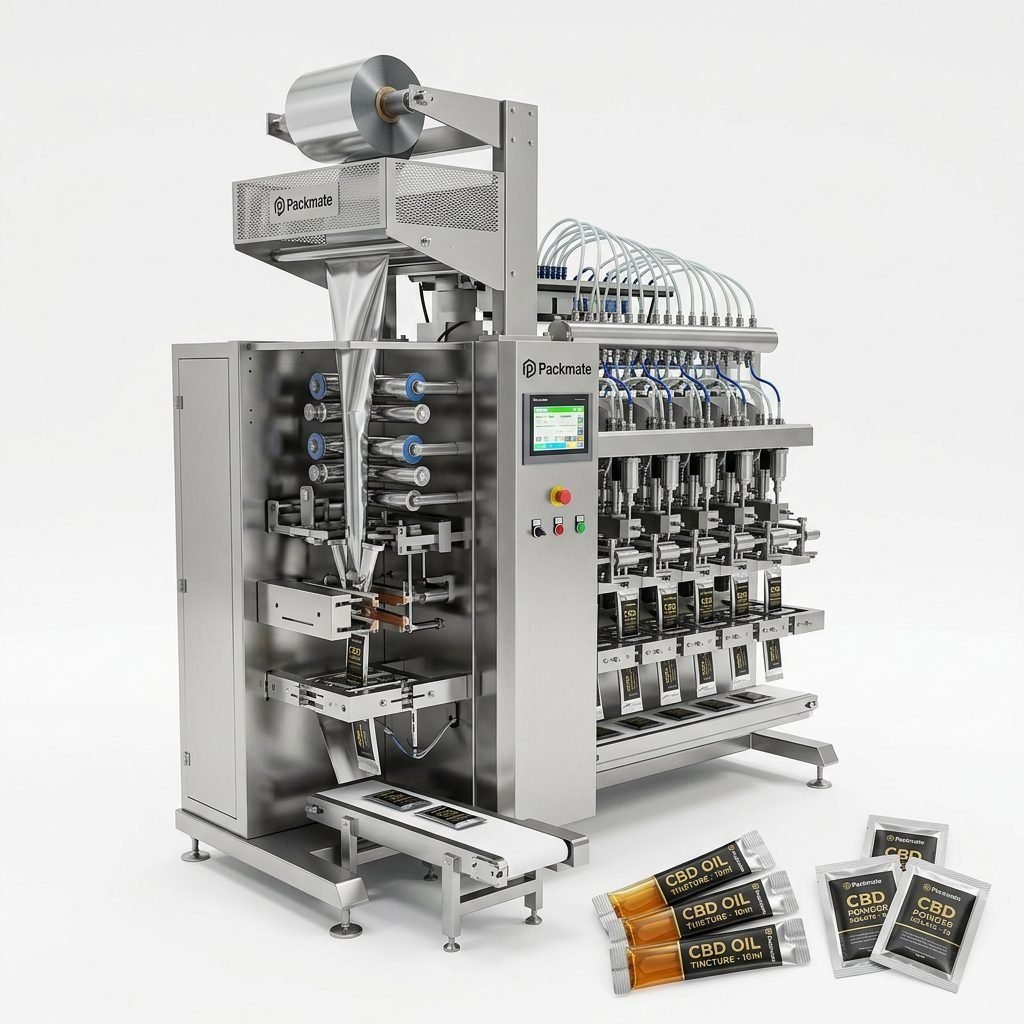
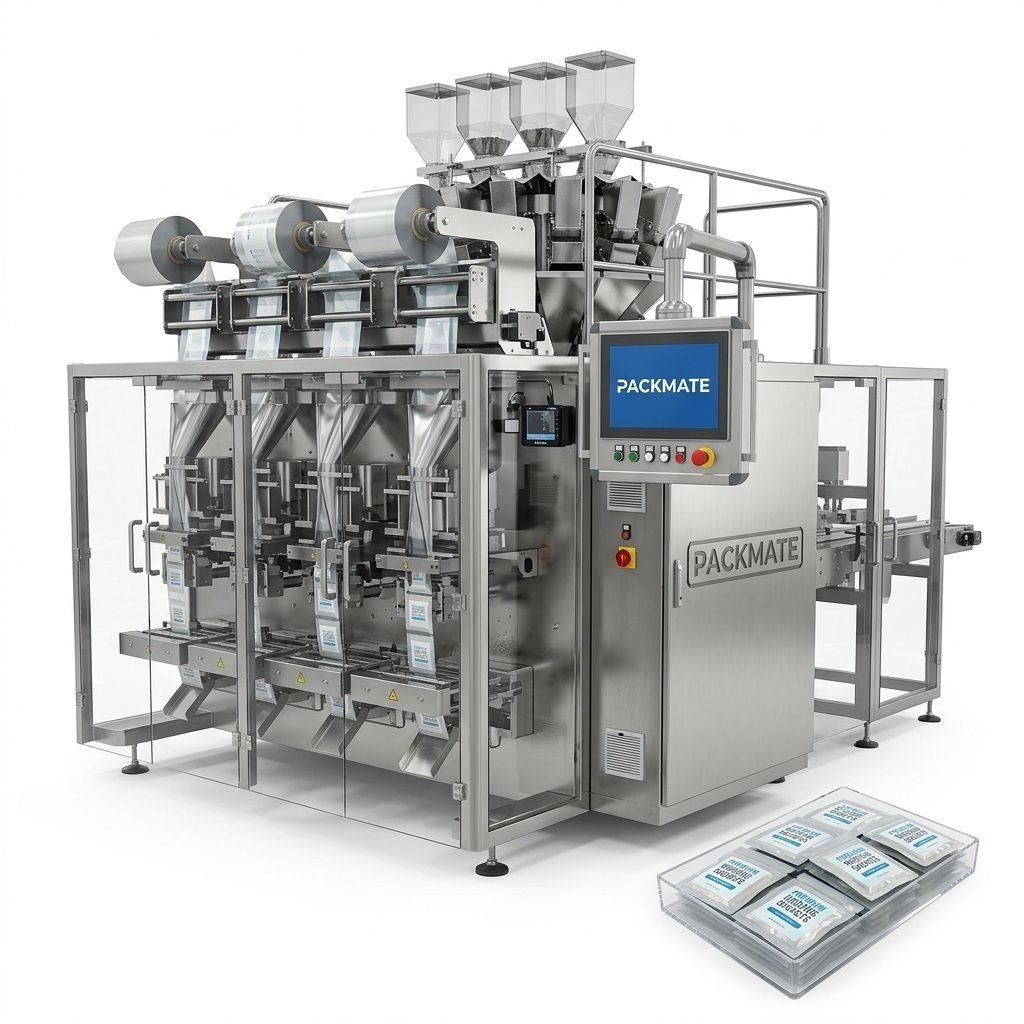
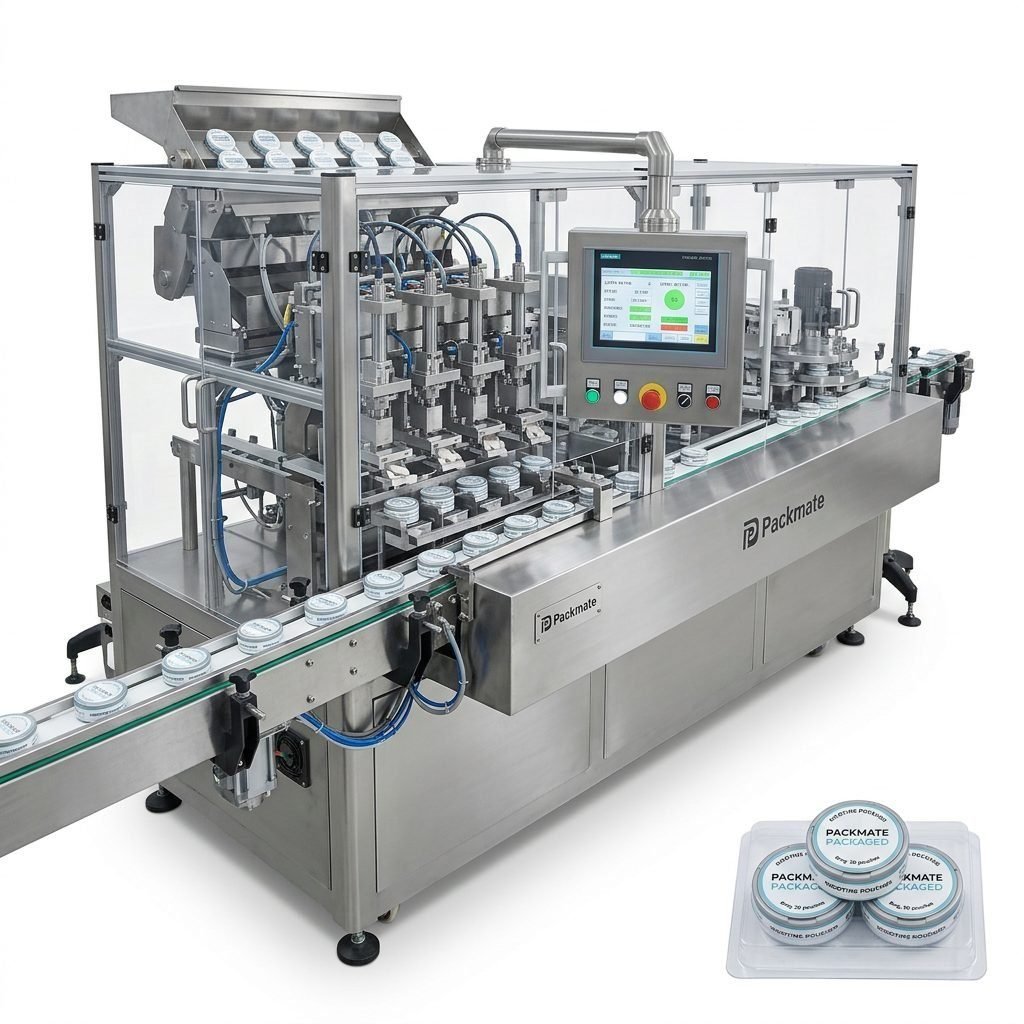
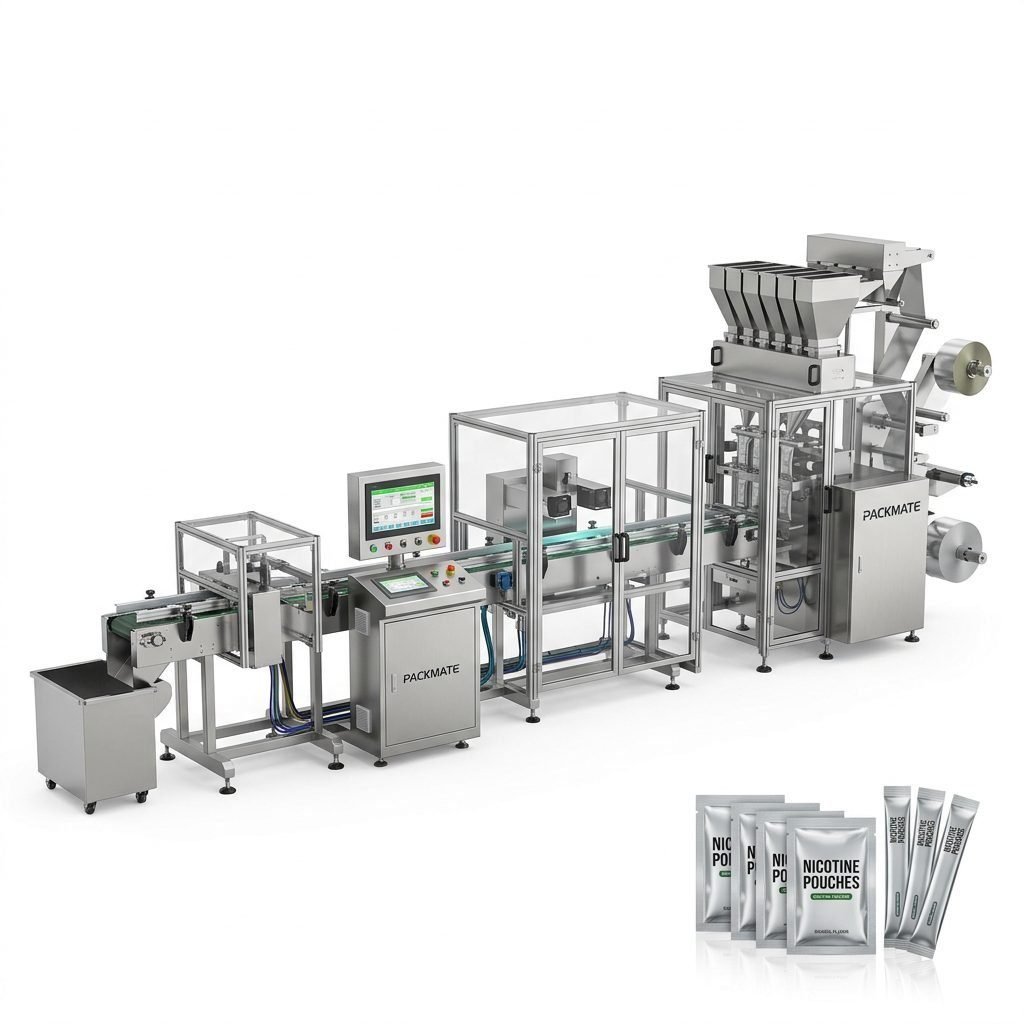
Choosing the right machine depends on your product format and production goals. Typical machine categories include stick pack, sachet, and multi-lane systems for nicotine pouches. Consider:
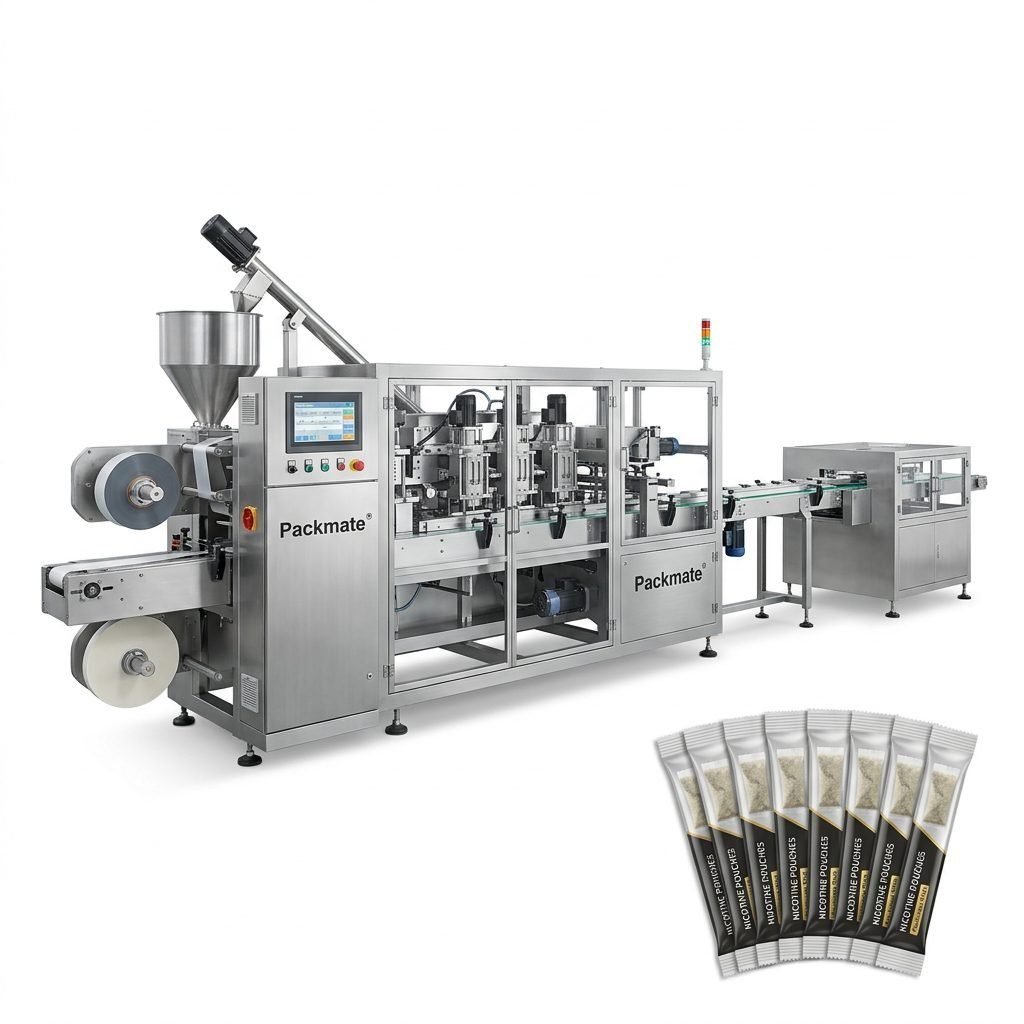
🛠️ Stick Pack Machines – Great for single-dose pouches with high-speed continuous output.
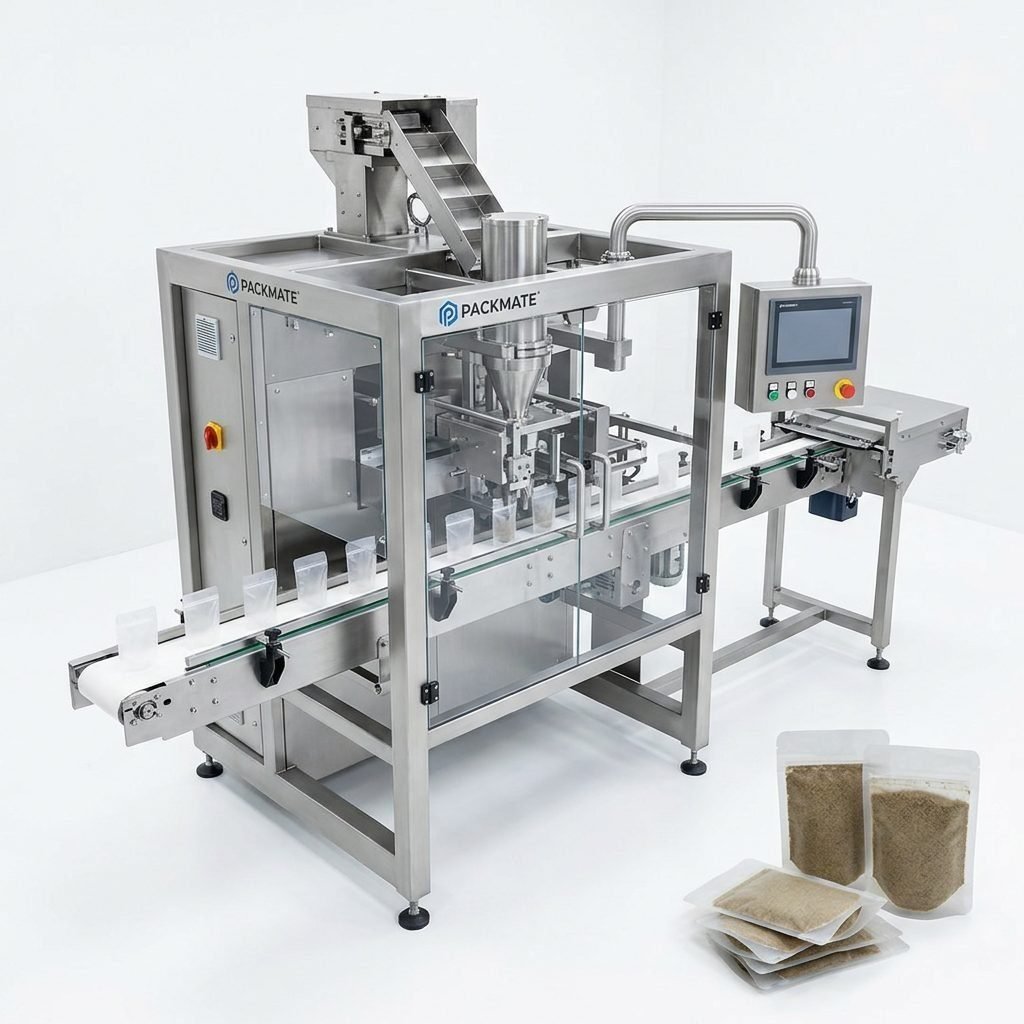
🧾 Sachet Packaging Machines – Ideal for flexible, sealed sachets with foil or film; good for premium nicotine pouch packaging.
🔁 Multi-Lane Systems – Produce multiple lanes simultaneously for small-dose pouch mass production, maximizing throughput for scaling businesses.
✅ Supplier Evaluation Checklist: Technical & Commercial
When evaluating suppliers, use a consistent checklist. Below are the most important items to verify before placing a deposit or signing a contract.
🔧 Machine performance and specs: declared speed (bags/min), accuracy, lane count, and compatibility with your pouch materials.
📜 Certification & compliance: CE, ISO, and any export compliance documentation relevant to Libya.
🔍 Factory capability: production capacity, CNC machining, quality control procedures, and number of models offered.
🧩 Customization options: tooling changes, multi-lane conversions, and tailored conveying or filling modules.
📦 Spare parts & consumables availability and lead times.
🛠️ Installation, training & after-sales service: remote support, on-site commissioning, local partner network, and spare parts warranty.
💬 References & case studies: ask for customers in similar markets or with similar product lines.
📋 Verify Manufacturer Credentials — What to Ask
Direct communication with the manufacturer matters. Ask for verifiable evidence and documents rather than just verbal assurances.
– Company history and factory photos or video tours (look for advanced CNC equipment and assembly lines).
– Certifications such as CE and ISO; request copies of certificates. Visit certificate pages where available. For more details about credentials visit the Certificate page.
– Product catalog and model specifications—request sample machine datasheets. The Catalog can be a useful reference.
– Client references and case studies. Confirm successful shipments to markets with similar regulatory complexity.
🚚 Logistics, Customs, and Shipping to Libya
International shipments to Libya require careful planning. Typical shipping terms include FOB, CIF, EXW—each has different implications for cost and control.
📦 Choose the right shipping incoterm. CIF to Tripoli often simplifies customs, but check local handling arrangements.
🧾 Prepare accurate commercial invoices and packing lists in both English and Arabic if possible.
⚠️ Be aware of customs duties and temporary import regulations for machinery; engage a reliable customs broker in Libya.
⏱️ Plan for port delays and local clearance time—add a buffer of several business weeks when setting production schedules.
💳 Negotiating Commercial Terms and Payment Methods
Payment security is crucial when ordering high-value equipment. Common methods include Telegraphic Transfer (TT), Letter of Credit (LC), or escrow services. In Libya, due to banking variability, you may need to be flexible and allocate time for bank approvals and currency controls.
– Propose staged payments: deposit, production milestone, pre-shipment balance.
– Request a clear warranty and spare parts policy, and include service terms in the contract.
– Ask about lead times, factory acceptance testing (FAT), and sample runs before final payment.
🧪 Testing, Factory Acceptance, and Quality Assurance
A robust FAT saves time and money. Ask the supplier to run your exact pouch format and filling recipe during FAT and provide video documentation. If feasible, schedule a factory visit or request a live remote demo.
– Insist on sample packs that match your pouch film and nicotine payload.
– Verify sealing integrity, weight accuracy, and lane synchronization on multi-lane machines.
– Confirm electrical specifications and required utilities for installation in Libya.
📞 After-Sales Support, Training, and Spare Parts
Long-term reliability depends on service and parts availability. Prioritize suppliers that offer:
🛠️ On-site installation & commissioning or detailed remote commissioning plans.
🎓 Operator and maintenance training, with written manuals and troubleshooting guides.
🔁 Spare parts kits for wear items and a transparent pricing list.
💬 Reliable communication channels and a defined SLA for emergency repairs.
📈 Scale and Future-Proofing Your Investment
Consider how your demand may grow. Multi-lane platforms and modular lines allow capacity expansion without replacing the entire line. Ask suppliers about upgrade paths, compatibility with automation modules, and integration with weighing and feeding systems.
For additional packaging module options like weighing or auxiliary equipment, view relevant product ranges at the manufacturer’s product pages such as Weighing & Packaging Systems and Auxiliary Packaging Equipment.
🤝 Building Trust with Suppliers — Cultural Tips for Libyan Buyers
Business relationships in Libya are built on personal trust. Communicate respectfully, be punctual for meetings, and allow time to establish rapport. Provide clear written agreements and be prepared to meet in person or host a trusted local representative at the supplier’s factory or exhibition stands.
Attend exhibitions or request demo sessions: suppliers often showcase machines at trade fairs—this is a reliable way to validate claims. Learn more about participation and demos on the manufacturer’s exhibitions page: Our Exhibition.
📁 Contract Essentials: Protect Your Purchase
Your purchase contract should clearly state machine specifications, acceptance criteria, lead times, payment schedule, warranty terms, spare parts list, and arbitration venue. Consider adding a clause for third-party inspection or FAT video submission before shipment.
📌 Quick negotiation tips
– Set fixed milestones with clear deliverables for partial payments.
– Retain a final balance until FAT is completed and documentation verified.
– Request training and spare parts kits to be included or negotiated as a package.
🏭 Why Work with Established Manufacturers Like Packmate
Suppliers with decades of experience bring engineering maturity, production discipline, and global support networks. Packmate Snus Machine (Packmate) is an example of a supplier with 30+ years of packaging machine experience, a 20,000㎡ manufacturing facility, and a broad product lineup—useful traits when evaluating credibility.
For more information about the company, its history and mission, you can view the About Packmate and Mission & Vision pages. Product ranges and turnkey solutions including snus packing machines are detailed on Snus & Nicotine Packaging Machines.
🧾 Final Pre-Purchase Checklist
1. Confirm machine spec sheet and production testing with your actual pouch material.
2. Validate supplier certifications and request FAT evidence.
3. Agree on incoterms, shipping port (Tripoli/Misrata), and customs clearance responsibilities.
4. Secure a clear payment plan, warranty, and spare parts arrangements.
5. Arrange training, installation, and post-sale support expectations in writing.
📞 Next Steps: How to Start Conversations with Suppliers
Prepare a concise Request for Quotation (RFQ) with product specs (pouch size, materials, target speed, required daily output), utility needs (power, air), and desired lead time. Ask for references, FAT videos, and a preliminary commercial offer. If you want to contact the manufacturer directly, use the Contact Us page for inquiries or service requests.
🔔 Pro tip
If you are new to nicotine pouch production, consider starting with a flexible multi-purpose line that can run samples, allowing you to optimize formulations before committing to higher-speed dedicated lines.
Frequently Asked Questions
Q1: How long is the typical lead time for a snus packaging machine? — Lead times vary by model and customization. Standard models may ship in 8–16 weeks; customized or multi-lane lines can take longer. Always confirm with the supplier and include FAT scheduling.
Q2: What payment methods are commonly accepted for Libyan buyers? — TT and LC are common. Some suppliers may offer escrow or staged payments. Confirm bank acceptance and processing time with your bank early.
Q3: Can suppliers provide training and spare parts support in Libya? — Many established manufacturers offer remote training and ship spare parts globally. Negotiate spare parts kits and defined SLAs for emergency shipments.
Q4: Are certifications like CE important for importing into Libya? — Yes, international certifications help with customs clearance and demonstrate quality. Request copies of certificates and compliance documents during supplier evaluation.
Q5: Where can I see real-world examples and case studies? — Ask suppliers for case studies or visit their online Case pages to verify installations and customer feedback.