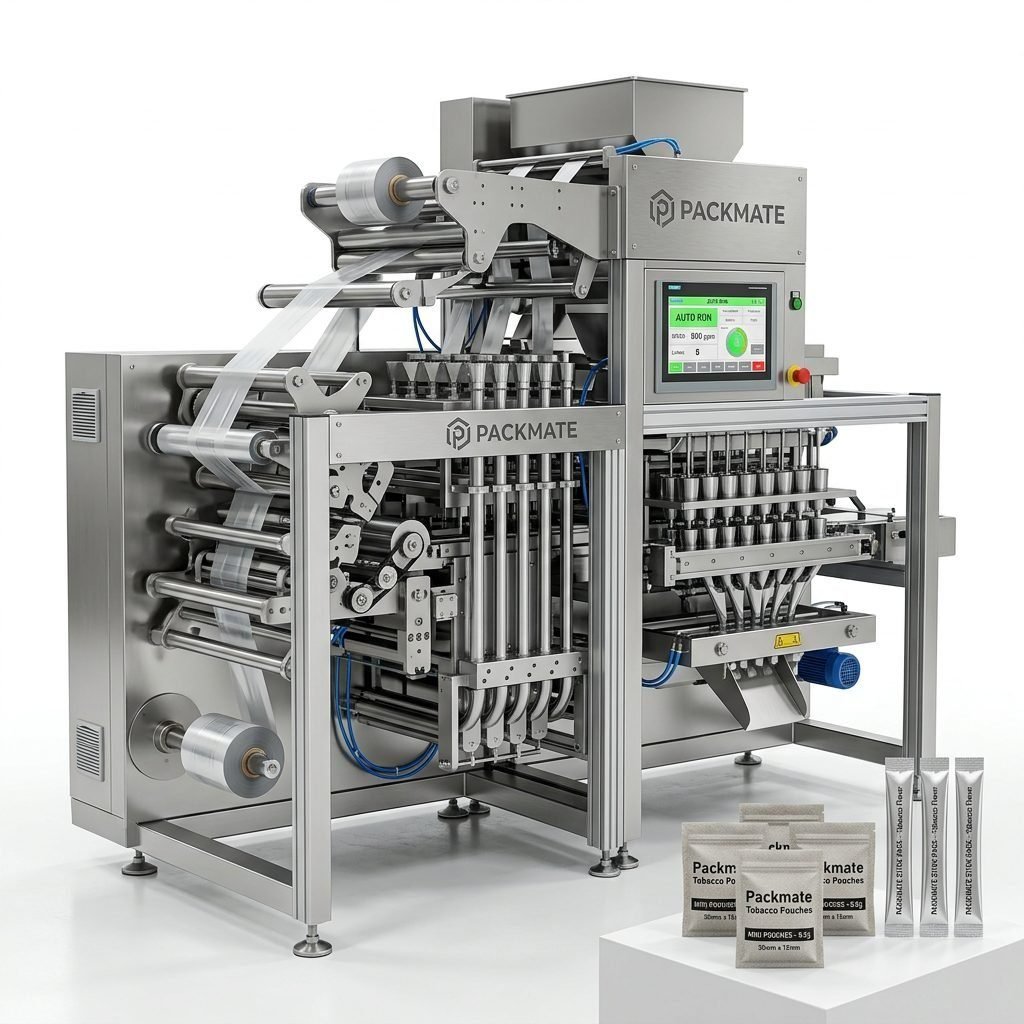
Choosing the right nicotine packaging machinery manufacturer for the South Korean market requires a balanced view of engineering reliability, regulatory compliance, after-sales support, and cultural fit. This guide will help you evaluate vendors, understand technical requirements specific to nicotine pouch and snus lines, and prepare for procurement and integration in Korea — where precision, cleanliness, and traceability are highly valued.
Understand the South Korean Market & Local Expectations
South Korea places strong emphasis on product safety, high manufacturing standards, and clear product labeling in the local language. Korean buyers and regulators expect machines that support consistent quality, allow easy cleaning, and provide traceable production records. When evaluating manufacturers, prioritize firms that can adapt documentation, HMI displays, and manuals into Korean, and can provide timely technical support within the region.
Key cultural note: South Korean factories often prefer compact, highly automated lines that maximize floor utilization and minimize dust and contamination. Explain your target daily output and packaging format clearly when contacting manufacturers.
Critical Technical Criteria to Evaluate
1. Compatibility with Nicotine Pouch Formats
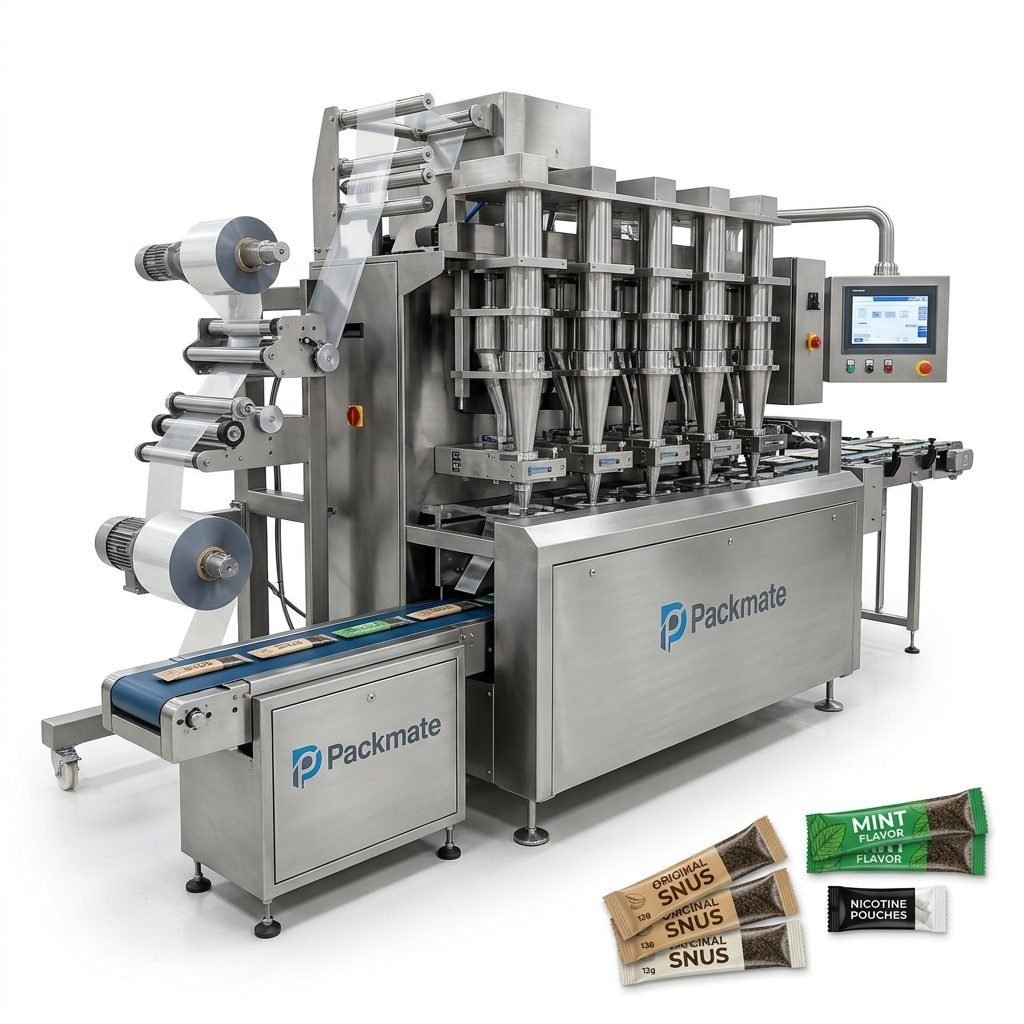
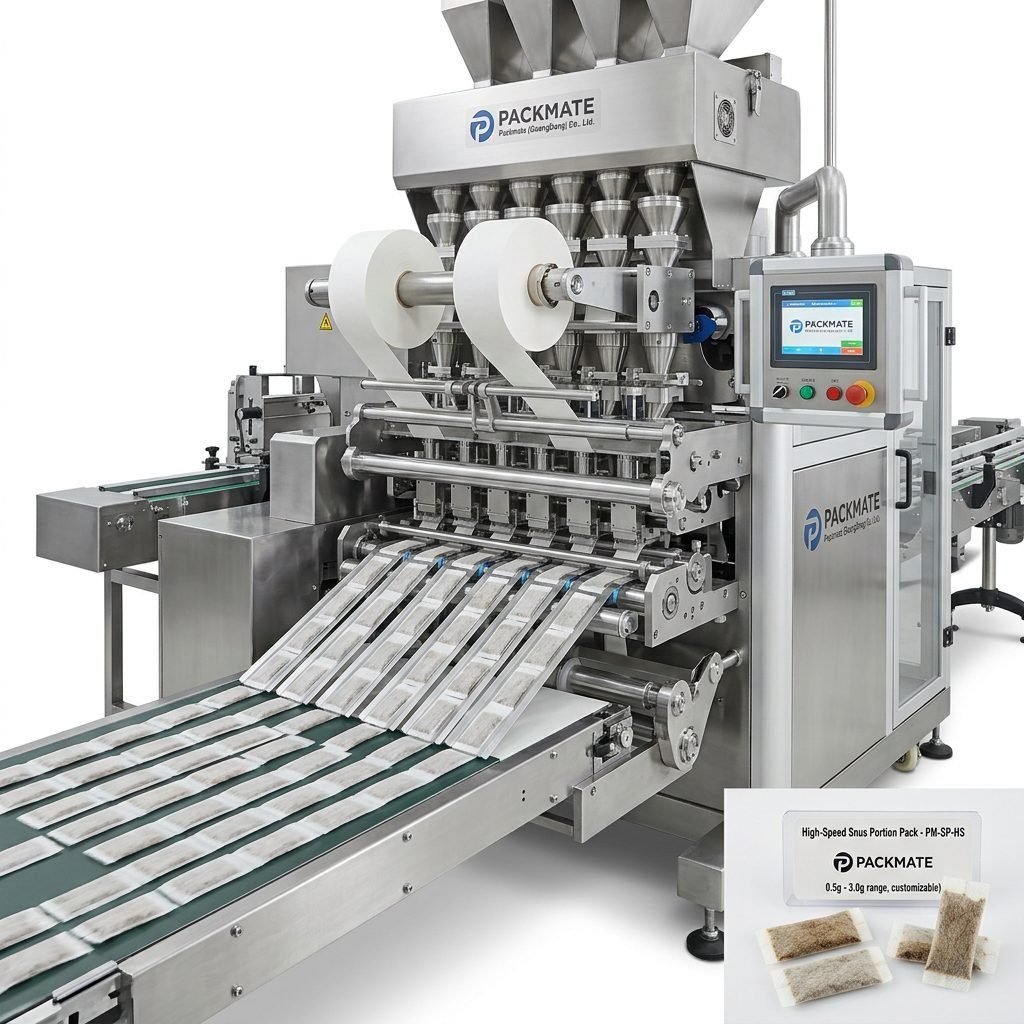
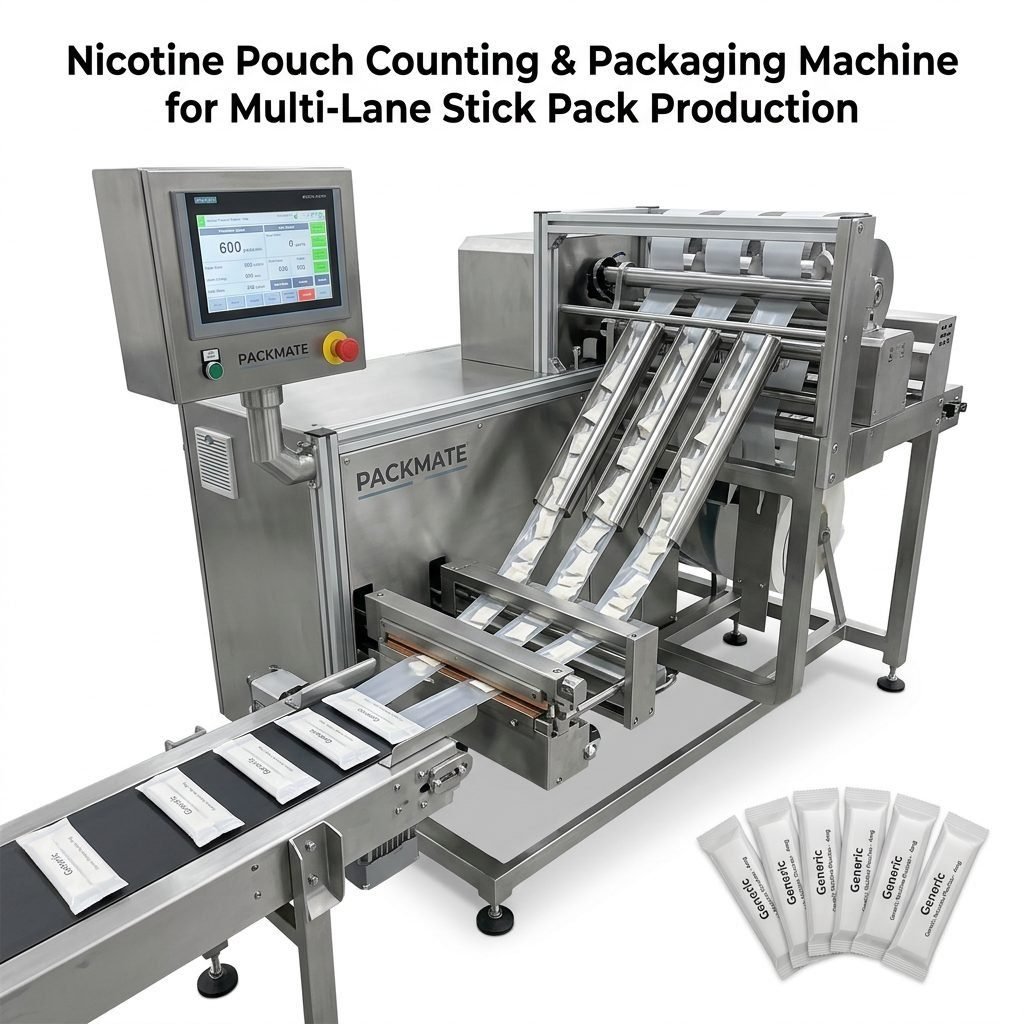
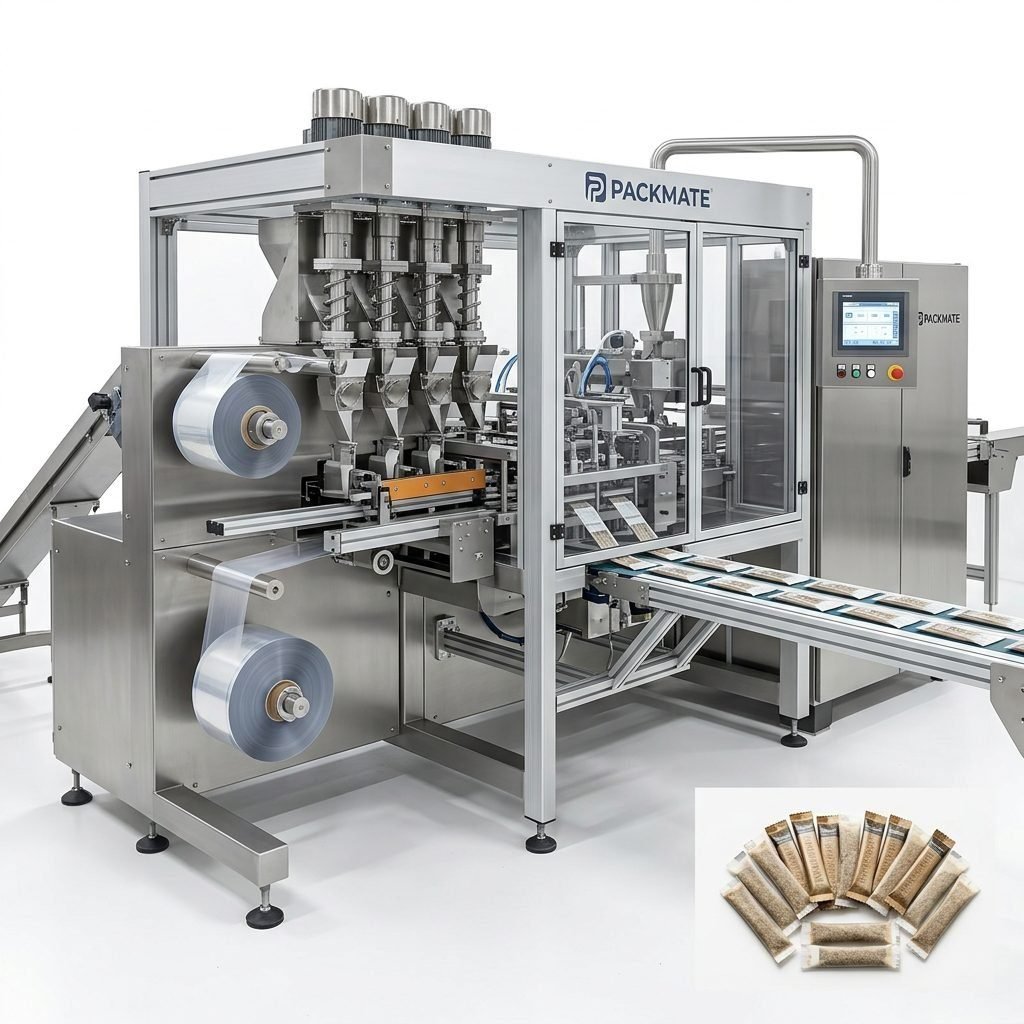
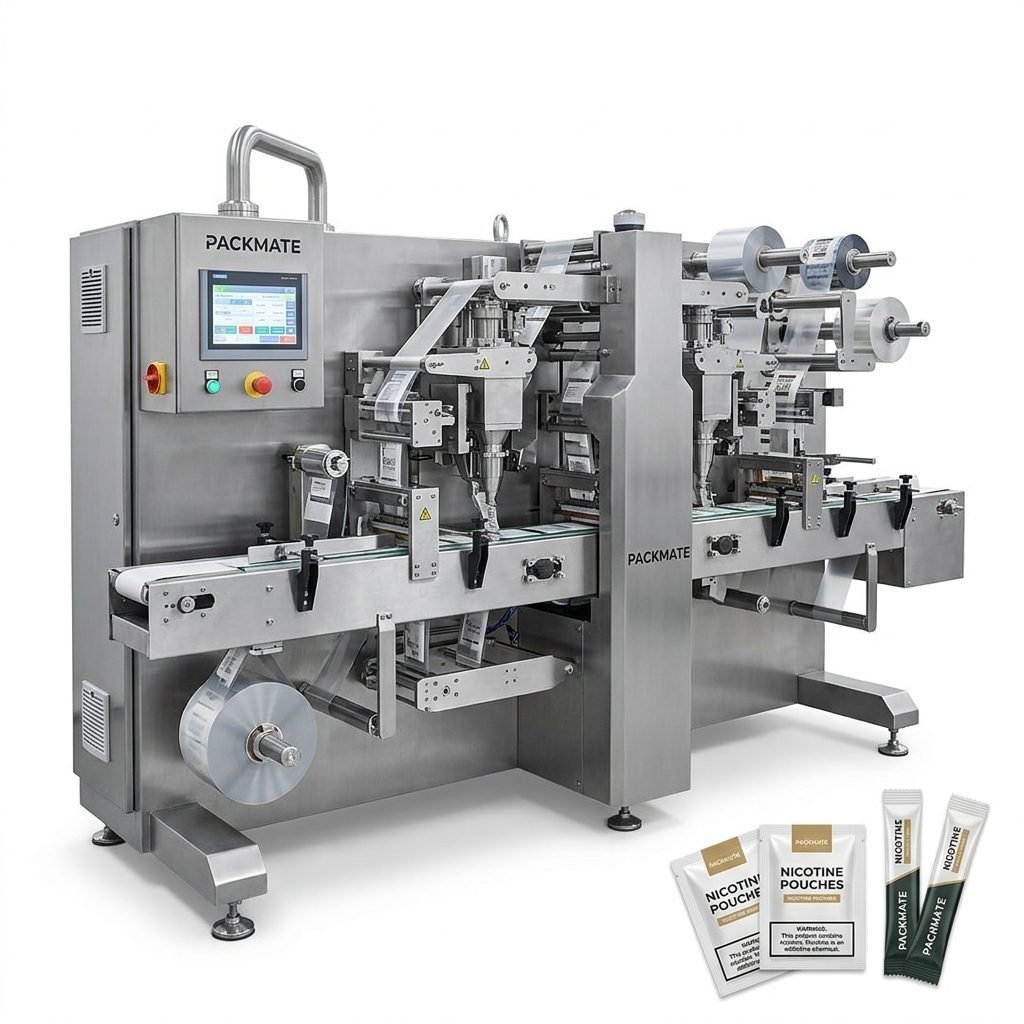
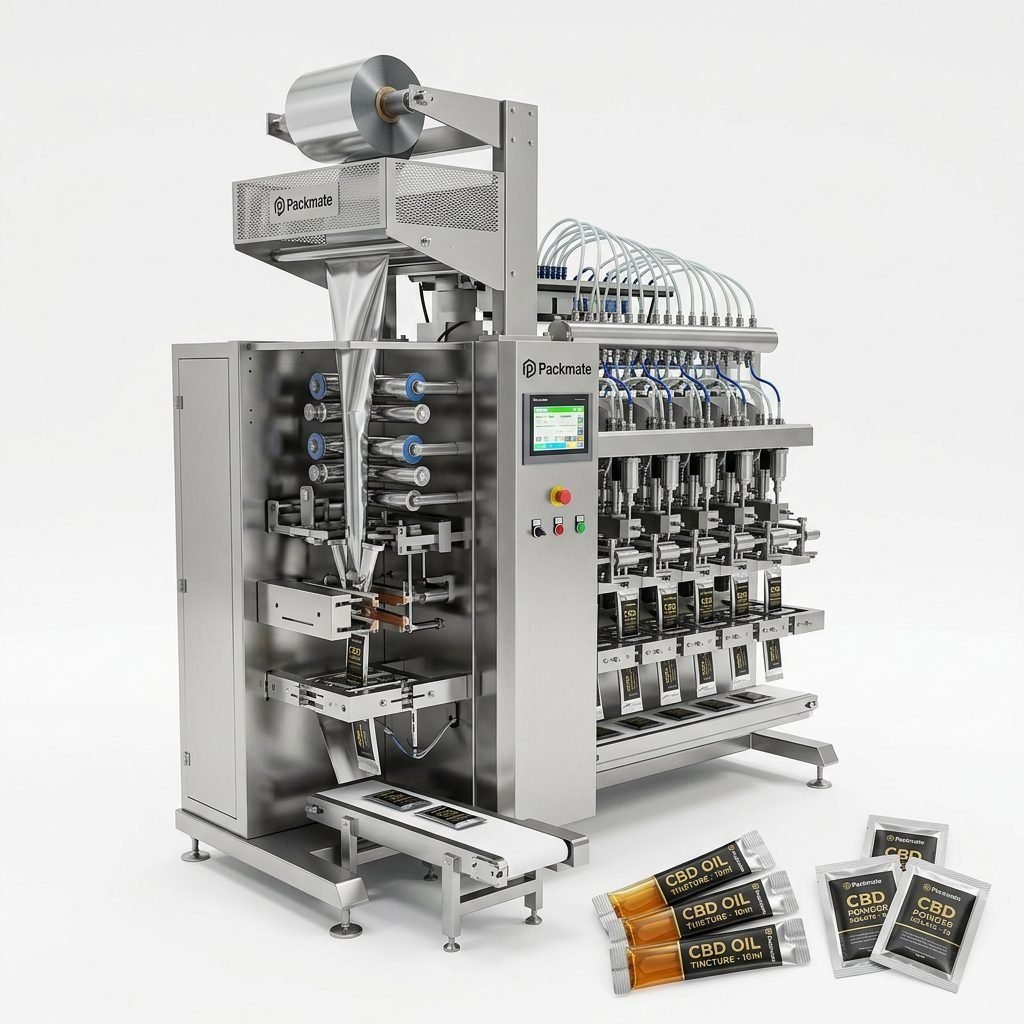
Nicotine products may be packaged as snus tins, single-dose pouches, stick packs, or sachets. Confirm the manufacturer’s experience with the exact format you plan to run. Machines designed for low-dose, multi-lane pouch production differ significantly from standard granular filling lines. See real examples at the manufacturer’s online catalogue to verify relevant models.
2. Precision Dosing & Yield Control
For nicotine pouches, dosing accuracy is critical for regulatory compliance and consumer safety. Look for systems with high-precision feeders or weighers that can maintain tight tolerances across long runs. Integration with weighing & inline check systems reduces waste and ensures consistent pouch weight.
Weighing & Packaging Systems
3. Multi-Lane Throughput & Changeover
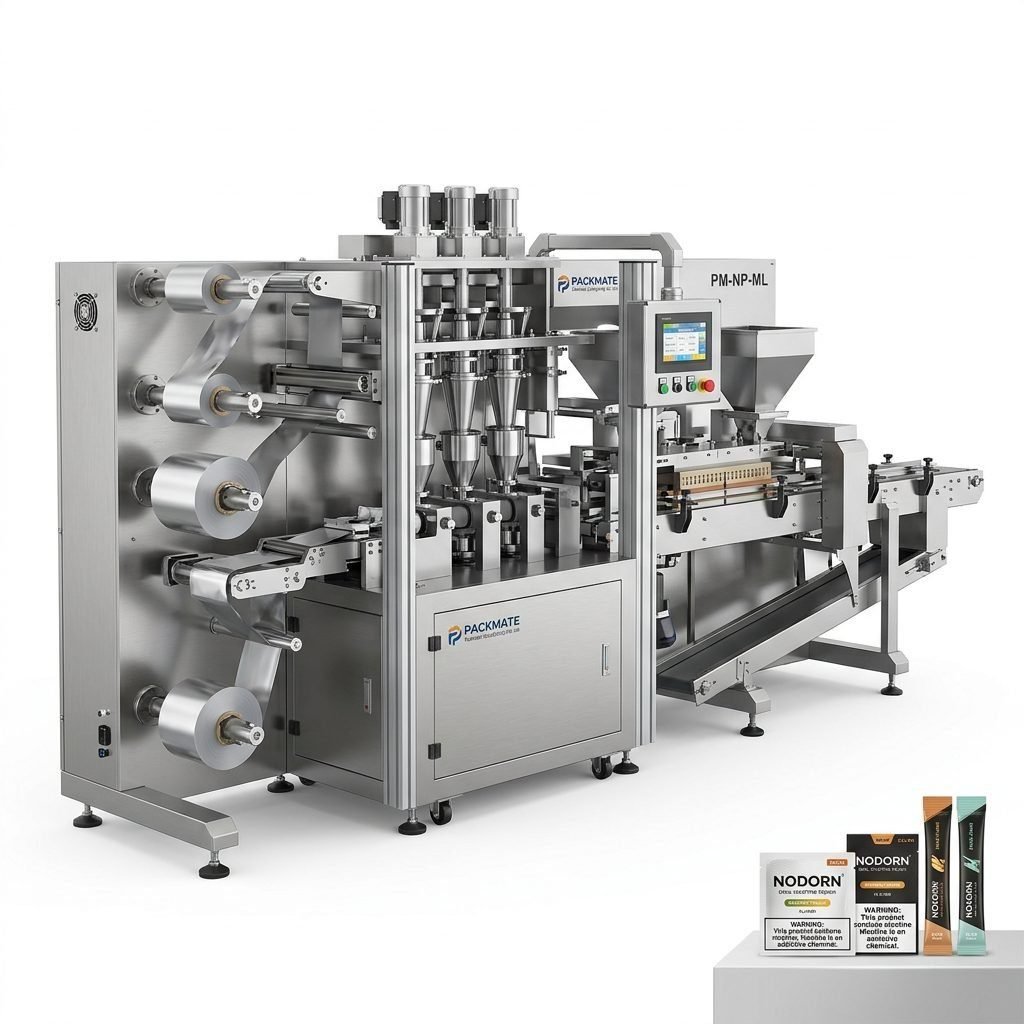
Multi-lane machines are common for small-dose nicotine pouches to achieve high output in compact footprints. Verify lane independence for easier maintenance and faster changeovers. Ask for time-stamped video demos or factory acceptance tests showing continuous runs.
Manufacturer Capabilities: What to Inspect
Experience & Portfolio
Prioritize manufacturers with a proven portfolio in snus and nicotine equipment rather than general packaging vendors. A supplier with decades of focused experience will better understand hygroscopic blends, seal integrity, and specialty pouch materials. For example, companies that offer dedicated snus and nicotine packaging lines demonstrate domain expertise and tailored solutions.
Snus & Nicotine Packaging Machines
Factory & Manufacturing Strength
Inspect machining capabilities and assembly practices. A well-equipped factory with CNC centers and precision assembly lines indicates consistent build quality. Ask for photos, videos, or virtual tours of the workshop and assembly areas. Confirm the manufacturer’s testing and quality control routines before delivery.
🔧 Pro tip: Request documentation showing CE/ISO compliance and factory acceptance test (FAT) reports. These help with import clearance and local approvals.
Quality, Certification & Regulatory Support
Compliance is essential. Confirm the manufacturer supplies machines with international certifications (such as CE, ISO) and can customize safety guarding, labeling, and electronic records to meet Korean regulatory expectations. Choose suppliers who understand the needs of nicotine products — from hygienic design to traceable batch records.
Certificate
After-Sales Service & Spare Parts
Rapid support and spare part availability are critical to minimize downtime. Verify average lead times for spare parts, remote diagnostic capabilities, and local service partnerships. A manufacturer that provides clear service agreements and stocking plans will reduce your operating risk in Korea.
Integration: From Filling to Finished Packs
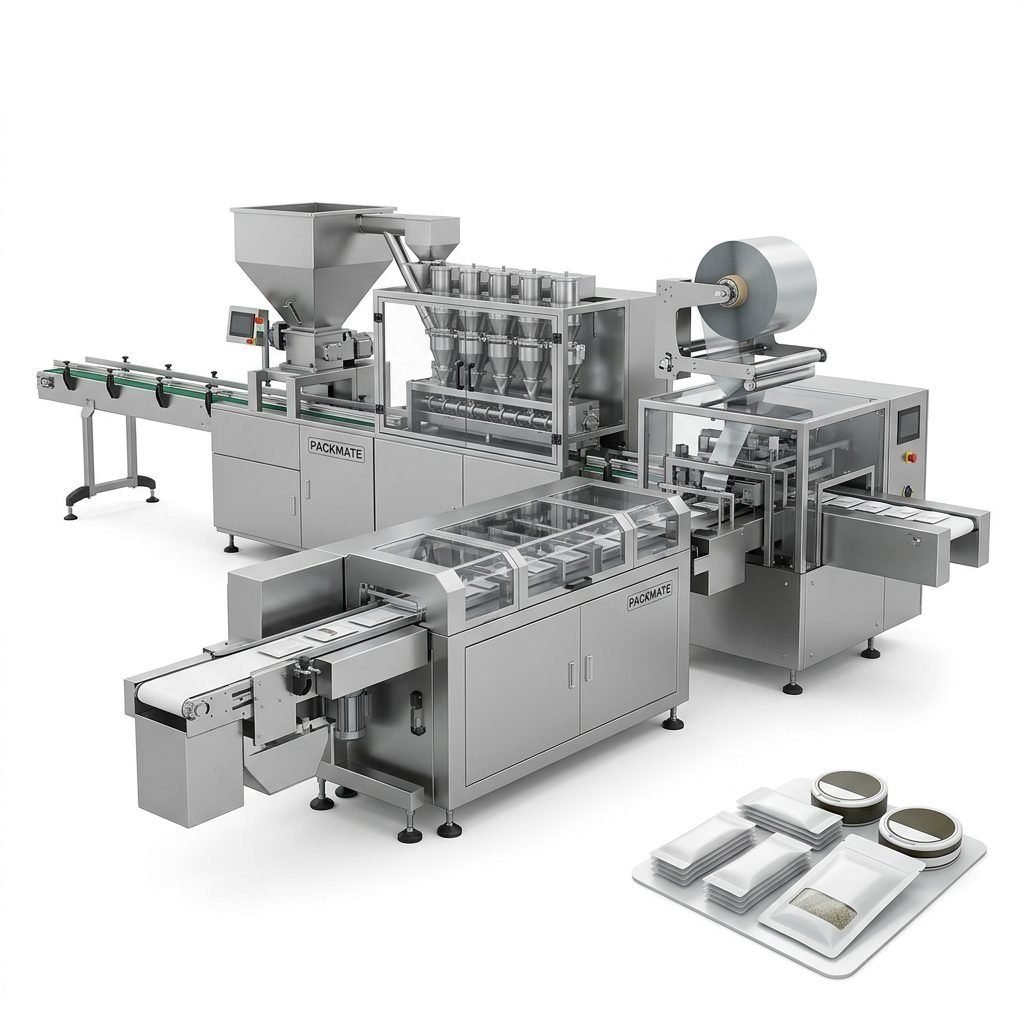
Your machine must integrate with upstream and downstream systems — dosing, filling lines, metal detection, labeling, and cartoning. Confirm compatibility or turnkey capabilities for a full production line to avoid complex third-party interface issues.
Filling & Packaging Lines
What to Ask During Factory Visits or Virtual Audits
- Can you demonstrate a FAT for my specific pouch format and target speed?
- Do you provide Korean-language HMI and documentation?
- What are typical OEE and reject rates on similar lines?
- Which components are sourced from third parties and who provides warranty support?
- Can you provide references or case studies in similar regulatory markets?
✅ Must-have checklist: Korean manuals, spare-part agreement, remote diagnostics, FAT videos, and CE/ISO documents.
Cost vs Value: Total Cost of Ownership
Evaluate more than the initial price. Consider installation, commissioning, training, spare parts, and expected lifetime yields. A higher-quality machine with lower downtime and better service can deliver a lower total cost of ownership (TCO). Ask vendors to provide TCO models based on expected throughput, reject rates, and maintenance intervals.
Customization, Development & Long-Term Partnership
Nicotine product lines evolve quickly. Work with suppliers who offer modular machines and have R&D capacity for iterative improvements. A manufacturer with turnkey capabilities and a history of international cooperation will better support scaling, format changes, and compliance updates.
About Packmate • Case studies
Red Flags to Watch For
- Lack of FAT documentation or refusal to show working demos.
- No clear warranty terms or spare-part lead times.
- Poor traceability of components or no third-party certifications.
- Unwillingness to provide language localization or local support options.
⚠️ Warning: Avoid suppliers that cannot demonstrate consistent performance on nicotine pouch formats or that rely solely on verbal assurances.
How Packmate-like Capabilities Benefit Korean Buyers
Manufacturers with deep domain experience, advanced CNC facilities, and a wide model range can deliver the tailored multi-lane and stick-pack systems South Korean producers favor. Access to 50+ machine models, turnkey lines, and a documented audit trail simplifies integration and regulatory approval. If you need turnkey solutions, request a comprehensive proposal that includes line configuration, electrical specs for Korean grid standards, and local-language operational documents.
Bag & Pouch Packaging Machines
Final Steps Before Signing a Contract
- Obtain a detailed FAT schedule and acceptance criteria.
- Confirm warranty, spare-part guarantees, and escalation paths.
- Request Korean-language commissioning and operator training.
- Validate export documentation and local import requirements.
Where to Find More Information
Visit vendor product pages and case studies to compare real-life installations and capabilities. If you need a single-source solution, review suppliers that offer both primary packaging and supporting systems to reduce integration complexity.
Sachet & Stick Pack Machines • Auxiliary Packaging Equipment
📦 Checklist before purchase: FAT video, CE/ISO certificates, Korean manuals, spare parts list, local support contact, and clear lead times.
Frequently Asked Questions
Q1: What certifications should a nicotine packaging machine have for use in South Korea?
The most commonly required documents are CE and ISO certificates to demonstrate manufacturing and safety standards. Additionally, ensure the supplier provides documentation for electrical safety and any export/import paperwork needed for Korean customs. Local labeling and traceability features should be supported.
Q2: How important is after-sales support in Korea?
Extremely important. Fast access to spare parts, remote diagnostics, and on-site technicians reduces downtime and protects production targets. Aim to secure a service agreement that includes response times and parts availability for your region.
Q3: Should I buy single machines or a turnkey line?
If you are launching a new product or scaling up in Korea, turnkey lines reduce integration risk by providing matched components and a single point of responsibility. For pilots or very specific tasks, a single machine could be more economical.
Q4: How can I verify a supplier’s claims about output and reliability?
Request FAT reports, video demonstrations of continuous runs, and references with contactable customers. Visit the factory or arrange a virtual audit to inspect assembly, testing, and quality control processes.
Q5: Where can I get more vendor details or schedule a consultation?
Contact the manufacturer directly through their official channels to request catalogs, case studies, and quotations. For more information about the manufacturer’s offerings and support services, visit their contact page.
Contact Us • Service • FAQs