Choosing the right manufacturer for nicotine packaging machinery in Zambia is a strategic decision that affects product quality, regulatory compliance, production efficiency, and long-term costs. This guide walks you through the most important factors to evaluate—capacity, technology, compliance, service, customization, and local partnerships—so you can select a partner who supports growth and delivers reliable packaging lines for nicotine pouches, snus, and related products.
Understand Your Production Needs
Start by documenting your current and projected annual volumes, SKU variety, and packaging formats. Some manufacturers excel at high-speed multi-lane snus lines while others offer flexible single-lane sachet or stick pack systems. Knowing whether you need a high-throughput line or a flexible low-volume solution will narrow down suitable suppliers quickly.
Key questions to define scope
• What is your target output per hour/day?
• How many SKUs will share the same line?
• Do you require multi-lane small-dose pouch systems or single-lane machines?
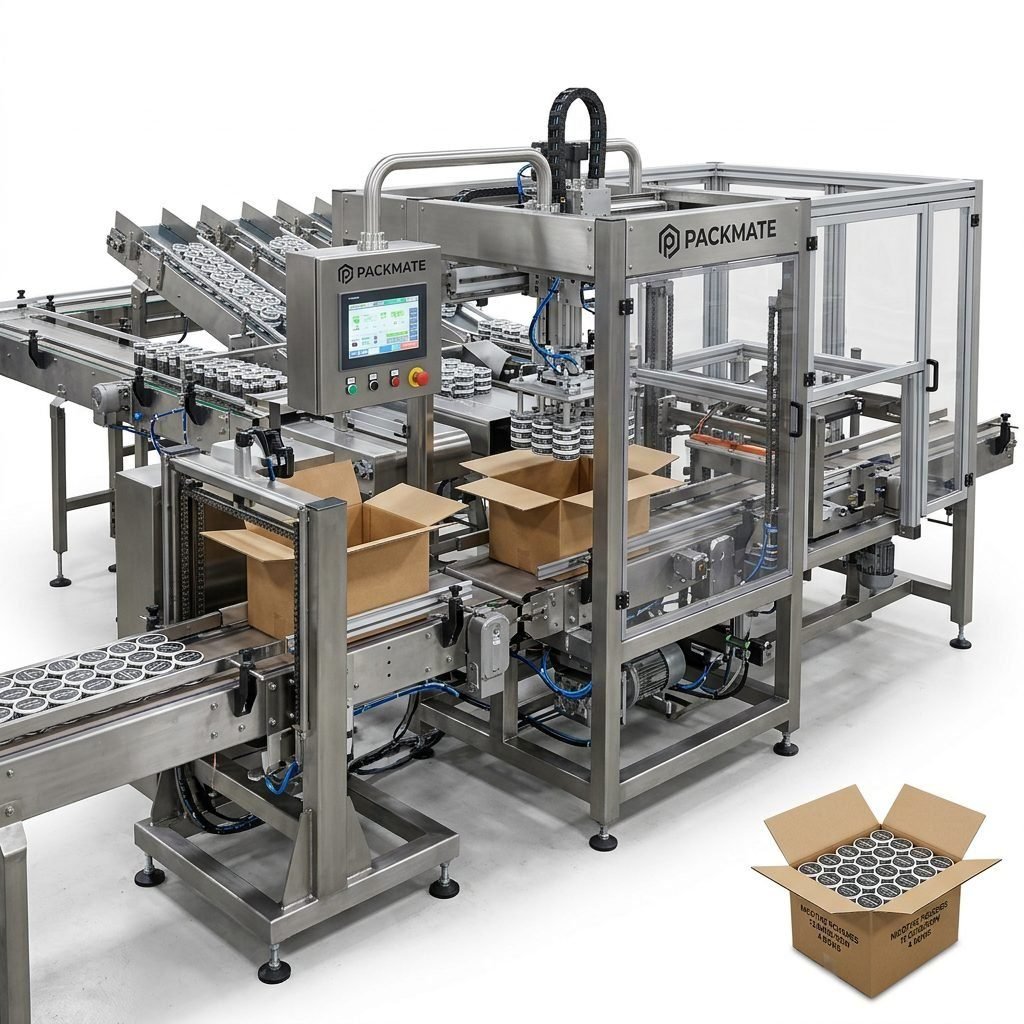
• Will you need downstream equipment like labeling, cartoning, or case packing?
Technical Capabilities and Machine Types
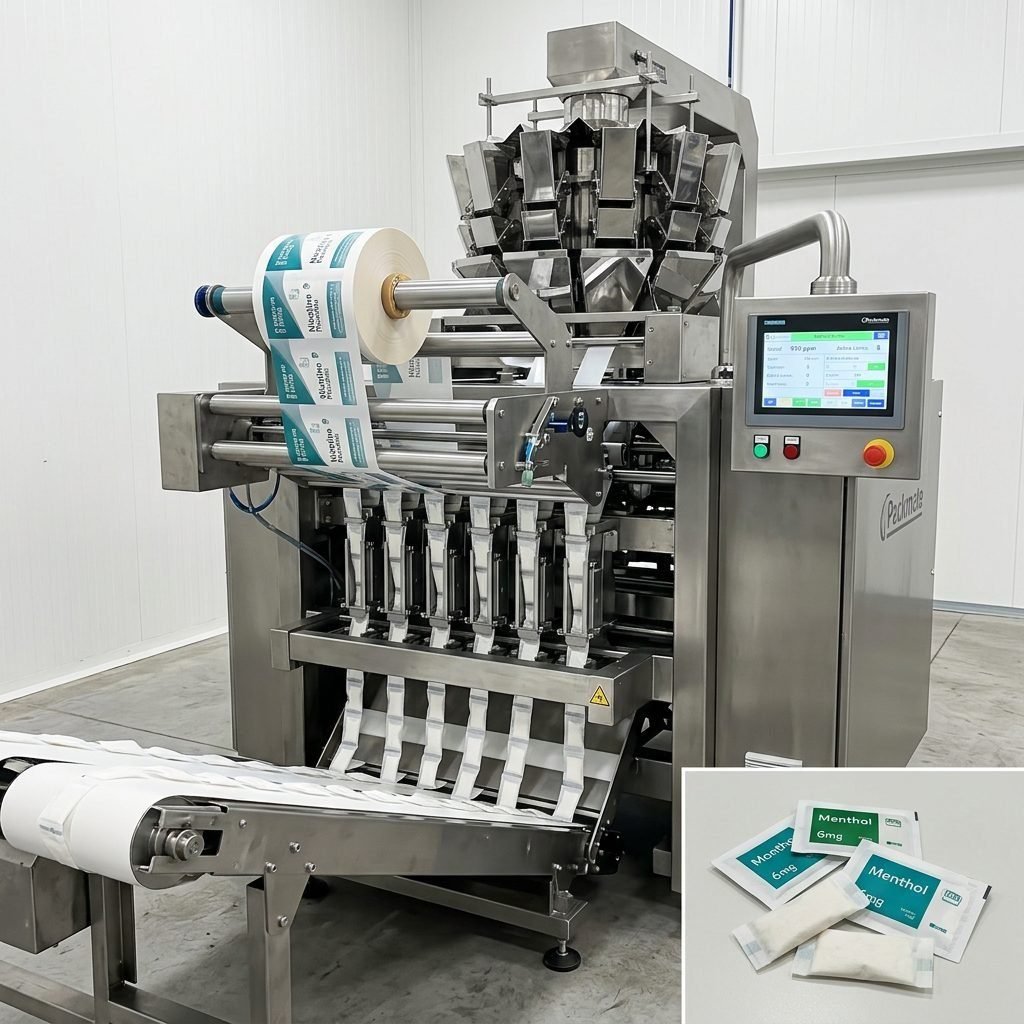
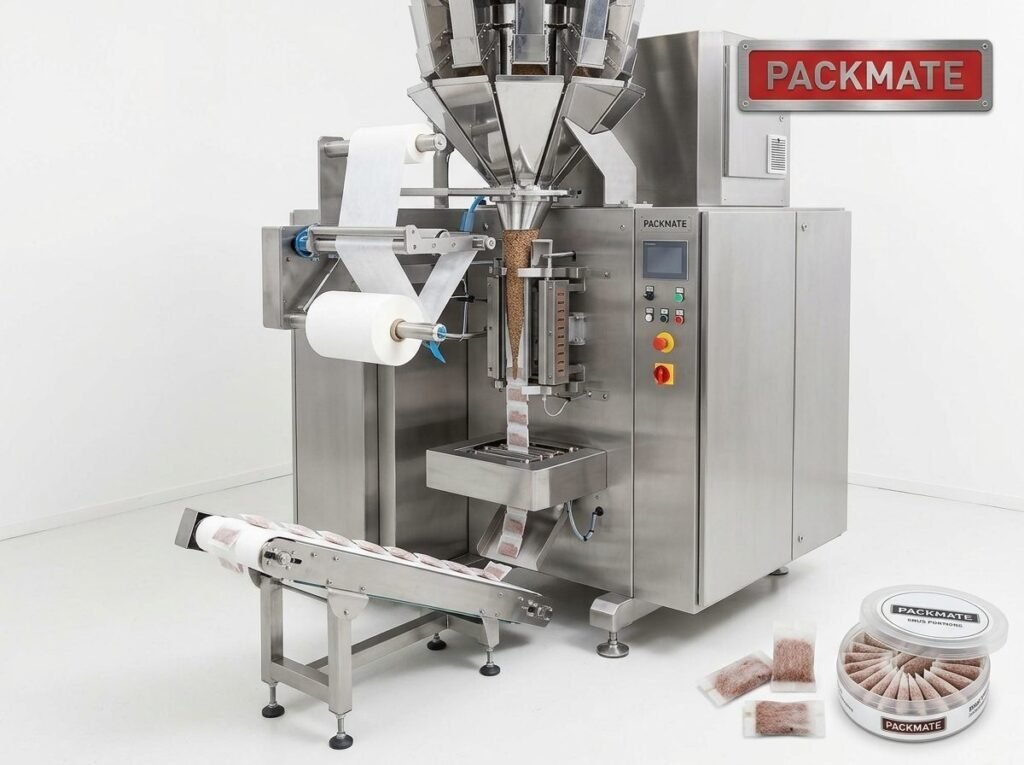
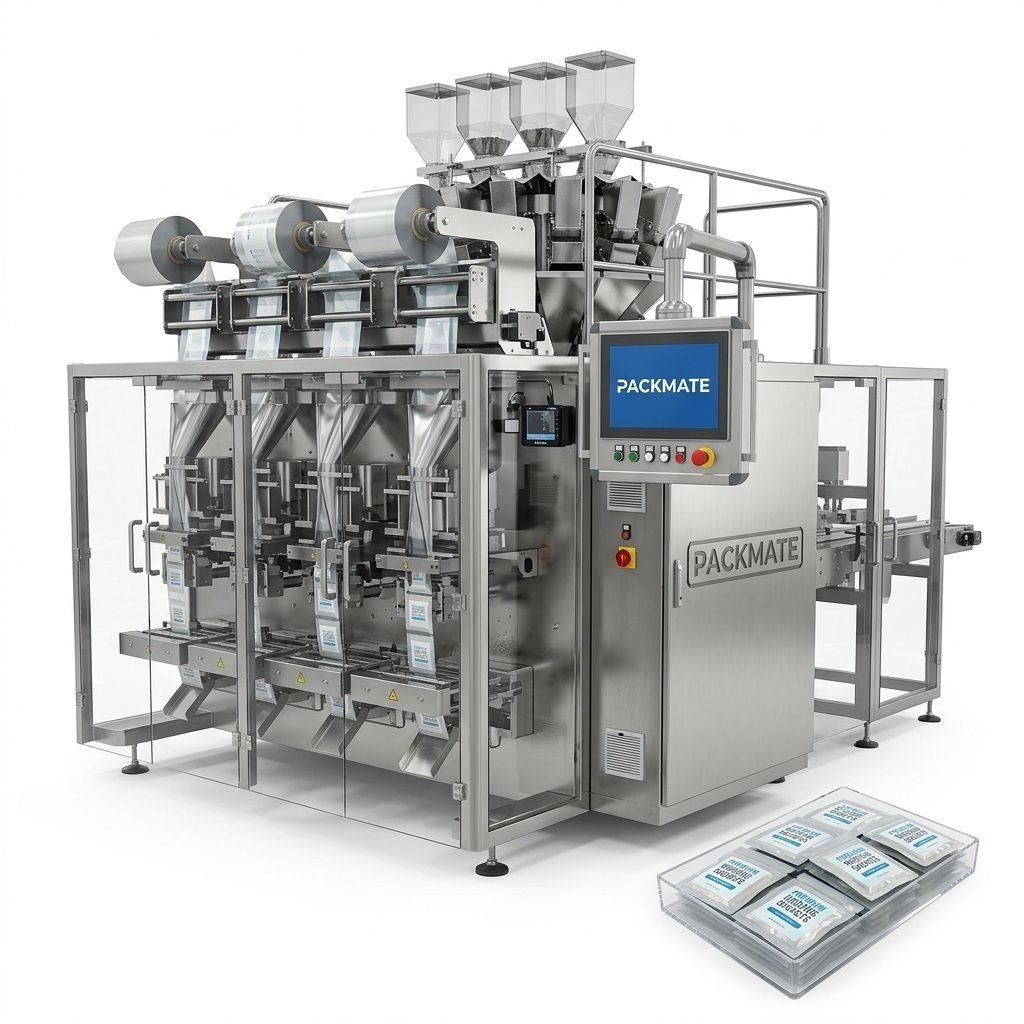
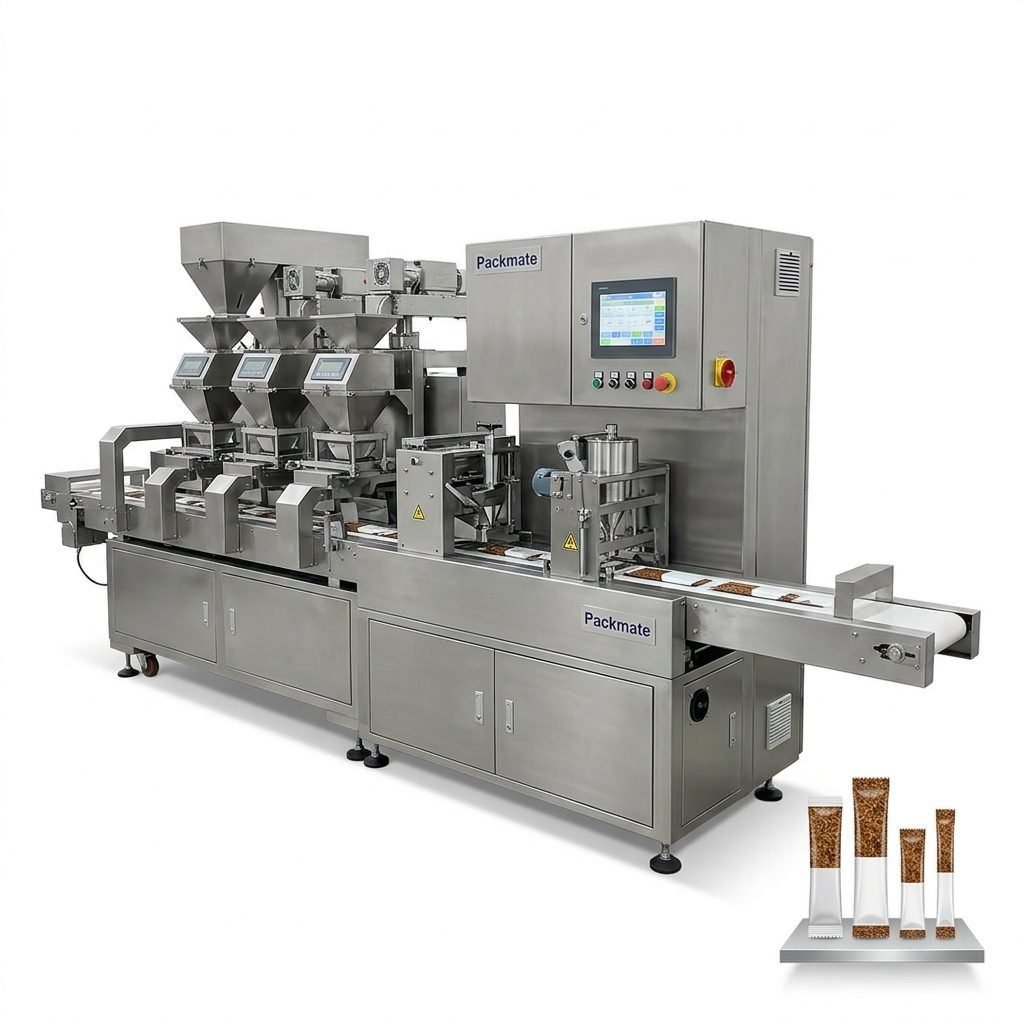
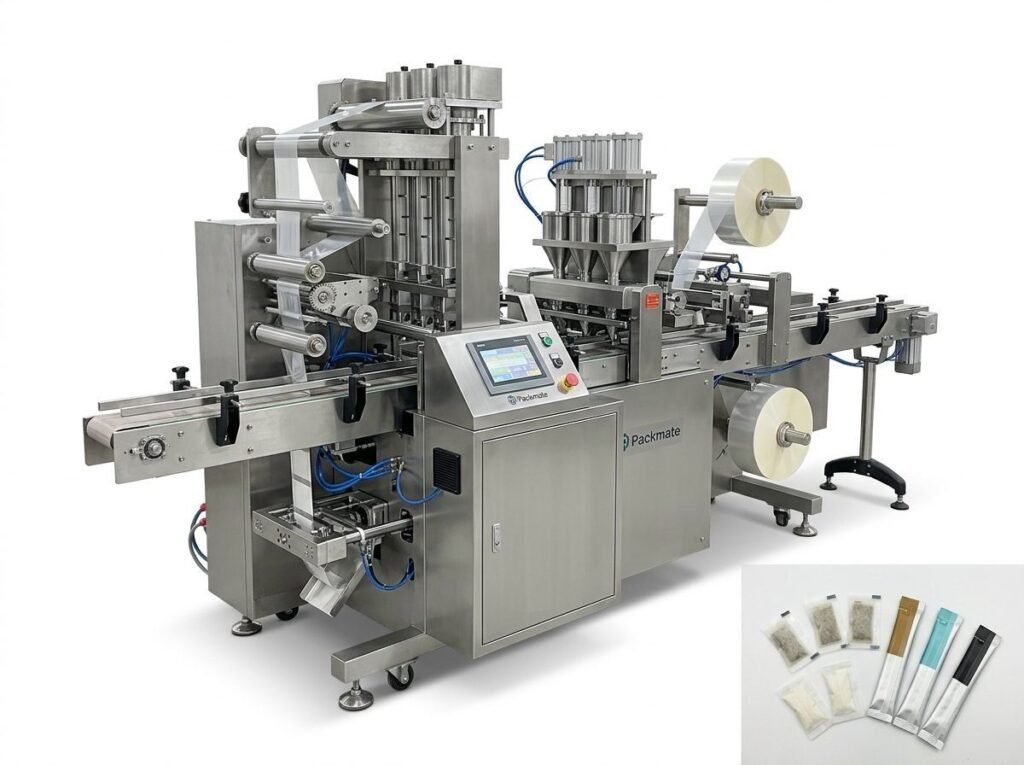
Evaluate manufacturers by the range and maturity of their equipment. A company with a broad portfolio—covering snus & nicotine packaging, bag & pouch machines, sachet & stick pack machines, and complete filling lines—can offer integrated solutions and better compatibility between subsystems.
Explore product pages and case studies to verify real-world performance. For example, review specialized solutions such as Snus & Nicotine Packaging Machines and Bag & Pouch Packaging Machines to see typical machine capabilities and formats.
Performance metrics to verify
• Maximum and typical throughput (pieces/min or packs/min).
• Accuracy and consistency for fill weights (ppm tolerance).
• Changeover time between SKUs and tooling flexibility.
• Uptime, mean time between failures (MTBF) and ease of maintenance.
Quality, Compliance and Certifications
Compliance with international standards matters, especially for products under strict regulations. Confirm the manufacturer holds relevant certifications (CE, ISO) and follows documented quality assurance processes. Equipment used for nicotine products should meet hygiene, safety, and electrical standards to avoid costly delays during market approval.
Packmate’s public profile shows decades of engineering experience and certifications—use such company facts as evidence of maturity. You can also check their Certificate page to validate compliance claims.
After-sales Service and Spare Parts
After-sales support is often the deciding factor. Ask about local spare parts availability, guaranteed lead times for critical components, and remote support options. A vendor offering proactive maintenance training, remote diagnostics, and fast spare-parts shipping to Zambia reduces downtime risk.
Customization, Integration and Turnkey Solutions
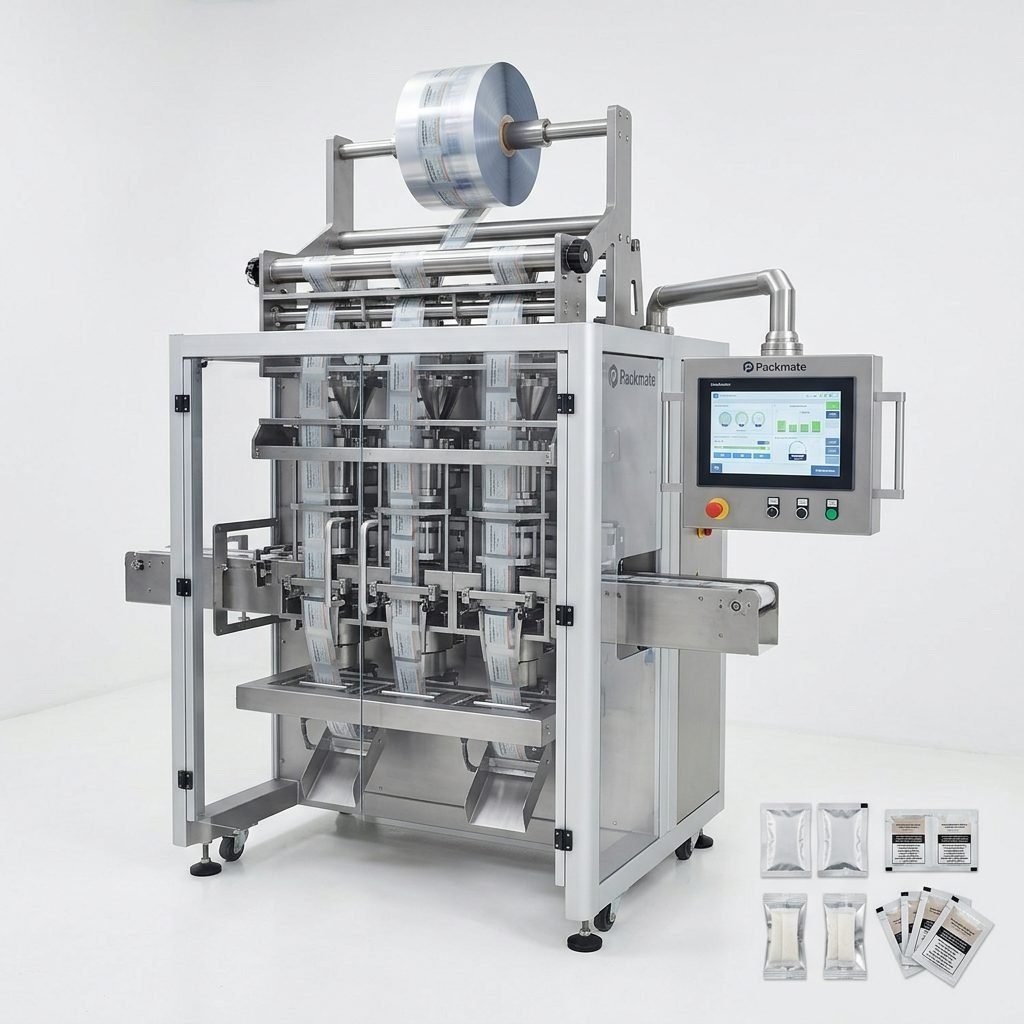
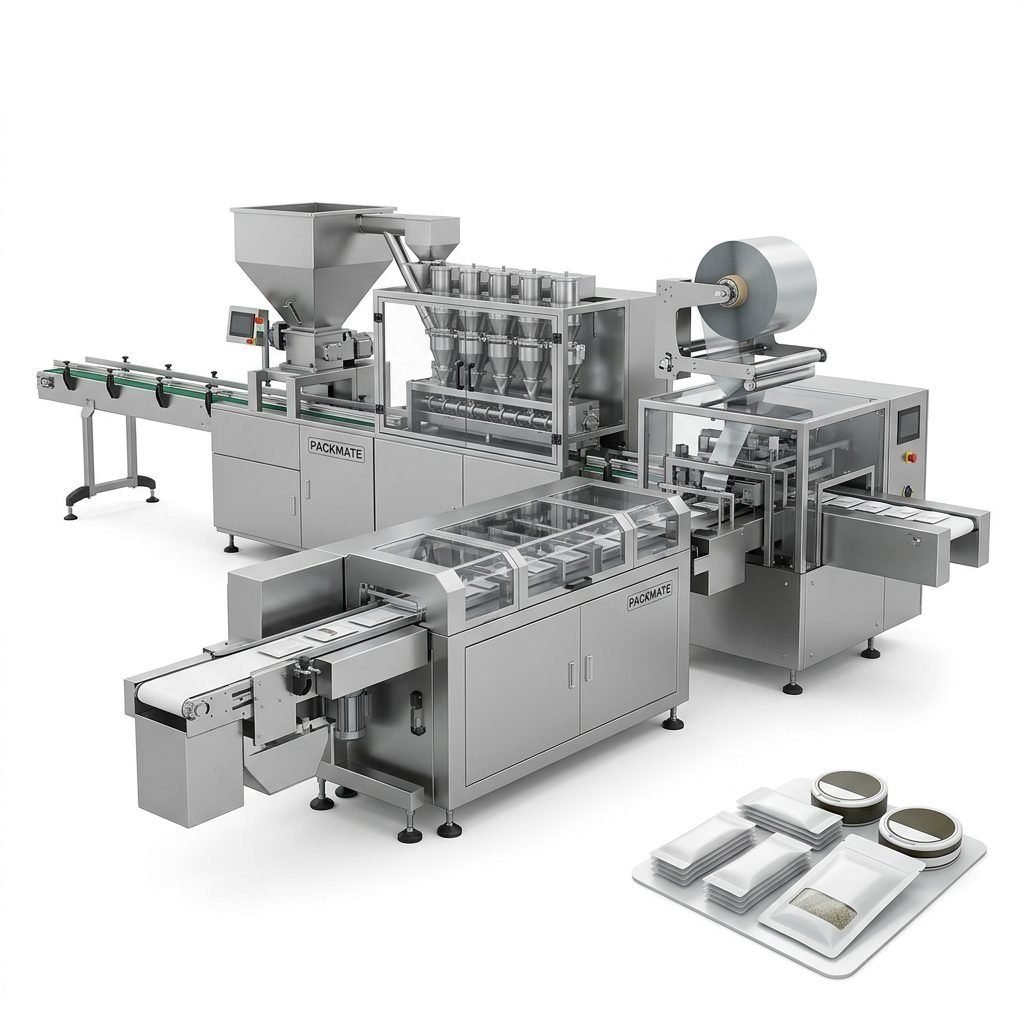
If you need end-to-end lines (filling, sealing, labeling, cartoning), assess manufacturers that deliver turnkey solutions. Custom engineering capability is essential when integrating weighing systems, unique dosing mechanisms, or novel packaging formats. Look for a manufacturer with a wide model range and the ability to design multi-lane systems for small-dose pouch production.
Useful product pages include Weighing & Packaging Systems and Filling & Packaging Lines.
Costs, Total Cost of Ownership and ROI
Purchase price is only part of the equation. Calculate total cost of ownership (TCO) by including installation, commissioning, training, spare parts, energy consumption, and expected uptime. Machines that lower labor costs, reduce waste, and improve throughput can deliver faster ROI even if their initial price is higher.
Choosing a Local Partner in Zambia
Local presence makes a difference. If the manufacturer has a local representative, distributor, or service partner in Zambia, you benefit from faster response times, easier logistics, and improved compliance with local regulations. When local options are limited, verify how the supplier handles international shipments, customs, and installation support.
Important partner criteria
• Local or regional service team availability.
• Clear export and installation process documentation.
• Training programs for operators and maintenance staff.
• Proven references within the African market or similar environments.
Red Flags and Questions to Ask
Watch for vague warranties, unclear spare parts policies, or a lack of factory acceptance testing. Ask these direct questions:
• Can you provide factory acceptance test (FAT) videos and performance data?
• What is the lead time for spare parts and consumables?
• Do you provide installation, commissioning, and operator training in Zambia?
• Can you share customer references in similar markets or industries?
✅ Define volumes & SKUs • ✅ Verify certifications • ✅ Inspect machine portfolio • ✅ Confirm after-sales SLA • ✅ Calculate TCO & ROI
Making the Final Decision
Shortlist vendors based on technical fit, quality evidence, and service capability. Arrange factory visits or remote demonstrations to see machines in operation. Request a detailed proposal that includes FAT criteria, spare parts list, training plans, warranty terms, and a clear delivery schedule. When possible, negotiate trial periods or phased deliveries to reduce risk.
Where to find reliable suppliers
Trusted manufacturers often publish detailed product catalogs and company history. Review the supplier’s About Packmate page and consider contacting them via their Contact Us page to discuss Zambia-specific requirements.
Final takeaway
Selecting the best nicotine packaging machinery manufacturer for Zambia requires balancing technical fit, regulatory compliance, after-sales support, and total cost. Prioritize suppliers with proven multi-lane and turnkey experience, clear certification records, responsive service, and a transparent roadmap to deployment. Doing your due diligence upfront pays off in reliable production and predictable costs.
Common Questions
Q1: How do I verify a manufacturer’s claims about machine throughput?
A1: Request factory acceptance tests (FAT) videos, performance data sheets, and customer references. If possible, arrange a live demo or ask for a supervised test run with your product.
Q2: What certifications are essential for nicotine pouch packaging equipment?
A2: Look for international standards such as CE and ISO compliance, plus any regional electrical or safety approvals relevant to Zambia. Hygiene and food-contact material compliance may also be relevant depending on the formulation.
Q3: How important is local service and spare parts availability?
A3: Very important. Local or regional spare parts stock and quick-response service reduce downtime. If local support is limited, confirm clear logistics, remote support, and spare parts lead times.
Q4: Should I buy a turnkey line or assemble components from different suppliers?
A4: Turnkey solutions reduce integration risk and usually come with single-point responsibility for performance. However, if you have unique needs, a modular approach can be more flexible provided you have experienced integrators.
Q5: Where can I see real examples of successful installations?
A5: Review manufacturer case studies and exhibition histories. For example, the vendor’s Our Exhibition and Case pages often show live demonstrations and global deployments.