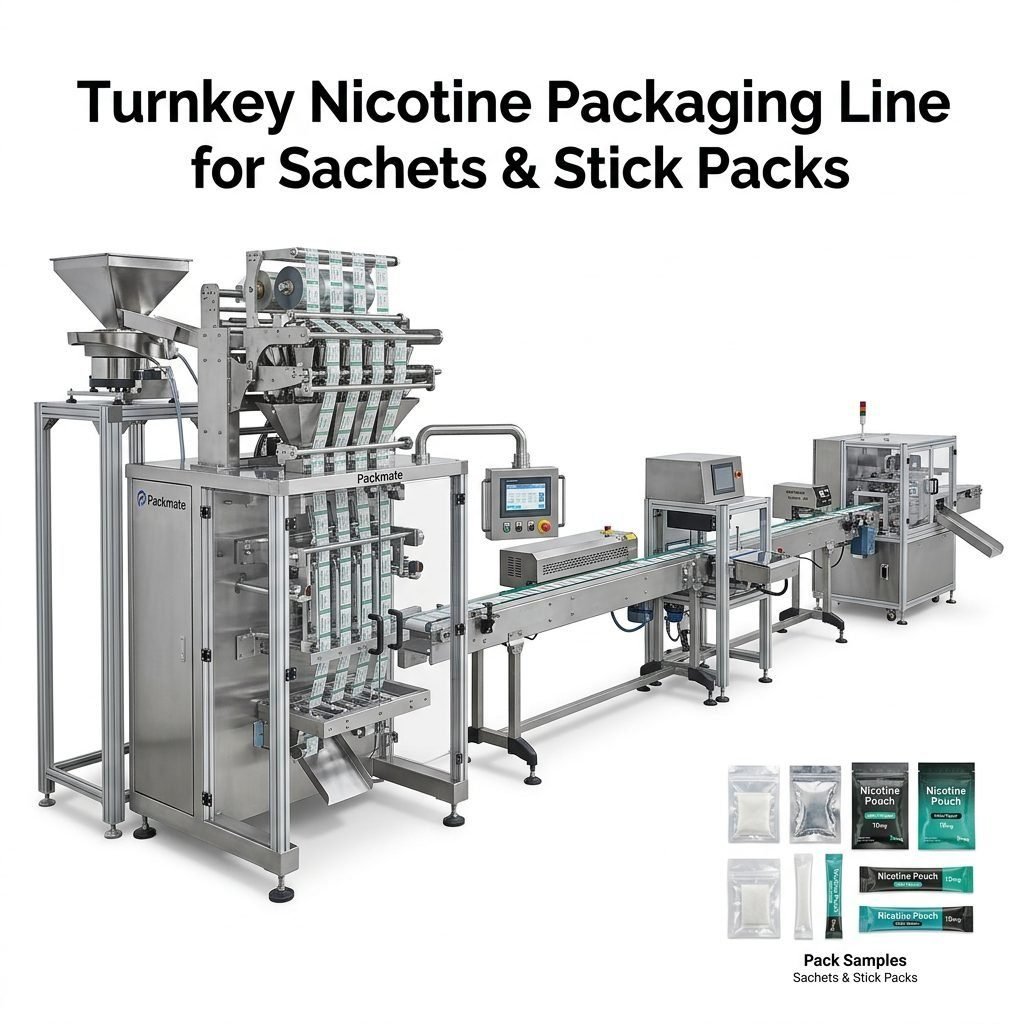
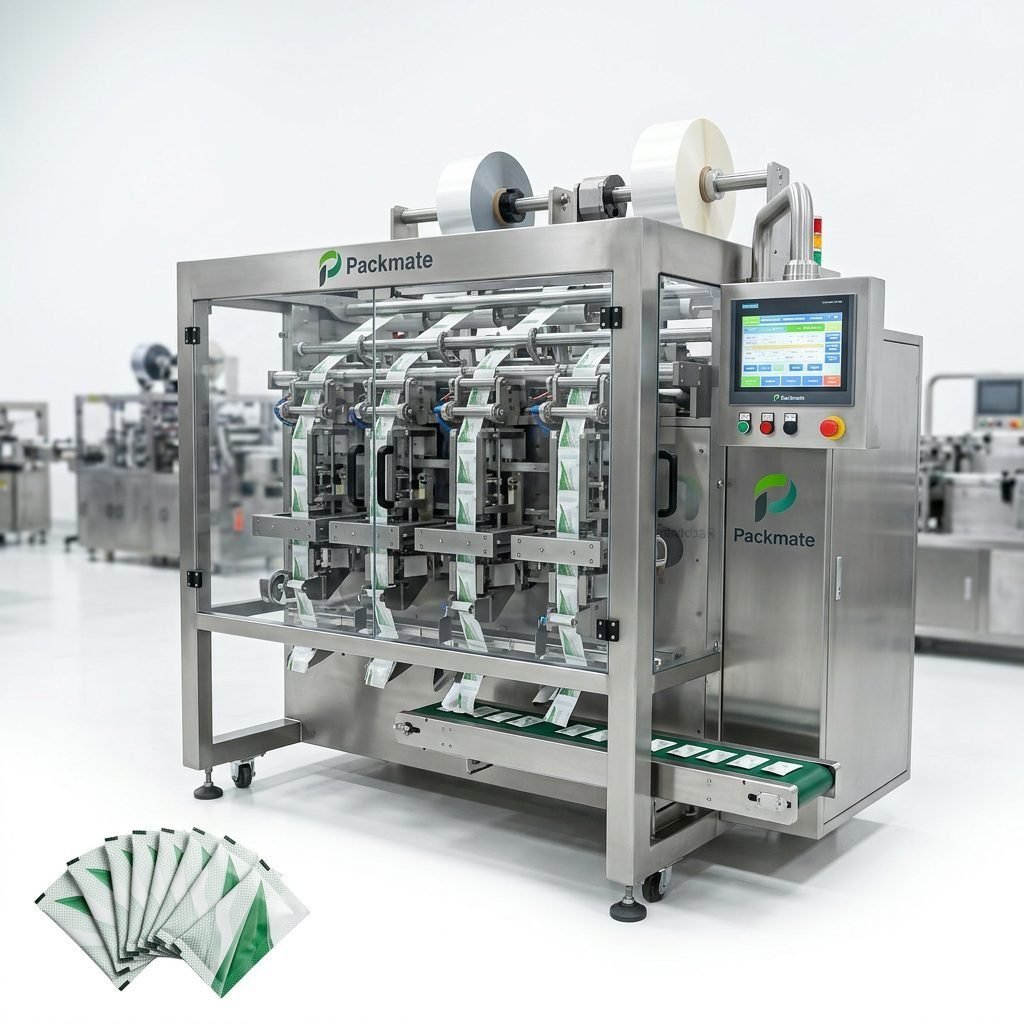
Choosing the right snus packaging machinery supplier is one of the most important strategic decisions for a factory in Bangladesh looking to enter or scale in the nicotine pouch or snus market. The choice affects production capacity, product quality, regulatory compliance, ongoing costs, and the ability to respond to seasonal demand and local consumer preferences. This guide walks factory owners, production managers, and procurement teams through a practical, step-by-step approach to find a reliable supplier that fits Bangladesh’s operating environment and cultural context.
Understand Local Realities in Bangladesh
Bangladesh has a tropical climate, dense population centers, and a regulatory landscape shaped by public health priorities. Social norms and religious values influence product acceptance and distribution channels. When selecting a supplier, consider how climate (humidity and heat), power stability, local infrastructure, import procedures, and workplace culture will affect machine performance and maintenance requirements. For example, high humidity demands corrosion-resistant parts and controlled storage of consumables; intermittent power may require robust electrical control systems with surge protection or UPS compatibility.
Key Bangladesh-specific factors to evaluate
🔍 Regulatory compliance: Check local rules about nicotine products and labeling — always consult local authorities and ensure machines support compliant packaging and coding systems.
⚙️ Environmental resilience: Choose machines with stainless parts, sealed electronics, and options for humidity control or drying modules where necessary.
🤝 Local support and training: Prioritize suppliers who provide on-site installation, operator training, and accessible spare parts to overcome logistical delays.
Define Your Production and Product Requirements
Before contacting suppliers, create a clear production specification: target daily or monthly output, pouch formats (stick pack, sachet, multi-lane nicotine pouches), dose sizes, packaging material types (laminates, paper, foil), and whether you need integrated weighing or filling lines. This specification is the baseline for accurate quotes and technical comparisons.
Production factors to list
- Target pieces per minute / hour / shift
- Number of product SKUs and changeover frequency
- Desired automation level and PLC control preferences
- Space constraints and electrical supply details (voltage, phase)
Evaluate Technical Capability and Machine Types
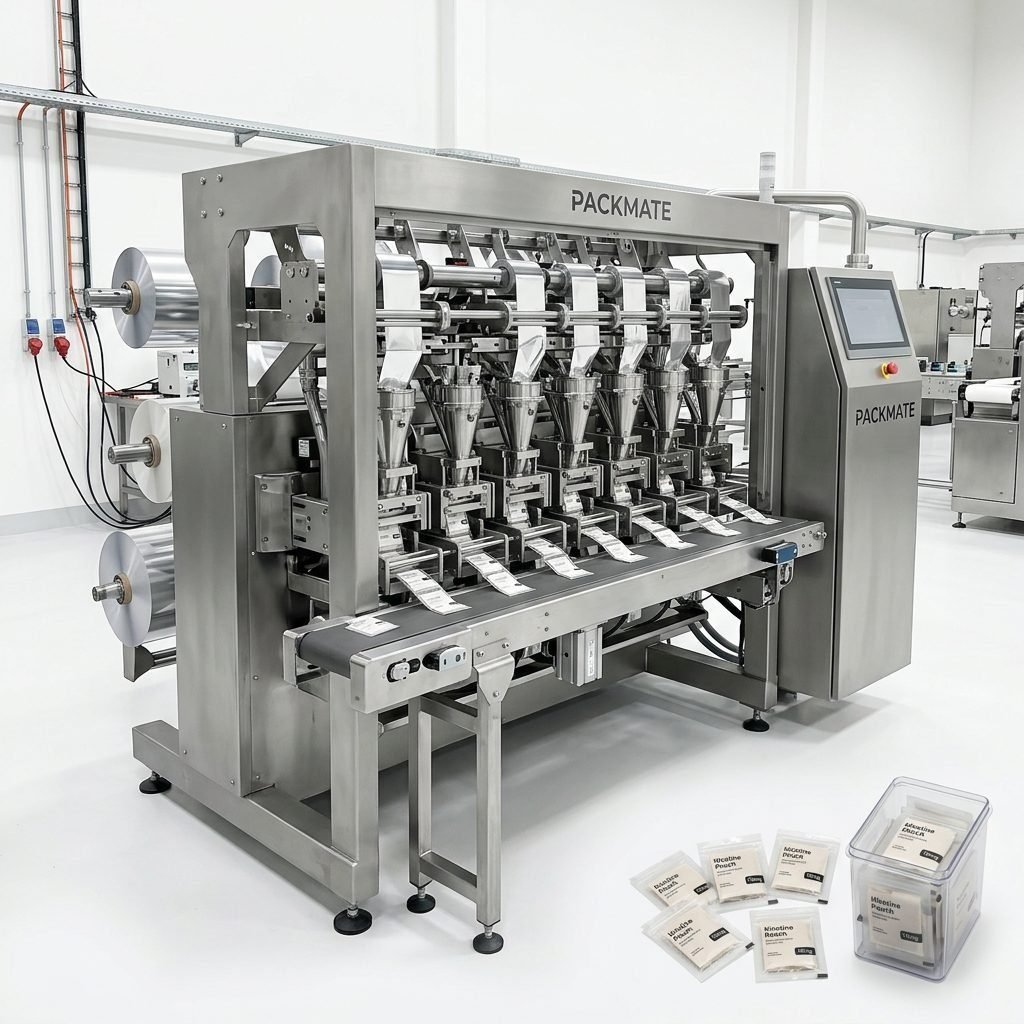
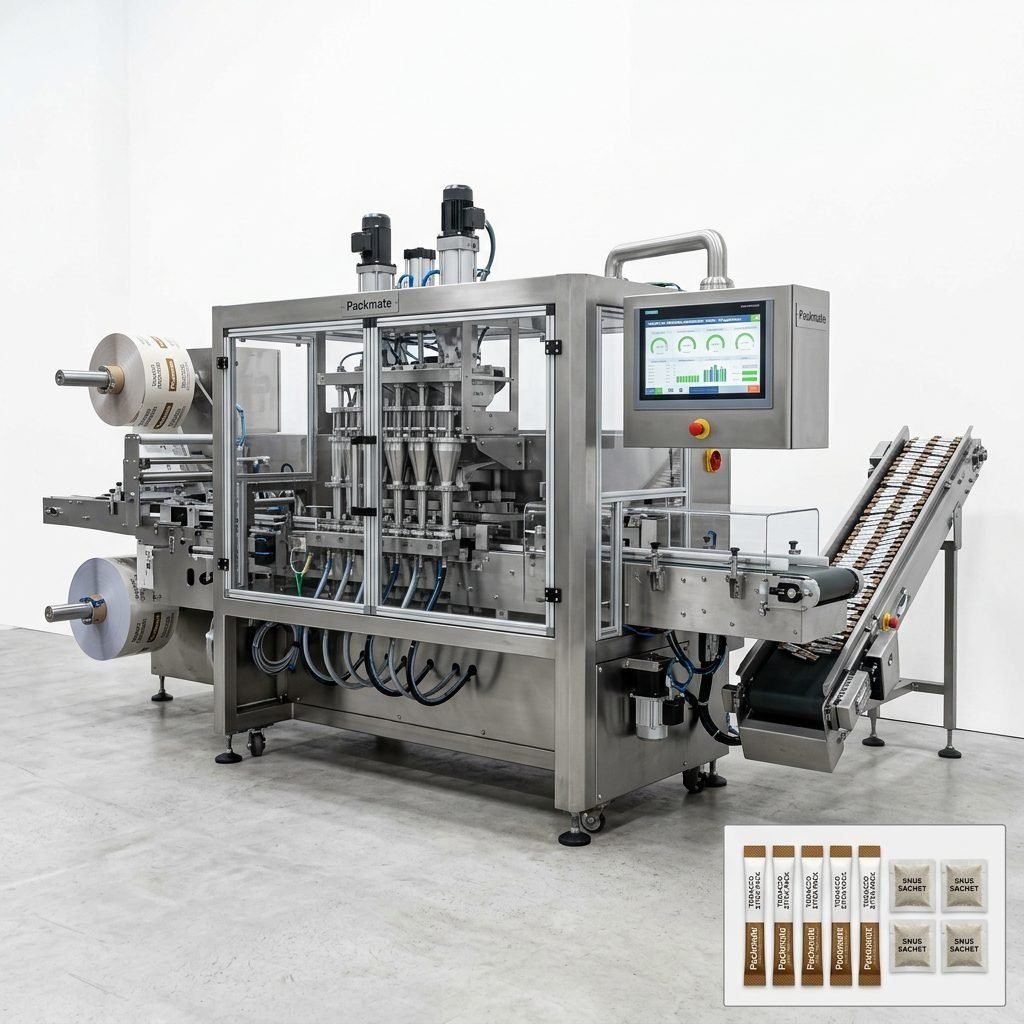
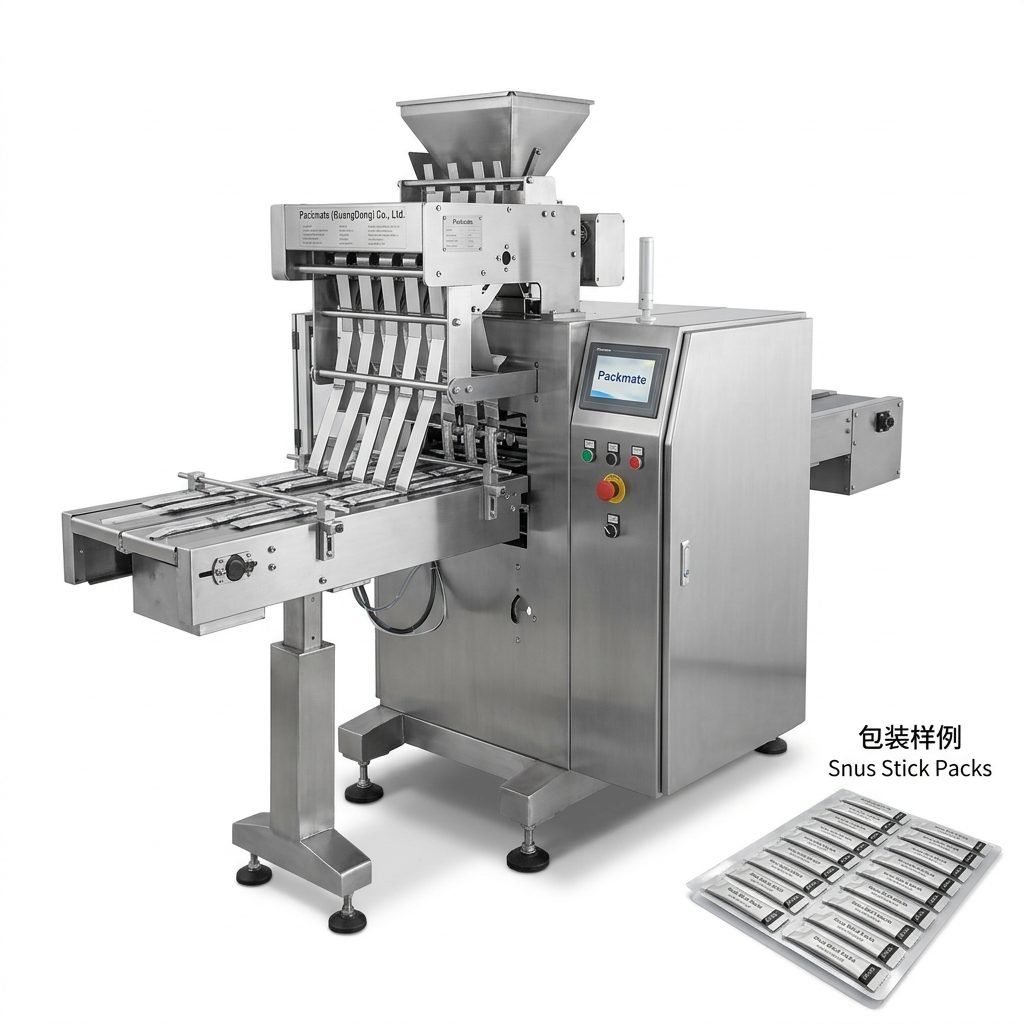
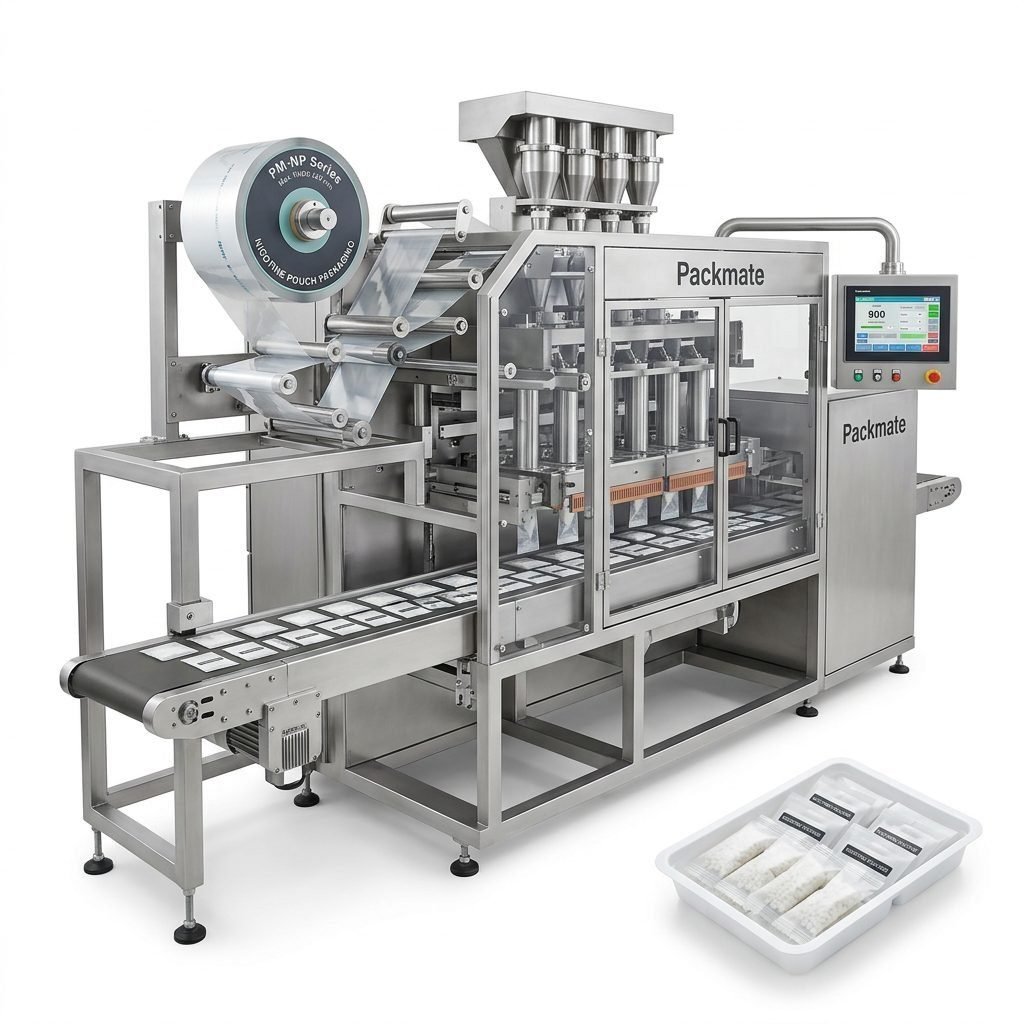
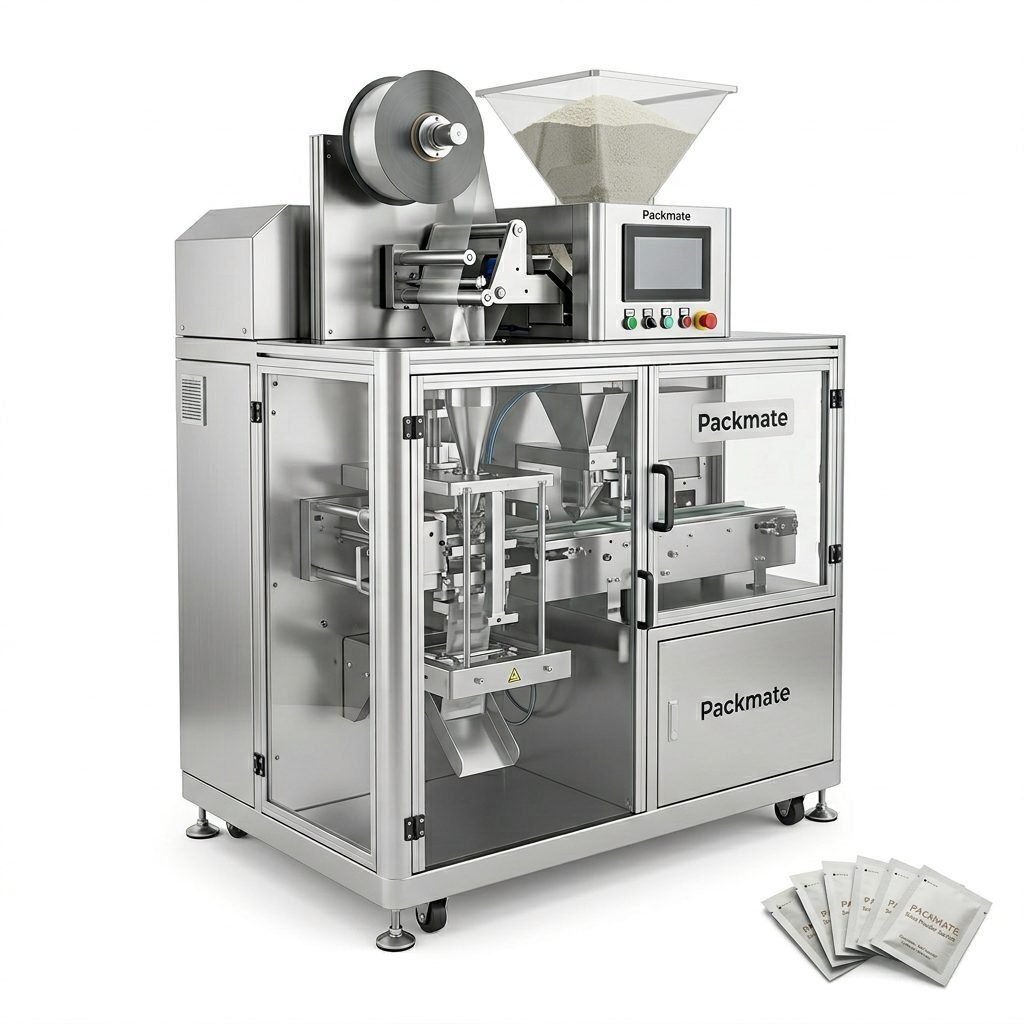
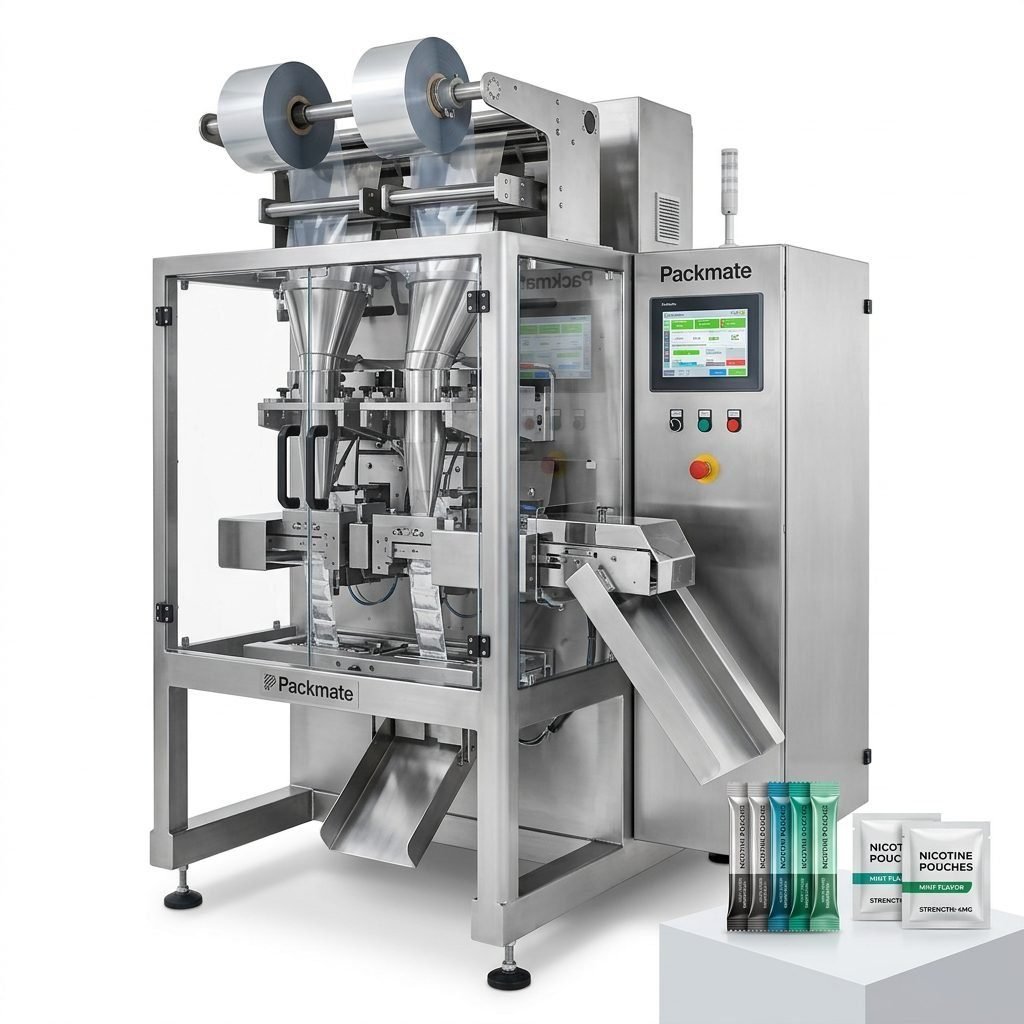
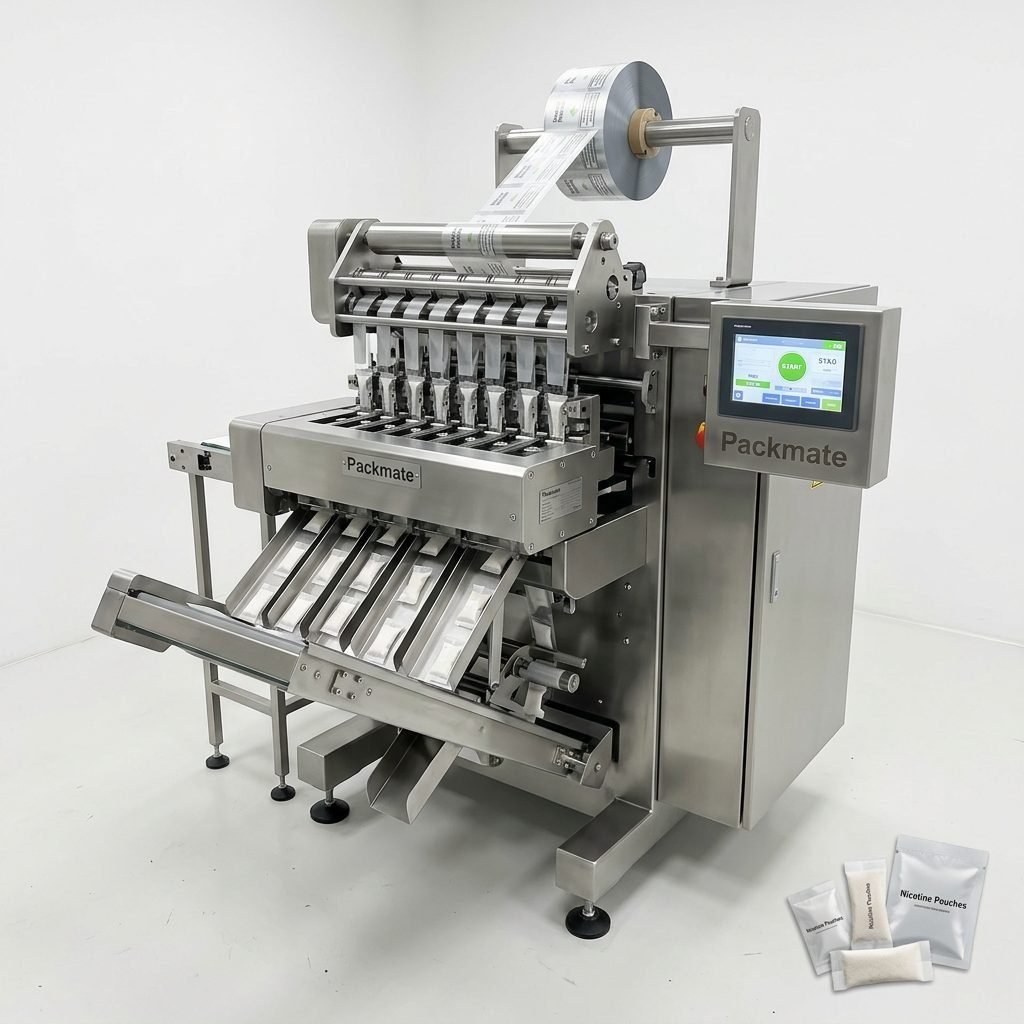
A supplier’s product range reveals technical depth. Look for manufacturers who offer a range of snus and nicotine packaging machines—stick packs, sachets, multi-lane systems, and integrated weighing/filling lines. Multi-lane machines are ideal for small-dose pouches, maximizing throughput while saving floor space. Ask for specifications around speed, accuracy, material compatibility, and hygienic construction.
✅ Precision & stability: Important for nicotine dosages—request CV (coefficient of variation) figures for dosing systems.
✅ Flexibility: Can the machine switch between pouch sizes without major tooling changes?
✅ Hygiene & materials: Are contact parts food-grade stainless steel and easy to clean?
Certifications, Quality Control and Safety
International certifications like CE and ISO signal that a supplier meets global quality and safety practices. Ask for machine test reports, FAT (Factory Acceptance Test) documentation, and calibration certs for weighing systems. For Bangladesh, verify electrical compliance and safety standards; suppliers that support local compliance testing and documentation can significantly speed customs clearance and installation.
What to request from the supplier
- Certificates: CE, ISO, and any export conformity documents
- Detailed machine test videos showing continuous runs at quoted speeds
- Spare parts list, recommended consumables, and MTBF (mean time between failures) figures
After-sales Service, Training and Spare Parts
In Bangladesh, on-site service and rapid spare parts supply are crucial due to potential shipping delays and customs clearance times. Choose suppliers offering:
- Installation and commissioning in Bangladesh or nearby regions
- Structured operator and maintenance training programs
- Local parts stocking options or express shipping arrangements
- Remote diagnostics and PLC backup support
⚠️ Service SLA: Ask about guaranteed response times and availability of replacement modules. A reliable supplier will have clear service level commitments.
Customization and Turnkey Solutions
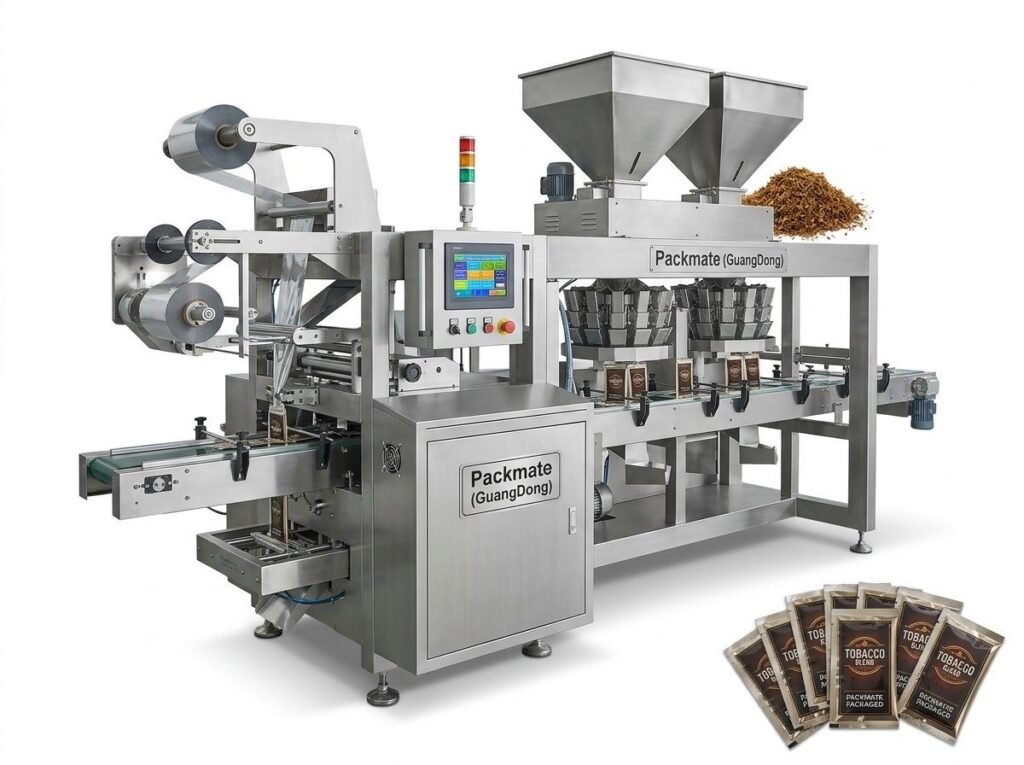
Many projects require customization — special pouch sizes, integrated date-coding, nitrogen flushing, or combined weighing and packaging lines. Factor in a supplier’s ability to deliver a turnkey solution including conveyors, metal detectors, checkweighers, and packaging secondary systems. Suppliers with full-line capabilities reduce integration risk and speed up commissioning.
Example: Packmate Snus Machine offers multi-lane snus packing machines and full packaging solutions designed for nicotine pouches and small-dose products. Learn more about their product range and turnkey options at Snus & Nicotine Packaging Machines and their broader offerings in Filling & Packaging Lines.
Requesting Quotes and Comparing Offers
When you request quotes, standardize the information you ask for so comparisons are accurate. Include:
- FOB/CIF pricing and shipping lead times to Bangladesh ports
- Installation, training, and commissioning costs
- Warranty terms and spare parts pricing
- Expected ramp-up time to reach target output
💡 Tip: Ask suppliers for a simple ROI model based on your factory hours and expected yield losses — this will highlight real operational costs, not just the capital price.
Factory Visit, References and Live Demos
A factory visit or live demonstration (physical or virtual) is invaluable. Request references from facilities with similar product profiles and follow up with direct visits or calls. Suppliers who exhibit at international shows and provide video demos of continuous production runs demonstrate transparency. Check the supplier’s track record and case studies to validate performance claims — Packmate’s case examples provide useful insights: Case.
Logistics, Installation and Local Partnerships
Shipping heavy equipment to Bangladesh involves customs clearance, duties, and local transport. Assess whether the supplier helps with documentation, packaging for sea freight, and partner recommendations for local rigging companies. Suppliers who can coordinate end-to-end logistics reduce time-to-production and hidden costs. If the supplier lacks local representation, ensure they nominate reliable third-party service partners.
Key logistics checklist
- Crate dimensions, weight, and lifting points for rigging
- HS codes and commercial invoice clarity to avoid customs delays
- Recommended local contractors for installation and testing
Cost Considerations and Financing
Total cost of ownership includes purchase price, import duties, installation, training, consumables, energy use, spare parts, and expected downtime. Ask suppliers about leasing options, payment terms, and phased delivery plans. Vendors that offer modular upgrades allow investment to match sales growth.
Negotiation and Contract Clauses
Ensure contracts include clear acceptance testing criteria, warranty coverage, spare parts lead-time commitments, and penalties for missed delivery windows. Include clauses for training, documentation in English, and PLC source code escrow if customization is extensive.
Why Packmate Could Be a Strong Option
With 30+ years of engineering experience and over 50 machine models, Packmate Snus Machine specializes in high-performance snus and nicotine pouch lines. Their 20,000㎡ factory, advanced CNC machining centers, and track record of multi-lane systems make them a competitive choice for factories in Bangladesh that require precision, customization, and global certifications. For more company background visit About Packmate or explore their product lineup at Sachet & Stick Pack Machines.
Final selection checklist
🔧 Technical fit: Matches your pouch formats, speeds, and materials
📄 Compliance: Is backed by appropriate certifications and documentation
⏱️ Support: Offers fast spare parts and service options for Bangladesh
🤝 References: Positive track record and accessible case studies
Practical Next Steps for Procurement Teams
- Draft a one-page technical requirement and send it to 3–5 shortlisted suppliers.
- Request detailed quotes with lead times, installation scopes, and spare parts lists.
- Organize at least one live demo or virtual FAT to verify performance claims.
- Compare total cost of ownership and negotiate SLA-backed contracts.
- Plan for customs, local installation partners, and operator training before shipping.
Where to Find More Information and Support
For more technical details, product catalogs, and to view past exhibition appearances, visit the supplier’s product and exhibition pages such as Snus & Nicotine Packaging Machines, their exhibition records, or contact sales directly for customized proposals at Contact Us.
Common Questions (FAQs)
Q1: Are snus and nicotine pouch machines legal to import into Bangladesh?
Each country’s regulatory framework differs and local rules on nicotine products may change. Before ordering machinery, consult Bangladesh’s regulatory agencies and legal counsel to confirm import and production requirements. A reputable supplier should provide documentation and machine options that facilitate regulatory compliance, while advising you to seek local approvals for production and labeling.
Q2: How long is lead time for multi-lane snus packing machines?
Lead time varies by specification and customization. Standard machines can take a few months from order to shipping; highly customized lines may take longer. Confirm delivery windows, factory acceptance testing timeline, and shipping schedule when negotiating contracts.
Q3: What after-sales support should I expect?
Expect installation, commissioning, operator training, spare parts lists, and remote troubleshooting. Suppliers with regional partners or stocked parts can shorten downtime. Check warranty coverage and whether extended support packages are available.
Q4: How do I evaluate machine accuracy for small-dose pouches?
Request dosing accuracy data, CV values, and sample production videos. A FAT showing sustained runs at target speed with weight checks is the best proof of accuracy. Also check the supplier’s weighing & packaging integration options for better dosing control.
Q5: How can I reduce customs and import delays?
Work with your supplier to prepare clear HS codes, packing lists, and origin certificates. Consider CIF delivery and use a customs broker experienced with industrial machinery in Bangladesh to speed clearance and coordinate inland transport.