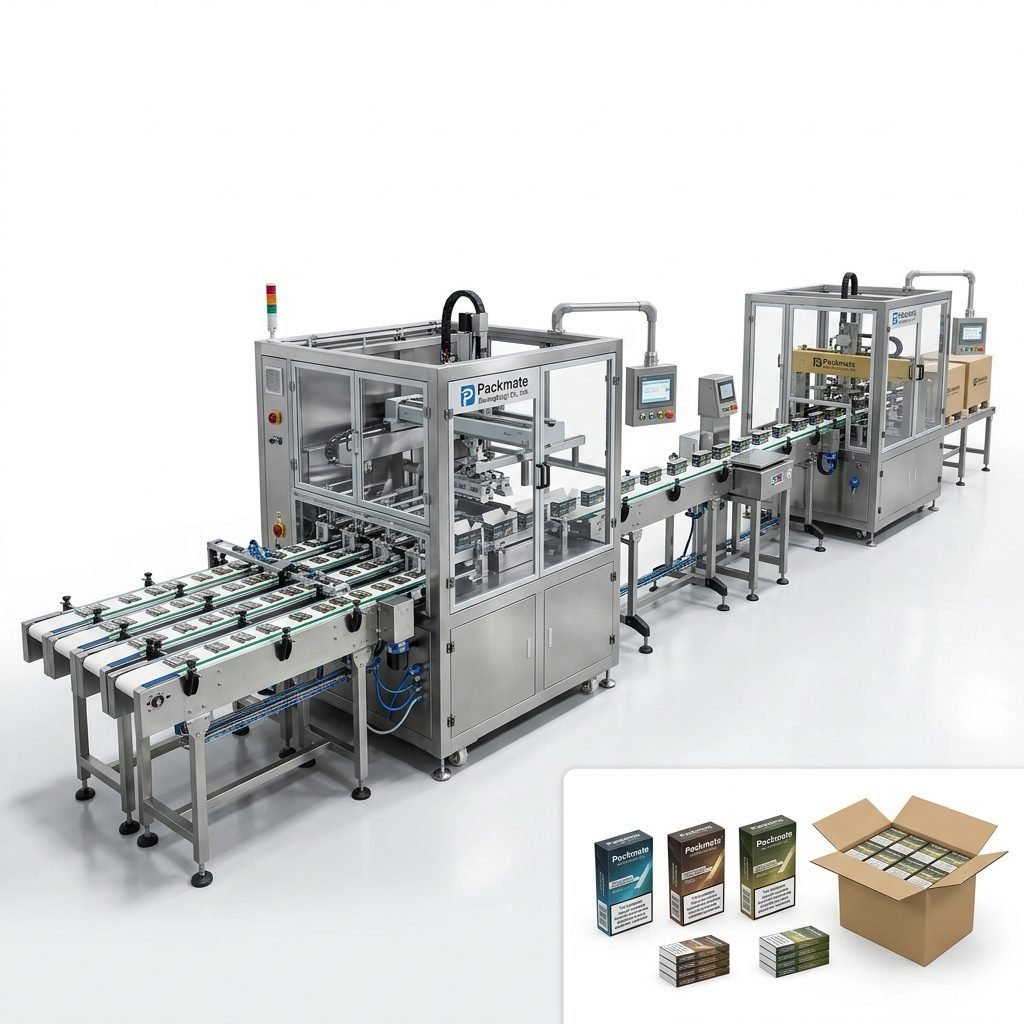
Choosing the right snus packaging machine manufacturer is a pivotal decision for any Swedish producer looking to scale, improve consistency, and meet regulatory demands. Whether you manufacture traditional snus, nicotine pouches, or other small-dose pouch products, the right partner will impact product quality, production uptime, and long-term costs. This guide outlines practical criteria, evaluation steps, and actionable questions to help you select the best snus packaging machine manufacturer for your Sweden-based production needs.
Understand Your Production Requirements First
Before you contact manufacturers, clearly define your production targets. Key parameters include:
✅ Output per minute: required pouches per minute (single lane vs multi-lane).
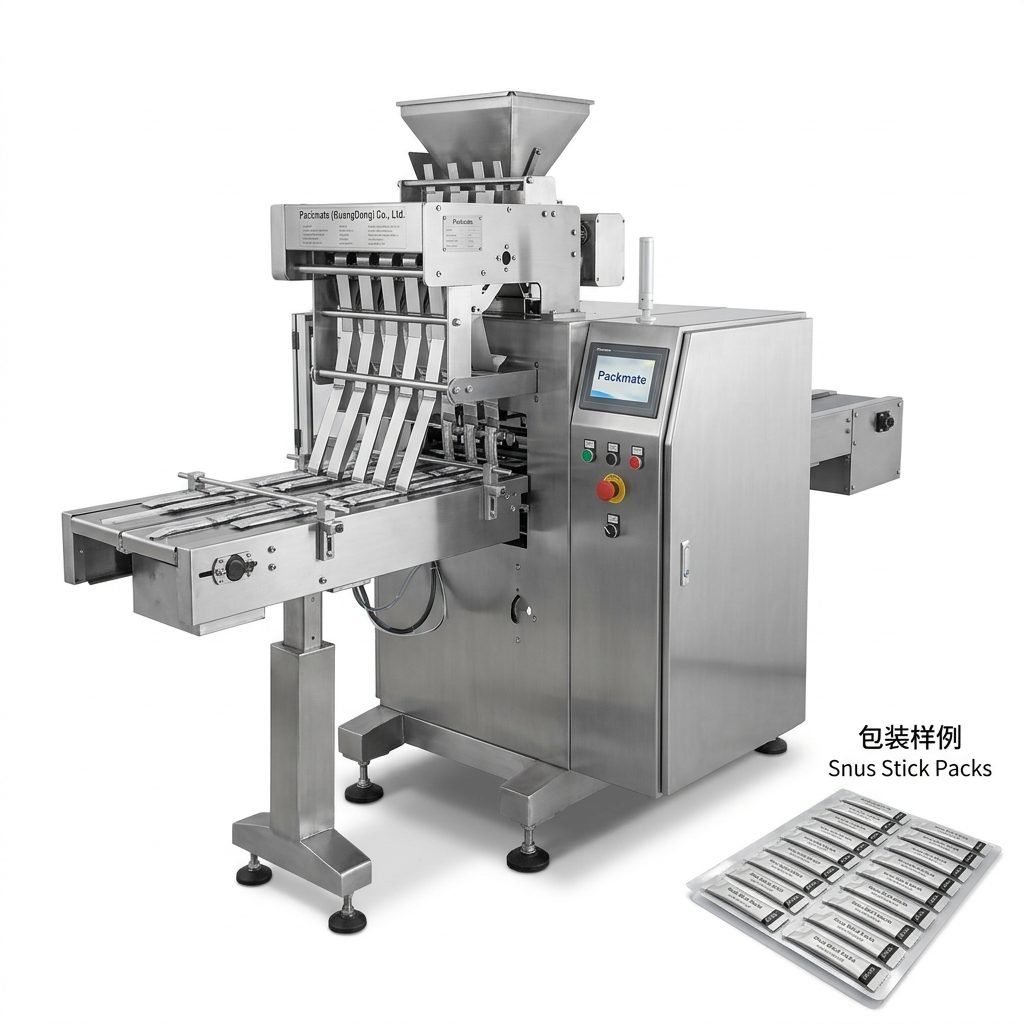
✅ Pouch format(s): snus can be sachet, stick pack, or multi-lane small-dose pouches.
✅ Filling type: powder, granule, liquid, or paste — each needs different filling systems.
✅ Automation level: standalone machine, inline weighing & filling, or a turnkey filling & packaging line.
Key Technical Criteria to Evaluate
When evaluating manufacturers, focus on technical capabilities that affect performance and compliance.
Precision & Repeatability: How consistent are fill weights and pouch sealing across long runs? Small-dose snus demands tight tolerances.
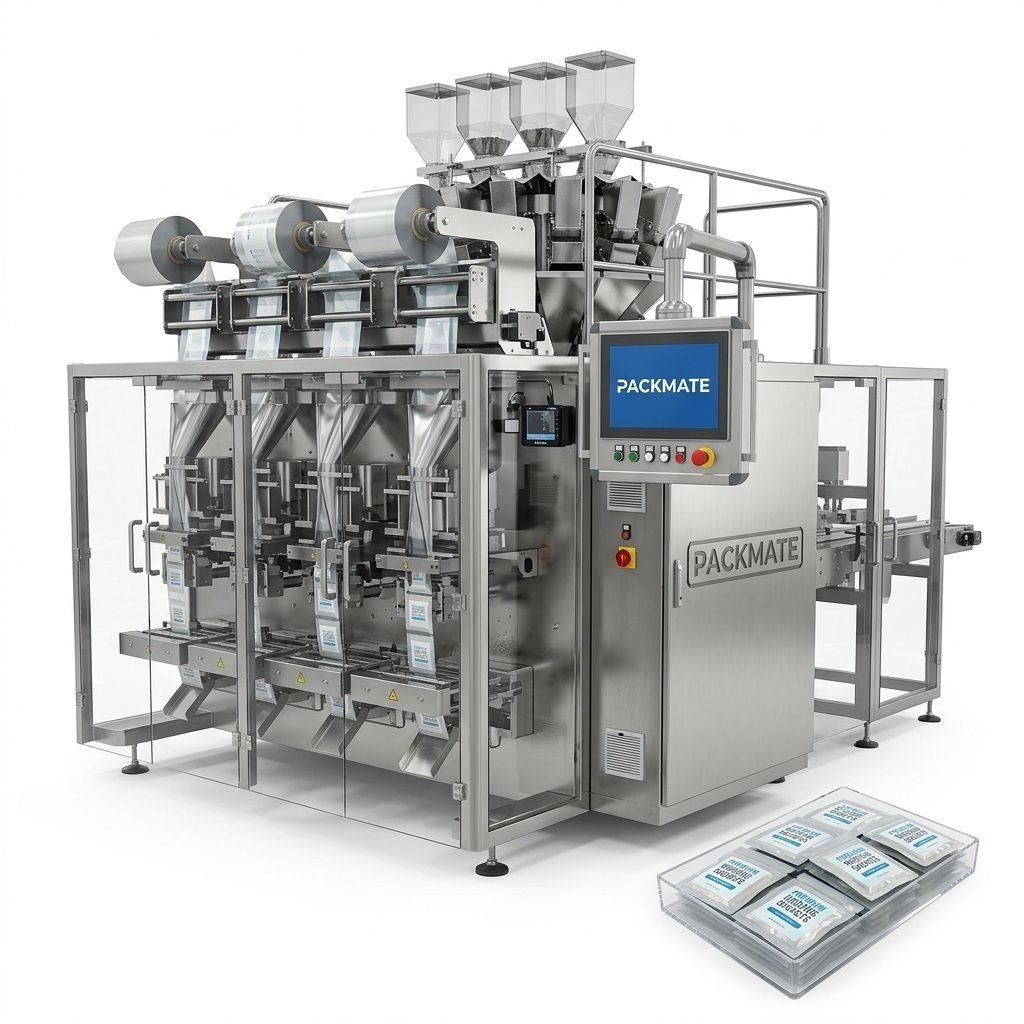
Multi-lane Capabilities: Multi-lane systems can dramatically increase throughput — confirm lane changeover time and mechanical stability.
Hygiene & Materials: Food / pharma-grade contact parts, easy-to-clean surfaces, and sanitary design to meet EU/Swedish regulations.
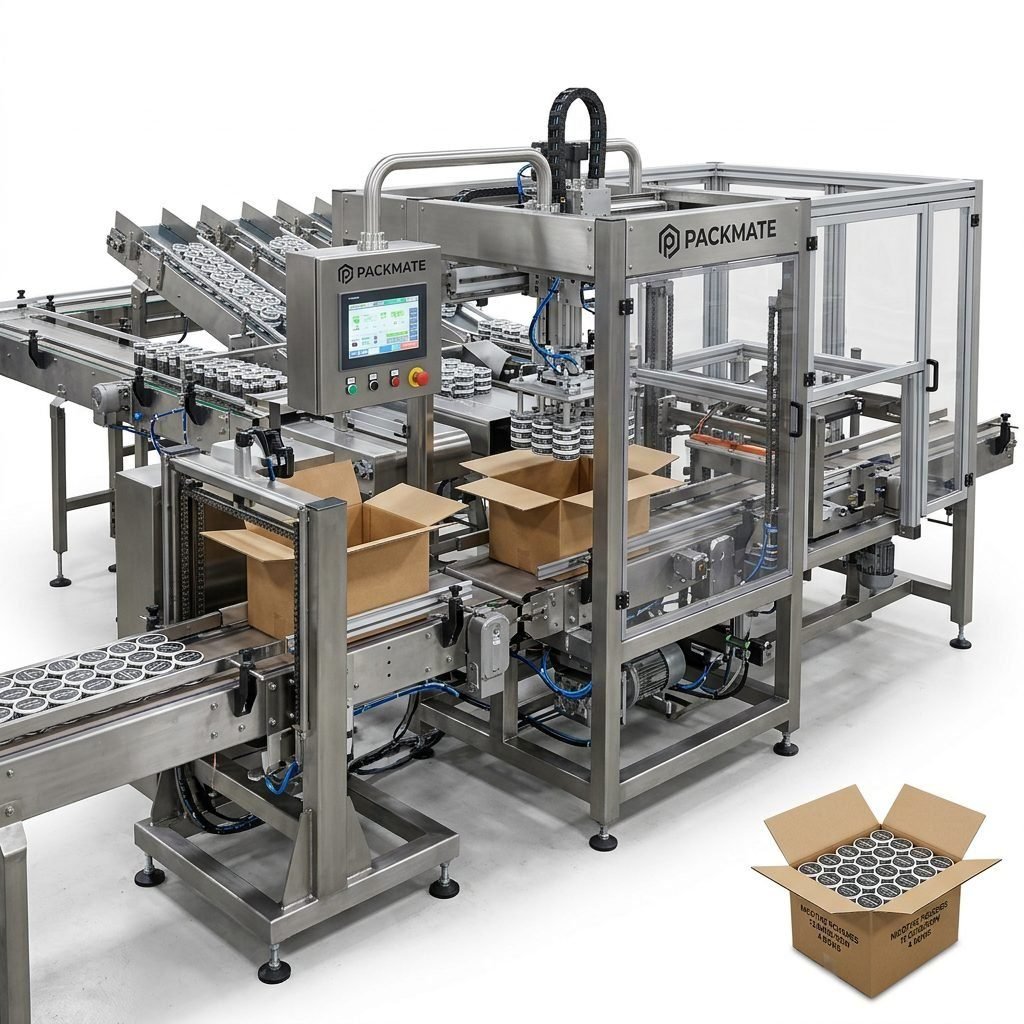
Integration & Modularity: Will the manufacturer provide weighing, feeding, capping, and cartoning as integrated options? Consider future expansion.
Recommended Machine Types for Snus & Nicotine Pouches
Depending on your format and output, look for vendors offering specialized lines:
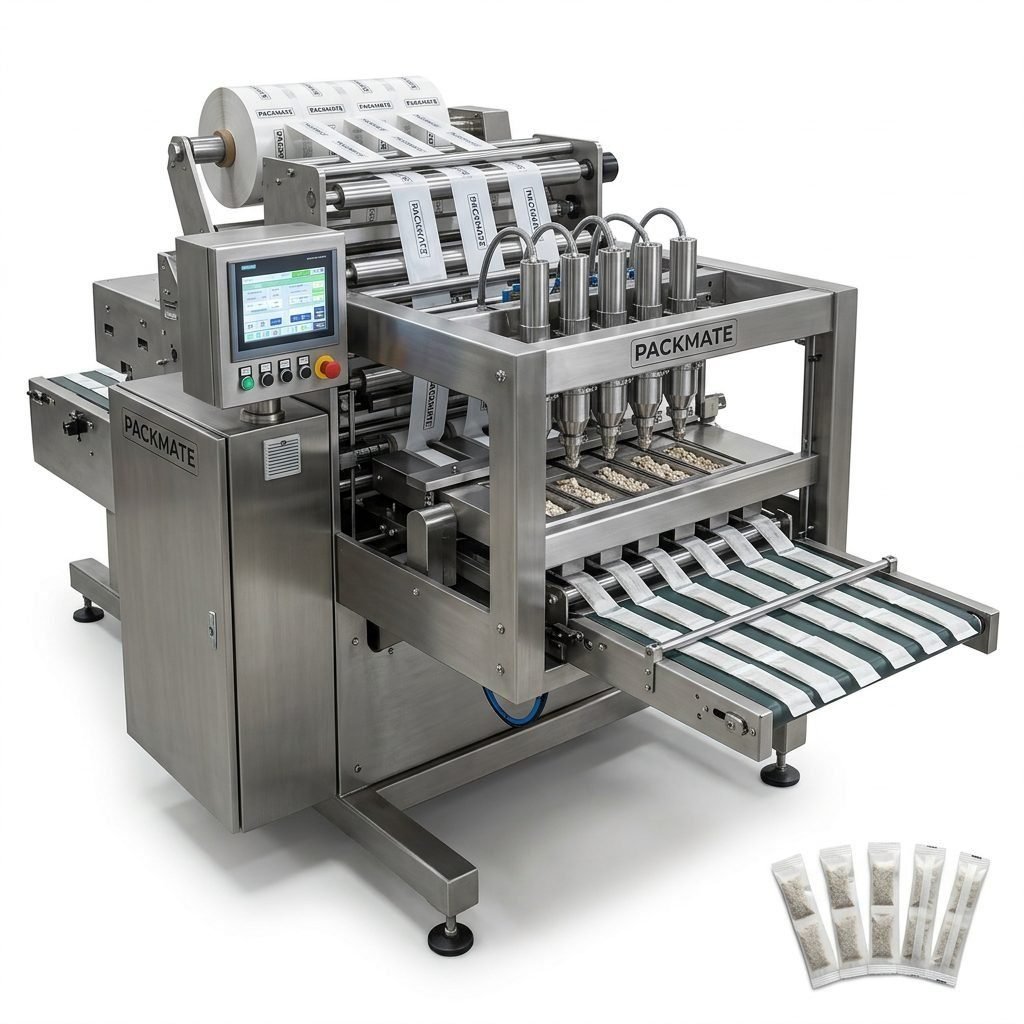
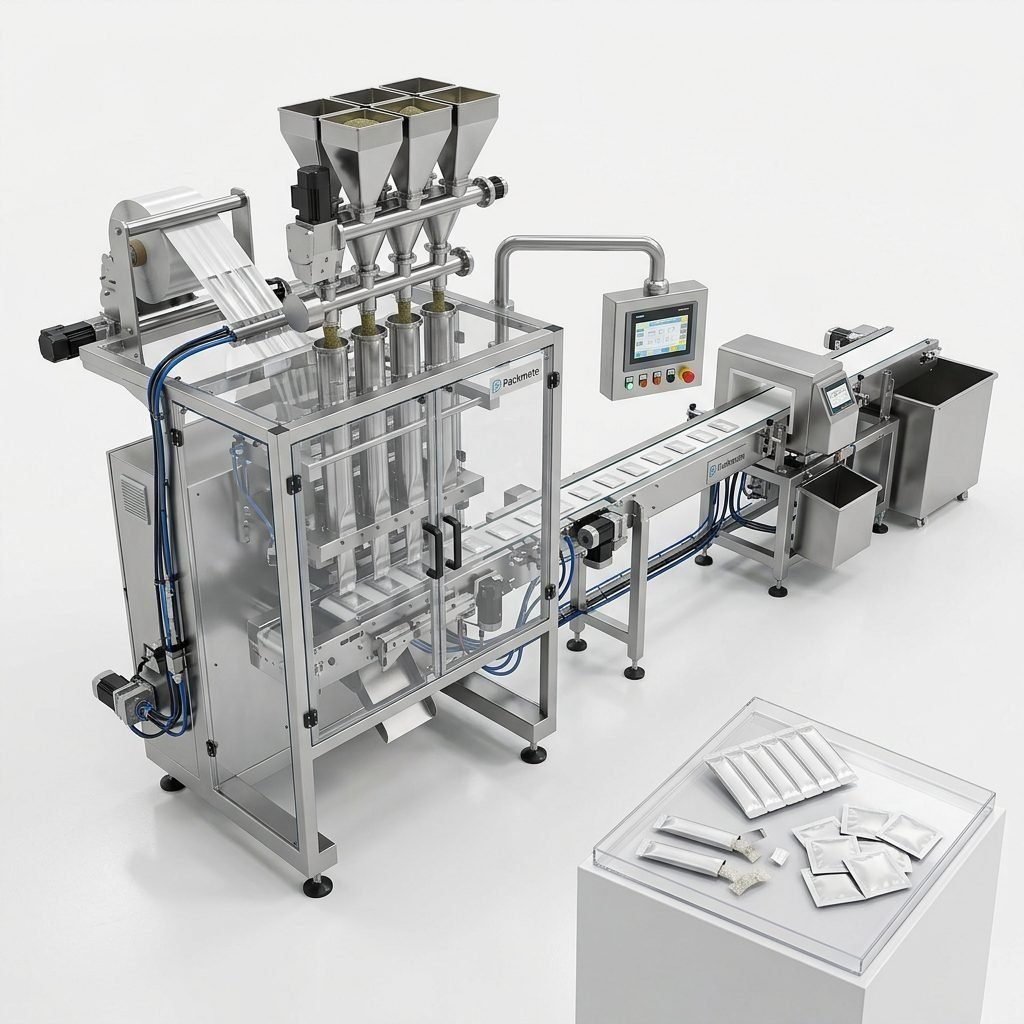
- Sachet & Stick Pack Machines — compact and ideal for single-dose retail packs. See examples of Sachet & Stick Pack Machines.
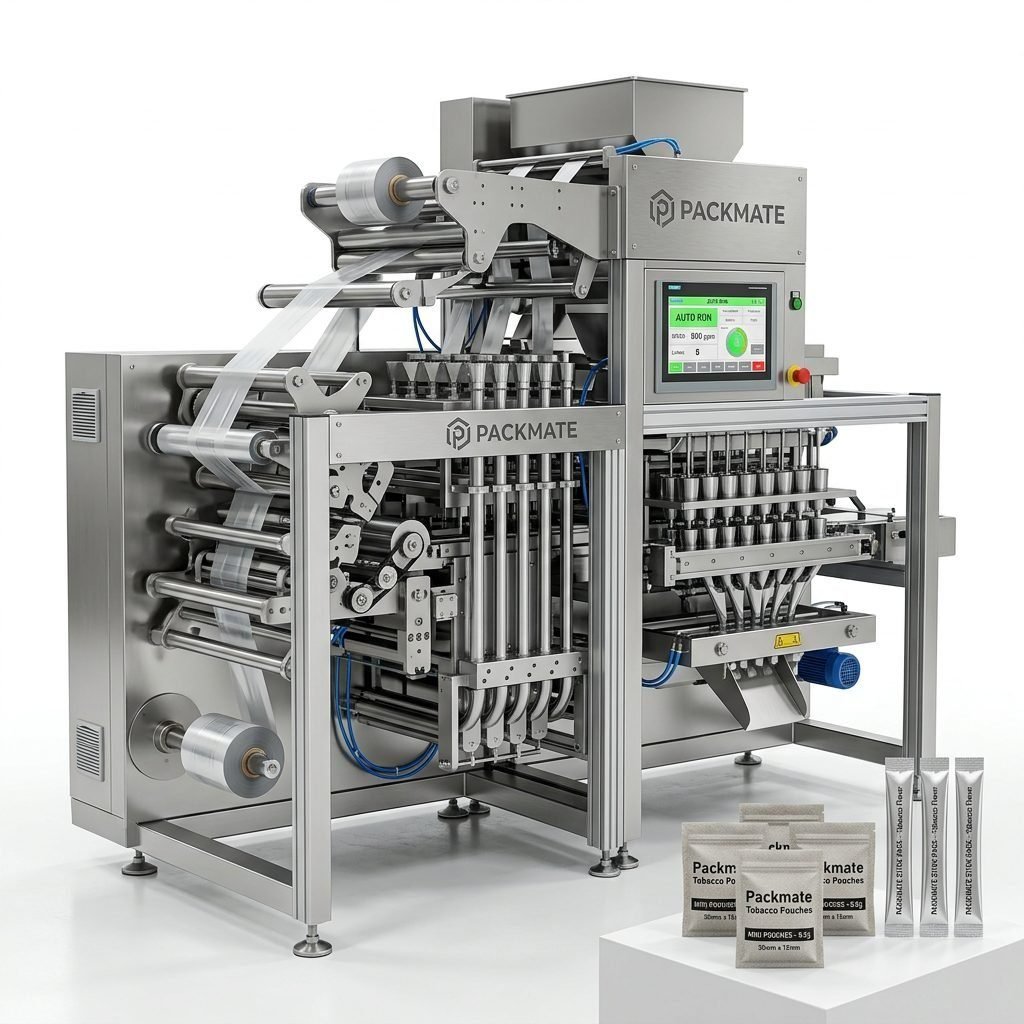
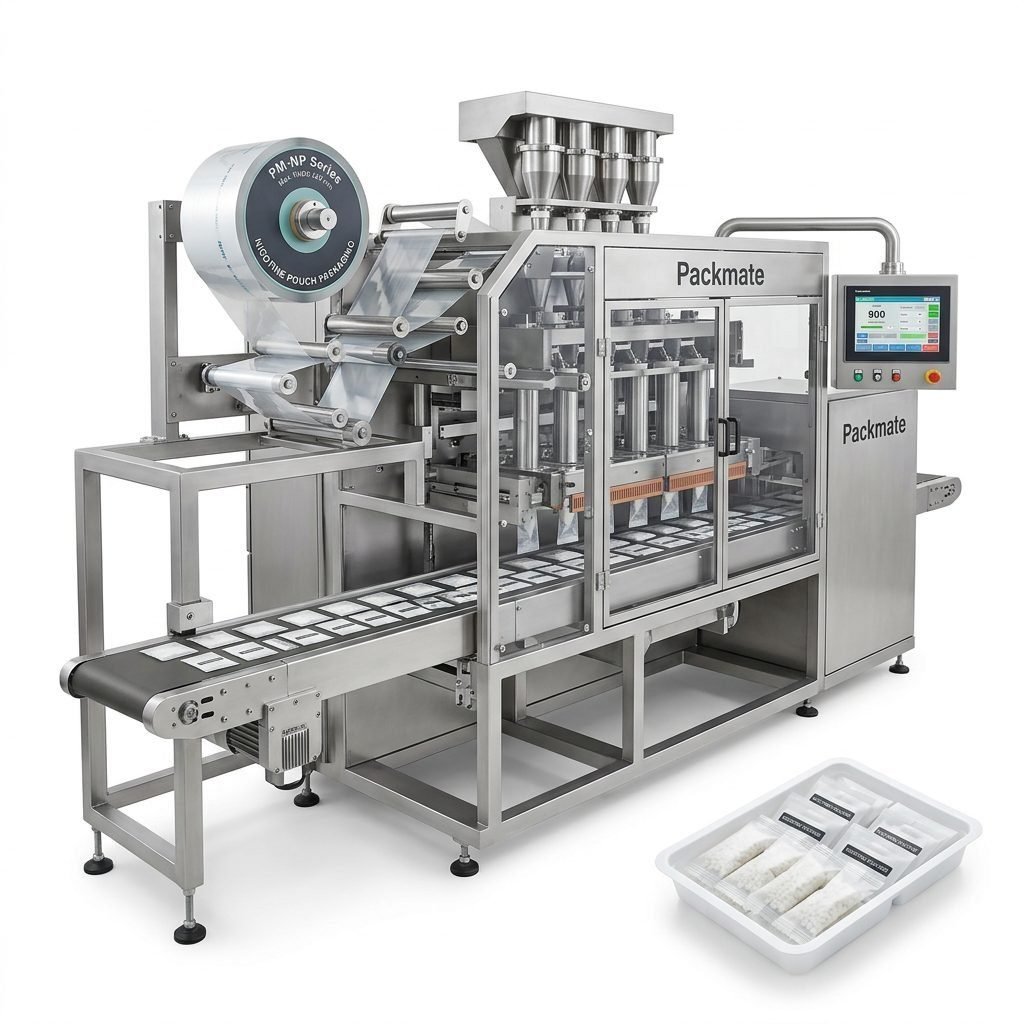
- Multi-lane Snus / Nicotine Packaging Machines — designed for high throughput small-dose pouch production. View Snus & Nicotine Packaging Machines.
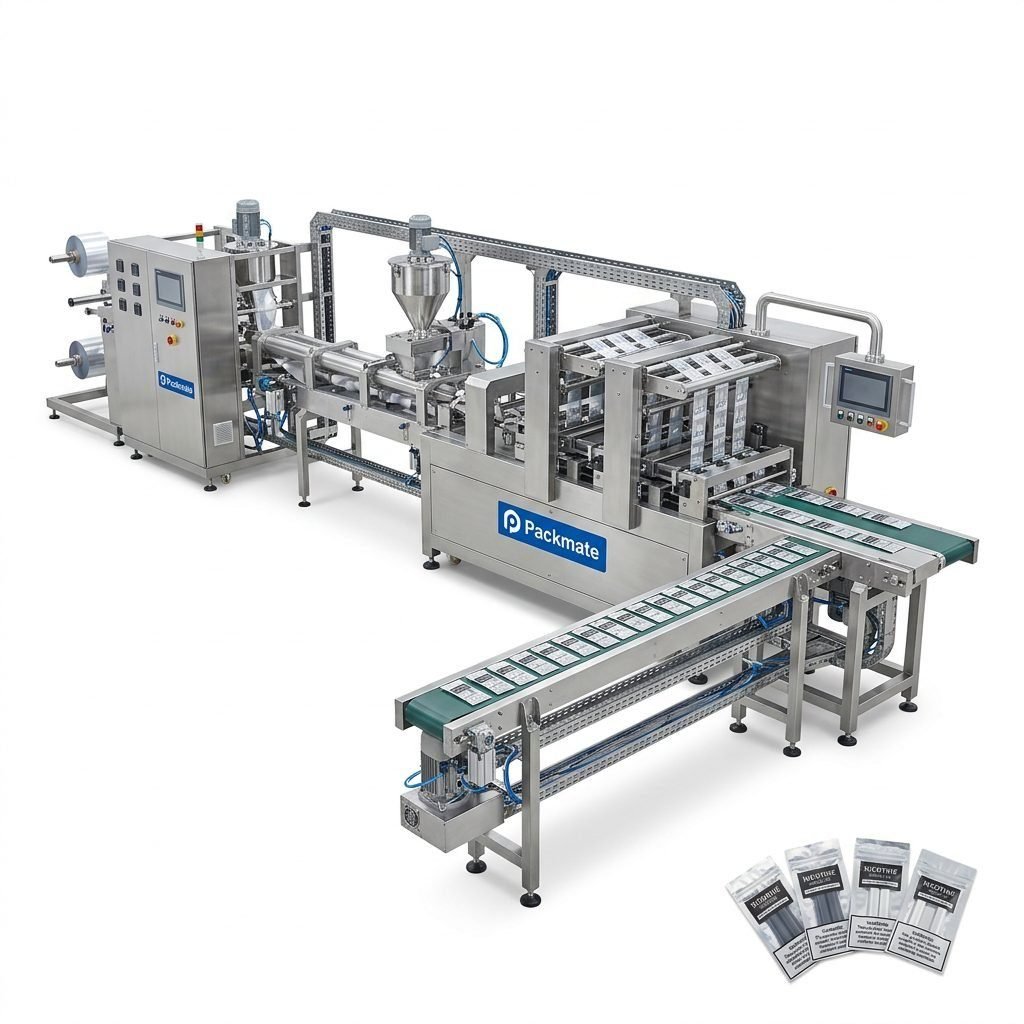
- Filling & Packaging Lines — fully integrated solutions including weighing, dosing, and packaging. Explore Filling & Packaging Lines.
Compliance, Certifications, and Local Regulations
For Sweden and EU markets, regulatory compliance is non-negotiable. Ask suppliers for:
CE & ISO Certificates: Confirm up-to-date certificates and whether they apply to the final assembled line.
Hygienic Design Documentation: Material declarations, surface finish, and washdown compatibility.
Electrical & Safety Compliance: Ensure compatibility with Swedish power standards and local safety requirements.
Factory Capacity, Lead Time, and Production Testing
A supplier’s manufacturing scale and QA processes are critical. Large, experienced factories often provide better consistency, spare parts availability, and faster delivery.
Manufacturing Footprint: Does the manufacturer have CNC machining centers and dedicated assembly lines? Larger factories often offer tighter tolerances.
Factory Acceptance Testing (FAT): Insist on FAT with your materials to verify seals, fill weights, and pouch appearance before shipping.
Typical Lead Times: Understand quoted lead times and factors that can accelerate or delay delivery (customization, spare parts availability, export documentation).
Service, Spare Parts, and Training
After-sales support makes or breaks operational uptime. Evaluate the vendor’s service network and whether they support Swedish customers directly or through partners.
Local Support Options: Does the manufacturer offer local technicians in Europe or remote troubleshooting with clear SLAs?
Spare Parts Strategy: Are critical spares stocked in-region? What are lead times for consumables and wear parts?
Operator & Maintenance Training: On-site commissioning with operator training is essential — confirm language support and training materials.
Total Cost of Ownership (TCO) and ROI Assessment
Purchase price is only a fraction of lifetime cost. Build a realistic TCO model to compare options.
Energy Consumption: Check motor sizes, vacuum pumps, and typical kW usage at rated speed.
Production Yield & Scrap Rates: Ask for real-world yield data for similar products and formats.
Maintenance Intervals & Downtime: Estimate preventive maintenance windows and mean time to repair (MTTR).
Evaluating Manufacturer Reputation & Case Studies
Reputation and proven installations are strong indicators of reliability. Request references and specific cases similar to your product type.
Look for detailed case studies with performance metrics — runtime, throughput, and improvements after installation. If available, review the manufacturer’s gallery and customer testimonials to validate claims. Example resource: Case.
On-site Visit Checklist
If possible, schedule a factory visit or third-party inspection. During the visit, focus on:
- Production floor cleanliness and organization (5S practices).
- Actual machines running similar products; request a demonstration with your pouch material.
- Quality control procedures and traceability systems.
- Spare parts warehouse and lead-time examples for replacements.
- Witness FAT and review test documentation.
Commercial Terms & Contract Essentials
Protect your investment with clear contractual terms:
Warranty Coverage: Define what is covered (mechanical, electrical, PLC/software) and the warranty period.
Acceptance Criteria: Include FAT acceptance metrics for throughput, weight accuracy, and seal quality.
Delivery & Installation: Clarify responsibilities for shipping, customs (if importing), installation, and commissioning.
Why Consider Established Global Suppliers?
Sweden-based manufacturers may provide local support and shorter logistics, but established global suppliers bring scale, specialized R&D, and extensive product lines. For example, companies with decades of experience can offer a wide selection including Bag & Pouch Packaging Machines and auxiliary systems to build a complete line.
When evaluating international suppliers, pay special attention to European after-sales support and spare parts distribution in the EU to avoid long downtimes.
Decision Matrix — Quick Buyer Checklist
Use this quick checklist to score potential manufacturers:
Technical Fit: Machine capabilities match product specs (0–10).
Quality & Reliability: Factory certifications and references (0–10).
Service & Spare Parts: Local availability and SLA for critical issues (0–10).
Commercial Terms: Warranty, delivery, and acceptance criteria (0–10).
Next Steps: Shortlist, Trials, and Negotiation
1) Shortlist manufacturers based on the checklist above. 2) Request FAT with your raw materials and pouch film. 3) Negotiate clear acceptance criteria, spare parts kits, and training. If you want a starting point for product research, check the manufacturer’s product catalog and service offerings like Catalog and Service.
Final Recommendation
Selecting the best snus packaging machine manufacturer for Sweden requires a balanced view of technical fit, compliance, local support, and long-term TCO. Prioritize vendors that can demonstrate field-proven performance for snus or nicotine pouches, offer robust spare parts support in Europe, and provide transparent FAT and contractual terms. A vendor with a broad product portfolio and turnkey line experience will reduce integration risk and accelerate your time to market.
More Resources
If you’d like to explore detailed product lines or arrange a consultation, visit About Packmate or contact the supplier directly via Contact Us. For full line integration, review Weighing & Packaging Systems.
Common Questions (FAQs)
Q: How do I verify a manufacturer’s claims about throughput and yield?
A: Require a Factory Acceptance Test (FAT) using your exact product materials and acceptance criteria documented in the contract.
Q: What warranty and spare parts coverage should I expect?
A: Standard warranties typically cover 12 months; negotiate at least 1 year plus critical spare parts kits and regional availability. Confirm response SLAs for urgent failures.
Q: Is it better to buy locally in Sweden or from an international manufacturer?
A: Local suppliers may shorten lead times and support, but experienced international suppliers often provide specialized multi-lane systems and broader R&D. Balance technical needs, cost, and after-sales support.
Q: What certifications are essential for snus packaging equipment sold in Sweden?
A: CE marking, relevant ISO standards, and documented hygienic design and materials compliance for food or nicotine products are essential.
Q: How can I reduce downtime after installation?
A: Ensure on-site commissioning with operator training, stock critical wear parts locally, and arrange a service contract or remote-support agreement.