Choosing the right nicotine packaging machine manufacturer is one of the most important decisions for any Swedish business that wants to scale production, ensure compliance, and maintain consistent product quality. This guide walks you through practical criteria and evaluation steps — from machine performance, customization and regulatory compliance to after-sales support and total cost of ownership — so you can confidently select the best partner for snus and nicotine pouch packaging.
Understand Your Production Needs 🔍
Before you contact manufacturers, define your current and target production metrics. Key variables include:
Production speed — required pouches per minute; lane count (single-lane vs multi-lane); format flexibility for different pouch sizes and materials.
In Sweden, where quality and traceability are highly valued, factor in lines for product traceability, label printing, and easy changeover to minimize downtime during SKU transitions.
Identify the Right Machine Type ⚙️
Nicotine pouch production uses several packaging styles. Match your product format to the machine family:
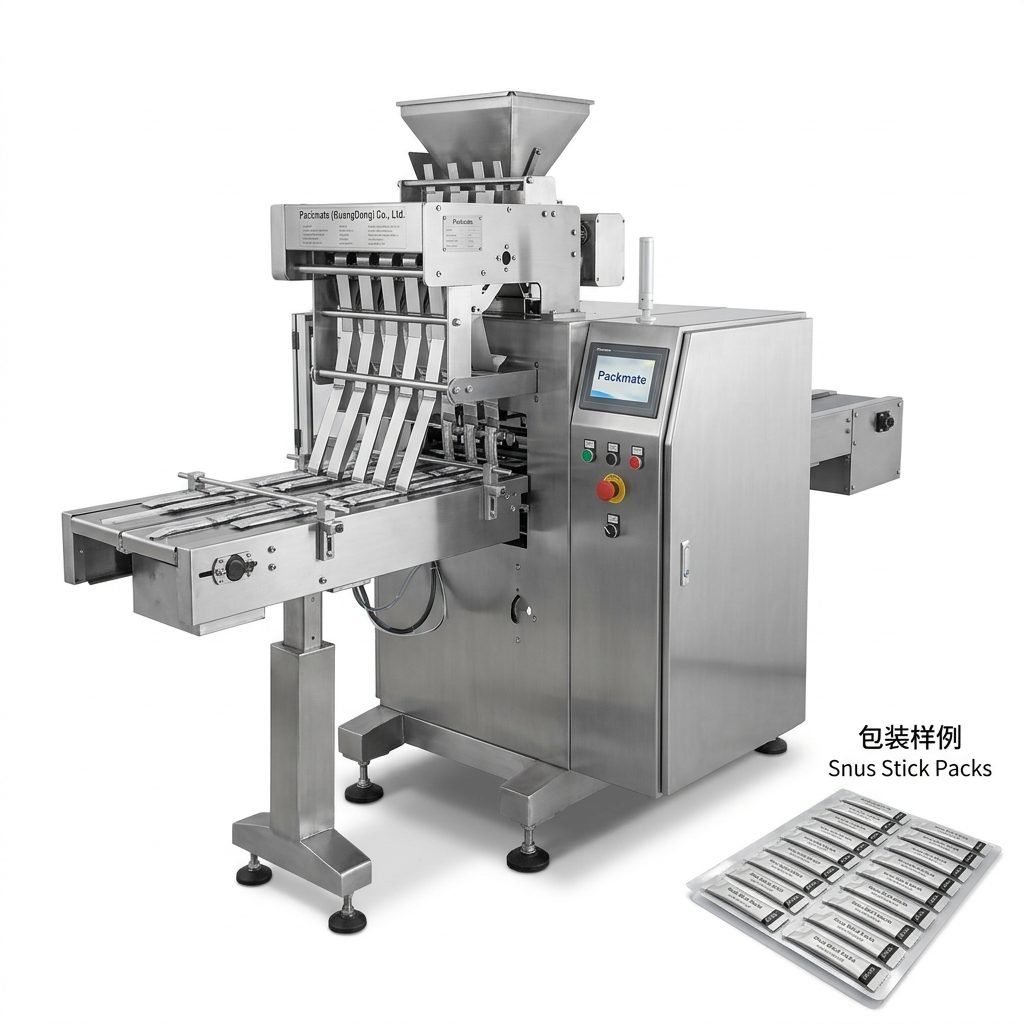
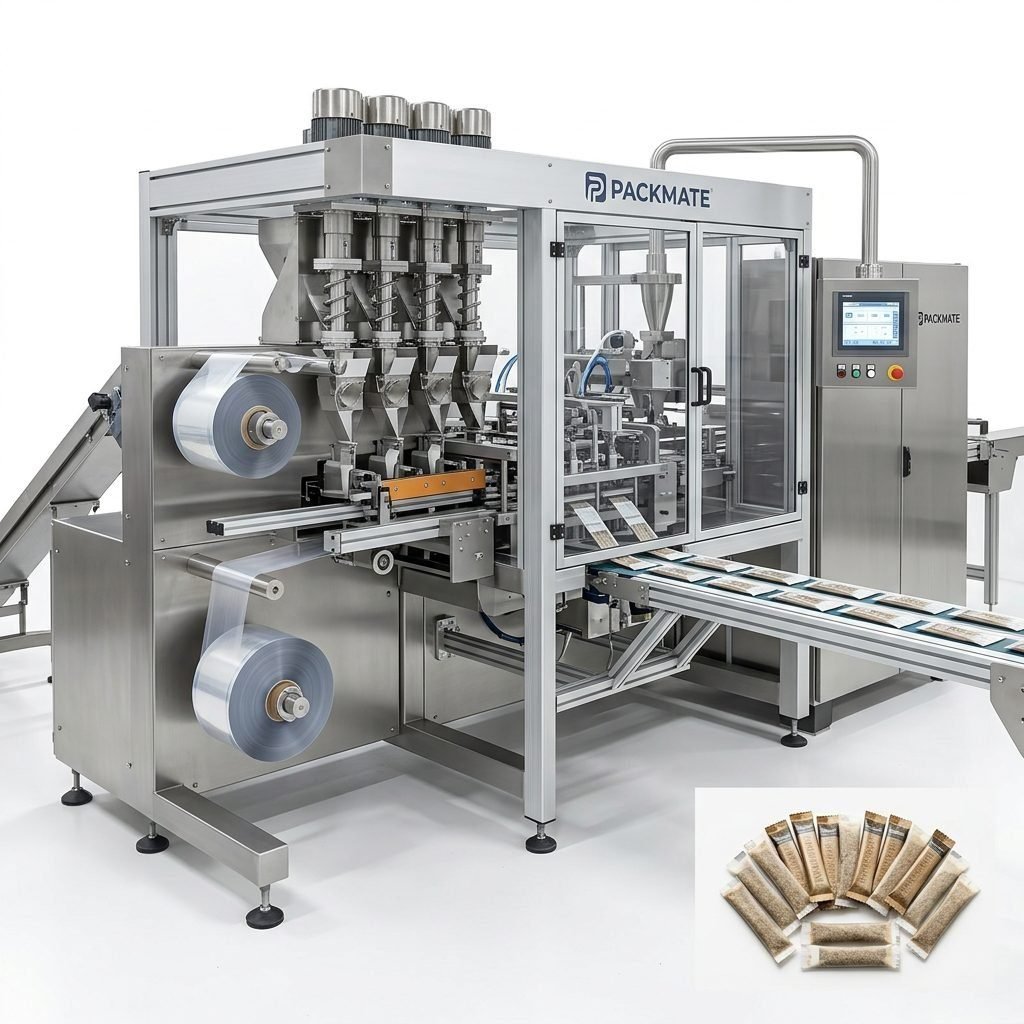
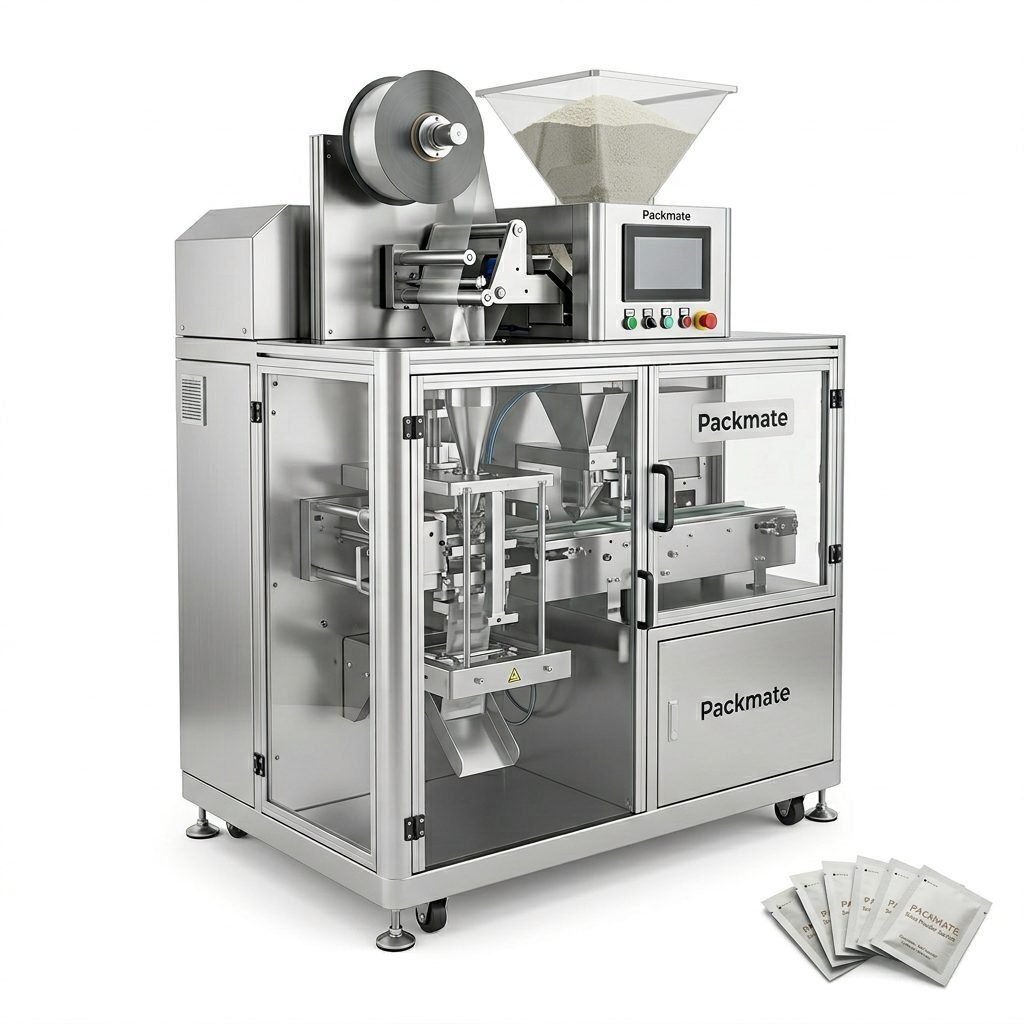
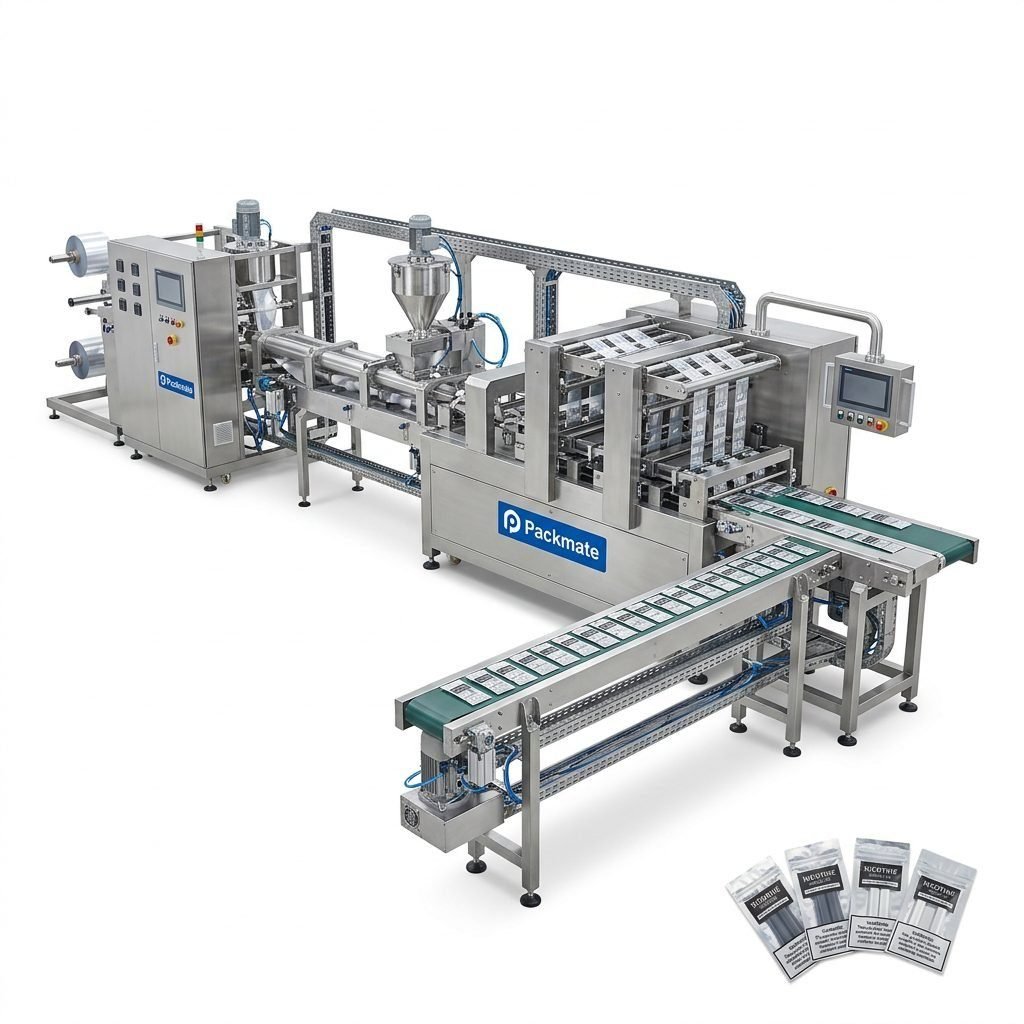
Sachet & Stick Pack Machines — ideal for stick-style single-dose sachets. See typical options at Sachet & Stick Pack Machines.
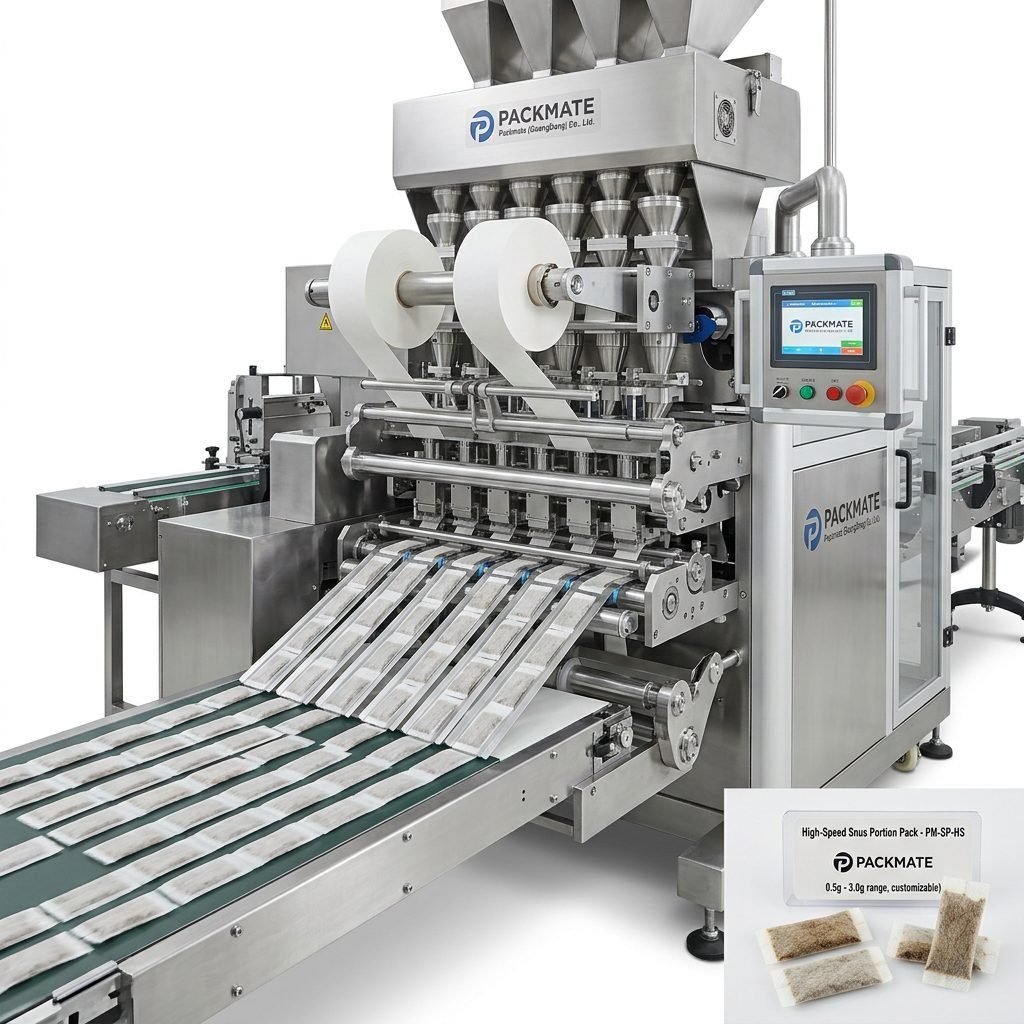
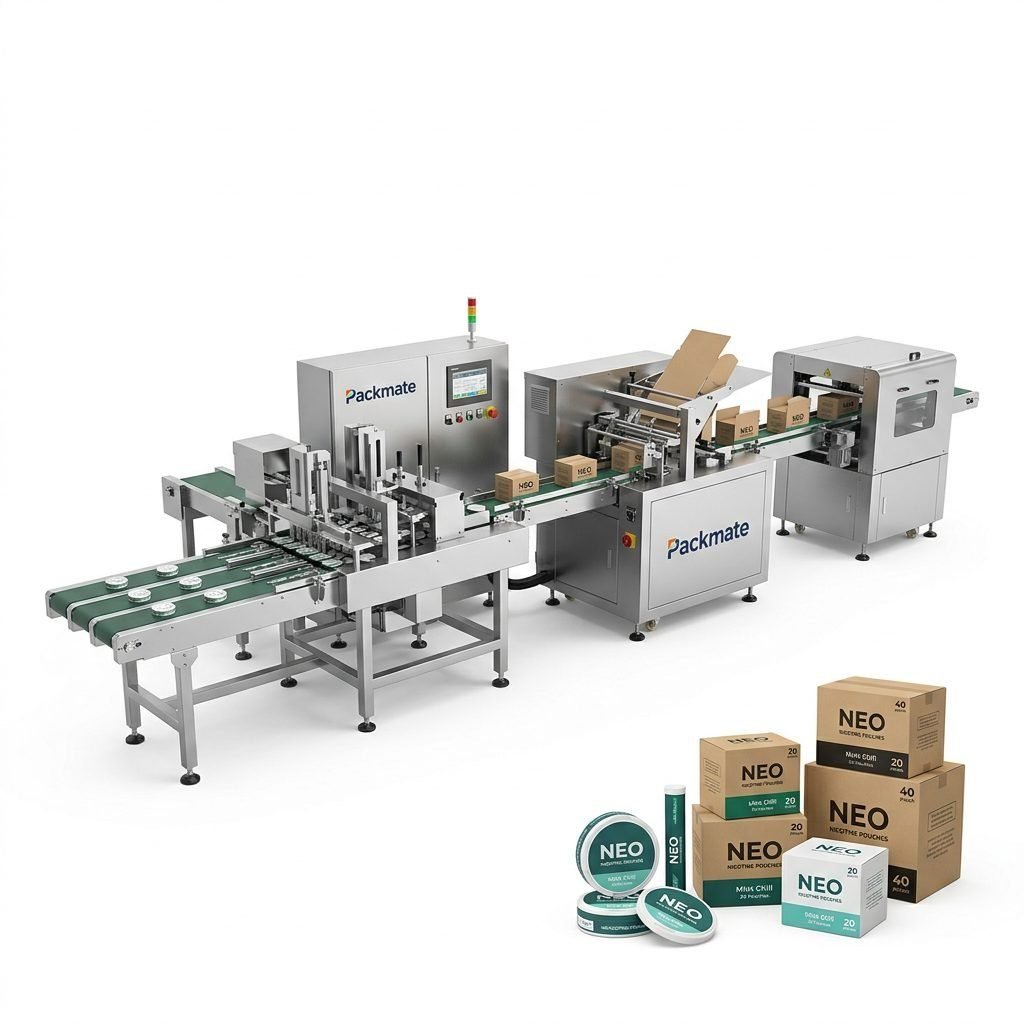
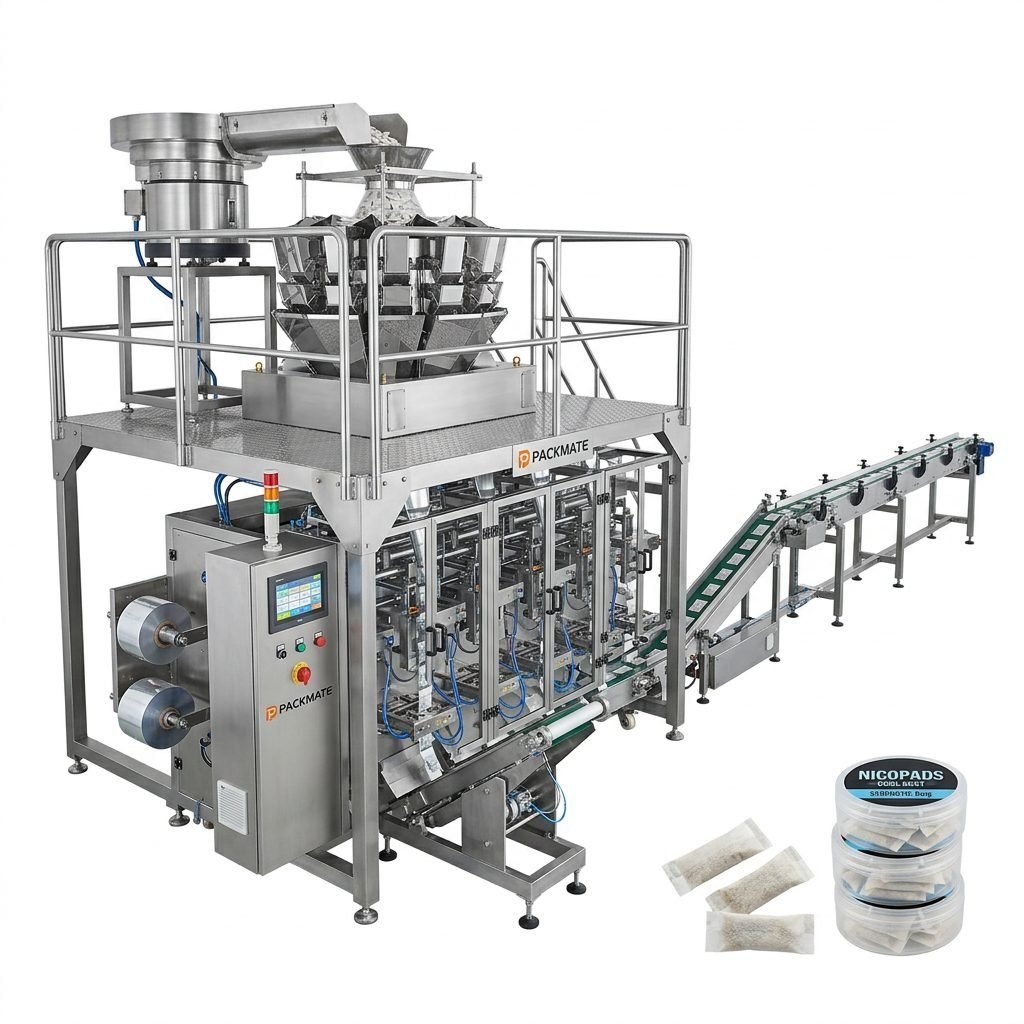
Snus & Nicotine Packaging Machines — specialized for snus pouches with multi-lane capabilities: Snus & Nicotine Packaging Machines.
Evaluate Manufacturer Experience & Capabilities 🏭
Experience in nicotine pouch packaging reduces ramp-up risk. Look for:
- Years of industry experience — >10 years in snus/nicotine packaging is a strong indicator.
- Range of machine models and multi-lane options.
- Factory capability — advanced CNC machining and precision assembly for long-life components.
Tip: Choose a supplier with documented factory size and technical strength. For example, Packmate highlights a 20,000㎡ facility with advanced CNC centers — a reassuring sign for buyers seeking stability (learn more on their About Packmate page).
Quality, Certifications and Compliance ✅
Swedish importers and manufacturers must ensure their equipment meets EU standards. Key checks:
- CE and ISO compliance — verify certificates and ask for recent copies.
- Material contact surfaces — stainless steel 304/316 where needed.
- Electrical standards — compatibility with EU power and safety codes.
Performance Metrics to Verify 📊
Don’t accept marketing claims without data. Request:
Guaranteed speed & yield, mean time between failures (MTBF), average downtime per month, first-pass quality rate, and validation reports from similar installations.
Customization & Flexibility 🔧
Swedish businesses often need product differentiation. Assess the manufacturer’s ability to:
- Design custom tooling for unique pouch shapes.
- Integrate weighing, dosing or flavor-dispensing modules.
- Deliver modular lines that can scale from pilot to high-volume multi-lane systems.
Example: A partner who offers solutions across Weighing & Packaging Systems and Auxiliary Packaging Equipment can deliver integrated lines that reduce footprint and operator training time.
After-Sales Support & Spare Parts Availability 🛠️
Strong after-sales service is critical for continuous production. Prioritize manufacturers that provide:
- Local or regional technical support in Europe, or fast remote diagnostics and spare parts shipping.
- Clear spare parts list with lead times and recommended inventory.
- Training programs for operators and maintenance teams.
Red flag: vague warranty terms or no documented service network. Choose a supplier that lists customer case studies and post-sale service processes (see customer cases).
Factory Acceptance Tests (FAT) & Site Acceptance Tests (SAT) 🔬
Require FAT and SAT as contractual milestones. A proper FAT includes:
- Proof of machine speed and output with your formulation or a representative mix.
- HMI walkthroughs and control logic verification.
- Documentation delivery: electrical diagrams, parts lists, maintenance schedules.
Total Cost of Ownership (TCO) & Financing Options 💶
Price is only part of the picture. Assess TCO by including:
Energy use, spare parts consumption, expected service intervals, operator training costs, and projected uptime. Ask suppliers for a sample TCO comparison over 5 years.
Explore leasing or staged payment options if available. Manufacturers with global reach often have financing partners to ease capital expenditure.
Inspection Visits and References 🧾
Visit the factory if possible or request a live video tour. Ask for references from European clients and inspect recent installations for reliability, cleanliness, and build quality.
Pro tip: Confirm the manufacturer has attended major exhibitions and can demonstrate machines — check their exhibition records and demonstration videos.
Logistics, Lead Time & Installation in Sweden 🚚
Plan for lead time, shipping and customs. Key considerations:
- Lead time from contract to FAT and then to shipment.
- Packaging and transit insurance for sensitive components.
- Local installation supervision or turnkey installation offerings.
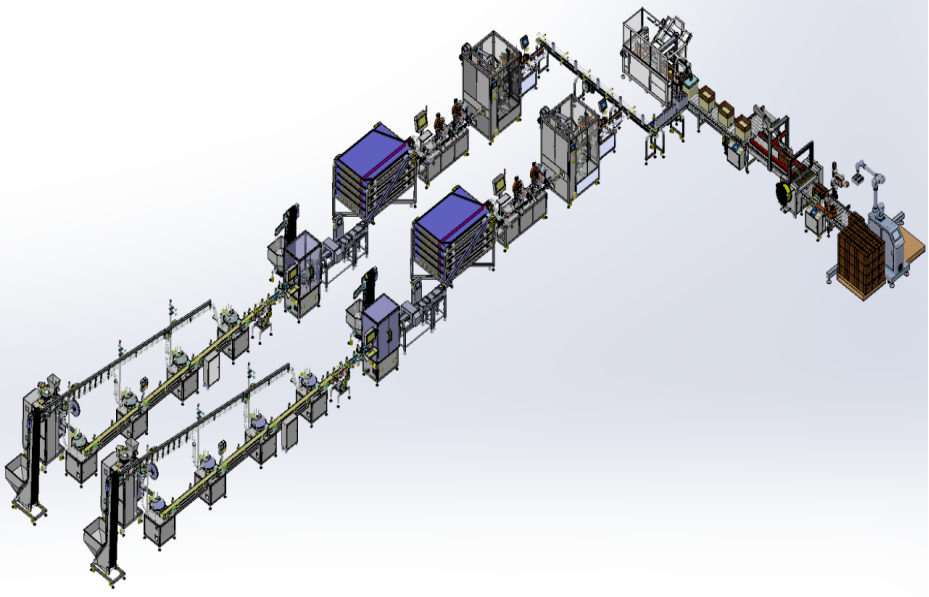
If you prefer a turnkey delivery, choose suppliers that explicitly offer Filling & Packaging Lines and on-site commissioning services.
Negotiating Contract Terms & Warranties 📝
Key contract elements to negotiate:
- Clear warranty scope and duration with response times for critical failures.
- Payment milestones tied to FAT/SAT completion.
- IP and tooling ownership if you require exclusive pouch shapes or labels.
Making the Final Decision — Checklist ✔️
Use this short checklist before signing:
🔹 Machine performance verified by FAT/SAT
🔹 Certifications (CE/ISO) and material compliance confirmed
🔹 Spare parts availability & local support plan
🔹 Transparent TCO and clear contractual milestones
Why Consider Packmate as a Supplier? 📌
Packmate Snus Machine is an example of a specialist supplier that focuses on snus and nicotine pouch solutions with over 30 years of engineering experience, more than 50 machine models, and a large manufacturing footprint. They provide multi-lane snus packaging systems and end-to-end solutions which can help Swedish businesses scale from pilot production to high-volume lines — explore more on their About Packmate page or request references via their Contact Us page.
Final Considerations
The optimal choice balances machine technology, proven field performance, strong service infrastructure, and clear commercial terms. As you evaluate proposals, insist on tangible evidence — video FATs, client references in similar markets, and a clear spare parts strategy — to reduce risk and secure a reliable production future in Sweden.
Common Questions (FAQs)
Q1: How long does delivery and installation typically take?
A: Typical lead times vary by machine complexity. Standard single-lane machines may ship in 8–12 weeks after contract and FAT, while custom multi-lane lines often require 12–24 weeks. Include installation and SAT time in your schedule.
Q2: What spare parts should I stock initially?
A: Critical spares include wear parts (seals, belts, cutters), sensors, and any proprietary tooling. Ask the manufacturer for a recommended spare parts kit and lead times for each item.
Q3: Can machines be upgraded to higher lanes later?
A: Some suppliers design modular frames that support lane expansion; confirm modularity early and document upgrade paths and costs in the contract.
Q4: Are remote diagnostics and training available?
A: Many modern suppliers provide remote diagnostics, software updates, and virtual operator training. Verify the availability and whether these services are included or require a support contract.