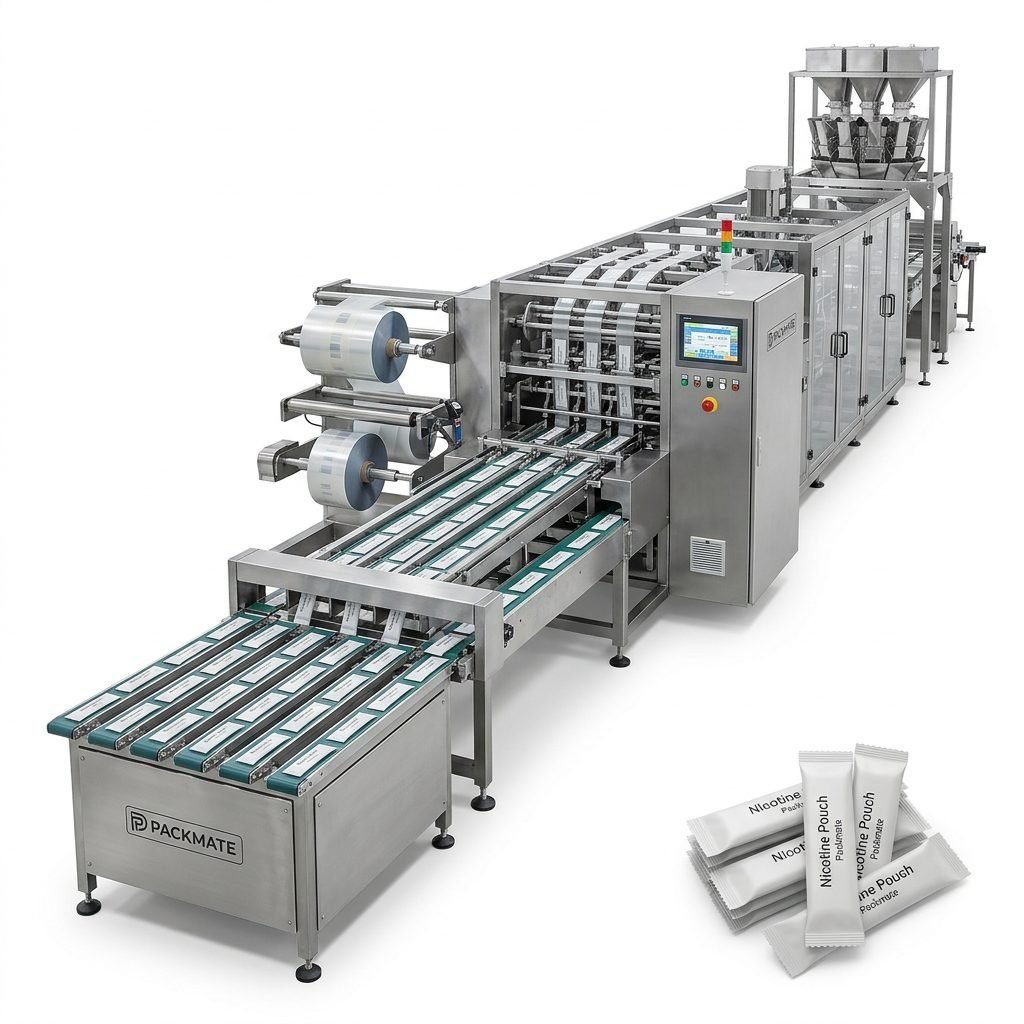
Finding a reliable snus packaging machine supplier in Uganda requires more than scanning search results — it demands an understanding of technical capabilities, local business realities, regulatory environment, and long-term service commitments. This guide walks you through practical steps, checks, and negotiation tips to secure equipment that meets production goals while minimizing risk. Whether you plan to start a small nicotine pouch line in Kampala or scale a multi-lane production facility for regional distribution, the following advice will help you choose the right supplier and protect your investment.
Understand Uganda’s Market and Regulatory Context
Uganda’s consumer market for tobacco alternatives and nicotine pouches is evolving. English is widely used in business, and Kampala serves as the commercial hub for wholesalers and distributors. When choosing a supplier, consider:
- Local regulations: Confirm import rules, labeling requirements, and any product restrictions for nicotine products in Uganda. Compliance is critical to avoid customs delays.
- Distribution logistics: Most imports transit via Mombasa (Kenya) or Dar es Salaam (Tanzania). Factor port handling times, inland trucking, and customs clearance into lead-time estimates.
- Climate impact: Uganda’s tropical, humid conditions can affect powder and pouch storage. Ensure the machine and packaging materials suit high-humidity environments.
Tip: Local Relationships Matter
Business culture in Uganda values trust and relationships. Having a local agent, distributor, or after-sales partner can speed up installation, maintenance, and spare parts supply. If the supplier offers an Africa-focused service plan or references in East Africa, that’s a positive sign.
Key Technical Criteria for Snus Packaging Machines
Before you contact suppliers, prepare a technical brief that includes your product specs and production targets. Key machine criteria include:
⚙️ Fill accuracy & dosing: Nicotine pouches require precise dosing. Ask about the weighing system compatibility (check weighing & packaging systems) and tolerance levels.
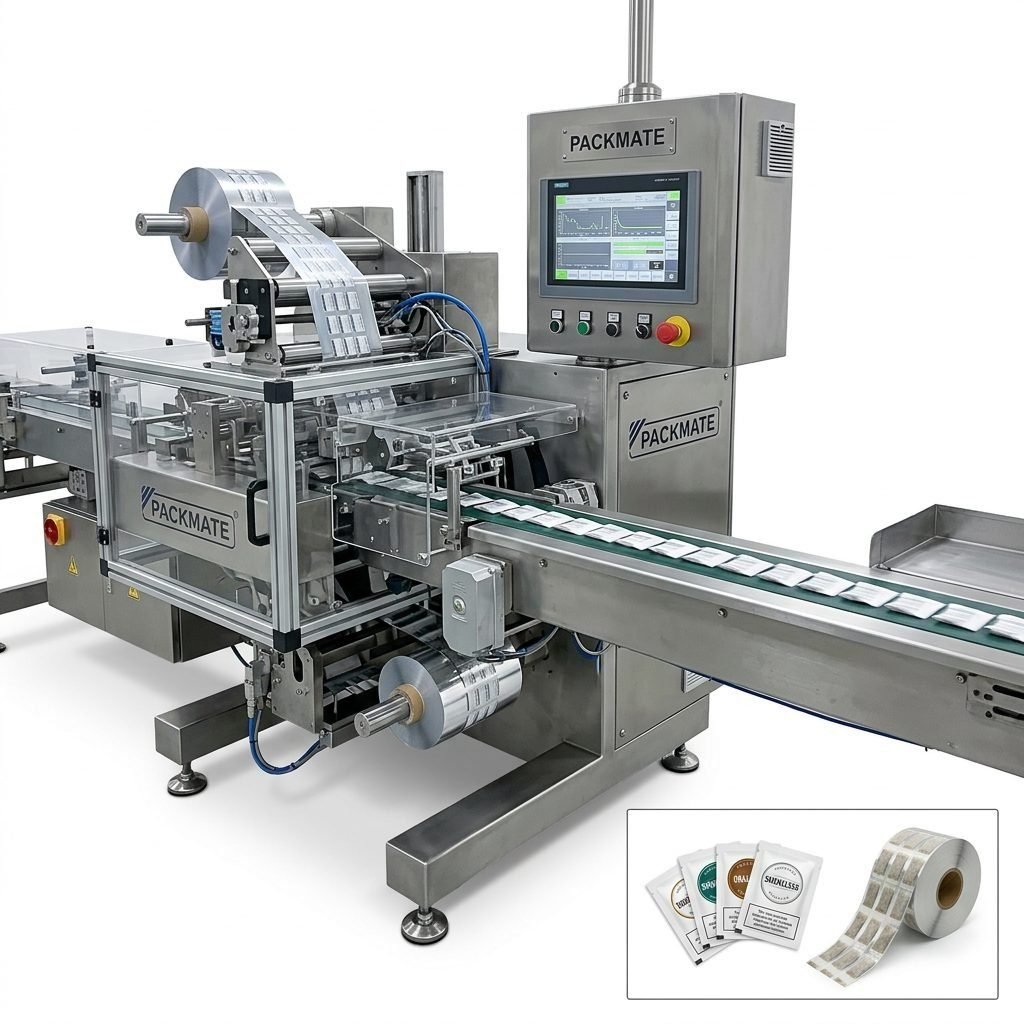
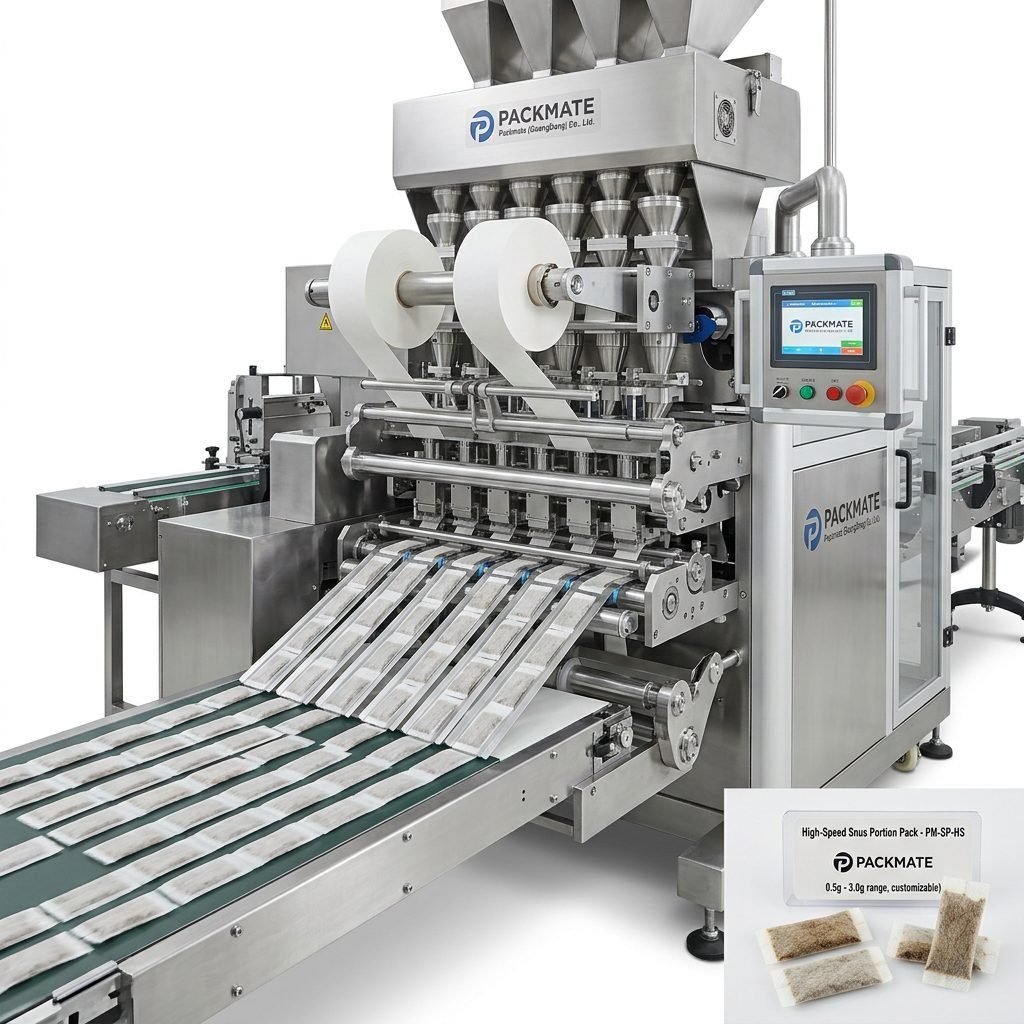
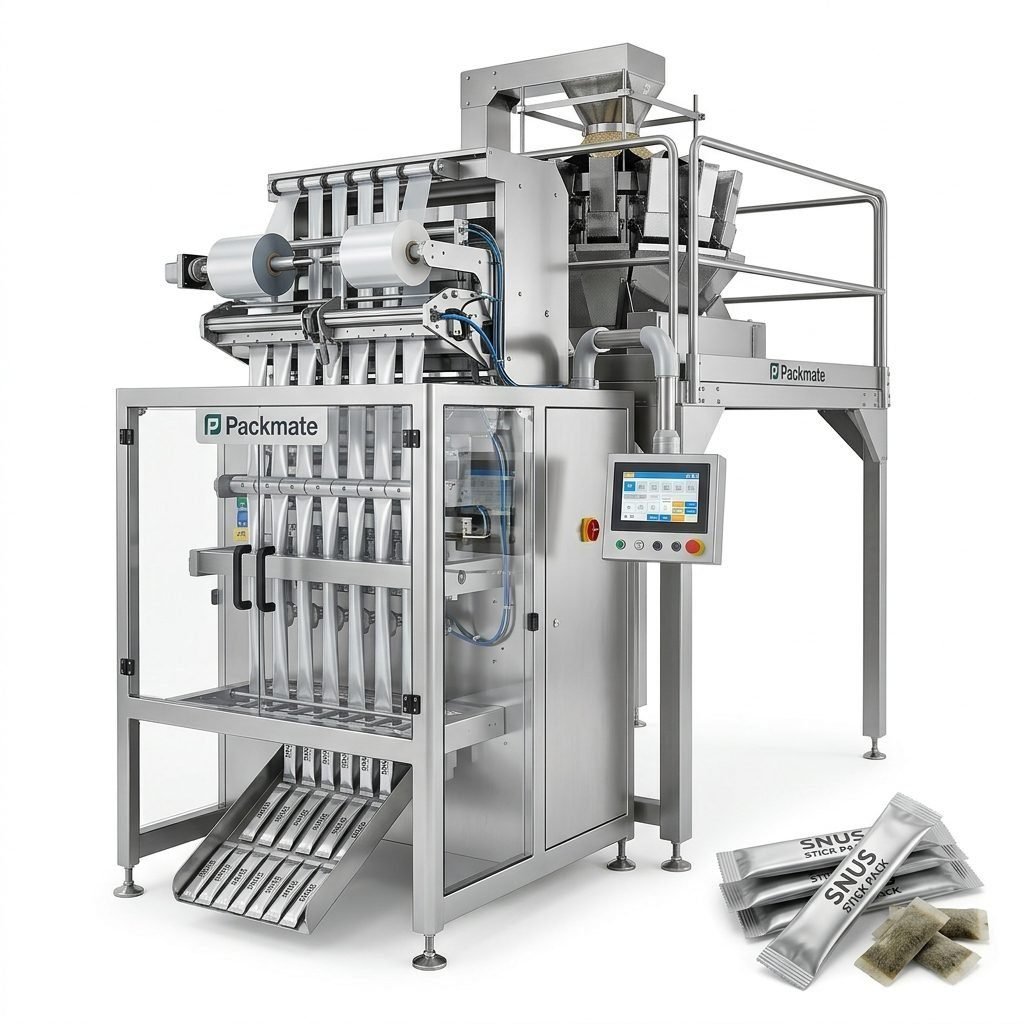
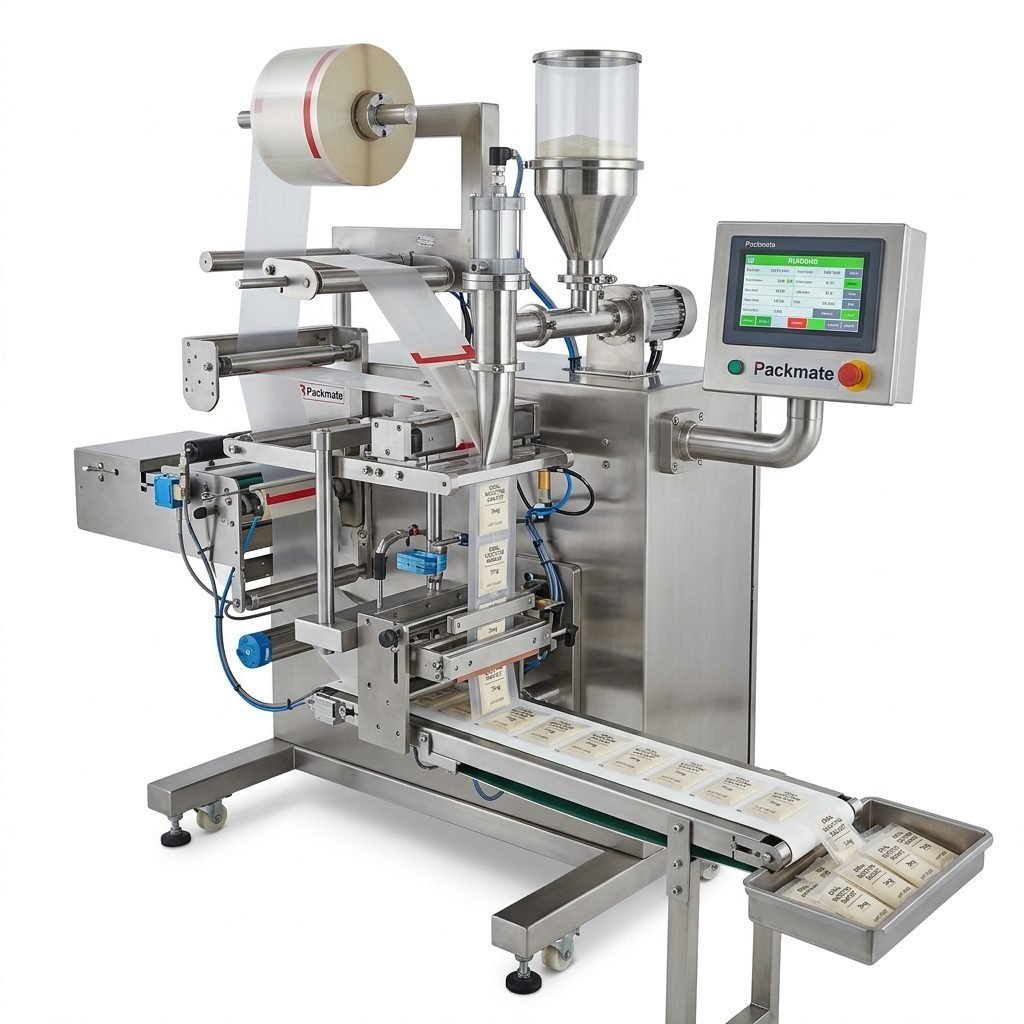
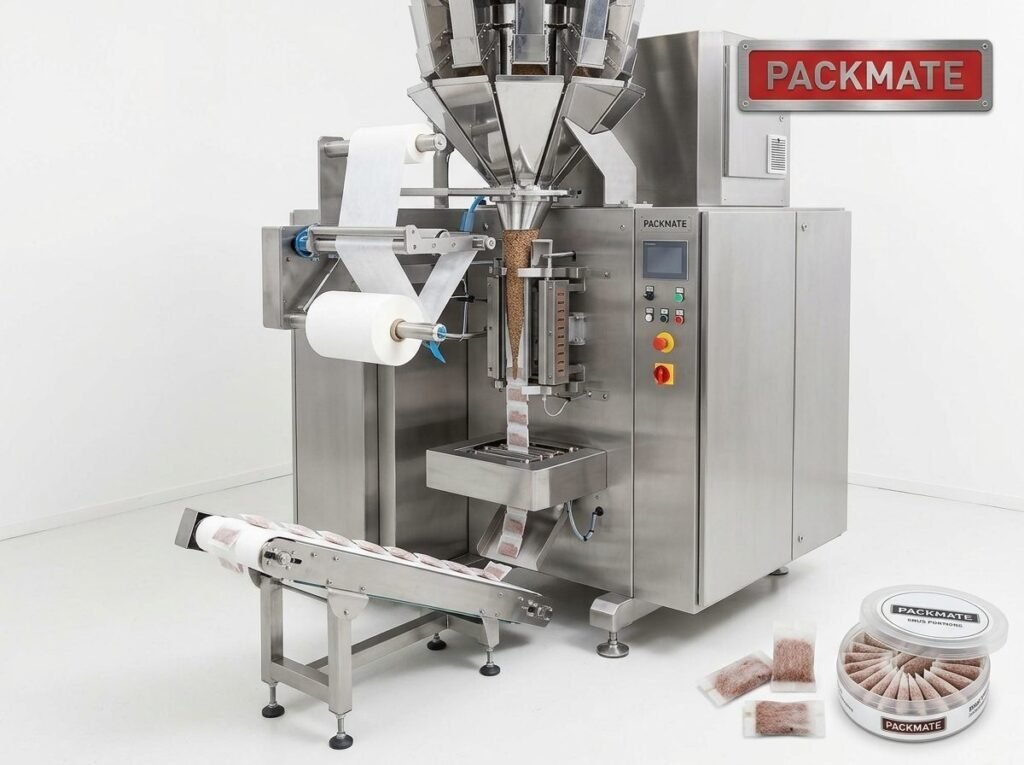
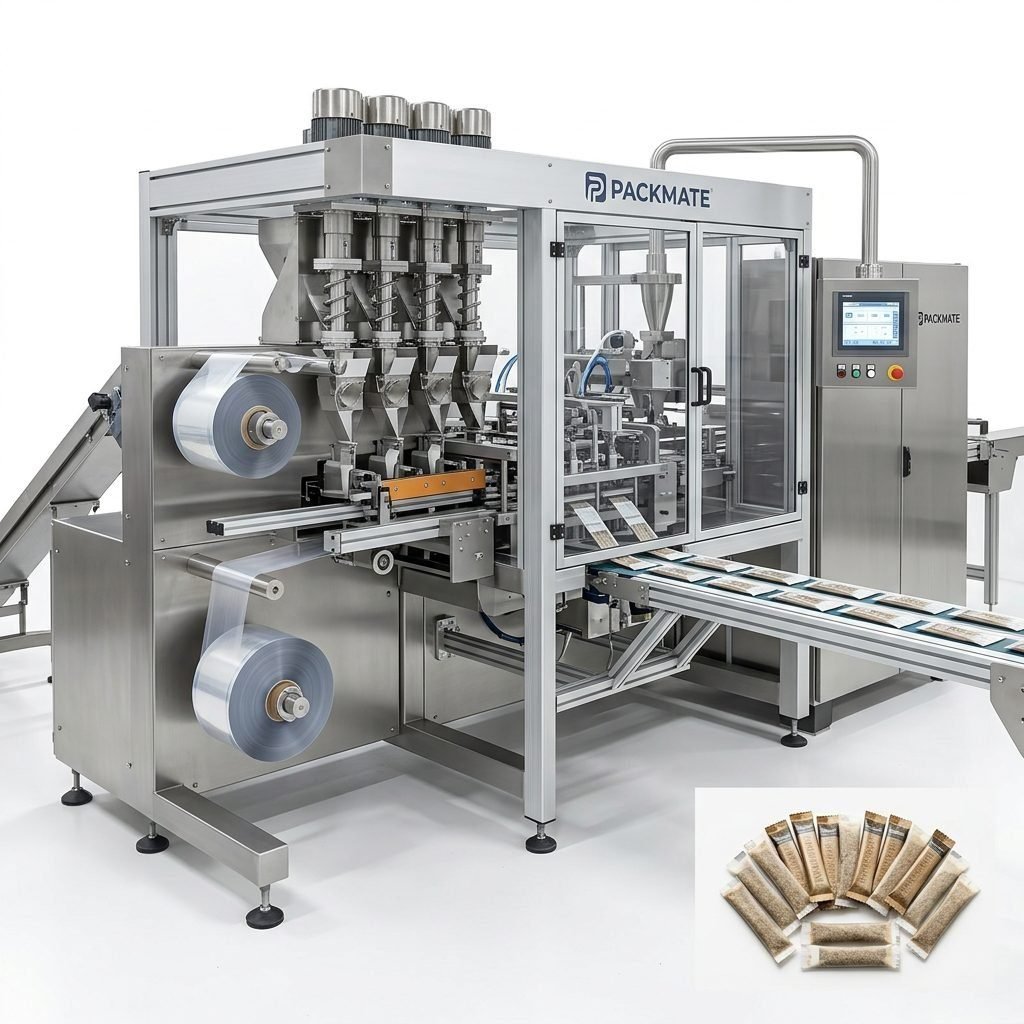
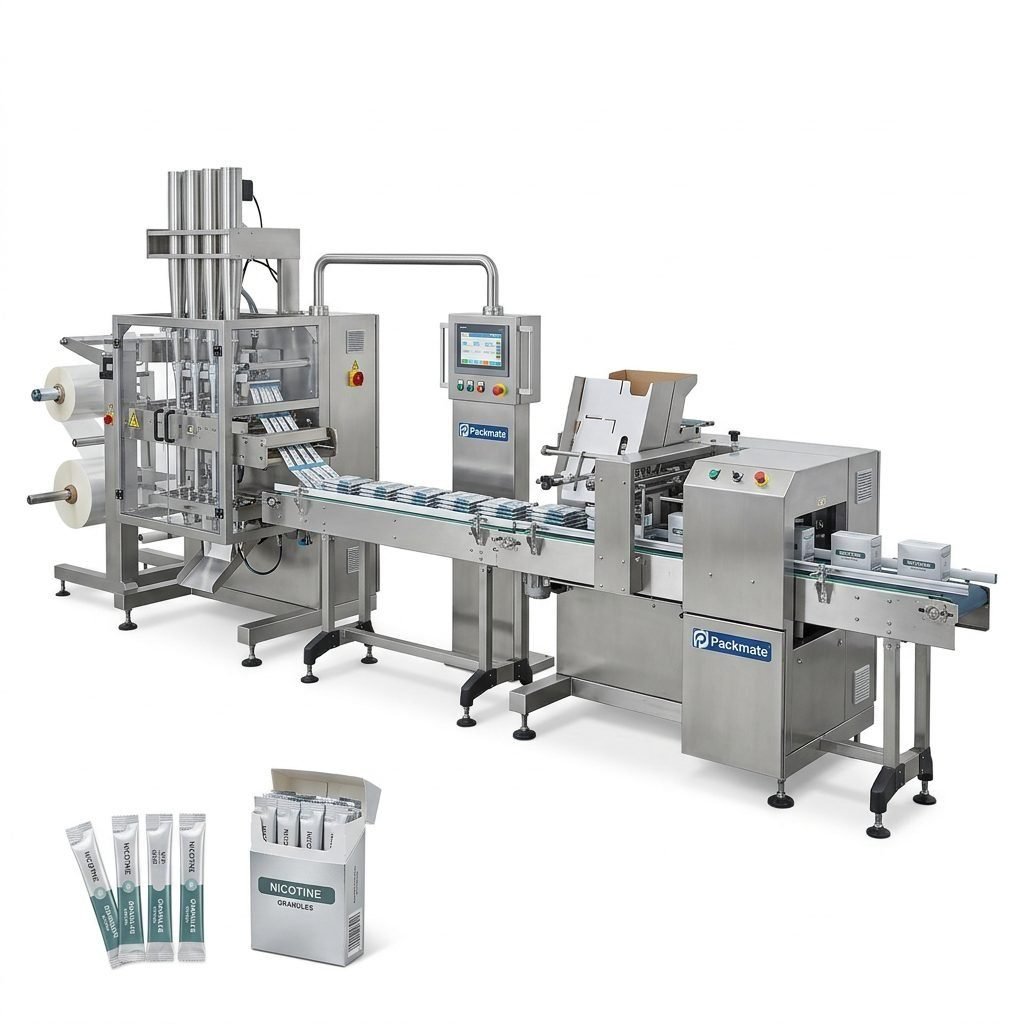
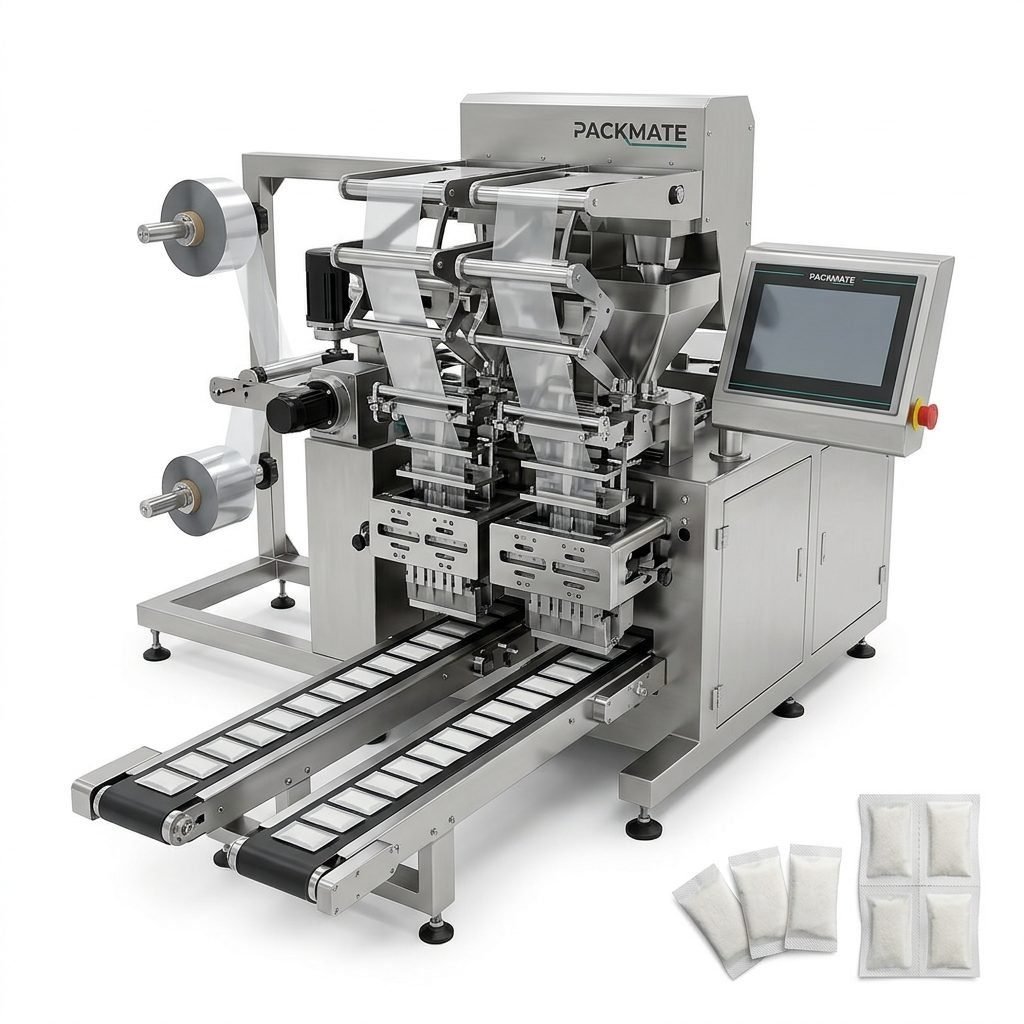
🏷️ Packaging formats: Ensure the machine supports your pouch style — loose pouches, sachets, stick packs, or multi-pouch trays. See examples at Snus & Nicotine Packaging Machines.
🔋 Power & electrical specs: Uganda uses 220V, 50Hz. Verify machine voltage, required phases, and whether a transformer is needed.
🌡️ Environmental controls: For hygroscopic products, check if the supplier provides humidity control options or sealed filling environments.
Assess Supplier Capability: Factory, Experience, and Certifications
A strong supplier demonstrates engineering depth, quality systems, and global service experience. When vetting suppliers:
- Request factory details: production area, CNC and assembly capabilities, and quality testing protocols. Suppliers like Packmate operate large facilities with advanced CNC centers and assembly lines.
- Verify certifications: CE and ISO compliance are indicators of international standard adherence — ask for certificates or check supplier pages such as Certificate.
- Look for industry experience: Companies with 20–30+ years in packaging machinery often have refined designs, predictability, and a record of continuous improvement.
- Ask for references and case studies that match your product type or regional experience. A supplier’s case portfolio can be found at Case.
Red Flags to Watch For
Beware of vague technical answers, unclear warranty terms, or suppliers who cannot provide factory photos, machine videos, or references. If spare parts lists are missing or lead times are unspecified, ask more questions before committing.
Quality, Testing and Acceptance: Protect Your Purchase
Agreeing on acceptance criteria before production is essential. A good supplier will offer FAT (Factory Acceptance Test) and SAT (Site Acceptance Test) options.
✅ Site Acceptance Test (SAT): After installation, run an SAT with your product batch. Confirm the machine achieves agreed throughput and quality metrics under local conditions.
📄 Documentation: Ensure you receive operation manuals, wiring diagrams, spare parts lists, and maintenance schedules in English.
Service, Spare Parts and Training in Uganda
Long-term uptime depends on fast service and access to spare parts. Key questions for suppliers:
- Do they maintain regional spare parts stock or work with local distributors? A local stock reduces downtime.
- What are the warranty terms and what is covered? Confirm response times and travel provisions for on-site service.
- Is remote support available (video calls, PLC access)? Remote troubleshooting saves time for common faults.
- Does the supplier provide operator and maintenance training on-site in Uganda or via online sessions?
Practical Suggestion
If the supplier has no direct Ugandan presence, ensure they have an African reference or an authorized service partner in the region. Check pages like Service for after-sales support descriptions.
Commercial Terms: Price, Payment and Delivery
Negotiate clear commercial terms to avoid surprises. Important items:
- Pricing breakdown: machine cost, tooling, spare parts kit, packaging materials, training, FAT/SAT fees, and shipping.
- Payment terms: Common terms include 30-50% deposit and balance before shipment or after successful FAT. Letters of Credit are sometimes used for larger orders.
- Incoterms: Define responsibilities — FOB, CIF, DDP, etc. DDP (Delivered Duty Paid) provides convenience but is generally more expensive.
- Lead times and delivery schedule: Include realistic allowances for customs clearance and inland transport to Kampala.
Factory Visit and Virtual Inspections
Whenever possible, arrange a factory visit. If travel is impractical, request a detailed virtual inspection:
📝 Ask for serial numbers and build records: These help track component quality and warranty history.
Customization, Upgrades and Future-Proofing
Your first machine might be only the beginning. Confirm the supplier’s ability to:
- Provide modular upgrades (multi-lane expansions, higher-speed modules).
- Support different pouch formats or additional printing and verification systems.
- Offer integration with upstream dosing and downstream case packing systems. Visit Filling & Packaging Lines for examples.
Negotiation Strategies and Contract Essentials
When negotiating, balance cost with long-term value. Prioritize suppliers offering clear guarantees and documentation:
- Define acceptance tests, penalty clauses for missed lead times, and performance guarantees.
- Include a spare parts starter kit and agreed response times for critical components.
- Get software, PLC code ownership or rights to backup copies for future servicing needs.
- Agree on training scope, language of instruction (English is recommended), and operator competency targets.
Helpful Links and Resources
For detailed machine options and supplier background, review product and company pages such as:
Local Practicalities: Power, Installation and Training in Uganda
To ensure smooth commissioning:
- Prepare the factory floor with appropriate foundations, non-slip surfaces, and environmental controls.
- Confirm local electrical wiring and grounding meet machine requirements. Consider a stabilizer or UPS for voltage protection if local supply is unstable.
- Schedule on-site training for operators and a short-term maintenance handover for local technicians. Clear documentation in English helps future hires.
Cultural Note
Ugandan businesses appreciate clear communication and reliable follow-through. Building rapport through timely responses, transparent pricing, and local contacts will help long-term partnerships.
Final Checklist Before You Buy
✔️ Quality proof: Certifications, FAT videos, and reference customers verified.
✔️ Commercial clarity: Clear pricing, delivery terms, and warranty obligations.
✔️ After-sales plan: Spare parts access, training, and support response times defined.
Conclusion
Buying a snus packaging machine in Uganda is a strategic decision that affects product quality, regulatory compliance, and operational uptime. Prioritize suppliers with proven engineering, clear testing procedures, and realistic support commitments. Use factory visits or detailed virtual inspections, get comprehensive documentation, and lock in service terms to protect your manufacturing continuity. Suppliers with extensive packaging expertise, international certifications, and turnkey solutions—such as those providing complete lines and spare parts services—are often best positioned to support long-term growth in East Africa.
Frequently Asked Questions
Q1: What certifications should a snus packaging machine have for export to Uganda?
A: Look for CE and ISO certifications as a baseline. Also verify any export documentation the supplier provides and ensure compliance with Uganda’s import requirements for nicotine products. See supplier certificates at Certificate.
Q2: How long does it take to receive and commission a machine in Uganda?
A: Lead times vary by machine complexity and supplier backlog. Typical production lead times range from 8–16 weeks plus shipping and customs clearance. Allow additional time for installation and SAT on-site.
Q3: What after-sales support should I insist on?
A: Insist on a clear warranty, spare parts availability, remote troubleshooting, and initial on-site training. Response times for critical parts and a starter spare kit are crucial for minimizing downtime.
Q4: Can suppliers customize machines for unique pouch formats?
A: Many experienced suppliers offer customization and modular upgrades. Provide detailed pouch samples and packaging artwork early so the supplier can confirm compatibility and tooling needs.
Q5: How can I verify a supplier if I cannot visit the factory?
A: Request live virtual tours, FAT video demonstrations with your product or similar samples, references from customers in Africa, and copies of quality certificates and case studies. Check the supplier’s About and Case pages for background: About Packmate / Case.