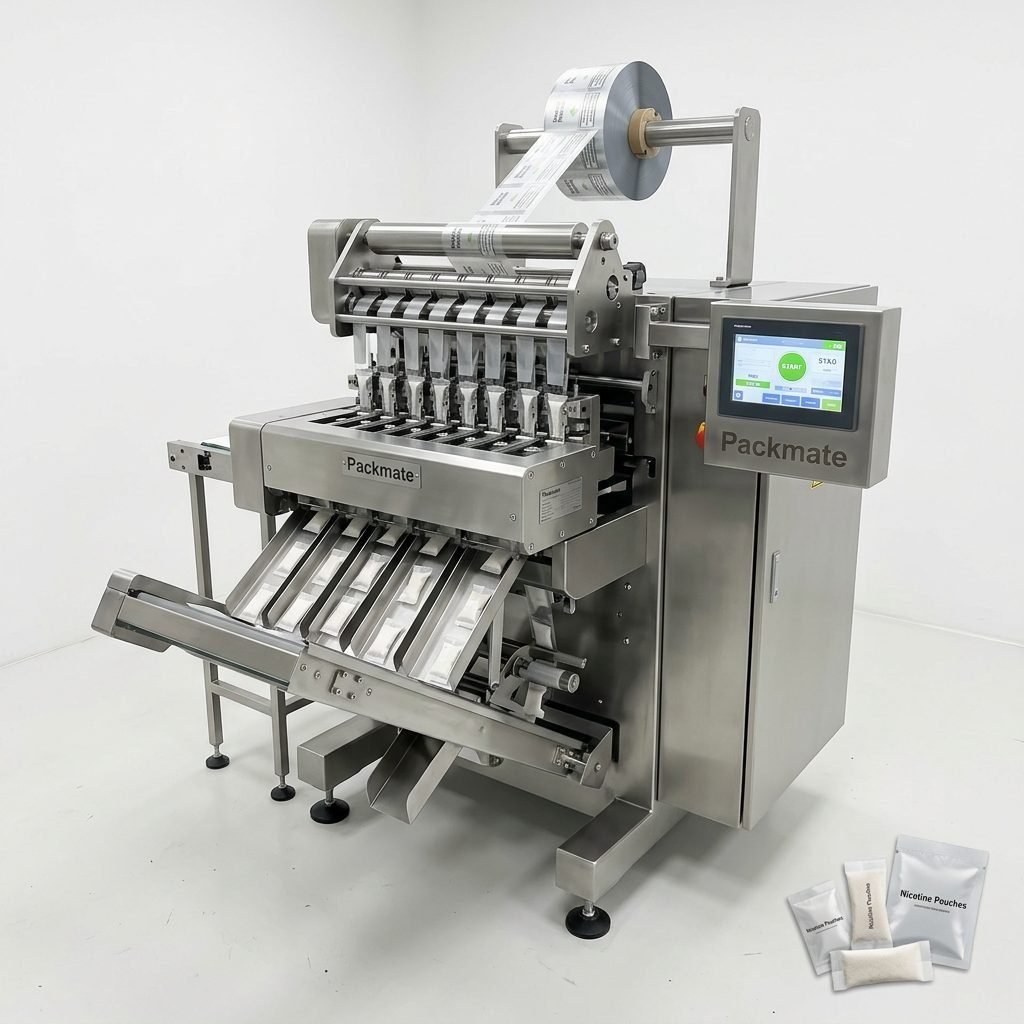
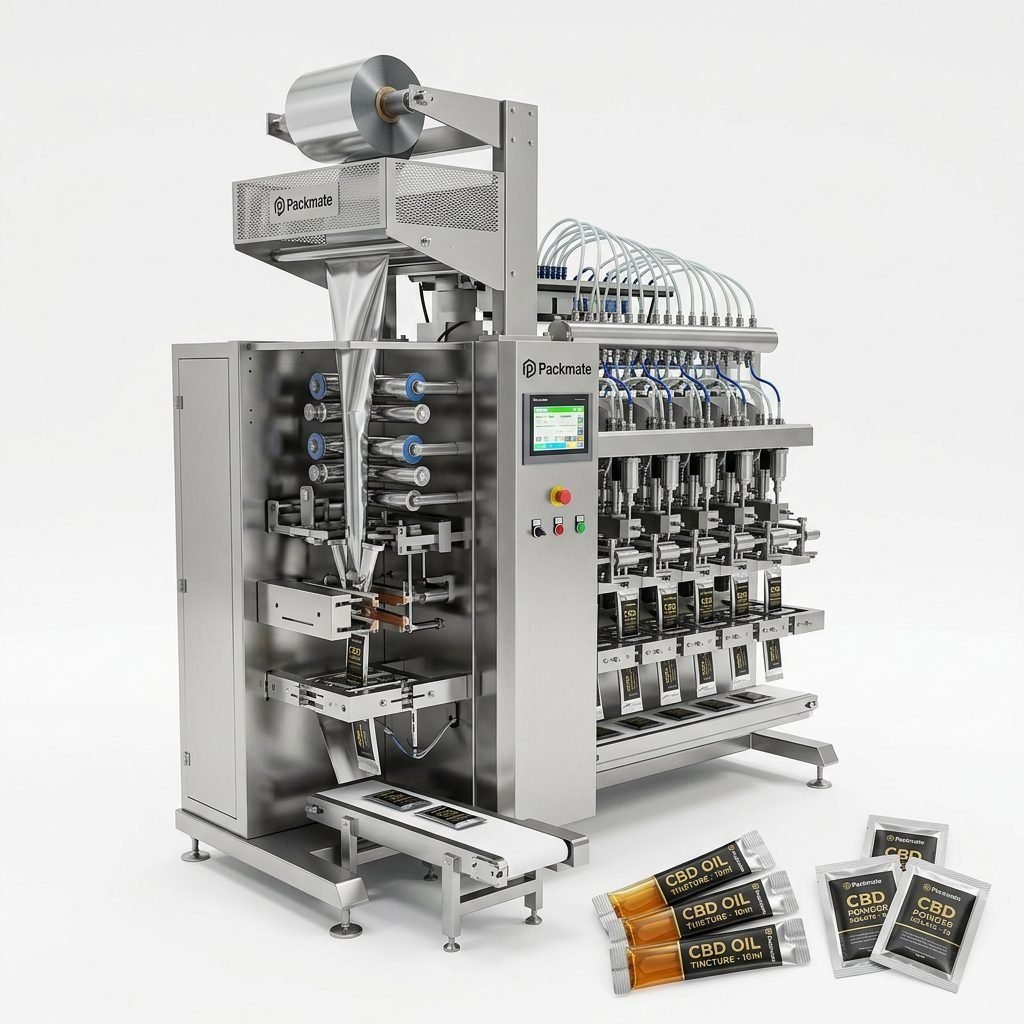
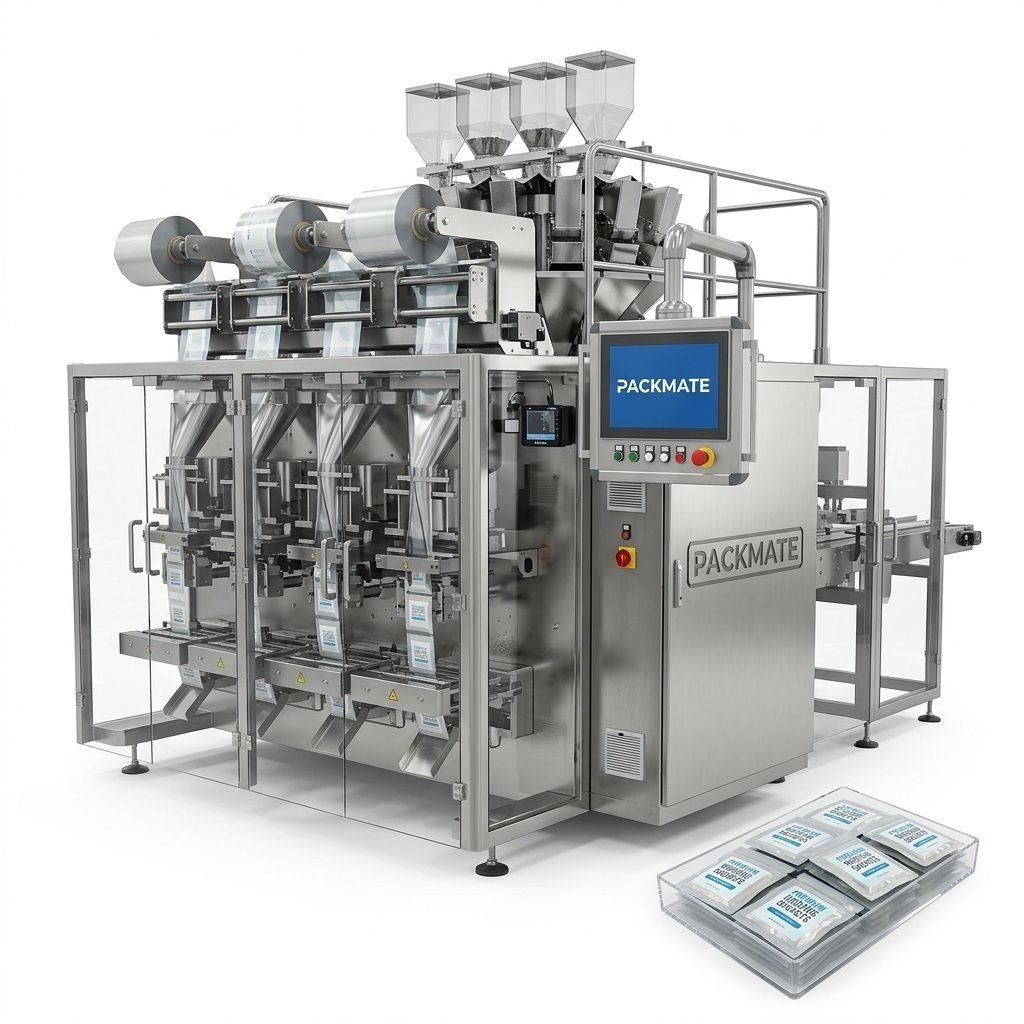
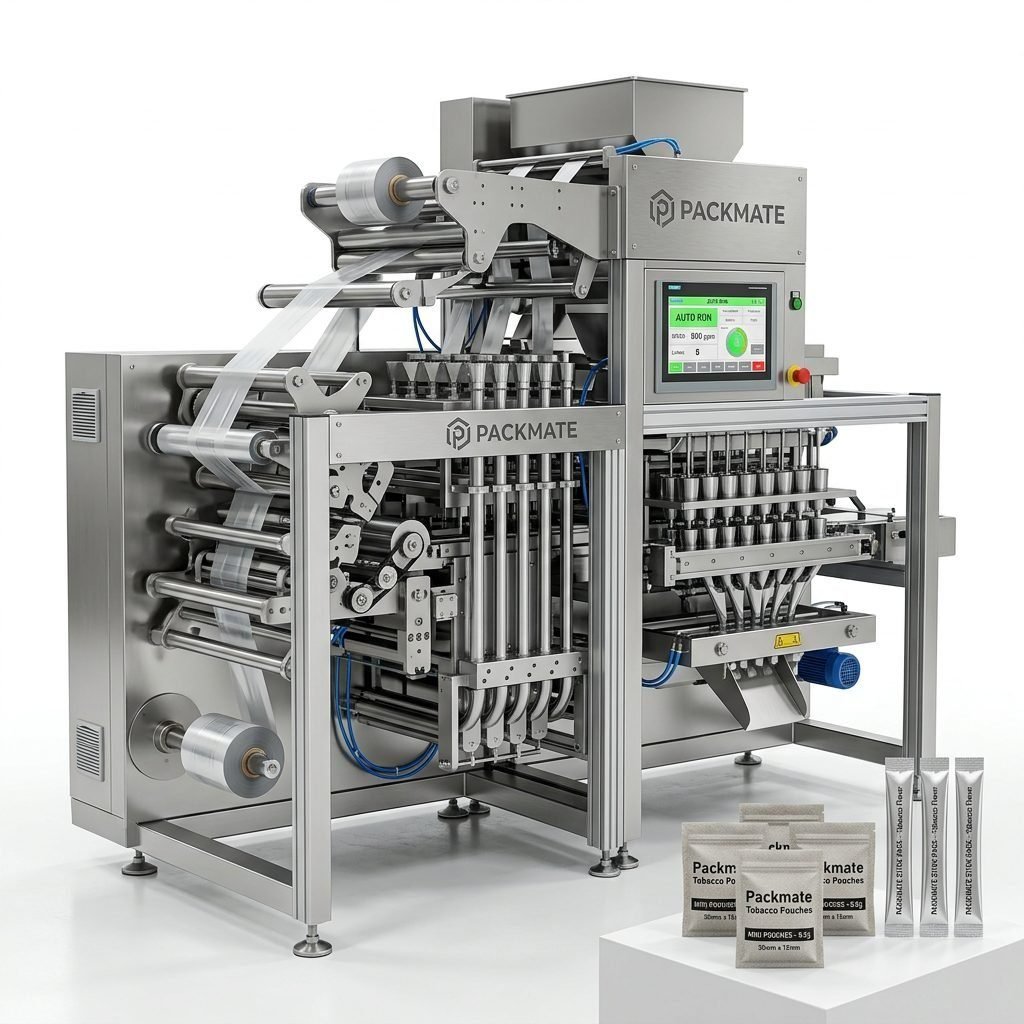
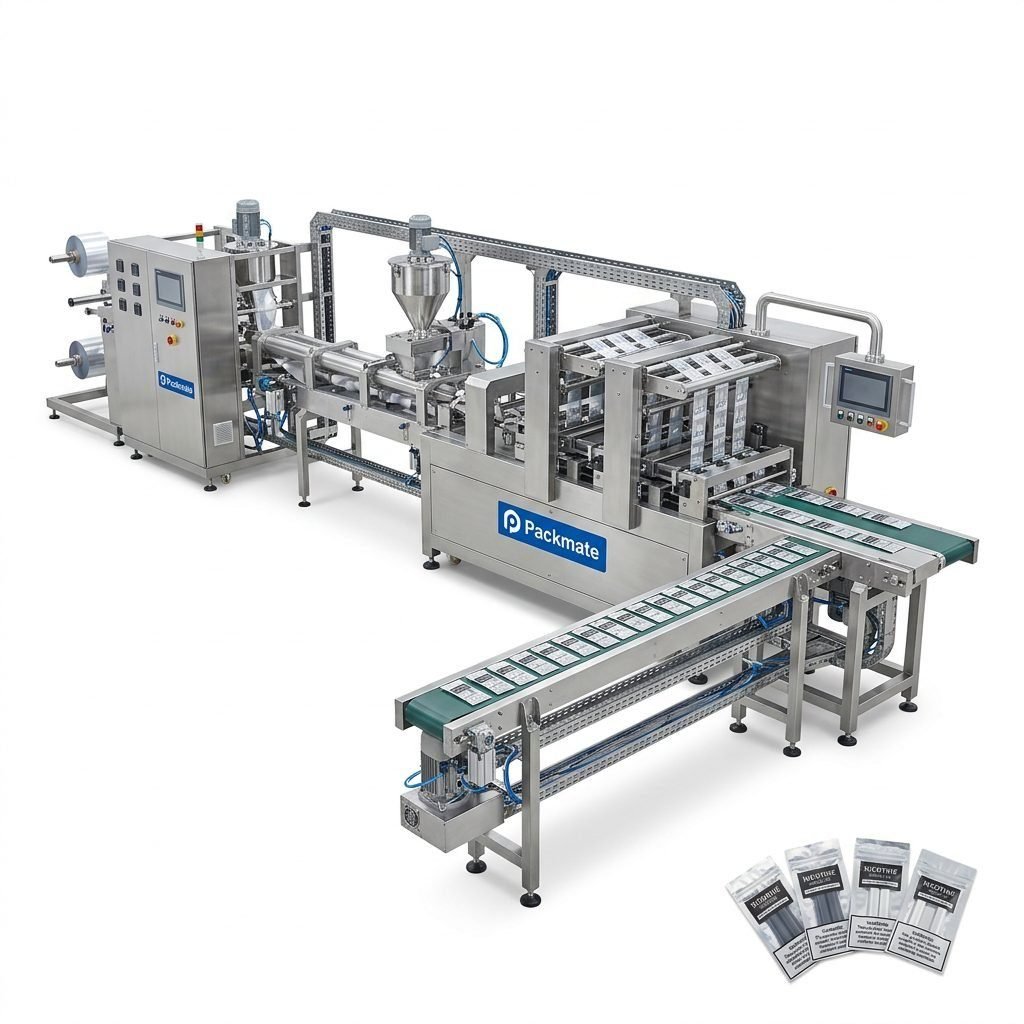
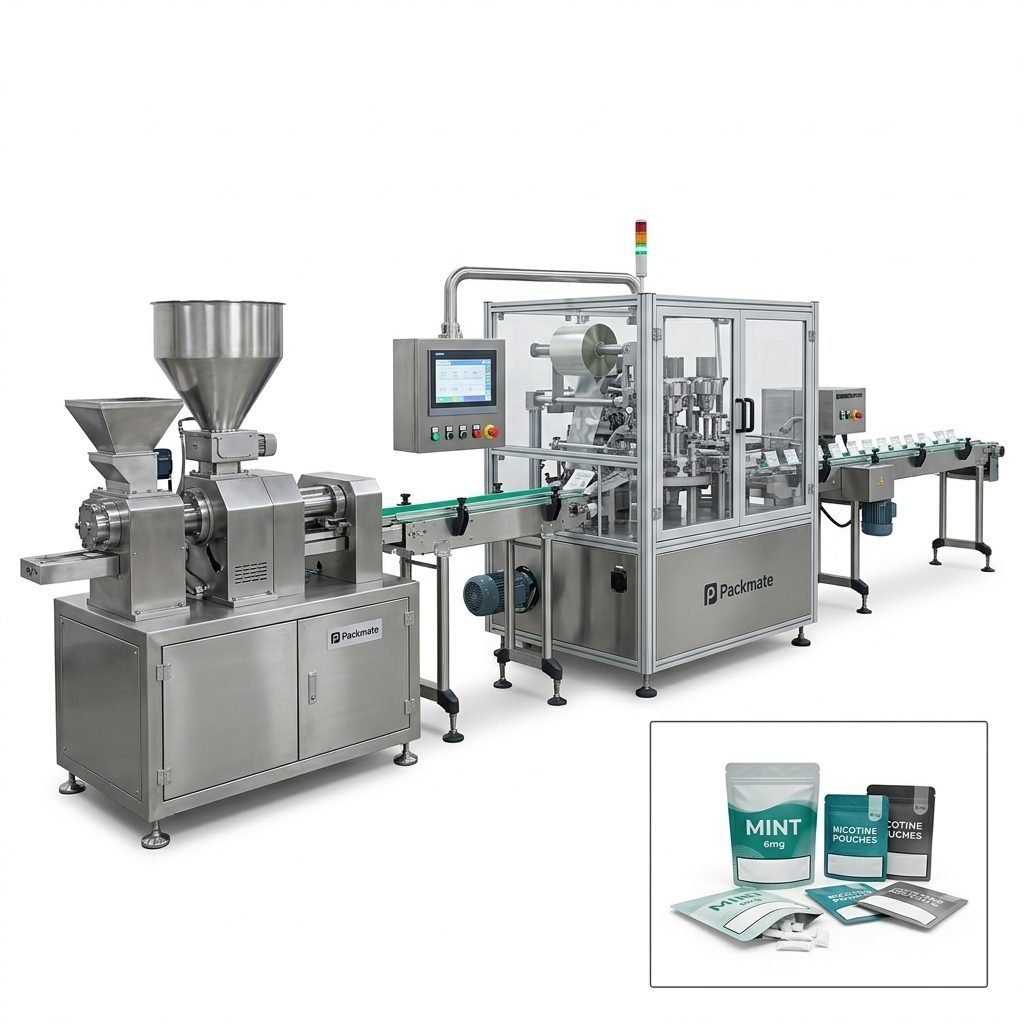
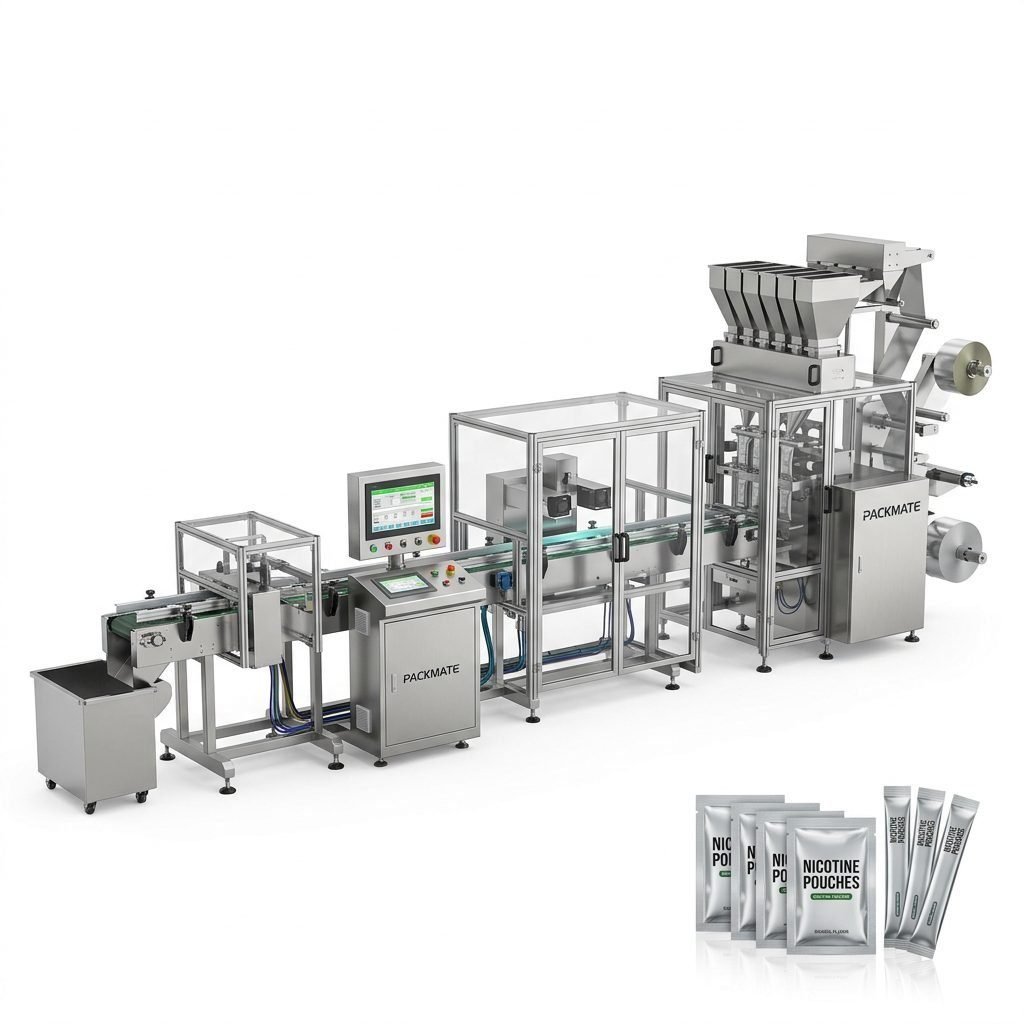
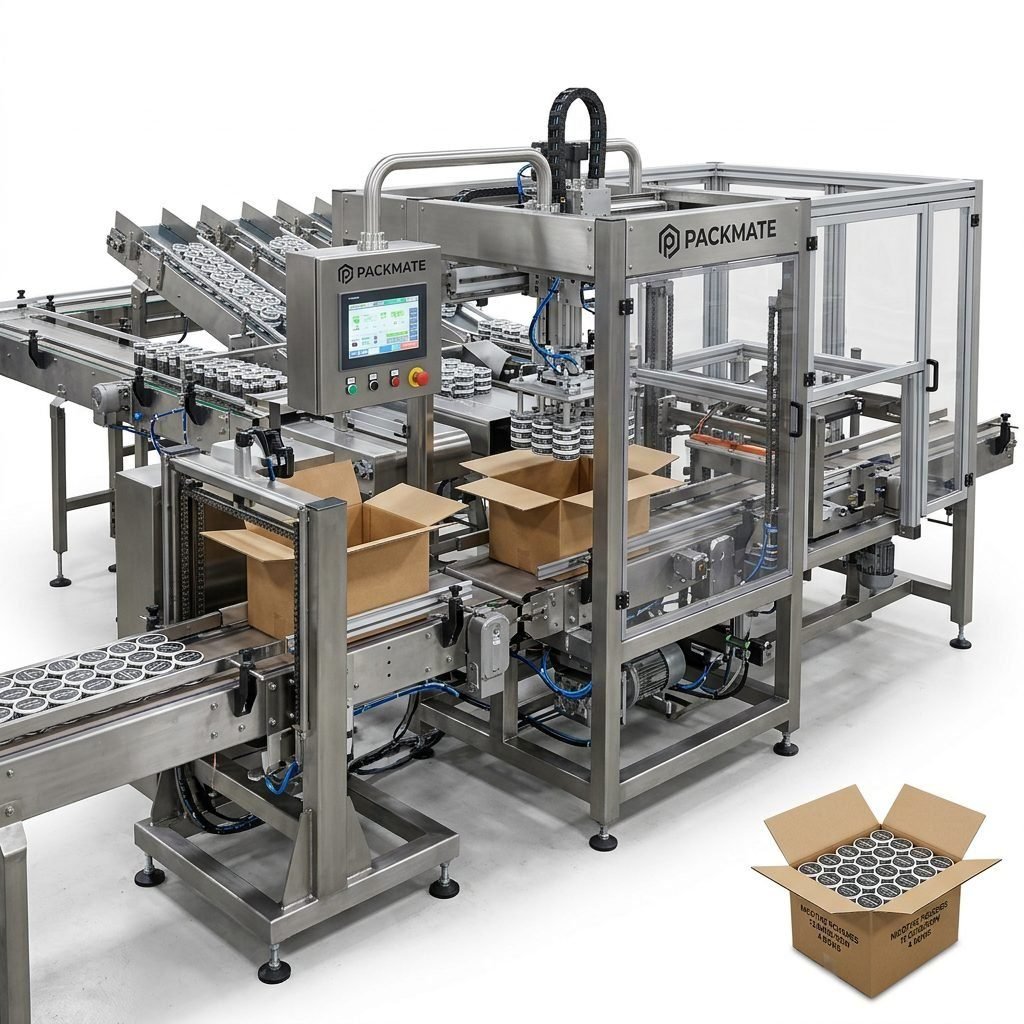
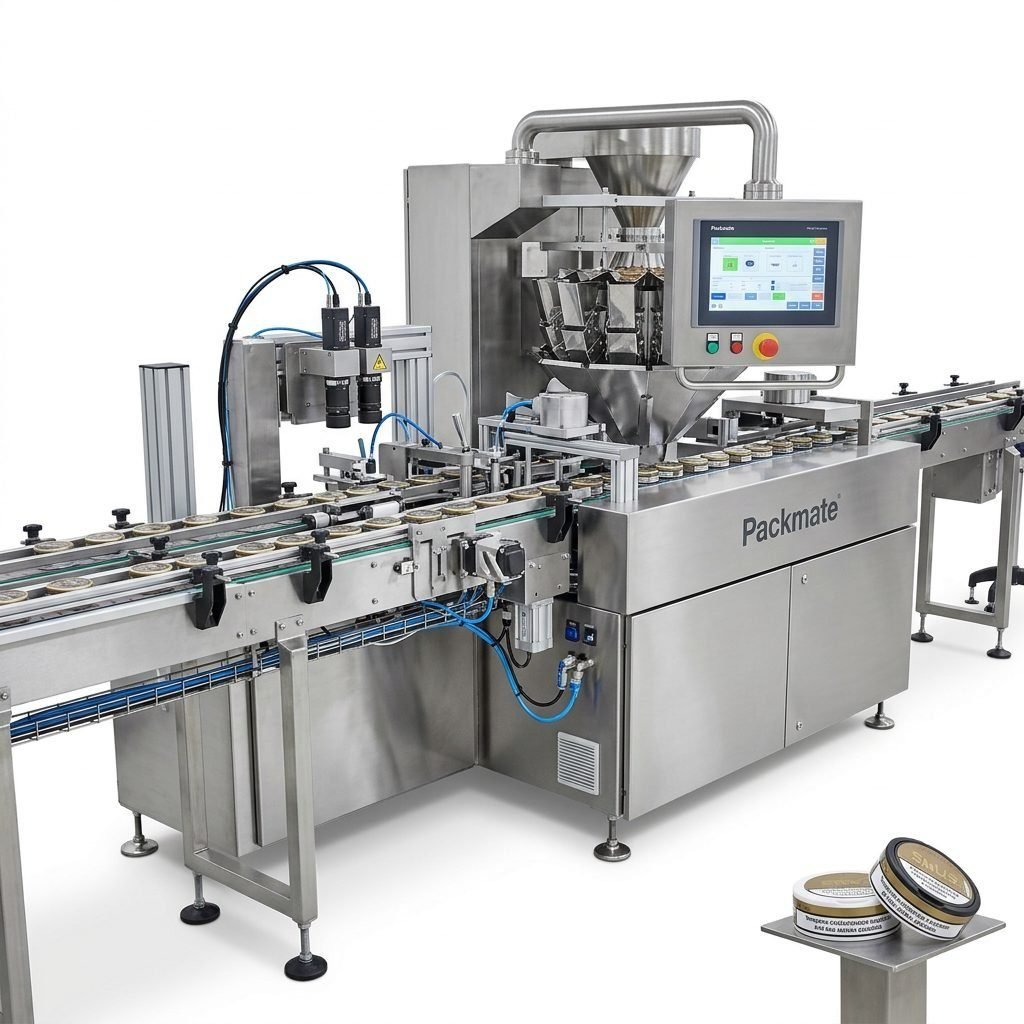
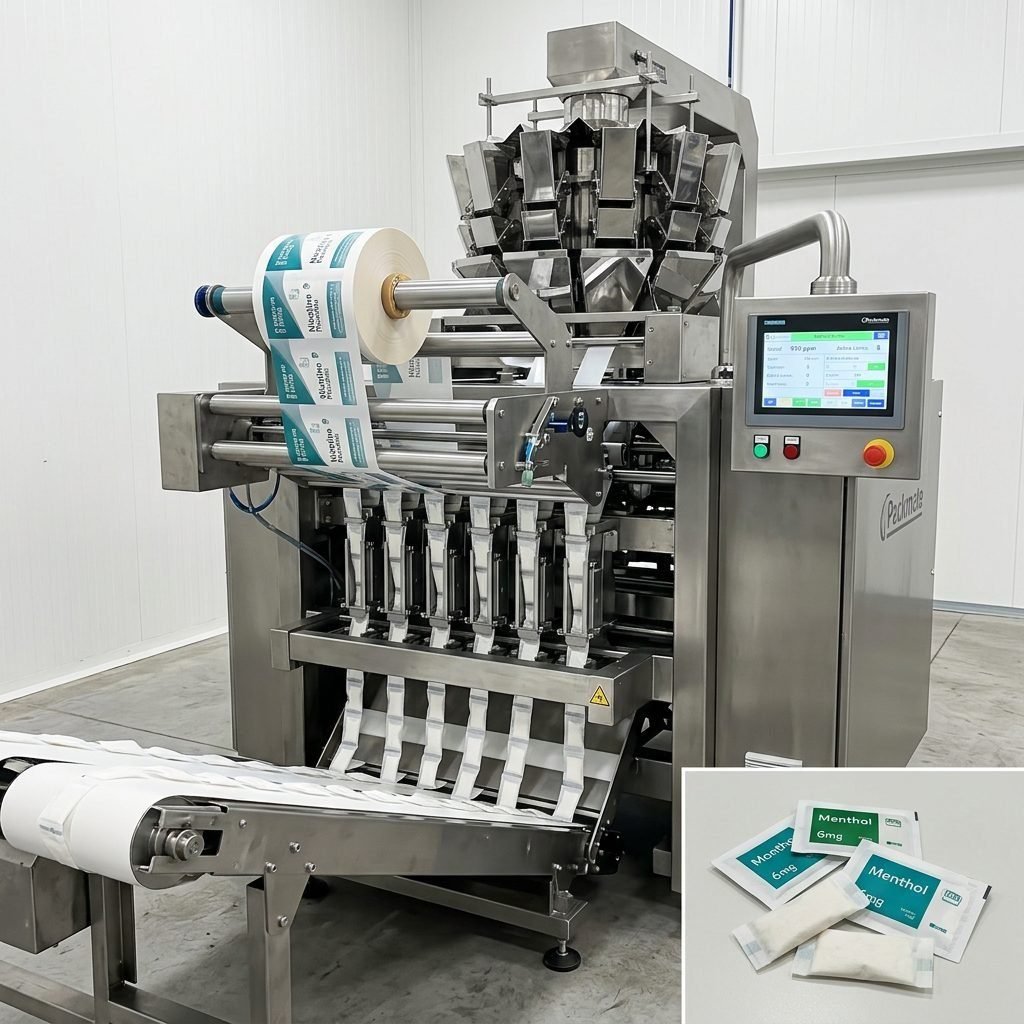
Choosing the right nicotine packaging machinery in Nigeria requires a balance of local market understanding, reliable engineering, and strict attention to safety and regulatory compliance. Whether you are launching a new nicotine pouch brand for urban consumers in Lagos or scaling production for distribution across West Africa, the right equipment can improve throughput, reduce waste, and protect worker safety. This guide walks you through practical steps, technical considerations, and cultural factors to help you make an informed decision for efficient, safe production.
Understand Nigerian Market Dynamics & Regulatory Context
Nigeria’s nicotine and tobacco-related product market is shaped by regional preferences, purchasing power, and evolving regulations. Manufacturers and packagers must keep an eye on federal guidelines, state-level restrictions, and labeling laws. Seek machinery vendors who can advise on local compliance and customization options for labels, languages, and health warnings commonly required in Nigeria.
Common operational hubs such as Lagos, Abuja and Port Harcourt present differing logistical advantages—proximity to ports, availability of technical support, and access to skilled labor. When choosing equipment, consider the location of your production site and the ability to receive rapid on-site service.
Cultural & Practical Considerations
Nigerian consumers value discreet, convenient packaging and strong branding. If your target audience prefers small-dose pouches or stick packs for on-the-go use, choose machines capable of producing consistent, compact packs. Also account for local climate conditions—humidity and heat can affect product stability and machine performance. Machines with robust sealing, humidity control accessories, and suitable packaging film options will protect product integrity under tropical conditions.
Key Selection Criteria: What to Evaluate
🔎 Throughput & Scale — Match machine capacity to your current production needs and expected growth. Investing in a modular multi-lane system can allow you to scale without replacing the core machine.
⚙️ Product Compatibility — Ensure the equipment handles the specific nicotine pouch format (loose pouches, sachets, stick packs or multi-lane strips), as well as the fill characteristics (powders, granules, wet blends).
🛡️ Safety & Hygiene — Machines should meet international safety standards and be easy to clean to minimize contamination risk.
🔧 Serviceability & Local Support — Choose suppliers offering remote diagnostics, local spares, or field engineers who can travel to Nigerian sites to minimize downtime.
Throughput, Speed & Line Configuration
Evaluate machines by nominal packs per minute and achievable uptime in real production conditions. For nicotine pouches, high-speed multi-lane machines can produce thousands of units per minute but require precise feeding and quality control systems. If your production will serve local markets only, a reliable single-lane machine might be more cost-effective and easier to maintain.
Consider end-to-end line integration: feeding systems, fillers, sealing units, checkweighers, and pack collating. Integrated weighing & packaging systems can dramatically reduce manual handling and improve final product consistency.
Product Quality & Packaging Flexibility
The ability to switch between pouch sizes, films, and pack formats is critical for brands that intend to offer multiple SKUs. Look for machines with quick-change tooling and recipe memory for shorter changeovers. For high-end brands focused on premium appeal, machines that support precise sealing, matte/gloss printing compatibility, and tamper-evident features are highly valuable.
Safety, Certifications & Local Compliance
Investing in equipment that already meets international certifications (e.g., CE, ISO) reduces regulatory friction and demonstrates a commitment to safety. Machines built to international standards are also easier to sell or upgrade later. Packmate Snus Machine provides equipment compliant with major international standards—important when you need predictable performance and a proven safety baseline.
Worker Safety and Training
Operator safety features such as guards, emergency stops, and clear lockout-tagout procedures are non-negotiable. Also plan for practical operator training—language-friendly manuals and local-language training sessions help Nigerian operators get machines running quickly and safely. Consider suppliers who provide extended training or remote assistance to support your team.
Total Cost of Ownership (TCO): More than Purchase Price
When evaluating machinery for Nigeria, calculate the total cost of ownership: purchase price, shipping and import duties, installation, local modifications, spare parts, energy consumption, and maintenance contracts. Cheaper machines can become costly if they require frequent repairs or spare parts that are difficult to import. A proven manufacturer with global service networks and available spares will save money over the machine’s lifetime.
📦 Shipping & Import Considerations — Factor in Nigeria Customs regulations, taxes, and preferred shipping ports. Machines arriving in Lagos may face different clearance timelines than those routed to eastern ports.
🔄 Spare Parts Availability — Make sure critical parts are stocked locally or can be shipped quickly.
Technical Features That Matter
Focus on technical specifications that ensure reliability and product quality:
🔧 Servo-driven controls for precise motion and reduced mechanical wear.
🔧 PLC and touch-screen HMI for easy recipe management and troubleshooting.
🔧 Modular multi-lane options to scale production without duplicating base equipment.
🔧 Quality inspection systems (vision checks, leak detection, metal detection) for regulatory compliance and consumer safety.
Automation & Industry 4.0 Readiness
Consider machines that support data logging, traceability, and remote monitoring. In Nigeria, where remote site visits can be costly, remote diagnostics and IoT-enabled predictive maintenance can decrease downtime and reduce service calls. Machines that integrate easily into ERP or MES systems are advantageous for larger manufacturers aiming for operational excellence.
After-Sales Support: The Local Advantage
After-sales service often determines whether a machine is a long-term asset or a recurring expense. Prioritize suppliers offering:
– Local or regional service partners familiar with Nigerian operations.
– Spare parts kits and availability guarantees.
– Remote support and field engineering visits.
– Training programs tailored to local staff.
For more information about available machines and support services, explore product options like Snus & Nicotine Packaging Machines and integrated filling & packaging lines.
Factory Acceptance Testing & Installation
Insist on factory acceptance testing (FAT) and site acceptance testing (SAT) before final handover. FAT confirms machine performance under simulated production conditions, while SAT verifies correct installation and operation at your Nigerian site. A clear FAT/SAT protocol reduces surprises and speeds up commissioning.
Practical Steps to Make the Right Purchase
1) Define your product specs: pouch size, fill type, packing material, and SKUs.
2) Audit your facility: utilities, space, environmental controls, and staffing.
3) Request references and case studies from suppliers—look for similar deployments in Africa or tropical climates. Packmate’s global case history can be a helpful reference when evaluating proven solutions. See their case page for examples: Case.
4) Compare total cost of ownership, not just the initial quotation.
5) Confirm spare parts lead times and warranty conditions, and negotiate a service agreement.
✅ Tip: If your business will introduce multiple product formats, prioritize machines with quick-change tooling and multi-format recipes. This flexibility shortens downtime between runs and improves ROI.
Common Pitfalls & How to Avoid Them
• Underestimating environmental controls: humidity and temperature variations in Nigeria can affect sealing quality and product stability—choose humidity-tolerant packaging films and climate controls.
• Ignoring operator training: machines are only as good as the people who run them. Invest in hands-on training and simple, translated manuals.
• Choosing the cheapest option: low-cost machines may lack precision, spare parts availability, or durability. Evaluate vendors with a documented track record such as Packmate and confirm international compliance.
Where to Find Trusted Equipment & Support
Look for manufacturers with decades of experience and a global service network. Packmate Snus Machine offers specialized lines for nicotine pouch production, including multi-lane systems and complete automated solutions. Learn more about the company and its mission at About Packmate, and contact their team via Contact Us for tailored proposals.
Choosing Between New & Refurbished Equipment
New machines provide warranty, modern controls, and easier spare parts sourcing. Refurbished machines can offer lower upfront costs but may present higher long-term risks unless refurbished by a reputable supplier with documented refurb work and support. When in doubt, choose vendors who can demonstrate testing, certifications, and on-site support.
Final Checklist Before Purchase
🔲 Machine meets required capacity and product compatibility.
🔲 Certifications (CE/ISO) and safety features verified.
🔲 Spare parts lead times acceptable for Nigerian operations.
🔲 Supplier provides FAT/SAT, training, and service agreements.
🔲 Total cost of ownership evaluated and budget approved.
Conclusion
Selecting the right nicotine packaging machinery for Nigeria is a strategic decision that impacts product quality, regulatory compliance, and operational efficiency. Prioritize machines that combine robust engineering, flexibility, and strong after-sales support. Work with experienced manufacturers and request real-case references to ensure smooth installation and reliable performance in tropical climates and dynamic Nigerian markets.
Frequently Asked Questions
Q1: How do I know what machine throughput I need for the Nigerian market?
A1: Estimate initial demand, factor in growth over 2–3 years, and consider peak production needs. Choose a machine with scalable options (multi-lane or modular upgrades) so you can increase capacity without full replacement.
Q2: Are there local service providers in Nigeria for snus/nicotine packaging machines?
A2: Many global manufacturers partner with regional service centers or offer remote support. Confirm spare parts availability and local field engineer options before purchase. Suppliers like Packmate provide global support and case studies demonstrating international deployments.
Q3: What environmental controls are necessary for nicotine pouch packaging in Nigeria?
A3: Control humidity and temperature in the packaging area, use proper sealing films, and ensure machine components are resistant to tropical conditions. Consider dehumidifiers and climate-controlled packing rooms for optimal results.
Q4: Should I opt for a fully integrated filling and packaging line?
A4: Fully integrated lines reduce manual handling and improve consistency, but require higher initial investment. If your production plans involve multiple SKUs and high throughput, integrated lines are usually the best long-term choice.
Q5: Where can I view machine specifications and request a quote?
A5: Visit product sections for detailed specs and contact forms such as Sachet & Stick Pack Machines and Bag & Pouch Packaging Machines to request tailored information and quotes.