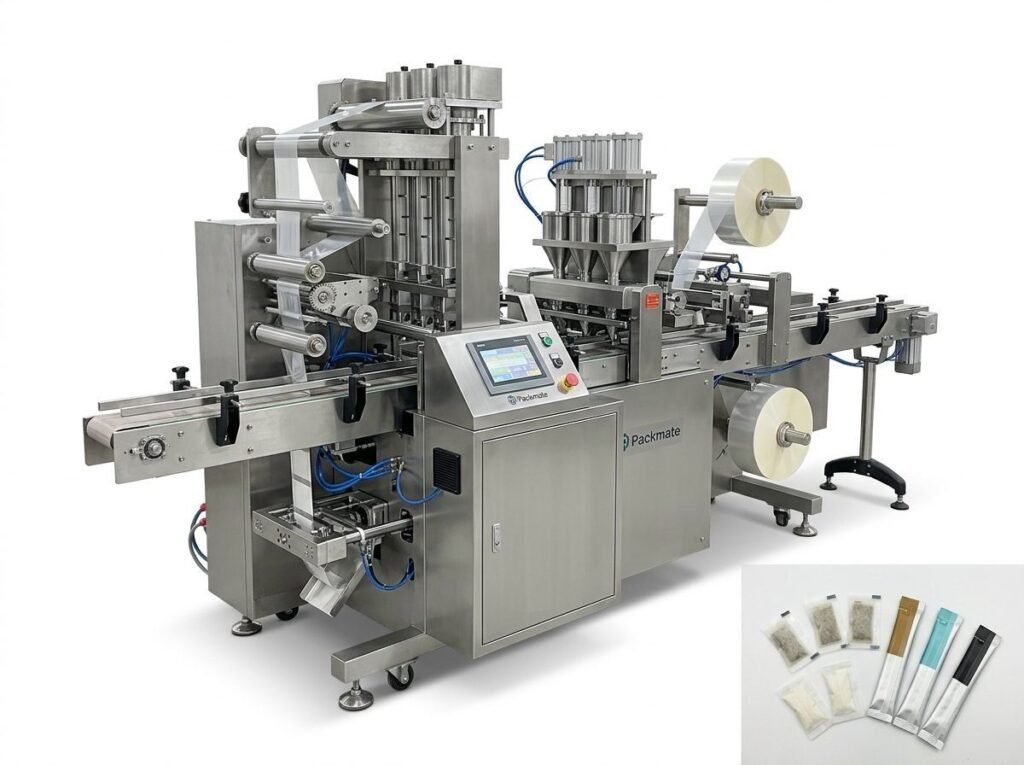
Choosing the right snus production line is one of the most important decisions for any business entering or expanding in the nicotine pouch and snus market. From daily throughput and pouch format to automation level, hygiene standards and long-term service, each factor influences your operating costs, product quality and time-to-market. This guide walks you through practical considerations and purchasing steps to help you select the best snus production line for your business goals.
Why a Dedicated Snus Production Line Matters
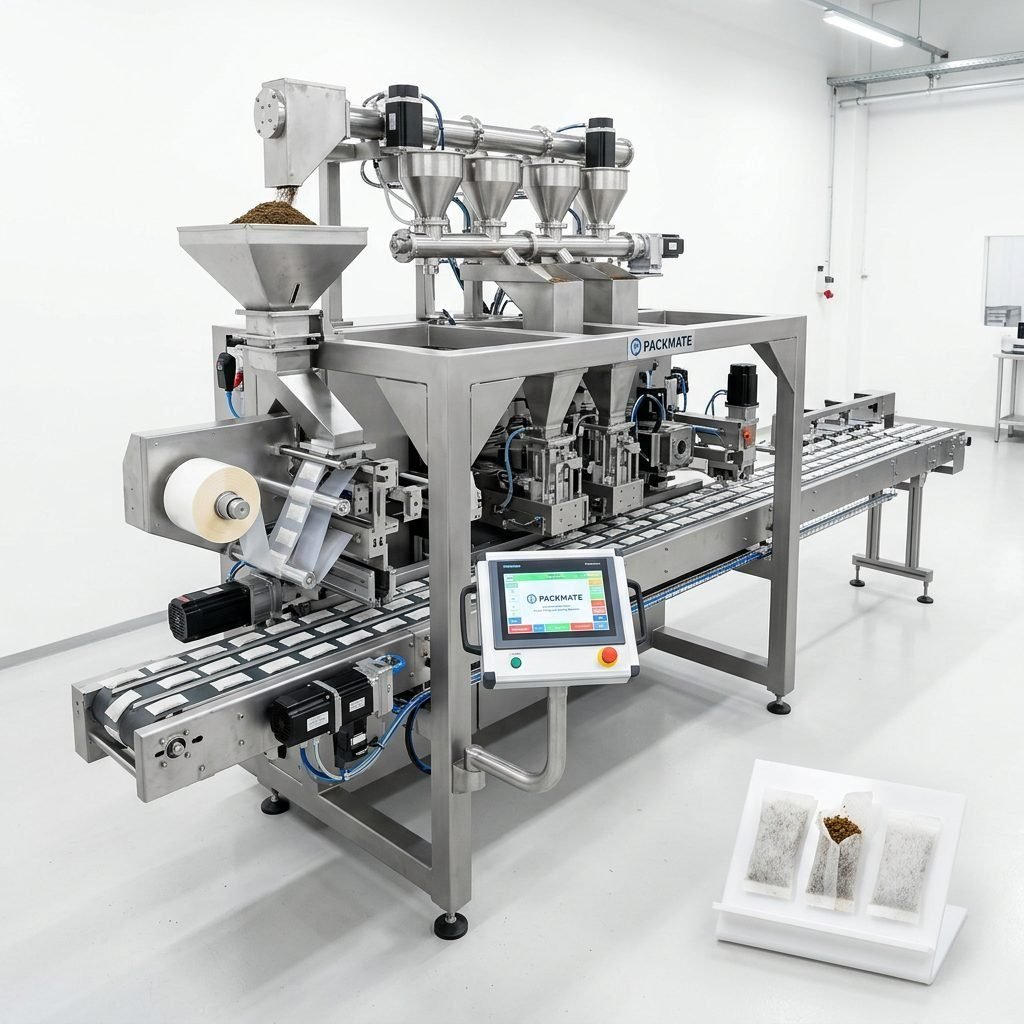
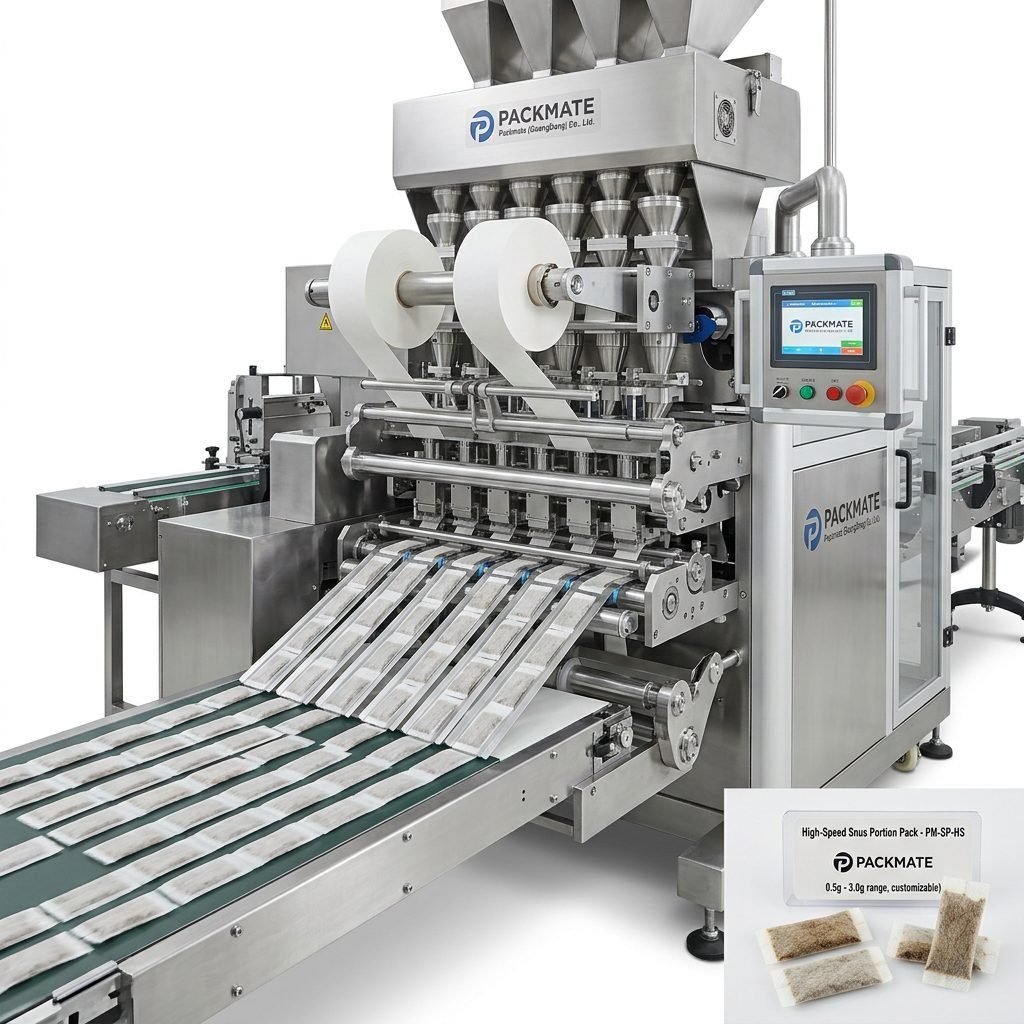
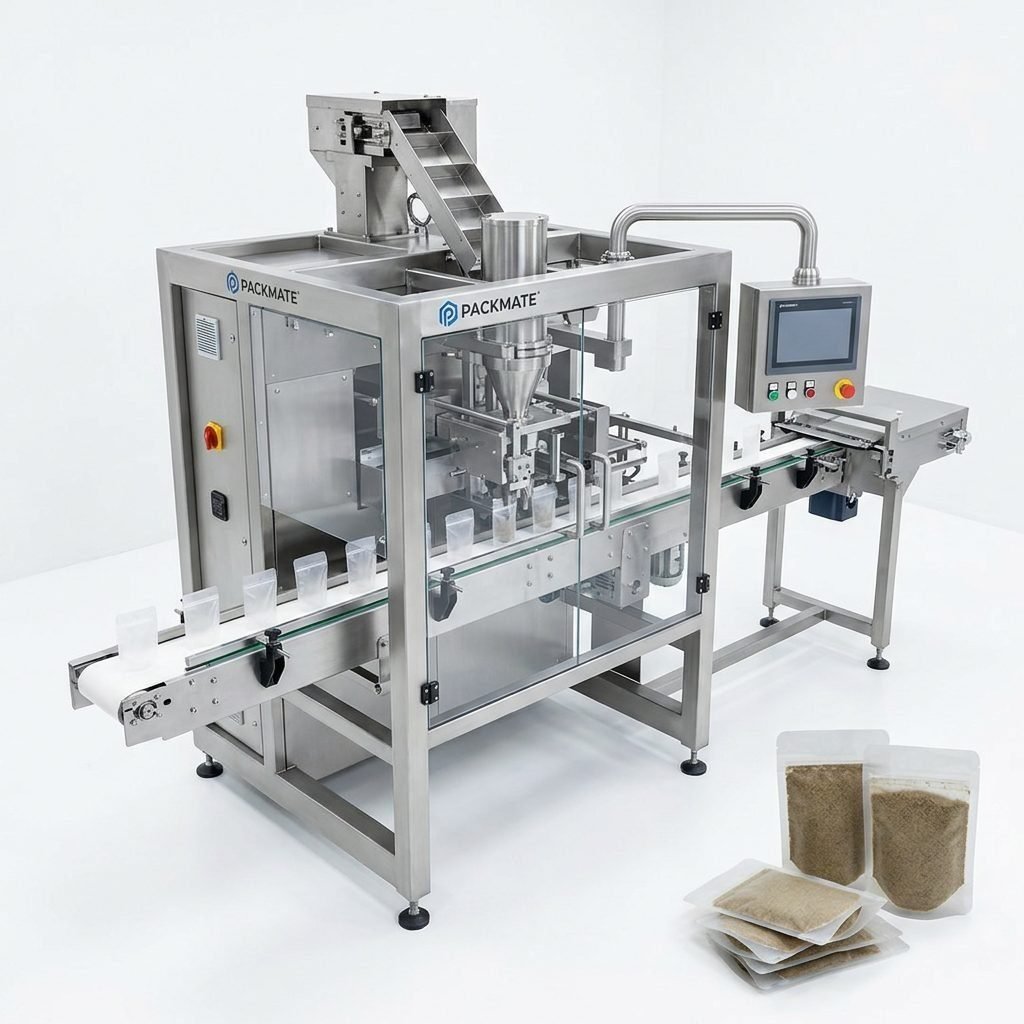
A dedicated snus or nicotine pouch line is engineered for consistent dosing, precise pouch forming and stable sealing — features that generic packaging machines cannot reliably provide. The right line reduces waste, improves product consistency, and enables compliance with international standards. Leading manufacturers, such as Packmate, offer multi-lane systems and turnkey lines that cater specifically to small-dose pouch production and high-speed operations.
Key Benefits
Faster time-to-market through pre-engineered solutions, reduced production variability via precision dosing, and lower labour costs thanks to automation. These benefits make the initial investment worthwhile for medium to large scale producers.
Understand Different Packaging Formats & Machines
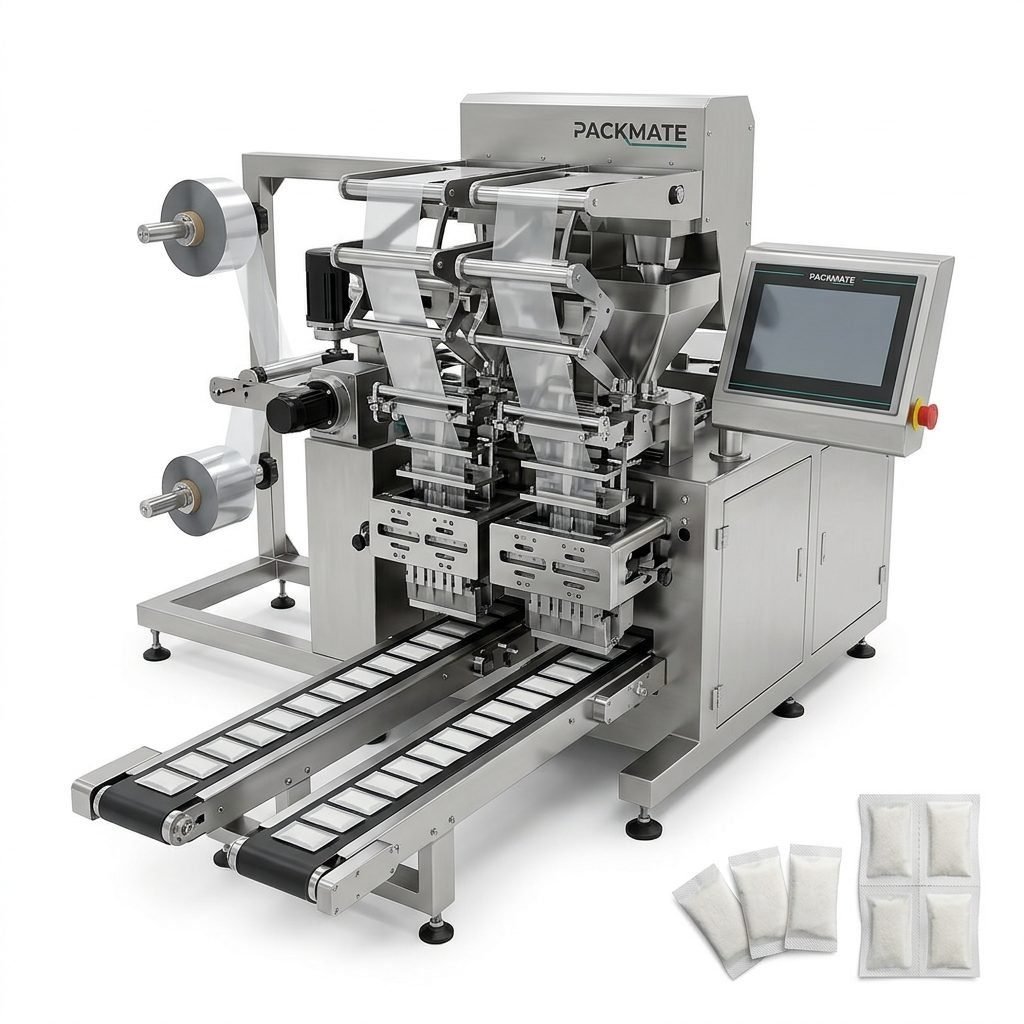
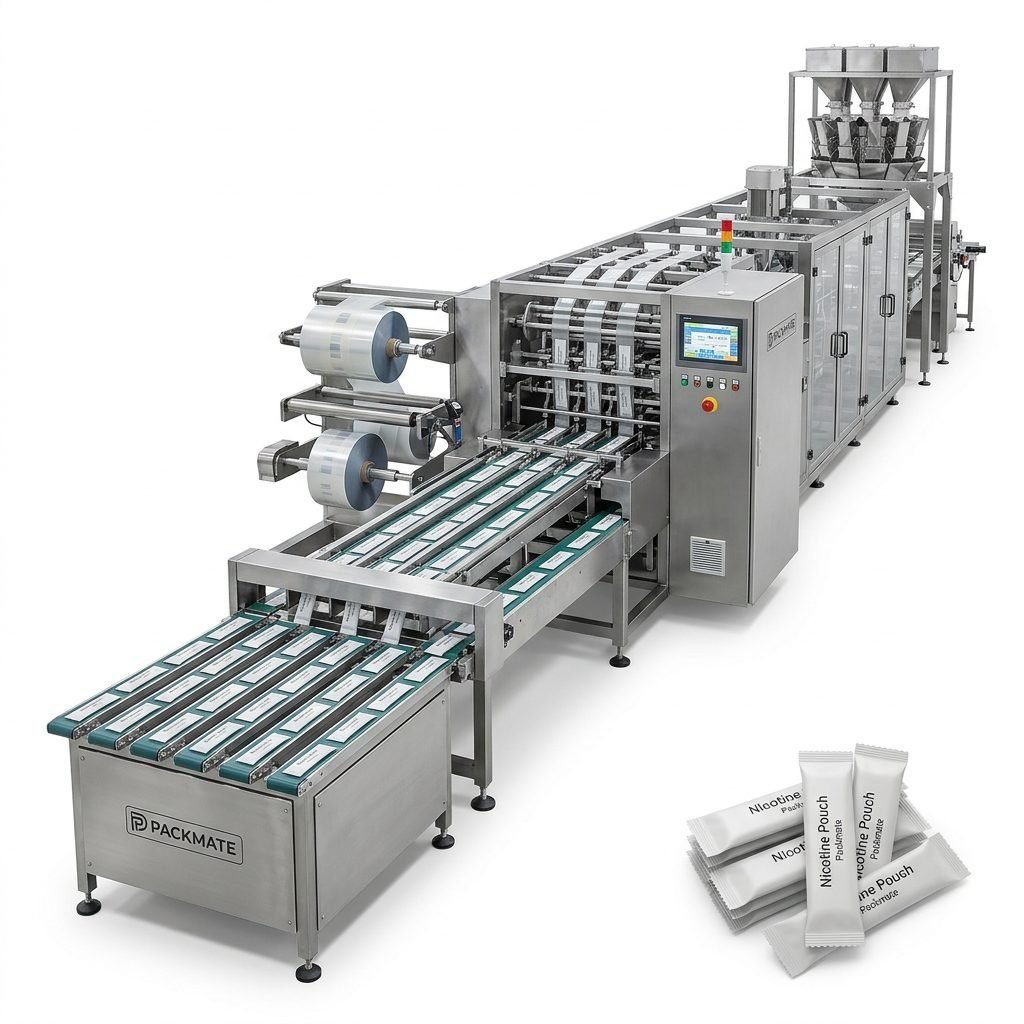
Snus and nicotine pouches can be produced in various formats: sachets, stick packs, round pouches, and multi-lane small-dose pouches. Each format requires specific machine capabilities — for example, multi-lane sealing heads for small-dose pouches or precise stick pack forming systems for elongated sachets. Before choosing a line, map your product formats and expected SKUs.
🔹 Recommended product pages for specification checks:
Snus & Nicotine Packaging Machines,
Sachet & Stick Pack Machines,
Filling & Packaging Lines.
Primary Machine Types
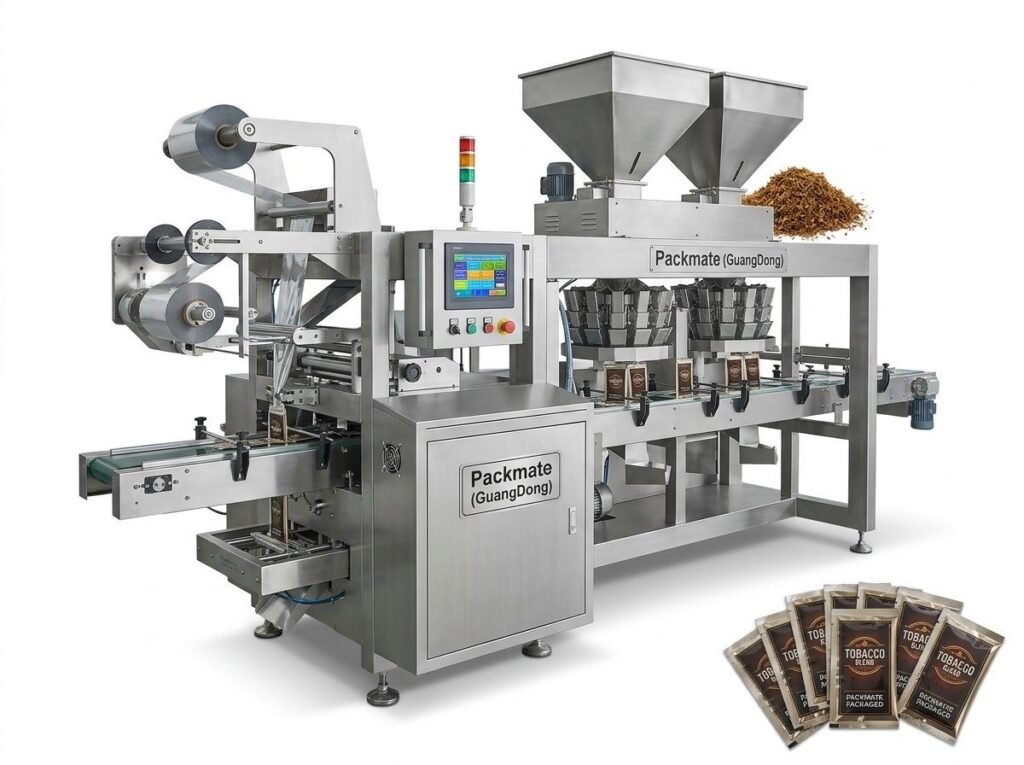
– Form-fill-seal machines for pouch and sachet production
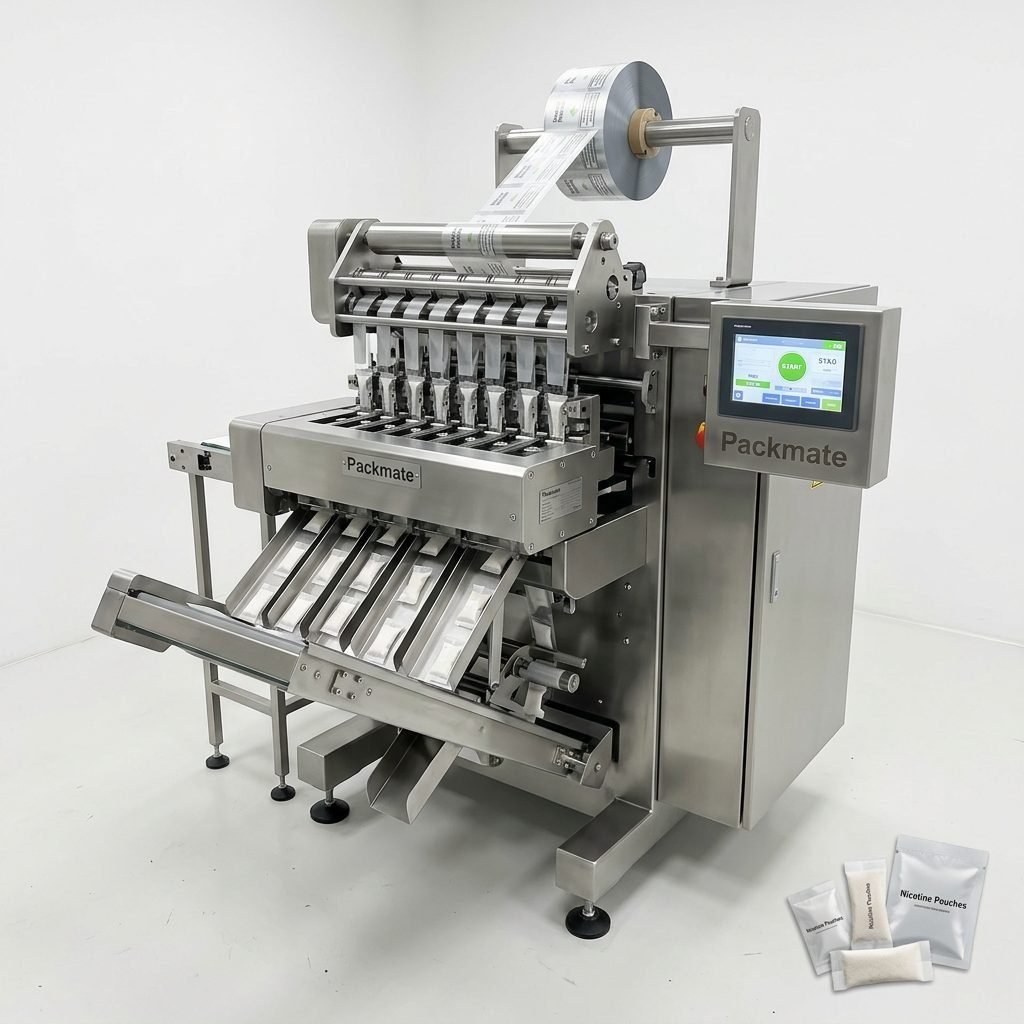
– Multi-lane small-dose machines for high-speed nicotine pouches
– Stick pack machines for elongated format pouches
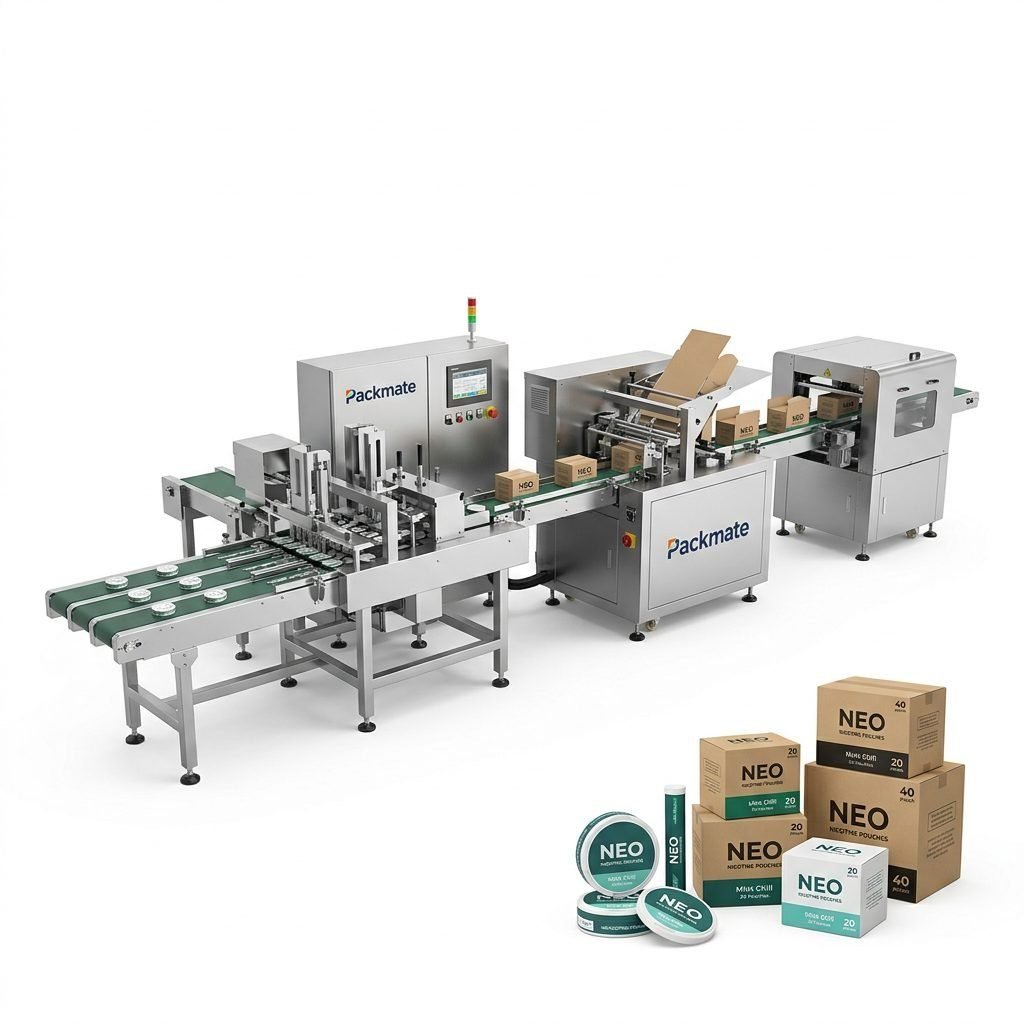
– Auxiliary systems: feeders, metal detectors, checkweighers and cartoning equipment
Production Capacity & Scalability
Accurately forecasting capacity requirements helps avoid costly over- or under-investment. Consider current demand, planned growth and SKU complexity. If demand is expected to scale quickly, choose a modular line that supports adding lanes or machines without replacing the entire system.
How to estimate capacity
Calculate yearly production targets, convert to daily operating hours and target pouch/minute. Factor in maintenance windows and SKU changeover downtime. A multi-lane machine (e.g., 6–12 lanes) can dramatically increase output without increasing footprint.
Automation Level and Customization
Decide whether you need a fully automated turnkey line or a semi-automated setup. High automation reduces labour dependence and improves consistency, but requires higher upfront capital. Customization options include dosing systems for powder, granules or liquid, lane count, pouch shapes and integrated secondary packaging.
⚙️ Tip: If your product range includes both powder and liquid nicotine carriers, look for lines with interchangeable dosing modules to save future upgrade costs.
Customization Considerations
– Product handling features (anti-dust, controlled feeding)
– PLC and HMI options for recipe storage and fast changeovers
– Material options for contact parts (316L stainless steel for food/pharma-grade)
Materials, Hygiene and Regulatory Compliance
Hygiene is crucial for nicotine pouch manufacturing. Choose machines made of corrosion-resistant stainless steel with smooth surfaces for easy cleaning. Verify that the supplier can provide compliance documentation and machine features required by your target markets.
Certificates and Standards
Look for CE and ISO adherence, traceable manufacturing records, and validation support. A reputable supplier will assist with machine documentation and testing. You can review the manufacturer’s credentials on their company page to confirm experience and certifications.
Visit About Packmate for company background and manufacturing qualifications.
Factory Capability & Deliverability
A manufacturer’s workshop size, machining capacity and QA systems are reliable indicators of delivery capability. Companies with advanced CNC centers and a dedicated assembly area are better positioned to deliver complex custom lines. Packmate’s facility, for example, spans 20,000㎡ and offers precision assembly and multiple machine models to choose from.
On-Site Visits and Factory Acceptance Tests
Arrange a factory visit or a remote FAT (Factory Acceptance Test) to witness machine performance. FATs provide confidence around dosing accuracy, sealing integrity and actual production speeds using your product. Review the supplier’s case studies and exhibition presence to assess real-world performance.
Service, Spare Parts and Long-Term Support
After-sales support determines uptime. Ask about spare parts availability, remote troubleshooting, training and preventive maintenance plans. A manufacturer with global service networks will minimize downtime when problems occur.
📦 Check the supplier’s service page and documentation: Service and ensure spare parts lead times are acceptable.
Installation & Commissioning
Installation support is critical for complex lines. Confirm whether commissioning is included, the duration of on-site support, and whether operator training is part of the package. This reduces the learning curve and accelerates production start-up.
Total Cost of Ownership & ROI
Evaluate not just capital cost but total cost of ownership (TCO): energy consumption, maintenance, spare parts, labour savings and expected product yield. A higher initial investment in automation can pay back quickly through lower variable costs and fewer product rejects.
Financing & Lead Times
Ask about lead times, deposit schedules and potential financing options. Lead time depends on customization level; standard models ship faster than fully customized turnkey lines.
Practical Checklist Before Purchase
✔ Production targets: annual & daily throughput, SKUs, changeover times.
✔ Quality needs: sealing strength, dosing accuracy, material compatibility.
✔ Compliance: CE/ISO certificates and traceability documentation.
✔ Service: spare parts, commissioning, training and remote support.
✔ Factory test: FAT with your product and final acceptance criteria.
Selecting a Reliable Supplier
A supplier’s track record, model variety and international installations are key indicators. Review client case studies and exhibition demonstrations to validate claims. Look for companies that provide comprehensive lines (filling, weighing, packaging and auxiliary equipment) which simplifies integration.
For examples of integrated lines and real-world installations, explore manufacturer case pages or attend exhibitions where live demonstrations are held.
Reference Links
Learn more about complete packaging solutions and product lines: Snus & Nicotine Packaging Machines, Sachet & Stick Pack Machines, and Filling & Packaging Lines. Company background can be found at About Packmate.
Final Buying Tips
– Get multiple quotations and detailed scope comparisons.
– Prioritize suppliers who offer FAT and comprehensive documentation.
– Consider modular designs for future expansion.
– Negotiate spare parts kits and initial consumables as part of your purchase.
Decision Flow at a Glance
1) Define product formats and target capacity → 2) Shortlist machine types → 3) Request FAT with your material → 4) Confirm certifications and service terms → 5) Finalize contract and commissioning plan.
Summary
Choosing the best snus production line requires balancing capacity needs, product formats, automation level and regulatory compliance. A trusted supplier with strong factory capabilities and a comprehensive service offering will reduce your operational risk and speed up time-to-market. Conduct FATs, validate machine performance with your product and ensure spare parts and training are part of the purchase.
Frequently Asked Questions
Q1: What production speeds can I expect from a multi-lane snus line?
A: Speeds depend on lane count and product format; multi-lane small-dose machines can deliver very high throughput (thousands of pouches per minute aggregated across lanes). Request FAT data for exact numbers.
Q2: Are customization and material validation supported during purchase?
A: Reputable manufacturers provide customization, material compatibility tests and sample runs during FAT to ensure dosing accuracy and sealing performance with your specific product.
Q3: What certifications should I check for the machine supplier?
A: Ensure CE and relevant ISO certifications are available, and verify documentation for material traceability and QA processes.
Q4: How important is after-sales service and spare parts availability?
A: Critical. Fast access to spare parts and knowledgeable remote/onsite support greatly reduces downtime and protects production continuity.
Q5: Can I expand capacity later without replacing the entire line?
A: Many modern lines are modular and allow adding lanes or auxiliary equipment to increase throughput — confirm modularity before purchase.