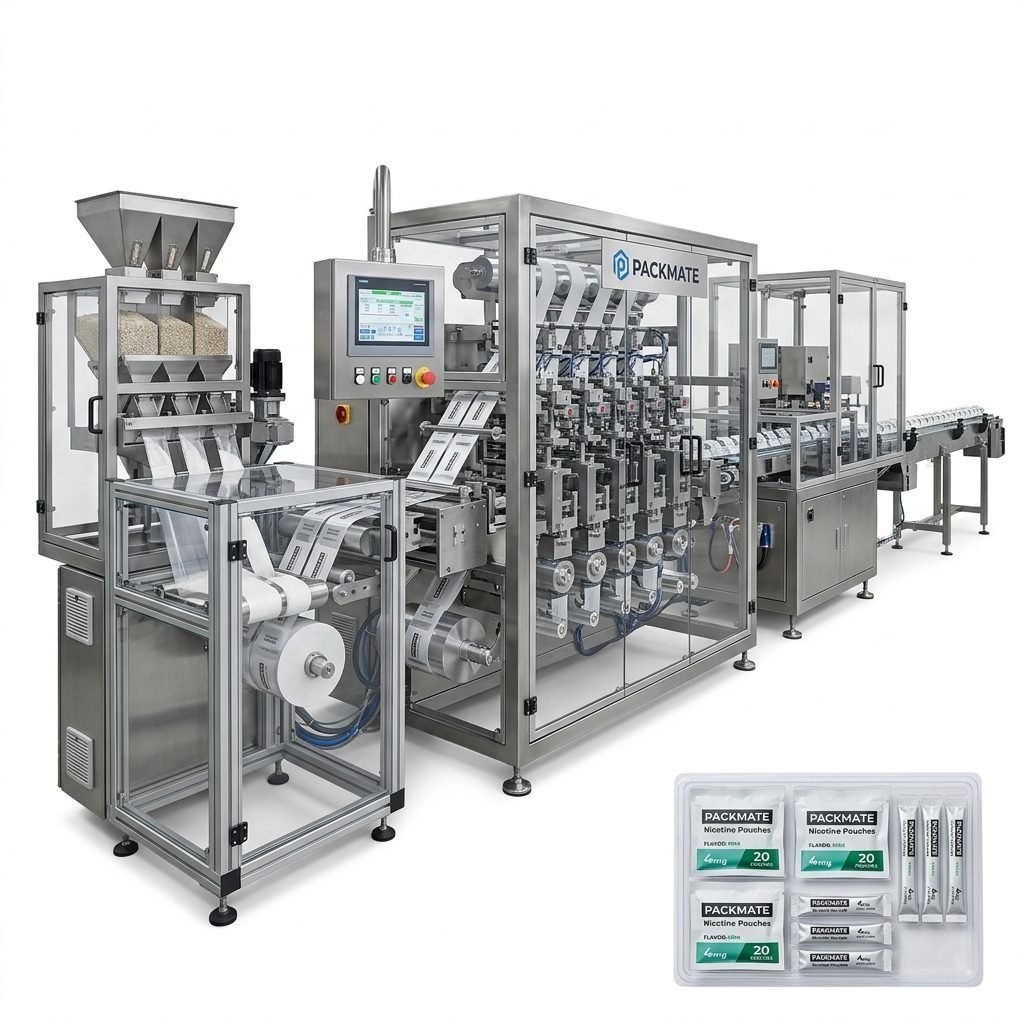
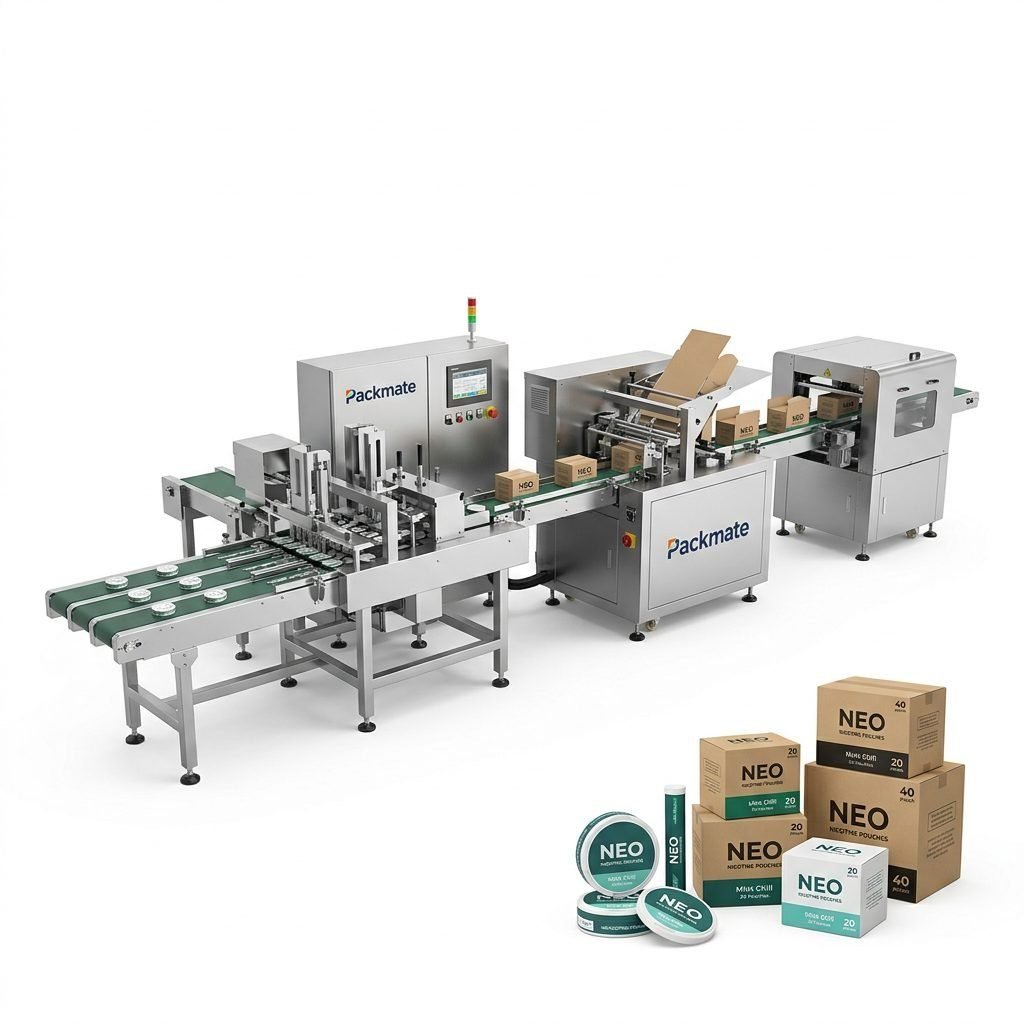
Entering the nicotine pouch and snus market in Honduras requires more than a great product concept — it demands a reliable packaging partner. Choosing the right manufacturer for nicotine packaging machines is a strategic decision that influences product quality, regulatory compliance, production efficiency, and long-term cost of ownership. This guide outlines practical criteria and step-by-step considerations to help brands, distributors, and plant managers in Honduras find the best nicotine packaging machine manufacturer for their needs.
🔍 Understand Your Product and Production Goals
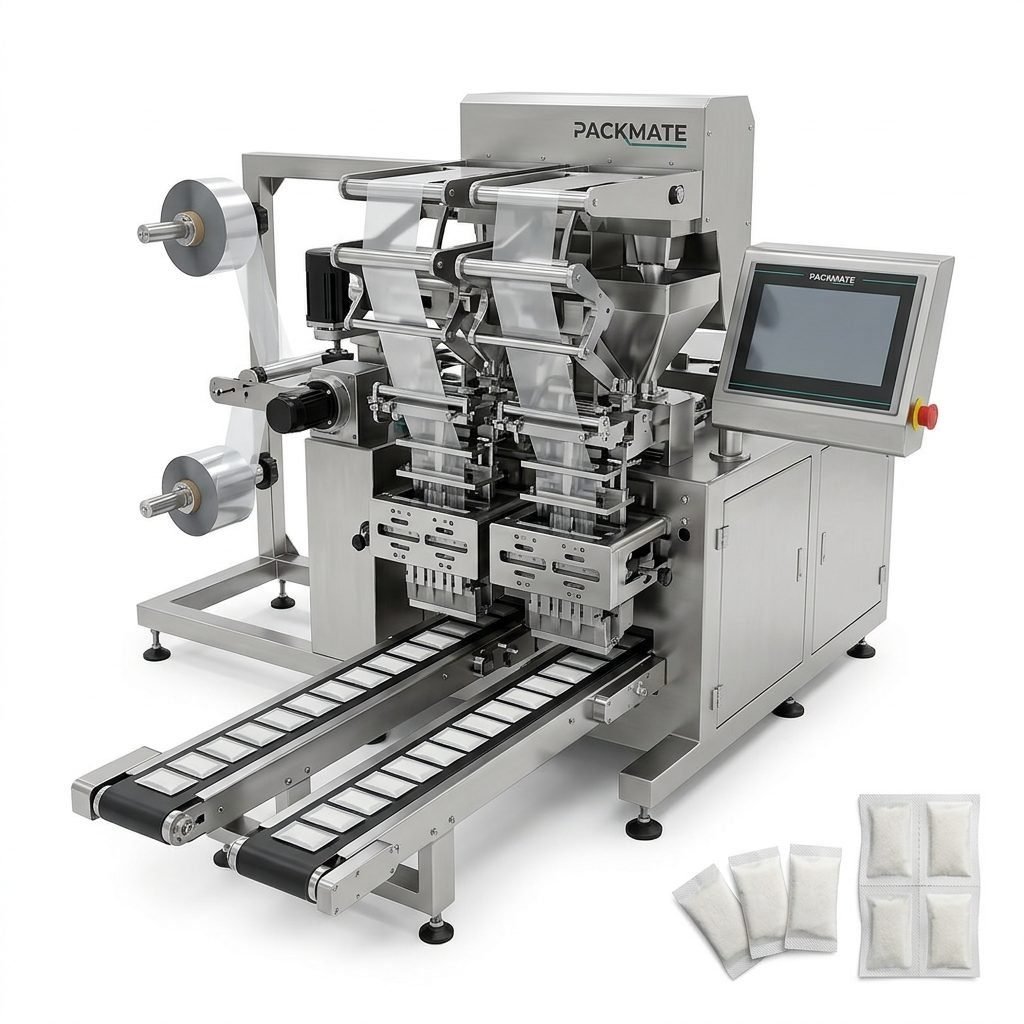
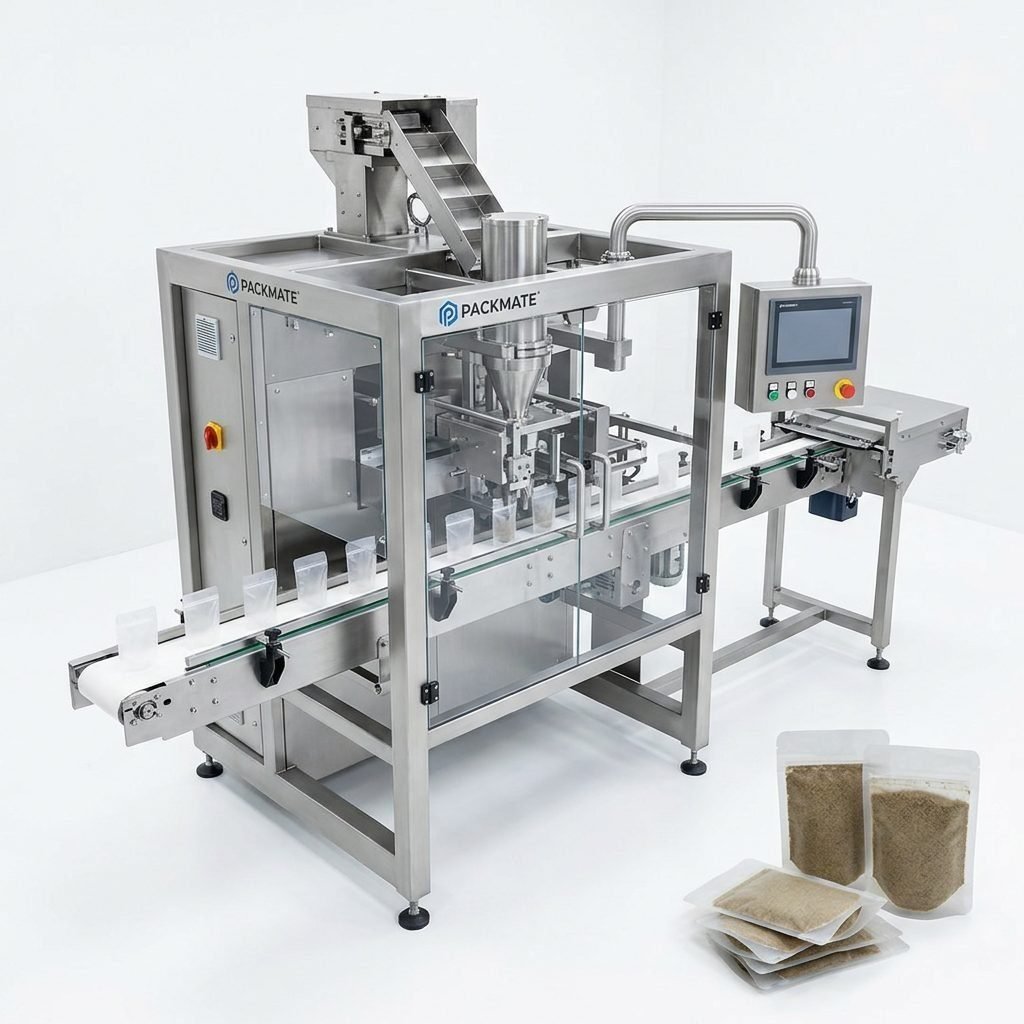
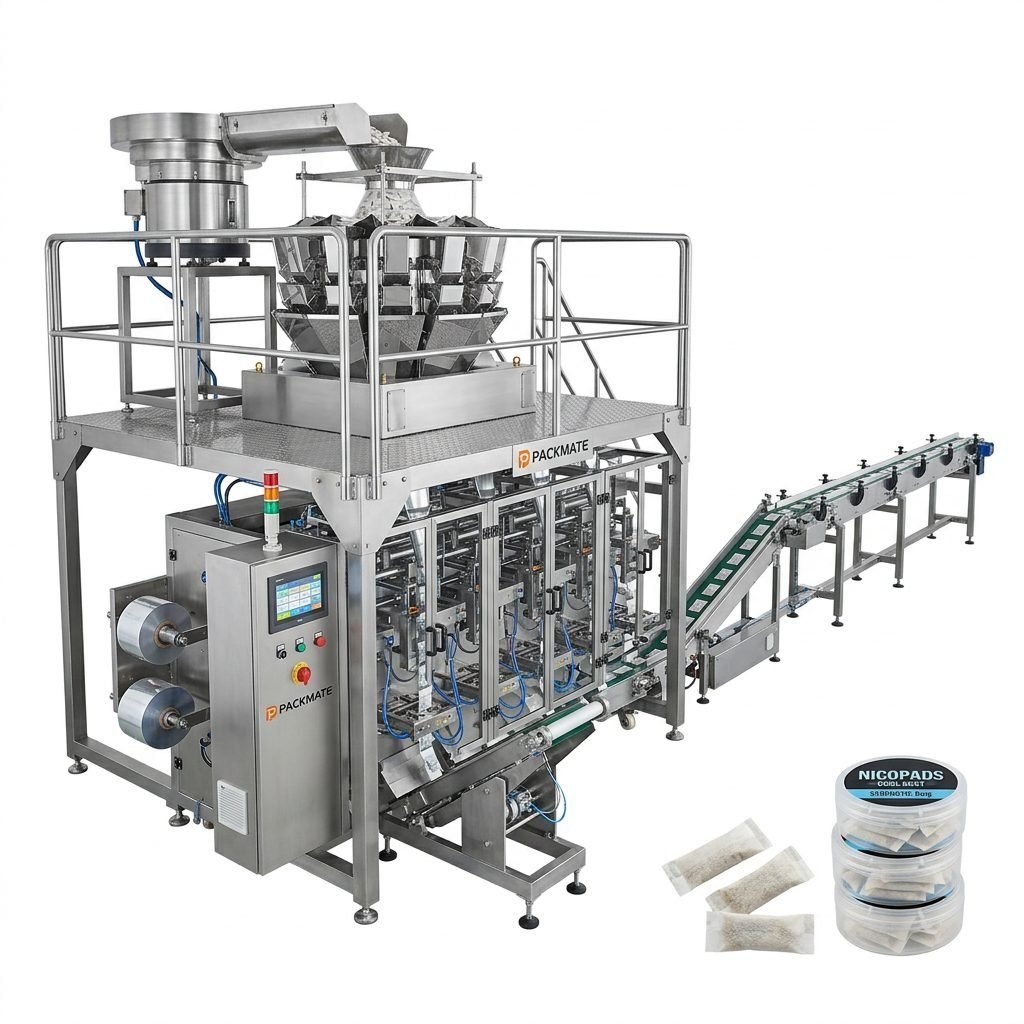
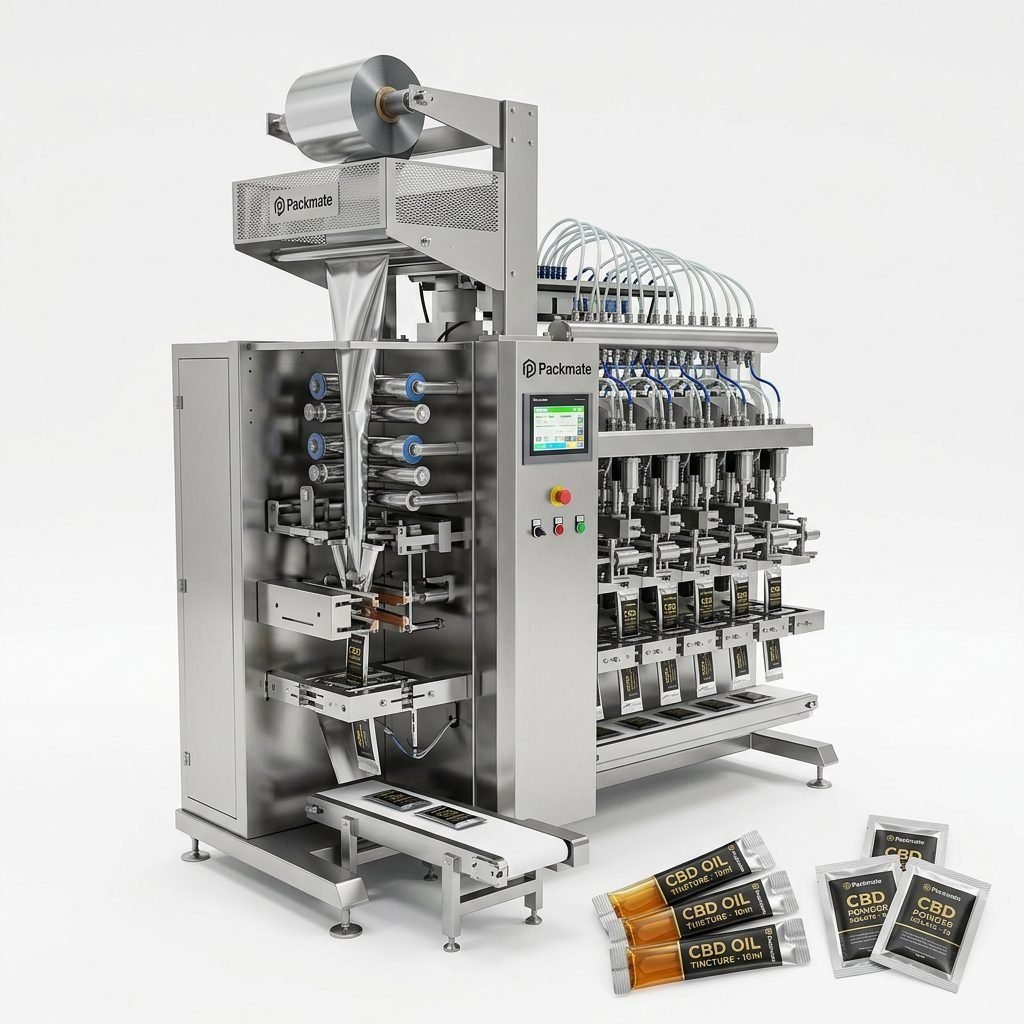
Before contacting suppliers, be clear about what you need: target daily output, pouch formats (e.g., round snus pouches, small-dose nicotine pouches), multi-lane requirements, pouch materials, and any secondary packaging (boxes, cartons). These parameters determine machine type — stick pack, sachet, multi-lane snus packaging lines — and the level of automation required. A precise brief helps manufacturers provide accurate proposals and avoids costly mis-specifications.
🧾 Key production details to define
1. Product format and dose size
2. Target speeds (pouches per minute) and lanes
3. Materials: non-woven, paper, film laminates
4. Filling type: powder, granule, paste or preformed pouches
5. Downstream processes: coding, metal detection, boxing
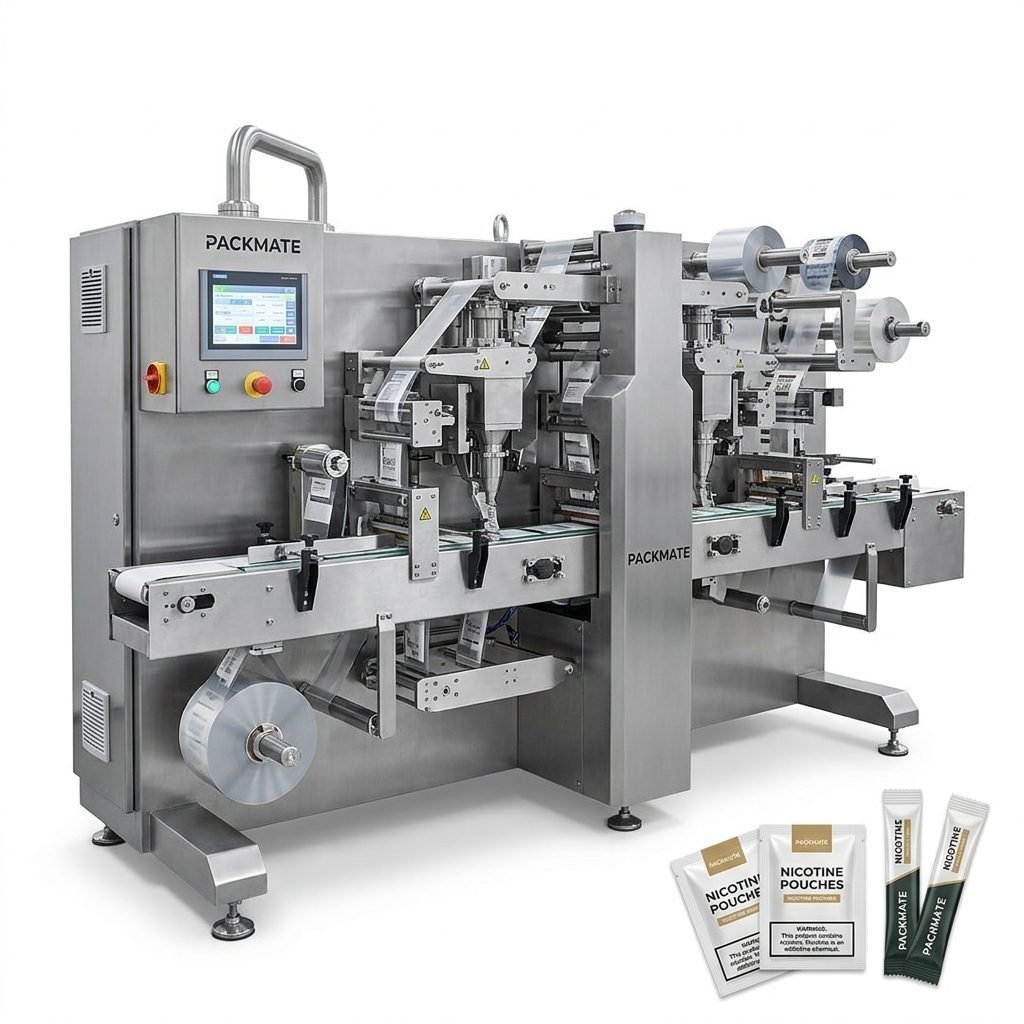
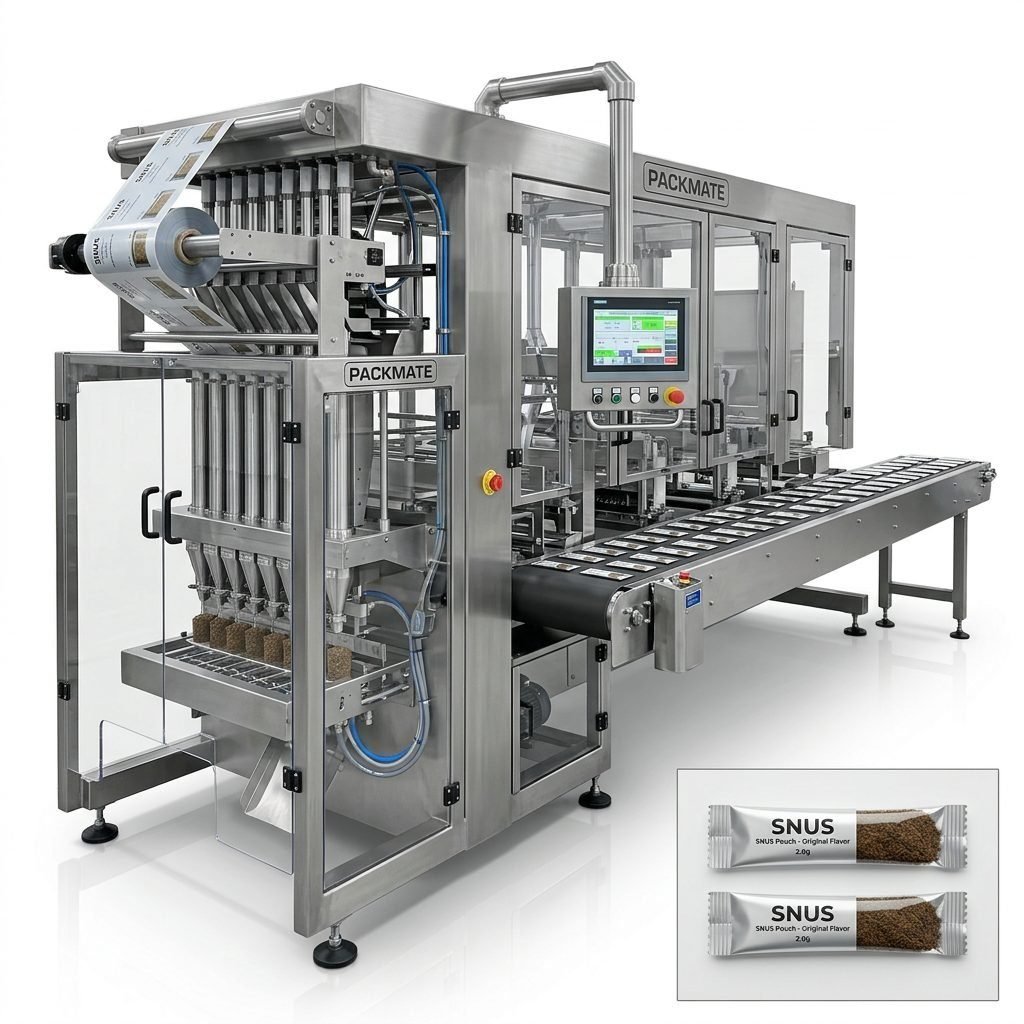
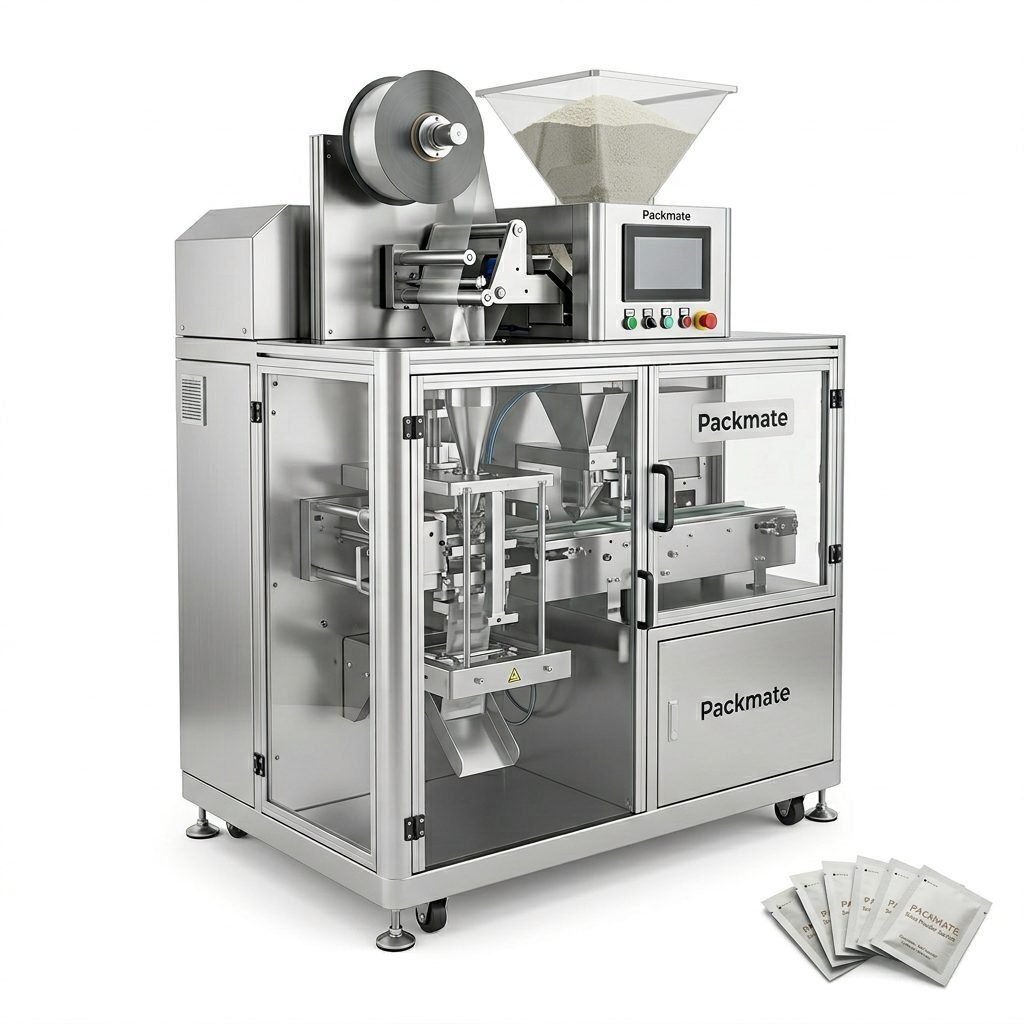
Tip: If you need inspiration on machine models and capabilities, review the manufacturer’s product pages like their Snus & Nicotine Packaging Machines and Sachet & Stick Pack Machines.
🏭 Evaluate Manufacturer Capabilities and Experience
Industry experience matters. Manufacturers with decades of engineering knowledge and a range of proven models will better anticipate packaging challenges and deliver reliable performance. Look for transparent company history, factory scale, and production capacity. A reputable supplier often provides detailed company profiles, factory photos, and case studies that demonstrate their track record in snus and nicotine pouch packaging.
For example, companies that emphasize multi-lane systems and long-term turnkey solutions typically have deeper expertise with small-dose pouch manufacturing and high-speed lines.
🔧 What to verify
• Years of experience and evolution of product lines
• Size of manufacturing facility and CNC/assembly capabilities
• Number of machine models and customization options
• Samples, pilot testing, and successful installations
Case studies: Ask for references or visit the manufacturer’s case page such as their project gallery to see real-world installations and results.
✅ Certifications, Compliance, and Quality Control
Regulatory compliance is critical when packaging nicotine products. Verify that machines and electrical systems meet CE, ISO, and other relevant standards. Manufacturers should provide documentation of safety assessments, material compatibility, and traceable quality control processes. Machines used for nicotine pouches often require precision dosing and hygiene-conscious design to ensure consistent dosing and reduce contamination risk.
📄 Documentation to request
• CE/ISO certificates and compliance statements
• Factory quality control reports and acceptance testing procedures
• Material safety and hygiene design features
• Test reports or trial run data for your specific product
🤝 After-Sales Support, Parts, and Training
The value of a packaging machine is not only in its initial purchase price but in uptime, service response, and spare parts availability. Evaluate a manufacturer’s after-sales offering: warranty terms, availability of spare parts, remote diagnostics, field service teams, operator training, and preventive maintenance packages. For operations in Honduras, timely spare parts logistics and reliable technical support are essential to minimize downtime.
Ask specifically: Does the manufacturer offer local partners or recommended service networks for Central America? Can they provide remote training and commissioning support for first-time operators?
⚙️ Customization and Turnkey Solutions
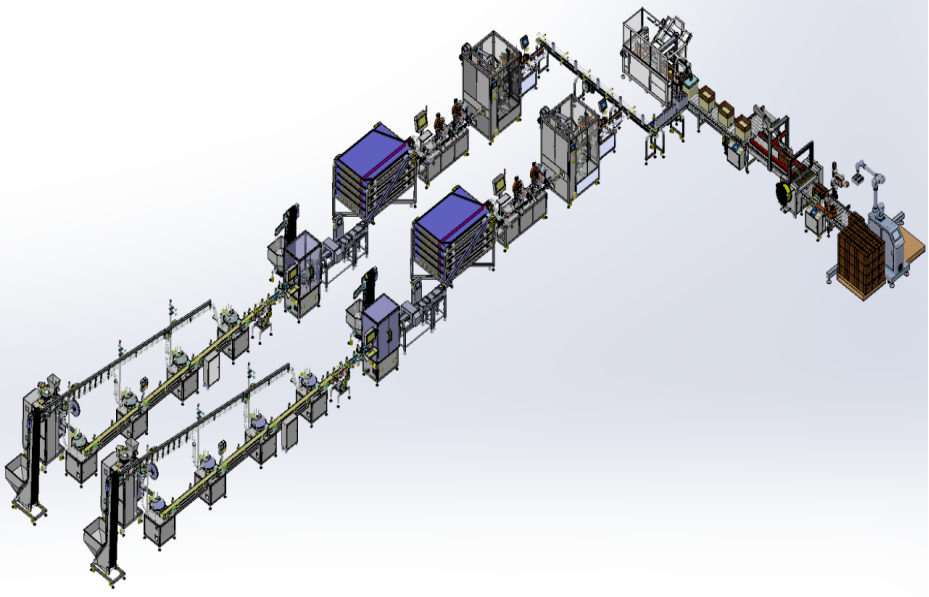
Nicotine pouch lines often need tailor-made solutions: custom dosing systems, multi-lane synchronization, specialized packaging materials, and integrated quality checks. Choose a manufacturer that offers modular designs and full-line integrations — from filling and pouch forming to secondary packaging and palletizing. A turnkey supplier simplifies engineering, reduces interface issues, and shortens commissioning time.
Packaged solutions may include weighing systems, auxiliary machinery, and control integration. Explore product categories like Weighing & Packaging Systems and Filling & Packaging Lines to understand how multiple systems can be combined.
💰 Total Cost of Ownership vs. Purchase Price
Focus on total cost of ownership (TCO): energy consumption, spare parts, maintenance hours, and expected machine life. Lower initial cost may lead to higher long-term expenses if the machine is less robust or parts are harder to source. Request lifecycle cost estimates and sample parts pricing to make an informed comparison.
📊 Compare offers by
• Warranty coverage and service inclusions
• Consumable parts lead times and costs
• Energy efficiency and uptime data from installed lines
• Training hours and documentation provided
🚚 Logistics, Lead Times, and Installation
Shipping packaging machines to Honduras involves customs, crating, and installation planning. Ask manufacturers for typical lead times, crating standards, and assistance with export documentation. Confirm whether the supplier offers on-site installation and start-up support or remote commissioning to reduce travel costs.
Pro tip: Request a phased delivery schedule and an installation checklist. Well-documented delivery and setup reduce delays and ensure smooth handover.
🔬 Factory Visit, Machine Tests, and Pilot Runs
Whenever possible, visit the manufacturer’s factory to inspect production practices, machining capabilities, and final assembly. Witness acceptance testing and pilot runs with your product or a close sample. Factory acceptance tests (FAT) should include speed trials, dosing accuracy, material compatibility checks, and hygiene procedures. A thorough FAT reduces surprises during site acceptance testing (SAT) in Honduras.
📞 Communication, Transparency, and Contract Terms
Evaluate how responsive and transparent the manufacturer is during the quotation stage. Clear documentation, defined milestones, and written guarantees reduce risk. Ensure contracts specify delivery dates, performance acceptance criteria, warranty terms, and spare part supply commitments. Confirm post-sale communication channels and escalation paths for technical issues.
🤝 Local Partnerships and Market Knowledge
A manufacturer familiar with Central American logistics and regulations will streamline procurement and compliance. Ask whether they have local partners, agents, or previous customers in the region. Suppliers with international experience often provide better warranty support, export handling, and regulatory advice.
If you want to learn more about a supplier’s background and mission, check their about section such as About Packmate and their company story — long-standing engineering expertise usually correlates with robust machine design and reliable service.
📋 Final Checklist Before Signing
• Product compatibility confirmed by sample tests
• Detailed proposal with specifications, lead times, and warranty
• Service, training, and parts plan documented
• Compliance certificates and FAT procedures agreed
• Logistics and installation schedule in the contract
Ready to take the next step? If you need professional consultation, sample lines, or a tailored turnkey solution, the manufacturer’s service and contact pages — for example, Service and Contact Us — are the fastest route to technical discussions and quotations.
🚀 Summary: Make an Informed, Strategic Choice
Selecting the best nicotine packaging machine manufacturer for Honduras is a multi-dimensional decision: match machine capabilities to your product, verify certifications and quality control, demand clear after-sales support, and assess TCO rather than unit price alone. Prioritize suppliers with proven snus and nicotine pouch expertise, robust factory capabilities, and a commitment to post-sale service. This approach minimizes risk and positions your production line for consistent performance and growth.
常见问题 (FAQs)
Q1: What machine type is best for small-dose nicotine pouches? A1: Multi-lane snus/nicotine pouch machines with precision dosing and modular lanes are ideal for small-dose production and higher throughput.
Q2: How long is the typical lead time for a custom snus packaging line? A2: Lead times vary by customization and capacity; expect several weeks to a few months. Confirm factory schedules and FAT timelines before purchase.
Q3: What certifications should the machine have? A3: CE and ISO are standard; request hygiene and safety documentation, plus any region-specific compliance needed for nicotine products.
Q4: Are spare parts and training included? A4: Many manufacturers include initial training and a spare parts package; verify the scope in the contract and ask about local availability.
Q5: How can I see the machine before buying? A5: Arrange a factory visit or request a factory acceptance test (FAT) video and product trial. Manufacturers often welcome buyers to observe assembly and trial runs.