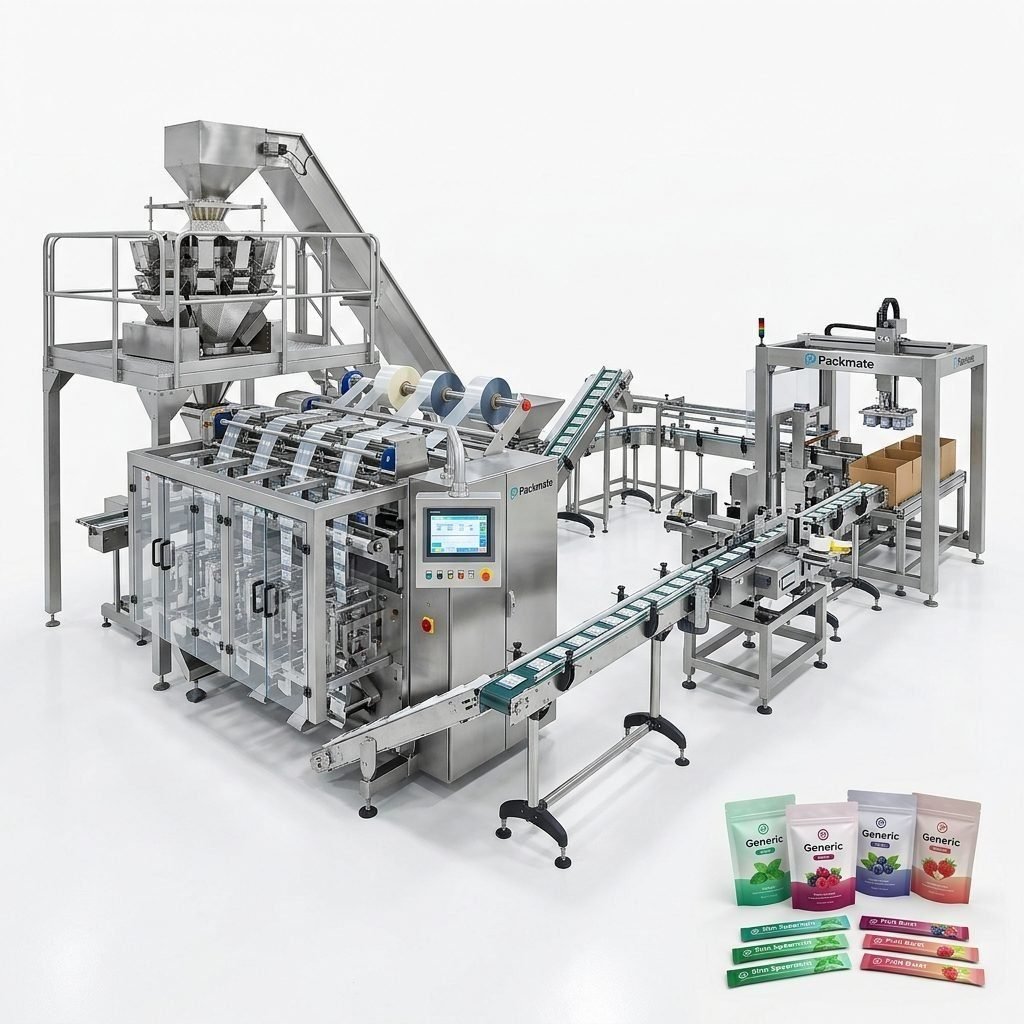
Choosing the right nicotine packaging machinery manufacturer for your business in Monaco is more than a procurement decision — it shapes production reliability, regulatory compliance, and your ability to scale. This guide walks you through practical, actionable criteria and evaluation steps so you can confidently select a partner who delivers consistent quality, technical support, and long-term value.
Why the Manufacturer Choice Matters
A packaging line is the backbone of nicotine pouch production. The right equipment reduces downtime, ensures dosage accuracy, meets CE and ISO standards, and simplifies validation during audits. For Monaco-based operations, logistical considerations and after-sales support are also critical. Investing time to evaluate manufacturers up front saves significant costs and risks later.
Key Selection Criteria
1. Proven Industry Experience
Look for manufacturers with a strong track record in snus and nicotine pouch systems. Companies with decades of experience demonstrate mature engineering practices and continuous product improvements. For example, a supplier with 30+ years of engineering expertise is likely to offer more stable, field-tested machines and well-documented maintenance procedures.
2. Range of Machine Models and Customization
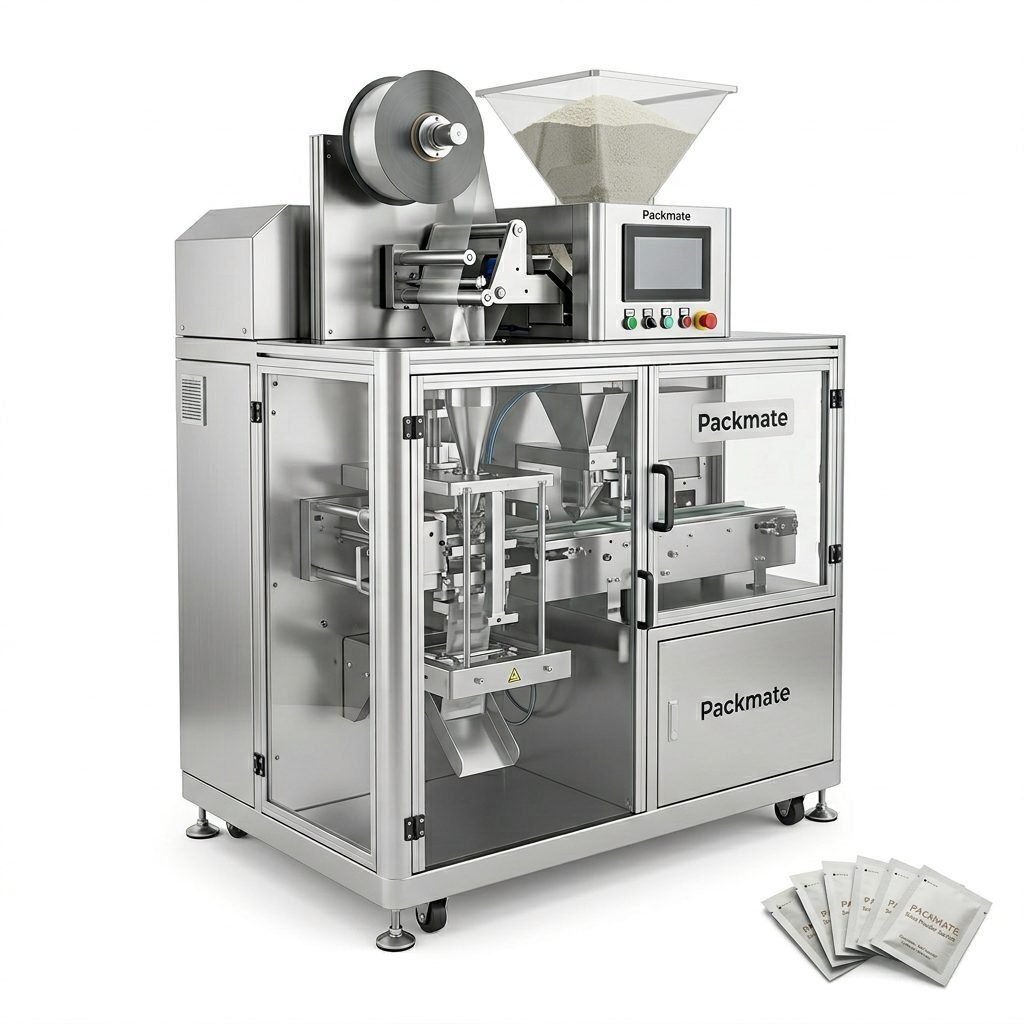
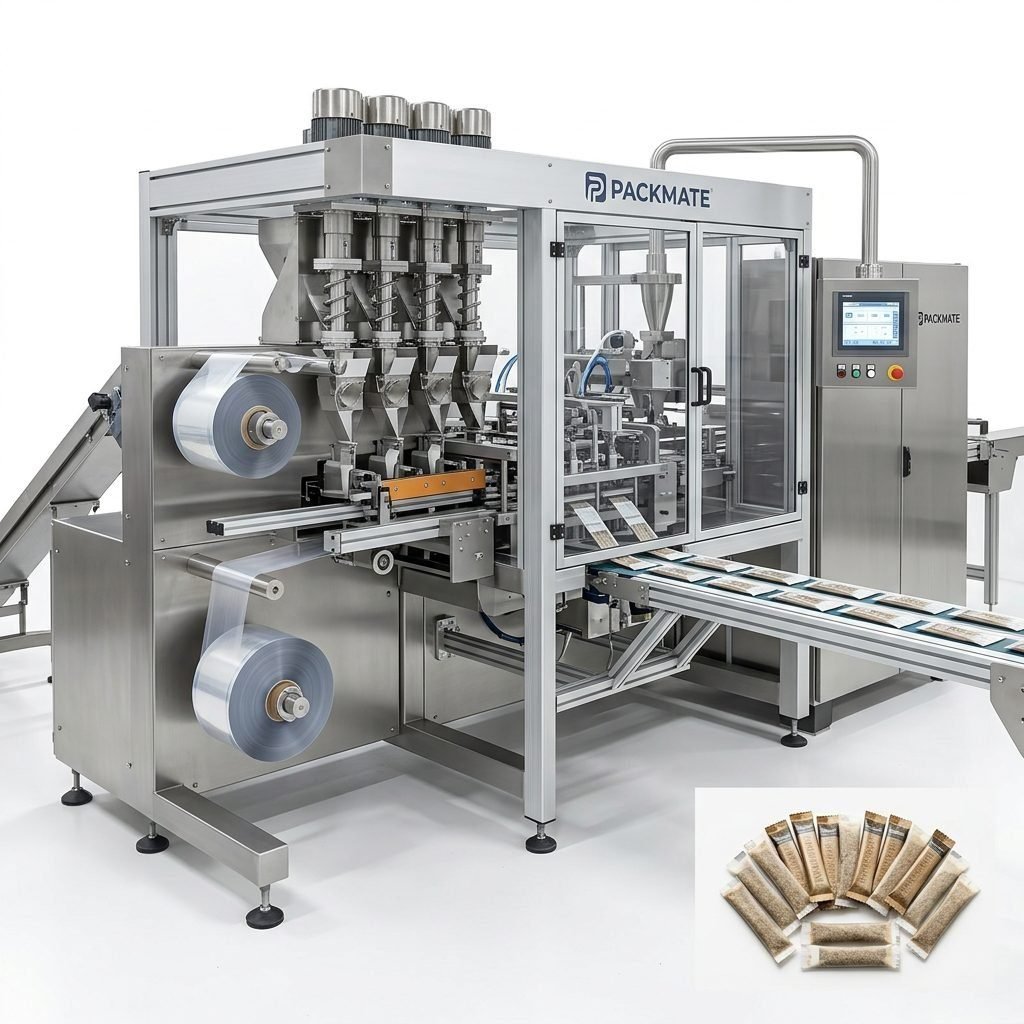
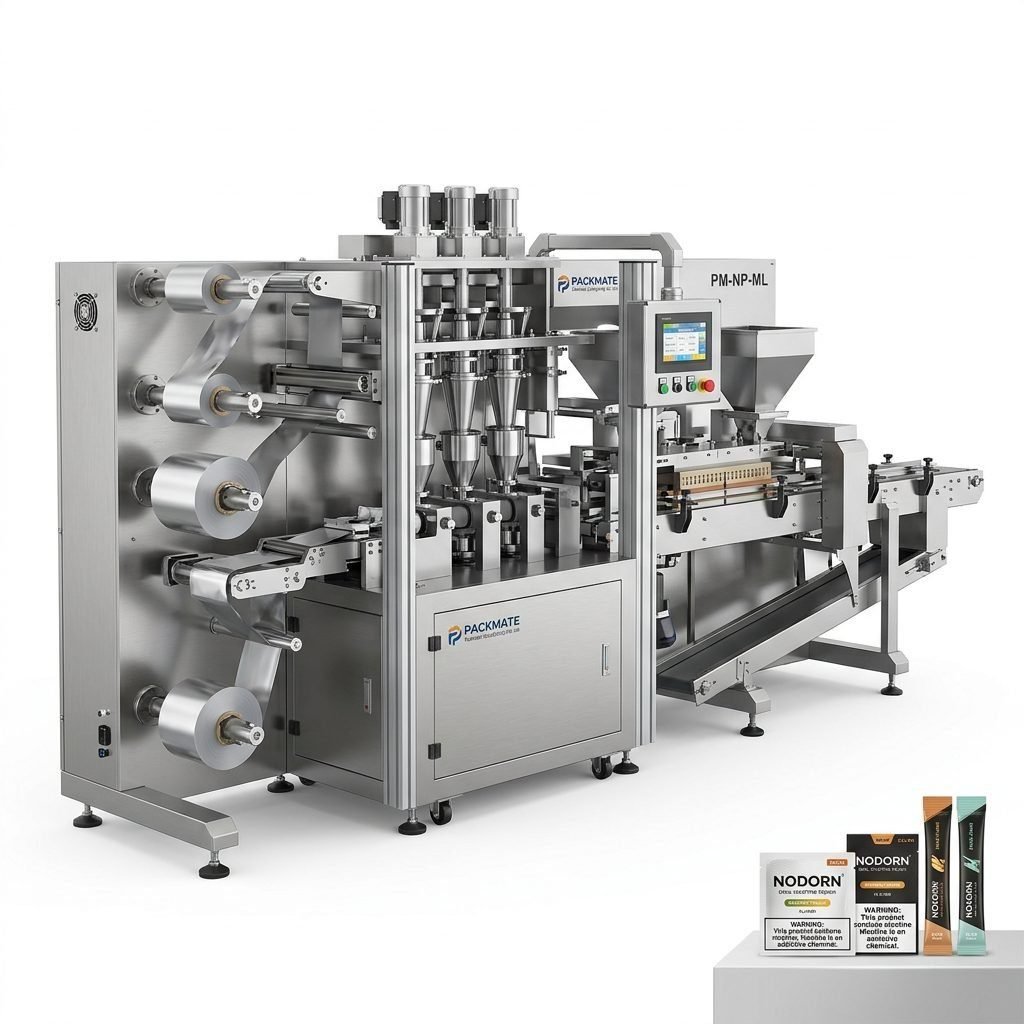
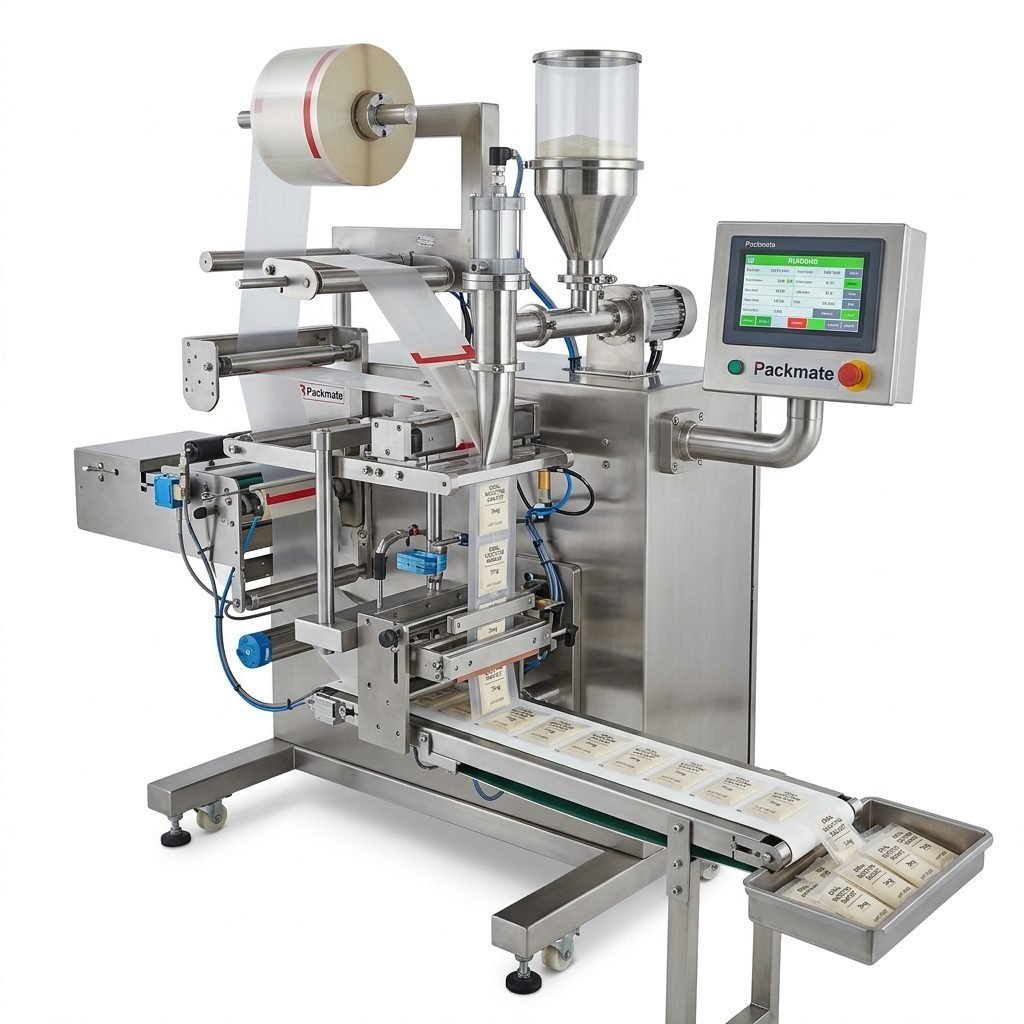
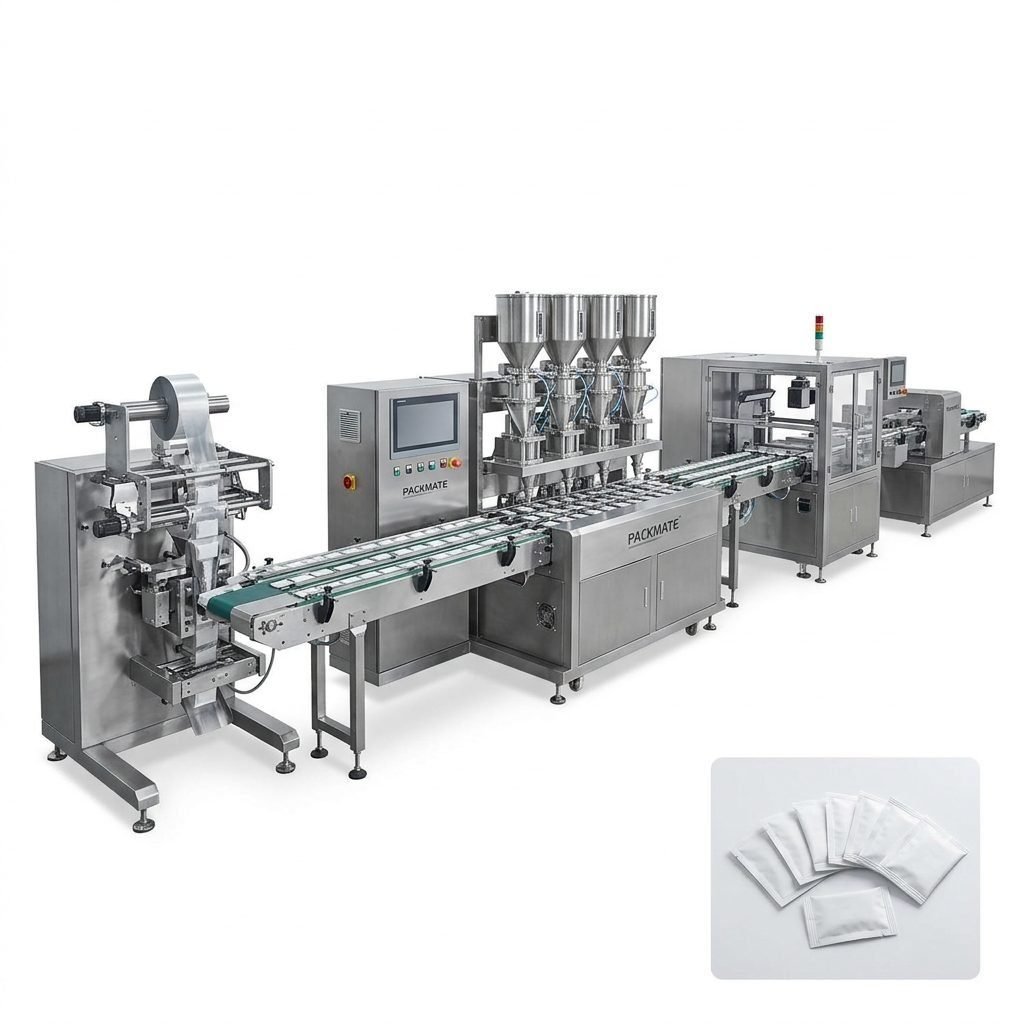
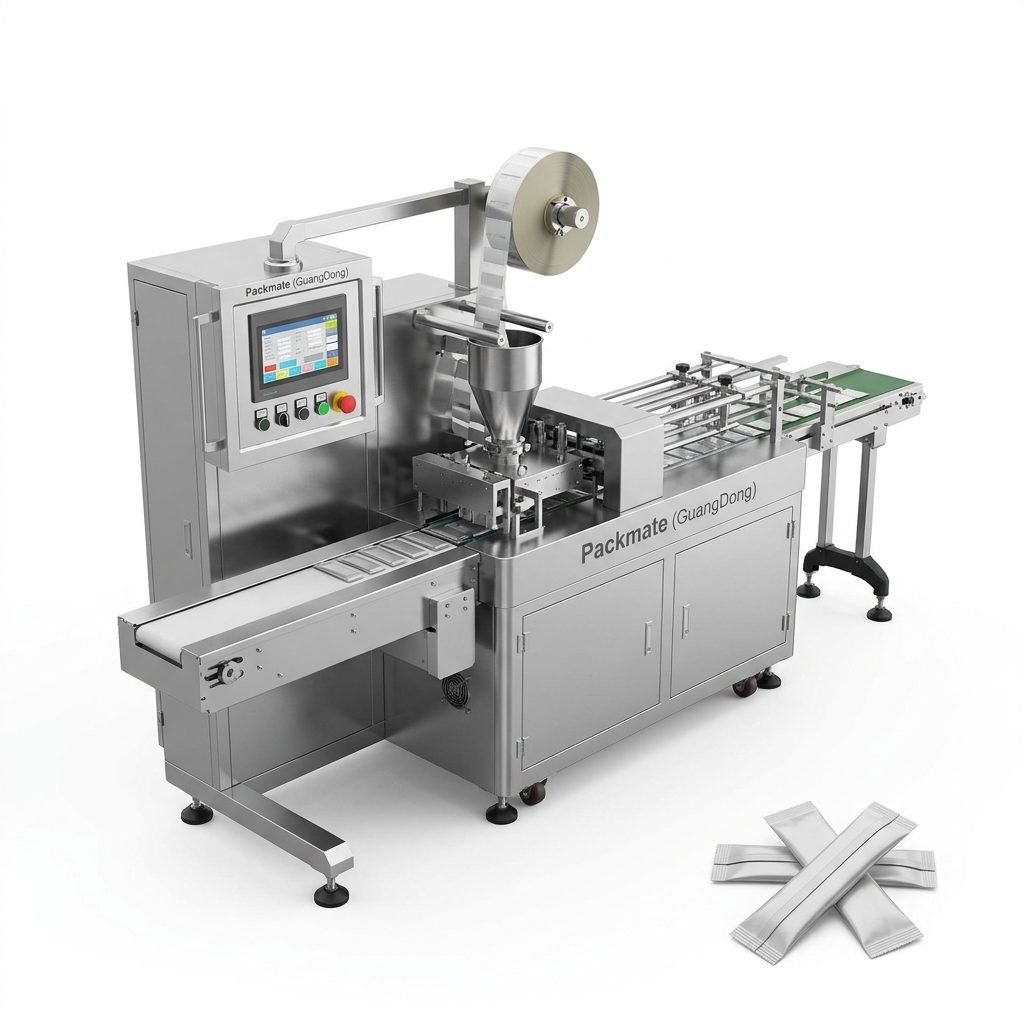
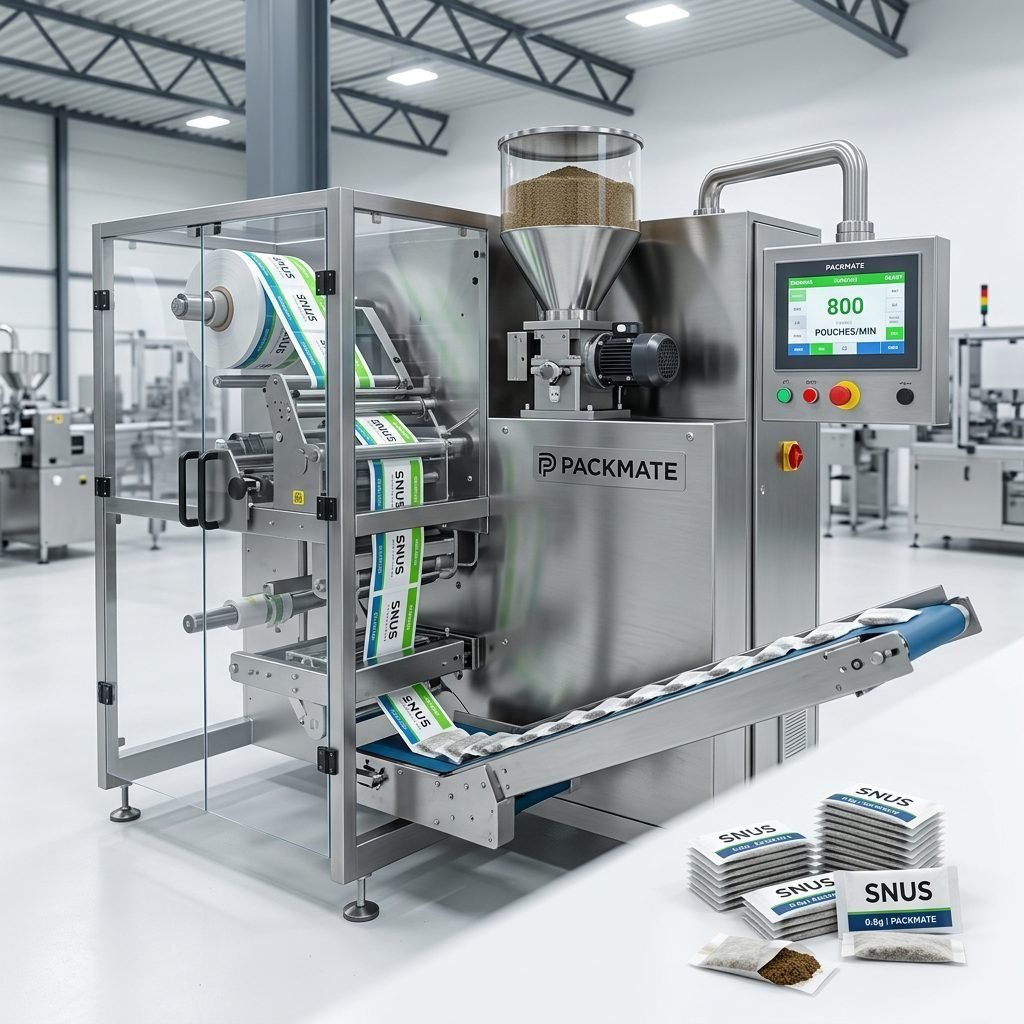
A broad portfolio (stick pack, sachet, multi-lane systems) indicates flexibility. Seek manufacturers that can tailor machine configurations for your specific pouch size, filling weight, and production speed. Reference product pages like
Snus & Nicotine Packaging Machines
and
Sachet & Stick Pack Machines
to compare capabilities.
Tip: Machines that support multi-lane production deliver higher throughput in a compact footprint — ideal if floor space in Monaco is a premium.
3. Certifications and Compliance
International certifications (CE, ISO) are essential for safety and regulatory acceptance. Verify certificates and ask for recent audit reports. Manufacturers who publish certificates clearly and provide documentation demonstrate transparency and readiness for export to regulated markets.
4. Factory Strength and Quality Control
Inspect or request virtual tours of workshops and assembly lines. A 20,000㎡ factory with advanced CNC machining centers and precision assembly lines suggests robust production capacity and consistency. Check whether the manufacturer runs full-line testing and QC checkpoints before shipment.
5. After-Sales Service & Spare Parts
Local support is a decisive factor. Clarify lead times for spare parts, availability of local technicians or remote troubleshooting, and training options for operators and maintenance staff. Contracts that include commissioning, operator training, and preventive maintenance are highly valuable.
Monaco-Specific Considerations
Monaco’s proximity to major European ports, high standards for product safety, and emphasis on compact facilities influence your choice. Select a manufacturer that understands export logistics to France and the EU, offers CE-compliant equipment, and can assist with customs documentation and local installation.
🔧 Logistics note: Ask whether the manufacturer handles shipping, crating, and customs clearance — this reduces coordination overhead in Monaco.
Practical Evaluation Steps
1. Issue a Detailed RFQ
Your RFQ should include target throughput (pouches/min), pouch dimensions, filling weights and tolerances, materials, expected run hours, and any automation or serialization needs. Clear RFQs produce comparable quotes and reveal which suppliers understand your requirements.
2. Request References and Case Studies
Ask for case studies in similar product categories and markets. Review performance metrics such as OEE (Overall Equipment Effectiveness), changeover times, and mean time between failures (MTBF). Visit references if possible or request live demos — many suppliers host recorded demonstrations or invite prospects to exhibitions. See real examples on the manufacturer’s Case page.
3. Factory Inspection & FAT (Factory Acceptance Test)
Conduct or observe a FAT where the machine runs your product or a representative material. FAT ensures the machine meets speed, accuracy, and packaging quality targets. Ask for a written FAT report that details cycle times, reject rates, and test conditions.
Technical Questions to Ask Suppliers
When speaking with potential manufacturers, be direct about specifications and support:
- What is the guaranteed production speed for my pouch size?
- Can you provide spare parts lists and estimated annual consumable costs?
- Do you supply PLC/HMI programming and PLC source code access?
- What warranty and service SLAs do you offer for international clients?
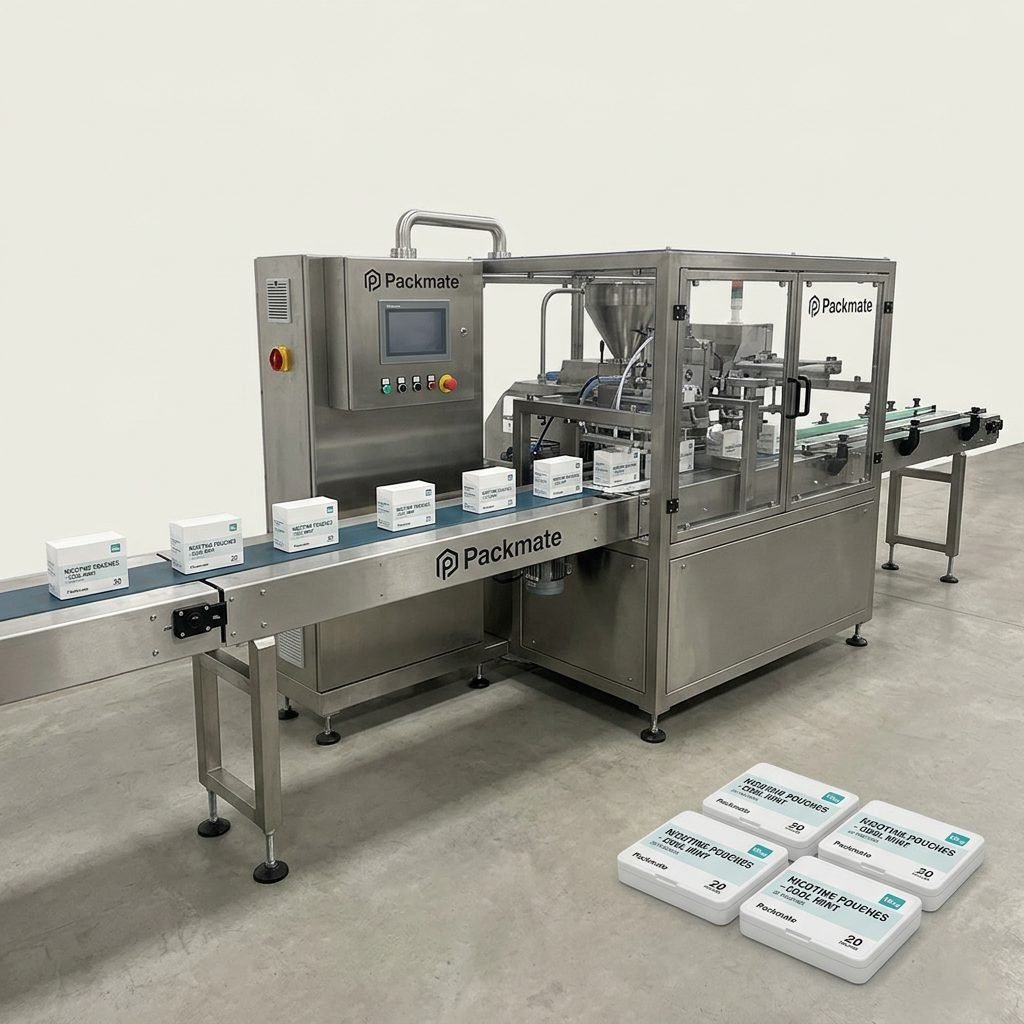
- Are your machines compatible with downstream counting, boxing, and case-packing systems?
📦 Integration tip: Check the manufacturer’s ability to deliver turnkey solutions including filling, weighing, and auxiliary equipment. See examples under Filling & Packaging Lines.
Assessing Total Cost of Ownership (TCO)
Purchase price is only part of the story. TCO includes installation, spare parts, consumables, energy consumption, operator training, and expected downtime. Obtain detailed life-cycle cost estimates and compare expected ROI based on throughput and waste reduction.
Negotiation and Contract Essentials
Protect your investment with clear terms: delivery date, payment milestones, warranty scope, acceptance criteria, FAT results, spare parts availability, and penalties for missed milestones. Insist on documentation for electrical schematics, mechanical drawings, PLC code, and a parts manual.
Implementation & Commissioning
A strong supplier will include onsite commissioning, validation support, operator training, and initial spares. Plan a structured commissioning phase with performance checks against FAT benchmarks and include a post-installation support window for adjustments and optimization.
✅ Checklist highlight: Ensure operator training covers daily cleaning, CIP (if applicable), routine lubrication points, and emergency stop procedures.
Why Packmate Snus Machine Is a Consideration
Manufacturers like Packmate bring decades of R&D, a wide range of snus and nicotine packaging solutions, and extensive factory capabilities. With over 50 machine models, advanced CNC production, and global turnkey solutions, such suppliers typically offer the technical depth and consistent quality Monaco-based businesses require. Learn more about the company at their About Packmate page and review certifications on the Certificate page.
Final Decision Matrix
Create a weighted decision matrix that includes: technical fit (30%), reliability & references (20%), TCO & ROI (20%), service & spare parts (15%), and compliance & certifications (15%). Score each supplier and prioritize candidates that consistently score high across these categories.
Post-Purchase: Continuous Improvement
After commissioning, track OEE, reject rates, and maintenance interventions. Share these KPIs with your manufacturer to drive continuous improvements and software/firmware updates. A proactive supplier-client relationship yields productivity gains and reduces life-cycle costs.
Useful Resources and Next Steps
For quick reference, review product categories such as Bag & Pouch Packaging Machines and Weighing & Packaging Systems. When ready, prepare an RFQ and arrange a FAT or factory visit. Use the supplier’s Contact Us page to initiate detailed discussions.
Frequently Asked Questions
Q1: How important are CE and ISO certifications?
CE and ISO certificates are essential for safety, regulatory compliance, and acceptance in European markets. They also indicate the manufacturer follows standardized quality and safety practices, which reduces operational and legal risks.
Q2: Should I prioritize price or support when choosing a supplier?
Prioritize support and total cost of ownership. A low purchase price may lead to higher downtime, expensive spare parts, and slow service response — all of which hurt long-term productivity and profitability.
Q3: What is a Factory Acceptance Test (FAT) and why does it matter?
A FAT is a pre-shipment test where the machine runs under agreed conditions to verify speed, accuracy, and packaging quality. It mitigates risk by confirming the equipment meets specifications before leaving the factory.
Q4: How can I ensure spare parts availability?
Obtain a spare parts list with lead times, ask about local stocking options, and negotiate initial spares included with purchase. Suppliers with global networks or long-standing production capacity offer better parts availability.
Q5: Can I get a turnkey solution including filling and auxiliary equipment?
Yes. Look for manufacturers that deliver integrated solutions — from filling and weighing to sealing and case packing — so you receive a coordinated line with single-point responsibility for performance and troubleshooting.